
Search
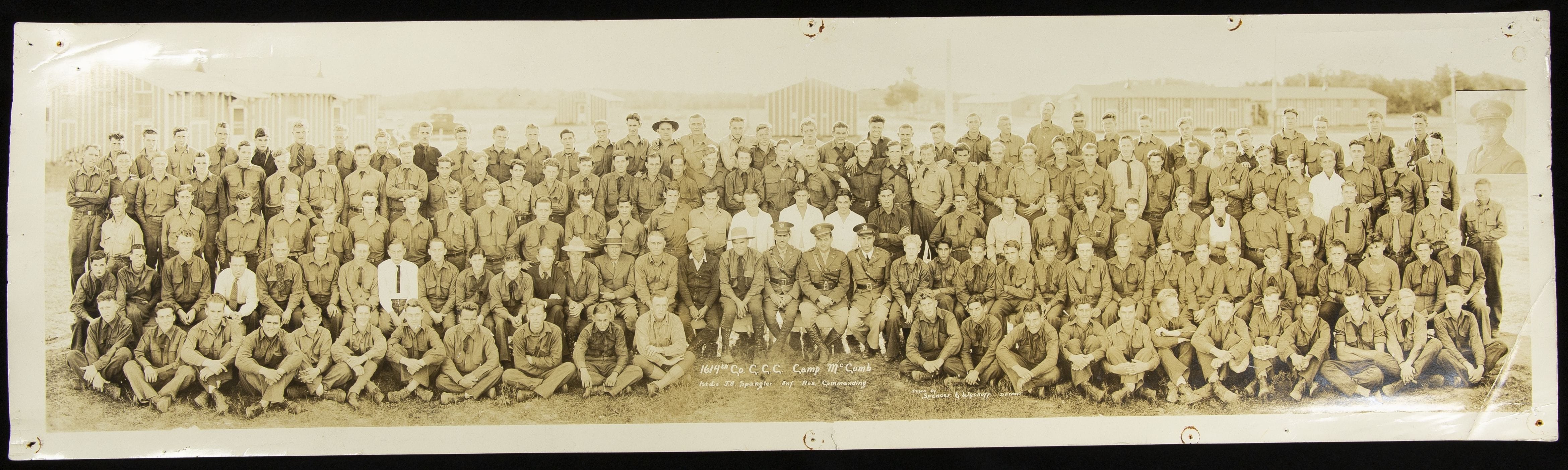
- Civilian Conservation Corps Company No. 1614, 1934 - Michigan native Stanley Zaleski (1915-1973) enlisted in the Civilian Conservation Corps (CCC) in April 1934 when he was 18. The CCC, established in the early years of the Great Depression, enlisted unemployed, single young men to work in America's public lands, forests, and national parks. Zaleski, who helped with reforestation, was stationed with company 1614 at Camp McComb near Munising, Michigan.
- 1934
- Collections - Artifact
Civilian Conservation Corps Company No. 1614, 1934
Michigan native Stanley Zaleski (1915-1973) enlisted in the Civilian Conservation Corps (CCC) in April 1934 when he was 18. The CCC, established in the early years of the Great Depression, enlisted unemployed, single young men to work in America's public lands, forests, and national parks. Zaleski, who helped with reforestation, was stationed with company 1614 at Camp McComb near Munising, Michigan.
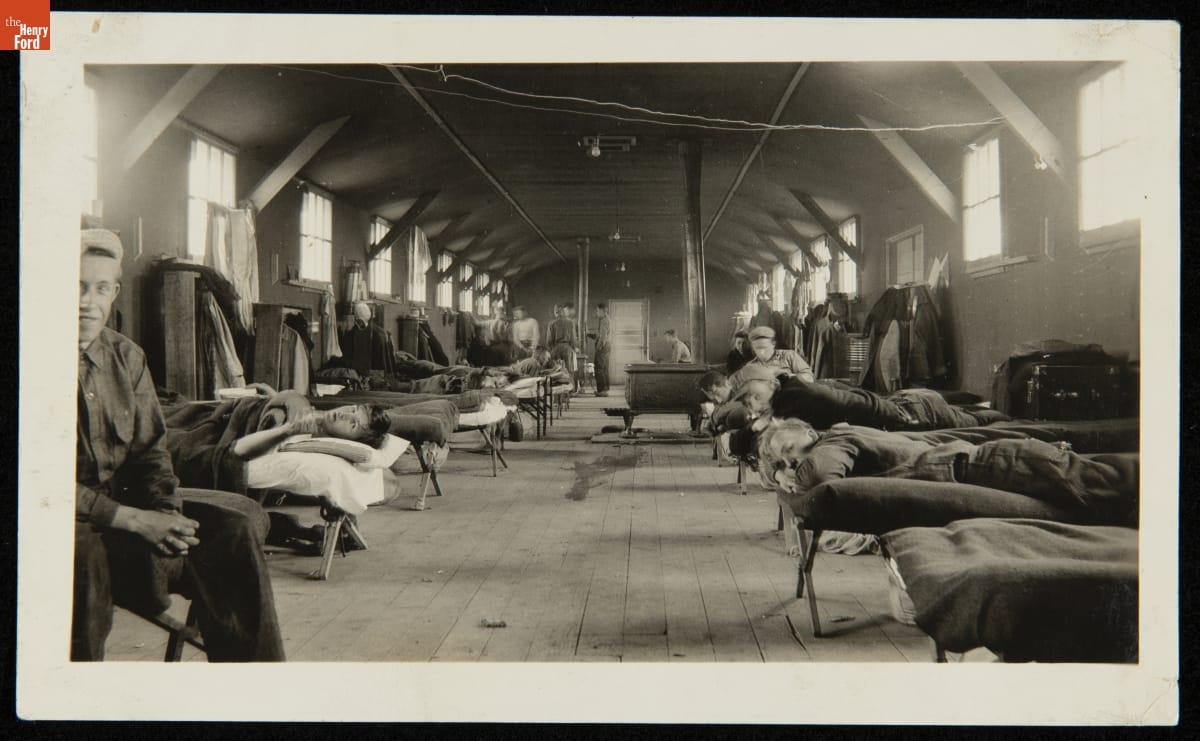
- Interior of Civilian Conservation Corps Barracks, 1934 - President Franklin Roosevelt established the Civilian Conservation Corps (CCC) in 1933 during the early years of the Great Depression. The Corps enlisted unemployed, single young men to work in America's public lands, forests, and national parks. The men earned $30 a month and received food, clothing, and lodging. More than 2 1/2 million men served by the time the program ended in 1942.
- 1934
- Collections - Artifact
Interior of Civilian Conservation Corps Barracks, 1934
President Franklin Roosevelt established the Civilian Conservation Corps (CCC) in 1933 during the early years of the Great Depression. The Corps enlisted unemployed, single young men to work in America's public lands, forests, and national parks. The men earned $30 a month and received food, clothing, and lodging. More than 2 1/2 million men served by the time the program ended in 1942.
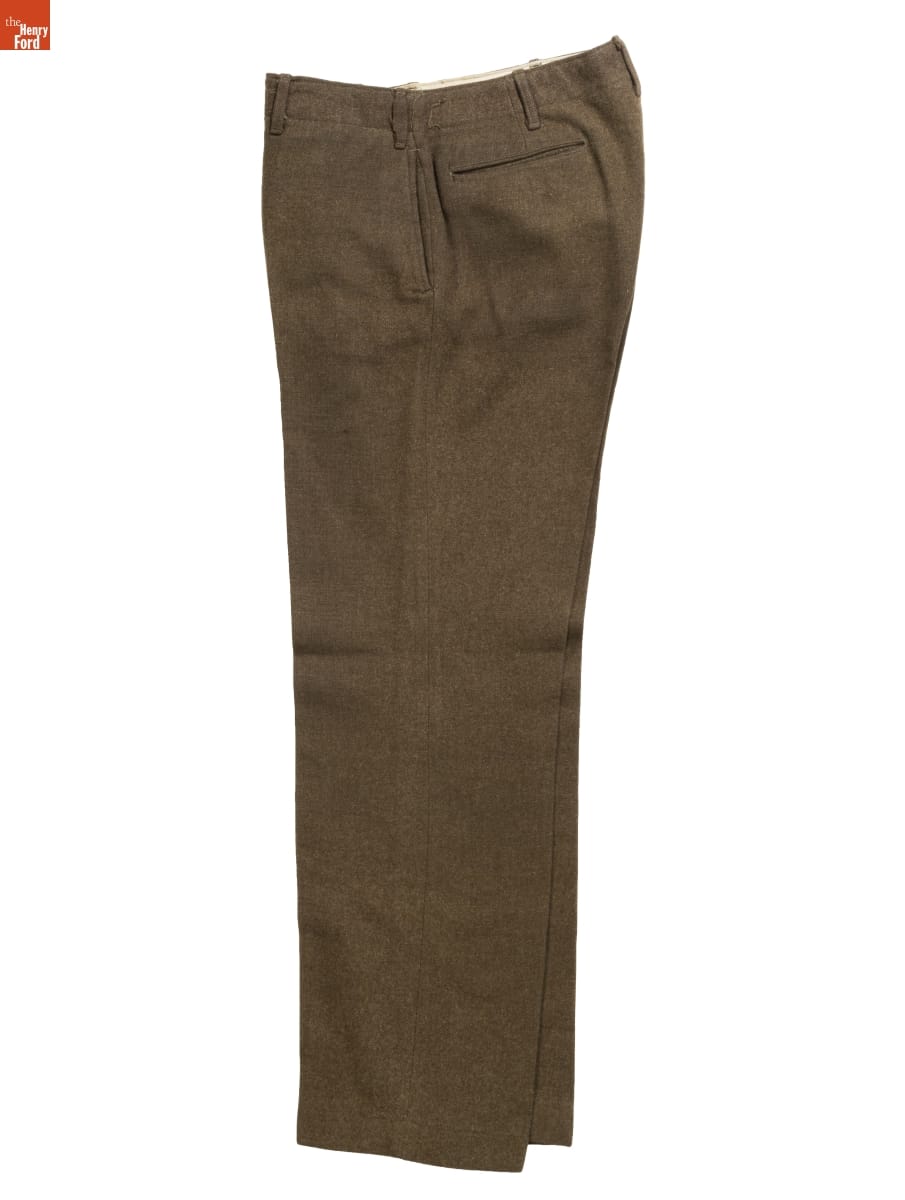
- Civilian Conservation Corps Trousers, 1934-1936 - President Franklin Roosevelt established the Civilian Conservation Corps (CCC) in 1933 during the early years of the Great Depression. The Corps enlisted unemployed, single young men to work in America's public lands, forests, and national parks. The men earned $30 a month and received food, clothing, and lodging. More than 2 1/2 million men served by the time the program ended in 1942.
- 1934-1936
- Collections - Artifact
Civilian Conservation Corps Trousers, 1934-1936
President Franklin Roosevelt established the Civilian Conservation Corps (CCC) in 1933 during the early years of the Great Depression. The Corps enlisted unemployed, single young men to work in America's public lands, forests, and national parks. The men earned $30 a month and received food, clothing, and lodging. More than 2 1/2 million men served by the time the program ended in 1942.
- Civilian Conservation Corps Saucer, 1933-1942 - President Franklin Roosevelt established the Civilian Conservation Corps (CCC) in 1933 during the early years of the Great Depression. The Corps enlisted unemployed, single young men to work in America's public lands, forests, and national parks. The men earned $30 a month and received food, clothing, and lodging. More than 2 1/2 million men served by the time the program ended in 1942.

- 1933-1942
- Collections - Artifact
Civilian Conservation Corps Saucer, 1933-1942
President Franklin Roosevelt established the Civilian Conservation Corps (CCC) in 1933 during the early years of the Great Depression. The Corps enlisted unemployed, single young men to work in America's public lands, forests, and national parks. The men earned $30 a month and received food, clothing, and lodging. More than 2 1/2 million men served by the time the program ended in 1942.
- Civilian Conservation Corps Fruit Bowl, 1933-1942 - President Franklin Roosevelt established the Civilian Conservation Corps (CCC) in 1933 during the early years of the Great Depression. The Corps enlisted unemployed, single young men to work in America's public lands, forests, and national parks. The men earned $30 a month and received food, clothing, and lodging. More than 2 1/2 million men served by the time the program ended in 1942.

- 1933-1942
- Collections - Artifact
Civilian Conservation Corps Fruit Bowl, 1933-1942
President Franklin Roosevelt established the Civilian Conservation Corps (CCC) in 1933 during the early years of the Great Depression. The Corps enlisted unemployed, single young men to work in America's public lands, forests, and national parks. The men earned $30 a month and received food, clothing, and lodging. More than 2 1/2 million men served by the time the program ended in 1942.
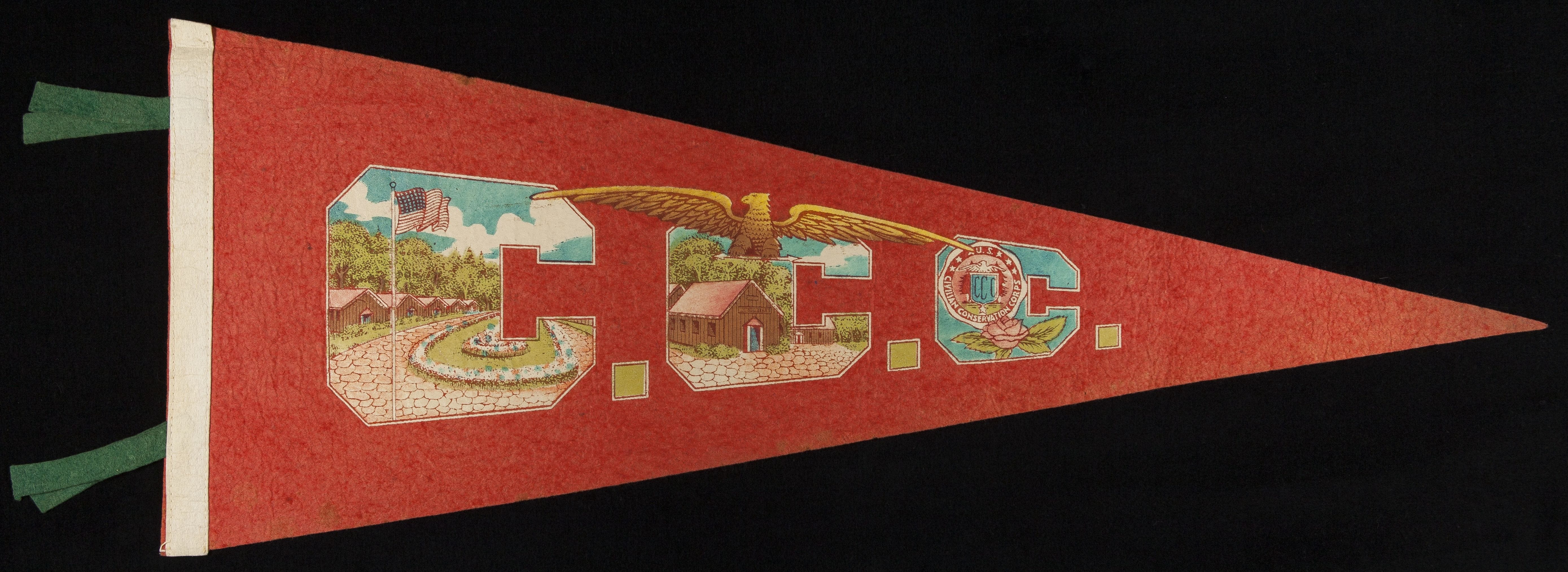
- Pennant, "U.S. Civilian Conservation Corps," 1933-1942 - President Franklin Roosevelt established the Civilian Conservation Corps (CCC) in 1933 during the early years of the Great Depression. The Corps enlisted unemployed, single young men to work in America's public lands, forests, and national parks. The men earned $30 a month and received food, clothing, and lodging. More than 2 1/2 million men served by the time the program ended in 1942.
- 1933-1942
- Collections - Artifact
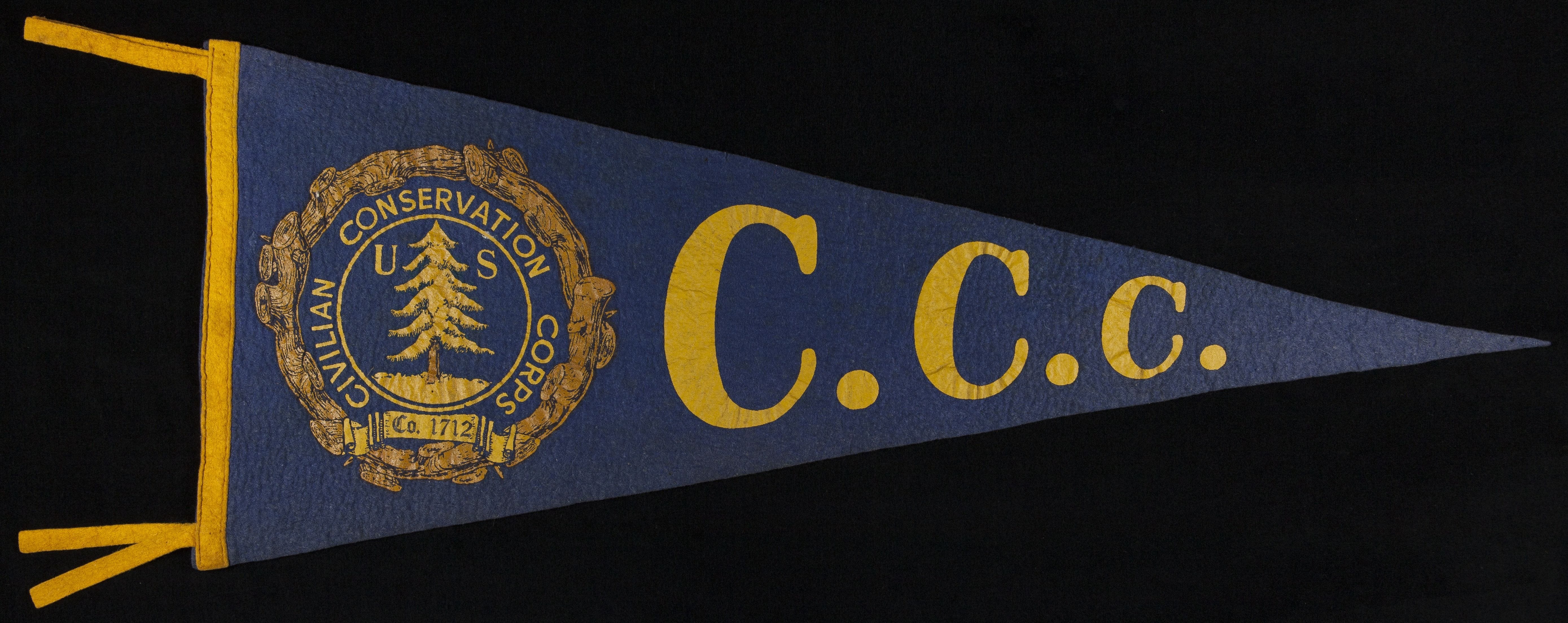
Pennant, "U.S. Civilian Conservation Corps," 1933-1942
President Franklin Roosevelt established the Civilian Conservation Corps (CCC) in 1933 during the early years of the Great Depression. The Corps enlisted unemployed, single young men to work in America's public lands, forests, and national parks. The men earned $30 a month and received food, clothing, and lodging. More than 2 1/2 million men served by the time the program ended in 1942.
- Pennant, "U.S. Civilian Conservation Corps," 1933-1942 - President Franklin Roosevelt established the Civilian Conservation Corps (CCC) in 1933 during the early years of the Great Depression. The Corps enlisted unemployed, single young men to work in America's public lands, forests, and national parks. The men earned $30 a month and received food, clothing, and lodging. More than 2 1/2 million men served by the time the program ended in 1942.
- 1933-1942
- Collections - Artifact
Pennant, "U.S. Civilian Conservation Corps," 1933-1942
President Franklin Roosevelt established the Civilian Conservation Corps (CCC) in 1933 during the early years of the Great Depression. The Corps enlisted unemployed, single young men to work in America's public lands, forests, and national parks. The men earned $30 a month and received food, clothing, and lodging. More than 2 1/2 million men served by the time the program ended in 1942.
- Civilian Conservation Corps Garrison Cap, 1939-1942 - President Franklin Roosevelt established the Civilian Conservation Corps (CCC) in 1933 during the early years of the Great Depression. The Corps enlisted unemployed, single young men to work in America's public lands, forests, and national parks. The men earned $30 a month and received food, clothing, and lodging. More than 2 1/2 million men served by the time the program ended in 1942.

- 1939-1942
- Collections - Artifact
Civilian Conservation Corps Garrison Cap, 1939-1942
President Franklin Roosevelt established the Civilian Conservation Corps (CCC) in 1933 during the early years of the Great Depression. The Corps enlisted unemployed, single young men to work in America's public lands, forests, and national parks. The men earned $30 a month and received food, clothing, and lodging. More than 2 1/2 million men served by the time the program ended in 1942.
- Civilian Conservation Corps Dinner Plate, 1933-1942 - President Franklin Roosevelt established the Civilian Conservation Corps (CCC) in 1933 during the early years of the Great Depression. The Corps enlisted unemployed, single young men to work in America's public lands, forests, and national parks. The men earned $30 a month and received food, clothing, and lodging. More than 2 1/2 million men served by the time the program ended in 1942.

- 1933-1942
- Collections - Artifact
Civilian Conservation Corps Dinner Plate, 1933-1942
President Franklin Roosevelt established the Civilian Conservation Corps (CCC) in 1933 during the early years of the Great Depression. The Corps enlisted unemployed, single young men to work in America's public lands, forests, and national parks. The men earned $30 a month and received food, clothing, and lodging. More than 2 1/2 million men served by the time the program ended in 1942.
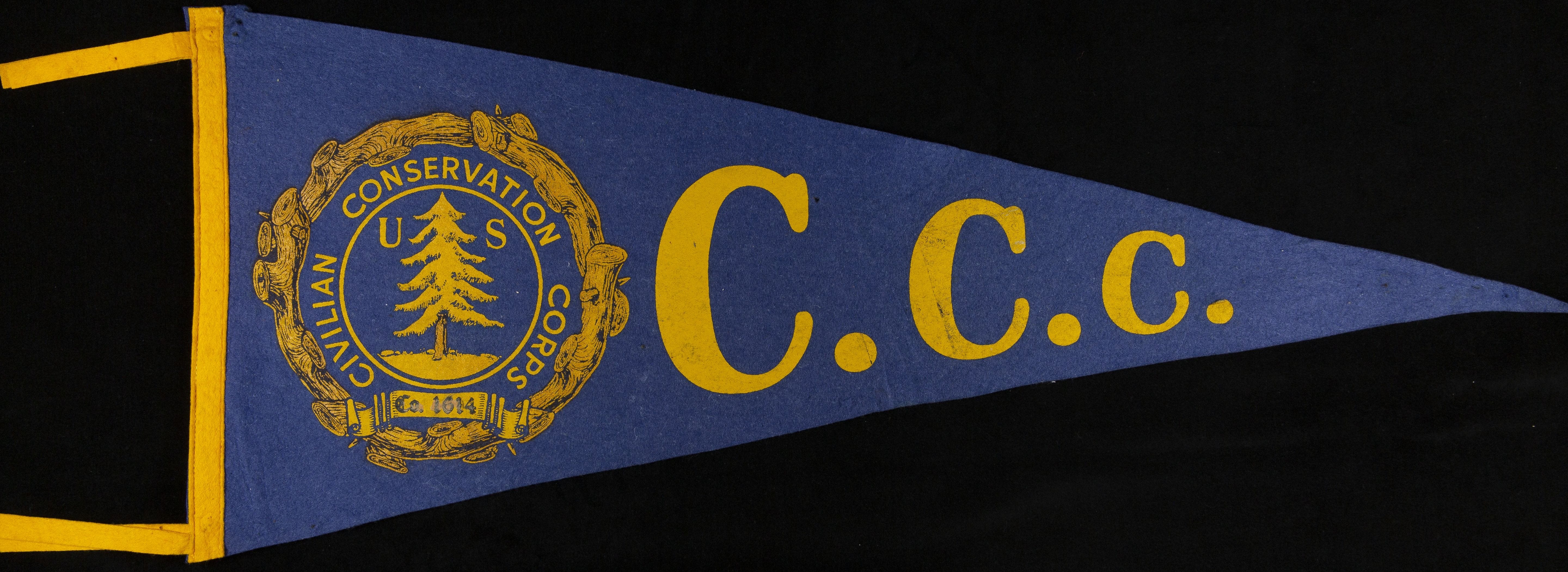
- Civilian Conservation Corps "1614th Co." Pennant, 1934 - Michigan native Stanley Zaleski (1915-1973) enlisted in the Civilian Conservation Corps (CCC) in April 1934 when he was 18. The CCC, established in the early years of the Great Depression, enlisted unemployed, single young men to work in America's public lands, forests, and national parks. Zaleski, who helped with reforestation, was stationed with company 1614 at Camp McComb near Munising, Michigan.
- 1934
- Collections - Artifact
Civilian Conservation Corps "1614th Co." Pennant, 1934
Michigan native Stanley Zaleski (1915-1973) enlisted in the Civilian Conservation Corps (CCC) in April 1934 when he was 18. The CCC, established in the early years of the Great Depression, enlisted unemployed, single young men to work in America's public lands, forests, and national parks. Zaleski, who helped with reforestation, was stationed with company 1614 at Camp McComb near Munising, Michigan.