
Search
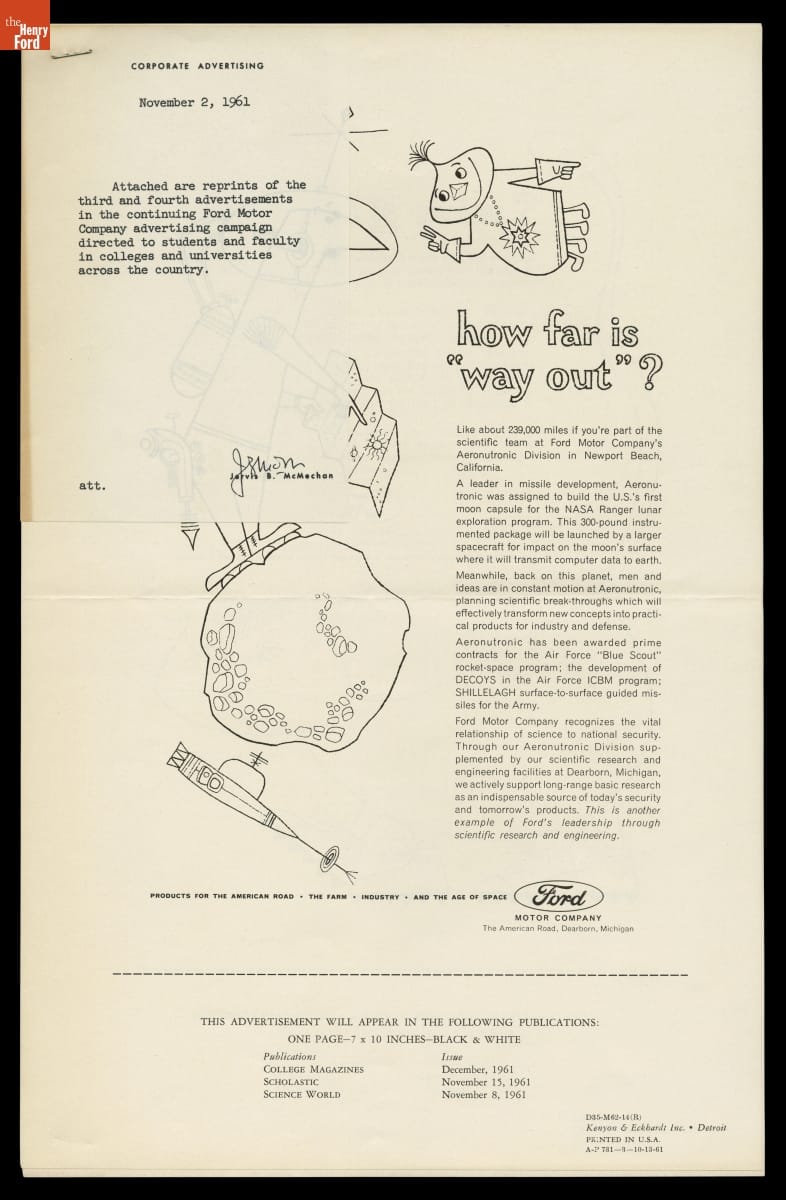
- Ford Aeronutronic Division Advertising, "how far is way out?", and "how quiet is quiet?", November 1961 -
- November 01, 1961
- Collections - Artifact
Ford Aeronutronic Division Advertising, "how far is way out?", and "how quiet is quiet?", November 1961
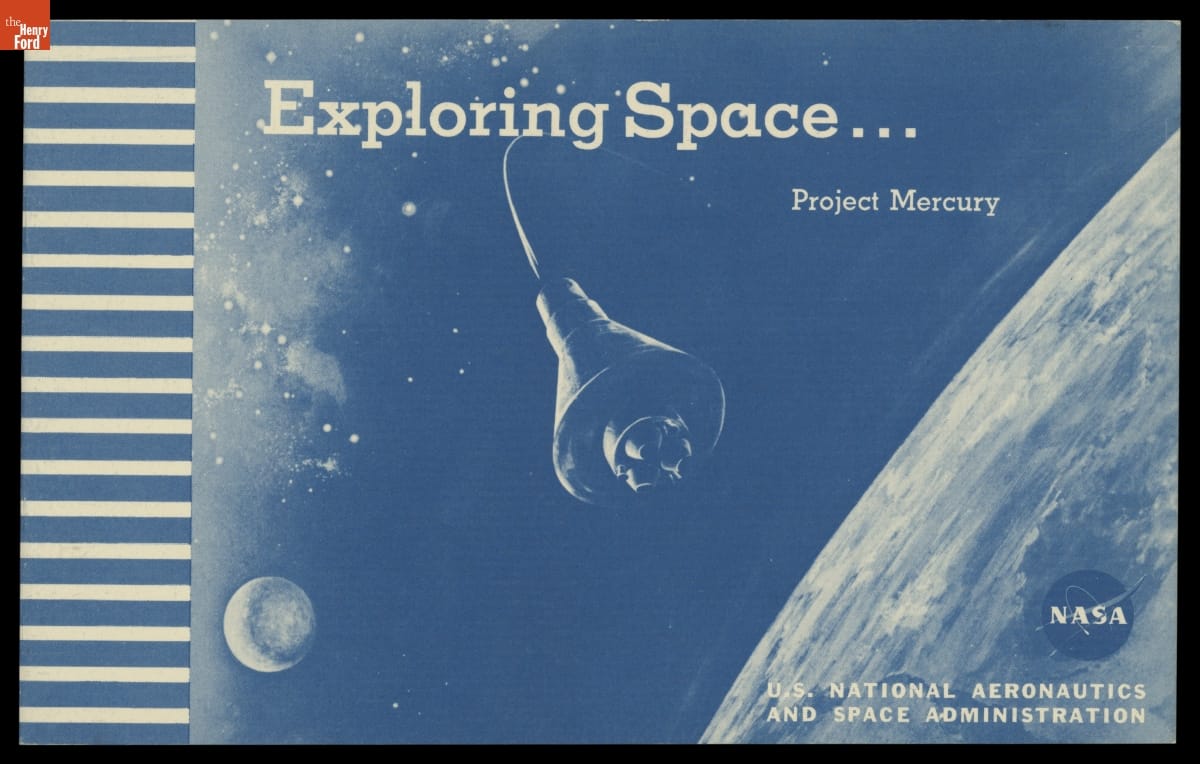
- Brochure, "Exploring Space... Project Mercury," 1961 - The National Aeronautics and Space Administration developed Project Mercury in 1958 to send a manned spacecraft into orbit. This brochure, published in early 1961, explained NASA's progress toward achieving that goal. Later, in May 1961, NASA would launch its first manned capsule. And in 1962, John Glenn orbited the Earth. Project Mercury ended in 1963 after six successful crewed missions.
- 1961
- Collections - Artifact
Brochure, "Exploring Space... Project Mercury," 1961
The National Aeronautics and Space Administration developed Project Mercury in 1958 to send a manned spacecraft into orbit. This brochure, published in early 1961, explained NASA's progress toward achieving that goal. Later, in May 1961, NASA would launch its first manned capsule. And in 1962, John Glenn orbited the Earth. Project Mercury ended in 1963 after six successful crewed missions.
- Brochure, "Project Telstar: Bell System Experiments in Active Satellite Communications," 1962 -
- 1962
- Collections - Artifact
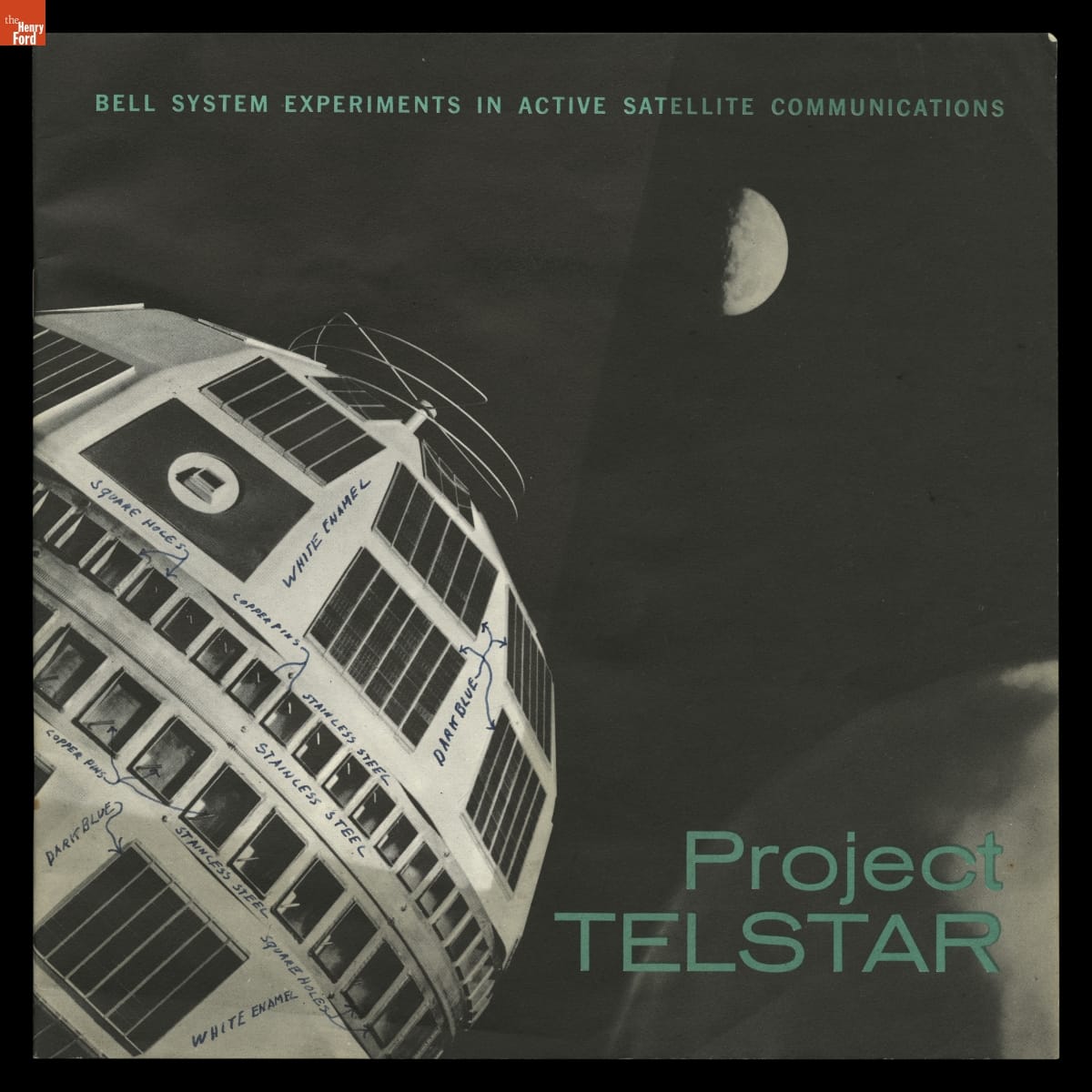
Brochure, "Project Telstar: Bell System Experiments in Active Satellite Communications," 1962
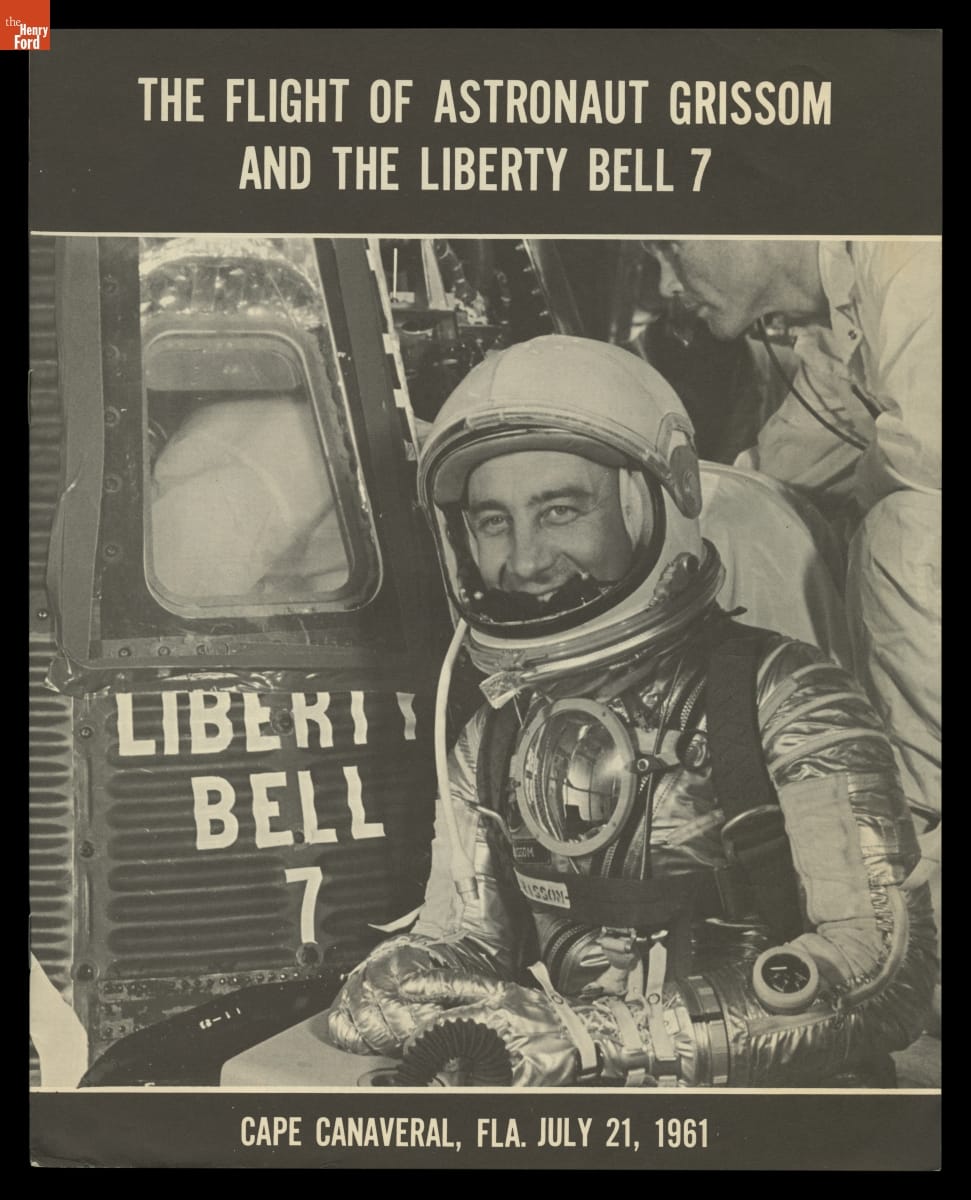
- Brochure, "The Flight of Astronaut Grissom and the Liberty Bell 7," July 21, 1961 - In July 1961, astronaut Virgil "Gus" Grissom became the second American to travel into space. This U.S. government brochure documents Grissom's flight in the National Aeronautics and Space Administration's Project Mercury capsule <em>Liberty Bell 7</em>. Grissom's sub-orbital flight was one step toward NASA's goal to orbit a manned spacecraft around Earth. John Glenn's flight in <em>Friendship 7</em>--the next mission--accomplished that objective.
- July 21, 1961
- Collections - Artifact
Brochure, "The Flight of Astronaut Grissom and the Liberty Bell 7," July 21, 1961
In July 1961, astronaut Virgil "Gus" Grissom became the second American to travel into space. This U.S. government brochure documents Grissom's flight in the National Aeronautics and Space Administration's Project Mercury capsule Liberty Bell 7. Grissom's sub-orbital flight was one step toward NASA's goal to orbit a manned spacecraft around Earth. John Glenn's flight in Friendship 7--the next mission--accomplished that objective.
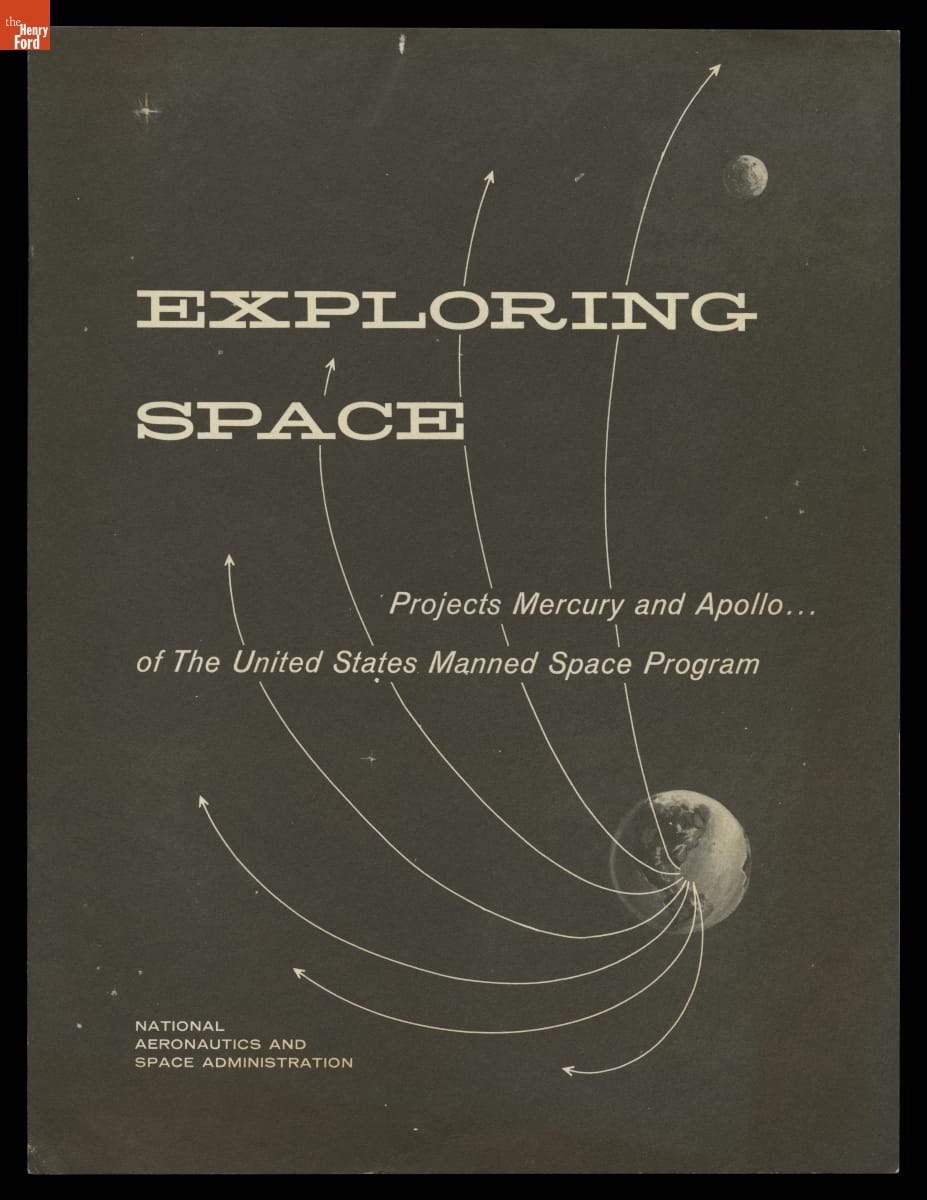
- Brochure, "Exploring Space: Projects Mercury and Apollo of the United States Manned Space Program," 1961 -
- 1961
- Collections - Artifact
Brochure, "Exploring Space: Projects Mercury and Apollo of the United States Manned Space Program," 1961
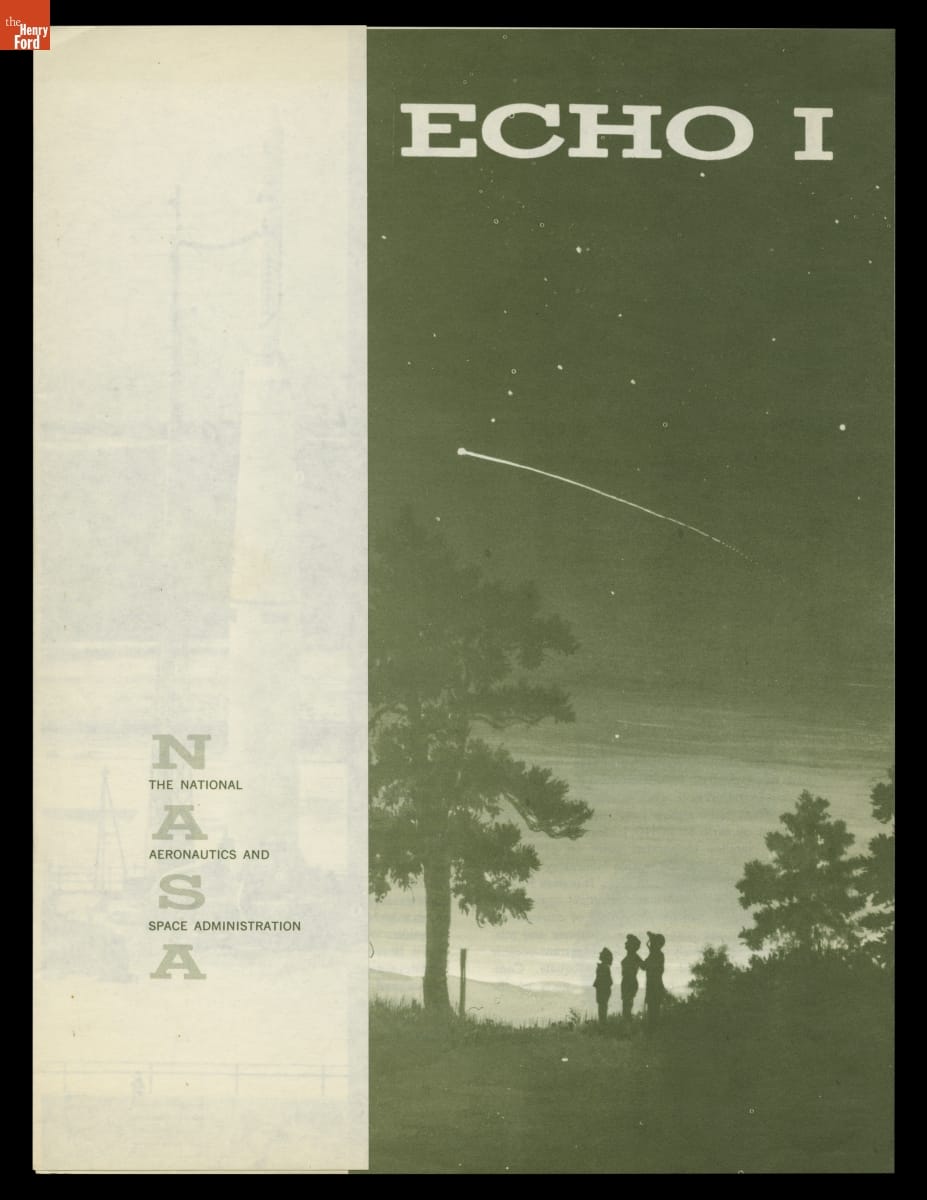
- Brochure, "ECHO I Communication Satellite," 1961 -
- 1961
- Collections - Artifact
Brochure, "ECHO I Communication Satellite," 1961
- Lunar Capsule for NASA Ranger 3 Spacecraft, January 26, 1962 - Ford Motor Company established the core of its aerospace division in 1956. Based in Newport Beach, California, the division and its subsidiaries manufactured satellites, missiles, and defense systems. It also played an important role in developing the Mission Control facility near Houston, Texas, that directed NASA's Gemini and Apollo space missions. Ford sold its aerospace division in 1990.

- January 26, 1962
- Collections - Artifact
Lunar Capsule for NASA Ranger 3 Spacecraft, January 26, 1962
Ford Motor Company established the core of its aerospace division in 1956. Based in Newport Beach, California, the division and its subsidiaries manufactured satellites, missiles, and defense systems. It also played an important role in developing the Mission Control facility near Houston, Texas, that directed NASA's Gemini and Apollo space missions. Ford sold its aerospace division in 1990.
- Beverly Rushton Holding a Retrorocket for NASA Ranger Spacecraft, 1962 - Ford Motor Company established the core of its aerospace division in 1956. Based in Newport Beach, California, the division and its subsidiaries manufactured satellites, missiles, and defense systems. It also played an important role in developing the Mission Control facility near Houston, Texas, that directed NASA's Gemini and Apollo space missions. Ford sold its aerospace division in 1990.

- 1962
- Collections - Artifact
Beverly Rushton Holding a Retrorocket for NASA Ranger Spacecraft, 1962
Ford Motor Company established the core of its aerospace division in 1956. Based in Newport Beach, California, the division and its subsidiaries manufactured satellites, missiles, and defense systems. It also played an important role in developing the Mission Control facility near Houston, Texas, that directed NASA's Gemini and Apollo space missions. Ford sold its aerospace division in 1990.
- Lunar Capsule and Retrorocket for NASA Ranger 3 Spacecraft Being Readied for Assembly, January 1962 - Ford Motor Company established the core of its aerospace division in 1956. Based in Newport Beach, California, the division and its subsidiaries manufactured satellites, missiles, and defense systems. It also played an important role in developing the Mission Control facility near Houston, Texas, that directed NASA's Gemini and Apollo space missions. Ford sold its aerospace division in 1990.

- January 01, 1962
- Collections - Artifact
Lunar Capsule and Retrorocket for NASA Ranger 3 Spacecraft Being Readied for Assembly, January 1962
Ford Motor Company established the core of its aerospace division in 1956. Based in Newport Beach, California, the division and its subsidiaries manufactured satellites, missiles, and defense systems. It also played an important role in developing the Mission Control facility near Houston, Texas, that directed NASA's Gemini and Apollo space missions. Ford sold its aerospace division in 1990.
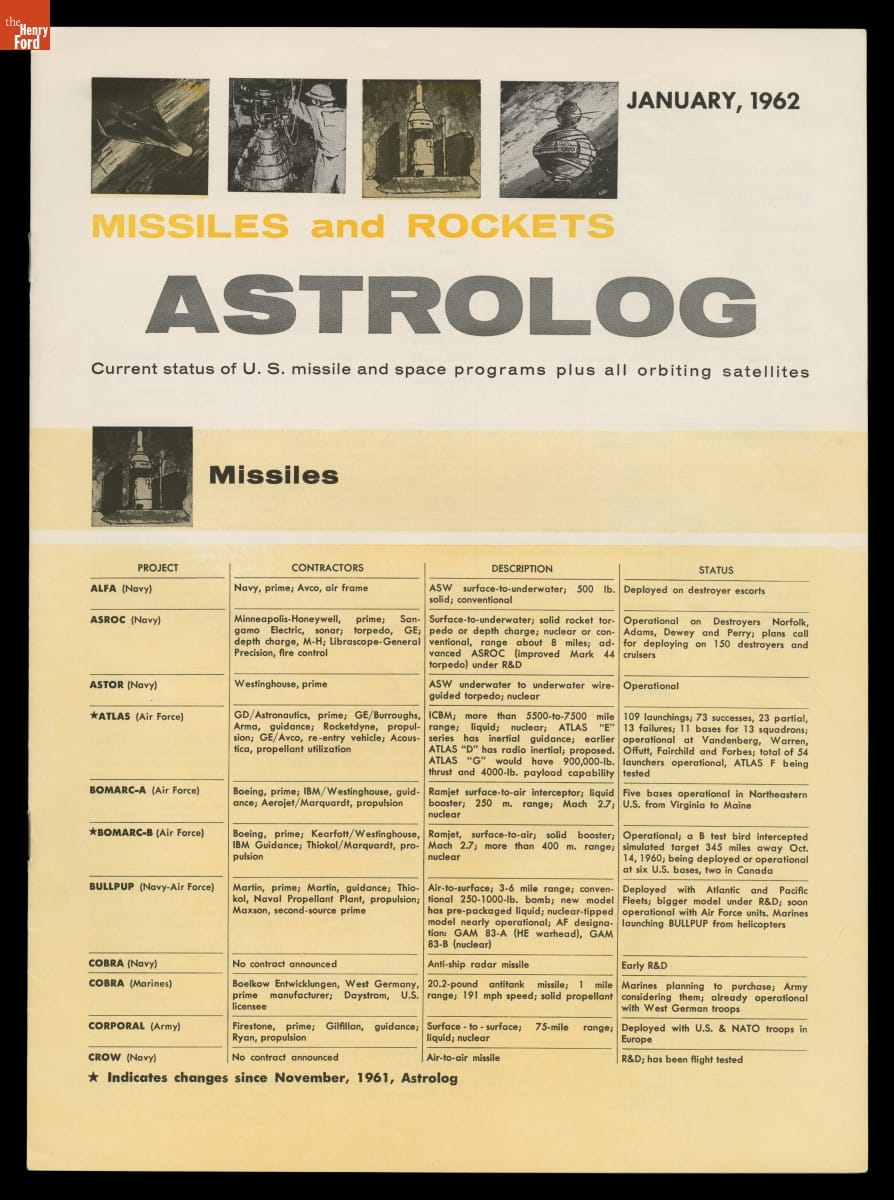
- Brochure, "Missiles and Rockets Astrolog," January 1962 -
- January 01, 1962
- Collections - Artifact
Brochure, "Missiles and Rockets Astrolog," January 1962