
Search
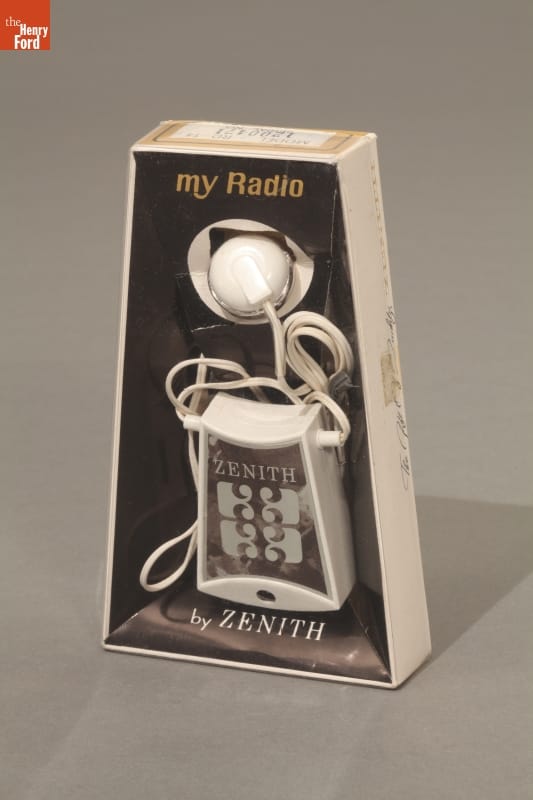
- Zenith "My Radio" Pendant Transistor Radio, circa 1970 - The size of radios shrank following the advent of transistor technology. Even the smallest vacuum tubes were bulky, and their power consumption ensured the need for large batteries. Transistor radios made of lightweight plastics were cheap and truly portable. With the addition of an earphone a radio such as this allowed the listener to enjoy a completely personal listening experience.
- circa 1970
- Collections - Artifact
Zenith "My Radio" Pendant Transistor Radio, circa 1970
The size of radios shrank following the advent of transistor technology. Even the smallest vacuum tubes were bulky, and their power consumption ensured the need for large batteries. Transistor radios made of lightweight plastics were cheap and truly portable. With the addition of an earphone a radio such as this allowed the listener to enjoy a completely personal listening experience.
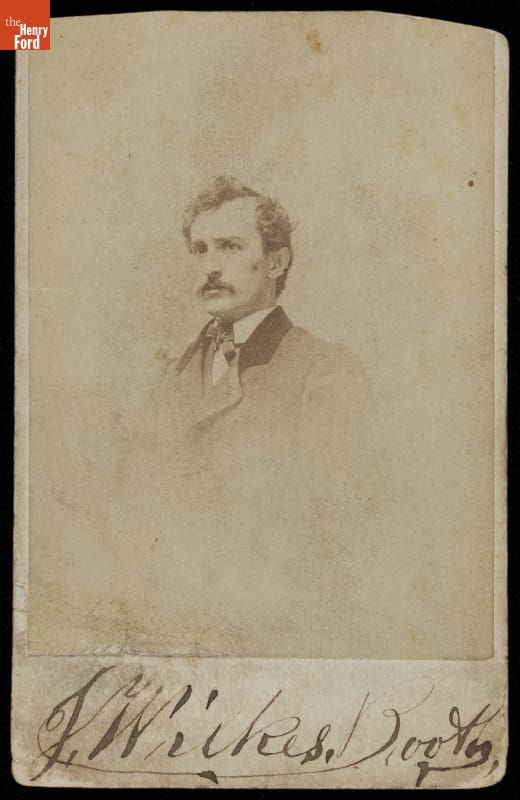
- Autographed Portrait of John Wilkes Booth, circa 1860 - Well-known actor John Wilkes Booth--better remembered for the 1865 assassination of President Abraham Lincoln--posed for this carte-de-visite in a professional photographer's studio around 1860. Cartes-de-visite, small photographic prints on cardboard stock, remained popular from the Civil War in the 1860s through the 1880s. Americans commonly collected and exchanged them to commemorate family members or celebrities.
- circa 1860
- Collections - Artifact
Autographed Portrait of John Wilkes Booth, circa 1860
Well-known actor John Wilkes Booth--better remembered for the 1865 assassination of President Abraham Lincoln--posed for this carte-de-visite in a professional photographer's studio around 1860. Cartes-de-visite, small photographic prints on cardboard stock, remained popular from the Civil War in the 1860s through the 1880s. Americans commonly collected and exchanged them to commemorate family members or celebrities.
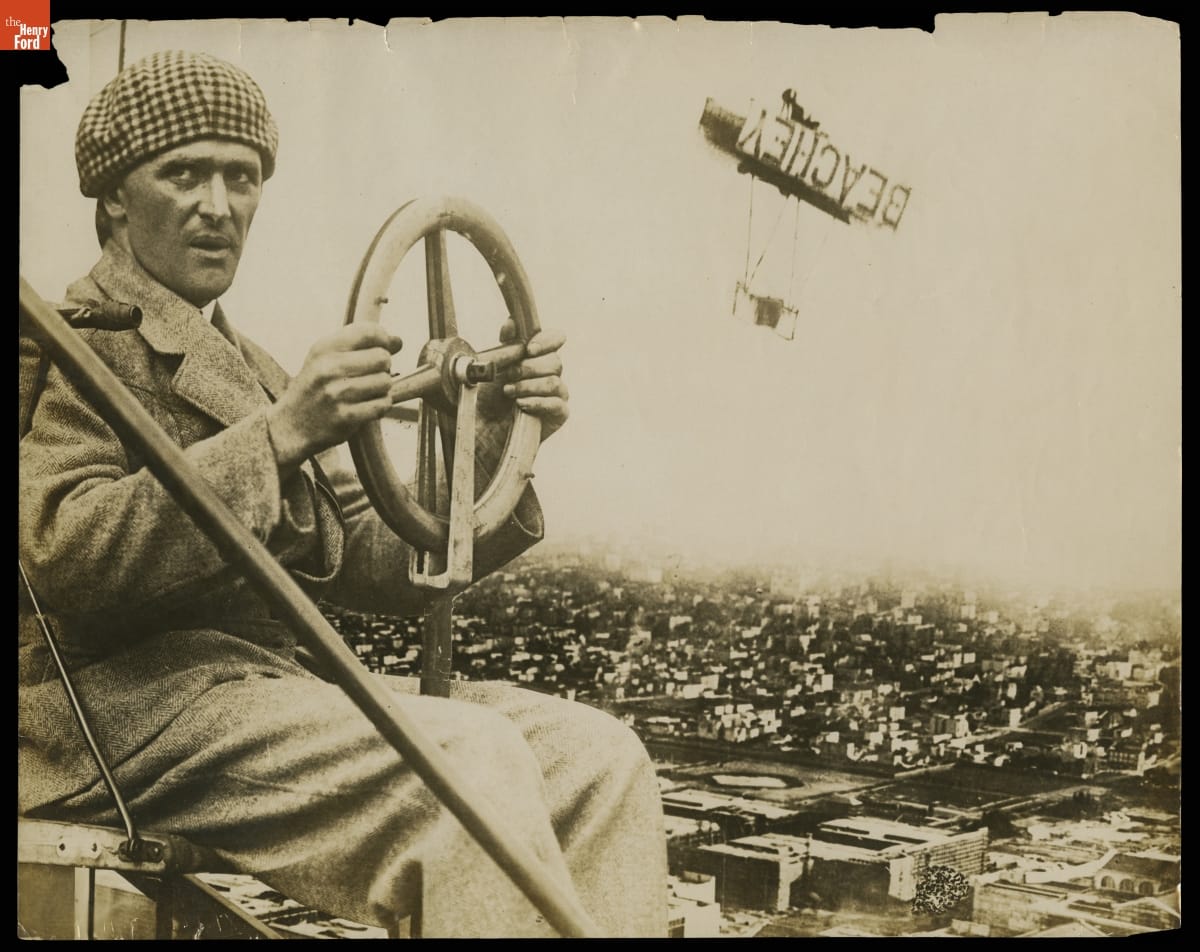
- Lincoln Beachey Stunt Flying over San Francisco, California, circa 1915 - Lincoln Beachey is remembered as America's first great stunt flyer. He perfected a series of aerobatic maneuvers -- including spins, dives, spirals, and loops -- and earned fame and fortune by staging heart-stopping exhibition flights for audiences across the country. Beachey died when the wings broke loose from his airplane during a stunt flight over San Francisco Bay in 1915.
- circa 1915
- Collections - Artifact
Lincoln Beachey Stunt Flying over San Francisco, California, circa 1915
Lincoln Beachey is remembered as America's first great stunt flyer. He perfected a series of aerobatic maneuvers -- including spins, dives, spirals, and loops -- and earned fame and fortune by staging heart-stopping exhibition flights for audiences across the country. Beachey died when the wings broke loose from his airplane during a stunt flight over San Francisco Bay in 1915.
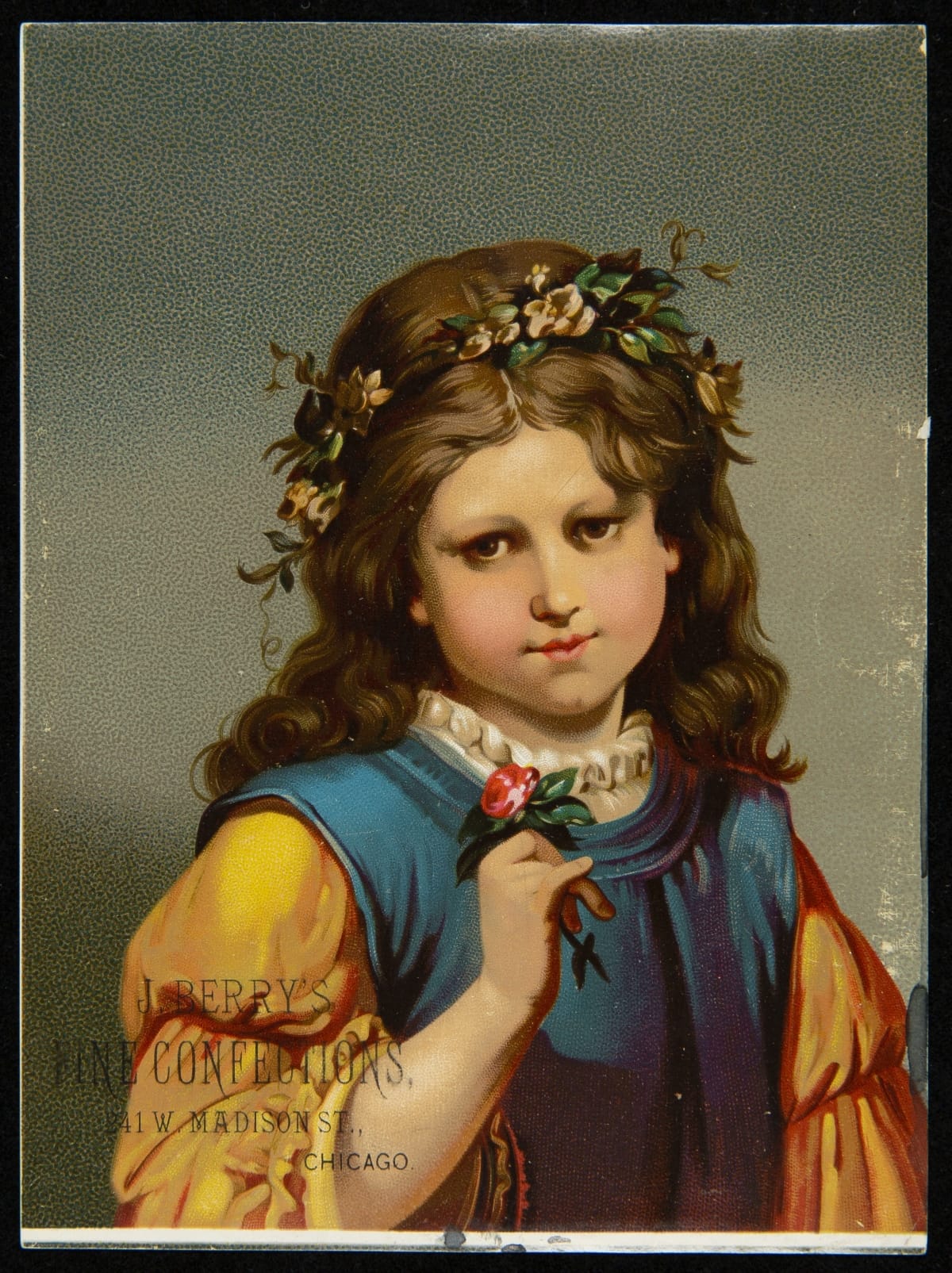
- Label, "J. Berry's Fine Confections," 1886-1905 -
- 1886-1905
- Collections - Artifact
Label, "J. Berry's Fine Confections," 1886-1905
- "Meter-Ice" Coin Operated Refrigerator Meter, 1935-1945 -
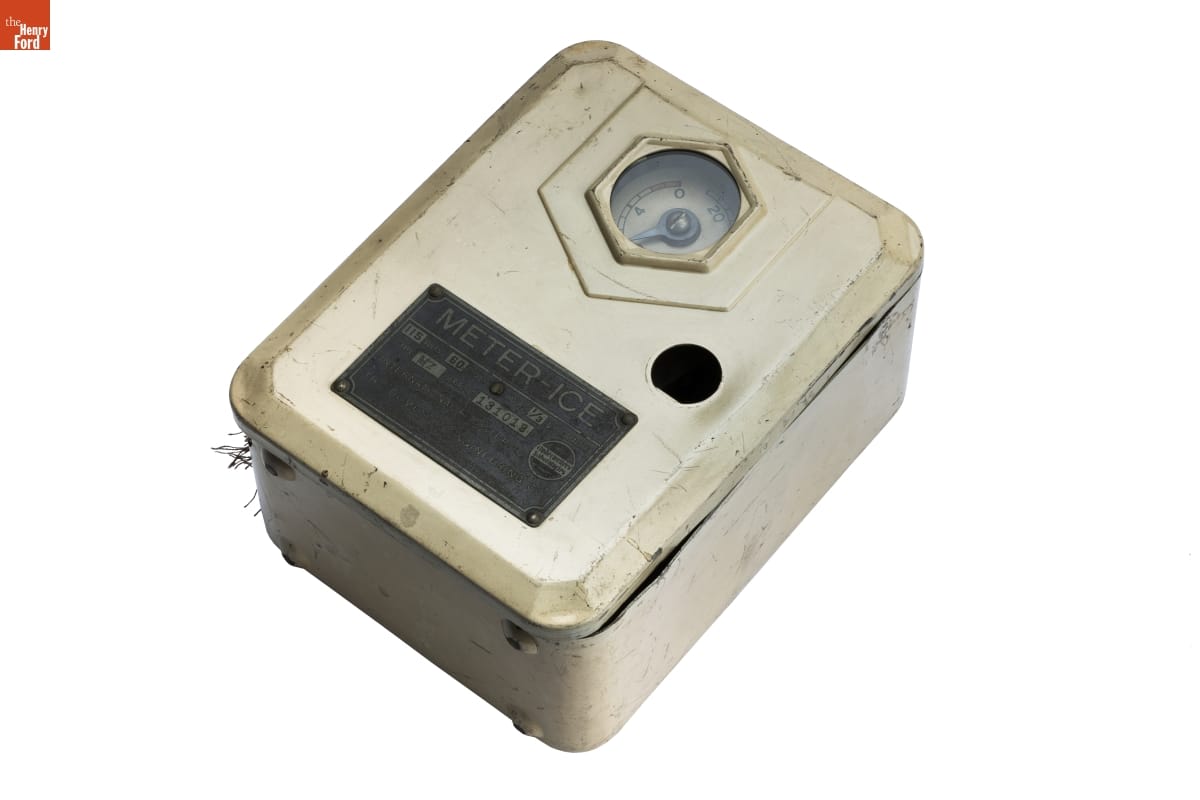
- 1935-1945
- Collections - Artifact
"Meter-Ice" Coin Operated Refrigerator Meter, 1935-1945
- Edison No. 1 Mimeograph, 1887 - Thomas Edison received a patent in 1876 for "Autographic Printing," covering the electric pen and flatbed press; a patent for "Autographic Stencils" followed in 1880. The mimeograph was invented by Albert Blake Dick in 1887, who licensed and refined Edison's patents. This low-cost, stencil-based printing technology was popular until displaced by photocopying machines and offset printing in the 1960s.
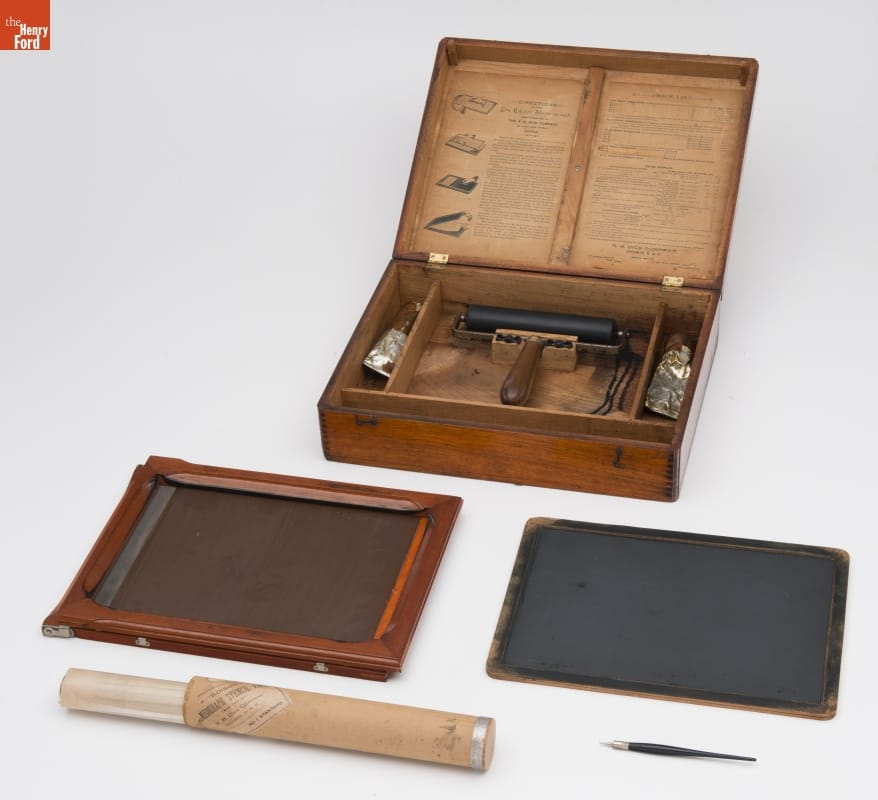
- 1887
- Collections - Artifact
Edison No. 1 Mimeograph, 1887
Thomas Edison received a patent in 1876 for "Autographic Printing," covering the electric pen and flatbed press; a patent for "Autographic Stencils" followed in 1880. The mimeograph was invented by Albert Blake Dick in 1887, who licensed and refined Edison's patents. This low-cost, stencil-based printing technology was popular until displaced by photocopying machines and offset printing in the 1960s.
- Sunbeam Electric Iron Box, Used by the Harvey S. Firestone Family, circa 1932 -
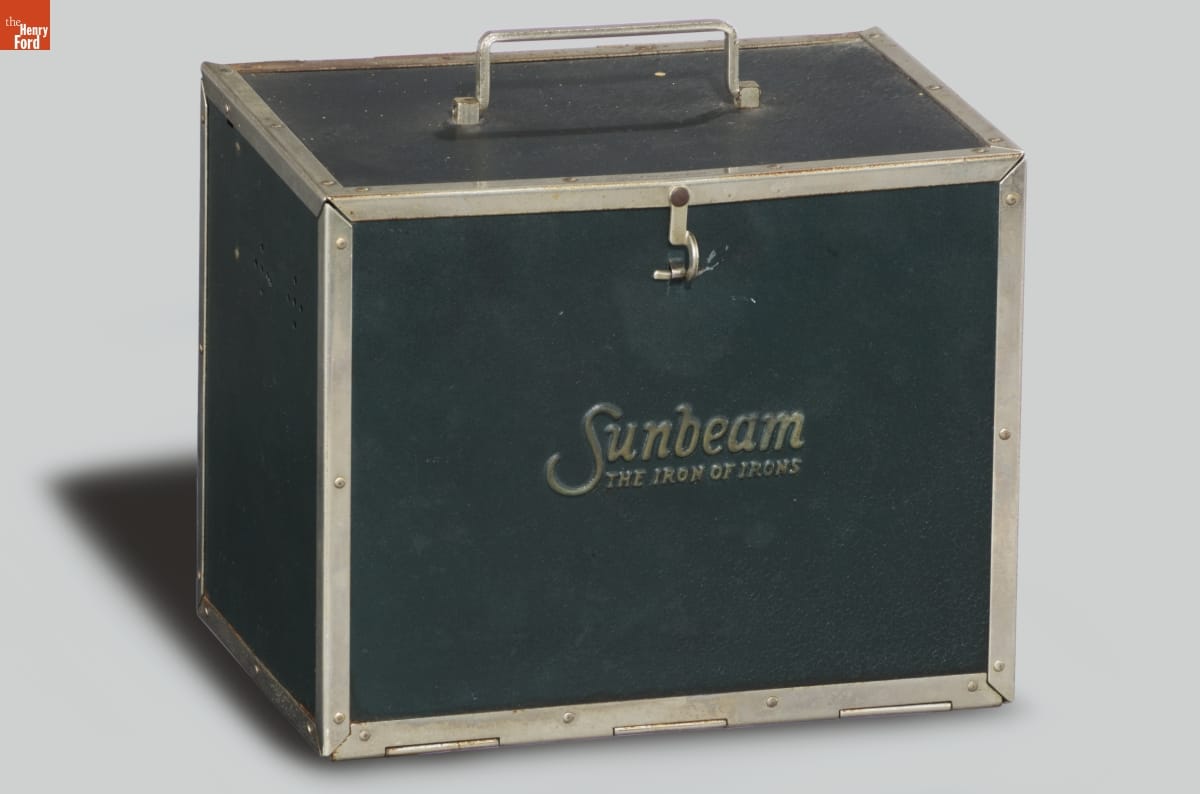
- circa 1932
- Collections - Artifact
Sunbeam Electric Iron Box, Used by the Harvey S. Firestone Family, circa 1932
- Montgomery Ward & Co. Catalog, "Golden Jubilee," Fall-Winter 1922-1923 - In 1872, Montgomery Ward & Company launched America's first general mail order company. Through their catalogs, the company offered a broad selection of goods at affordable prices. Other retailers would follow. Montgomery Ward and Company issued this catalog in 1922, the company's 50th anniversary, touting the company's pioneering services.
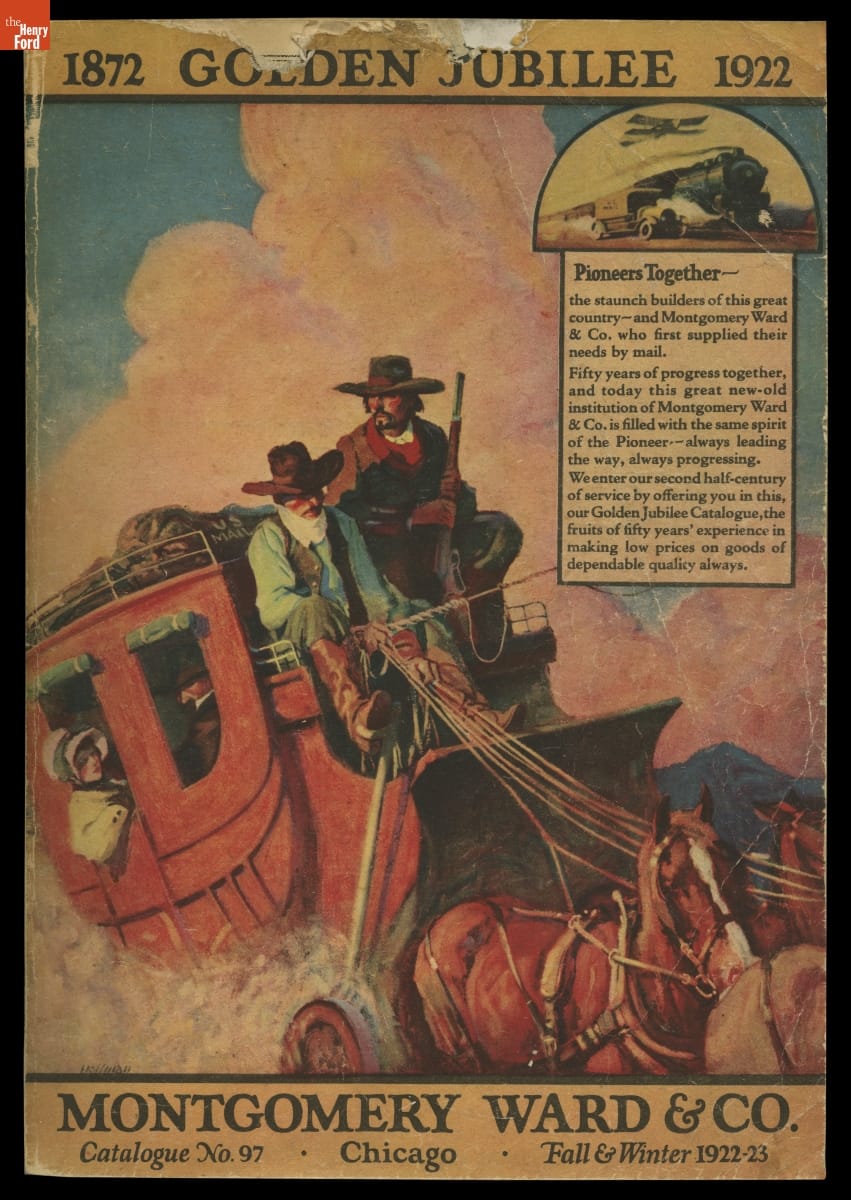
- 1922-1923
- Collections - Artifact
Montgomery Ward & Co. Catalog, "Golden Jubilee," Fall-Winter 1922-1923
In 1872, Montgomery Ward & Company launched America's first general mail order company. Through their catalogs, the company offered a broad selection of goods at affordable prices. Other retailers would follow. Montgomery Ward and Company issued this catalog in 1922, the company's 50th anniversary, touting the company's pioneering services.
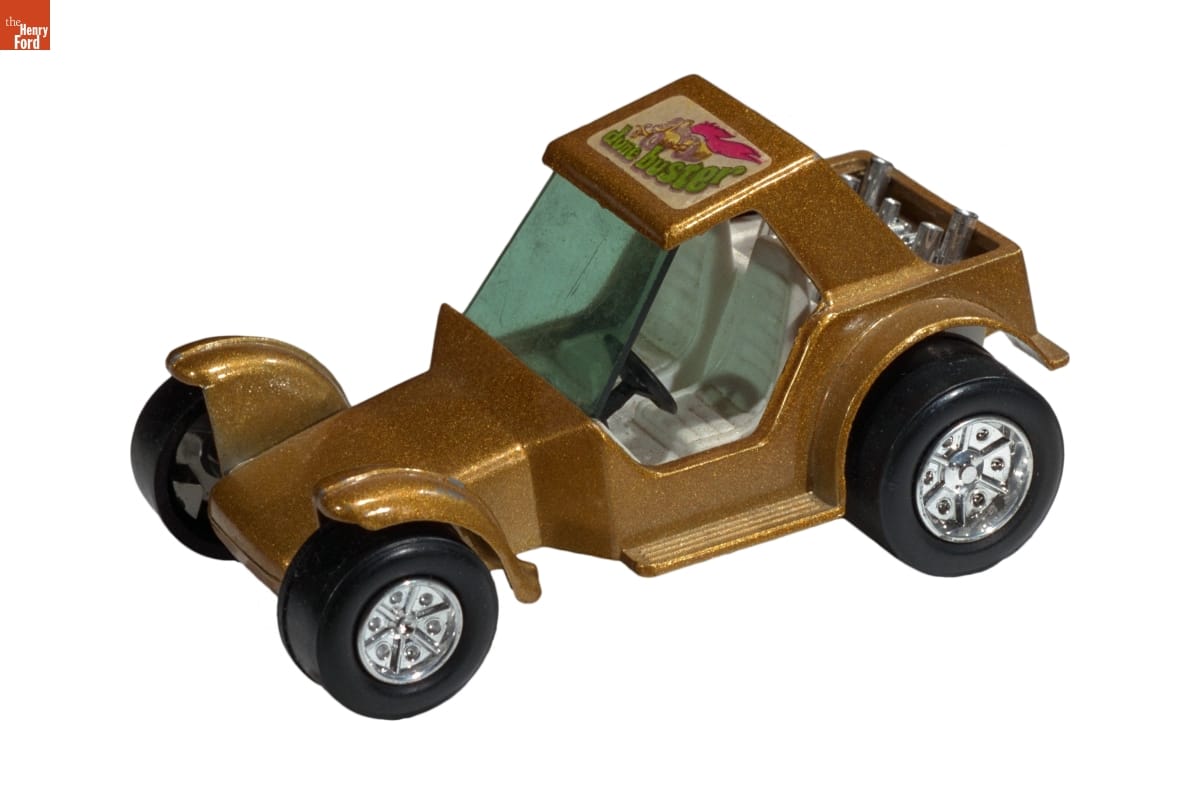
- Tootsietoy Super Slicks Dune Buster, 1970-1980 -
- 1970-1980
- Collections - Artifact
Tootsietoy Super Slicks Dune Buster, 1970-1980
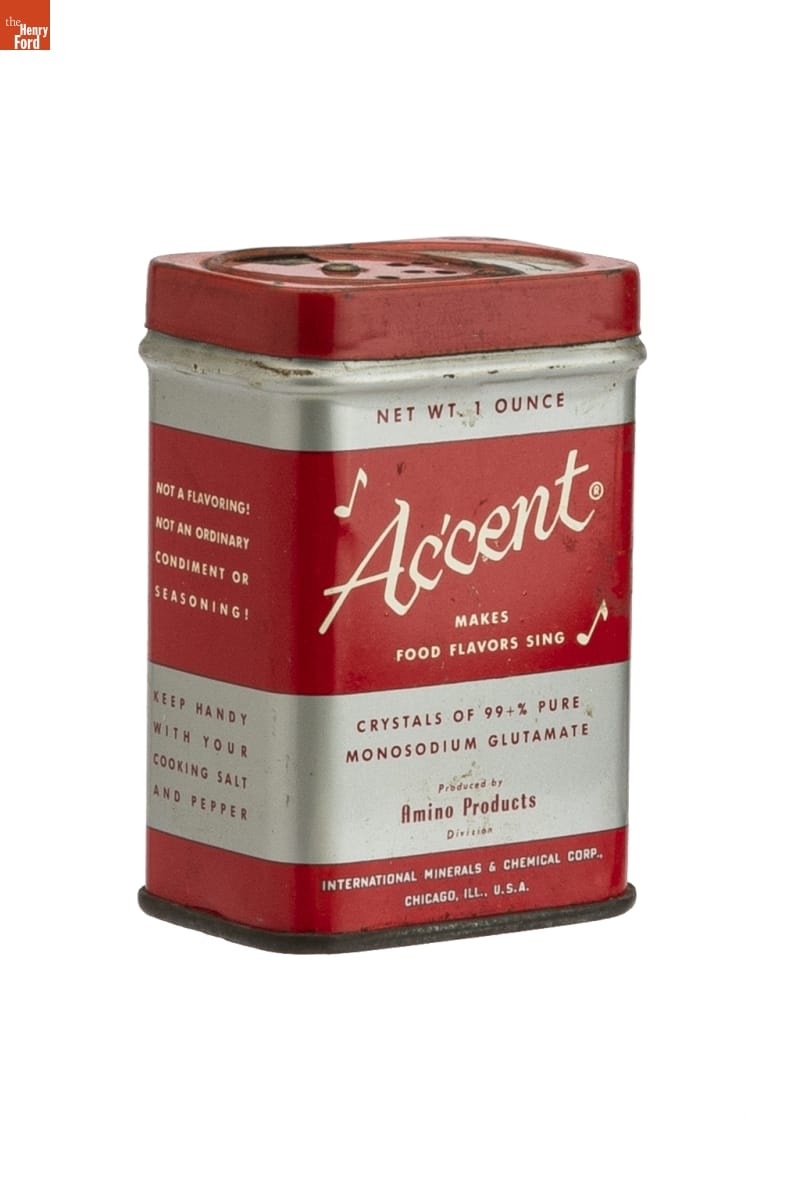
- "Ac'cent: Crystals of 99+% Pure Monosodium Glutamate" Product Package, 1947-1955 - Monosodium glutamate (MSG) was first prepared in 1908 by Japanese chemist Dr. Kikunae Ikeda to achieve the distinctive umami taste found in sea kelp. American manufacturers began importing it for use in the late 1920s to meet demand from the military and pre-packaged food industries. In 1947, the first U.S. brand -- Ac'cent -- was introduced to bring MSG to home kitchens.
- 1947-1955
- Collections - Artifact
"Ac'cent: Crystals of 99+% Pure Monosodium Glutamate" Product Package, 1947-1955
Monosodium glutamate (MSG) was first prepared in 1908 by Japanese chemist Dr. Kikunae Ikeda to achieve the distinctive umami taste found in sea kelp. American manufacturers began importing it for use in the late 1920s to meet demand from the military and pre-packaged food industries. In 1947, the first U.S. brand -- Ac'cent -- was introduced to bring MSG to home kitchens.