
Search
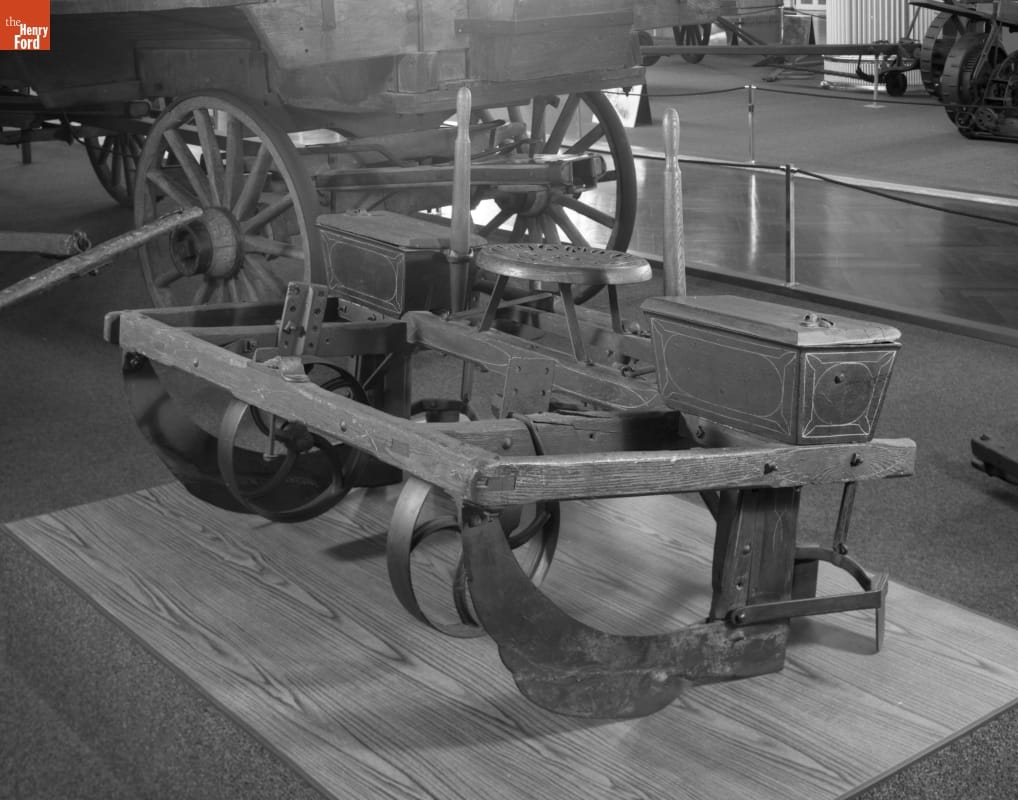
- Corn Planter, circa 1875 - Farmers started a year-round effort to raise food for livestock and the farm family by planting corn in hills. Double-row planters cut the time required to plant in half. Farmers cultivated with a shovel plow until corn was knee-high. They then planted squash or pumpkins to retain soil moisture (a form of double cropping). At harvest they husked ears (to feed pigs) and shocked stalks (to feed cattle).
- circa 1875
- Collections - Artifact
Corn Planter, circa 1875
Farmers started a year-round effort to raise food for livestock and the farm family by planting corn in hills. Double-row planters cut the time required to plant in half. Farmers cultivated with a shovel plow until corn was knee-high. They then planted squash or pumpkins to retain soil moisture (a form of double cropping). At harvest they husked ears (to feed pigs) and shocked stalks (to feed cattle).
- Putnam Fadeless Dye, Turkey Red, circa 1935 -

- circa 1935
- Collections - Artifact
Putnam Fadeless Dye, Turkey Red, circa 1935
- Pep-Aire Model H-40 Humidifier, 1914 -

- 1914
- Collections - Artifact
Pep-Aire Model H-40 Humidifier, 1914
- Pullford Company Sales Catalog, "Low Cost Farm Power," circa 1925 - The Pullford Company sold conversion kits that turned Model Ts into tractors. Popular with farmers during the 1920s and 1930s, the kits were a low-cost alternative to buying a tractor.

- circa 1925
- Collections - Artifact
Pullford Company Sales Catalog, "Low Cost Farm Power," circa 1925
The Pullford Company sold conversion kits that turned Model Ts into tractors. Popular with farmers during the 1920s and 1930s, the kits were a low-cost alternative to buying a tractor.
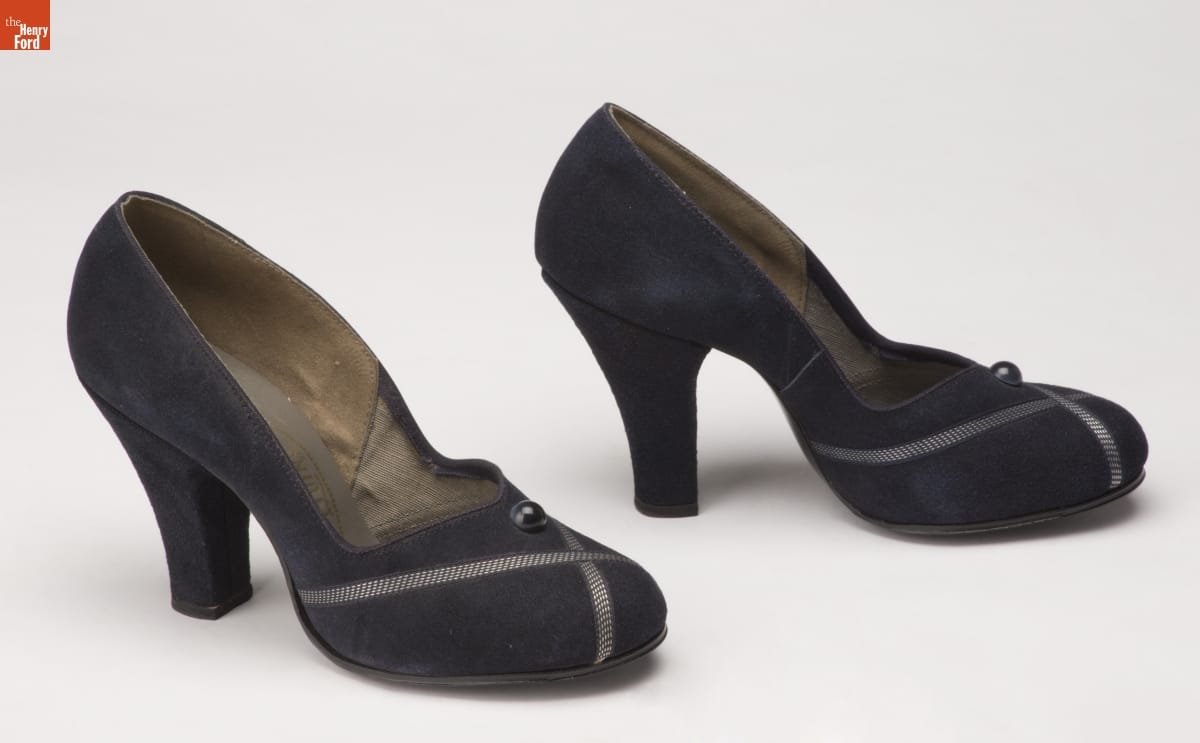
- Suede Pumps, circa 1950 -
- circa 1950
- Collections - Artifact
Suede Pumps, circa 1950
- Trade Card for Poultry Incubators, Reliable Incubator and Brooder Co., 1902-1914 - Late-nineteenth-century trade cards used colorful illustrations to promote and sell products. They also reflected the prejudices of the time. American illustrators often represented the United States through the character of Uncle Sam. The usually strong, confident white male contrasted with the stereotyped -- and sometimes degrading -- depictions of other nationalities. These depictions affirmed the discriminatory biases that many middle-class white Americans -- consumers of these advertisements -- held.

- 1902-1914
- Collections - Artifact
Trade Card for Poultry Incubators, Reliable Incubator and Brooder Co., 1902-1914
Late-nineteenth-century trade cards used colorful illustrations to promote and sell products. They also reflected the prejudices of the time. American illustrators often represented the United States through the character of Uncle Sam. The usually strong, confident white male contrasted with the stereotyped -- and sometimes degrading -- depictions of other nationalities. These depictions affirmed the discriminatory biases that many middle-class white Americans -- consumers of these advertisements -- held.
- Pullford Farm Tractor Converted from 1923 Ford Model T Automobile - For $135, the Pullford Company of Quincy, Illinois, sold a kit to convert a Ford Model T into a serviceable farm tractor. It included a pair of lugged steel wheels, a special rear framework, and gears to slow the T's rear axle. Marketed as a less expensive alternative to a purpose-built tractor, Pullford's kit remained popular through the 1930s farm crisis.

- 1923-1925
- Collections - Artifact
Pullford Farm Tractor Converted from 1923 Ford Model T Automobile
For $135, the Pullford Company of Quincy, Illinois, sold a kit to convert a Ford Model T into a serviceable farm tractor. It included a pair of lugged steel wheels, a special rear framework, and gears to slow the T's rear axle. Marketed as a less expensive alternative to a purpose-built tractor, Pullford's kit remained popular through the 1930s farm crisis.
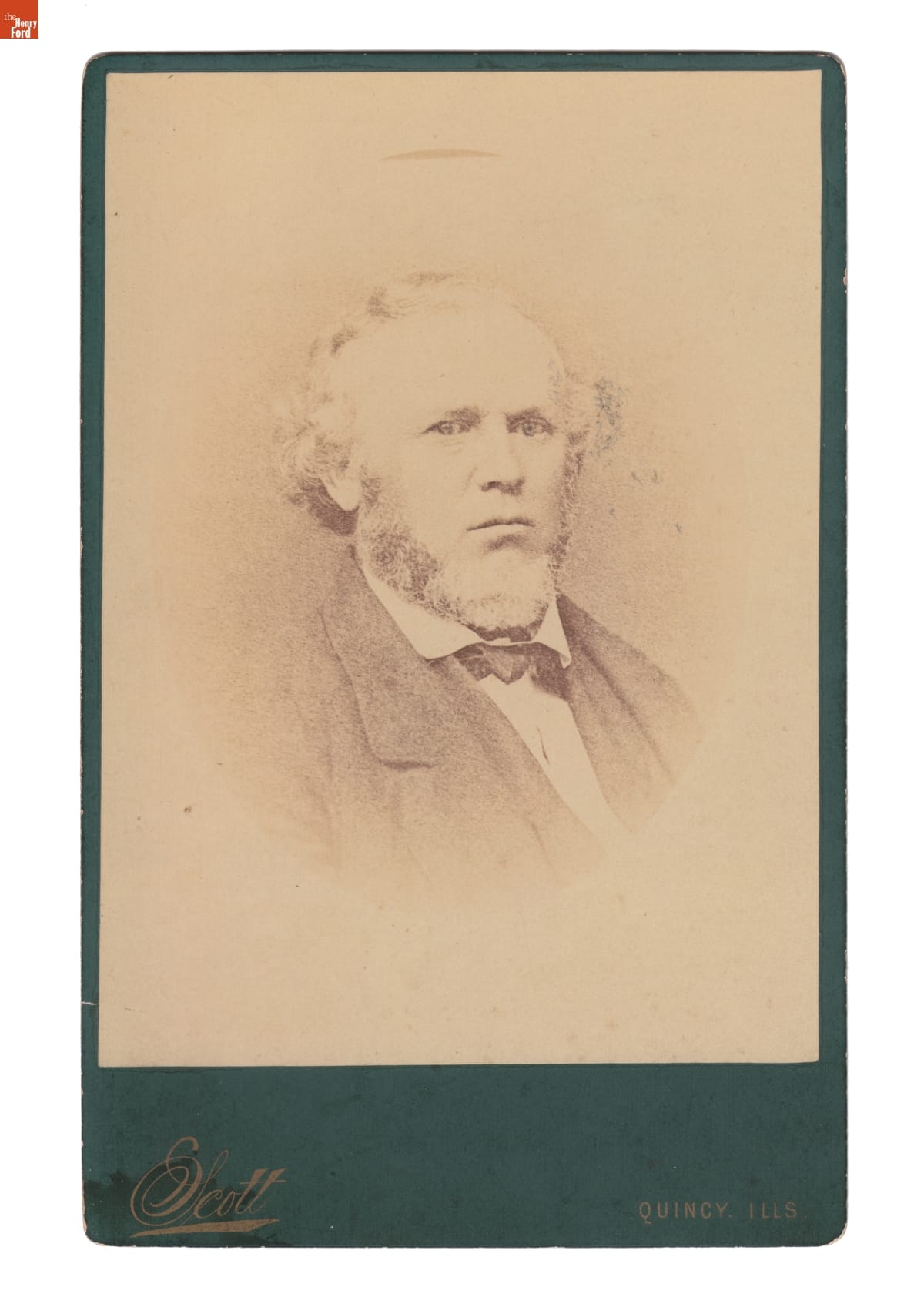
- Portrait of a Bearded Man, circa 1895 -
- circa 1895
- Collections - Artifact
Portrait of a Bearded Man, circa 1895
- William D. Wilmot, "Fancy Bicyclist," 1879-1885 - Some high-wheel cyclists raced. Some leisurely toured the countryside. William D. Wilmot entertained. Known as a fancy bicyclist, Wilmot and his partner performed amazing feats in the 1880s. The duo balanced, did handstands, and climbed over each other on a moving 50- or 54-inch high wheeler. Wilmot also astounded audiences doing a singles act.

- 1879-1885
- Collections - Artifact
William D. Wilmot, "Fancy Bicyclist," 1879-1885
Some high-wheel cyclists raced. Some leisurely toured the countryside. William D. Wilmot entertained. Known as a fancy bicyclist, Wilmot and his partner performed amazing feats in the 1880s. The duo balanced, did handstands, and climbed over each other on a moving 50- or 54-inch high wheeler. Wilmot also astounded audiences doing a singles act.