
Search
- Postcard, Views of Medford, Massacusetts, circa 1908 -
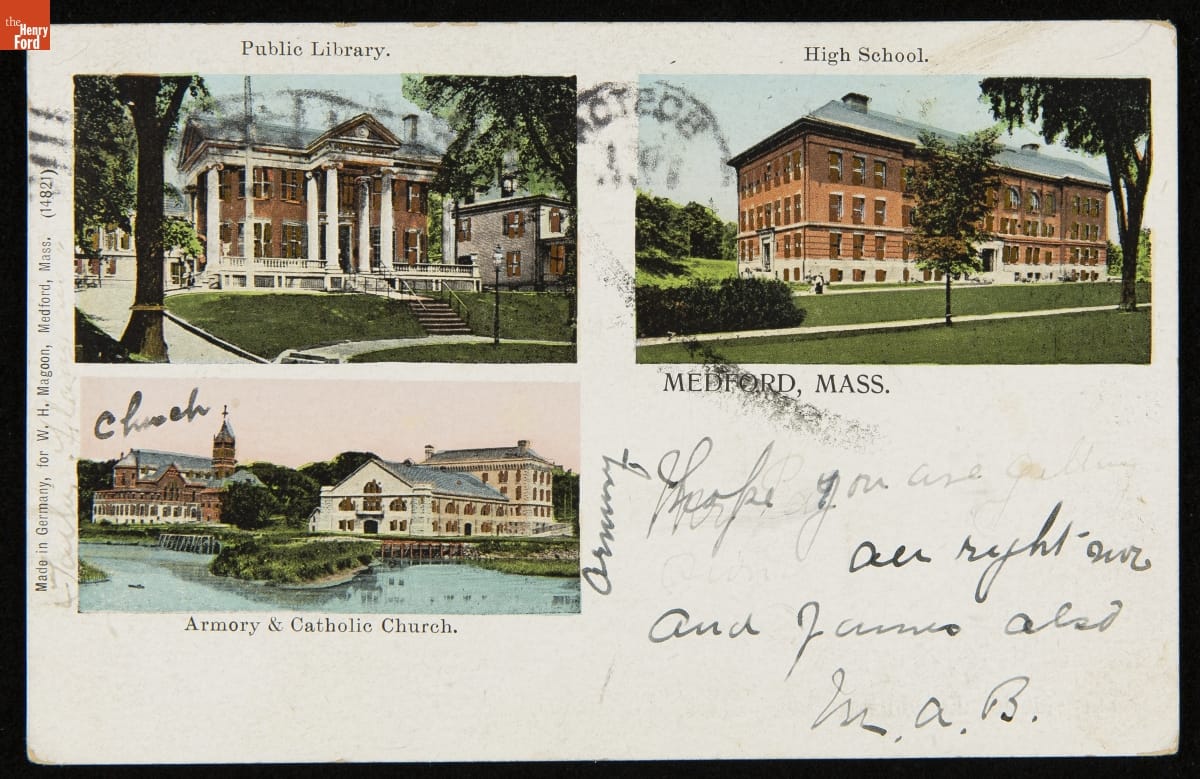
- circa 1908
- Collections - Artifact
Postcard, Views of Medford, Massacusetts, circa 1908
- Gristmill near the Wayside Inn, Sudbury, Massachusetts, circa 1928 - Henry Ford purchased the Wayside Inn, the setting for the poems in Henry Wadsworth Longfellow's <EM>Tales of a Wayside Inn</EM>, in 1923. Over six years, Ford spent more than $2 million restoring the inn and several adjacent buildings, including this gristmill. In retrospect, the project was something of a dry run for Ford's Greenfield Village complex a few years later.
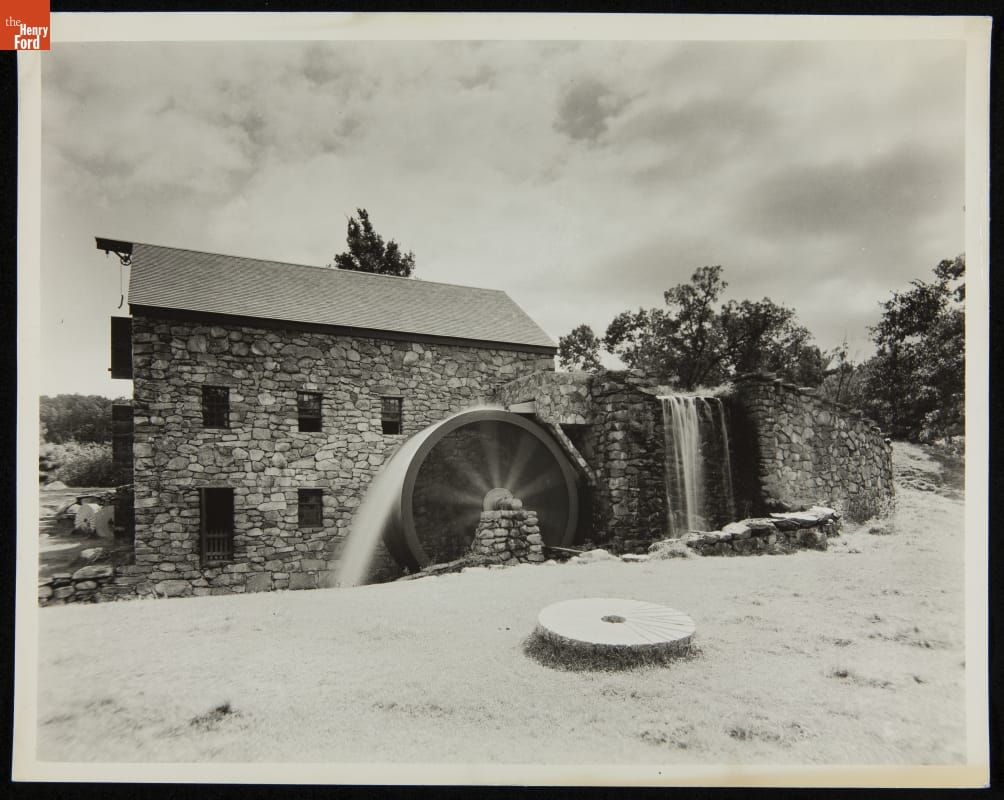
- circa 1928
- Collections - Artifact
Gristmill near the Wayside Inn, Sudbury, Massachusetts, circa 1928
Henry Ford purchased the Wayside Inn, the setting for the poems in Henry Wadsworth Longfellow's Tales of a Wayside Inn, in 1923. Over six years, Ford spent more than $2 million restoring the inn and several adjacent buildings, including this gristmill. In retrospect, the project was something of a dry run for Ford's Greenfield Village complex a few years later.
- Radio Tuning Unit, Model 2596, 1921-1925 -
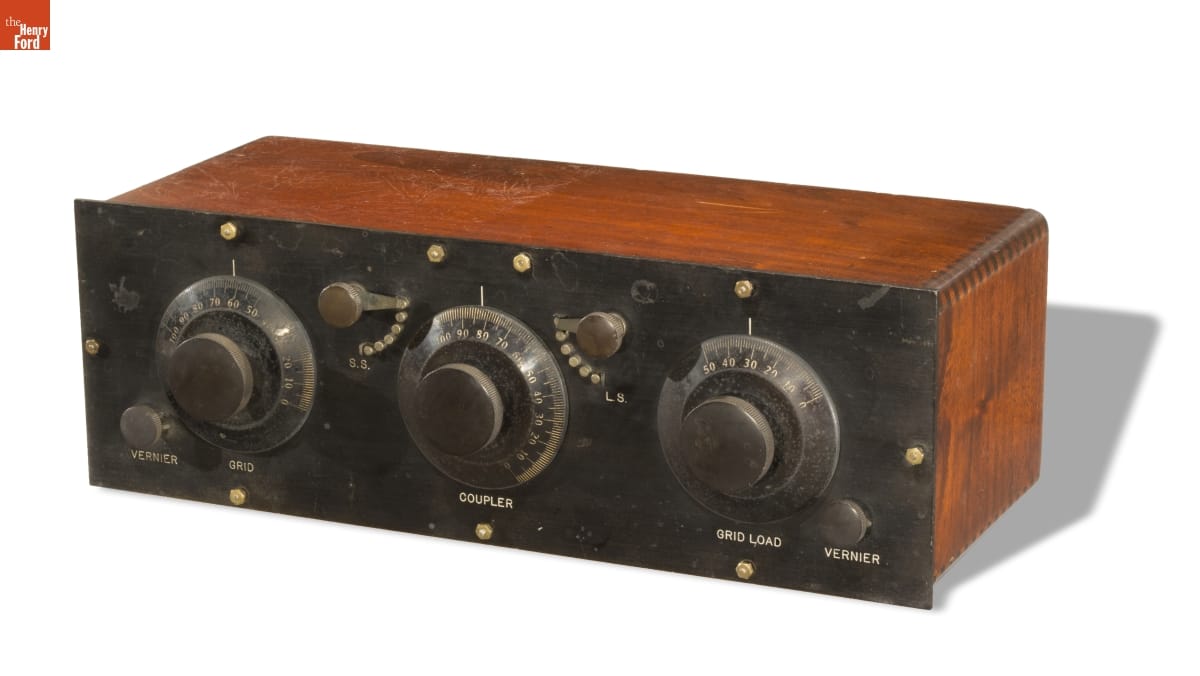
- 1921-1925
- Collections - Artifact
Radio Tuning Unit, Model 2596, 1921-1925
- AMRAD Send-Receive Switch, 1920-1925 -

- 1920-1925
- Collections - Artifact
AMRAD Send-Receive Switch, 1920-1925
- Spark Coil, Type C, 1915-1920 - An induction coil creates a high-voltage, pulsating current which arcs across a "spark gap." The spark creates electromagnetic waves, which can then be detected by a radio receiver. Induction coils were essential to the first decades of wireless and radio. Used from the late 1880s until the 1920s, spark gap powered radios were replaced as vacuum tube transmitters became available.
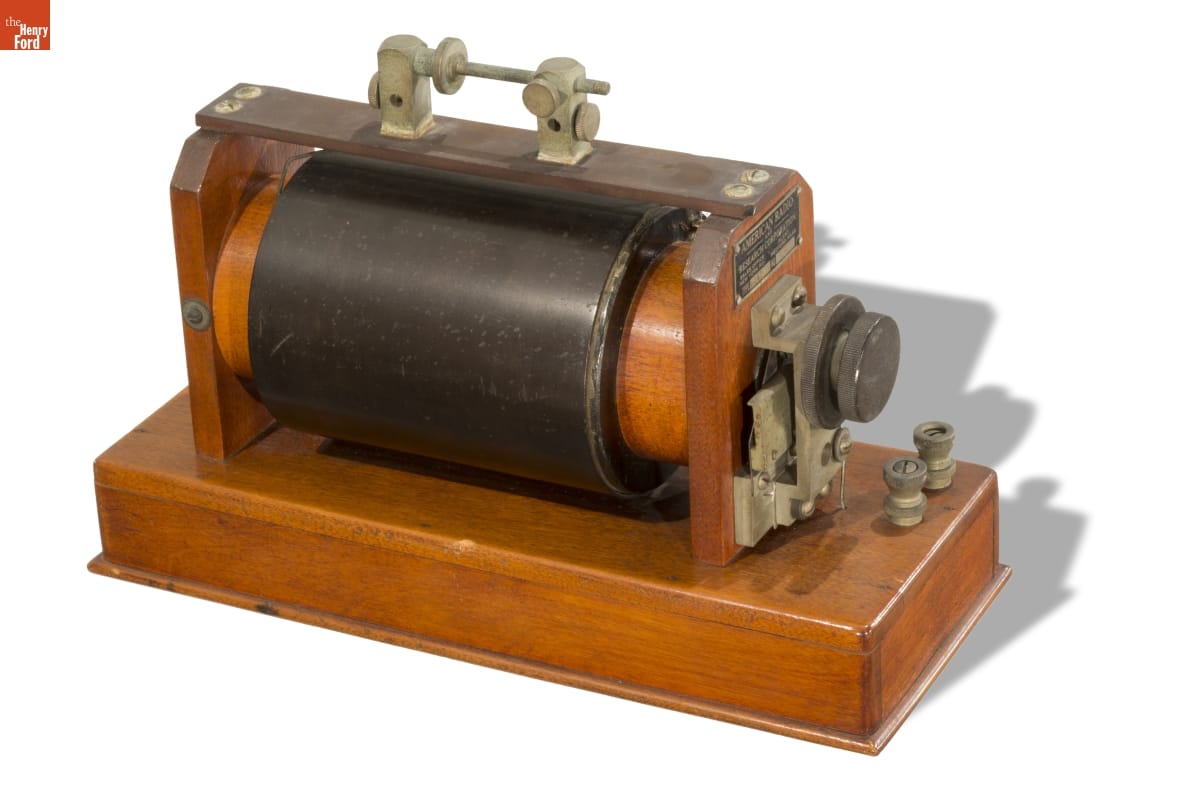
- 1915-1920
- Collections - Artifact
Spark Coil, Type C, 1915-1920
An induction coil creates a high-voltage, pulsating current which arcs across a "spark gap." The spark creates electromagnetic waves, which can then be detected by a radio receiver. Induction coils were essential to the first decades of wireless and radio. Used from the late 1880s until the 1920s, spark gap powered radios were replaced as vacuum tube transmitters became available.
- "Ginny" Walking Doll, 1955-1960 -

- 1955-1960
- Collections - Artifact
"Ginny" Walking Doll, 1955-1960
- "Ginnette" Doll, 1962-1965 -

- 1962-1965
- Collections - Artifact
"Ginnette" Doll, 1962-1965
- "Ginny" Doll, 1952-1954 -

- 1952-1954
- Collections - Artifact
"Ginny" Doll, 1952-1954