
Search
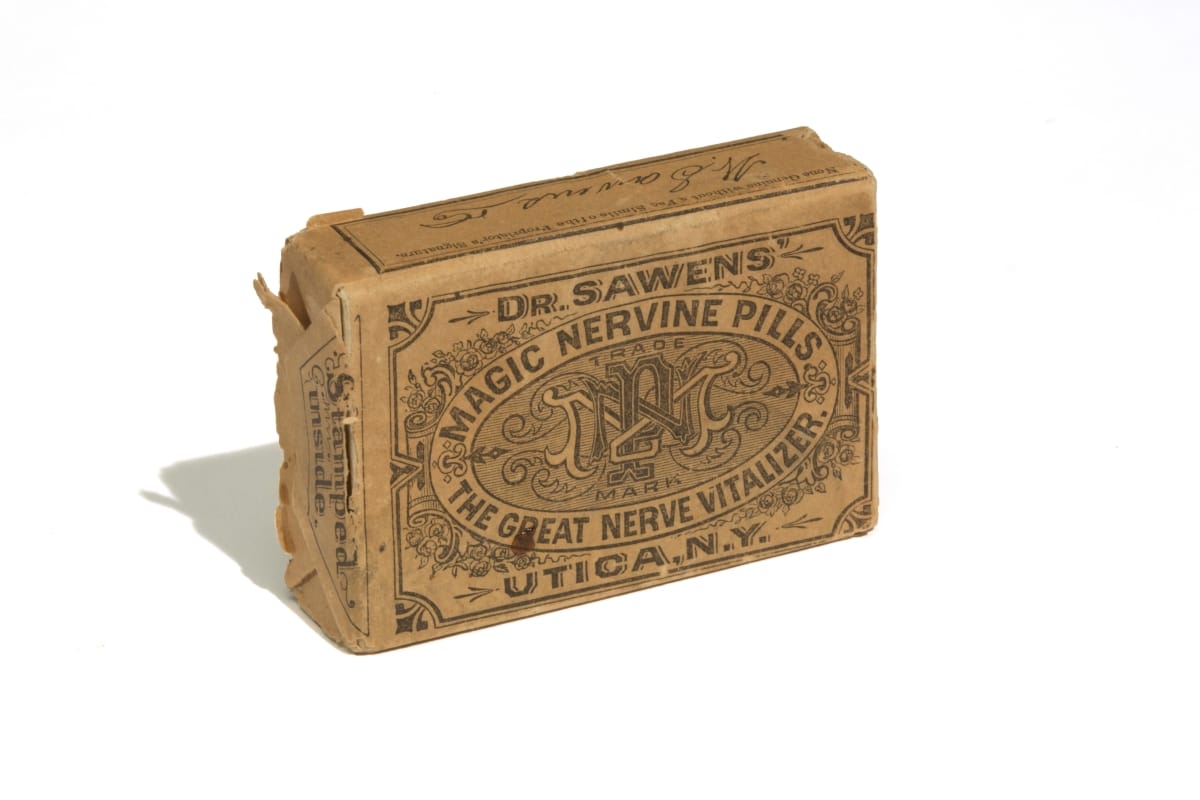
- Dr. Sawens Magic Nervine Pills, 1868-1883 - Nineteenth-century entrepreneurs promised cures with patent medicines. Some of these concoctions, however, contained harmful ingredients or ingredients used in unsafe quantities -- the industry was unregulated and manufacturers were secretive about their recipes. Beginning with the Pure Food and Drug Act of 1906, national legislation increasingly prohibited misleading health claims and required manufacturers to list their product's contents.
- 1868-1883
- Collections - Artifact
Dr. Sawens Magic Nervine Pills, 1868-1883
Nineteenth-century entrepreneurs promised cures with patent medicines. Some of these concoctions, however, contained harmful ingredients or ingredients used in unsafe quantities -- the industry was unregulated and manufacturers were secretive about their recipes. Beginning with the Pure Food and Drug Act of 1906, national legislation increasingly prohibited misleading health claims and required manufacturers to list their product's contents.
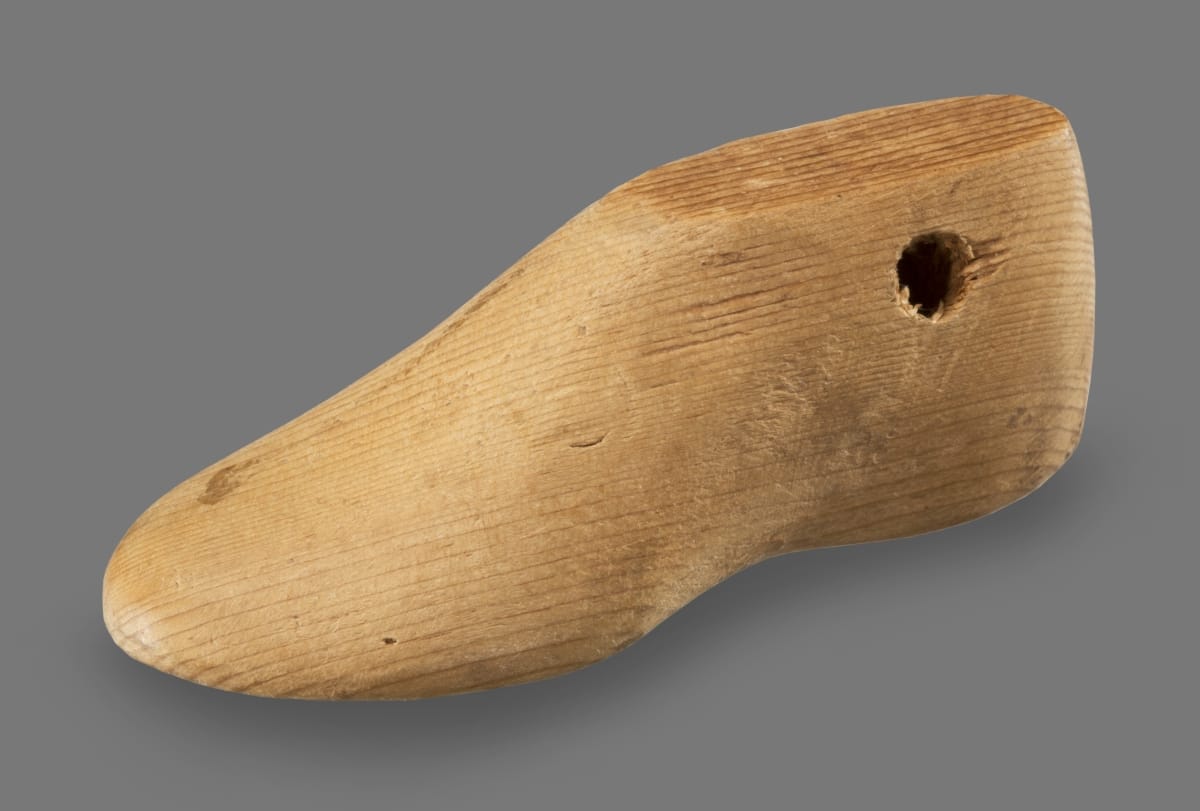
- Reynolds Brothers Shoe Last, 1870-1900 - Shoemakers in the late 19th and early 20th centuries molded pieces of leather around a wooden foot-like form, known as a last, to create a shoe. Some lasts had a removeable block, which made it easy to extract the wood form from the shoe. Others, like this one, had a hole in the end where a hook could be inserted to pull the last out.
- 1870-1900
- Collections - Artifact
Reynolds Brothers Shoe Last, 1870-1900
Shoemakers in the late 19th and early 20th centuries molded pieces of leather around a wooden foot-like form, known as a last, to create a shoe. Some lasts had a removeable block, which made it easy to extract the wood form from the shoe. Others, like this one, had a hole in the end where a hook could be inserted to pull the last out.
- Hand Sprayer -
- Collections - Artifact
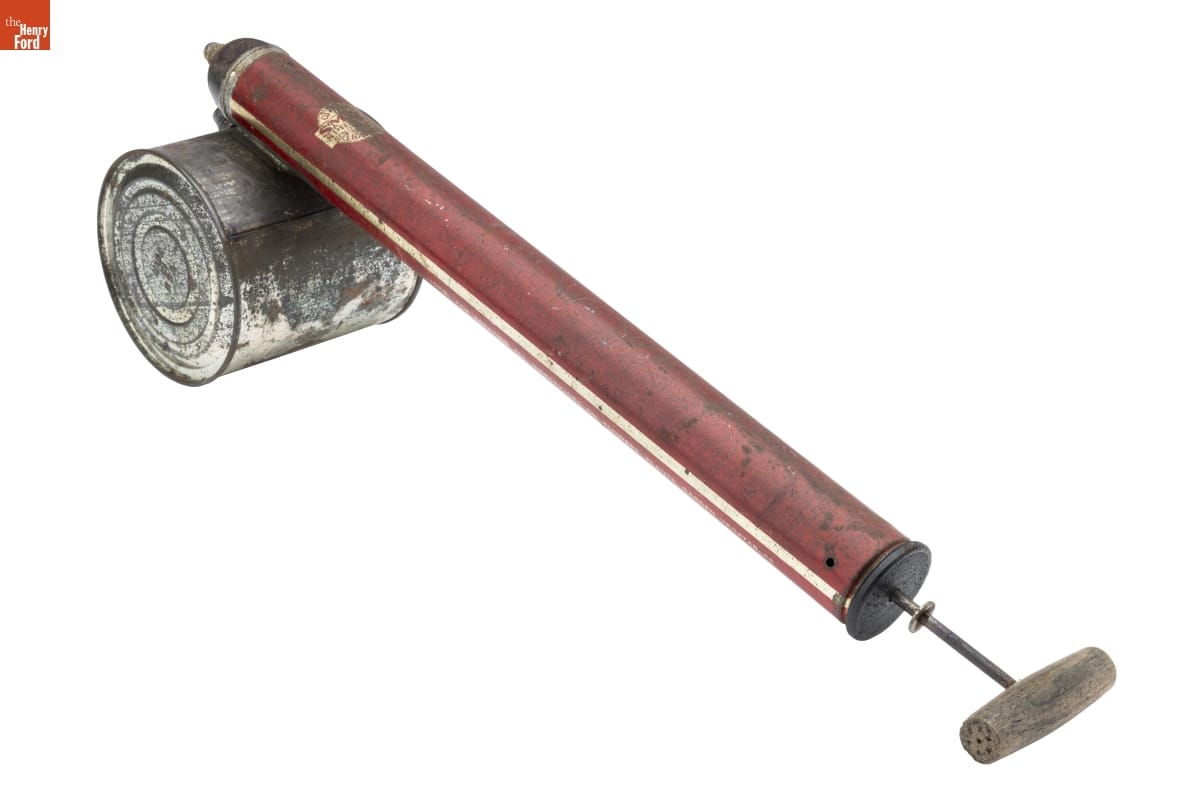
Hand Sprayer
- Trade Card for Warwick Cook Stove, J.S. & M. Peckham, 1883 - In the last third of the nineteenth century, an unprecedented variety of consumer goods and services flooded the American market. Advertisers, armed with new methods of color printing, bombarded potential customers with trade cards. Americans enjoyed and often saved the vibrant little advertisements found in product packages or distributed by local merchants. Many survive as historical records of commercialism in the United States.

- 1883
- Collections - Artifact
Trade Card for Warwick Cook Stove, J.S. & M. Peckham, 1883
In the last third of the nineteenth century, an unprecedented variety of consumer goods and services flooded the American market. Advertisers, armed with new methods of color printing, bombarded potential customers with trade cards. Americans enjoyed and often saved the vibrant little advertisements found in product packages or distributed by local merchants. Many survive as historical records of commercialism in the United States.
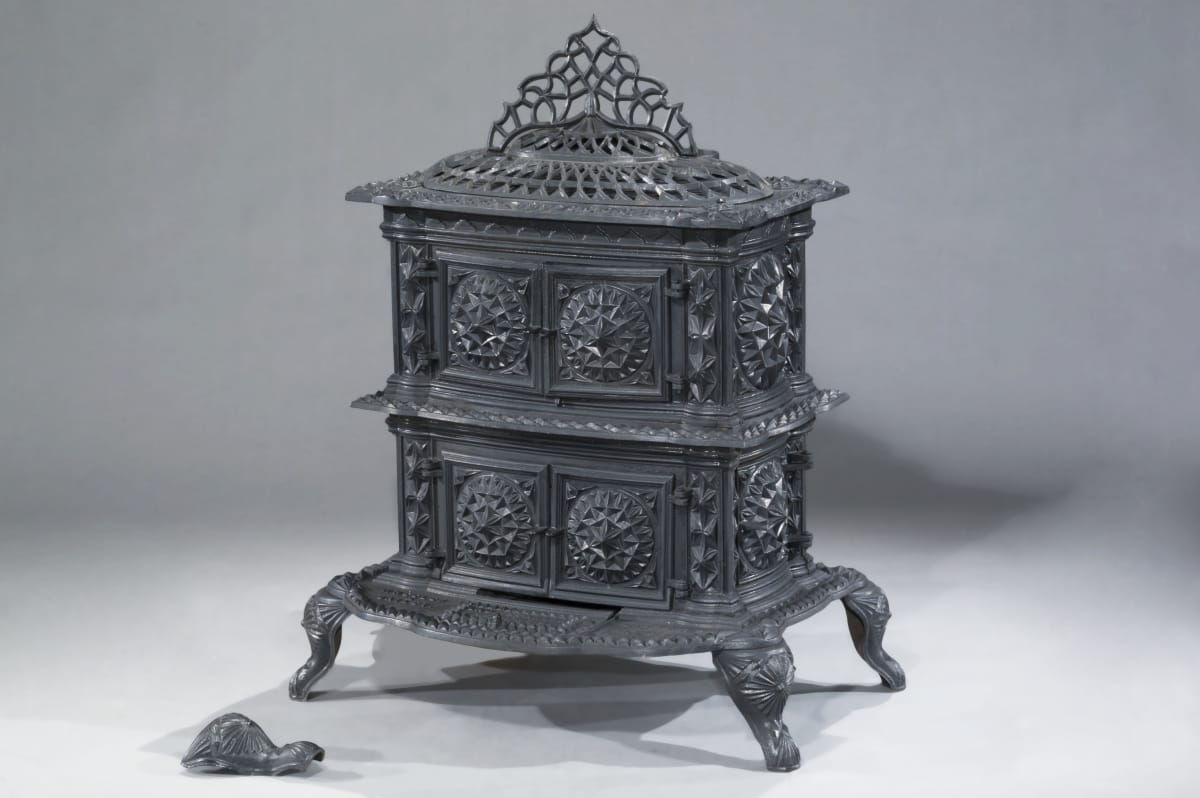
- Parlor Stove, 1854-1865 -
- 1854-1865
- Collections - Artifact
Parlor Stove, 1854-1865
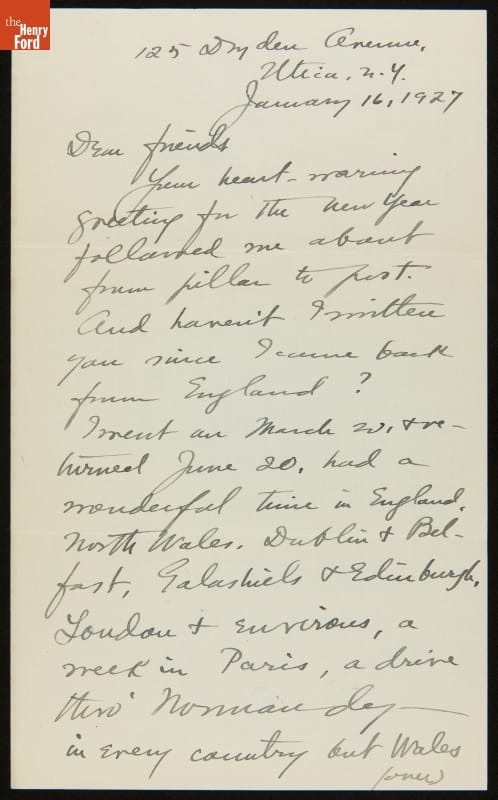
- Letter from Clara Barrus to Mr. and Mrs. J. Edward B. Greene, January 16, 1927 - Dr. Clara Barrus was one of a small number of women who graduated from medical school in the late 19th century. In 1901, she began a close friendship with John Burroughs, the famous naturalist. Burroughs later named Barrus his literary executor and official biographer. Her correspondence covers a variety of subjects, including her relationship with Burroughs and her experiences setting up her own private sanatorium.
- January 16, 1927
- Collections - Artifact
Letter from Clara Barrus to Mr. and Mrs. J. Edward B. Greene, January 16, 1927
Dr. Clara Barrus was one of a small number of women who graduated from medical school in the late 19th century. In 1901, she began a close friendship with John Burroughs, the famous naturalist. Burroughs later named Barrus his literary executor and official biographer. Her correspondence covers a variety of subjects, including her relationship with Burroughs and her experiences setting up her own private sanatorium.
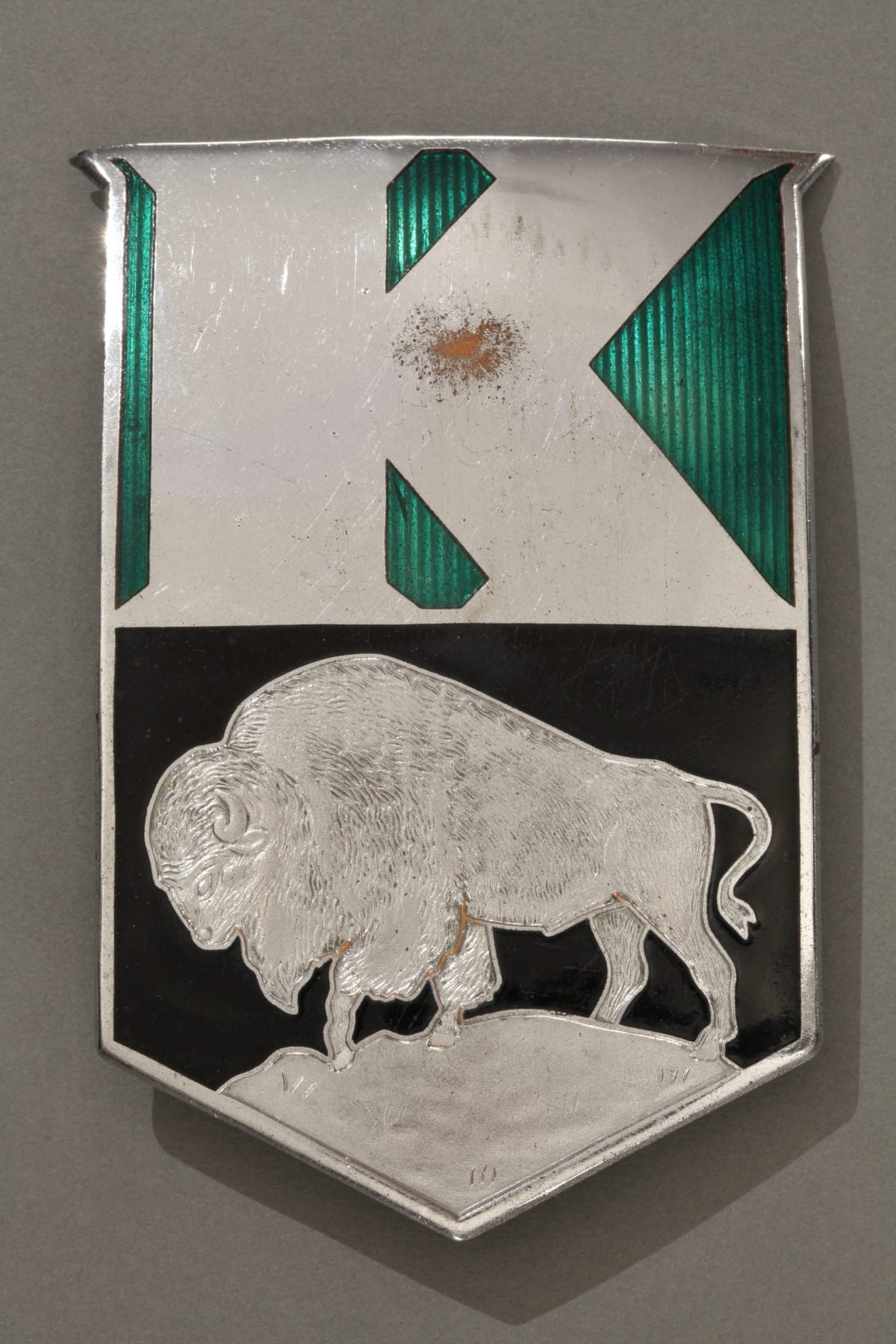
- Kaiser Radiator Emblem, 1950 - Early automobile manufacturers took advantage of the prominent location of radiators and affixed branded emblems to them. As cars evolved and radiators were hidden within vehicle bodies, manufacturers retained this practice by branding hoods or grilles. Emblems remained important branding tools, but also became meaningful to consumers as statements about their cars and themselves.
- 1950
- Collections - Artifact
Kaiser Radiator Emblem, 1950
Early automobile manufacturers took advantage of the prominent location of radiators and affixed branded emblems to them. As cars evolved and radiators were hidden within vehicle bodies, manufacturers retained this practice by branding hoods or grilles. Emblems remained important branding tools, but also became meaningful to consumers as statements about their cars and themselves.
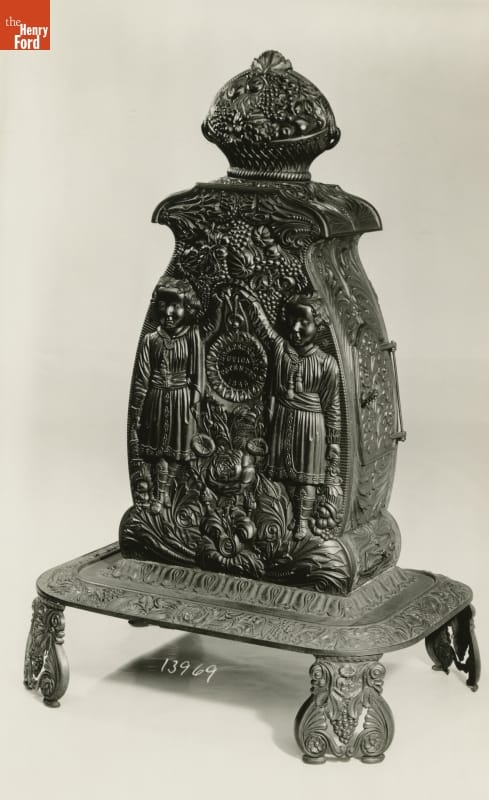
- Parlor Stove, circa 1845 -
- circa 1845
- Collections - Artifact
Parlor Stove, circa 1845
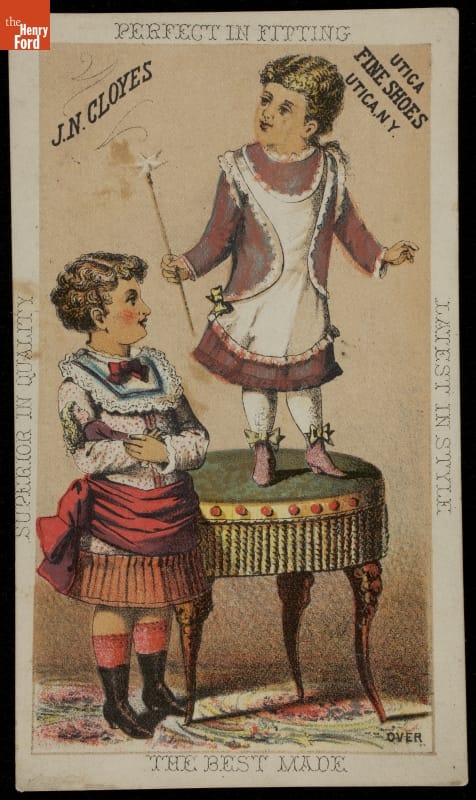
- Trade Card for Utica Fine Shoes, Sold by McClentic & Gould, circa 1892 - In the last third of the nineteenth century, an unprecedented variety of consumer goods and services flooded the American market. Advertisers, armed with new methods of color printing, bombarded potential customers with trade cards. Americans enjoyed and often saved the vibrant little advertisements found in product packages or distributed by local merchants. Many survive as historical records of commercialism in the United States.
- circa 1892
- Collections - Artifact
Trade Card for Utica Fine Shoes, Sold by McClentic & Gould, circa 1892
In the last third of the nineteenth century, an unprecedented variety of consumer goods and services flooded the American market. Advertisers, armed with new methods of color printing, bombarded potential customers with trade cards. Americans enjoyed and often saved the vibrant little advertisements found in product packages or distributed by local merchants. Many survive as historical records of commercialism in the United States.
- Trade Card for Reynolds Brothers Celebrated Fine Shoes, "A Charming Reflection," Reynolds Brothers, 1867-1880 - In the last third of the nineteenth century, an unprecedented variety of consumer goods and services flooded the American market. Advertisers, armed with new methods of color printing, bombarded potential customers with trade cards. Americans enjoyed and often saved the vibrant little advertisements found in product packages or distributed by local merchants. Many survive as historical records of commercialism in the United States.

- 1867-1880
- Collections - Artifact
Trade Card for Reynolds Brothers Celebrated Fine Shoes, "A Charming Reflection," Reynolds Brothers, 1867-1880
In the last third of the nineteenth century, an unprecedented variety of consumer goods and services flooded the American market. Advertisers, armed with new methods of color printing, bombarded potential customers with trade cards. Americans enjoyed and often saved the vibrant little advertisements found in product packages or distributed by local merchants. Many survive as historical records of commercialism in the United States.