
Search
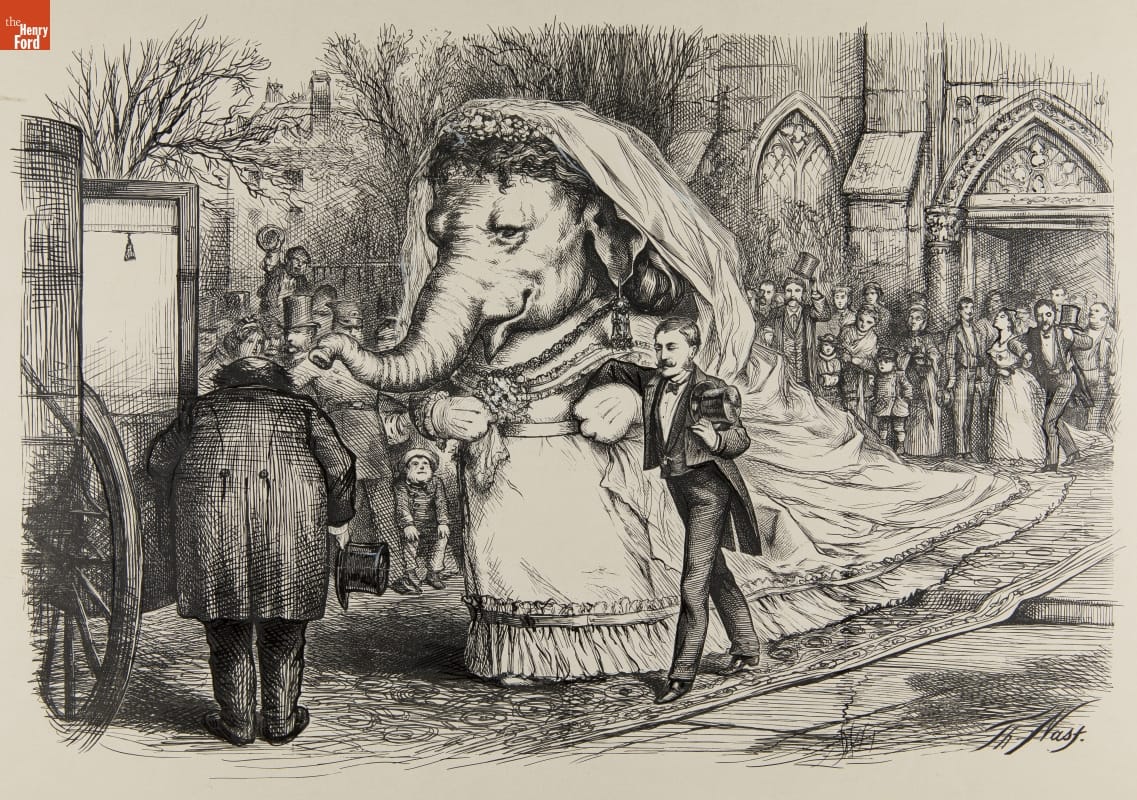
- Etching Proof, Political Cartoon by Thomas Nast, "Marriage a la Mode," 1871 - Thomas Nast (1840-1902) was an influential illustrator and political cartoonist. His illustrations -- especially those created during his 25-year career working for Harper & Brothers -- impacted American political and social life. Nast's works lampooned governmental officials and attacked corruption. He popularized characters like the Republican elephant and Democratic donkey. But his most enduring legacy is the creation of our modern image of Santa Claus.
- April 01, 1871
- Collections - Artifact
Etching Proof, Political Cartoon by Thomas Nast, "Marriage a la Mode," 1871
Thomas Nast (1840-1902) was an influential illustrator and political cartoonist. His illustrations -- especially those created during his 25-year career working for Harper & Brothers -- impacted American political and social life. Nast's works lampooned governmental officials and attacked corruption. He popularized characters like the Republican elephant and Democratic donkey. But his most enduring legacy is the creation of our modern image of Santa Claus.
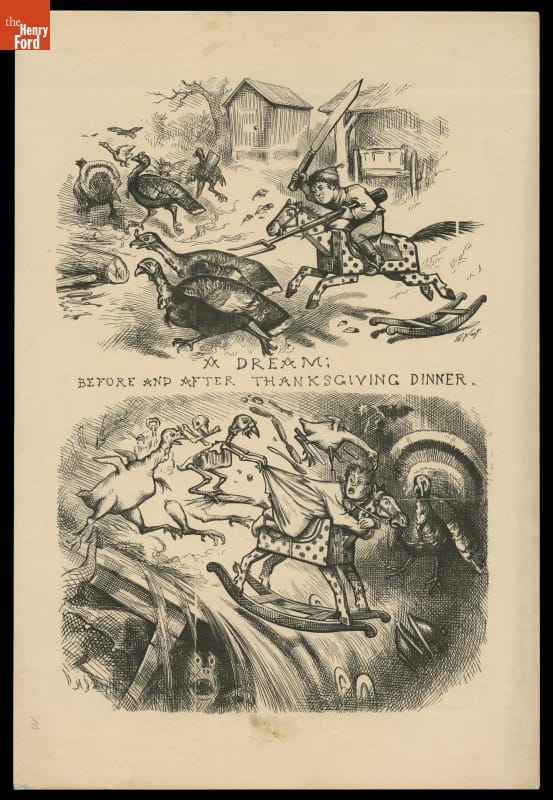
- Etching Proof from a Thomas Nast Drawing, "A Dream, before and after Thanksgiving Dinner," 1878 - Thomas Nast (1840-1902) was an influential illustrator and political cartoonist. Though he is best known for the creation of our modern image of Santa Claus, Nast created many endearing illustrations depicting other holiday activities. This image, originally published in <EM>Harper's Weekly</EM> in 1878, depicts the possible effects of overindulgence on Thanksgiving.
- December 07, 1878
- Collections - Artifact
Etching Proof from a Thomas Nast Drawing, "A Dream, before and after Thanksgiving Dinner," 1878
Thomas Nast (1840-1902) was an influential illustrator and political cartoonist. Though he is best known for the creation of our modern image of Santa Claus, Nast created many endearing illustrations depicting other holiday activities. This image, originally published in Harper's Weekly in 1878, depicts the possible effects of overindulgence on Thanksgiving.
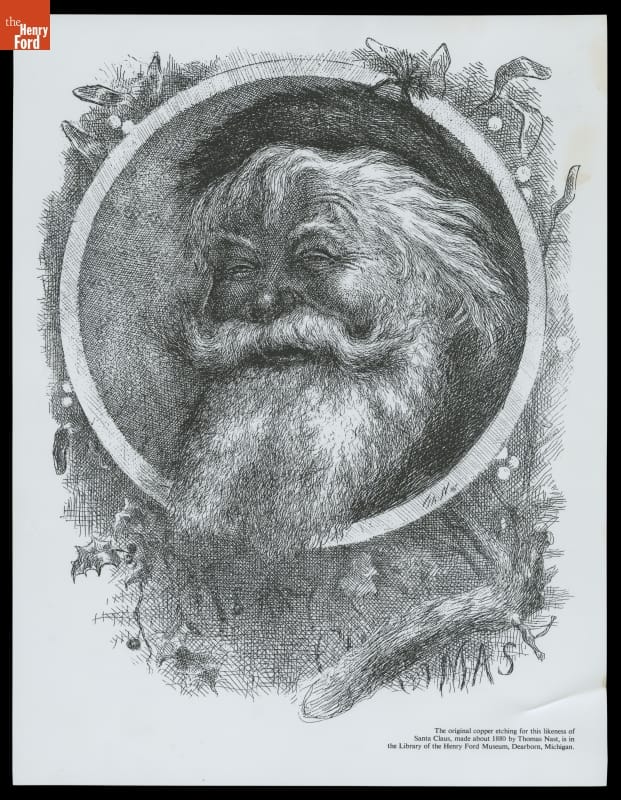
- Thomas Nast's circa 1885 Portrait of Santa Claus, Printed in 1980 - Thomas Nast is best known for the creation of our modern image of Santa Claus. Nast's late 19th-century illustrations popularized the depiction of a rotund, bearded, fur-clad Santa in Americans' imaginations. His drawings not only defined Santa's appearance, but also enhanced other symbols, traditions and events now associated with Christmas and the holiday's jolly old elf.
- circa 1885
- Collections - Artifact
Thomas Nast's circa 1885 Portrait of Santa Claus, Printed in 1980
Thomas Nast is best known for the creation of our modern image of Santa Claus. Nast's late 19th-century illustrations popularized the depiction of a rotund, bearded, fur-clad Santa in Americans' imaginations. His drawings not only defined Santa's appearance, but also enhanced other symbols, traditions and events now associated with Christmas and the holiday's jolly old elf.
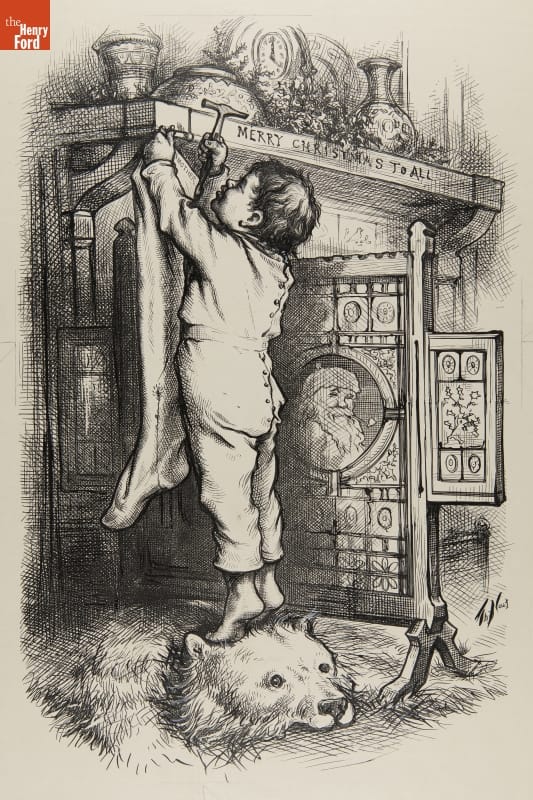
- Etching Proof from a Thomas Nast Christmas Drawing, "Merry Chistmas to All," 1876 - Thomas Nast is best known for the creation of our modern image of Santa Claus. Nast's late 19th-century illustrations popularized the depiction of a rotund, bearded, fur-clad Santa in Americans' imaginations. His drawings not only defined Santa's appearance, but also enhanced other symbols, traditions and events now associated with Christmas and the holiday's jolly old elf.
- 1876
- Collections - Artifact
Etching Proof from a Thomas Nast Christmas Drawing, "Merry Chistmas to All," 1876
Thomas Nast is best known for the creation of our modern image of Santa Claus. Nast's late 19th-century illustrations popularized the depiction of a rotund, bearded, fur-clad Santa in Americans' imaginations. His drawings not only defined Santa's appearance, but also enhanced other symbols, traditions and events now associated with Christmas and the holiday's jolly old elf.
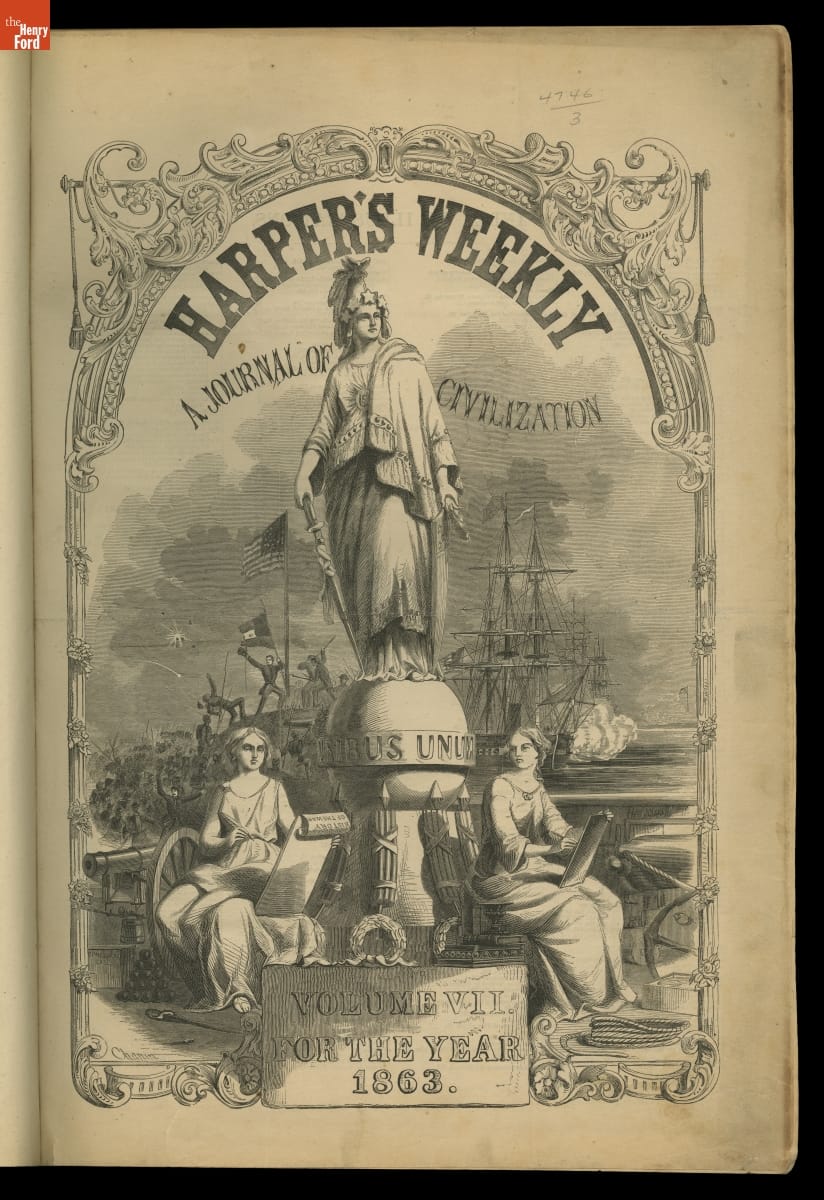
- "Harper's Weekly," Bound Volume of Issues from 1863 - <em>Harper's Weekly</em> began publishing in 1857. Published by Harper & Brothers, issues contained news articles, literary works, essays, and illustrations depicting life in America and around the world. <em> Harper's Weekly</em> ceased publication in 1916.
- January 1863-December 1863
- Collections - Artifact
"Harper's Weekly," Bound Volume of Issues from 1863
Harper's Weekly began publishing in 1857. Published by Harper & Brothers, issues contained news articles, literary works, essays, and illustrations depicting life in America and around the world. Harper's Weekly ceased publication in 1916.
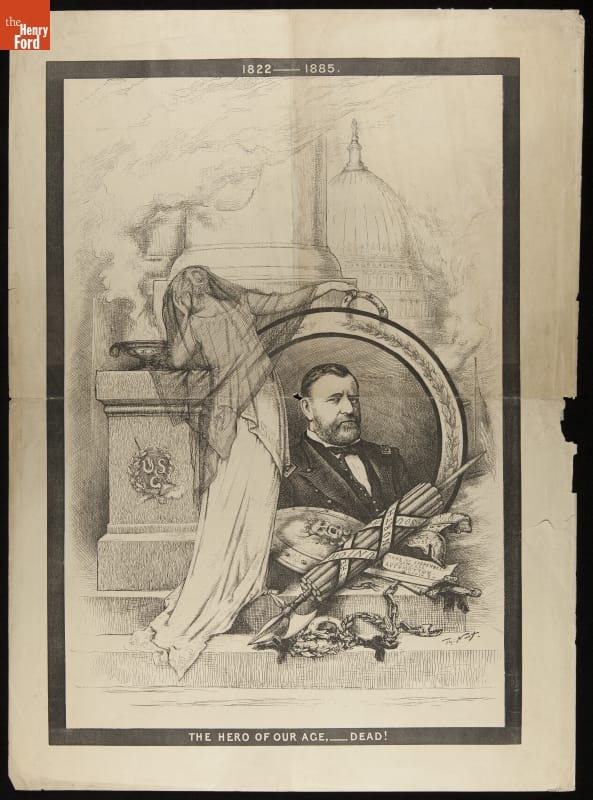
- Line Engraving from a Thomas Nast Drawing, "Hero of Our Age, -Dead!," 1885 - Thomas Nast (1840-1902) was an influential illustrator and political cartoonist. His illustrations -- especially those created during his 25-year career working for Harper & Brothers -- reflected his political and social leanings. Nast was a friend and supporter of Ulysses Grant. This engraving appeared in <EM>Harper's Weekly</EM> on August 1, 1885, about ten days after the former President's death.
- August 01, 1885
- Collections - Artifact
Line Engraving from a Thomas Nast Drawing, "Hero of Our Age, -Dead!," 1885
Thomas Nast (1840-1902) was an influential illustrator and political cartoonist. His illustrations -- especially those created during his 25-year career working for Harper & Brothers -- reflected his political and social leanings. Nast was a friend and supporter of Ulysses Grant. This engraving appeared in Harper's Weekly on August 1, 1885, about ten days after the former President's death.
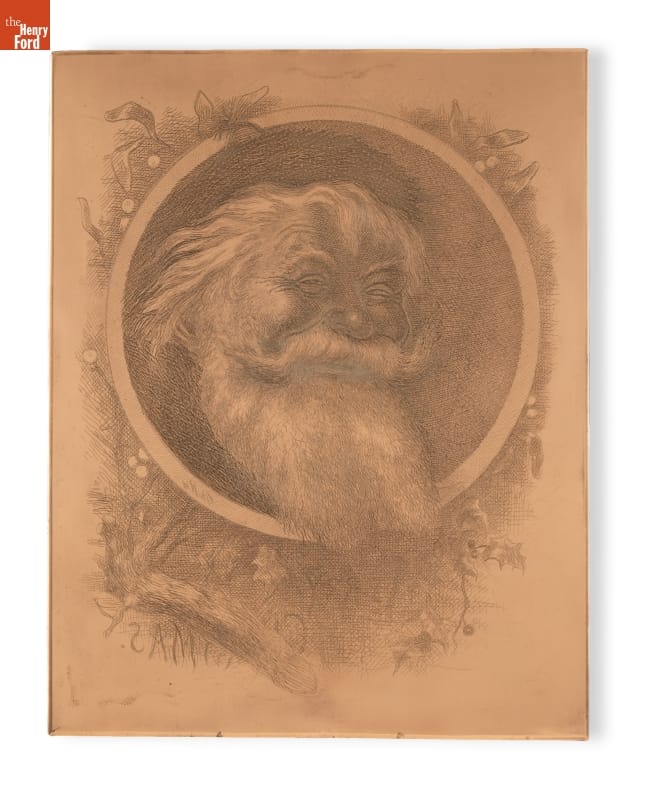
- Copper Printing Plate with Portrait of Santa Claus, circa 1885 - Thomas Nast is best known for the creation of our modern image of Santa Claus. Nast's late 19th-century illustrations popularized the depiction of a rotund, bearded, fur-clad Santa in Americans' imaginations. His drawings not only defined Santa's appearance, but also enhanced other symbols, traditions and events now associated with Christmas and the holiday's jolly old elf.
- circa 1885
- Collections - Artifact
Copper Printing Plate with Portrait of Santa Claus, circa 1885
Thomas Nast is best known for the creation of our modern image of Santa Claus. Nast's late 19th-century illustrations popularized the depiction of a rotund, bearded, fur-clad Santa in Americans' imaginations. His drawings not only defined Santa's appearance, but also enhanced other symbols, traditions and events now associated with Christmas and the holiday's jolly old elf.
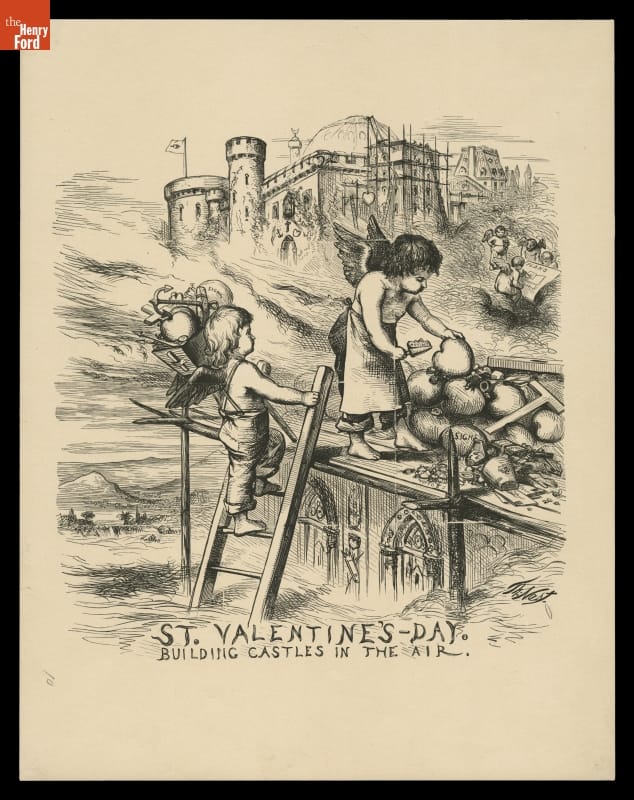
- Etching Proof from a Thomas Nast Drawing, "St. Valentine's Day, Building Castles in the Air," 1870 - Thomas Nast (1840-1902) was an influential illustrator and political cartoonist. Though he is best known for the creation of our modern image of Santa Claus, Nast created many endearing illustrations depicting other legendary characters. This image, originally published in the February 26, 1870, issue of <EM>Harper's Bazar</EM>, depicts cupid-like workers forever "building castles in the air."
- February 26, 1870
- Collections - Artifact
Etching Proof from a Thomas Nast Drawing, "St. Valentine's Day, Building Castles in the Air," 1870
Thomas Nast (1840-1902) was an influential illustrator and political cartoonist. Though he is best known for the creation of our modern image of Santa Claus, Nast created many endearing illustrations depicting other legendary characters. This image, originally published in the February 26, 1870, issue of Harper's Bazar, depicts cupid-like workers forever "building castles in the air."
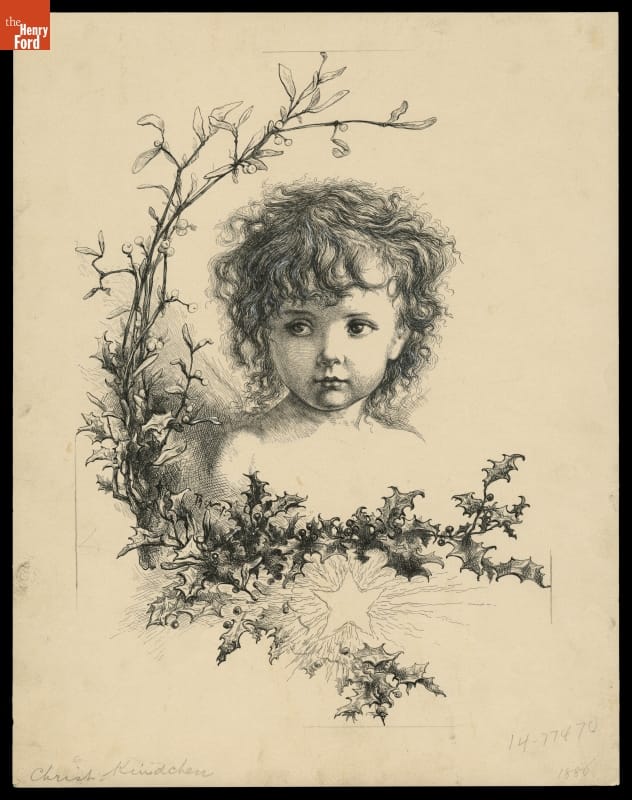
- Etching Proof from a Thomas Nast Christmas Drawing, "Christkindchen," 1886 -
- 1886
- Collections - Artifact
Etching Proof from a Thomas Nast Christmas Drawing, "Christkindchen," 1886
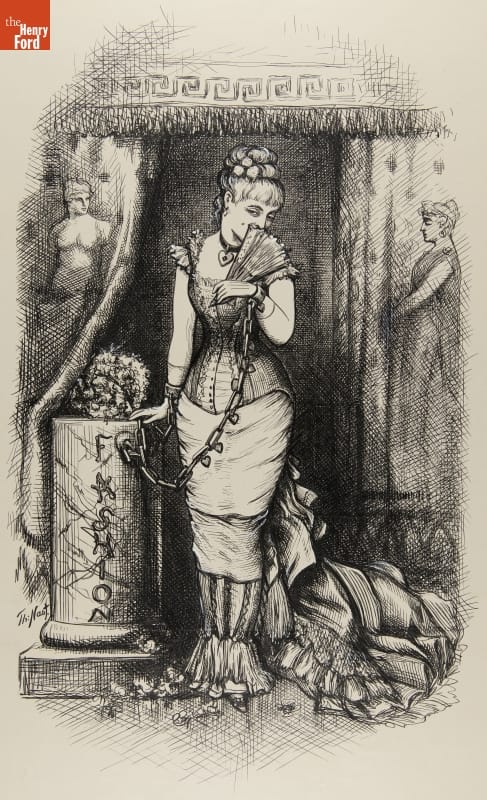
- Etching Proof from a Thomas Nast Drawing, "The Slave of Fashion," 1878 - Thomas Nast (1840-1902) was an influential illustrator and political cartoonist. Many of the illustrations he created reflected his political leanings and general observations of American society. In an April 1878 issue of <EM>Harper's Bazar</EM>, the poem "Sister Slaves" pondered the plight of two slaves: one to household drudgery, the other to fashion. This was Nast's vision of the "The Slave of Fashion."
- April 20, 1878
- Collections - Artifact
Etching Proof from a Thomas Nast Drawing, "The Slave of Fashion," 1878
Thomas Nast (1840-1902) was an influential illustrator and political cartoonist. Many of the illustrations he created reflected his political leanings and general observations of American society. In an April 1878 issue of Harper's Bazar, the poem "Sister Slaves" pondered the plight of two slaves: one to household drudgery, the other to fashion. This was Nast's vision of the "The Slave of Fashion."