
Search
- Letter from Marquis de Lafayette to James Fenimore Cooper, 1831 -
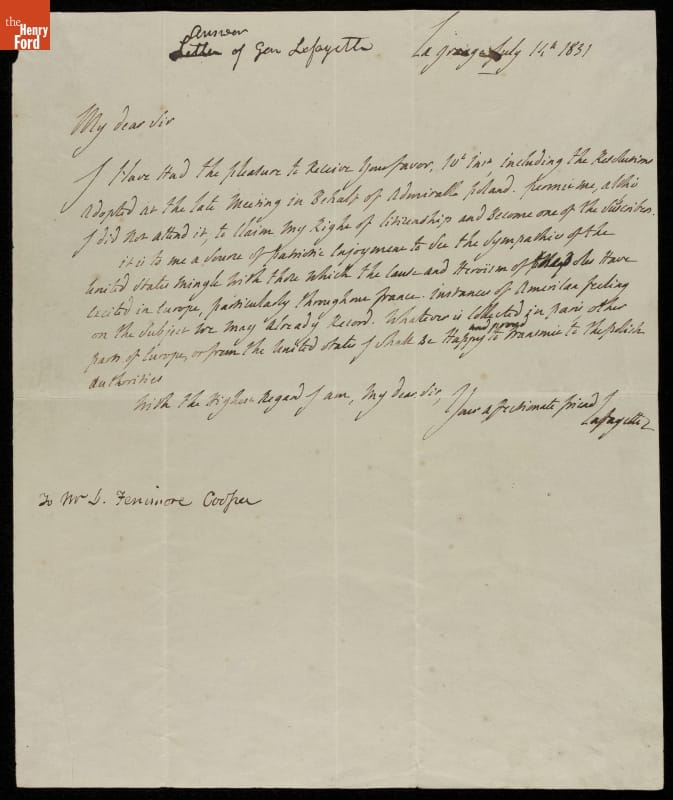
- July 14, 1831
- Collections - Artifact
Letter from Marquis de Lafayette to James Fenimore Cooper, 1831
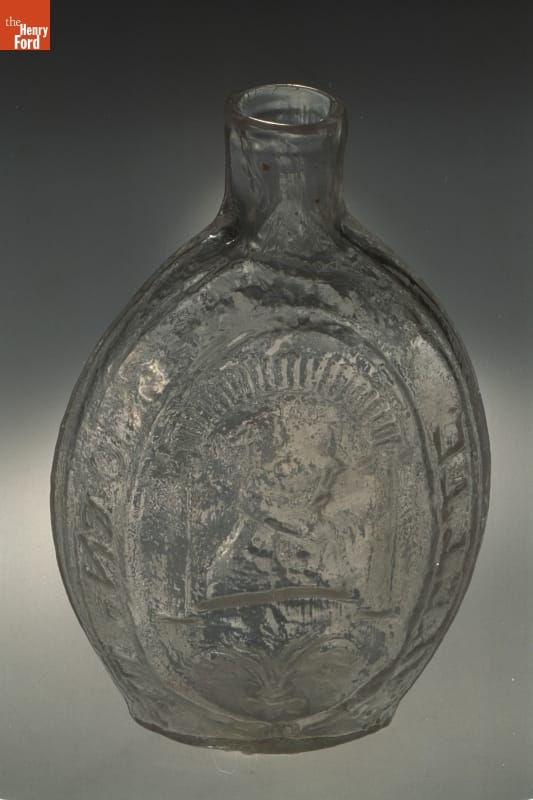
- Flask, 1824-1825 - Glass factories in America began producing inexpensive, mold-formed flasks in the early 1800s. These figured flasks, often decorated with symbols of national pride or political or cultural affiliation, appealed to America's common man. In the mid-1820s, General Lafayette, a French aristocrat who helped America win its independence, revisited the United States. His image adorned flasks commemorating his tour.
- 1824-1825
- Collections - Artifact
Flask, 1824-1825
Glass factories in America began producing inexpensive, mold-formed flasks in the early 1800s. These figured flasks, often decorated with symbols of national pride or political or cultural affiliation, appealed to America's common man. In the mid-1820s, General Lafayette, a French aristocrat who helped America win its independence, revisited the United States. His image adorned flasks commemorating his tour.
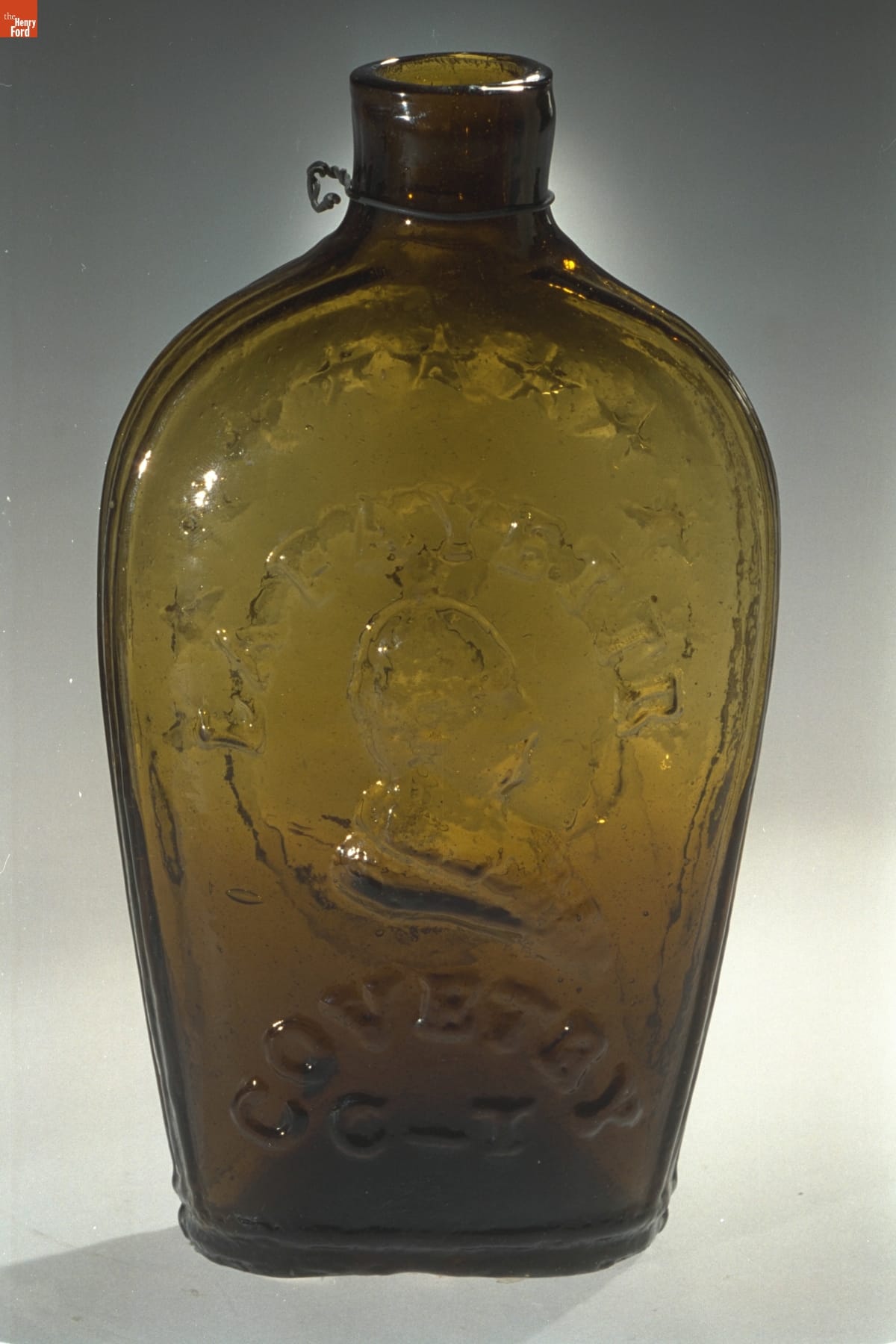
- Flask, 1824-1825 - Glass factories in America began producing inexpensive, mold-formed flasks in the early 1800s. These figured flasks, often decorated with symbols of national pride or political or cultural affiliation, appealed to America's common man. In the mid-1820s, General Lafayette, a French aristocrat who helped America win its independence, revisited the United States. His image adorned flasks commemorating his tour.
- 1824-1825
- Collections - Artifact
Flask, 1824-1825
Glass factories in America began producing inexpensive, mold-formed flasks in the early 1800s. These figured flasks, often decorated with symbols of national pride or political or cultural affiliation, appealed to America's common man. In the mid-1820s, General Lafayette, a French aristocrat who helped America win its independence, revisited the United States. His image adorned flasks commemorating his tour.
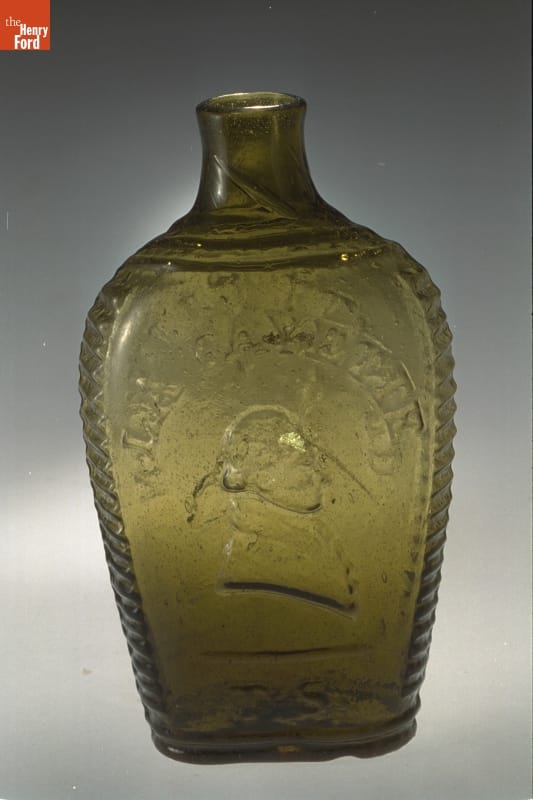
- Flask, 1824-1825 - Glass factories in America began producing inexpensive, mold-formed flasks in the early 1800s. These figured flasks, often decorated with symbols of national pride, appealed to America's common man. This early 1820s flask contains images of two historic figures: General Lafayette, a French aristocrat who helped America win its independence; and DeWitt Clinton, the New York governor who supported construction of the Erie Canal.
- 1824-1825
- Collections - Artifact
Flask, 1824-1825
Glass factories in America began producing inexpensive, mold-formed flasks in the early 1800s. These figured flasks, often decorated with symbols of national pride, appealed to America's common man. This early 1820s flask contains images of two historic figures: General Lafayette, a French aristocrat who helped America win its independence; and DeWitt Clinton, the New York governor who supported construction of the Erie Canal.
- Platter, 1824-1836 -
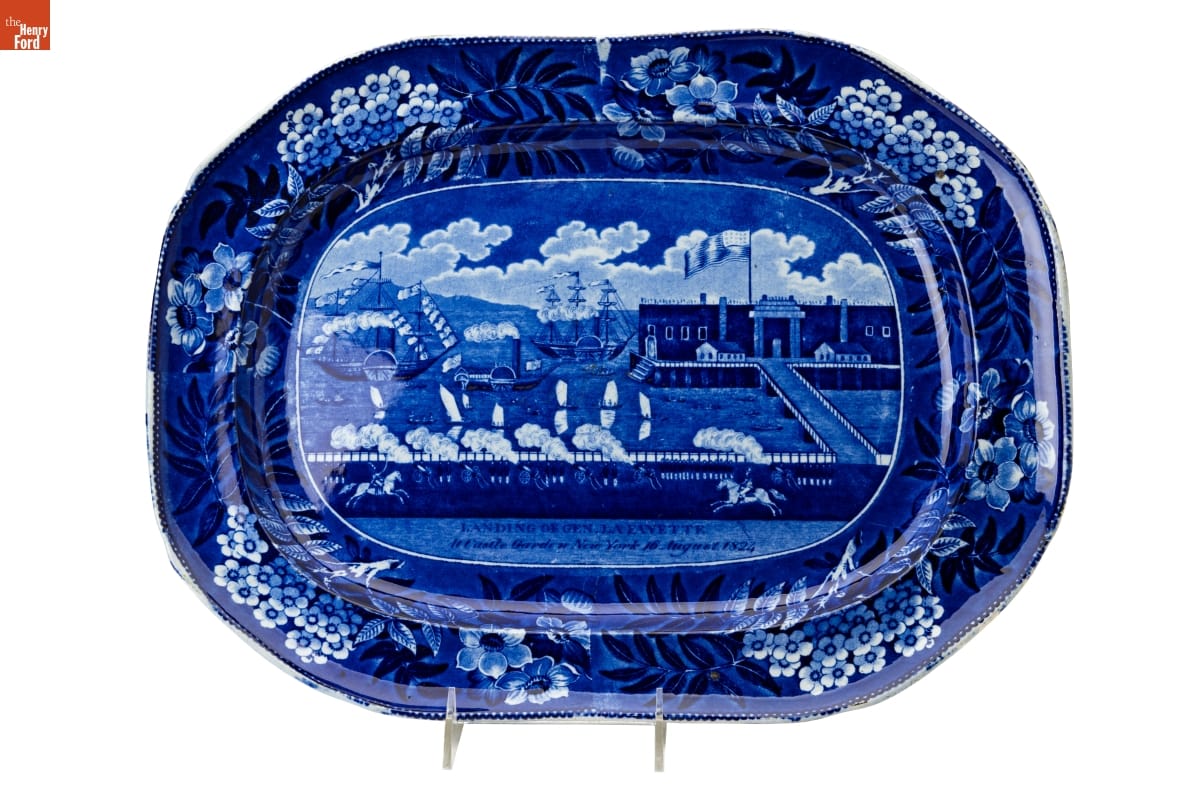
- 1824-1836
- Collections - Artifact
Platter, 1824-1836
- Letter from George Washington to Charles Willson Peale, 1780 -
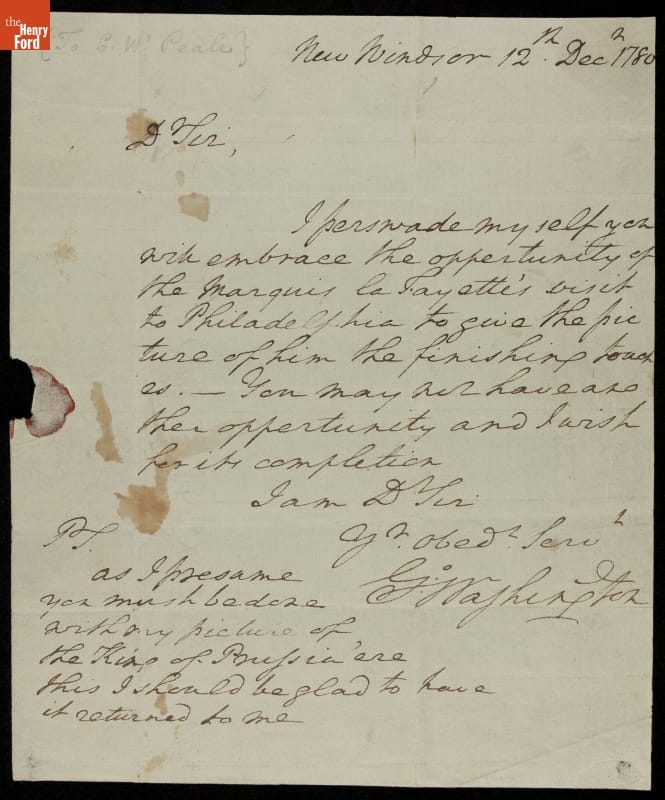
- December 12, 1780
- Collections - Artifact
Letter from George Washington to Charles Willson Peale, 1780
- Flask, 1824-1825 - Glass factories in America began producing inexpensive, mold-formed flasks in the early 1800s. These figured flasks, often decorated with symbols of national pride or political or cultural affiliation, appealed to America's common man. In the mid-1820s, General Lafayette, a French aristocrat who helped America win its independence, revisited the United States. His image adorned flasks commemorating his tour.
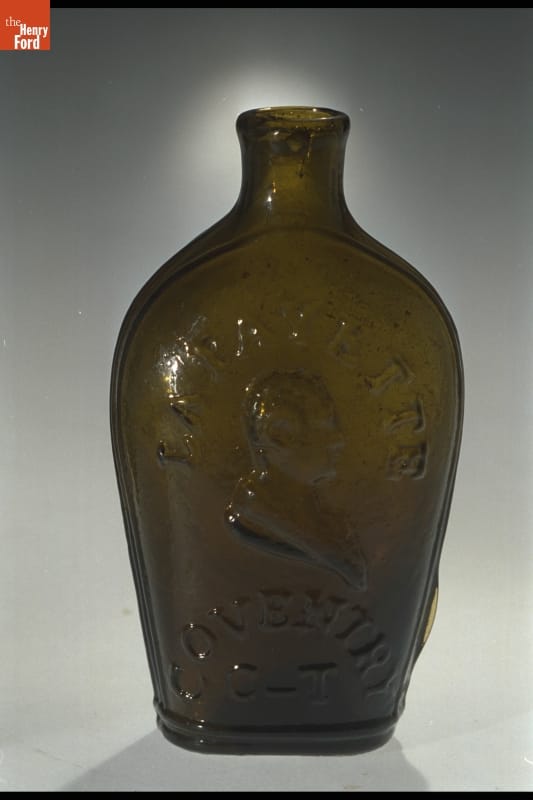
- 1824-1825
- Collections - Artifact
Flask, 1824-1825
Glass factories in America began producing inexpensive, mold-formed flasks in the early 1800s. These figured flasks, often decorated with symbols of national pride or political or cultural affiliation, appealed to America's common man. In the mid-1820s, General Lafayette, a French aristocrat who helped America win its independence, revisited the United States. His image adorned flasks commemorating his tour.
- Letter from Gilbert du Motier Lafayette to George Washington, 1781 -
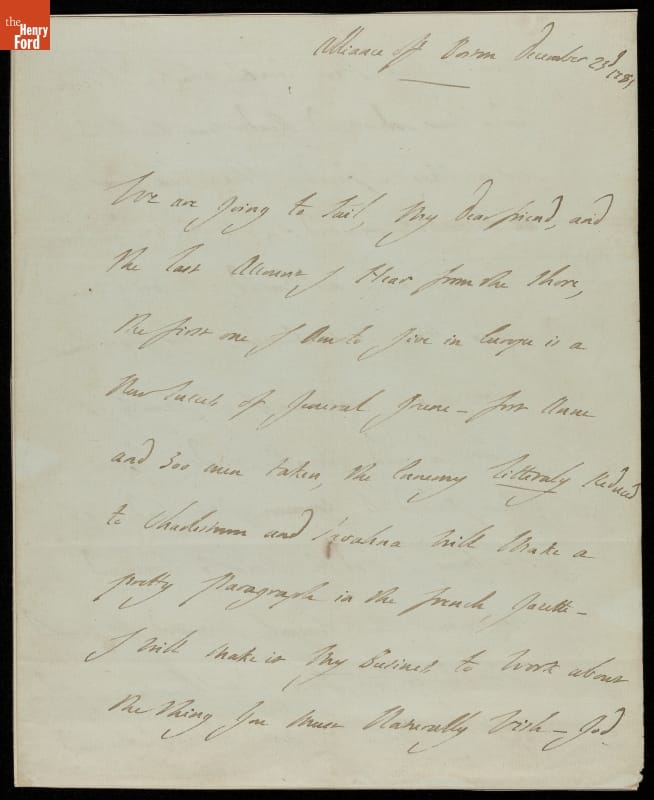
- December 23, 1781
- Collections - Artifact
Letter from Gilbert du Motier Lafayette to George Washington, 1781
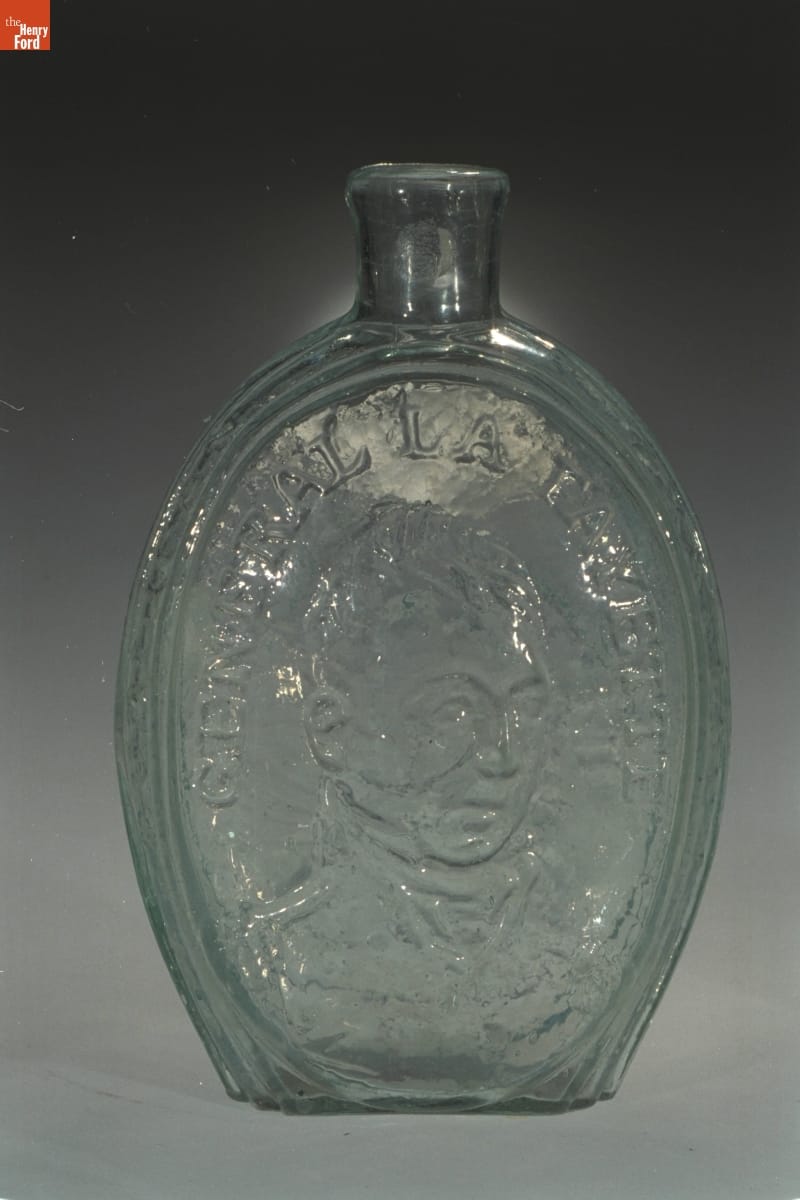
- Flask, 1824-1825 - Glass factories in America began producing inexpensive, mold-formed flasks in the early 1800s. These figured flasks, often decorated with symbols of national pride or political or cultural affiliation, appealed to America's common man. In the mid-1820s, General Lafayette, a French aristocrat who helped America win its independence, revisited the United States. His image adorned flasks commemorating his tour.
- 1824-1825
- Collections - Artifact
Flask, 1824-1825
Glass factories in America began producing inexpensive, mold-formed flasks in the early 1800s. These figured flasks, often decorated with symbols of national pride or political or cultural affiliation, appealed to America's common man. In the mid-1820s, General Lafayette, a French aristocrat who helped America win its independence, revisited the United States. His image adorned flasks commemorating his tour.
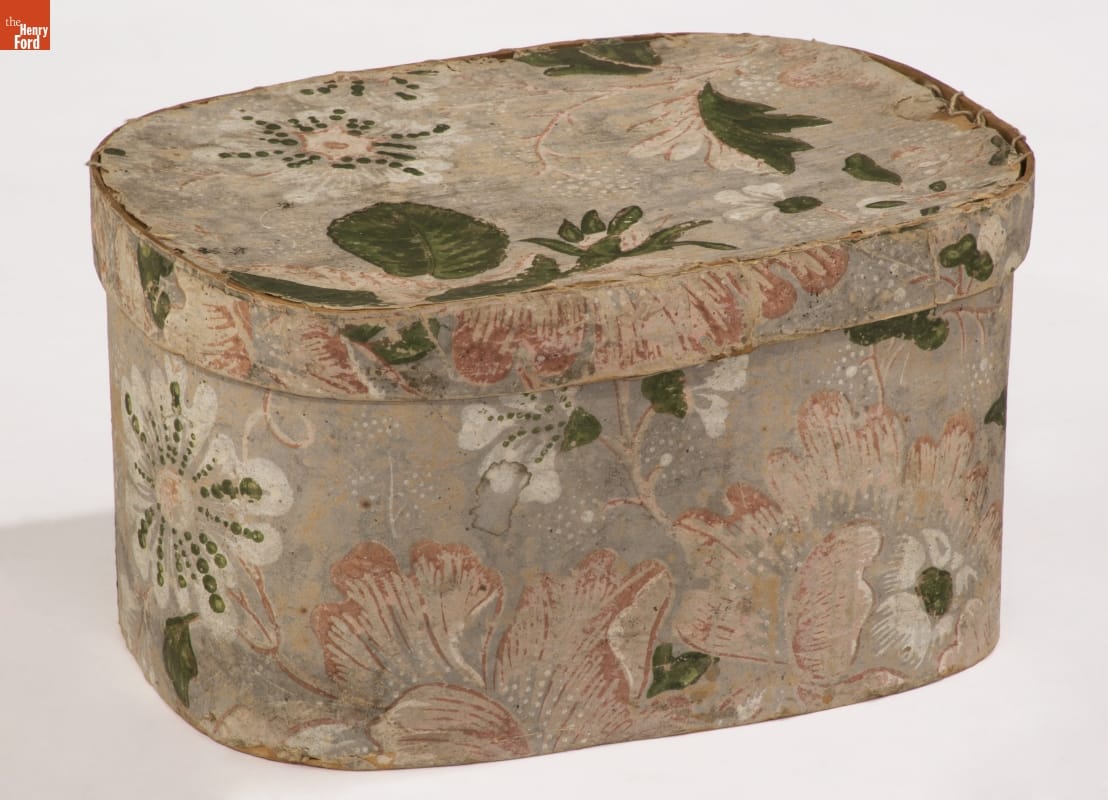
- Bandbox, circa 1837 - In the early 1800s, Americans used bandboxes to store clothing, accessories, and other small items. Bandboxes were handy containers in the home, or when traveling by stage, boat, or rail. Manufacturers covered these inexpensive pasteboard or wooden boxes with colorful papers. Some bandboxes were covered with papers depicting animals, places or specific scenes. Others, such as this one, were covered with decorative wallpaper of the day.
- circa 1837
- Collections - Artifact
Bandbox, circa 1837
In the early 1800s, Americans used bandboxes to store clothing, accessories, and other small items. Bandboxes were handy containers in the home, or when traveling by stage, boat, or rail. Manufacturers covered these inexpensive pasteboard or wooden boxes with colorful papers. Some bandboxes were covered with papers depicting animals, places or specific scenes. Others, such as this one, were covered with decorative wallpaper of the day.