
Search
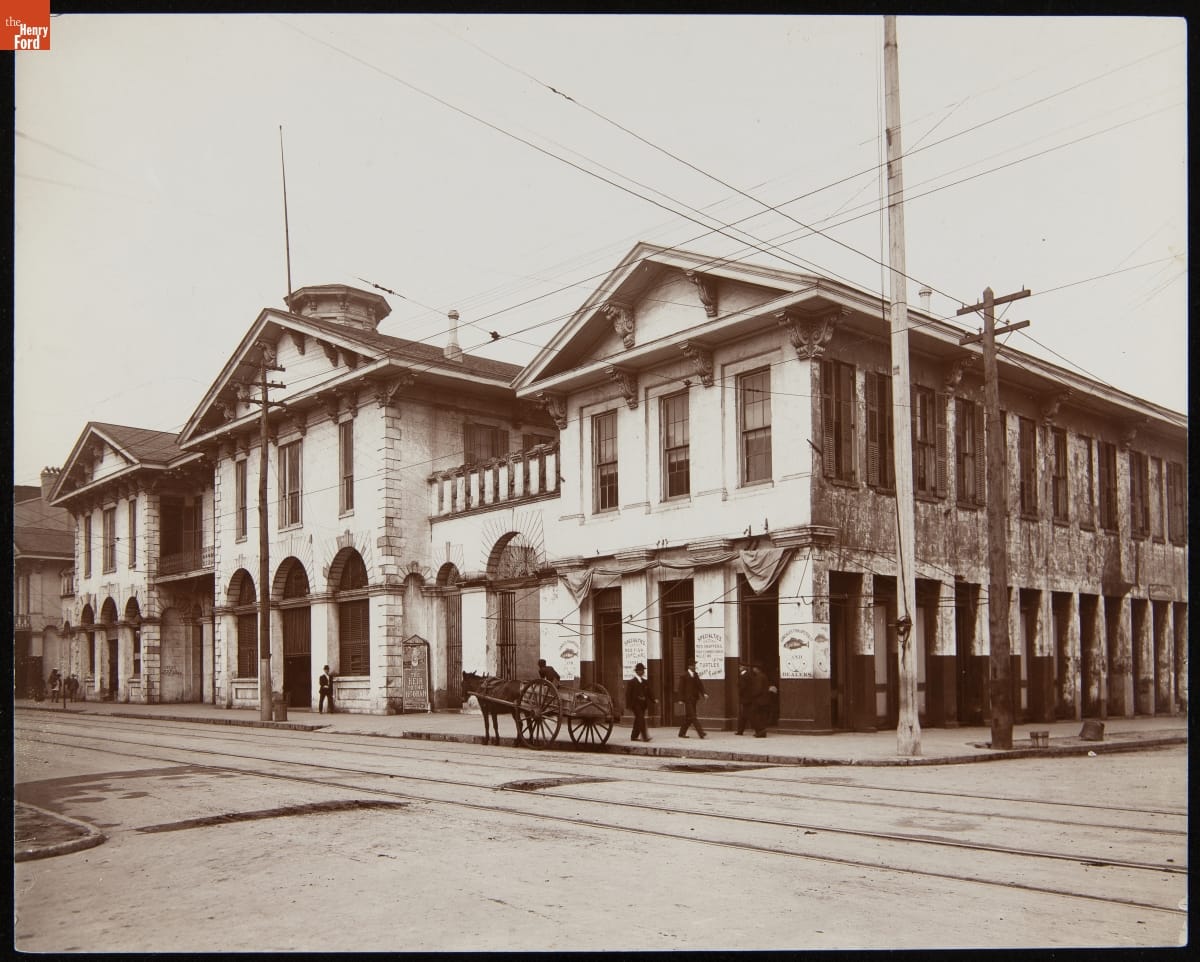
- Old Market House, Mobile, Alabama, -
- circa 1906
- Collections - Artifact
Old Market House, Mobile, Alabama,
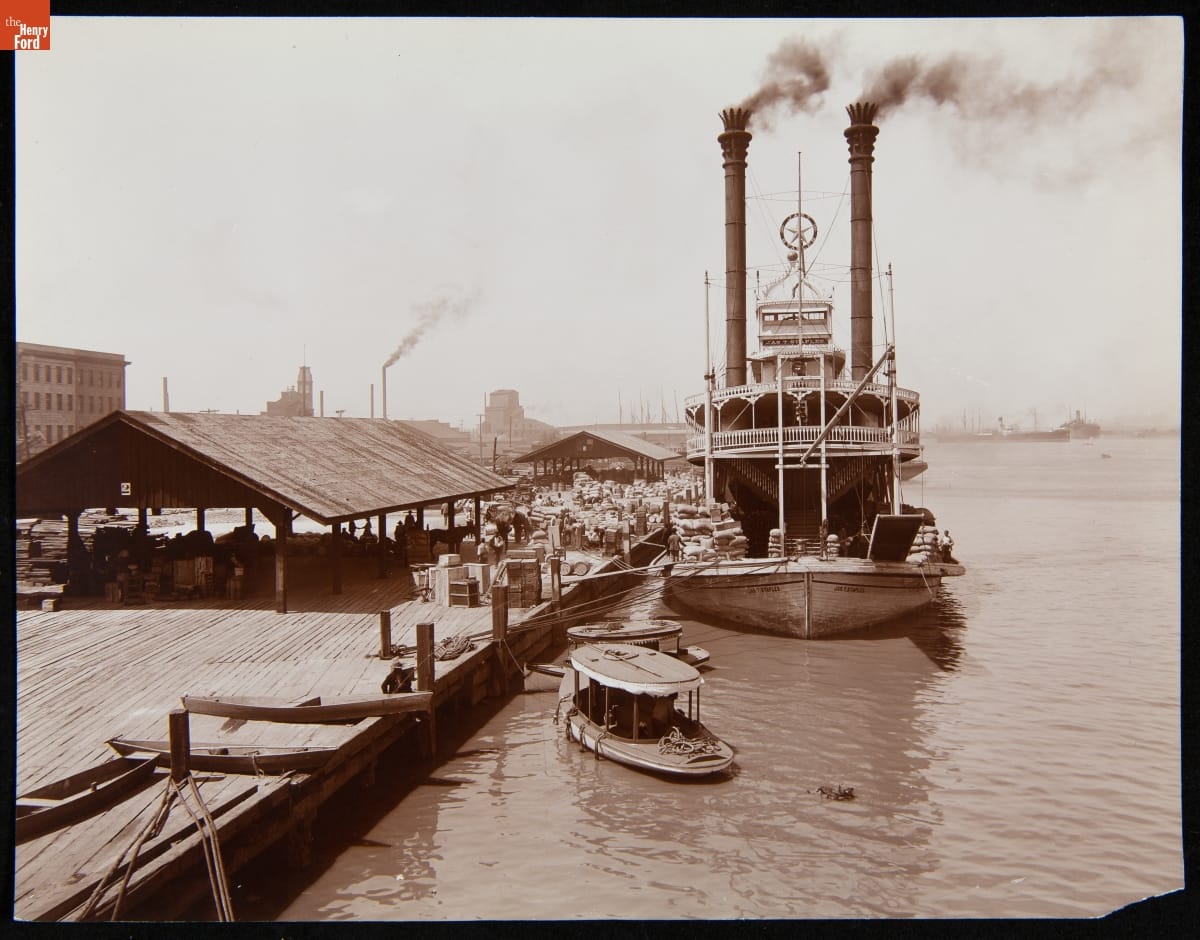
- Along the Docks, Mobile, Alabama, 1900-1915 -
- 1900-1915
- Collections - Artifact
Along the Docks, Mobile, Alabama, 1900-1915
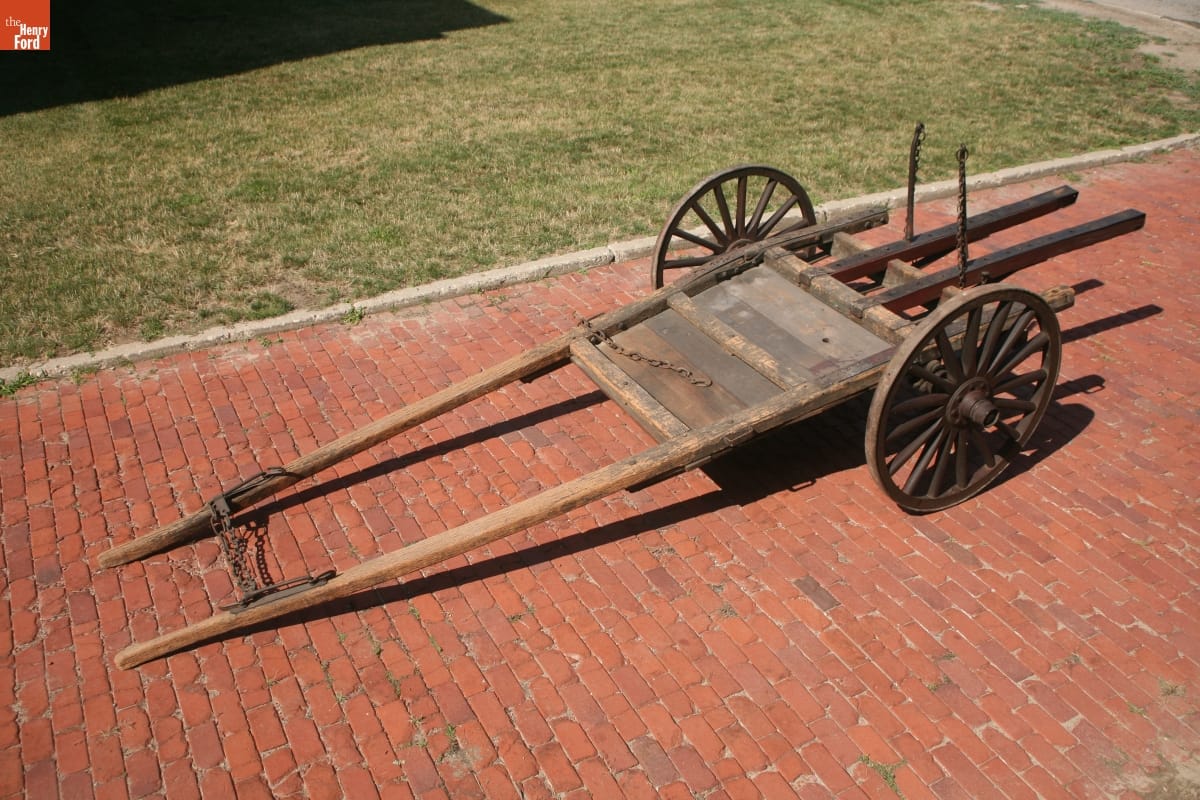
- Horse Drawn Dray, circa 1890 - Simple two-wheeled drays like this were the most common means of moving goods between docks, railroad stations, and businesses in pre-automotive American cities. This dray was made by Studebaker of South Bend, Indiana, once the nation's largest maker of horse-drawn vehicles. Studebaker entered the automobile business in 1902 and became a major builder before ending motor vehicle production in 1966.
- circa 1890
- Collections - Artifact
Horse Drawn Dray, circa 1890
Simple two-wheeled drays like this were the most common means of moving goods between docks, railroad stations, and businesses in pre-automotive American cities. This dray was made by Studebaker of South Bend, Indiana, once the nation's largest maker of horse-drawn vehicles. Studebaker entered the automobile business in 1902 and became a major builder before ending motor vehicle production in 1966.
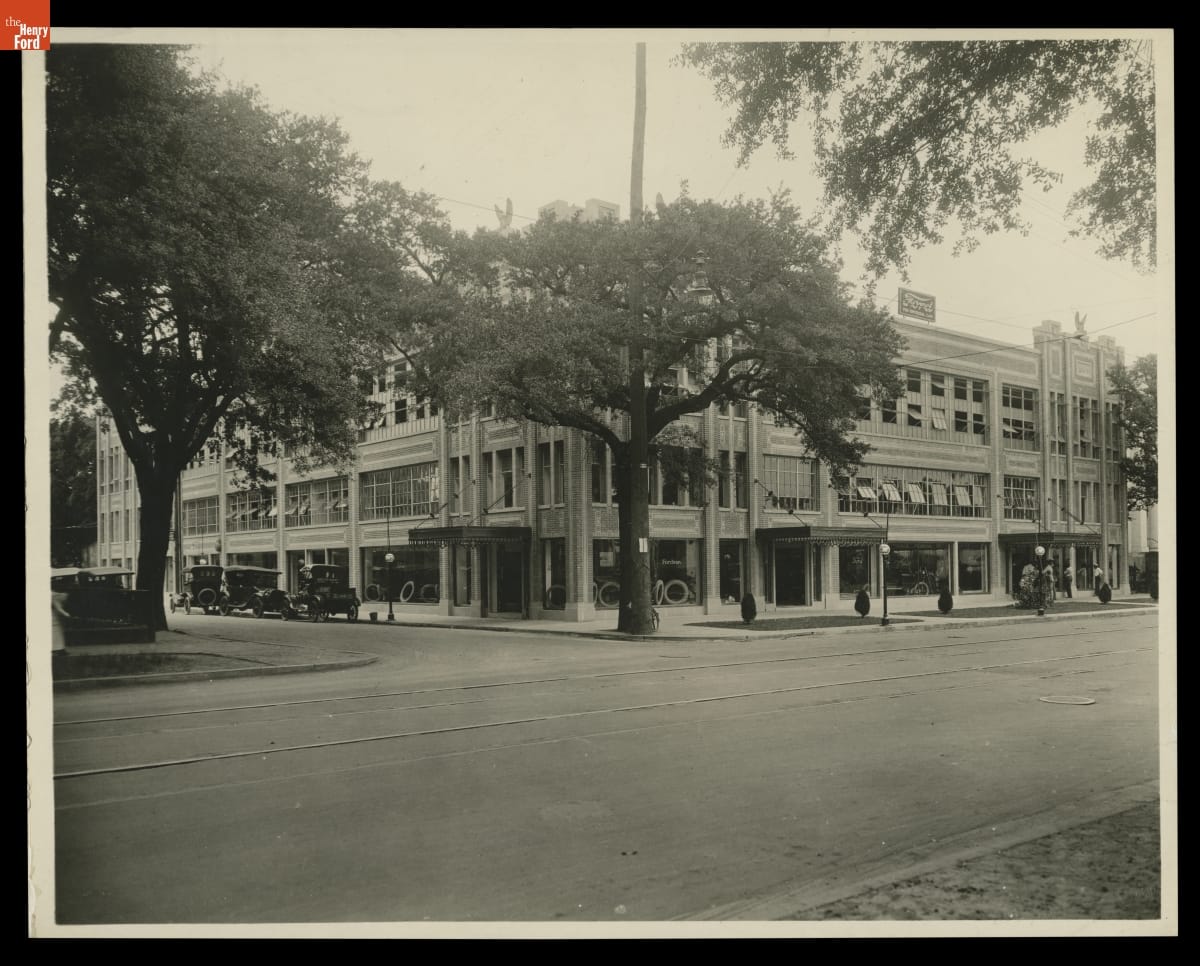
- Ford Dealership in Mobile, Alabama, circa 1922 -
- circa 1922
- Collections - Artifact
Ford Dealership in Mobile, Alabama, circa 1922
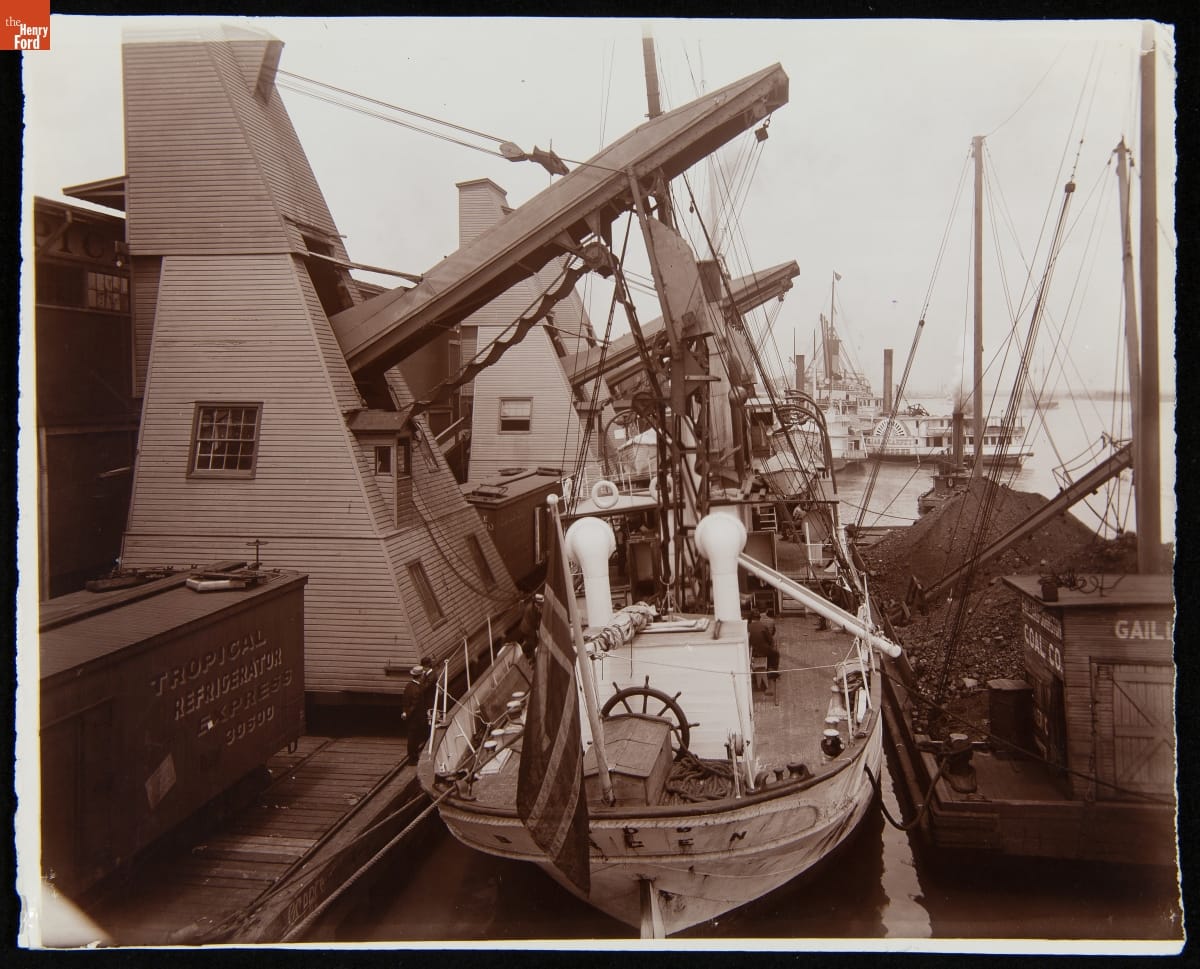
- Unloading a Banana Steamer by Machinery, Mobile, Alabama, 1900-1910 - Bananas raised on Central American plantations traveled to North American grocery stores via a transportation system controlled by competing fruit companies and their government allies. Ships hauled the commodity to U.S. ports in the Gulf of Mexico, including Mobile, Alabama. Conveyor belts moved stalks of bananas, each weighing around 86 pounds, from the ship's hold into refrigerated railcars, visible next to the ship.
- 1900-1910
- Collections - Artifact
Unloading a Banana Steamer by Machinery, Mobile, Alabama, 1900-1910
Bananas raised on Central American plantations traveled to North American grocery stores via a transportation system controlled by competing fruit companies and their government allies. Ships hauled the commodity to U.S. ports in the Gulf of Mexico, including Mobile, Alabama. Conveyor belts moved stalks of bananas, each weighing around 86 pounds, from the ship's hold into refrigerated railcars, visible next to the ship.
- Panoramic View of the Southern Railway Terminals, Mobile, Alabama, 1900-1915 -

- 1900-1915
- Collections - Artifact
Panoramic View of the Southern Railway Terminals, Mobile, Alabama, 1900-1915
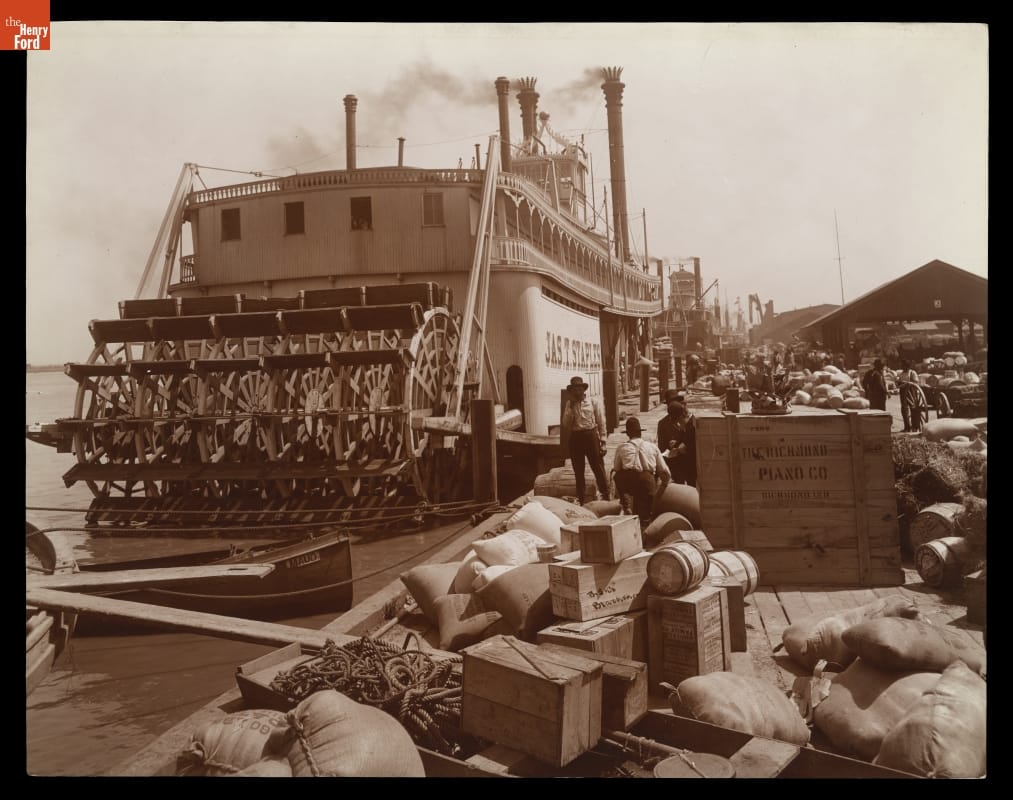
- Loading Package Freight on Stern-Wheeler "Jas. T. Staples," Mobile, Alabama, circa 1910 - From 1895 to 1924, the Detroit Publishing Company was one of the major image publishers in the world. The company had a wide-ranging stock of original photographs, including many scenes from across North America. Here, the steamer <EM>James T. Staples</EM> takes on sacks, boxes, kegs, and crates of freight (including a piano, right) at a busy wharf.
- circa 1910
- Collections - Artifact
Loading Package Freight on Stern-Wheeler "Jas. T. Staples," Mobile, Alabama, circa 1910
From 1895 to 1924, the Detroit Publishing Company was one of the major image publishers in the world. The company had a wide-ranging stock of original photographs, including many scenes from across North America. Here, the steamer James T. Staples takes on sacks, boxes, kegs, and crates of freight (including a piano, right) at a busy wharf.
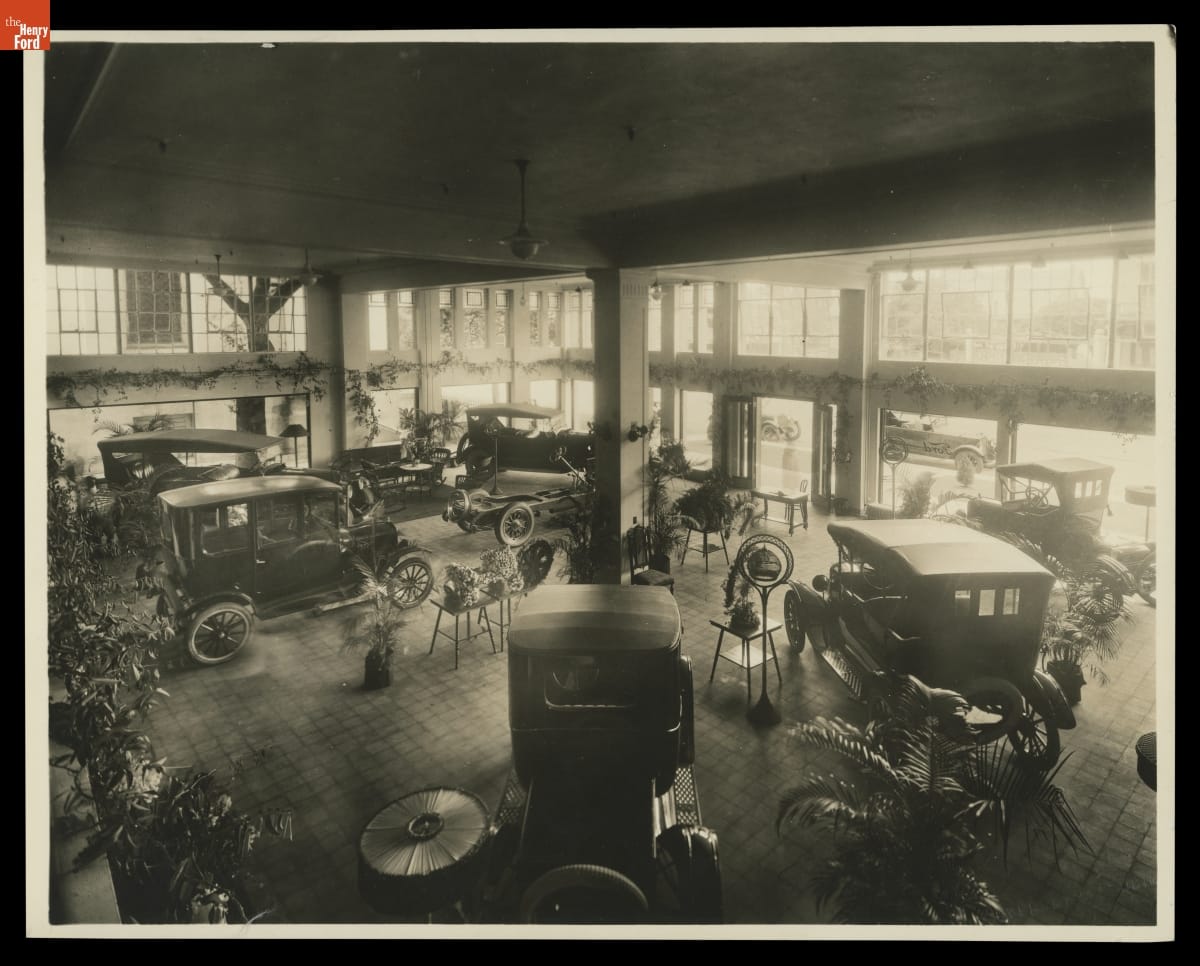
- Interior of a Ford Dealership in Mobile, Alabama, circa 1922 -
- circa 1922
- Collections - Artifact
Interior of a Ford Dealership in Mobile, Alabama, circa 1922
- Unloading a Banana Steamer, Mobile, Alabama, circa 1906 -
- circa 1906
- Collections - Artifact
Unloading a Banana Steamer, Mobile, Alabama, circa 1906
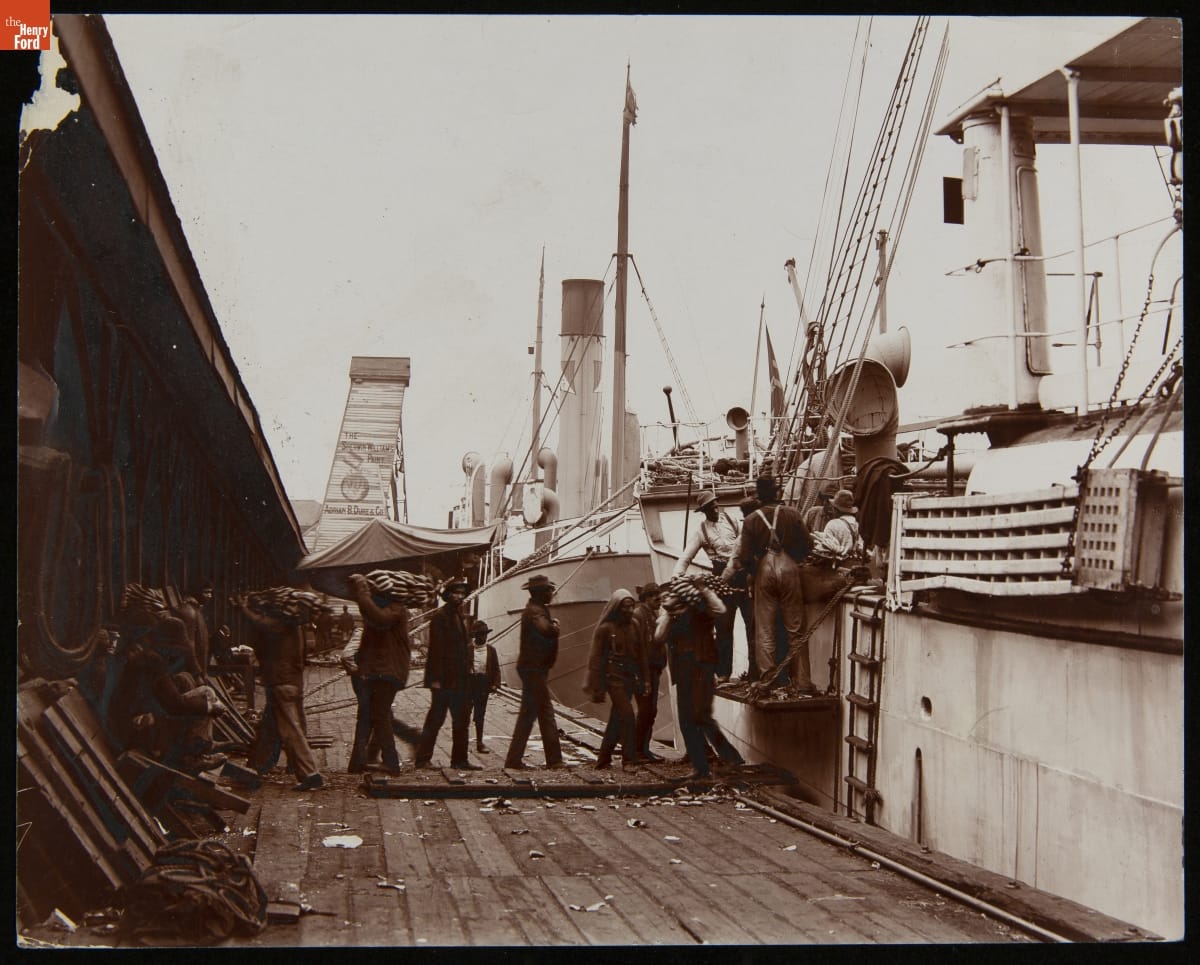
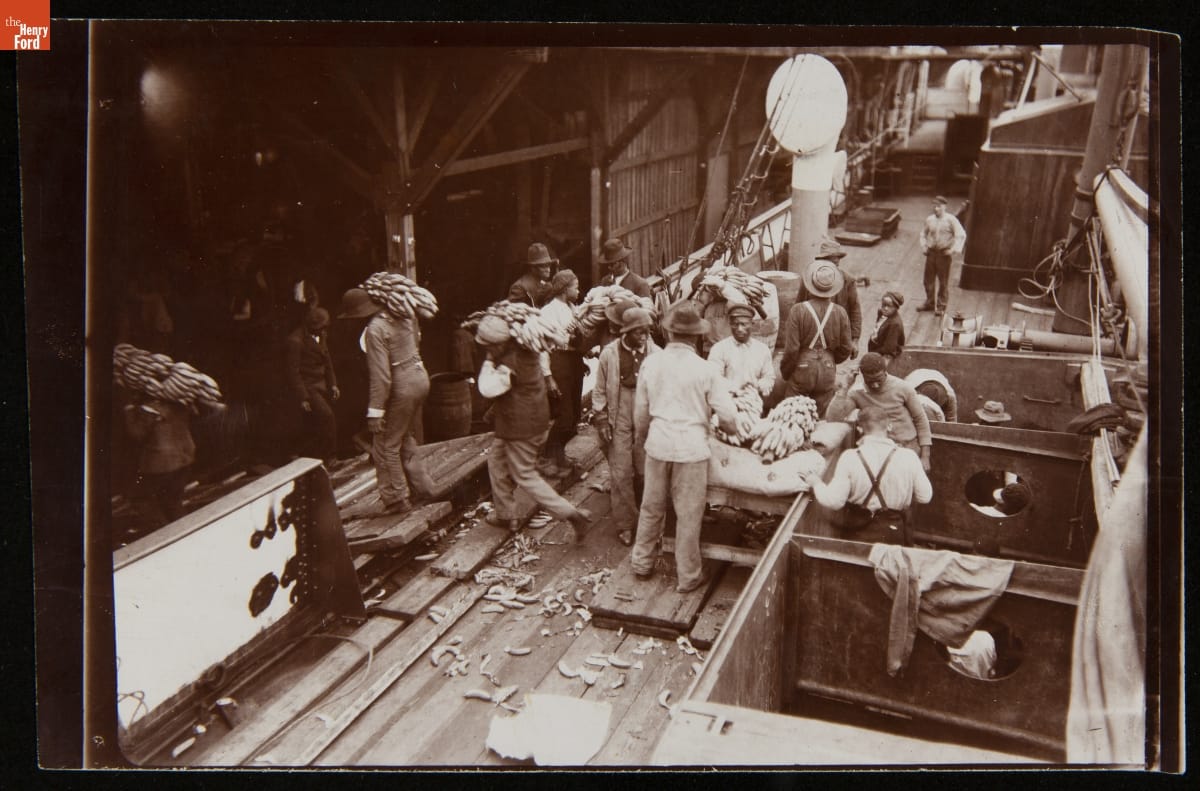
- Unloading Bananas, Mobile, Alabama, circa 1906 - Bananas arrived on grocery store shelves via a transportation system controlled by competing fruit companies and their government allies. Refrigerated railcars moved the crop from Central American plantations to ships bound for U.S. ports in the Gulf of Mexico. This photograph shows dockworkers in Mobile, Alabama, unloading bunches of bananas -- each weighing around 86 pounds -- from a ship's hold and moving them to a warehouse.
- circa 1906
- Collections - Artifact
Unloading Bananas, Mobile, Alabama, circa 1906
Bananas arrived on grocery store shelves via a transportation system controlled by competing fruit companies and their government allies. Refrigerated railcars moved the crop from Central American plantations to ships bound for U.S. ports in the Gulf of Mexico. This photograph shows dockworkers in Mobile, Alabama, unloading bunches of bananas -- each weighing around 86 pounds -- from a ship's hold and moving them to a warehouse.