
Search
- Bathers on the Dock at The Old Club, St. Clair Flats, Michigan, circa 1916 - From 1895 to 1924, the Detroit Publishing Company was one of the major image publishers in the world. The company's wide-ranging stock of original photographs documented life and landscapes from across the nation and around the globe. From the tens of thousands of negatives, the company created prints, postcards, lantern slides, panoramas, and other merchandise for sale to educators, businessmen, advertisers, homeowners and travelers.

- circa 1916
- Collections - Artifact
Bathers on the Dock at The Old Club, St. Clair Flats, Michigan, circa 1916
From 1895 to 1924, the Detroit Publishing Company was one of the major image publishers in the world. The company's wide-ranging stock of original photographs documented life and landscapes from across the nation and around the globe. From the tens of thousands of negatives, the company created prints, postcards, lantern slides, panoramas, and other merchandise for sale to educators, businessmen, advertisers, homeowners and travelers.
- Trade Card for Dr. Geo. J. Ward, circa 1886 "Christmas Time Goods" - In the last third of the nineteenth century, an unprecedented variety of consumer goods and services flooded the American market. Advertisers, armed with new methods of color printing, bombarded potential customers with trade cards. Americans enjoyed and often saved the vibrant little advertisements found in product packages or distributed by local merchants. Many survive as historical records of commercialism in the United States.

- circa 1886
- Collections - Artifact
Trade Card for Dr. Geo. J. Ward, circa 1886 "Christmas Time Goods"
In the last third of the nineteenth century, an unprecedented variety of consumer goods and services flooded the American market. Advertisers, armed with new methods of color printing, bombarded potential customers with trade cards. Americans enjoyed and often saved the vibrant little advertisements found in product packages or distributed by local merchants. Many survive as historical records of commercialism in the United States.
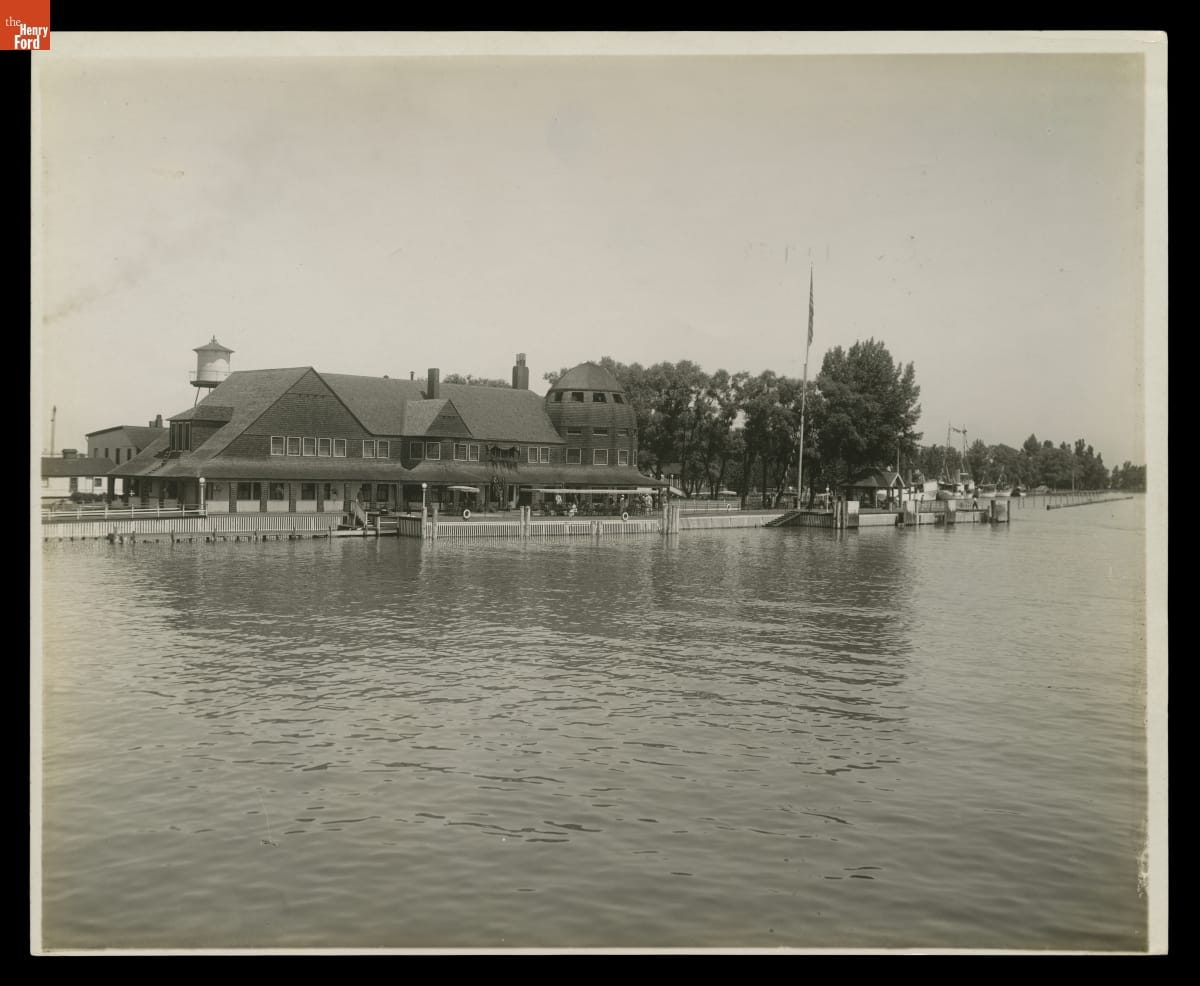
- The Old Club, St. Clair Flats, Michigan, circa 1916 -
- circa 1916
- Collections - Artifact
The Old Club, St. Clair Flats, Michigan, circa 1916
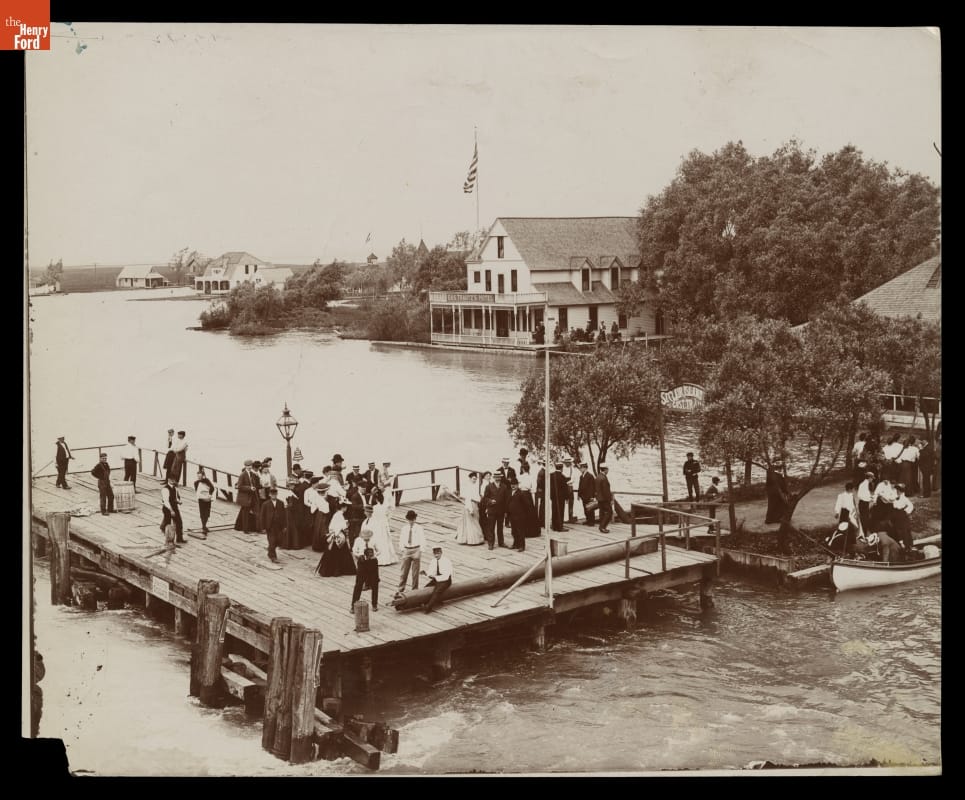
- Resort Sightseers on the Dock of Gus. Trautz's Hotel, St. Clair Flats, Michigan, circa 1905 - From 1895 to 1924, the Detroit Publishing Company was one of the major image publishers in the world. The company's wide-ranging stock of original photographs documented life and landscapes from across the nation and around the globe. From the tens of thousands of negatives, the company created prints, postcards, lantern slides, panoramas, and other merchandise for sale to educators, businessmen, advertisers, homeowners and travelers.
- circa 1905
- Collections - Artifact
Resort Sightseers on the Dock of Gus. Trautz's Hotel, St. Clair Flats, Michigan, circa 1905
From 1895 to 1924, the Detroit Publishing Company was one of the major image publishers in the world. The company's wide-ranging stock of original photographs documented life and landscapes from across the nation and around the globe. From the tens of thousands of negatives, the company created prints, postcards, lantern slides, panoramas, and other merchandise for sale to educators, businessmen, advertisers, homeowners and travelers.
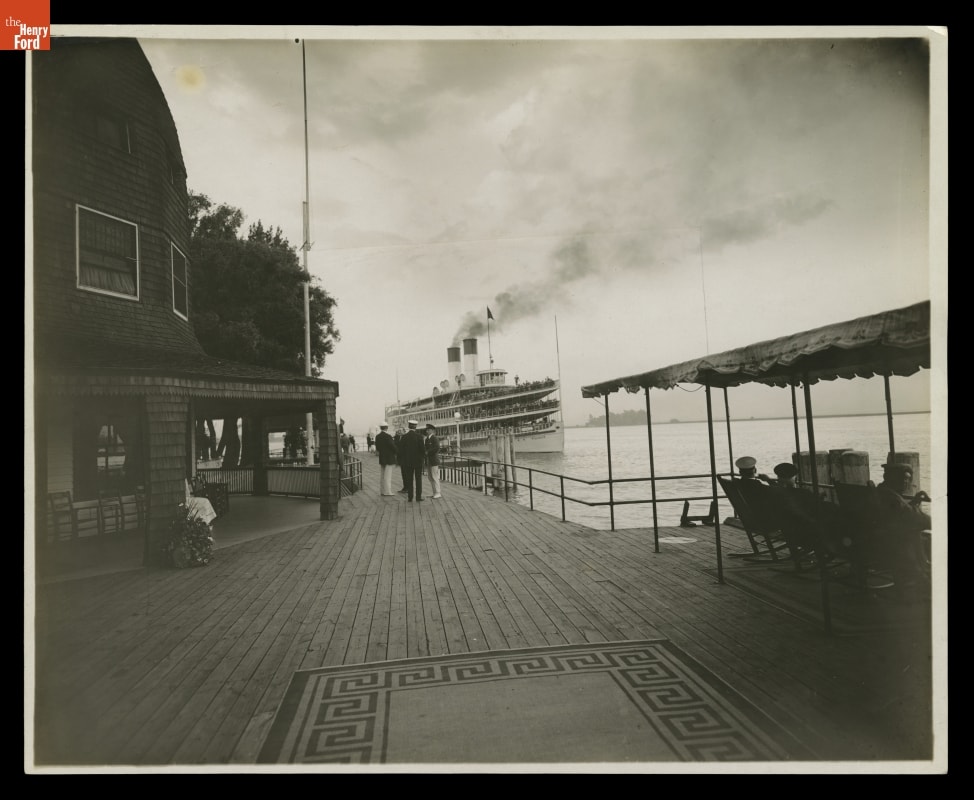
- Arrival of Steamer 'Tashmoo' at The Old Club, St. Clair Flats, Michigan, circa 1916 - The luxurious <EM>Tashmoo</EM> made daily stops at her namesake Tashmoo Park, a popular recreation site between Detroit and Port Huron. The much-loved steamer gained fame when she carried President Theodore Roosevelt, competed in a race against the <EM>City of Erie</EM>, and survived being ripped from her winter moorings during a 1927 blizzard. She remained popular until sinking in 1936.
- circa 1916
- Collections - Artifact
Arrival of Steamer 'Tashmoo' at The Old Club, St. Clair Flats, Michigan, circa 1916
The luxurious Tashmoo made daily stops at her namesake Tashmoo Park, a popular recreation site between Detroit and Port Huron. The much-loved steamer gained fame when she carried President Theodore Roosevelt, competed in a race against the City of Erie, and survived being ripped from her winter moorings during a 1927 blizzard. She remained popular until sinking in 1936.
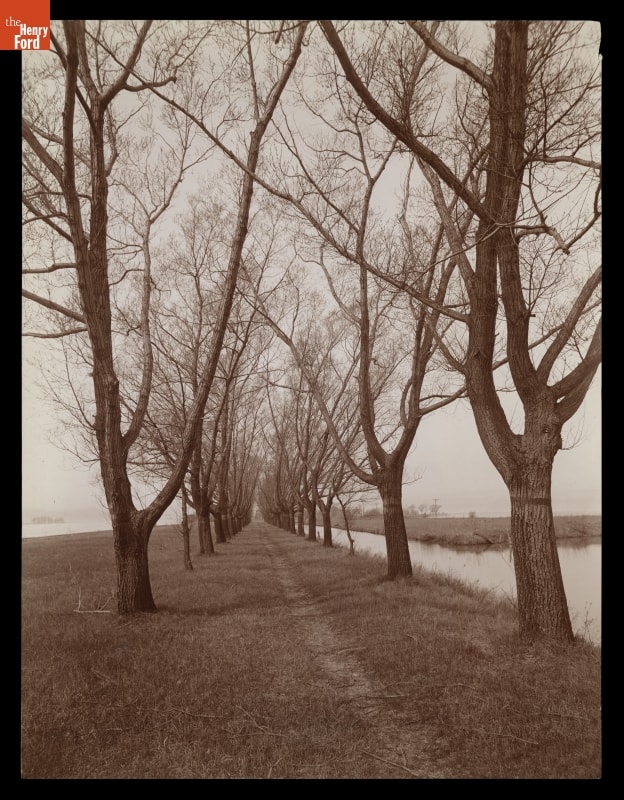
- "Willow Avenue," Star Island Waterfront, St. Clair Flats, Michigan, 1912 - From 1895 to 1924, the Detroit Publishing Company was one of the major image publishers in the world. The company's wide-ranging stock of original photographs documented life and landscapes from across the nation and around the globe. From the tens of thousands of negatives, the company created prints, postcards, lantern slides, panoramas, and other merchandise for sale to educators, businessmen, advertisers, homeowners and travelers.
- 1912
- Collections - Artifact
"Willow Avenue," Star Island Waterfront, St. Clair Flats, Michigan, 1912
From 1895 to 1924, the Detroit Publishing Company was one of the major image publishers in the world. The company's wide-ranging stock of original photographs documented life and landscapes from across the nation and around the globe. From the tens of thousands of negatives, the company created prints, postcards, lantern slides, panoramas, and other merchandise for sale to educators, businessmen, advertisers, homeowners and travelers.
- Venice of America, Lake Shore Cottages, St. Clair Flats, Michigan, 1910-1920 - From 1895 to 1924, the Detroit Publishing Company was one of the major image publishers in the world. It had a wide-ranging stock of original photographs, many of which were colored using the company's patented "Phostint" process. Popular "Phostint" postcards, the Detroit Publishing Company claimed, were delicately "executed in Nature's Coloring" to be truthful, tasteful, beautiful, and educational.
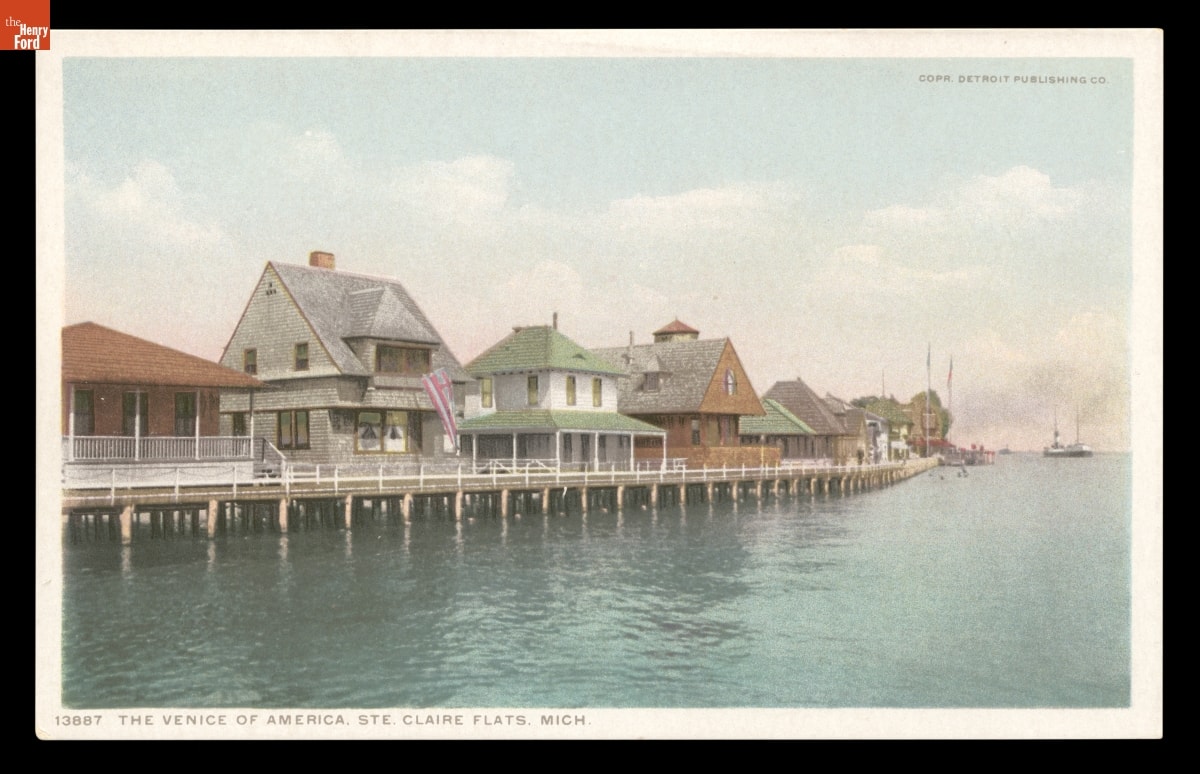
- circa 1910
- Collections - Artifact
Venice of America, Lake Shore Cottages, St. Clair Flats, Michigan, 1910-1920
From 1895 to 1924, the Detroit Publishing Company was one of the major image publishers in the world. It had a wide-ranging stock of original photographs, many of which were colored using the company's patented "Phostint" process. Popular "Phostint" postcards, the Detroit Publishing Company claimed, were delicately "executed in Nature's Coloring" to be truthful, tasteful, beautiful, and educational.