
Search
- Tacoma, Washington and Mount Rainier, 1890-1910 - From 1895 to 1924, the Detroit Publishing Company was one of the major image publishers in the world. The company had a wide-ranging stock of original photographs, including many scenes from across North America. Here, Mount Rainier looms behind the city of Tacoma on Washington's Puget Sound.

- 1890-1910
- Collections - Artifact
Tacoma, Washington and Mount Rainier, 1890-1910
From 1895 to 1924, the Detroit Publishing Company was one of the major image publishers in the world. The company had a wide-ranging stock of original photographs, including many scenes from across North America. Here, Mount Rainier looms behind the city of Tacoma on Washington's Puget Sound.
- Lineup at Starting Line, Tacoma, Washington -

- July 06, 1912
- Collections - Artifact
Lineup at Starting Line, Tacoma, Washington
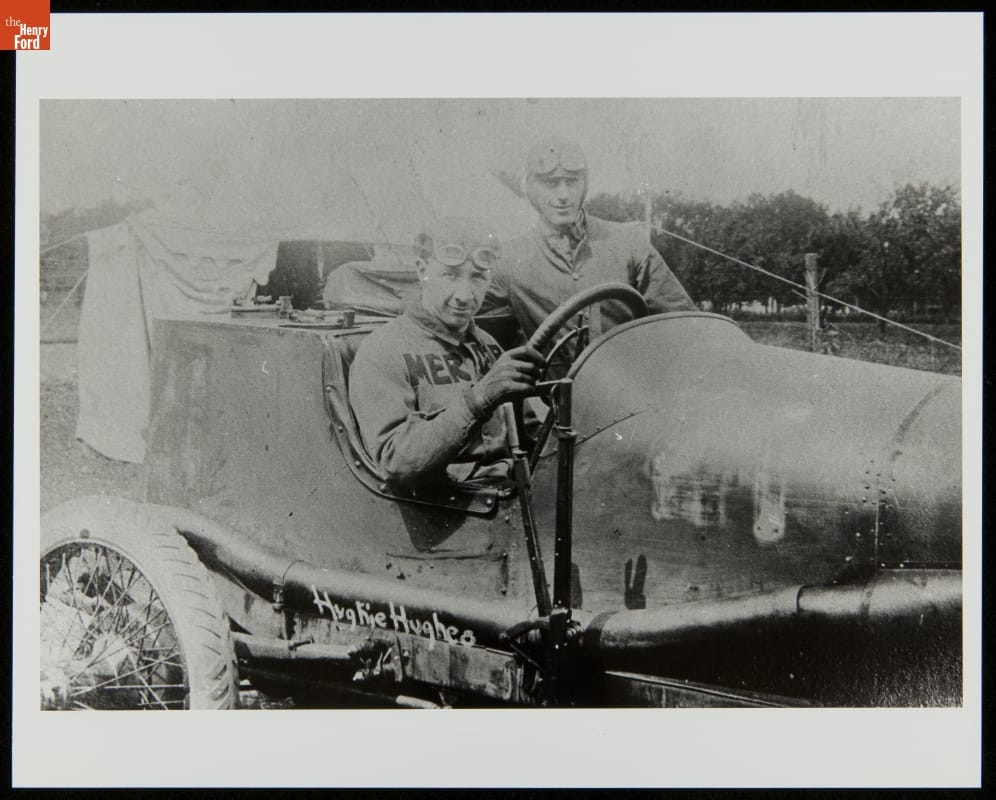
- Hughey Hughes, Mercer, Tacoma, Washington - British-born racer Hugh Hughes competed in the first two Indianapolis 500 races in 1911 and 1912. He scored his personal-best Indy finish in 1912, when he earned the third-place position with the #21 Mercer car. Hughes died in an accident at Pennsylvania's Uniontown Speedway in December 1916.
- July 01, 1912
- Collections - Artifact
Hughey Hughes, Mercer, Tacoma, Washington
British-born racer Hugh Hughes competed in the first two Indianapolis 500 races in 1911 and 1912. He scored his personal-best Indy finish in 1912, when he earned the third-place position with the #21 Mercer car. Hughes died in an accident at Pennsylvania's Uniontown Speedway in December 1916.
- Heinz Company Sales Personnel Booklet Album, 1902-1923 - Company scrapbooks are often reminders of the company's history, significant moments in time, and the employees who worked there. This album, compiled by the H. J. Heinz Company, includes booklets and manuals for window and store displays, sample demonstrations, and salesmanship. Also included are two company publications, "The Spice of Life," and "The House of Heinz."

- 1902-1923
- Collections - Artifact
Heinz Company Sales Personnel Booklet Album, 1902-1923
Company scrapbooks are often reminders of the company's history, significant moments in time, and the employees who worked there. This album, compiled by the H. J. Heinz Company, includes booklets and manuals for window and store displays, sample demonstrations, and salesmanship. Also included are two company publications, "The Spice of Life," and "The House of Heinz."
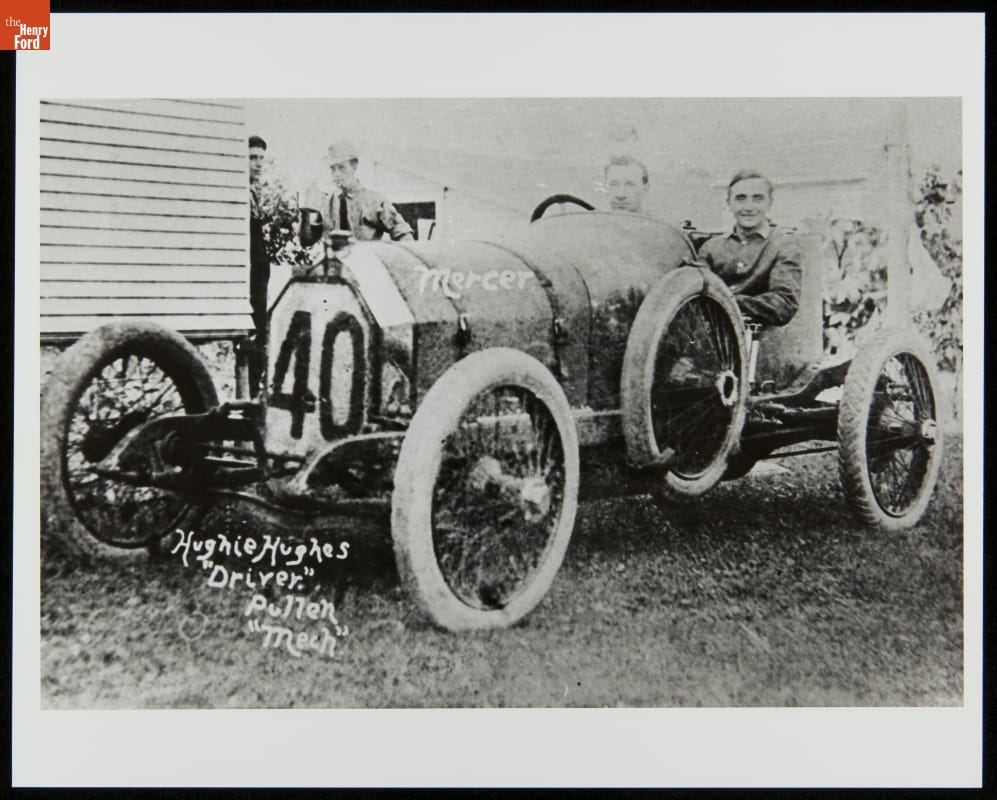
- Hughey Hughes, #40 Mercer, Tacoma, Washington - British-born racer Hugh Hughes competed in the first two Indianapolis 500 races in 1911 and 1912. He scored his personal-best Indy finish in 1912, when he earned the third-place position with the #21 Mercer car. Hughes died in an accident at Pennsylvania's Uniontown Speedway in December 1916.
- July 01, 1912
- Collections - Artifact
Hughey Hughes, #40 Mercer, Tacoma, Washington
British-born racer Hugh Hughes competed in the first two Indianapolis 500 races in 1911 and 1912. He scored his personal-best Indy finish in 1912, when he earned the third-place position with the #21 Mercer car. Hughes died in an accident at Pennsylvania's Uniontown Speedway in December 1916.
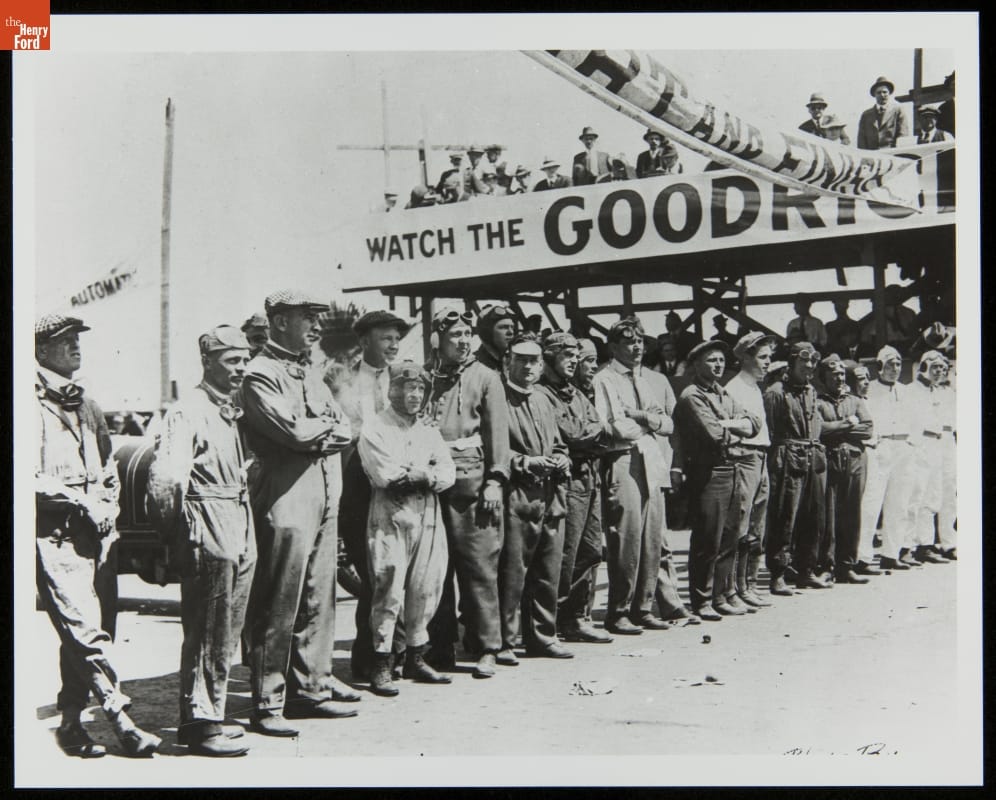
- Driver Lineup, Tacoma, Washington -
- July 01, 1912
- Collections - Artifact
Driver Lineup, Tacoma, Washington
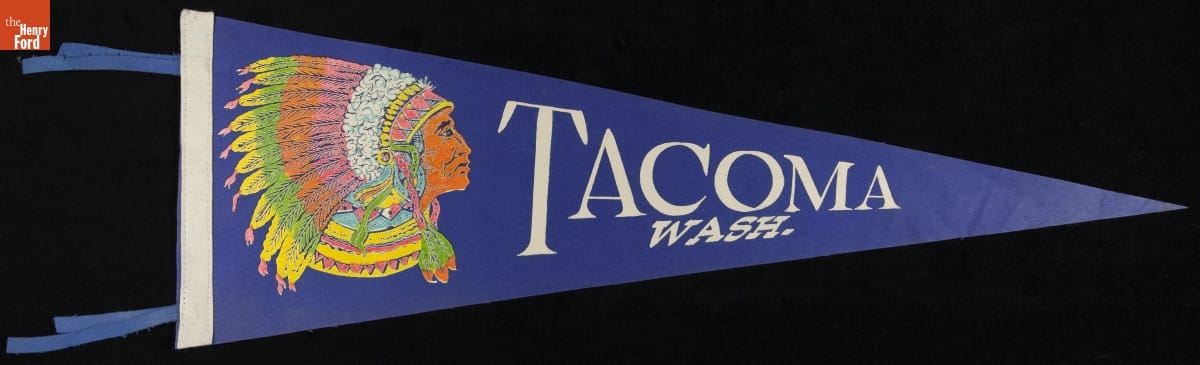
- Pennant, "Tacoma, Wash.," 1940-1965 - Souvenirs provide tangible proof of a tourist's travels. They also expose the prejudices of the time. This mid-20th century pennant uses a stereotyped image of a Native American. In addition to being culturally incorrect -- feathered headdresses were used by only a small number of Plains tribes -- images like this simply reinforced the discriminatory biases held by many non-Native Americans, purchasers of these souvenirs.
- 1940-1965
- Collections - Artifact
Pennant, "Tacoma, Wash.," 1940-1965
Souvenirs provide tangible proof of a tourist's travels. They also expose the prejudices of the time. This mid-20th century pennant uses a stereotyped image of a Native American. In addition to being culturally incorrect -- feathered headdresses were used by only a small number of Plains tribes -- images like this simply reinforced the discriminatory biases held by many non-Native Americans, purchasers of these souvenirs.