
Search
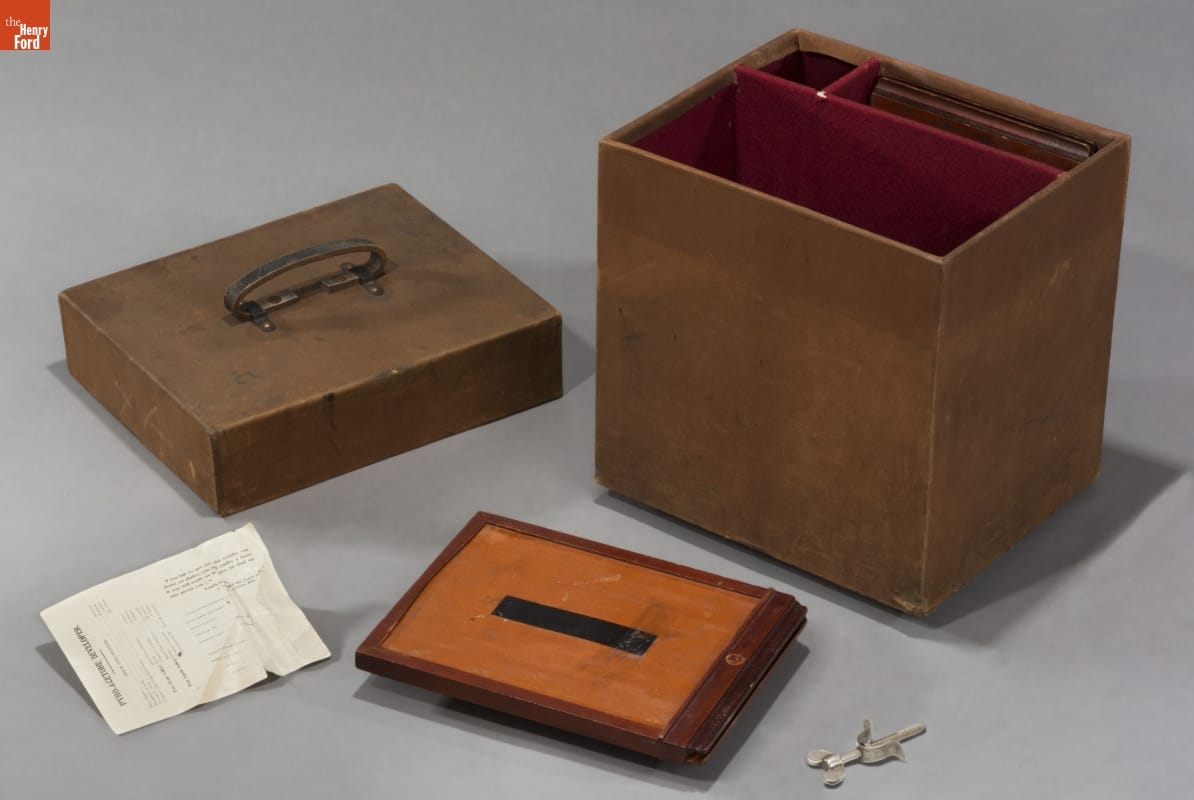
- Camera Case, Used by George Ebling, 1920-1940 -
- 1920-1940
- Collections - Artifact
Camera Case, Used by George Ebling, 1920-1940
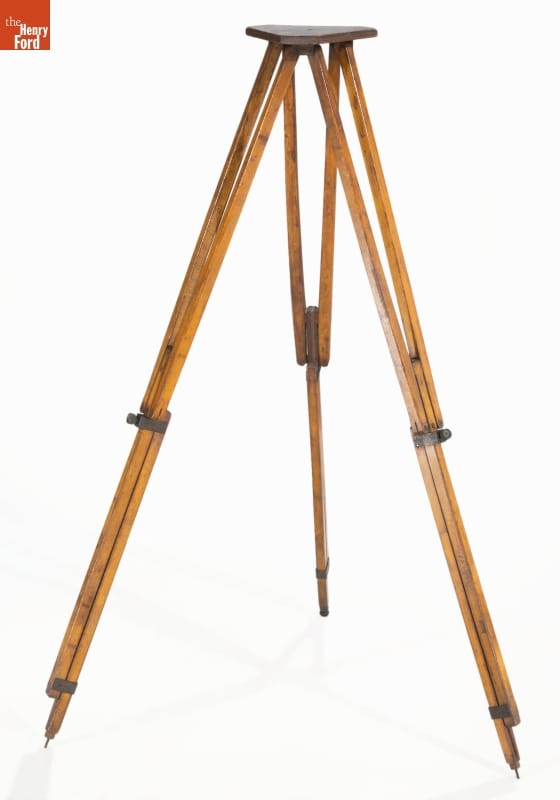
- Tripod, Used by George Ebling, Ford Motor Company Photographer, 1920-1940 -
- 1920-1940
- Collections - Artifact
Tripod, Used by George Ebling, Ford Motor Company Photographer, 1920-1940
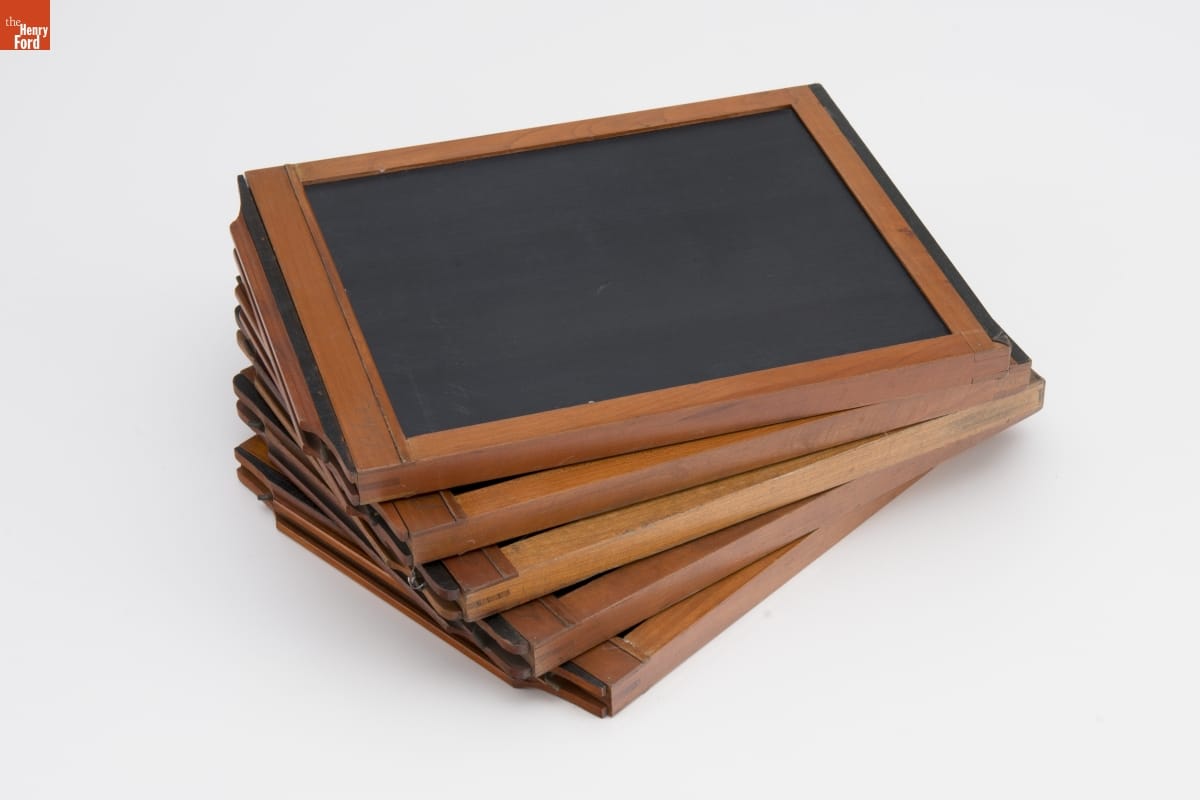
- Bundle of Photographic Plate Holders, Addressed to George Ebling of Ford Motor Company, 1920-1940 - Dry plate photography was a primary photographic method until the invention of roll-film in the 1880s. Glass plates coated with light-sensitive gelatin were placed into holders, and exposed in a camera. George Eastman automated this process with his plate-coating machine and factory in 1879. Exacting and demanding, plate-based photography was the opposite of being a mobile or spontaneous process.
- 1920-1940
- Collections - Artifact
Bundle of Photographic Plate Holders, Addressed to George Ebling of Ford Motor Company, 1920-1940
Dry plate photography was a primary photographic method until the invention of roll-film in the 1880s. Glass plates coated with light-sensitive gelatin were placed into holders, and exposed in a camera. George Eastman automated this process with his plate-coating machine and factory in 1879. Exacting and demanding, plate-based photography was the opposite of being a mobile or spontaneous process.
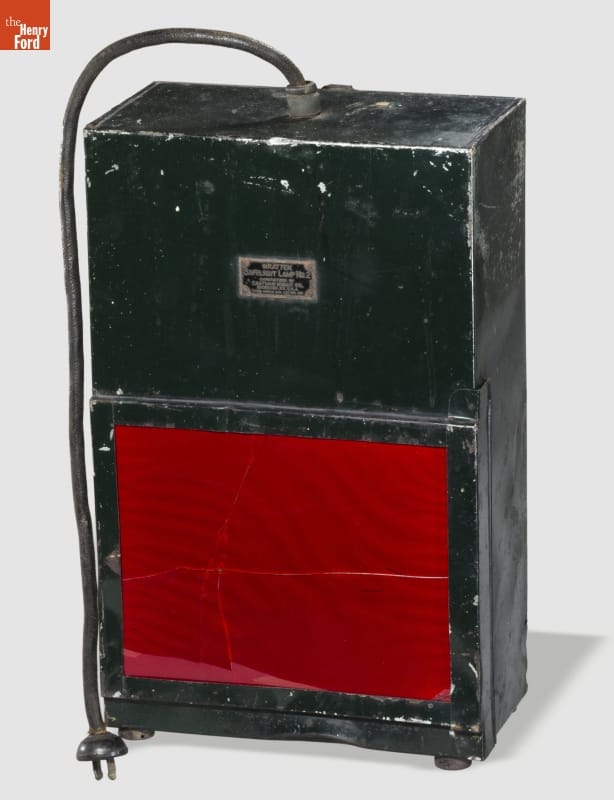
- Wratten Safelight Lamp No. 2, Used by George Ebling, Ford Motor Company Photographer, 1915-1925 -
- 1915-1925
- Collections - Artifact
Wratten Safelight Lamp No. 2, Used by George Ebling, Ford Motor Company Photographer, 1915-1925
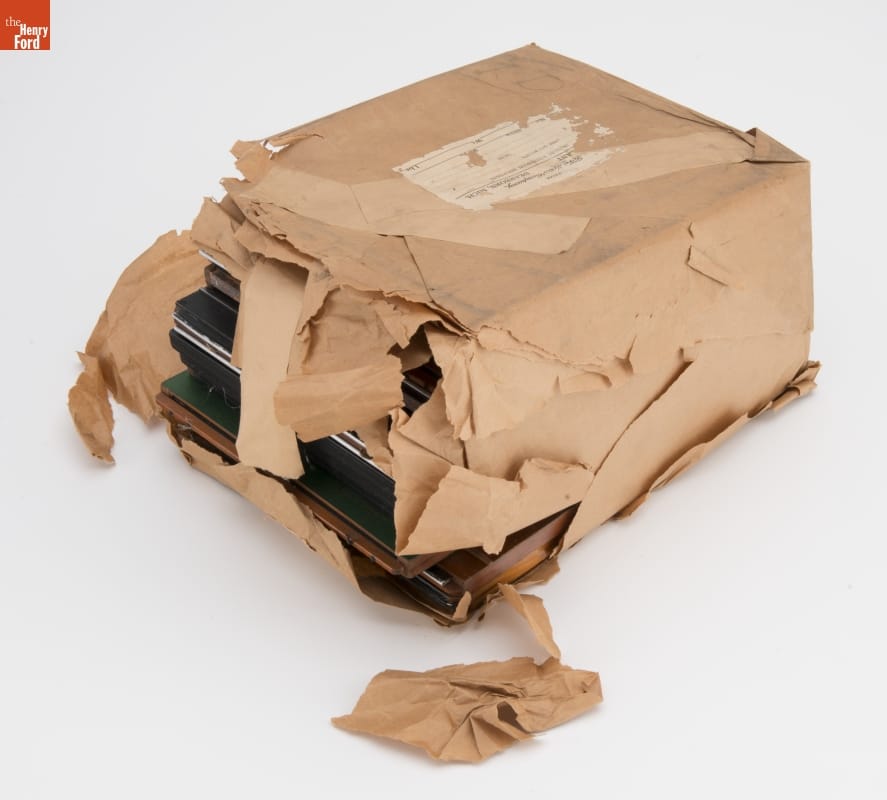
- Bundle of Sheet Film Holders, Addressed to George Ebling of Ford Motor Company, 1920-1940 - In 1913, Kodak introduced their pioneering Eastman Portrait Film for the professional photographer as an alternative to glass plate photography. Individual sheets of flexible cellulose nitrate were housed in light-safe film holders. Large format film produced by Kodak and others held copious amounts of information, perfect for crisp, faithful reproductions. A less flammable "safety" sheet film was introduced in 1925.
- 1920-1940
- Collections - Artifact
Bundle of Sheet Film Holders, Addressed to George Ebling of Ford Motor Company, 1920-1940
In 1913, Kodak introduced their pioneering Eastman Portrait Film for the professional photographer as an alternative to glass plate photography. Individual sheets of flexible cellulose nitrate were housed in light-safe film holders. Large format film produced by Kodak and others held copious amounts of information, perfect for crisp, faithful reproductions. A less flammable "safety" sheet film was introduced in 1925.
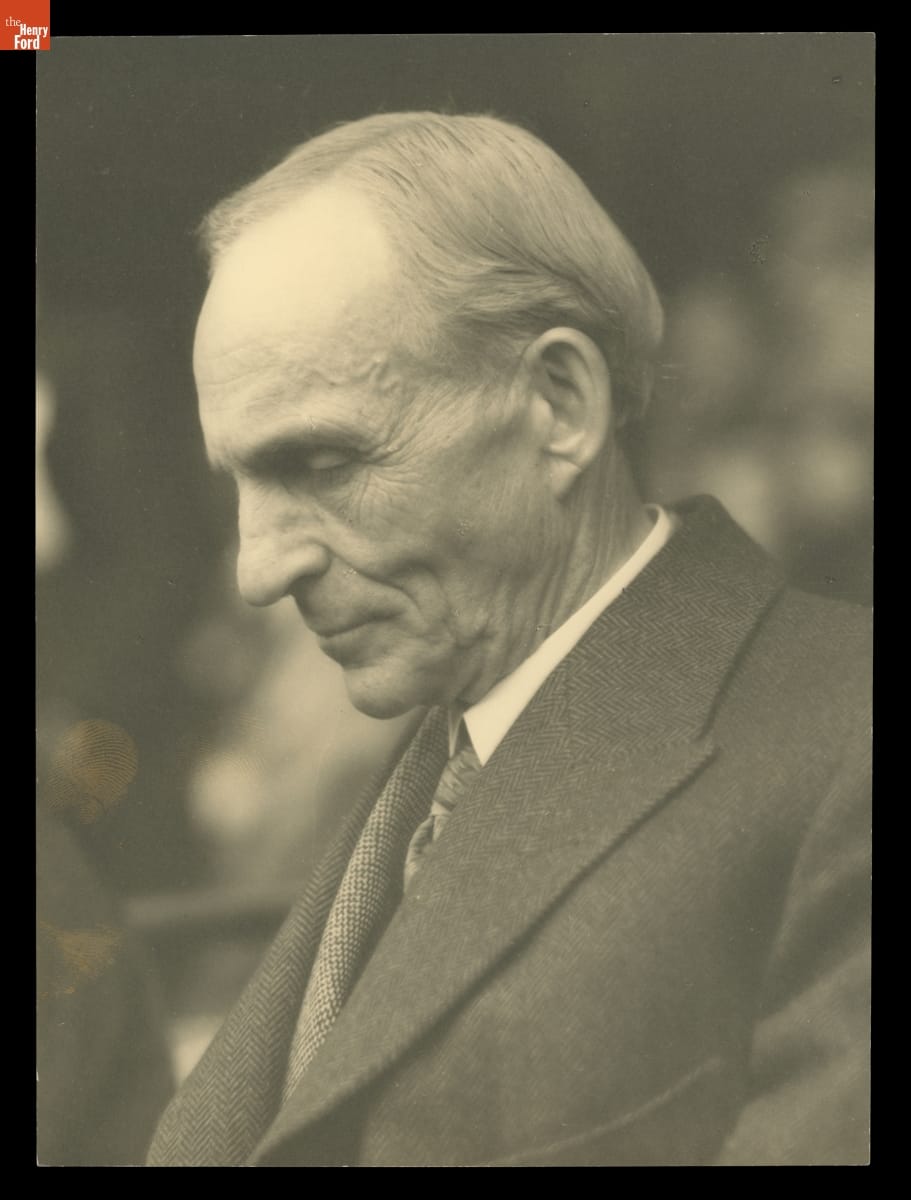
- Henry Ford, circa 1935 - In the mid-1930s, Henry Ford increasingly stepped back from day-to-day business at Ford Motor Company to focus on philanthropy. He devoted more time to projects like Greenfield Village and his Edison Institute museum, and to Berry College in rural Georgia. In 1936, Henry and his son Edsel established the Ford Foundation to distribute charitable funds from the family's considerable fortune.
- circa 1935
- Collections - Artifact
Henry Ford, circa 1935
In the mid-1930s, Henry Ford increasingly stepped back from day-to-day business at Ford Motor Company to focus on philanthropy. He devoted more time to projects like Greenfield Village and his Edison Institute museum, and to Berry College in rural Georgia. In 1936, Henry and his son Edsel established the Ford Foundation to distribute charitable funds from the family's considerable fortune.
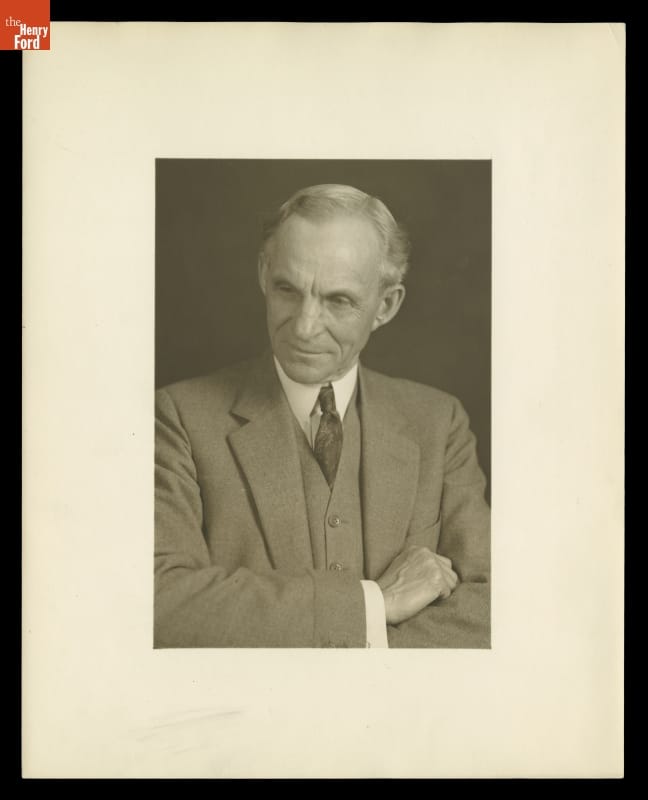
- Portrait of Henry Ford, 1933 - After the introduction of the Ford V-8 in 1932, Henry Ford became less active in Ford Motor Company's day-to-day business. He devoted more time to outside interests like Greenfield Village and his Edison Institute museum, the traditional fiddle music and folk dances of his youth, and philanthropic activities like his support of Berry College in rural Georgia.
- 1933
- Collections - Artifact
Portrait of Henry Ford, 1933
After the introduction of the Ford V-8 in 1932, Henry Ford became less active in Ford Motor Company's day-to-day business. He devoted more time to outside interests like Greenfield Village and his Edison Institute museum, the traditional fiddle music and folk dances of his youth, and philanthropic activities like his support of Berry College in rural Georgia.
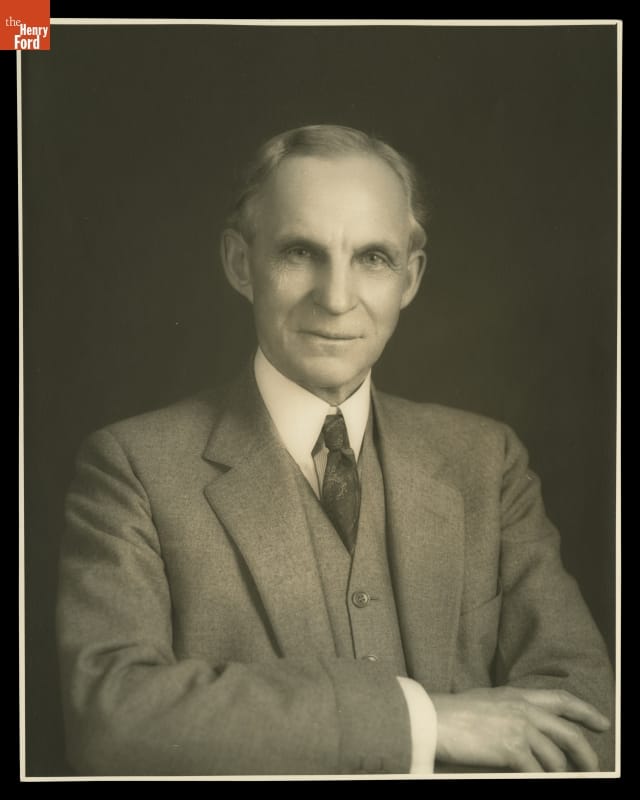
- Portrait of Henry Ford, 1933 - After the introduction of the Ford V-8 in 1932, Henry Ford became less active in Ford Motor Company's day-to-day business. He devoted more time to outside interests like Greenfield Village and his Edison Institute museum, the traditional fiddle music and folk dances of his youth, and philanthropic activities like his support of Berry College in rural Georgia.
- 1933
- Collections - Artifact
Portrait of Henry Ford, 1933
After the introduction of the Ford V-8 in 1932, Henry Ford became less active in Ford Motor Company's day-to-day business. He devoted more time to outside interests like Greenfield Village and his Edison Institute museum, the traditional fiddle music and folk dances of his youth, and philanthropic activities like his support of Berry College in rural Georgia.
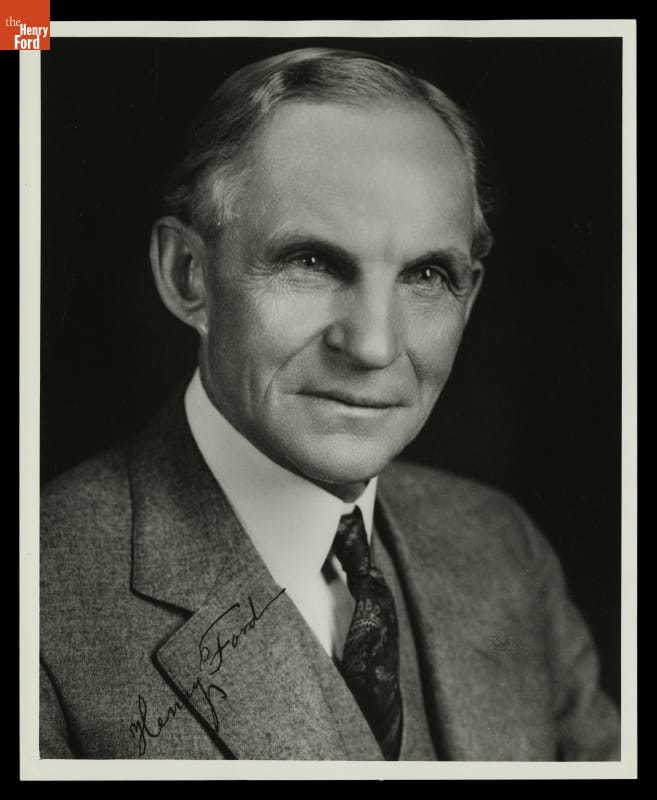
- Official Company Portrait of Henry Ford, 1933 - After the introduction of the Ford V-8 in 1932, Henry Ford became less active in Ford Motor Company's day-to-day business. He devoted more time to outside interests like Greenfield Village and his Edison Institute museum, the traditional fiddle music and folk dances of his youth, and philanthropic activities like his support of Berry College in rural Georgia.
- 1933
- Collections - Artifact
Official Company Portrait of Henry Ford, 1933
After the introduction of the Ford V-8 in 1932, Henry Ford became less active in Ford Motor Company's day-to-day business. He devoted more time to outside interests like Greenfield Village and his Edison Institute museum, the traditional fiddle music and folk dances of his youth, and philanthropic activities like his support of Berry College in rural Georgia.
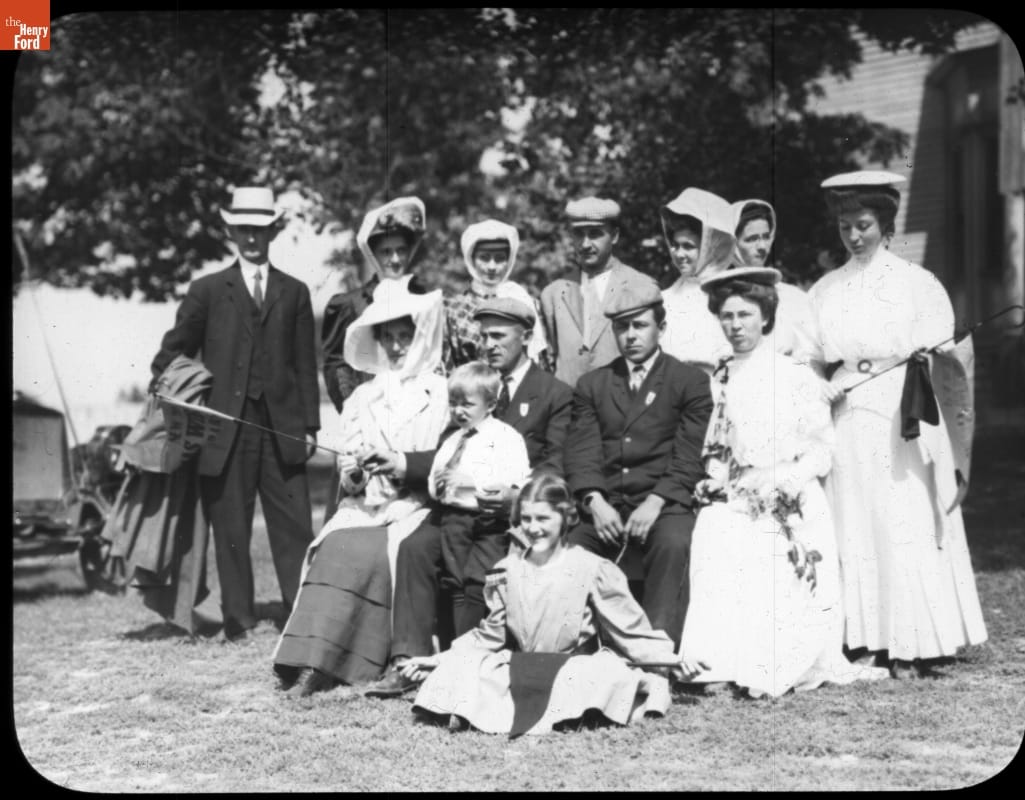
- Families of George Schuster and George Miller, 1908 - George Schuster and George Miller were part of the winning American team in the 1908 New York to Paris race. Schuster began as the mechanic on the 22,000-mile trek, but once in Asia, he took over the wheel. Miller joined the team in Buffalo, New York, as assistant mechanic. This lantern slide shows both men with their families.
- 1908
- Collections - Artifact
Families of George Schuster and George Miller, 1908
George Schuster and George Miller were part of the winning American team in the 1908 New York to Paris race. Schuster began as the mechanic on the 22,000-mile trek, but once in Asia, he took over the wheel. Miller joined the team in Buffalo, New York, as assistant mechanic. This lantern slide shows both men with their families.