
Search
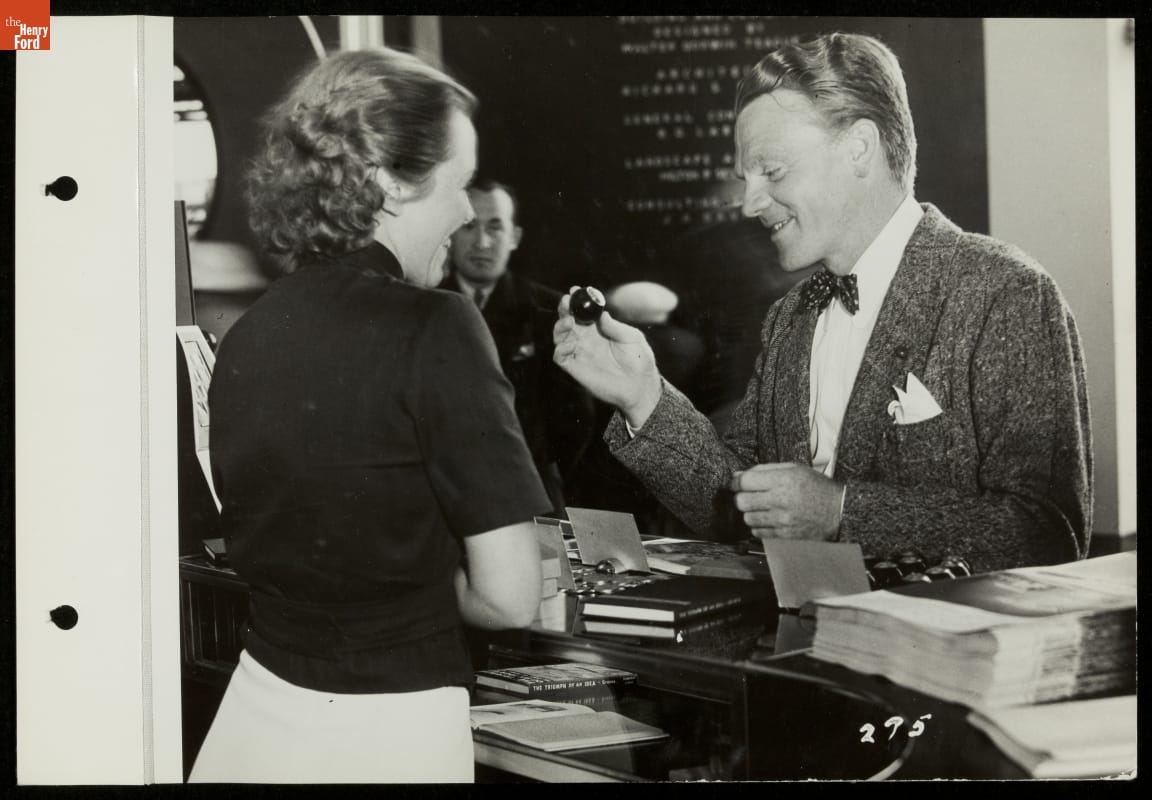
- James Cagney at Souvenir Stand, Ford Building, California Pacific International Exposition, San Diego, 1935 - Ford Motor Company was the major exhibitor at the 1935 California Pacific International Exposition in San Diego. The Ford Building, Music Bowl, and outdoor "Roads of the Pacific" experience composed the Exposition's largest and most popular attraction. Celebrities numbered among the reported 2.5 million Ford Exhibit visitors. In this photograph, actor James Cagney shops at a Ford Building souvenir stand.
- 1935
- Collections - Artifact
James Cagney at Souvenir Stand, Ford Building, California Pacific International Exposition, San Diego, 1935
Ford Motor Company was the major exhibitor at the 1935 California Pacific International Exposition in San Diego. The Ford Building, Music Bowl, and outdoor "Roads of the Pacific" experience composed the Exposition's largest and most popular attraction. Celebrities numbered among the reported 2.5 million Ford Exhibit visitors. In this photograph, actor James Cagney shops at a Ford Building souvenir stand.
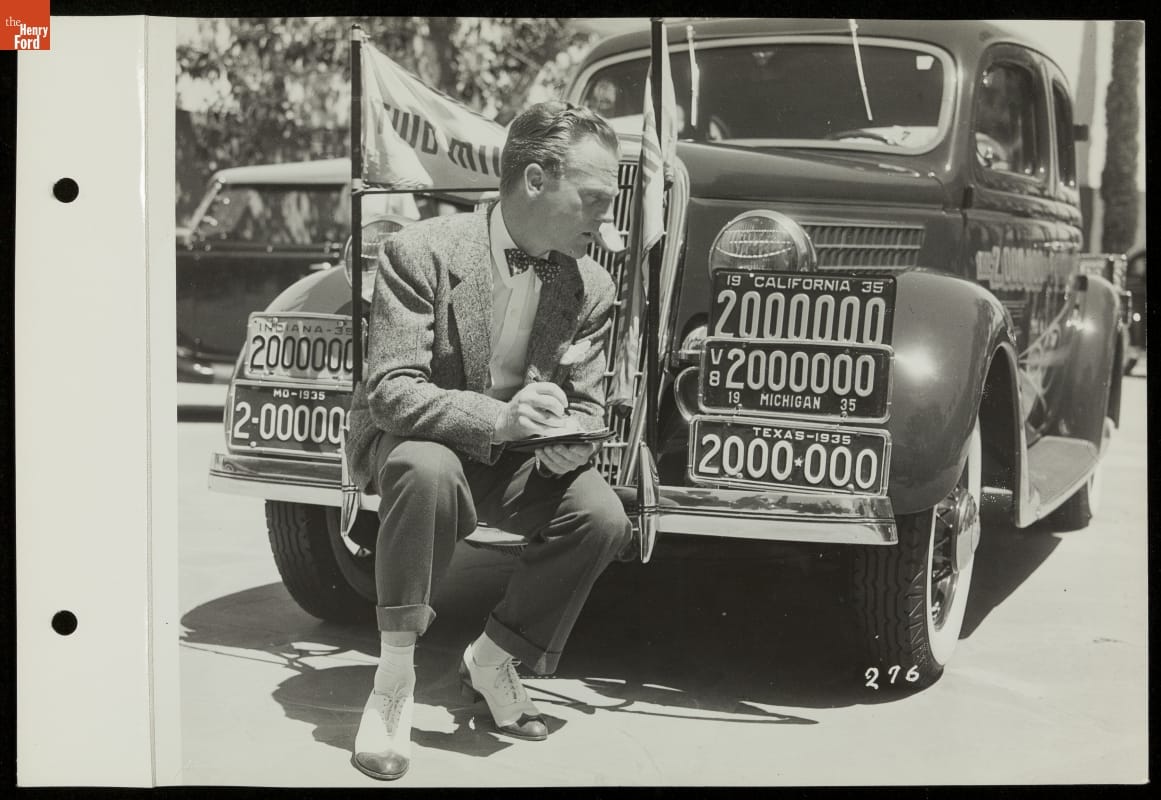
- James Cagney with Two-Millionth Ford V-8, Courtyard of Ford Building, California Pacific International Exposition, San Diego, 1935 - In June 1935, the two-millionth Ford V-8 automobile rolled off the Rouge Plant assembly line. Driven by Jimmy Rooney, a goodwill ambassador for Ford, the sedan embarked on a public relations tour from Dearborn, Michigan, to San Diego, California. Visitors, including some famous actors, welcomed the famous V-8 with fanfare when it finally arrived at the California Pacific International Exposition.
- 1935
- Collections - Artifact
James Cagney with Two-Millionth Ford V-8, Courtyard of Ford Building, California Pacific International Exposition, San Diego, 1935
In June 1935, the two-millionth Ford V-8 automobile rolled off the Rouge Plant assembly line. Driven by Jimmy Rooney, a goodwill ambassador for Ford, the sedan embarked on a public relations tour from Dearborn, Michigan, to San Diego, California. Visitors, including some famous actors, welcomed the famous V-8 with fanfare when it finally arrived at the California Pacific International Exposition.
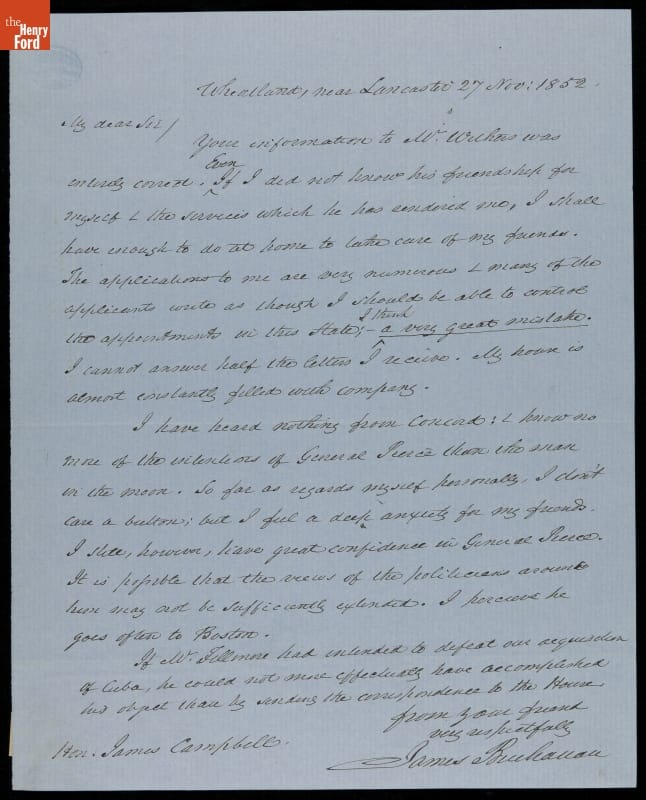
- Letter from James Buchanan to James Campbell, 1852 -
- November 27, 1852
- Collections - Artifact
Letter from James Buchanan to James Campbell, 1852
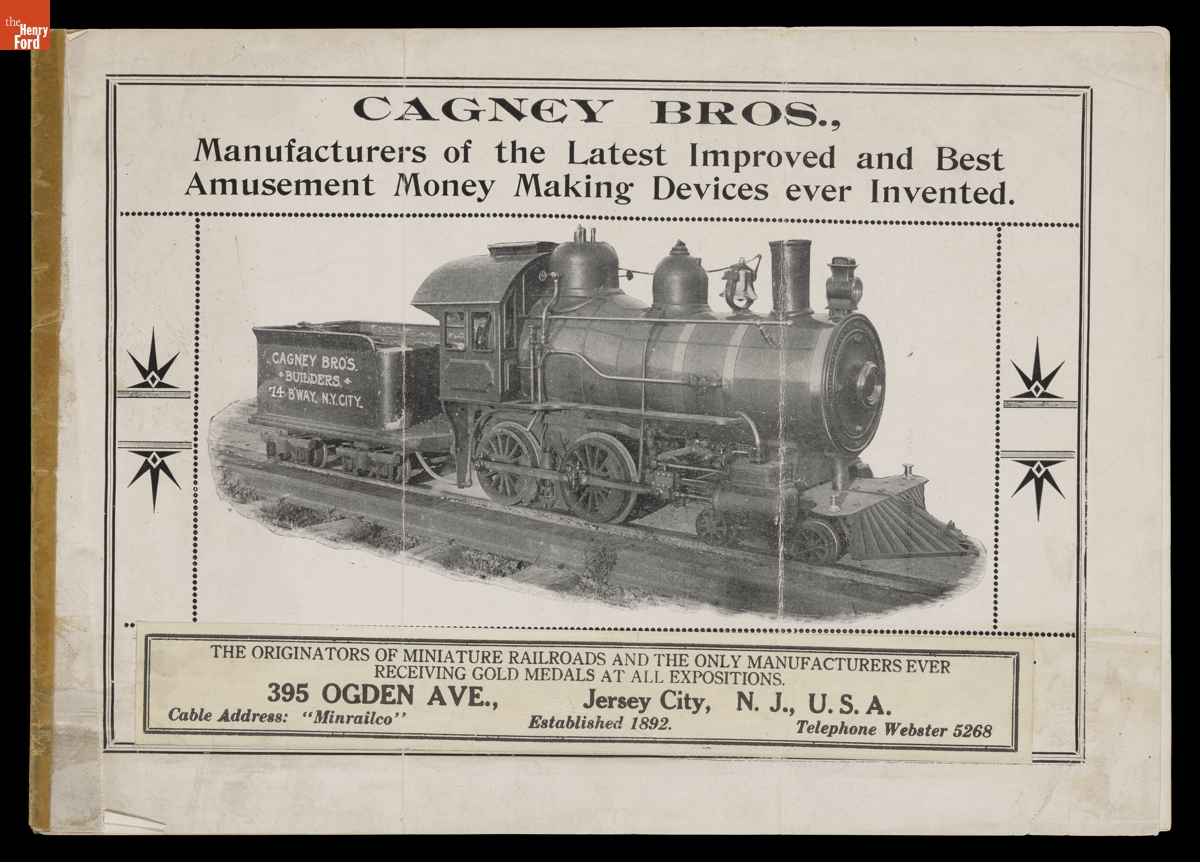
- "Cagney Bros.: Manufacturers of the Latest Improved and Best Amusement Money Making Devices Ever Invented," circa 1910 - Cagney Brothers' Miniature Railway Company manufactured light steam locomotives of various sizes and gauges for industrial and recreational uses. These popular miniature railways became featured attractions at expositions, amusement parks, zoos, and resorts. This 1910 catalog highlighted the little trains' big money-making potential. Cagney Brothers operated from 1898 to 1948.
- circa 1910
- Collections - Artifact
"Cagney Bros.: Manufacturers of the Latest Improved and Best Amusement Money Making Devices Ever Invented," circa 1910
Cagney Brothers' Miniature Railway Company manufactured light steam locomotives of various sizes and gauges for industrial and recreational uses. These popular miniature railways became featured attractions at expositions, amusement parks, zoos, and resorts. This 1910 catalog highlighted the little trains' big money-making potential. Cagney Brothers operated from 1898 to 1948.
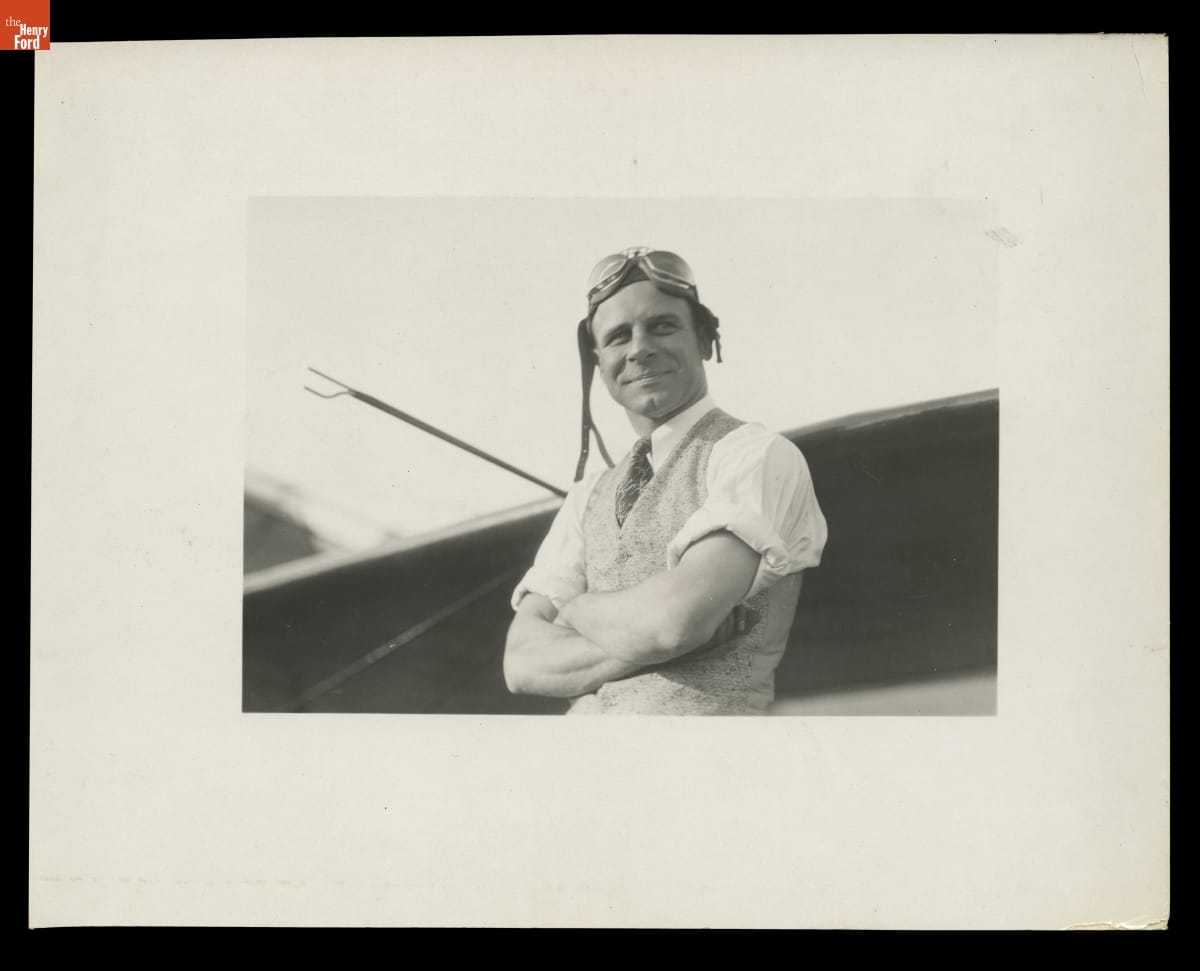
- James "Jimmy" Doolittle, 1930 - Jimmy Doolittle joined the U.S. Signal Corps Reserve in 1917, where he learned to fly. Following World War I, he made several record-setting flights and helped develop the technique of instrument flying. During World War II, Doolittle led an air raid over Japan for which he received the Medal of Honor. Later, he chaired the National Advisory Committee for Aeronautics.
- 1930
- Collections - Artifact
James "Jimmy" Doolittle, 1930
Jimmy Doolittle joined the U.S. Signal Corps Reserve in 1917, where he learned to fly. Following World War I, he made several record-setting flights and helped develop the technique of instrument flying. During World War II, Doolittle led an air raid over Japan for which he received the Medal of Honor. Later, he chaired the National Advisory Committee for Aeronautics.
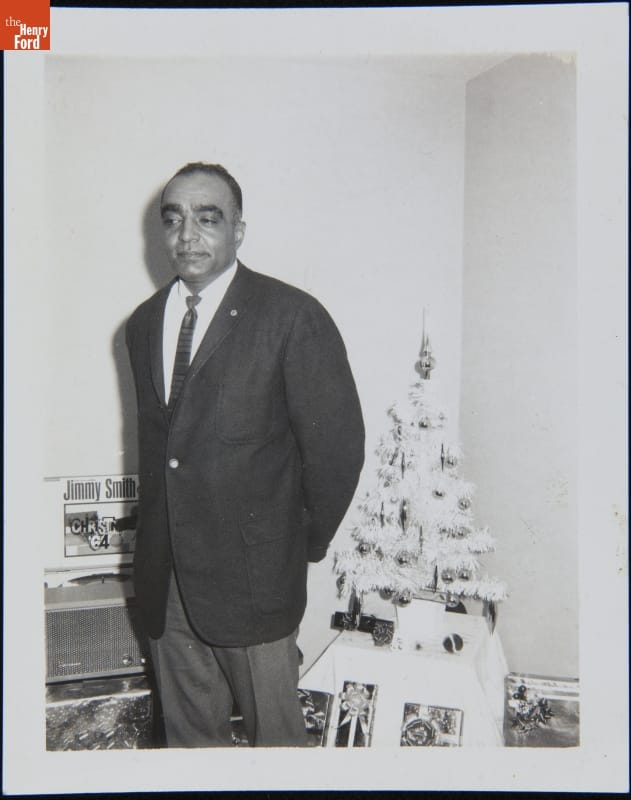
- James Buntin, circa 1964 -
- circa 1964
- Collections - Artifact
James Buntin, circa 1964
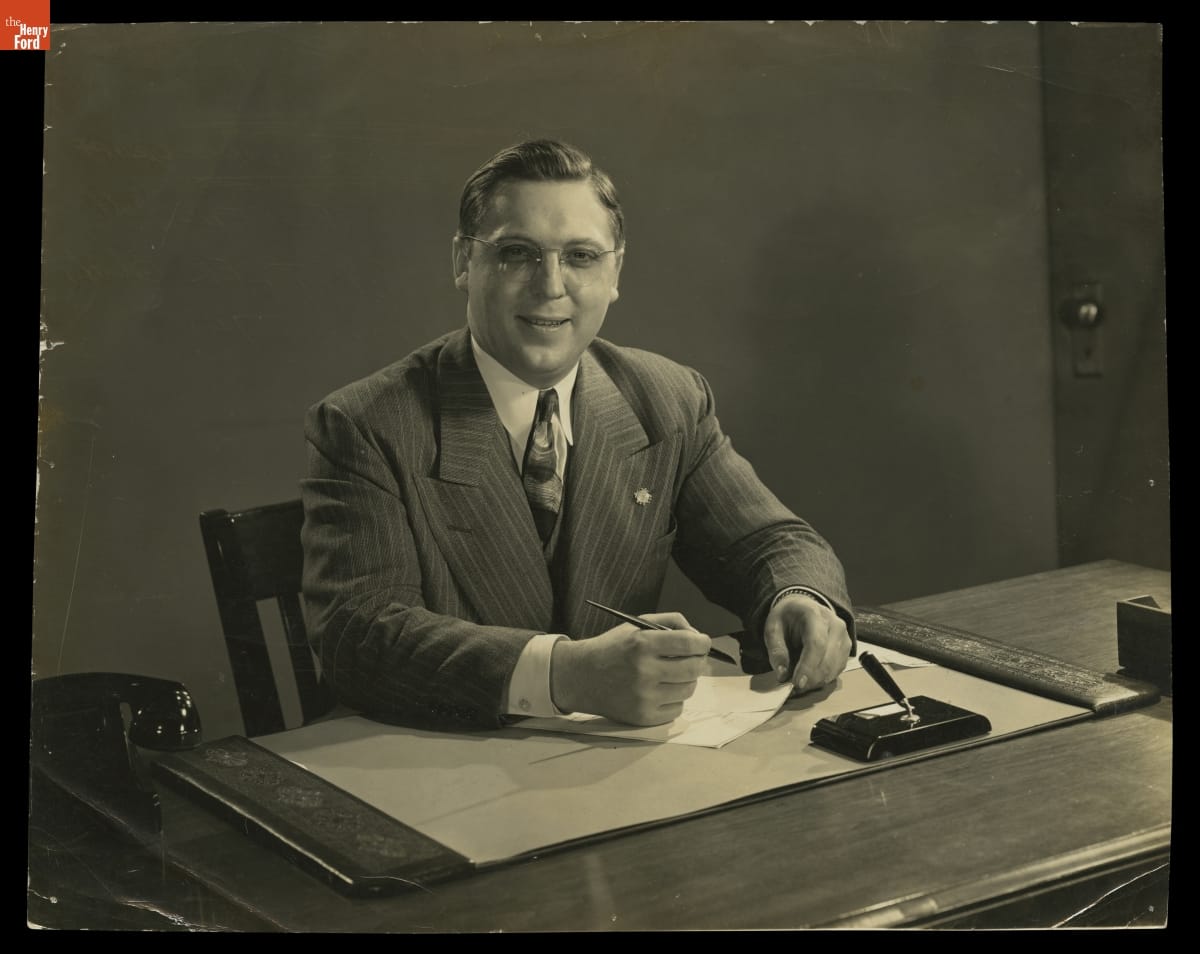
- James A. Humberstone, circa 1935 - James Humberstone first came to Henry Ford's attention writing for <em>The Artisan</em>, the student newspaper at the Henry Ford Trade School. Ford soon made Humberstone the curator for his growing antiques collection. Humberstone planned exhibits for Ford's Edison Institute -- today's The Henry Ford. He remained with Ford until 1936. Humberstone later became owner/publisher of the magazine <em>The American Boy</em>.
- circa 1935
- Collections - Artifact
James A. Humberstone, circa 1935
James Humberstone first came to Henry Ford's attention writing for The Artisan, the student newspaper at the Henry Ford Trade School. Ford soon made Humberstone the curator for his growing antiques collection. Humberstone planned exhibits for Ford's Edison Institute -- today's The Henry Ford. He remained with Ford until 1936. Humberstone later became owner/publisher of the magazine The American Boy.
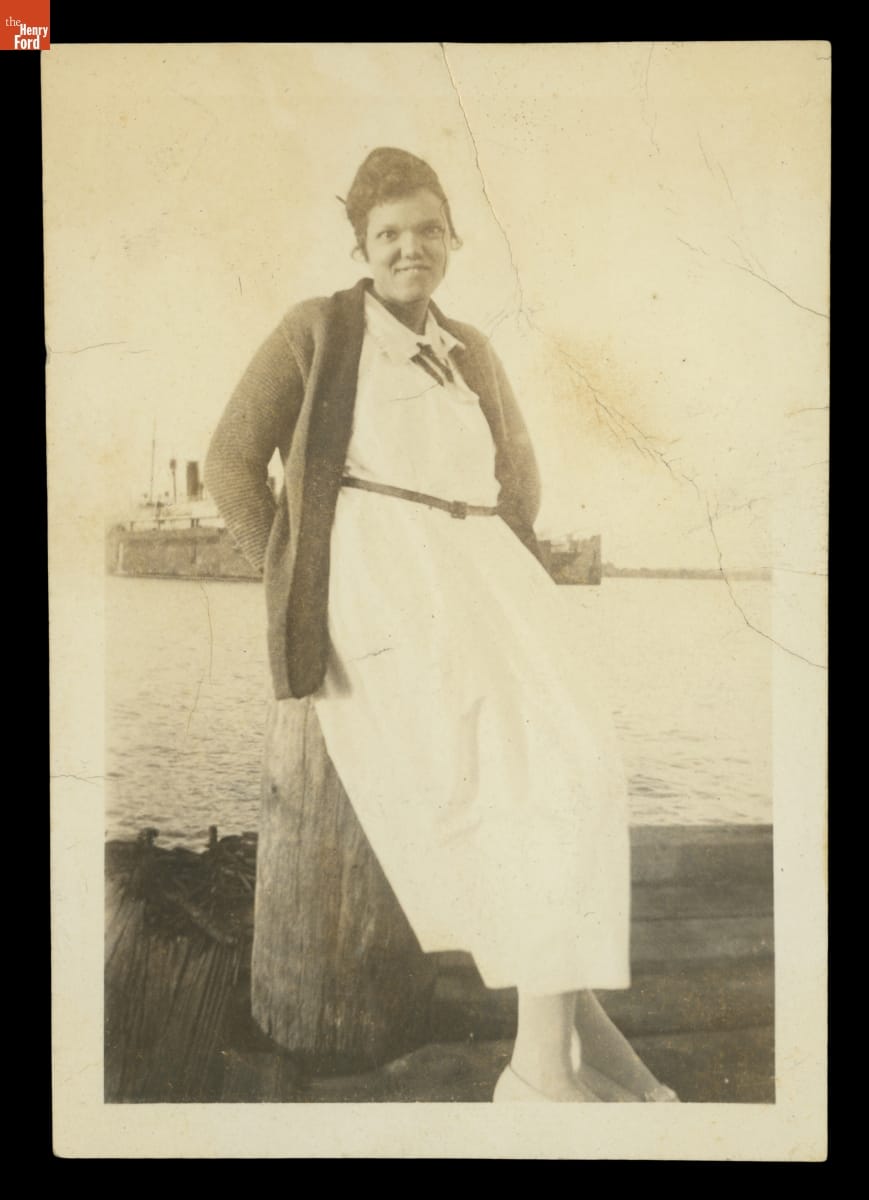
- Ethel Dinkins "On the James" - Ethel Dinkins (1898-1990), a member of a prominent Black family in Selma, Alabama, was a lifelong lover of music. During the 1920s and 1930s, she taught piano and voice across the South. After Dinkins returned to Selma, she opened her own music school. Among her students were Coretta Scott, who married Martin Luther King, Jr., and Richie Jean Sherrod, who married Sullivan Jackson.
- Collections - Artifact
Ethel Dinkins "On the James"
Ethel Dinkins (1898-1990), a member of a prominent Black family in Selma, Alabama, was a lifelong lover of music. During the 1920s and 1930s, she taught piano and voice across the South. After Dinkins returned to Selma, she opened her own music school. Among her students were Coretta Scott, who married Martin Luther King, Jr., and Richie Jean Sherrod, who married Sullivan Jackson.
- Portrait of James Holloway, 1900 -
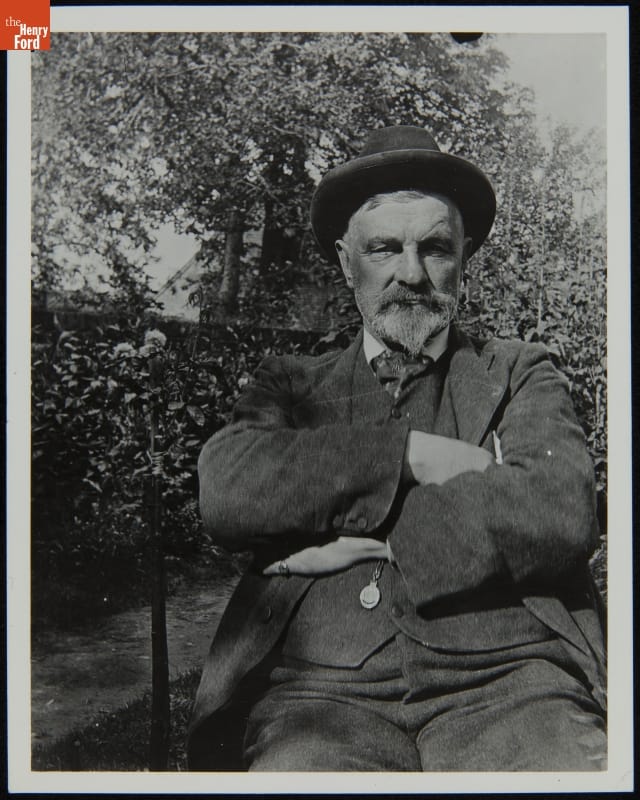
- 1900
- Collections - Artifact
Portrait of James Holloway, 1900
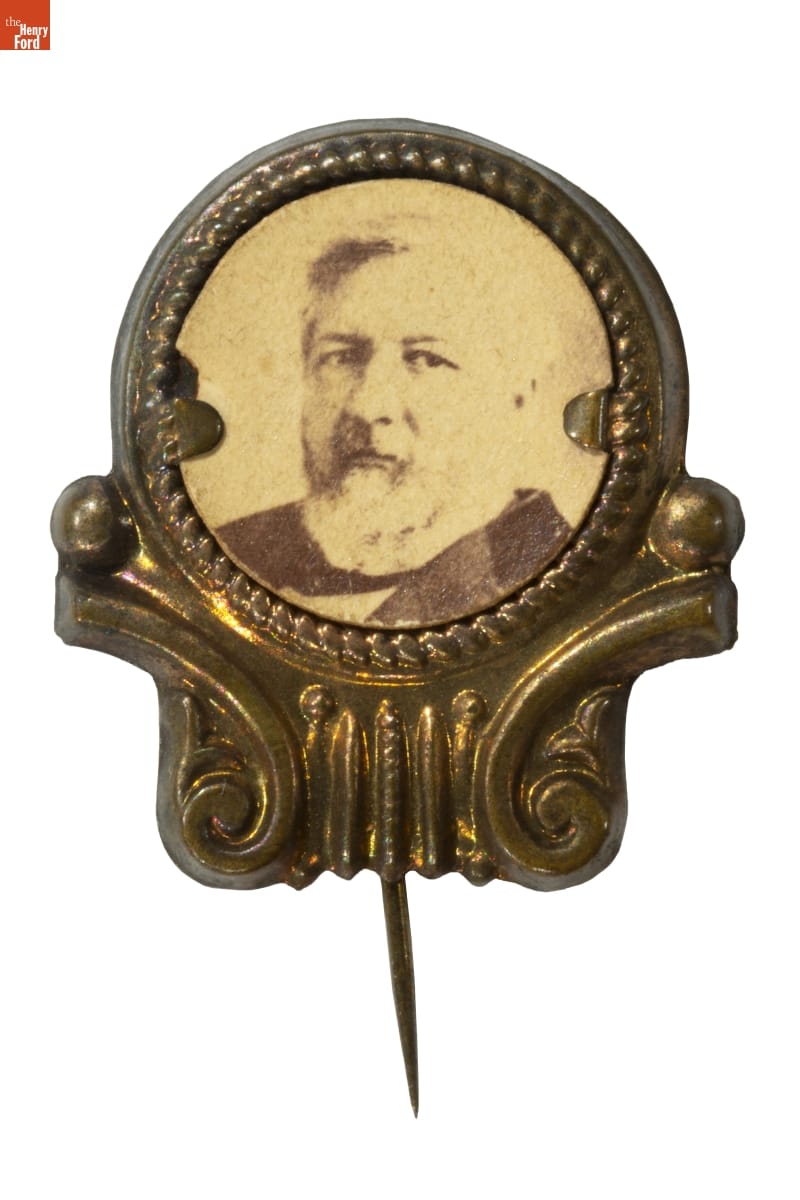
- James Blaine Campaign Pin, 1884 - Republican James G. Blaine, who served as Speaker of the House, U.S. Senator, and Secretary of State, was a prominent politician in the late 1800s. He was also tainted by scandal, which his political enemies used against him. Blaine and his running mate John Logan narrowly lost the 1884 presidential election to Democrat Grover Cleveland, viewed by many as an honest and pragmatic reformer.
- 1884
- Collections - Artifact
James Blaine Campaign Pin, 1884
Republican James G. Blaine, who served as Speaker of the House, U.S. Senator, and Secretary of State, was a prominent politician in the late 1800s. He was also tainted by scandal, which his political enemies used against him. Blaine and his running mate John Logan narrowly lost the 1884 presidential election to Democrat Grover Cleveland, viewed by many as an honest and pragmatic reformer.