
Search
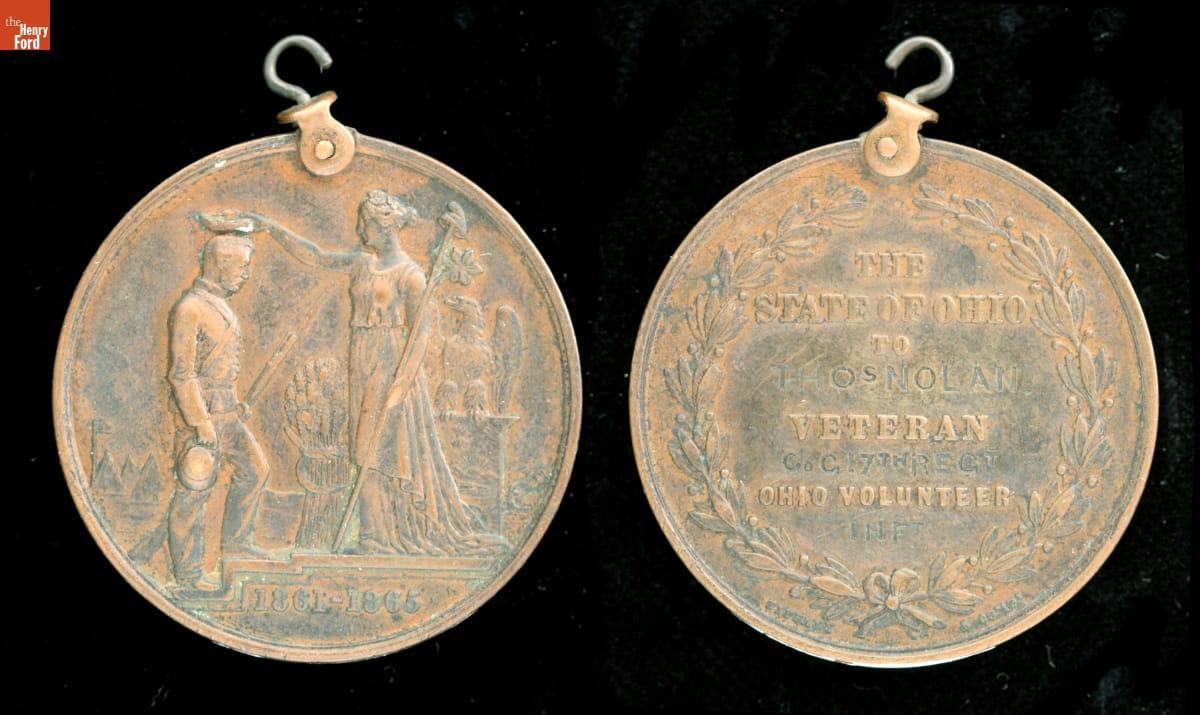
- Civil War Commemorative Medal Awarded to Veteran Thomas Nolan, 1866 - In 1866, the state of Ohio authorized production of medals to honor those soldiers who had re-enlisted during the Civil War. These bronze medals were engraved on the back with the name and company of the veteran volunteer. This medal, without its ribbon, belonged to Thomas Nolan of Company G, 17th Ohio Infantry Regiment.
- 1861-1865
- Collections - Artifact
Civil War Commemorative Medal Awarded to Veteran Thomas Nolan, 1866
In 1866, the state of Ohio authorized production of medals to honor those soldiers who had re-enlisted during the Civil War. These bronze medals were engraved on the back with the name and company of the veteran volunteer. This medal, without its ribbon, belonged to Thomas Nolan of Company G, 17th Ohio Infantry Regiment.
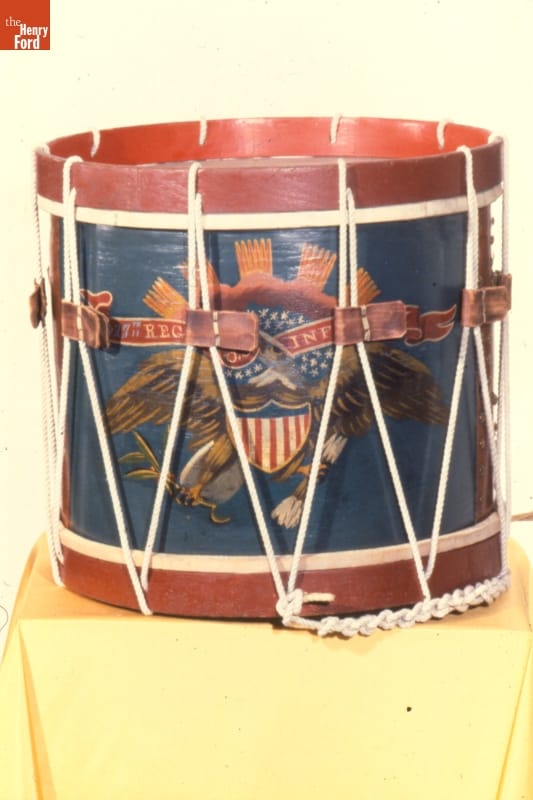
- Snare Drum Used by Frank G. Campbell, 17th Michigan Infantry Regiment, 1864 - A military drum provided rhythm for marching and was an important signaling device for troops in battle. This Civil War drum belonged to Frank G. Campbell, a member of the 17th Michigan Volunteer Infantry. The names of the battles in which his unit participated are painted on the side of the drum.
- 1864
- Collections - Artifact
Snare Drum Used by Frank G. Campbell, 17th Michigan Infantry Regiment, 1864
A military drum provided rhythm for marching and was an important signaling device for troops in battle. This Civil War drum belonged to Frank G. Campbell, a member of the 17th Michigan Volunteer Infantry. The names of the battles in which his unit participated are painted on the side of the drum.
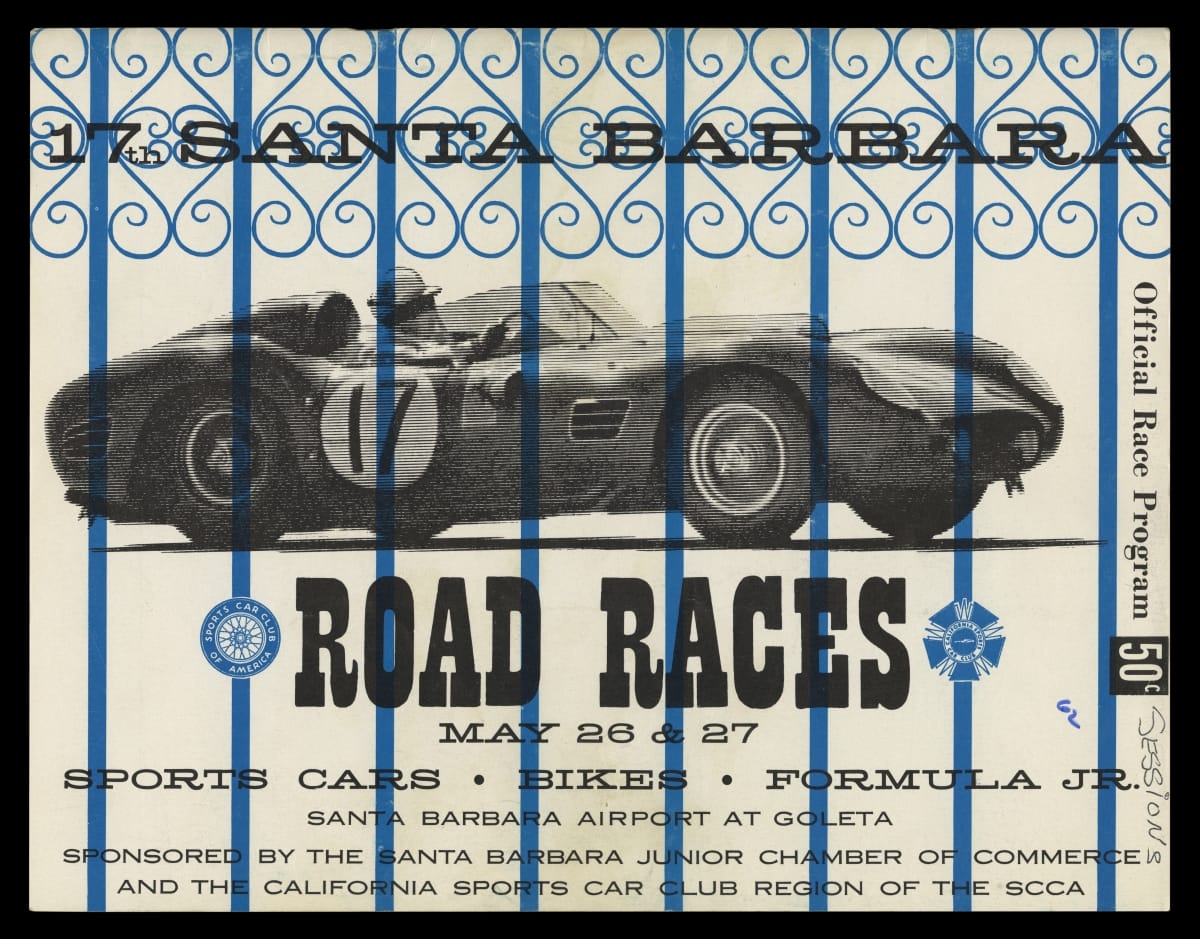
- Program, 17th Santa Barbara Road Races, May 1962 - Dave Friedman captured and preserved auto racing history through his photography and memorabilia. His collection of event programs documents key races, cars, drivers, and teams. This program is from a series of races held at the airport near Santa Barbara, California, in late May 1962. The California Region of the Sports Car Club of America organized the event.
- 26 May 1962 - 27 May 1962
- Collections - Artifact
Program, 17th Santa Barbara Road Races, May 1962
Dave Friedman captured and preserved auto racing history through his photography and memorabilia. His collection of event programs documents key races, cars, drivers, and teams. This program is from a series of races held at the airport near Santa Barbara, California, in late May 1962. The California Region of the Sports Car Club of America organized the event.
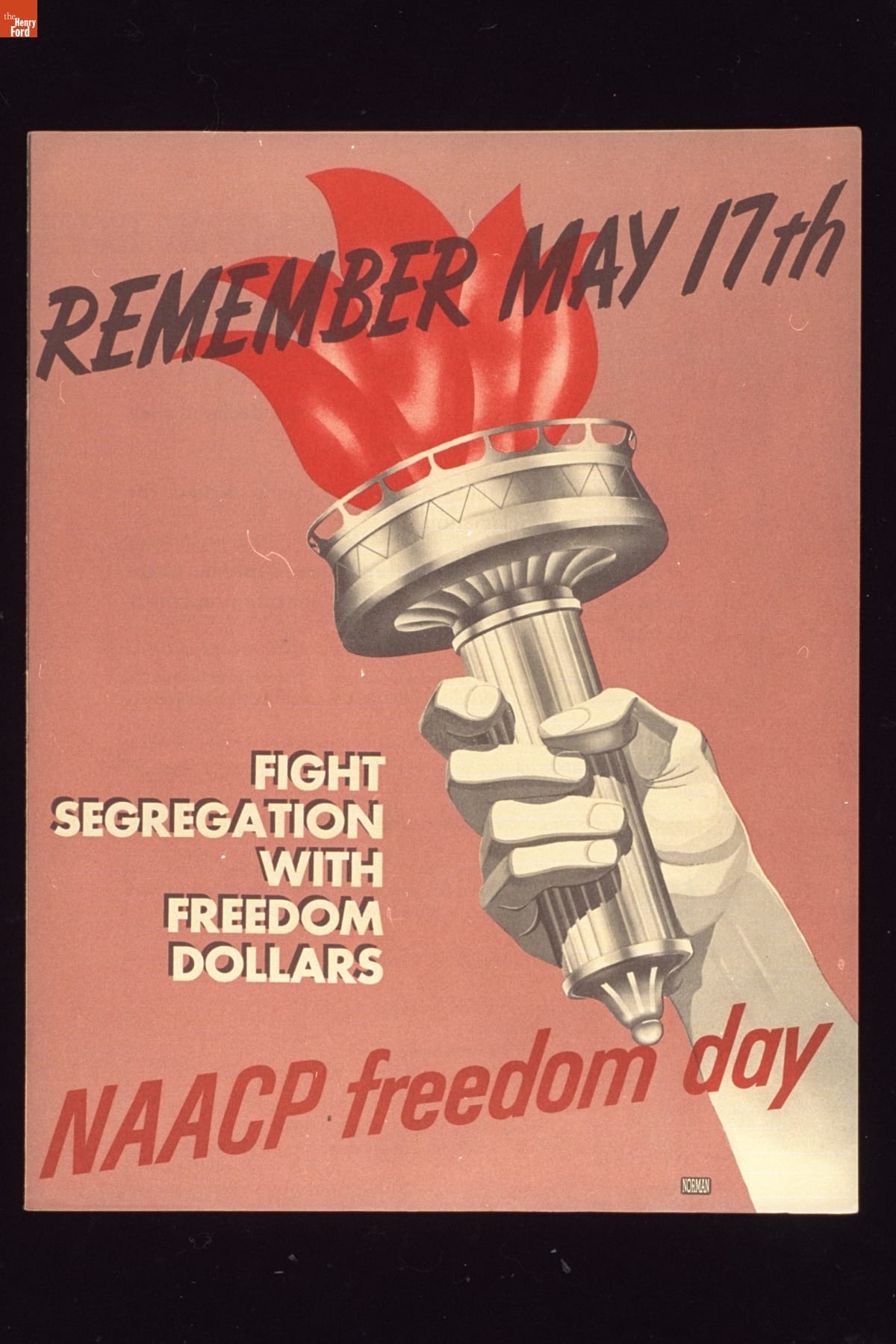
- Remember May 17th: Fight Segregation with Freedom Dollars, May 1955 -
- May 01, 1955
- Collections - Artifact
Remember May 17th: Fight Segregation with Freedom Dollars, May 1955
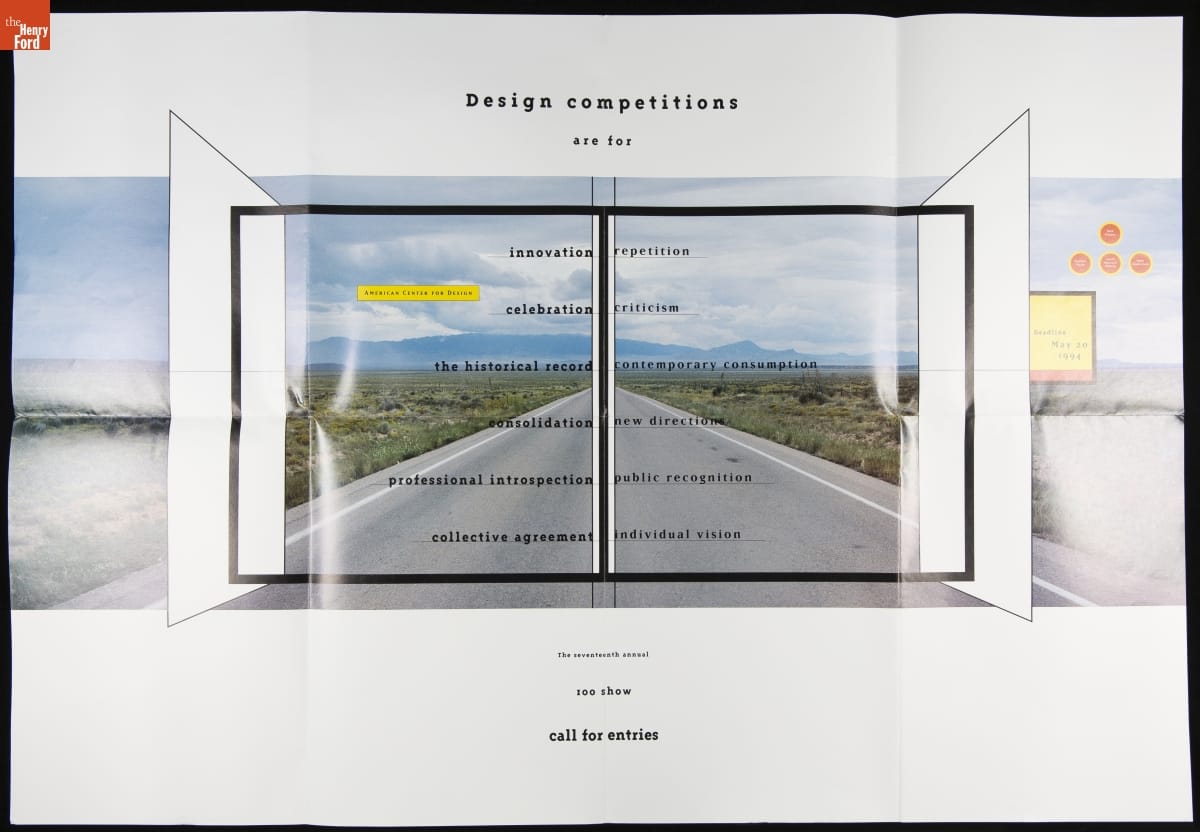
- Mailer, "American Center for Design's Call for Entries for the 17th Annual 100th Show," 1994 - Emigre is a digital type foundry established by Rudy VanderLans and Zuzana Licko. The company's history is linked with the introduction of the 1984 Macintosh computer, used to design their early bitmapped typefaces. Emigre's digital work gained notoriety -- defying visual communication standards with fractured, layered combinations of text and image.
- 1994
- Collections - Artifact
Mailer, "American Center for Design's Call for Entries for the 17th Annual 100th Show," 1994
Emigre is a digital type foundry established by Rudy VanderLans and Zuzana Licko. The company's history is linked with the introduction of the 1984 Macintosh computer, used to design their early bitmapped typefaces. Emigre's digital work gained notoriety -- defying visual communication standards with fractured, layered combinations of text and image.
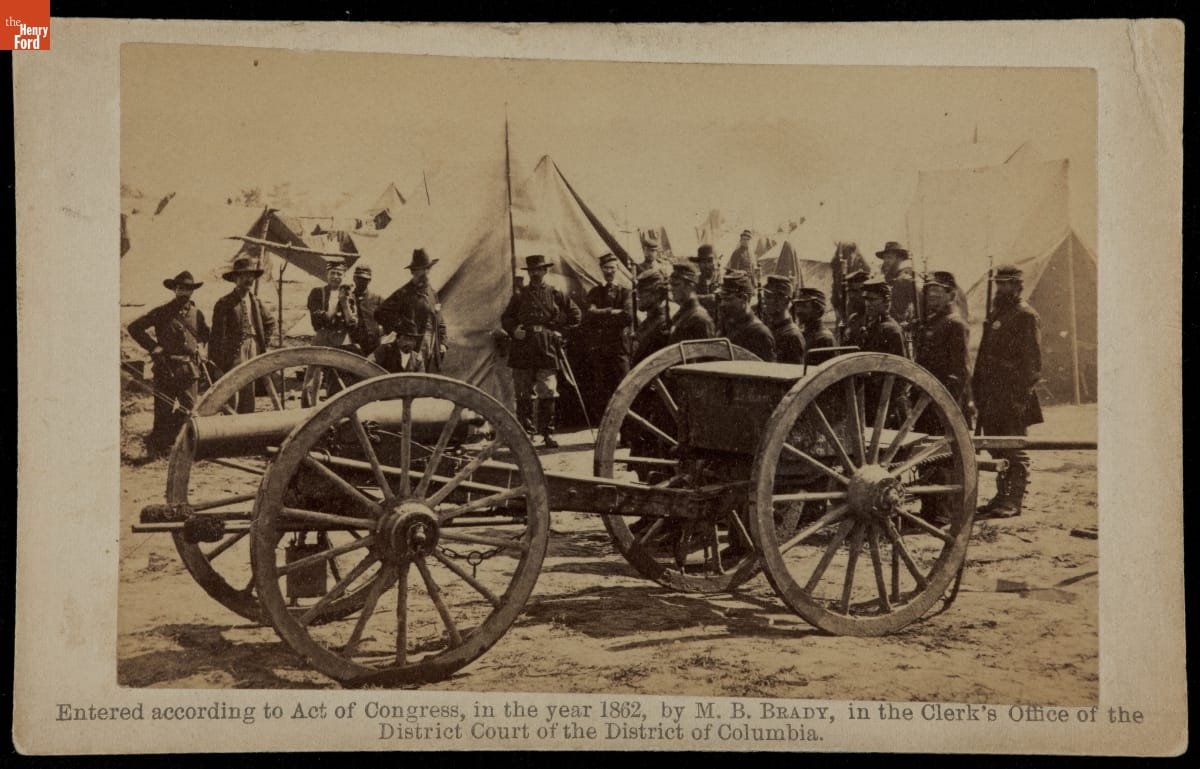
- 12-Pound Howitzer Captured by the 17th Regiment, New York Volunteers, Hanover, Virginia, 1862 - Mathew Brady provided extraordinary documentation of the American Civil War by bringing photographers and a portable photographic studio right to the battlefields. Many of these images were reproduced and sold as carte-de-visite photographs or stereographs (which appeared three-dimensional when viewed through a stereoscope), bringing--for the first time--scenes of war and its harsh realities directly into American homes.
- May 27, 1862
- Collections - Artifact
12-Pound Howitzer Captured by the 17th Regiment, New York Volunteers, Hanover, Virginia, 1862
Mathew Brady provided extraordinary documentation of the American Civil War by bringing photographers and a portable photographic studio right to the battlefields. Many of these images were reproduced and sold as carte-de-visite photographs or stereographs (which appeared three-dimensional when viewed through a stereoscope), bringing--for the first time--scenes of war and its harsh realities directly into American homes.
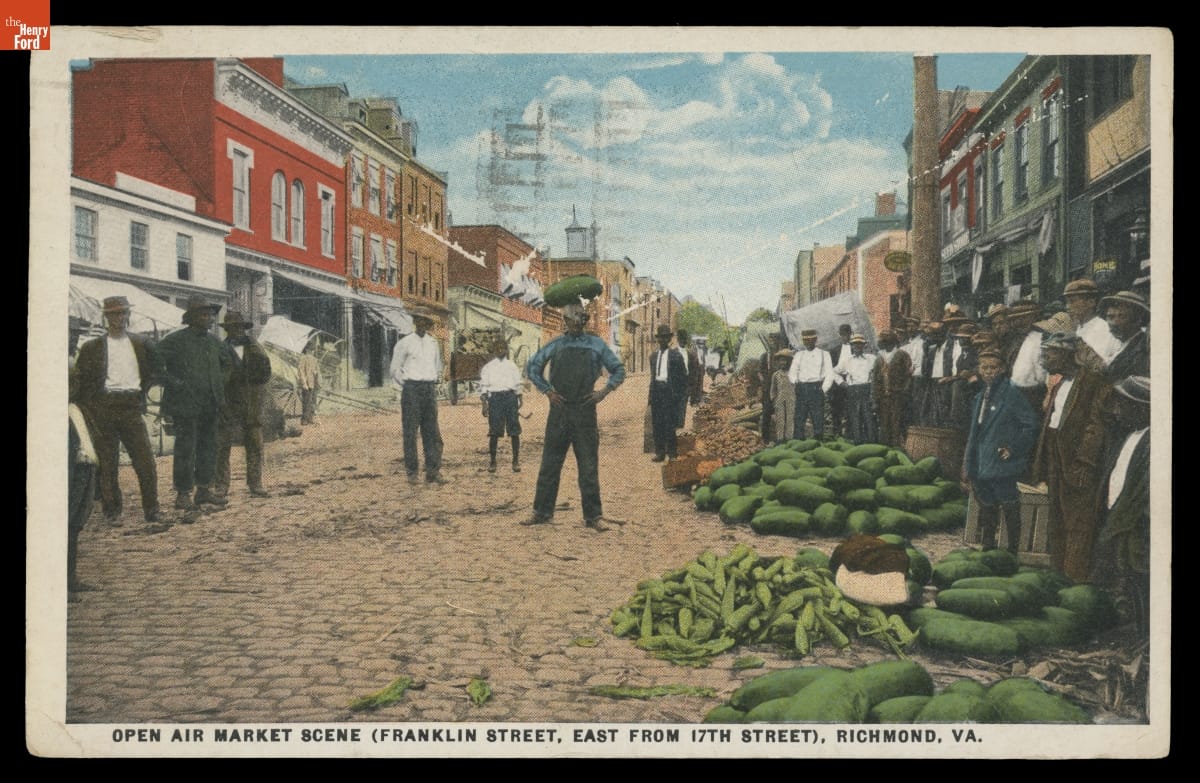
- Open Air Market Scene (Franklin Street, East from 17th Street), Richmond, Va. - These farmer entrepreneurs sold melons at the Richmond, Virginia, market on 17th and Franklin streets. They used horse-drawn carts to transport their goods from farm to city even as others adopted the automobile. Racist language on the back of this postcard, however, blinded viewers to the superhuman efforts required to sustain crops as well as family and human dignity during the era of Jim Crow.
- April 19, 1921
- Collections - Artifact
Open Air Market Scene (Franklin Street, East from 17th Street), Richmond, Va.
These farmer entrepreneurs sold melons at the Richmond, Virginia, market on 17th and Franklin streets. They used horse-drawn carts to transport their goods from farm to city even as others adopted the automobile. Racist language on the back of this postcard, however, blinded viewers to the superhuman efforts required to sustain crops as well as family and human dignity during the era of Jim Crow.
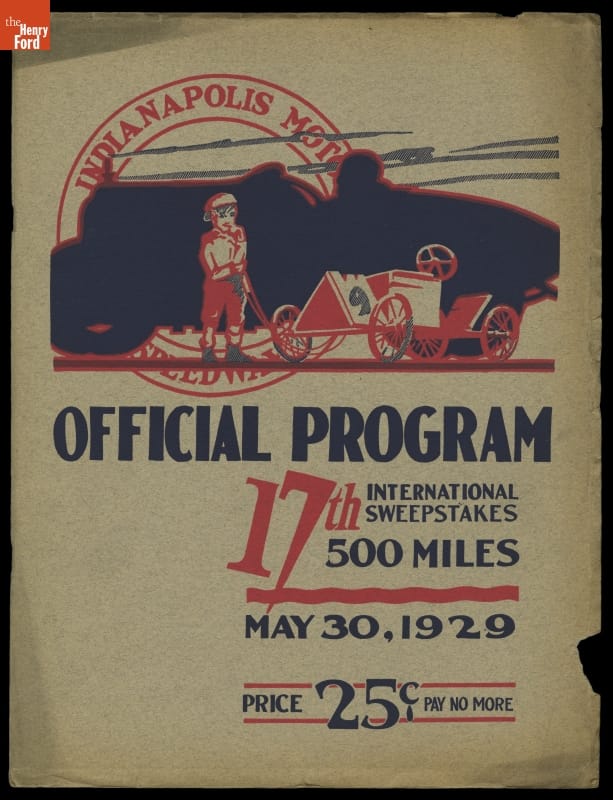
- Official Program of the Indianapolis Motor Speedway 17th International Sweepstakes 500 Mile Race, May 30, 1929 - The seventeenth Indianapolis 500 took place on May 30, 1929. Driver Ray Keech earned the checkered flag in the Simplex Piston Ring Special. An accident on lap ten claimed driver Bill Spence's life. Keech himself died in a racing accident just two weeks later. Maude A. Yagle, who owned Keech's car, became the first female owner to win the Indy 500.
- May 30, 1929
- Collections - Artifact
Official Program of the Indianapolis Motor Speedway 17th International Sweepstakes 500 Mile Race, May 30, 1929
The seventeenth Indianapolis 500 took place on May 30, 1929. Driver Ray Keech earned the checkered flag in the Simplex Piston Ring Special. An accident on lap ten claimed driver Bill Spence's life. Keech himself died in a racing accident just two weeks later. Maude A. Yagle, who owned Keech's car, became the first female owner to win the Indy 500.
- Menu, "Dinner Served at Ford Exhibit, Century of Progress," August 17, 1934 - Ford Motor Company's exhibition at Chicago's 1933-34 Century of Progress Exposition included the industrial barn. Here, exhibitions and demonstrations illustrated Henry Ford's belief that soybeans could unify agriculture and industry, building more profitable farms. A special dinner held on August 17, 1934, showcased the crop's wide-ranging culinary potential.
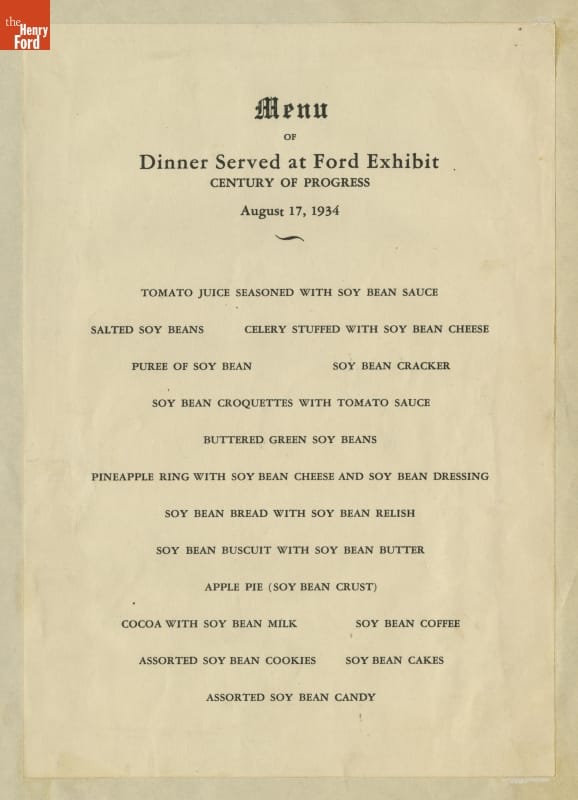
- August 17, 1934
- Collections - Artifact
Menu, "Dinner Served at Ford Exhibit, Century of Progress," August 17, 1934
Ford Motor Company's exhibition at Chicago's 1933-34 Century of Progress Exposition included the industrial barn. Here, exhibitions and demonstrations illustrated Henry Ford's belief that soybeans could unify agriculture and industry, building more profitable farms. A special dinner held on August 17, 1934, showcased the crop's wide-ranging culinary potential.
- Menu of Soybean Dinner Served at Ford Exhibit, Century of Progress, August 17, 1934 - Ford Motor Company's exhibition at Chicago's 1933-34 Century of Progress Exposition included the industrial barn. Here, exhibitions and demonstrations illustrated Henry Ford's belief that soybeans could unify agriculture and industry, building more profitable farms. A special dinner held on August 17, 1934, showcased the crop's wide-ranging culinary potential.
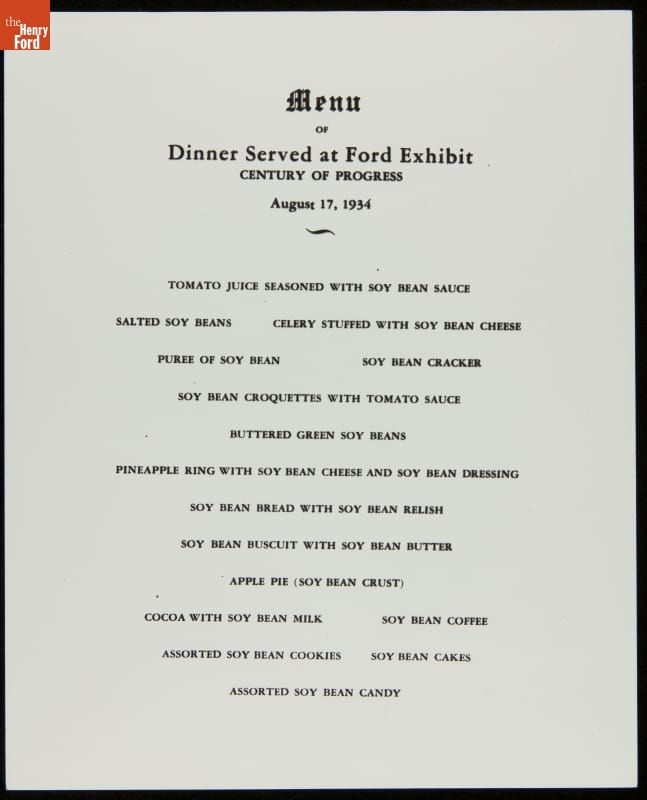
- August 17, 1934
- Collections - Artifact
Menu of Soybean Dinner Served at Ford Exhibit, Century of Progress, August 17, 1934
Ford Motor Company's exhibition at Chicago's 1933-34 Century of Progress Exposition included the industrial barn. Here, exhibitions and demonstrations illustrated Henry Ford's belief that soybeans could unify agriculture and industry, building more profitable farms. A special dinner held on August 17, 1934, showcased the crop's wide-ranging culinary potential.