
Search
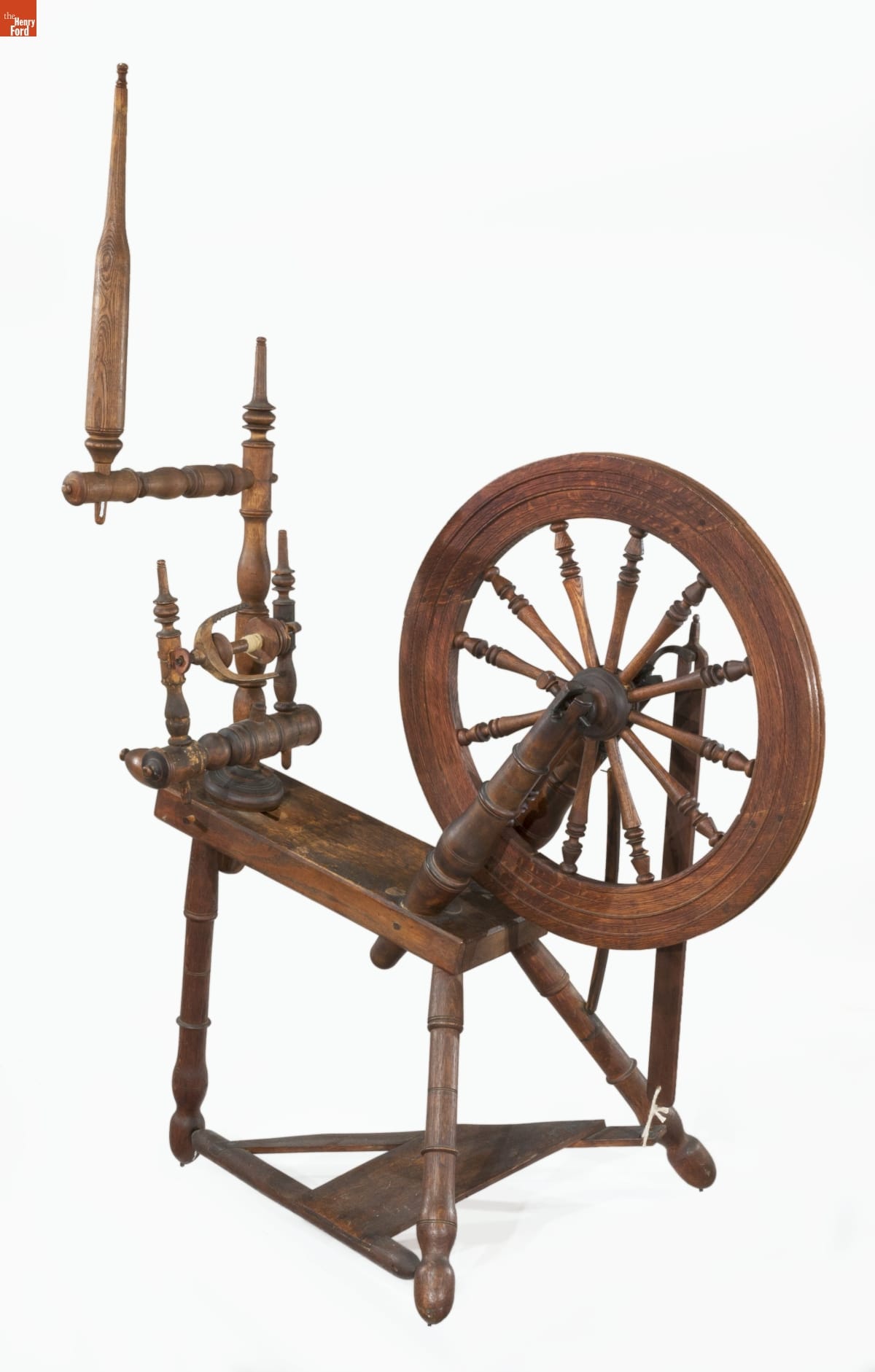
- Flax Wheel, Made by S. Hillard, 1800-1850 -
- 1800-1850
- Collections - Artifact
Flax Wheel, Made by S. Hillard, 1800-1850
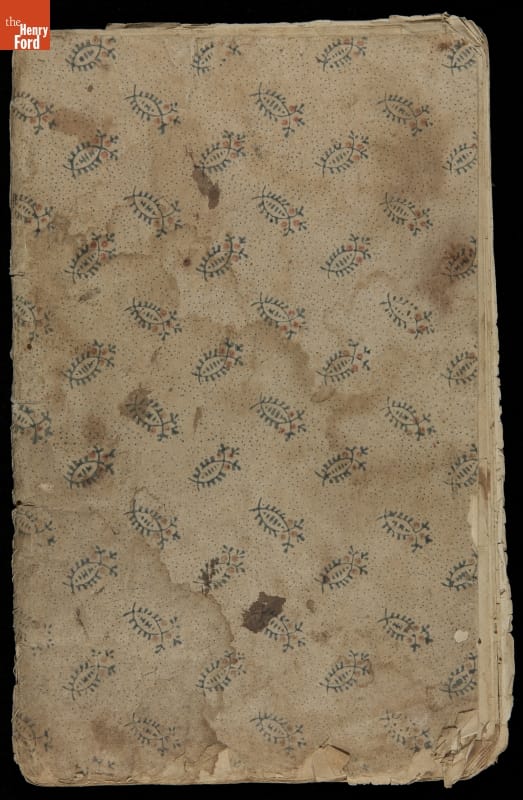
- Copybook of Mary S. Lewis, "Her Book," 1800 - This copybook reveals arithmetic rules and examples and a student practicing numeration (place value), addition, subtraction, multiplication, division and conversions. The real-life problems reveal how Americans used math in their daily lives in 1800: measuring, buying and selling, making things, farming, eating and drinking, and more.
- 1800
- Collections - Artifact
Copybook of Mary S. Lewis, "Her Book," 1800
This copybook reveals arithmetic rules and examples and a student practicing numeration (place value), addition, subtraction, multiplication, division and conversions. The real-life problems reveal how Americans used math in their daily lives in 1800: measuring, buying and selling, making things, farming, eating and drinking, and more.
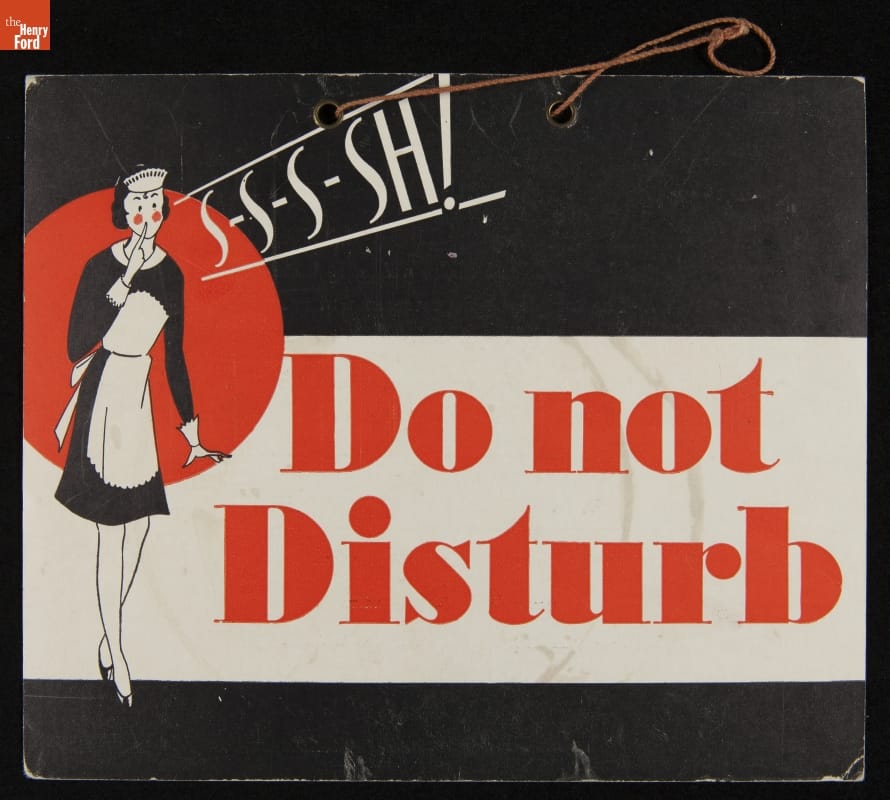
- Sign, "S-S-S-SH! Do Not Disturb," 1930-1945 - Like today, proprietors of mid-20th century hotels, motels and inns provided "Do Not Disturb" signs for weary travelers who wanted a restful stay. Guests placed the sign outside on their door to alert staff to please be quiet and not enter the room. This sign even included instructions that guests could use to stop unwanted telegrams or telephone calls.
- 1930-1945
- Collections - Artifact
Sign, "S-S-S-SH! Do Not Disturb," 1930-1945
Like today, proprietors of mid-20th century hotels, motels and inns provided "Do Not Disturb" signs for weary travelers who wanted a restful stay. Guests placed the sign outside on their door to alert staff to please be quiet and not enter the room. This sign even included instructions that guests could use to stop unwanted telegrams or telephone calls.
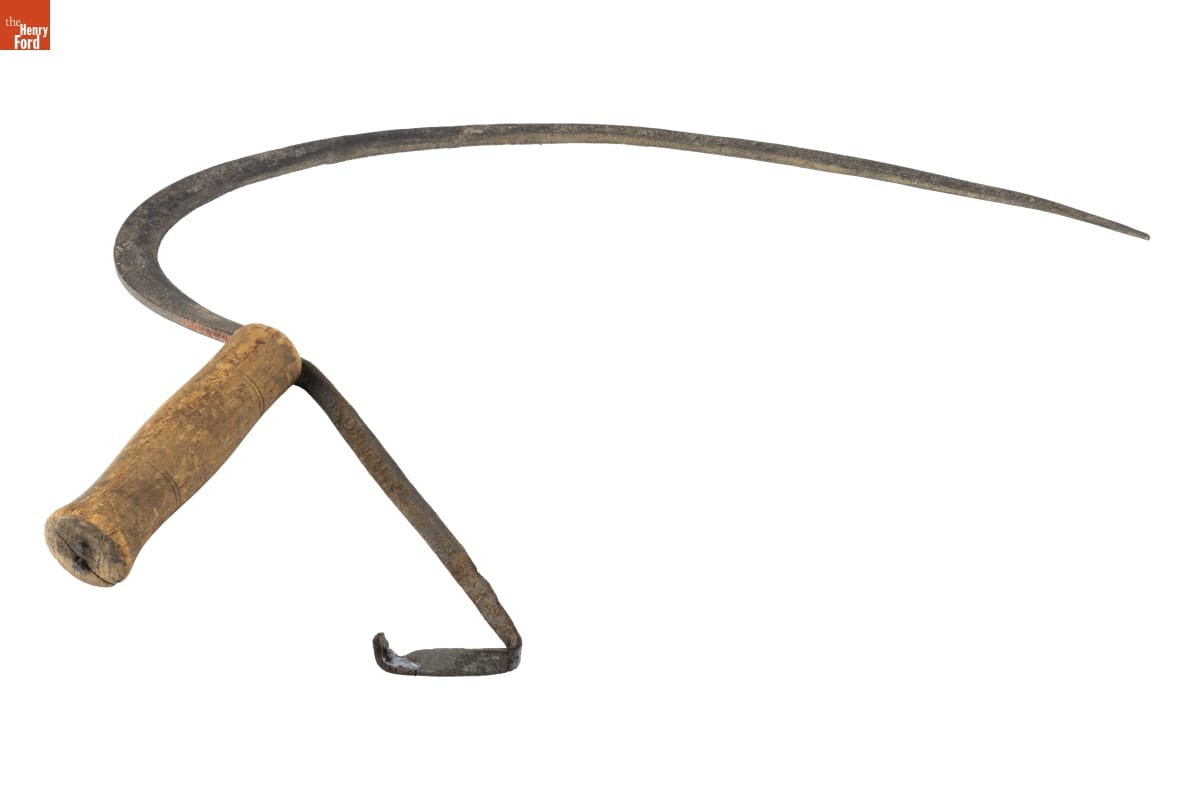
- Sickle, 1800-1840 - Sickles helped farmers harvest grasses and grains. Using this age-old tool, however, was backbreaking work. Laborers constantly had to stoop over to cut and gather the crops. The invention of mid-nineteenth-century mechanized equipment -- reapers and mowers -- made this handheld harvesting tool nearly obsolete. Still, the sickle remained useful on smaller farms or for work around the yard or garden.
- 1800-1840
- Collections - Artifact
Sickle, 1800-1840
Sickles helped farmers harvest grasses and grains. Using this age-old tool, however, was backbreaking work. Laborers constantly had to stoop over to cut and gather the crops. The invention of mid-nineteenth-century mechanized equipment -- reapers and mowers -- made this handheld harvesting tool nearly obsolete. Still, the sickle remained useful on smaller farms or for work around the yard or garden.
- Ladle, 1790-1800 -
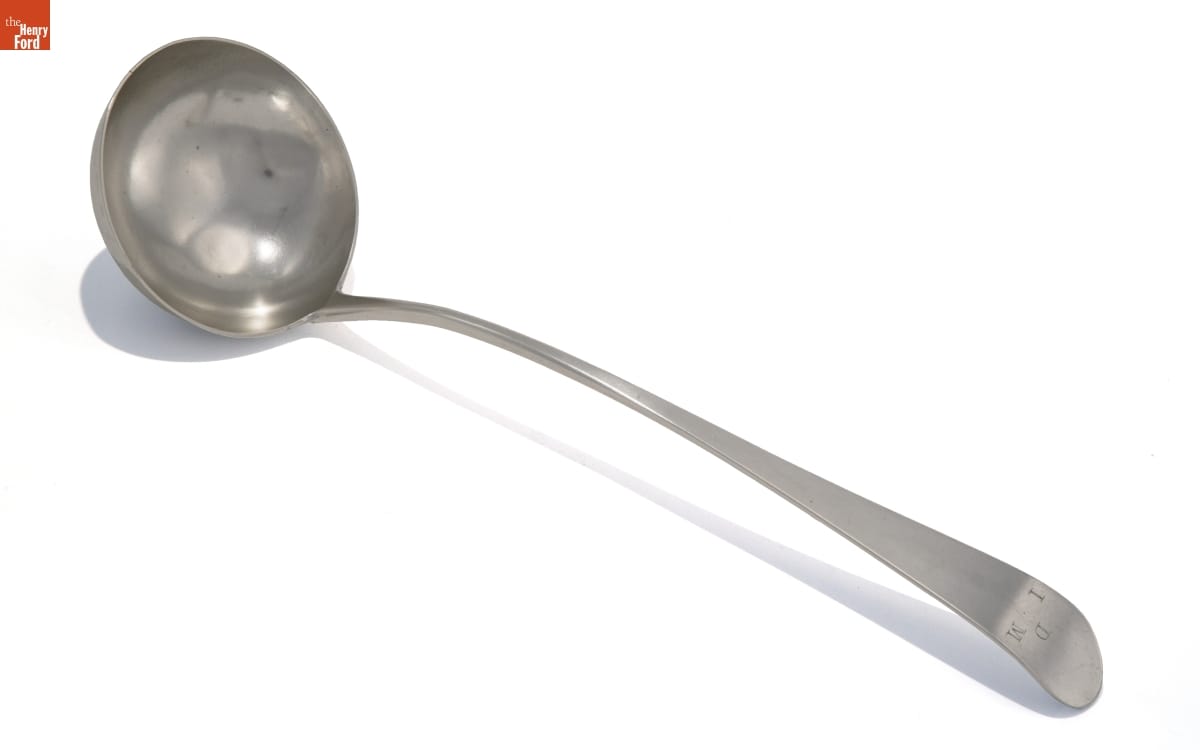
- 1790-1800
- Collections - Artifact
Ladle, 1790-1800
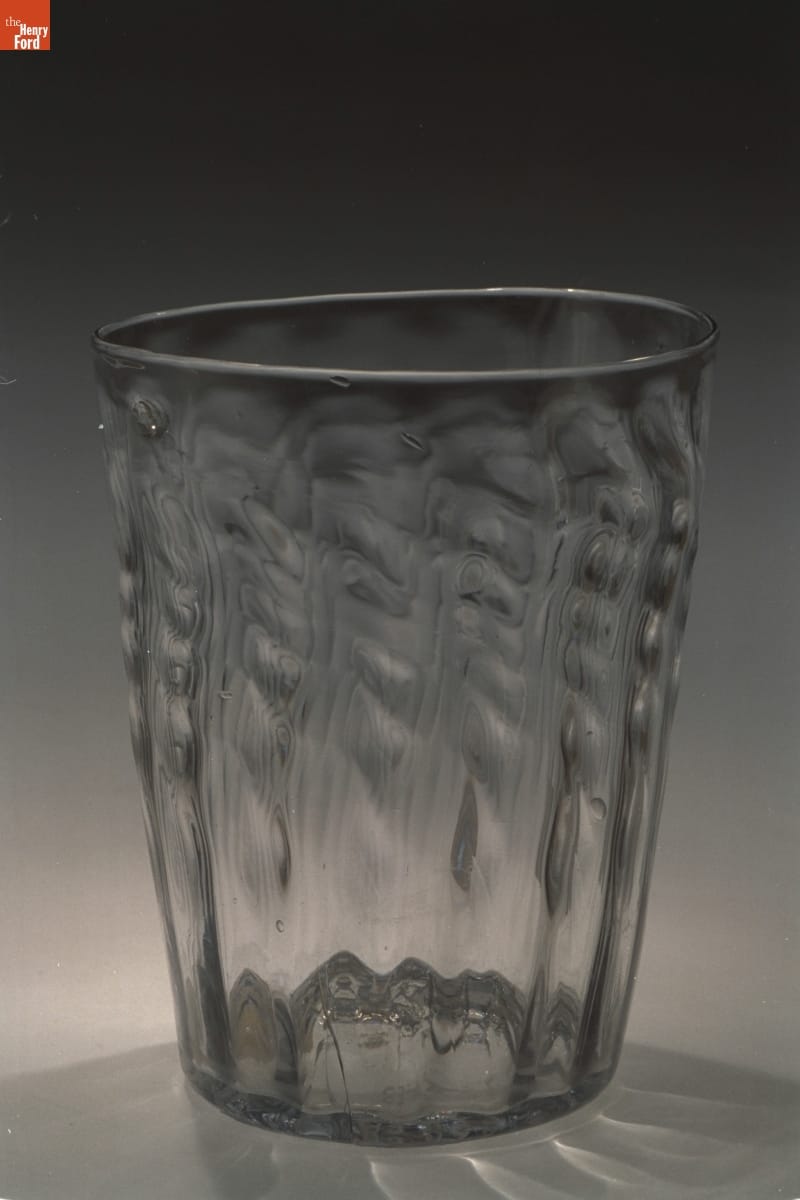
- Tumbler, 1800-1835 - American glass factories made a variety of glass products for the early-nineteenth-century consumer. Glassblowers turned out bottles, flasks, tableware and other household items. Earlier products were affordable only to the well-to-do. But by the second quarter of the 19th century, a growing number of manufacturers made reasonably priced blown-glass items available to the expanding middle class.
- 1800-1835
- Collections - Artifact
Tumbler, 1800-1835
American glass factories made a variety of glass products for the early-nineteenth-century consumer. Glassblowers turned out bottles, flasks, tableware and other household items. Earlier products were affordable only to the well-to-do. But by the second quarter of the 19th century, a growing number of manufacturers made reasonably priced blown-glass items available to the expanding middle class.
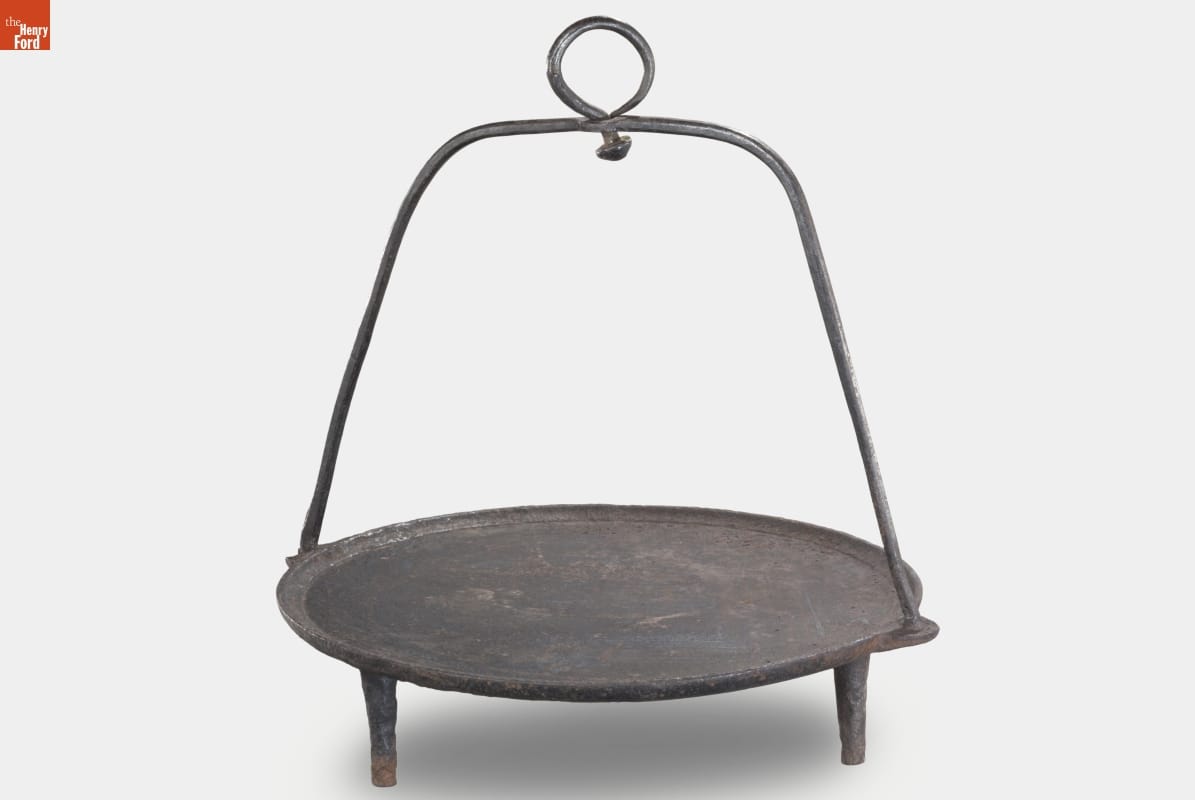
- Griddle, 1800-1860 - Cast iron pots, pans, kettles, skillets, and other utensils have been essential in American kitchens for centuries. Cooks used these utilitarian objects to prepare meals and heat water in hearths or -- by the mid-1800s -- atop coal or wood-burning stoves. Lighter and easier-to-clean materials began replacing heavy cast iron cookware beginning in the late 19th century, but cast iron still has a place in many cooks' kitchens.
- 1800-1860
- Collections - Artifact
Griddle, 1800-1860
Cast iron pots, pans, kettles, skillets, and other utensils have been essential in American kitchens for centuries. Cooks used these utilitarian objects to prepare meals and heat water in hearths or -- by the mid-1800s -- atop coal or wood-burning stoves. Lighter and easier-to-clean materials began replacing heavy cast iron cookware beginning in the late 19th century, but cast iron still has a place in many cooks' kitchens.
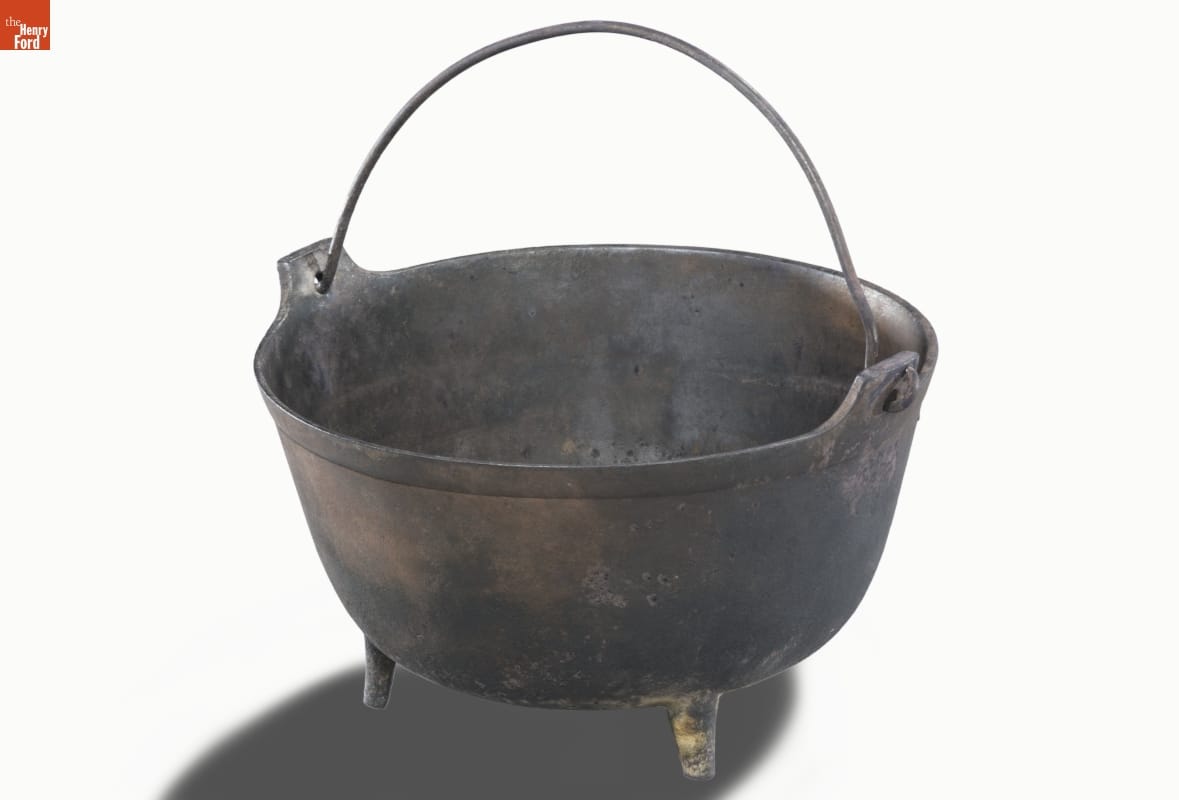
- Kettle, 1800-1860 - Cast iron pots, pans, kettles, skillets, and other utensils have been essential in American kitchens for centuries. Cooks used these utilitarian objects to prepare meals and heat water in hearths or -- by the mid-1800s -- atop coal or wood-burning stoves. Lighter and easier-to-clean materials began replacing heavy cast iron cookware beginning in the late 19th century, but cast iron still has a place in many cooks' kitchens.
- 1800-1860
- Collections - Artifact
Kettle, 1800-1860
Cast iron pots, pans, kettles, skillets, and other utensils have been essential in American kitchens for centuries. Cooks used these utilitarian objects to prepare meals and heat water in hearths or -- by the mid-1800s -- atop coal or wood-burning stoves. Lighter and easier-to-clean materials began replacing heavy cast iron cookware beginning in the late 19th century, but cast iron still has a place in many cooks' kitchens.
- Funnel, 1800-1900 -
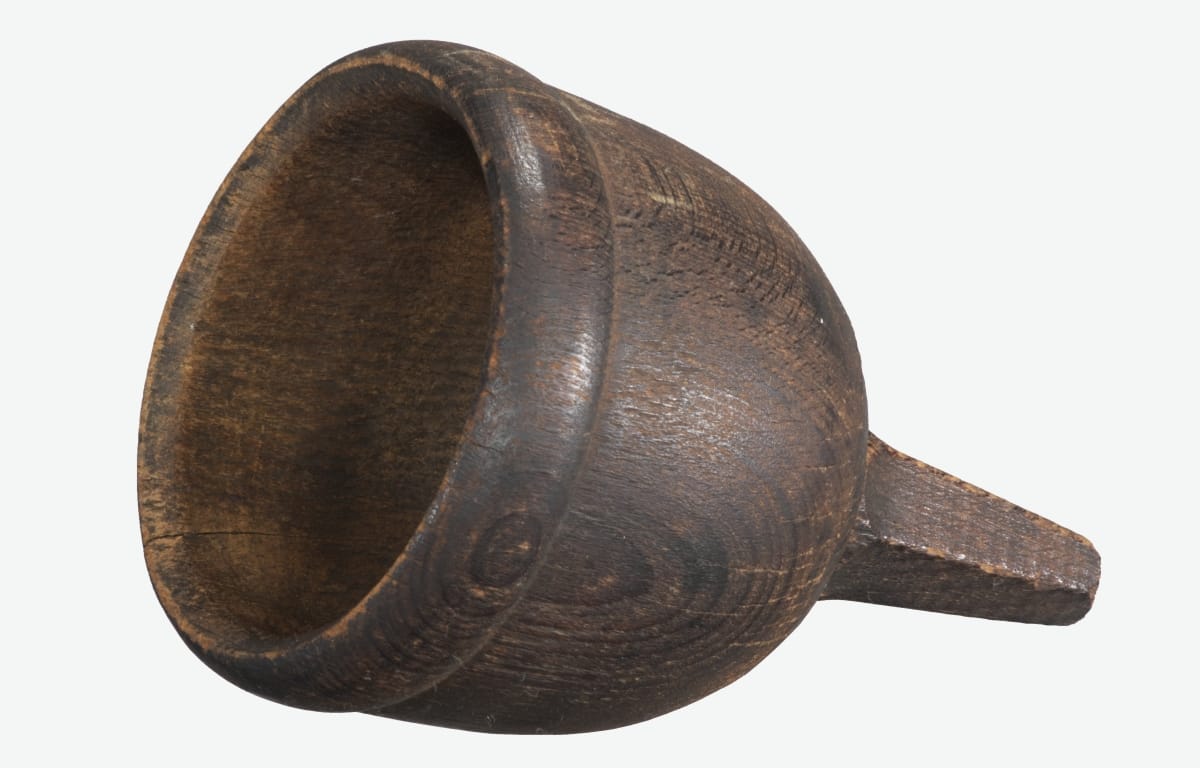
- 1800-1900
- Collections - Artifact
Funnel, 1800-1900
- Bandbox, 1800-1840 - In the early 1800s, Americans used bandboxes to store clothing, accessories, and other small items. Bandboxes were handy containers in the home, or when traveling by stage, boat, or rail. Manufacturers covered these inexpensive pasteboard or wooden boxes with colorful papers. Some bandboxes were covered with papers depicting animals, places or specific scenes. Others, such as this one, were covered with decorative wallpaper of the day.
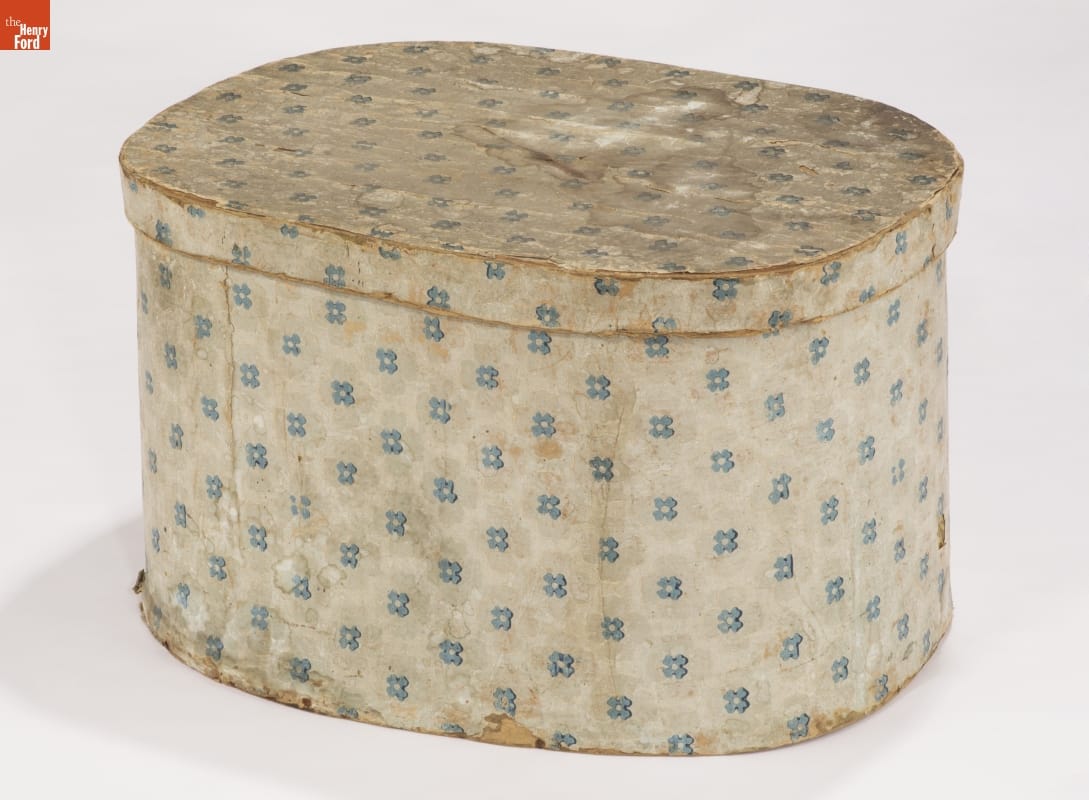
- 1800-1840
- Collections - Artifact
Bandbox, 1800-1840
In the early 1800s, Americans used bandboxes to store clothing, accessories, and other small items. Bandboxes were handy containers in the home, or when traveling by stage, boat, or rail. Manufacturers covered these inexpensive pasteboard or wooden boxes with colorful papers. Some bandboxes were covered with papers depicting animals, places or specific scenes. Others, such as this one, were covered with decorative wallpaper of the day.