
Search
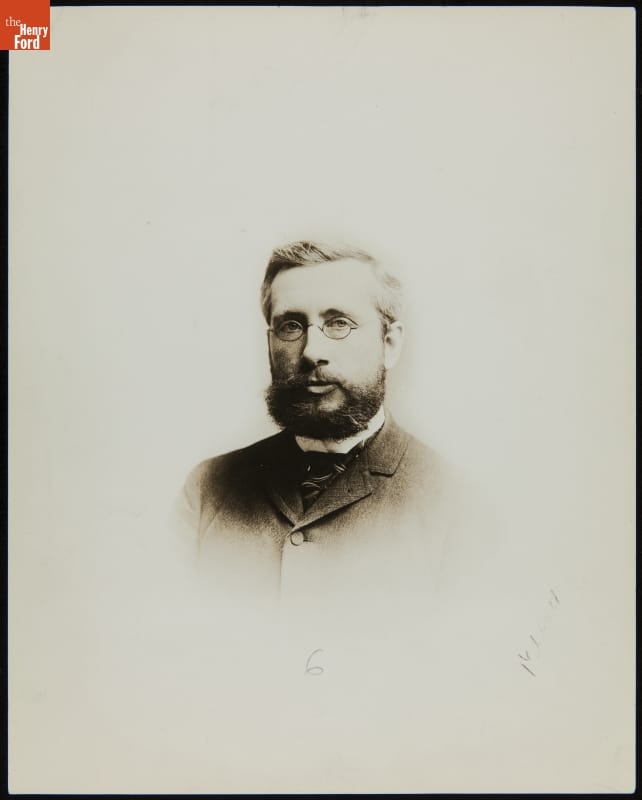
- Portrait of Wilson S. Howell, 1885-1910 -
- 1885-1910
- Collections - Artifact
Portrait of Wilson S. Howell, 1885-1910
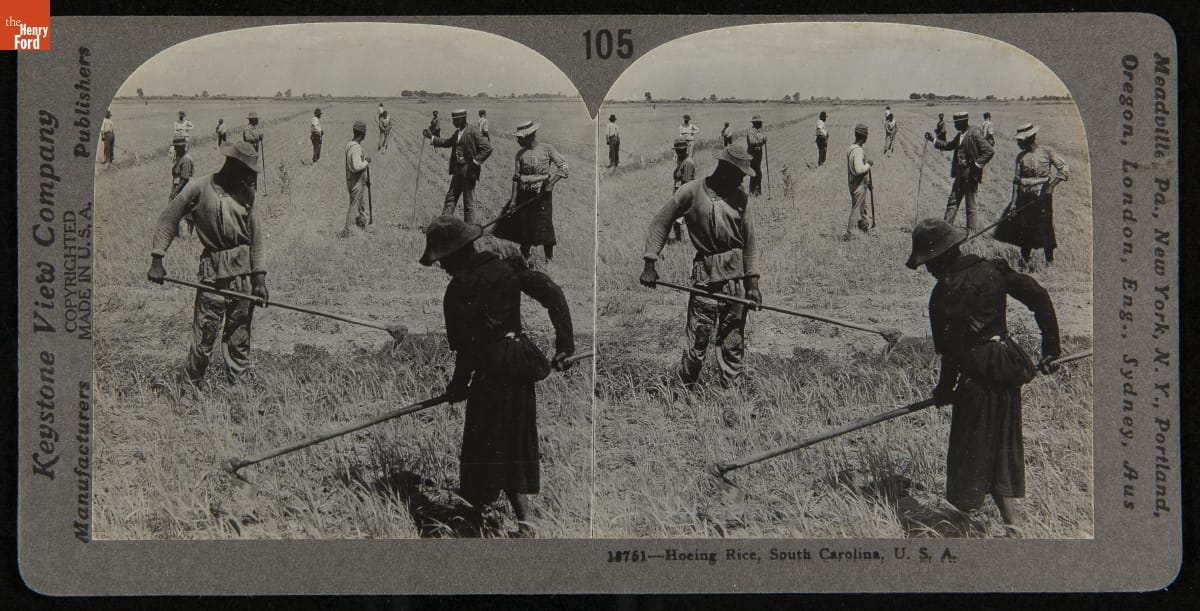
- Hoeing Rice, South Carolina, U.S.A., 1900-1910 - Rice grows best when fields are flooded at planting time and periodically during the growing season. Managing the water levels required an infrastructure as well as regular maintenance. This stereograph shows workers with a broad and heavy hoe, removing weeds and deepening the channel in a rice field.
- 1900-1910
- Collections - Artifact
Hoeing Rice, South Carolina, U.S.A., 1900-1910
Rice grows best when fields are flooded at planting time and periodically during the growing season. Managing the water levels required an infrastructure as well as regular maintenance. This stereograph shows workers with a broad and heavy hoe, removing weeds and deepening the channel in a rice field.
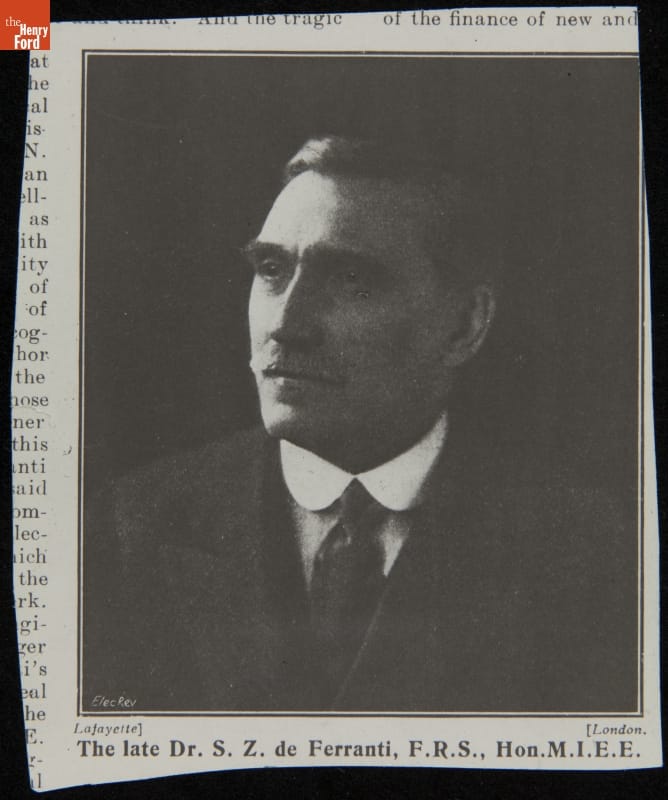
- Portrait of Dr. S. Z. de Ferranti, 1910-1930 -
- 1910-1930
- Collections - Artifact
Portrait of Dr. S. Z. de Ferranti, 1910-1930
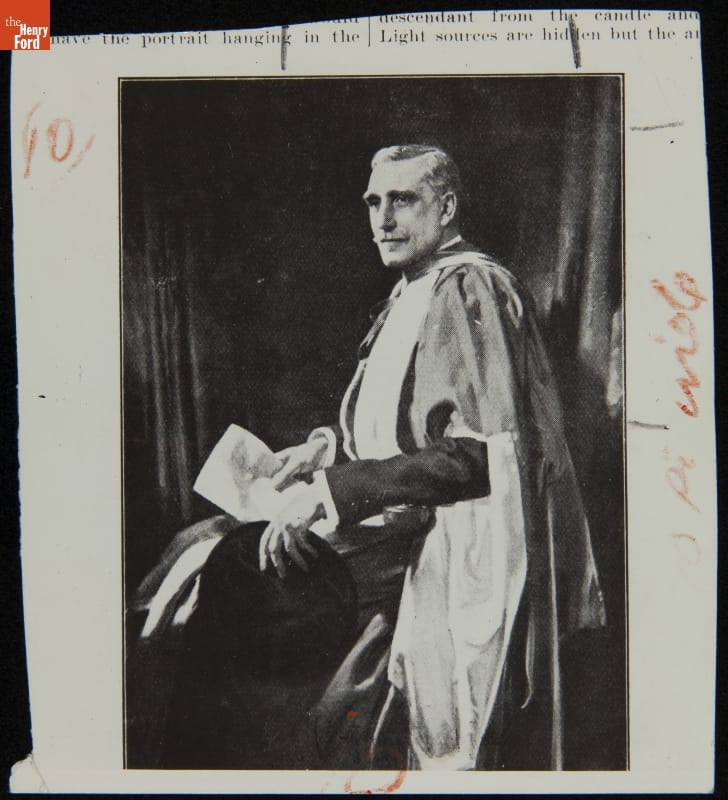
- Portrait of Dr. S. Z. de Ferranti, 1910-1930 -
- 1910-1930
- Collections - Artifact
Portrait of Dr. S. Z. de Ferranti, 1910-1930
- William S. Ford Memorial Methodist Church, Dearborn Township, Michigan, circa 1910 -
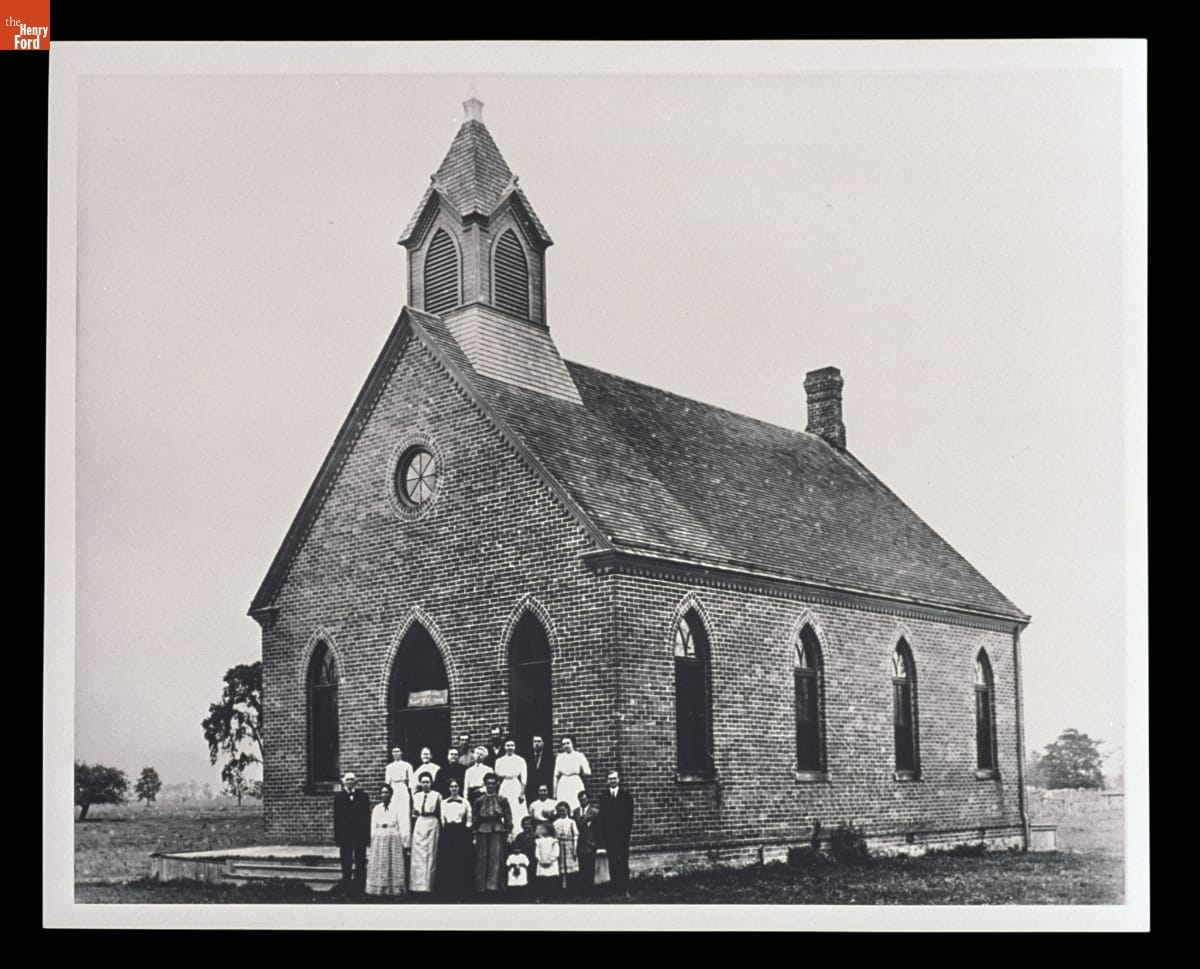
- circa 1910
- Collections - Artifact
William S. Ford Memorial Methodist Church, Dearborn Township, Michigan, circa 1910
- I.C.S. Reference Library: Poultry Farming, Vol. 1, 1909-1910 -
- 1909-1910
- Collections - Artifact
I.C.S. Reference Library: Poultry Farming, Vol. 1, 1909-1910
- Leyden Jars and Rack, Used by the U.S. Navy, 1910 -
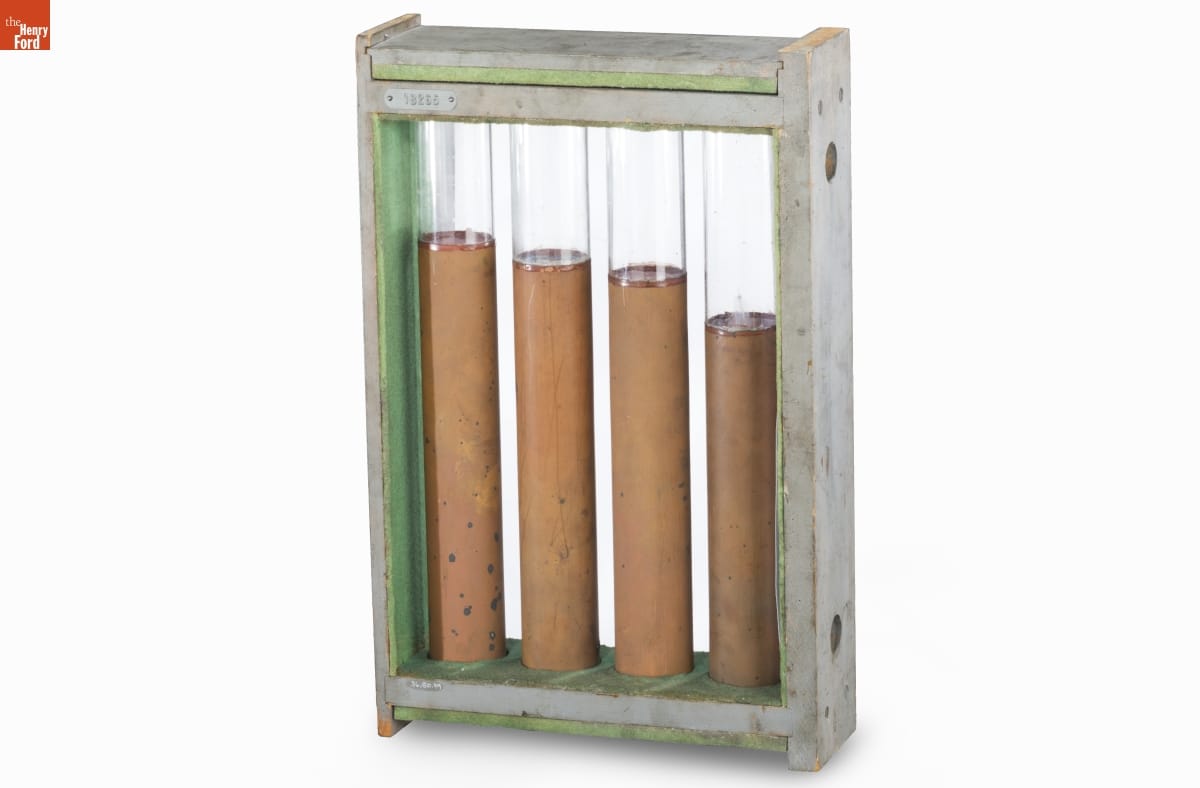
- 1914
- Collections - Artifact
Leyden Jars and Rack, Used by the U.S. Navy, 1910
- "Manufacturing Plant of Ford Motor Company Detroit U.S.A.," circa 1910 - Ford Motor Company moved into its Highland Park plant, some six miles northwest of Detroit's city center, in January 1910. Designed by architect Albert Kahn, the factory featured steel-and-concrete construction and ample glass to admit sunlight. Administrative offices were housed in an impressive four-story Administration Building on Woodward Avenue. Ford developed its highly influential moving assembly line at Highland Park.
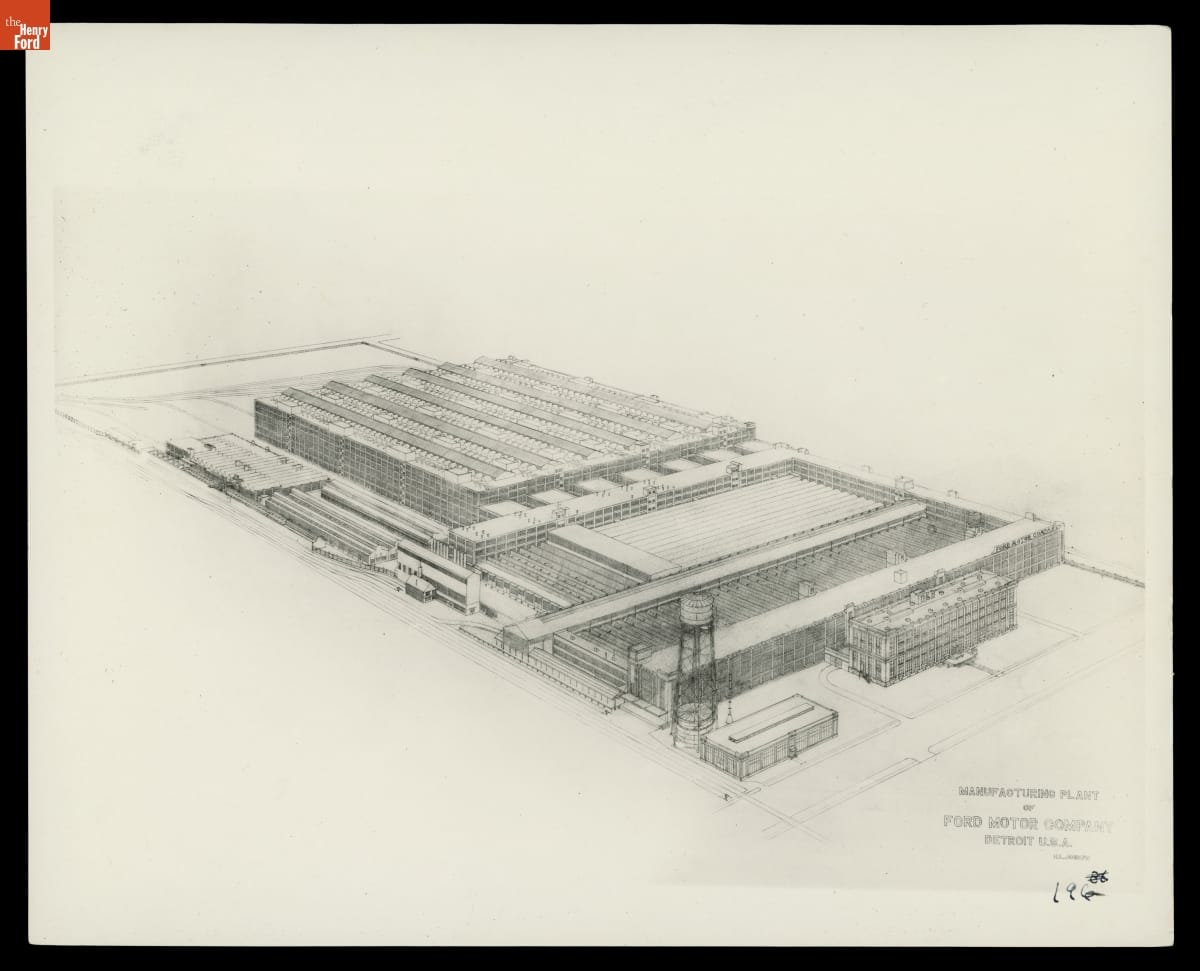
- circa 1910
- Collections - Artifact
"Manufacturing Plant of Ford Motor Company Detroit U.S.A.," circa 1910
Ford Motor Company moved into its Highland Park plant, some six miles northwest of Detroit's city center, in January 1910. Designed by architect Albert Kahn, the factory featured steel-and-concrete construction and ample glass to admit sunlight. Administrative offices were housed in an impressive four-story Administration Building on Woodward Avenue. Ford developed its highly influential moving assembly line at Highland Park.
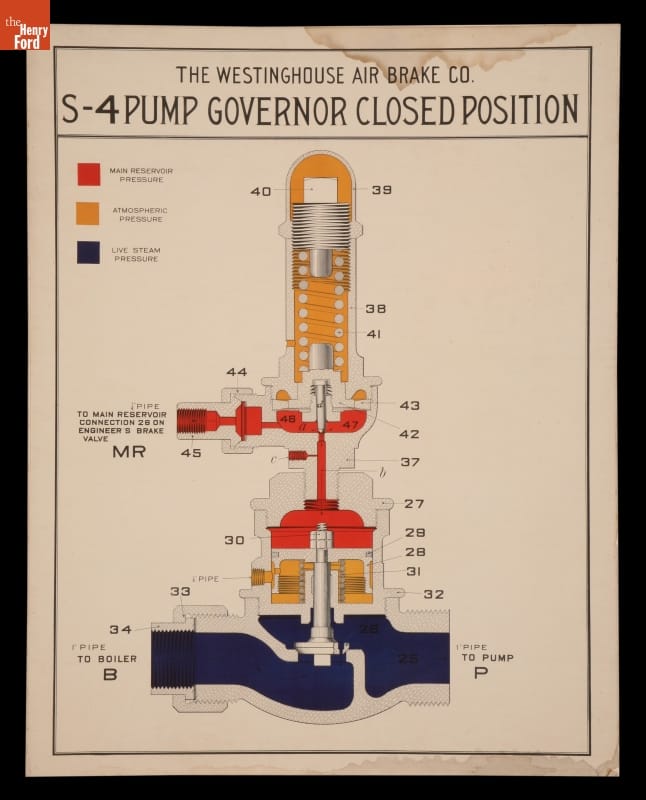
- Poster, "The Westinghouse Air Brake Company S-4 Governor Closed Position," circa 1910 - Before the air brake's introduction, brakemen stopped trains by scrambling from car to car and setting individual brake mechanisms on each one. It was dangerous even in fair weather, let alone in wet or icy conditions. George Westinghouse's brake used air pumped from the locomotive, through an airline running the train's length, to operate brakes on each car automatically.
- circa 1910
- Collections - Artifact
Poster, "The Westinghouse Air Brake Company S-4 Governor Closed Position," circa 1910
Before the air brake's introduction, brakemen stopped trains by scrambling from car to car and setting individual brake mechanisms on each one. It was dangerous even in fair weather, let alone in wet or icy conditions. George Westinghouse's brake used air pumped from the locomotive, through an airline running the train's length, to operate brakes on each car automatically.
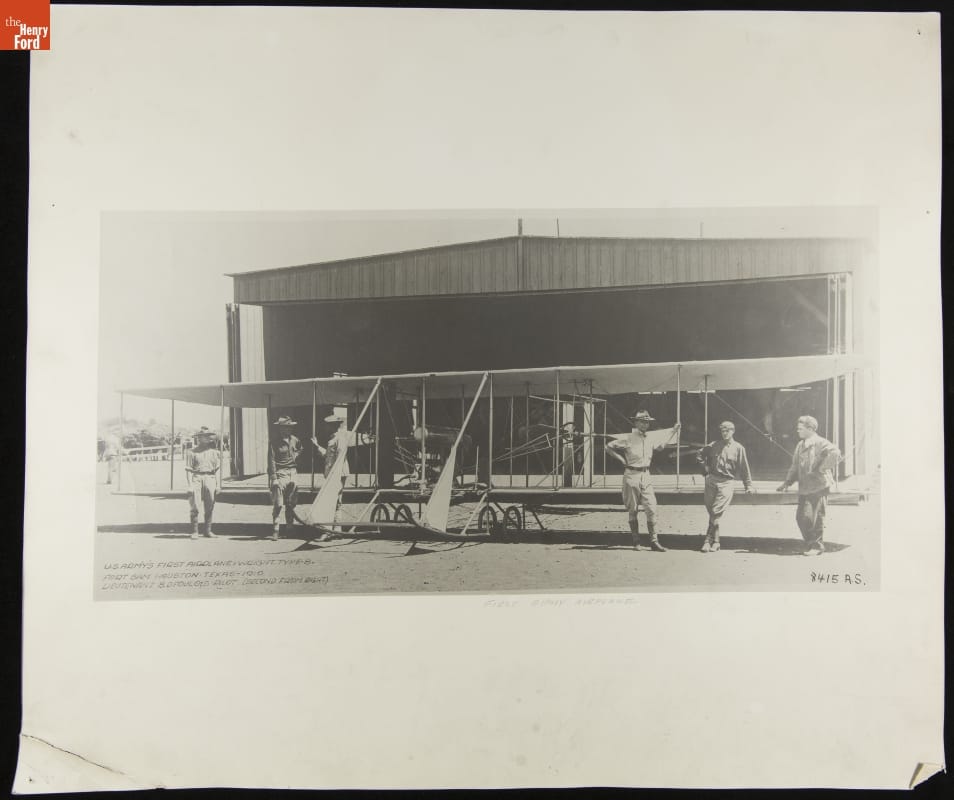
- U.S. Army's First Airplane - Wright Type B, Fort Sam Houston, Texas, 1910 - In 1908, the Wright brothers secured a $25,000 contract with the U.S. Army Signal Corps to deliver an airplane capable of carrying a pilot and a passenger, and able to travel at speeds up to 40 miles per hour. The Wright Model B met those requirements, and it was accepted for service by the U.S. Army in 1910.
- 1910
- Collections - Artifact
U.S. Army's First Airplane - Wright Type B, Fort Sam Houston, Texas, 1910
In 1908, the Wright brothers secured a $25,000 contract with the U.S. Army Signal Corps to deliver an airplane capable of carrying a pilot and a passenger, and able to travel at speeds up to 40 miles per hour. The Wright Model B met those requirements, and it was accepted for service by the U.S. Army in 1910.