
Search
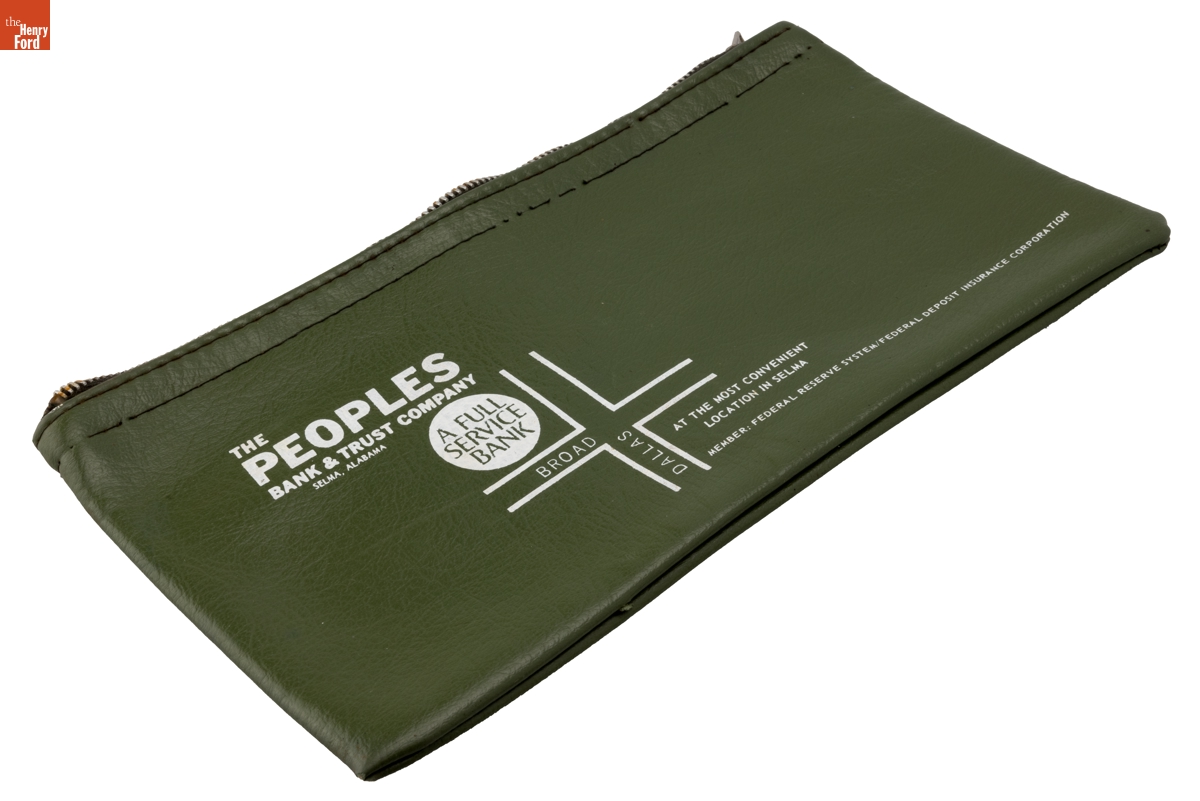
- "The Peoples Bank & Trust Company" Money Bag Used by the Jackson Family, Selma, Alabama -
- Collections - Artifact
"The Peoples Bank & Trust Company" Money Bag Used by the Jackson Family, Selma, Alabama
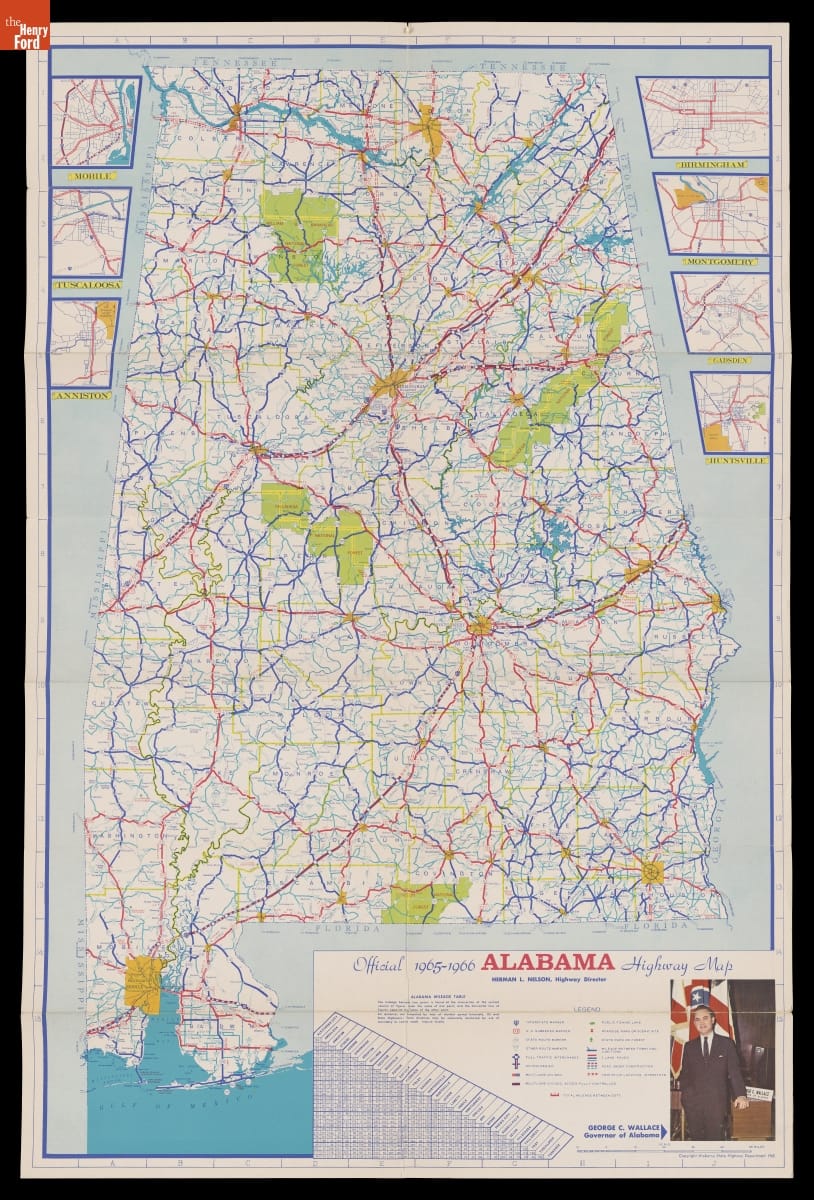
- "Alabama Official State Map," 1965-1966 -
- 1965-1966
- Collections - Artifact
"Alabama Official State Map," 1965-1966
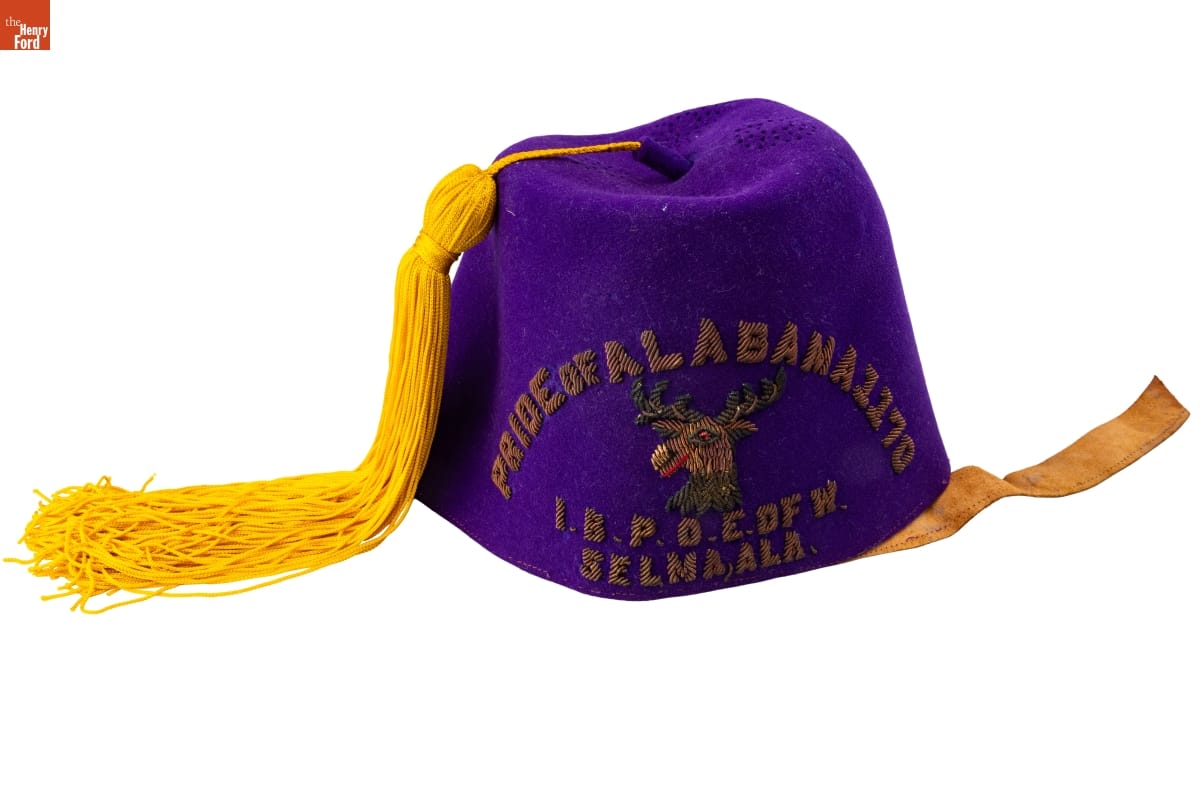
- I.B.P.O.E.W., "Pride of Alabama" Lodge 1170" Fez, Selma, Alabama -
- 1955-1960
- Collections - Artifact
I.B.P.O.E.W., "Pride of Alabama" Lodge 1170" Fez, Selma, Alabama
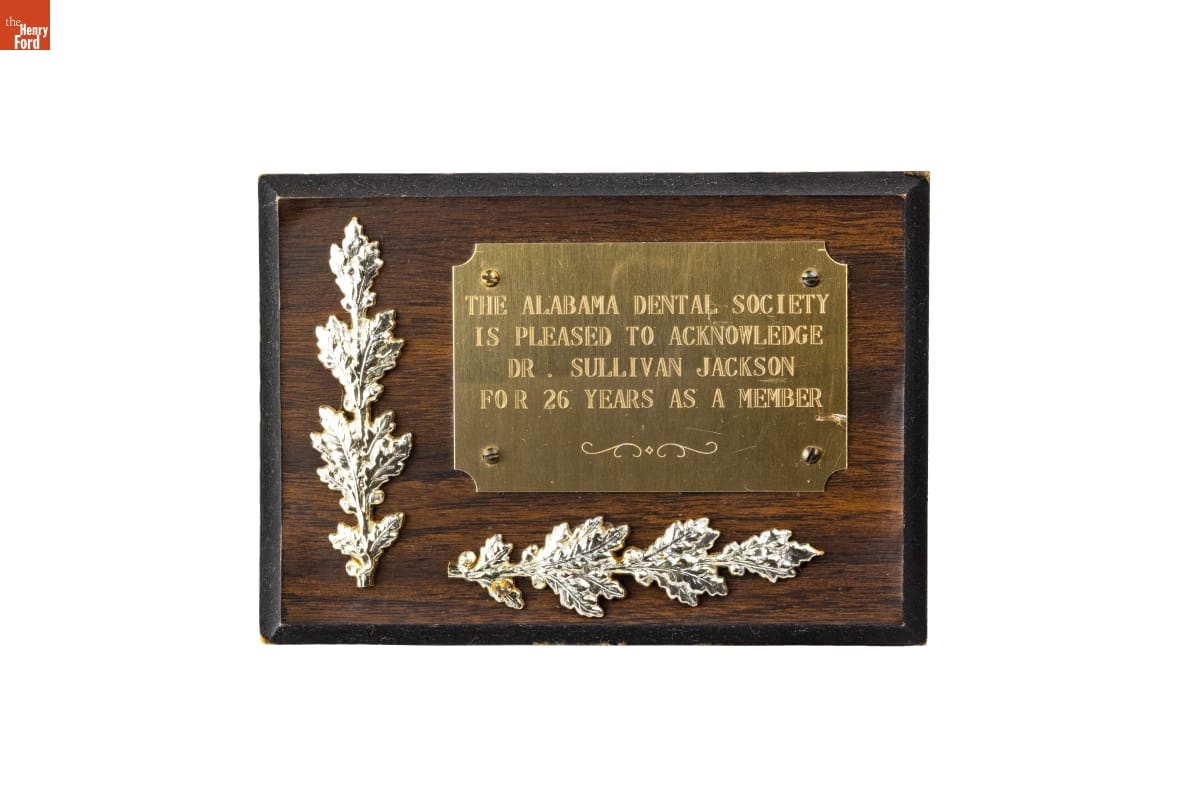
- The Alabama Dental Society Award Presented Dr. Sullivan Jackson, Selma, Alabama -
- 1989
- Collections - Artifact
The Alabama Dental Society Award Presented Dr. Sullivan Jackson, Selma, Alabama
- Alabama License Plate, 1929 - Early state-issued license plates were made of porcelain-coated iron. Later, states stamped tin, steel, or even copper to make plates. During the Second World War several states used fiberboard. Plate colors varied and some states added symbols, mottoes, or other design elements. Today, states use reflective sheeting to coat a standard-sized aluminum blank which is then stamped and decorated.
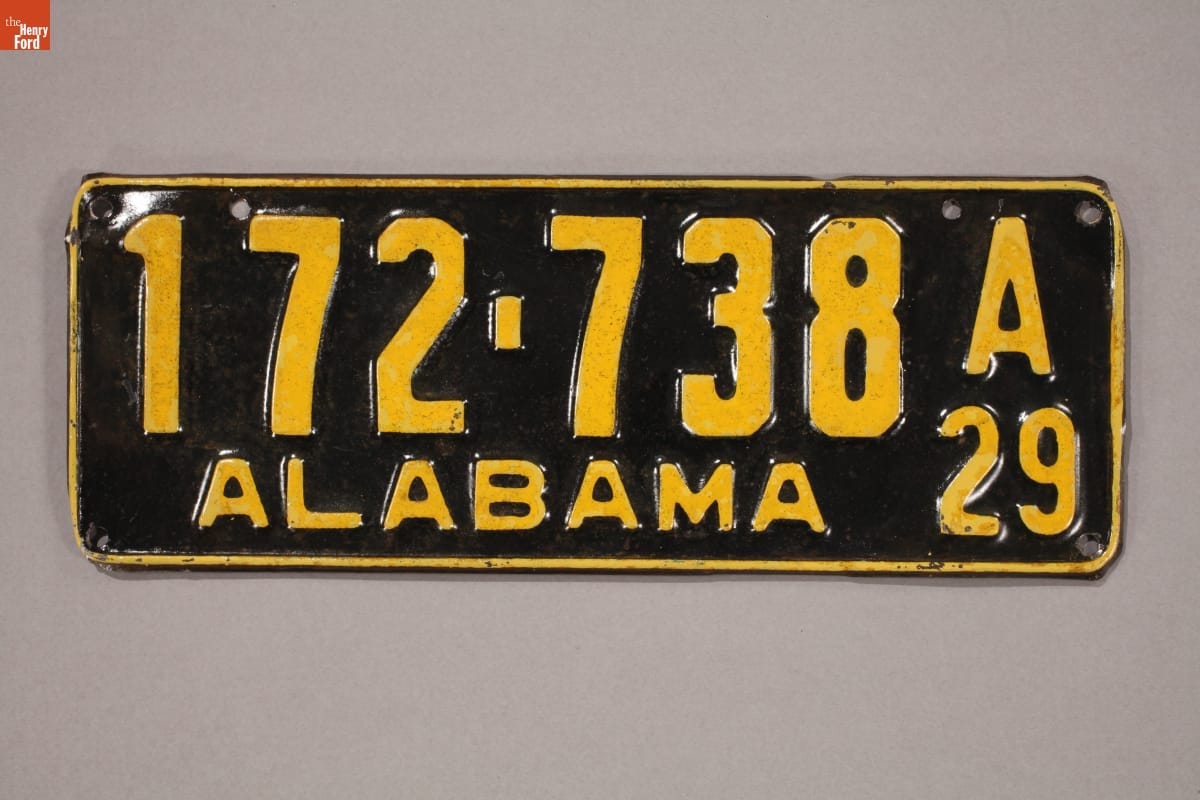
- 1929
- Collections - Artifact
Alabama License Plate, 1929
Early state-issued license plates were made of porcelain-coated iron. Later, states stamped tin, steel, or even copper to make plates. During the Second World War several states used fiberboard. Plate colors varied and some states added symbols, mottoes, or other design elements. Today, states use reflective sheeting to coat a standard-sized aluminum blank which is then stamped and decorated.
- "Under Arrest in Alabama Racial Incident," Demonstrators in Selma, Alabama, February 3, 1965 -
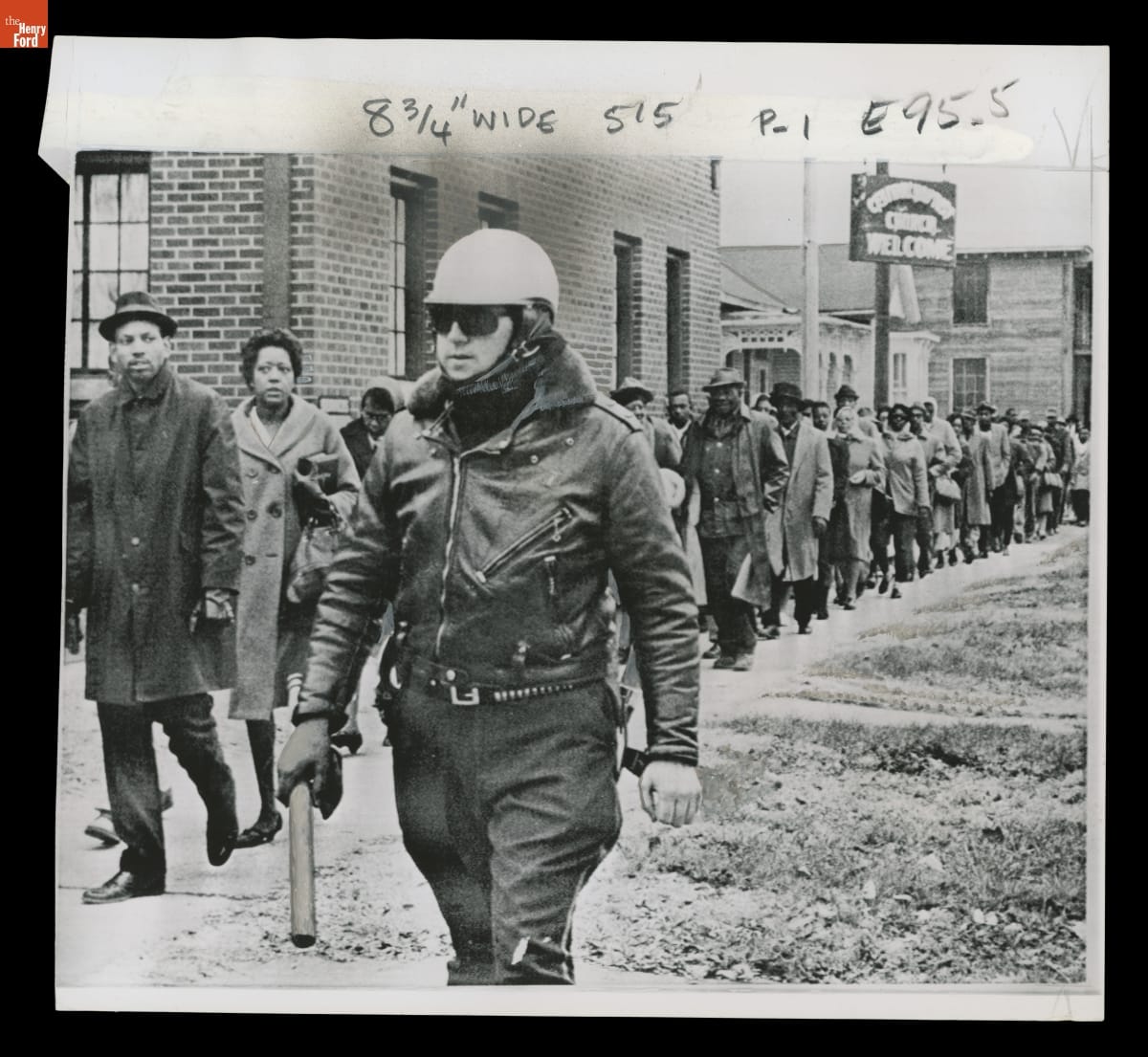
- February 03, 1965
- Collections - Artifact
"Under Arrest in Alabama Racial Incident," Demonstrators in Selma, Alabama, February 3, 1965
- Injunction Filed by Selma Bus Lines and City of Selma, Alabama, against Martin Luther King, Jr. and Voting Rights Protesters, March 24, 1965 -
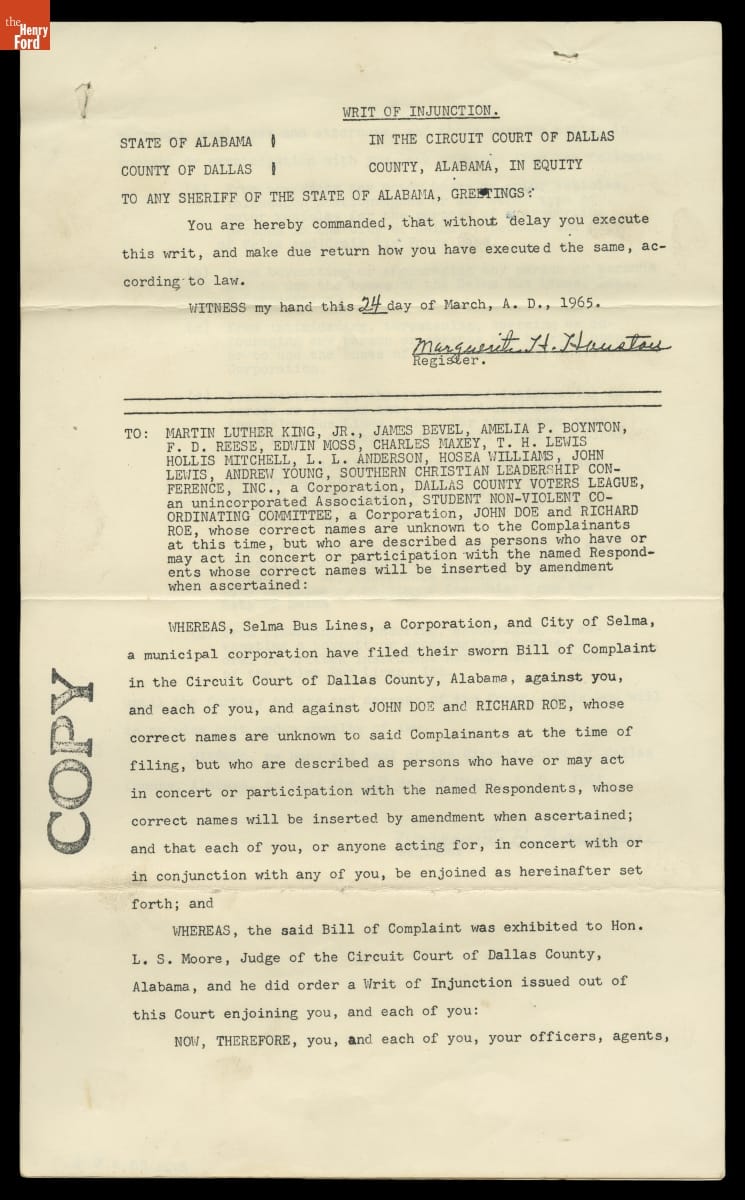
- March 24, 1965
- Collections - Artifact
Injunction Filed by Selma Bus Lines and City of Selma, Alabama, against Martin Luther King, Jr. and Voting Rights Protesters, March 24, 1965
- Injunction Filed by James A. Minter, Jr. of Selma, Alabama against Voting Rights Protesters on His Land, March 19, 1965 -
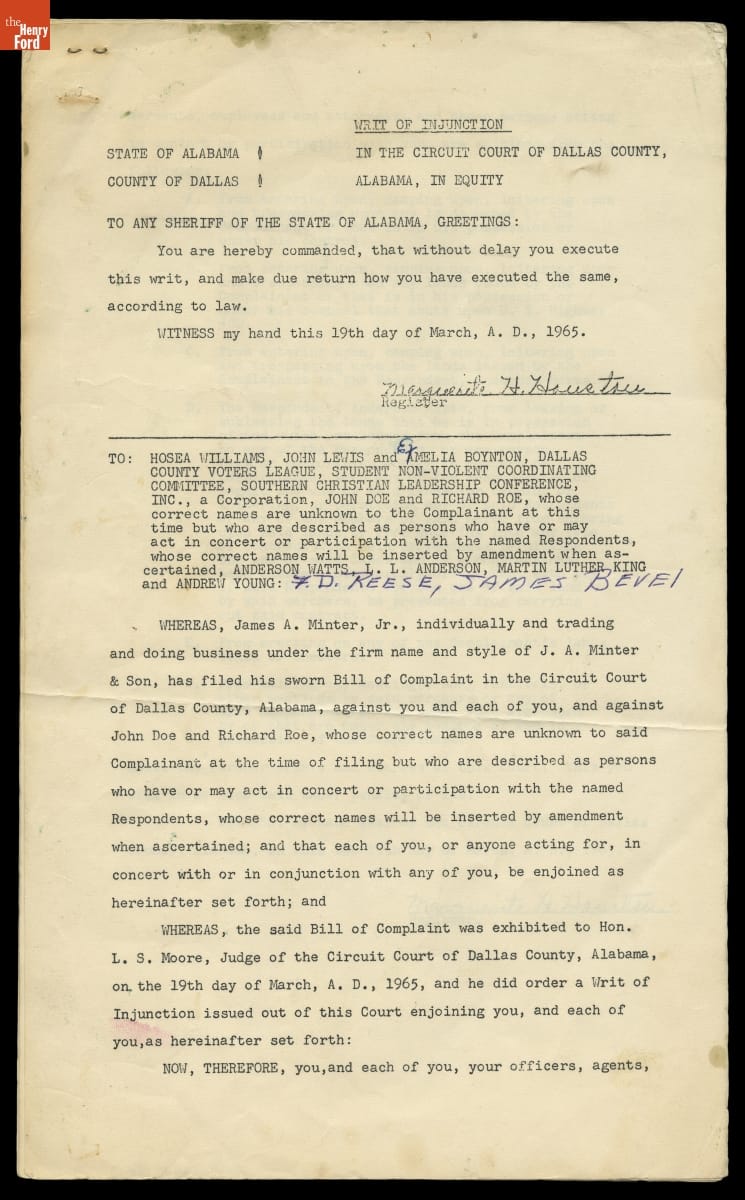
- March 19, 1965
- Collections - Artifact
Injunction Filed by James A. Minter, Jr. of Selma, Alabama against Voting Rights Protesters on His Land, March 19, 1965
- Food Preservation: Be Prepared, 1932 -
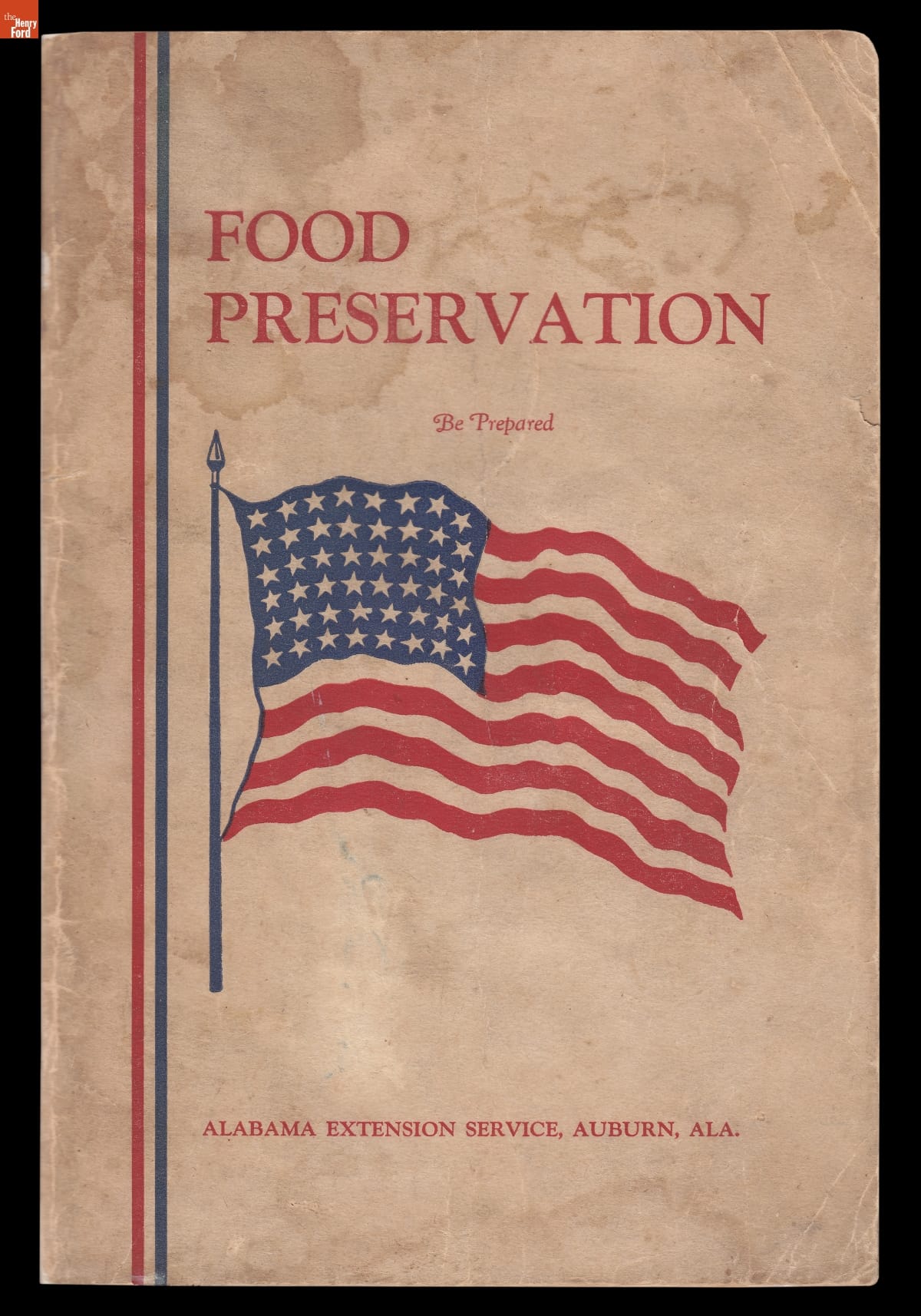
- 1932
- Collections - Artifact
Food Preservation: Be Prepared, 1932
- Voting Rights Marchers Walking toward the Alabama Capitol Building, Montgomery, Alabama, March 25, 1965 - Carl Benkert, Jr. (1922-2010) was an industrial designer from Michigan who traveled to Selma, Alabama in March of 1965 to participate in the Voting Rights Movement. He brought his reel-to-reel tape recorder to document his experience in Alabama, capturing images and songs over the course of ten days. Benkert's recordings were released in an album later that same year.
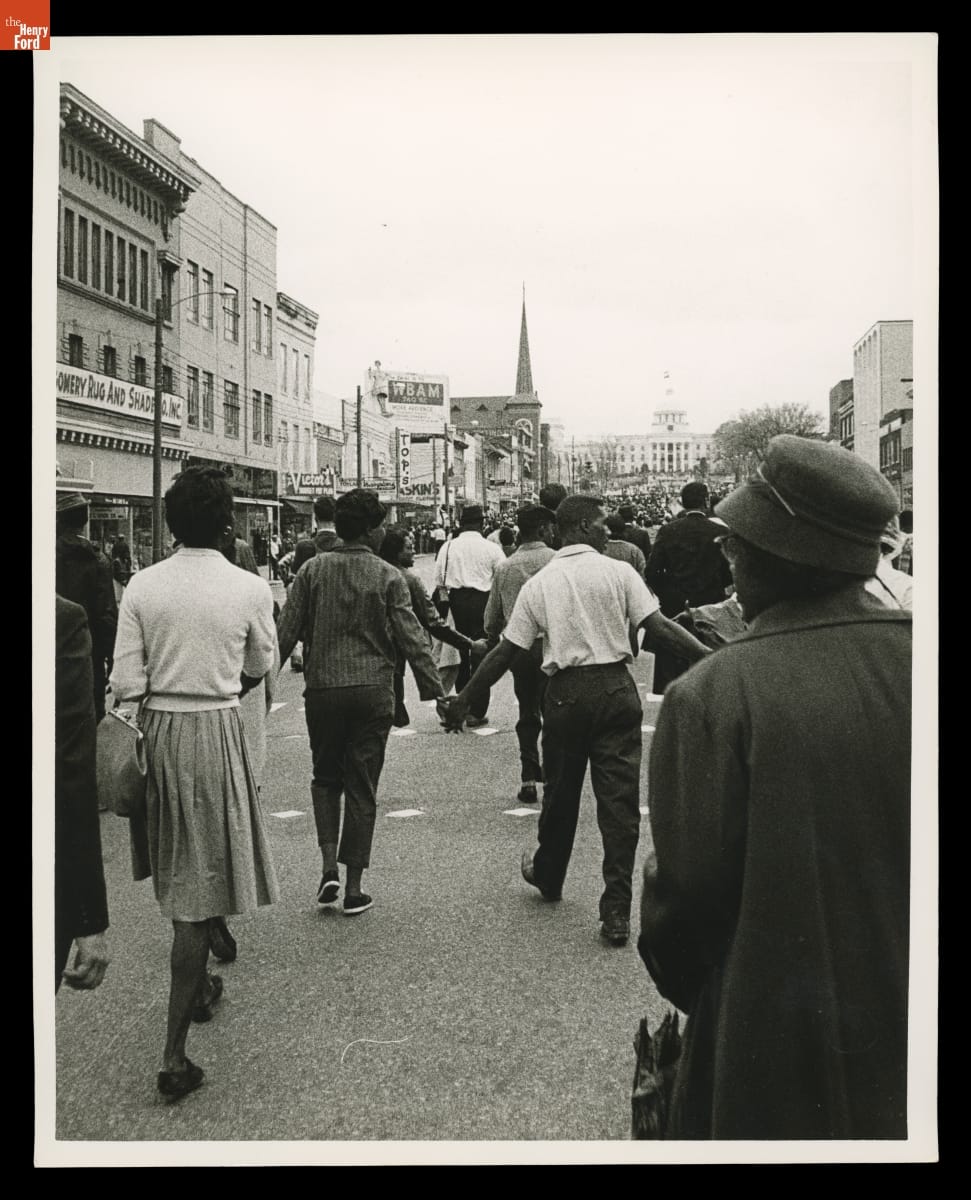
- March 25, 1965
- Collections - Artifact
Voting Rights Marchers Walking toward the Alabama Capitol Building, Montgomery, Alabama, March 25, 1965
Carl Benkert, Jr. (1922-2010) was an industrial designer from Michigan who traveled to Selma, Alabama in March of 1965 to participate in the Voting Rights Movement. He brought his reel-to-reel tape recorder to document his experience in Alabama, capturing images and songs over the course of ten days. Benkert's recordings were released in an album later that same year.