
Search
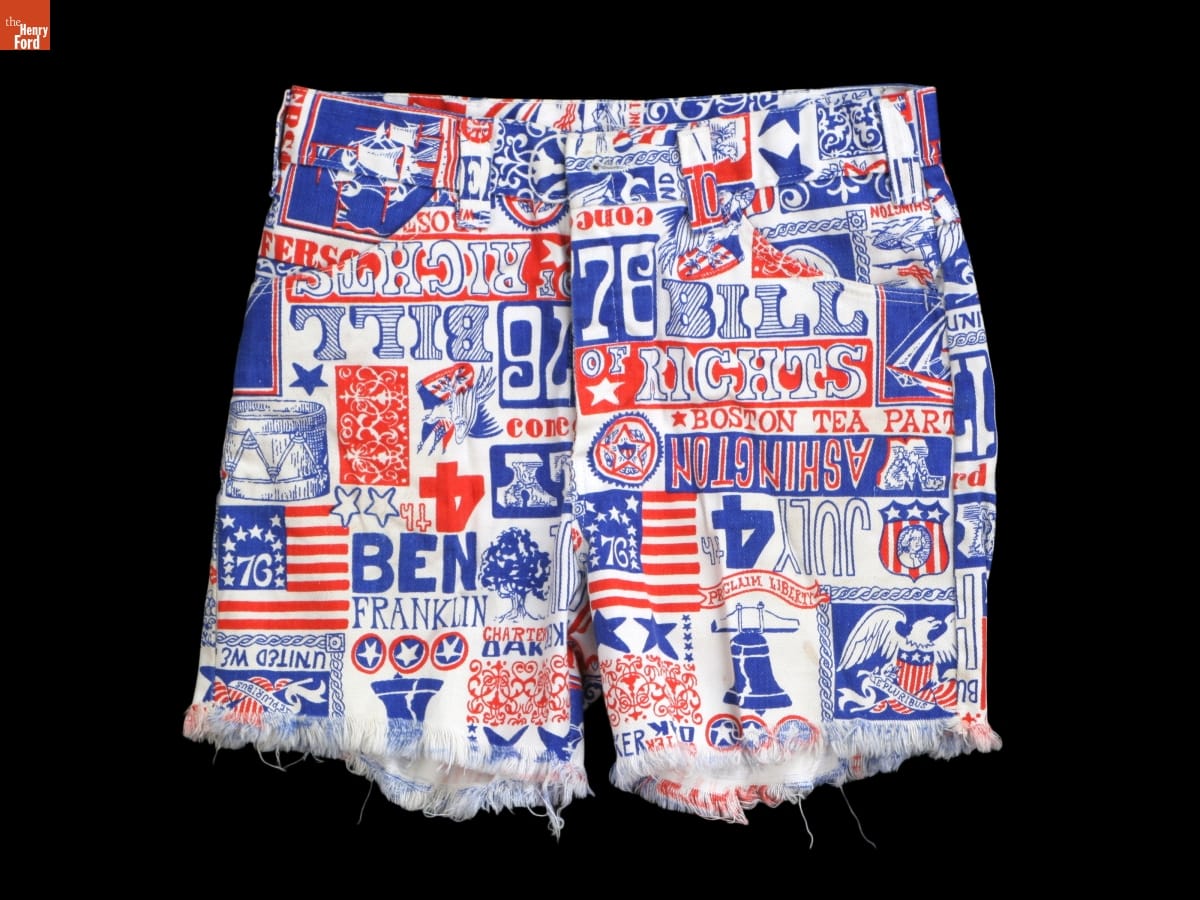
- American Revolution Bicentennial Cutoff Shorts, 1976 - Across the nation in 1976, innumerable events -- from parades and fireworks displays to television programs and sporting events -- marked the 200th anniversary of the Declaration of Independence. Many Americans donned red, white, and blue to commemorate the bicentennial. These patriotic shorts, worn by Richard Platz of Detroit, Michigan, during the celebration, include historic revolutionary icons in a contemporary aesthetic.
- 1976
- Collections - Artifact
American Revolution Bicentennial Cutoff Shorts, 1976
Across the nation in 1976, innumerable events -- from parades and fireworks displays to television programs and sporting events -- marked the 200th anniversary of the Declaration of Independence. Many Americans donned red, white, and blue to commemorate the bicentennial. These patriotic shorts, worn by Richard Platz of Detroit, Michigan, during the celebration, include historic revolutionary icons in a contemporary aesthetic.
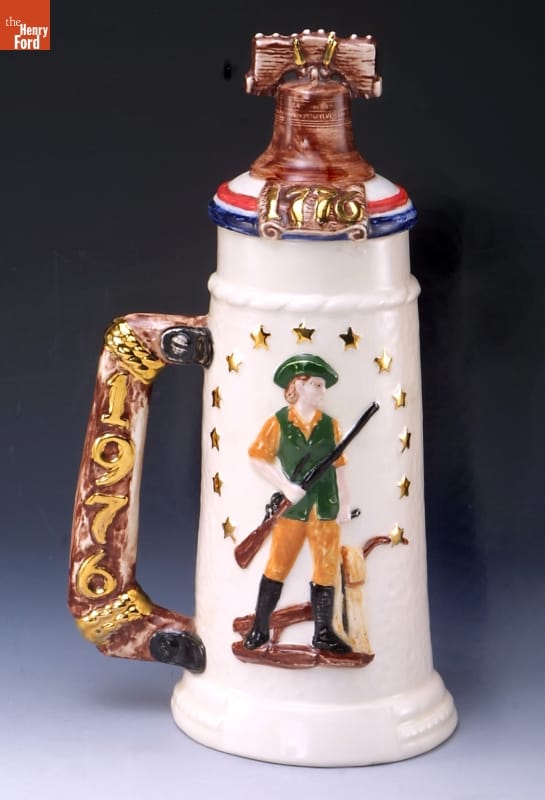
- American Revolution Bicentennial Stein, 1976 - Across the nation in 1976, innumerable events - from parades and fireworks displays to television programs and sporting events - marked the 200th anniversary of the Declaration of Independence. Many Americans celebrated enthusiastically, donning red, white, and blue and purchasing commemorative souvenirs like this stein with hand-painted patriotic imagery.
- 1976
- Collections - Artifact
American Revolution Bicentennial Stein, 1976
Across the nation in 1976, innumerable events - from parades and fireworks displays to television programs and sporting events - marked the 200th anniversary of the Declaration of Independence. Many Americans celebrated enthusiastically, donning red, white, and blue and purchasing commemorative souvenirs like this stein with hand-painted patriotic imagery.
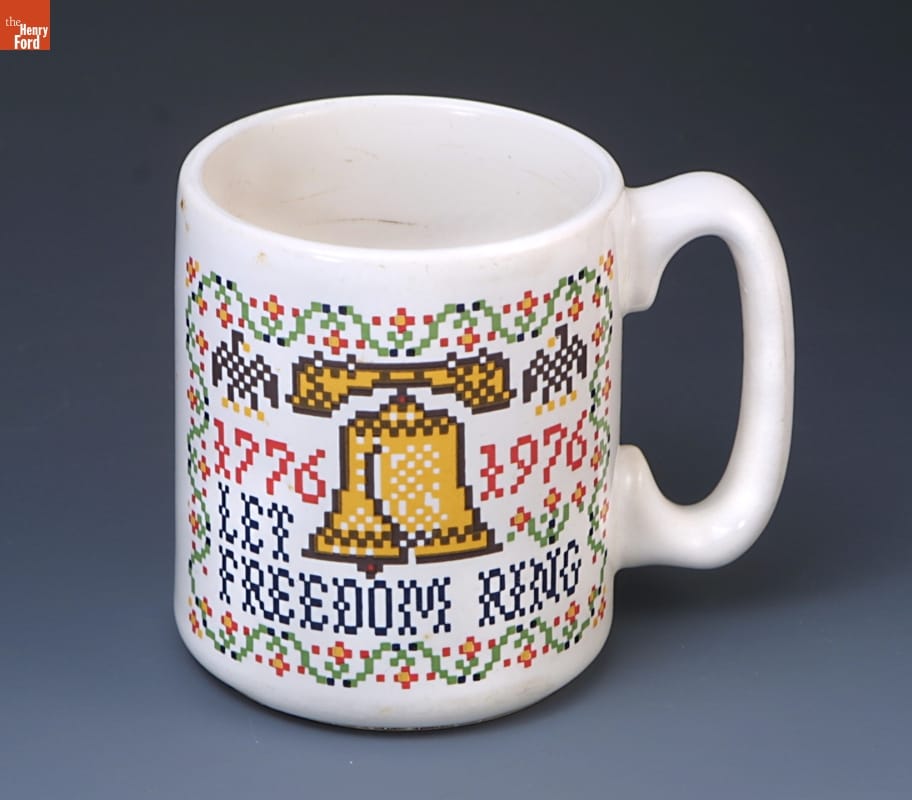
- American Revolution Bicentennial Mug, 1976 - Across the nation in 1976, innumerable events - from parades and fireworks displays to television programs and sporting events - marked the 200th anniversary of the Declaration of Independence. Patriotic Americans celebrated enthusiastically, donning red, white, and blue and purchasing commemorative souvenirs like this mug, whose design mimics traditional cross-stitch embroidery.
- 1976
- Collections - Artifact
American Revolution Bicentennial Mug, 1976
Across the nation in 1976, innumerable events - from parades and fireworks displays to television programs and sporting events - marked the 200th anniversary of the Declaration of Independence. Patriotic Americans celebrated enthusiastically, donning red, white, and blue and purchasing commemorative souvenirs like this mug, whose design mimics traditional cross-stitch embroidery.
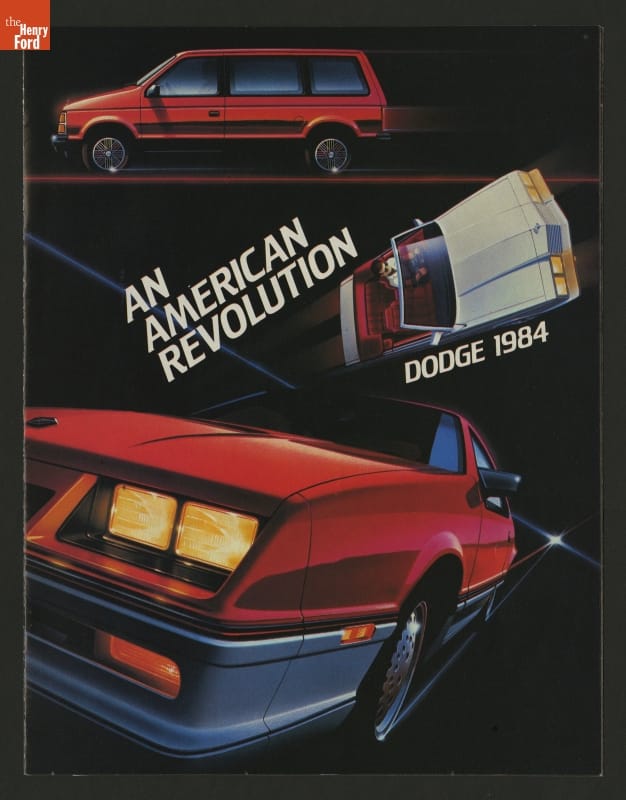
- 1984 Dodge Brochure, "An American Revolution" - Car brochures have evolved from straightforward product catalogues into polished creative sales tools. Their quality paper, rich color, inventive formats, and sophisticated graphic design all contribute to a buyer's developing impression of a car in a showroom. Advertising might entice people to a dealership, but brochures extend and deepen the relationship between vehicle and potential buyer.
- 1984
- Collections - Artifact
1984 Dodge Brochure, "An American Revolution"
Car brochures have evolved from straightforward product catalogues into polished creative sales tools. Their quality paper, rich color, inventive formats, and sophisticated graphic design all contribute to a buyer's developing impression of a car in a showroom. Advertising might entice people to a dealership, but brochures extend and deepen the relationship between vehicle and potential buyer.
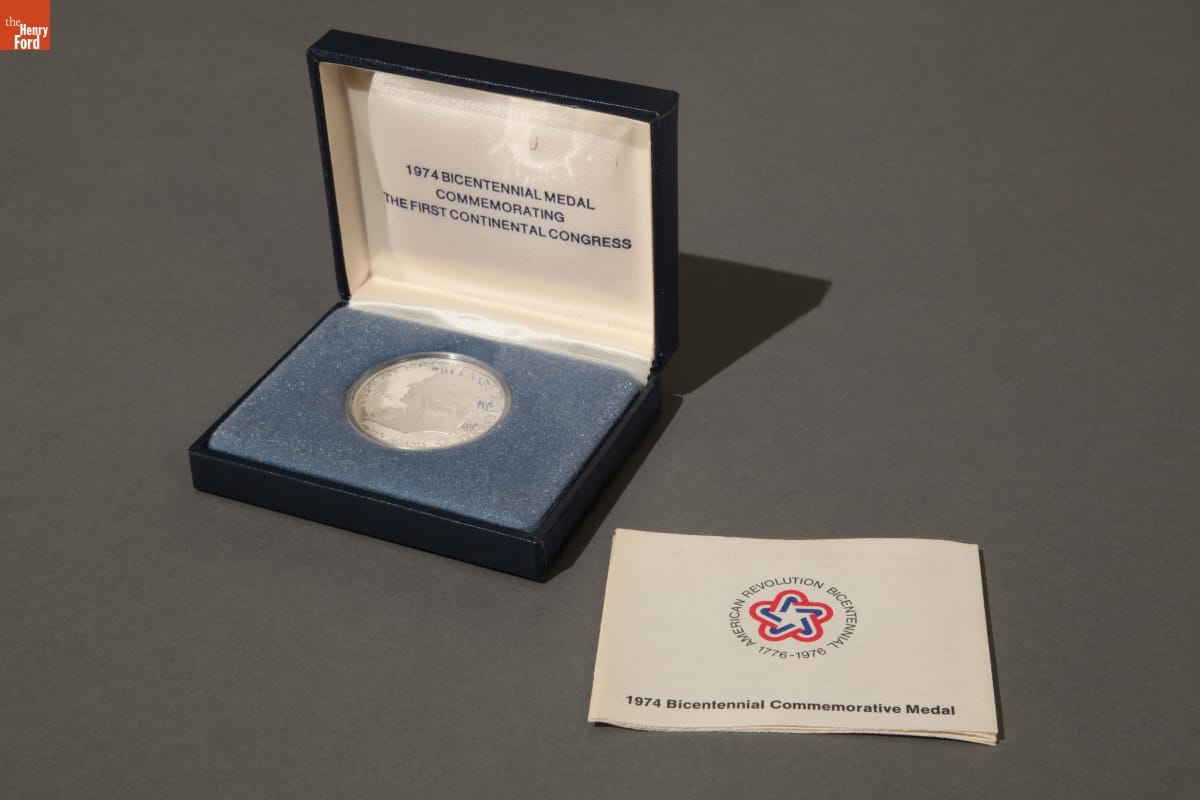
- American Revolution Bicentennial Commemorative Medal, 1974 - The celebration of America's Bicentennial began in earnest in 1974. Two hundred years before, in 1774, delegates from throughout the American colonies met in Philadelphia and convened the first Continental Congress. Their meeting led to the creation of the Declaration of Independence two years later. The U. S. Mint issued this commemorative medal recognizing the importance of the first Continental Congress.
- 1974
- Collections - Artifact
American Revolution Bicentennial Commemorative Medal, 1974
The celebration of America's Bicentennial began in earnest in 1974. Two hundred years before, in 1774, delegates from throughout the American colonies met in Philadelphia and convened the first Continental Congress. Their meeting led to the creation of the Declaration of Independence two years later. The U. S. Mint issued this commemorative medal recognizing the importance of the first Continental Congress.
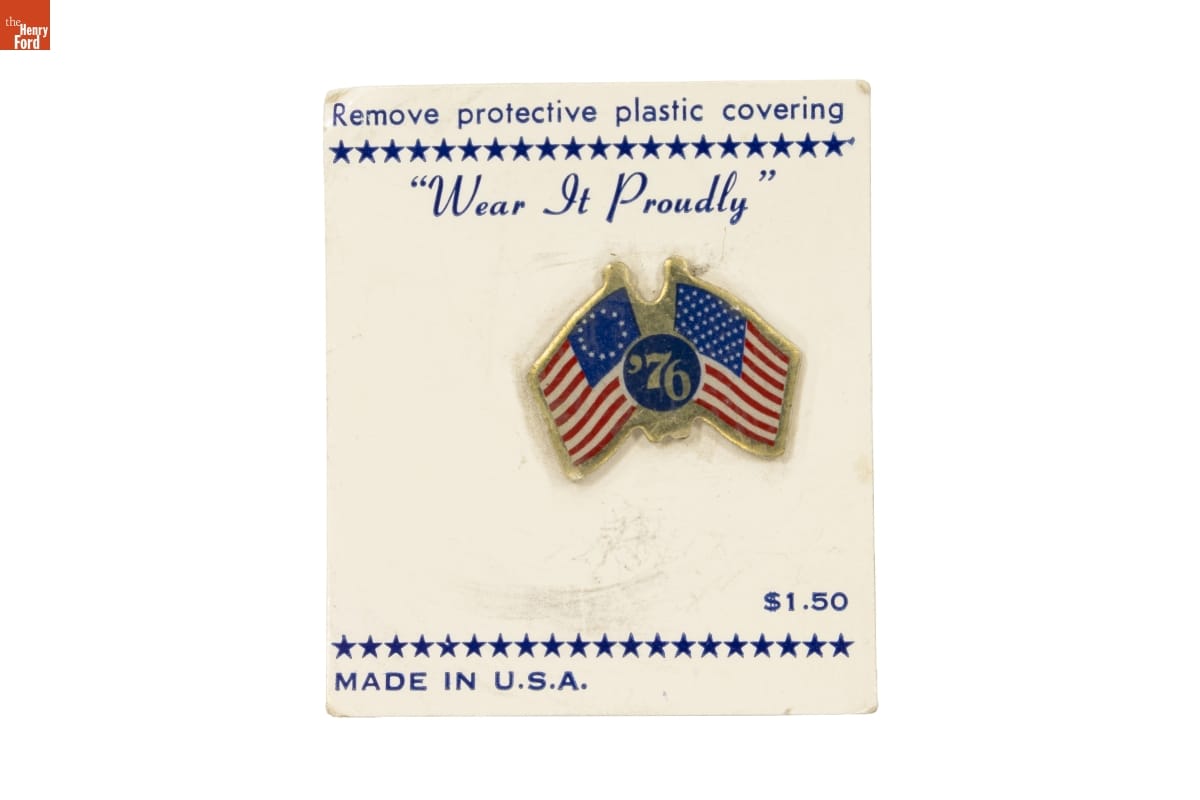
- American Revolution Bicentennial Lapel Pin, circa 1976 -
- circa 1976
- Collections - Artifact
American Revolution Bicentennial Lapel Pin, circa 1976
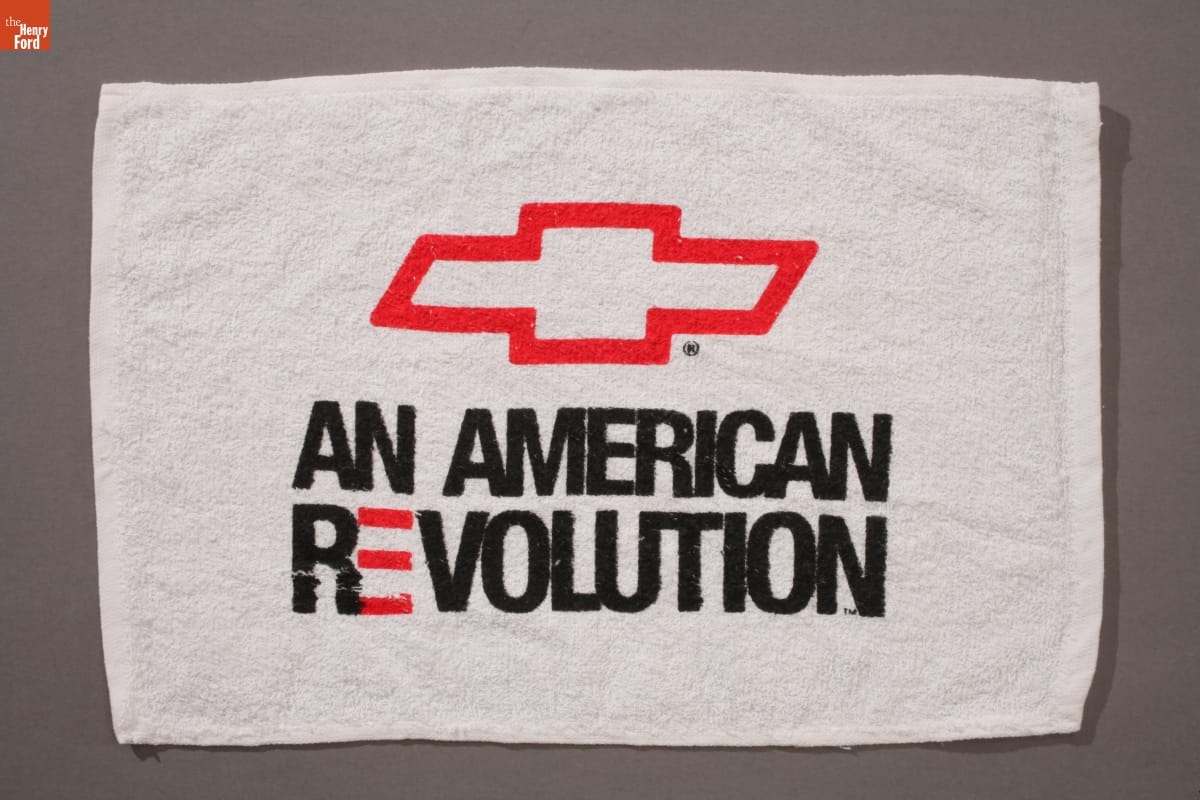
- Chevrolet "An American Revolution" Promotional Towel, 2003-2009 - Promotional giveaways can place advertising messages deeper into people's lives than billboards or magazine ads. The power of branding -- coupled with consumer brand loyalty -- has also led to the creation of promotional items designed for sale to the public. Chevrolet put its popular bowtie logo and early 2000s slogan on giveaways like this towel.
- 2003-2009
- Collections - Artifact
Chevrolet "An American Revolution" Promotional Towel, 2003-2009
Promotional giveaways can place advertising messages deeper into people's lives than billboards or magazine ads. The power of branding -- coupled with consumer brand loyalty -- has also led to the creation of promotional items designed for sale to the public. Chevrolet put its popular bowtie logo and early 2000s slogan on giveaways like this towel.
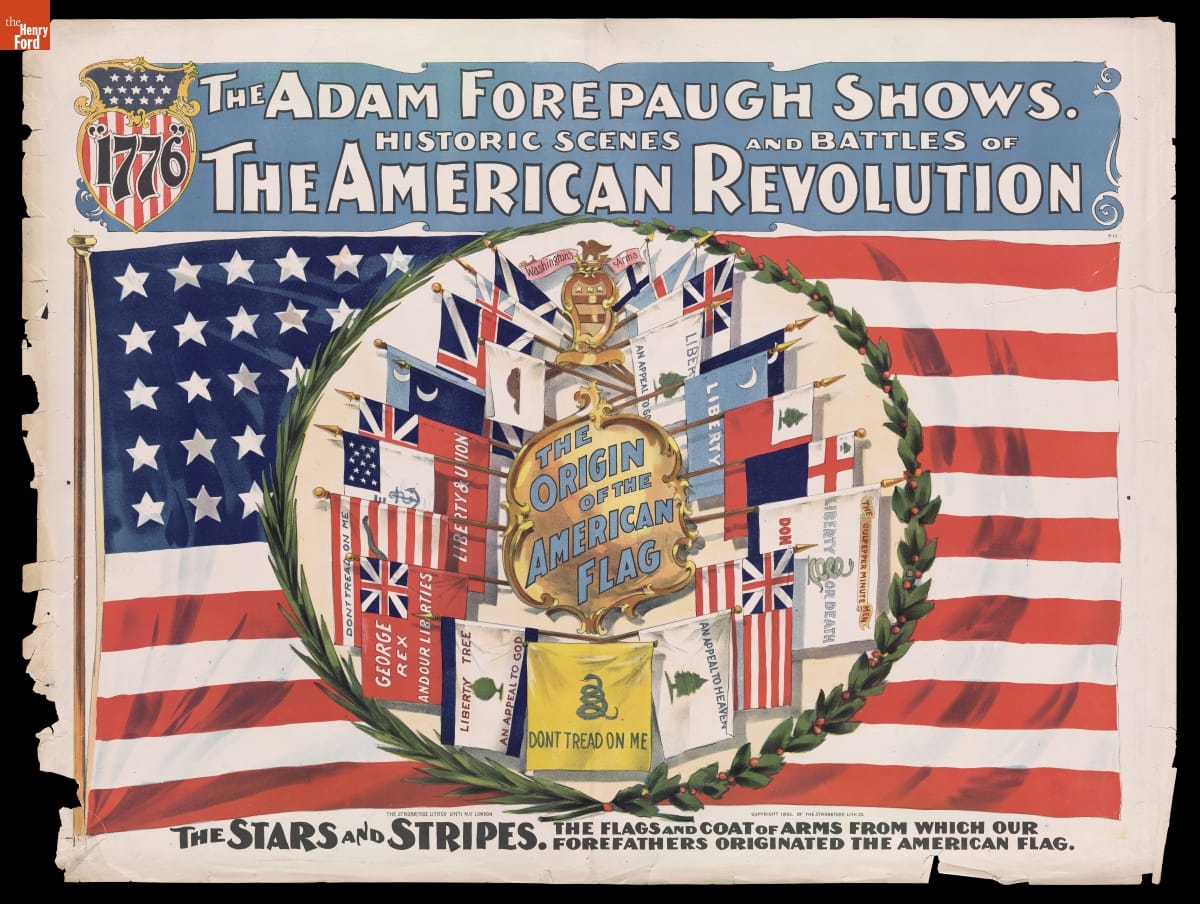
- Adam Forepaugh Shows - Historic Scenes and Battle of the American Revolution," circa 1893 - In the late nineteenth century, printers developed a lithograph method that produced brightly colored posters. In advance of a circus coming to town, general agents glued these eye-catching generic posters to building walls, fences, and in window displays. To announce when and where the performances would happen, local printers sometimes provided letterpress paper date strips to paste onto the posters' lower margin.
- Copyright 1893
- Collections - Artifact
Adam Forepaugh Shows - Historic Scenes and Battle of the American Revolution," circa 1893
In the late nineteenth century, printers developed a lithograph method that produced brightly colored posters. In advance of a circus coming to town, general agents glued these eye-catching generic posters to building walls, fences, and in window displays. To announce when and where the performances would happen, local printers sometimes provided letterpress paper date strips to paste onto the posters' lower margin.
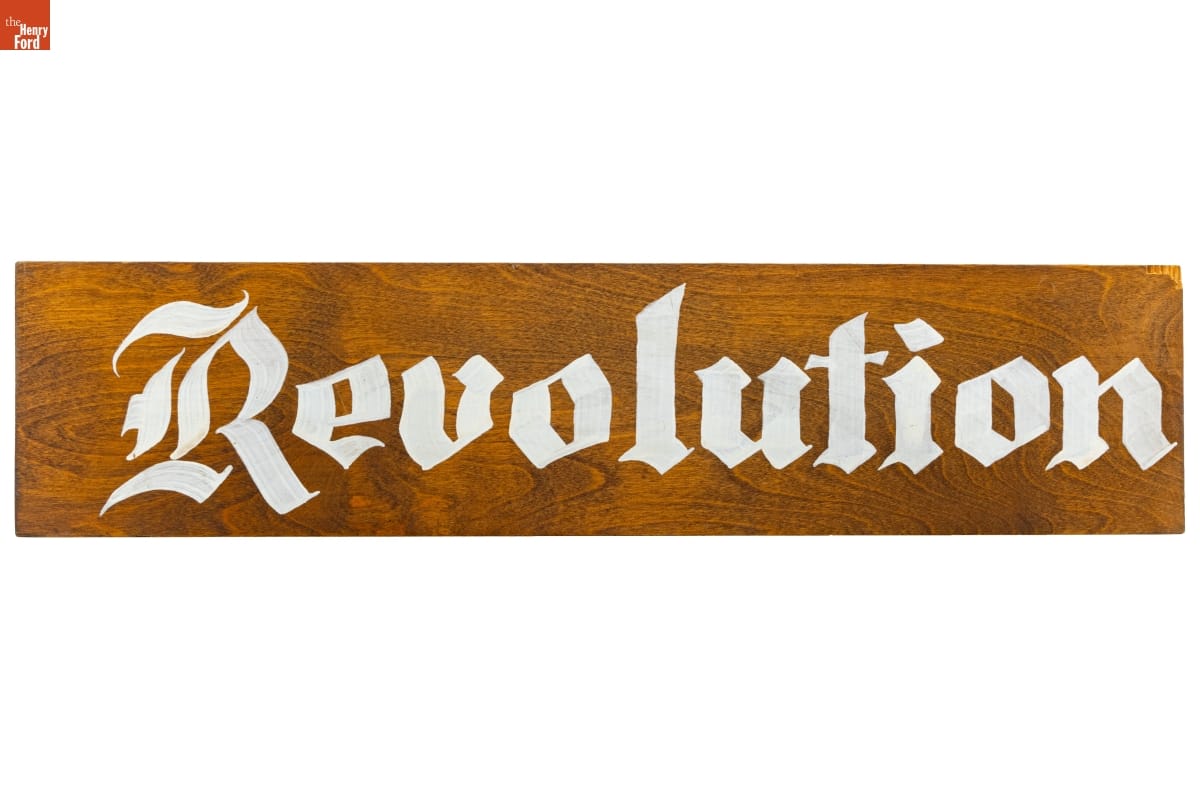
- "Revolution" Sign, 1968-1969 - Barry Egen and Wayne Snyder of Monroe, Michigan, raced their custom-built motorcycle at nearby Milan Dragway in the late 1960s. They named the bike "Revolution" after a popular song by the Beatles. Egen and Snyder exhibited their Honda-powered racer in car and motorcycle shows, too, where this sign was a part of their display.
- 1968-1969
- Collections - Artifact
"Revolution" Sign, 1968-1969
Barry Egen and Wayne Snyder of Monroe, Michigan, raced their custom-built motorcycle at nearby Milan Dragway in the late 1960s. They named the bike "Revolution" after a popular song by the Beatles. Egen and Snyder exhibited their Honda-powered racer in car and motorcycle shows, too, where this sign was a part of their display.
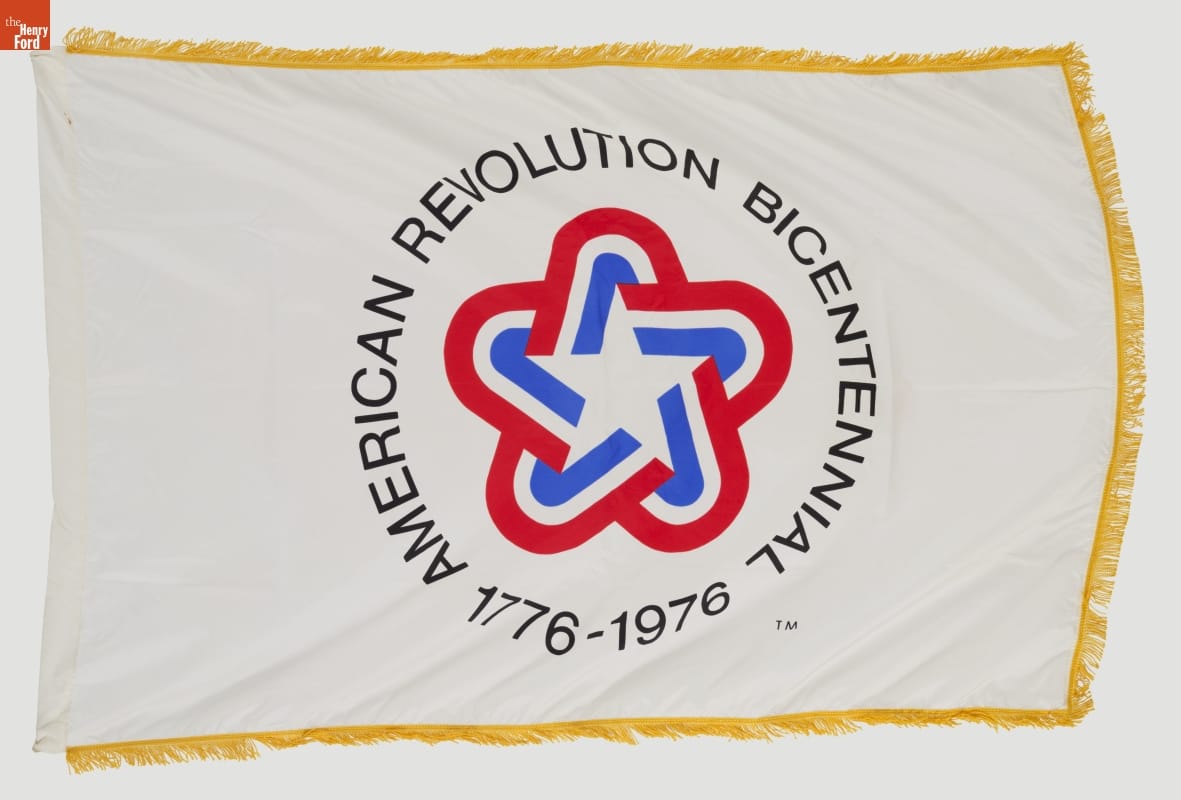
- United States Bicentennial Flag, circa 1976 - The American Revolution Bicentennial Commission evaluated graphic design proposals for an official logo for America's two-hundredth anniversary of independence. Bruce Blackburn submitted the winning design -- a traditional five-pointed star wrapped in modern red, white, and blue "bunting." The symbol appeared on souvenirs, postage stamps, and flags flown at government buildings around the country.
- circa 1976
- Collections - Artifact
United States Bicentennial Flag, circa 1976
The American Revolution Bicentennial Commission evaluated graphic design proposals for an official logo for America's two-hundredth anniversary of independence. Bruce Blackburn submitted the winning design -- a traditional five-pointed star wrapped in modern red, white, and blue "bunting." The symbol appeared on souvenirs, postage stamps, and flags flown at government buildings around the country.