
Search
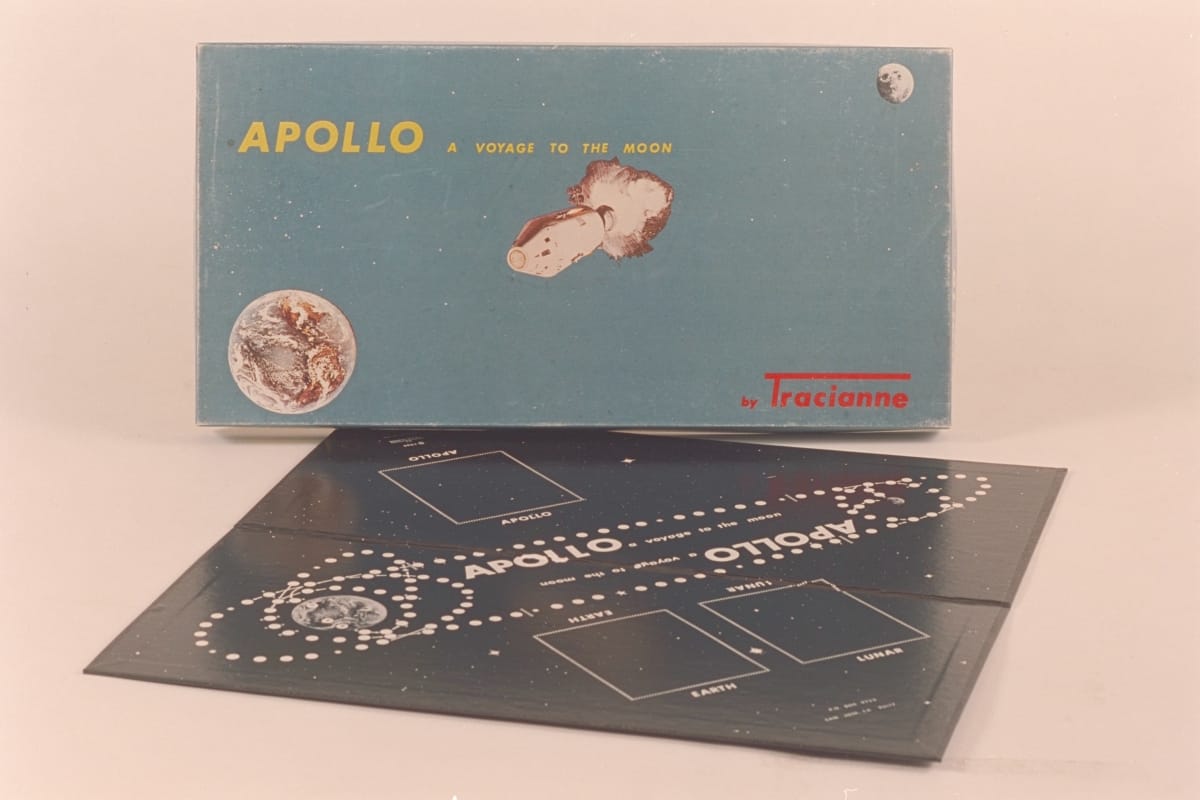
- Apollo: A Voyage to the Moon Game, 1969-1975 - On July 20, 1969, American astronauts, Neil Armstrong and Edwin Aldrin, became the first to land on the moon. Players of this moon landing-inspired board game could participate in the extraordinary space adventure of these Apollo 11 astronauts. The object of the game was to be the first to "land" on the moon, collect moon rocks, and return safely to earth.
- 1969-1975
- Collections - Artifact
Apollo: A Voyage to the Moon Game, 1969-1975
On July 20, 1969, American astronauts, Neil Armstrong and Edwin Aldrin, became the first to land on the moon. Players of this moon landing-inspired board game could participate in the extraordinary space adventure of these Apollo 11 astronauts. The object of the game was to be the first to "land" on the moon, collect moon rocks, and return safely to earth.
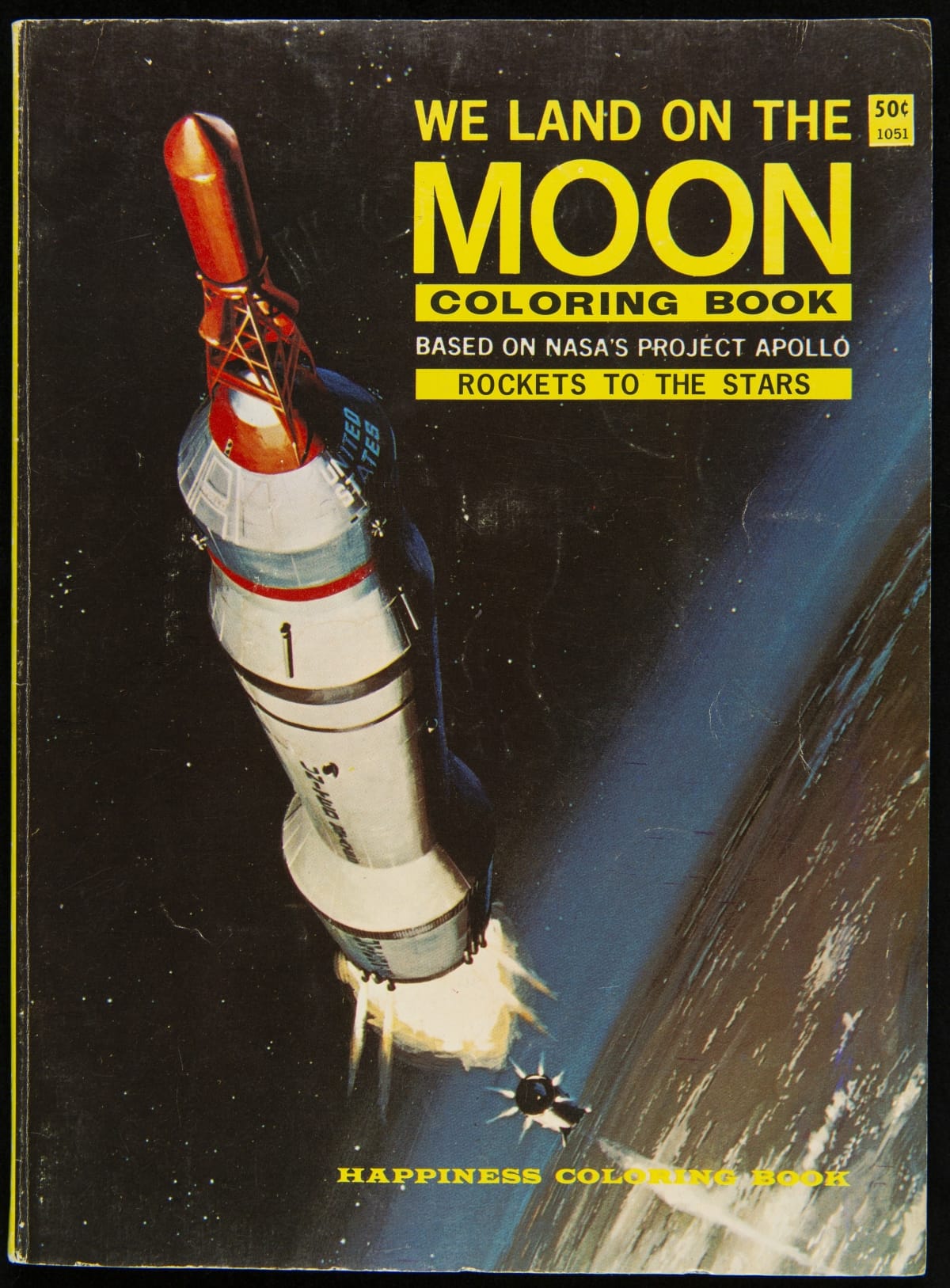
- We Land on the Moon Coloring Book Based on NASA's Project Apollo Rockets to the Stars, 1969 - This coloring book from 1969 was created to excite youngsters about the space program and especially about the moon landing of July 20. It covered the Mercury, Apollo, and Saturn vehicles and astronauts, as well as some history of the space program.
- 1969
- Collections - Artifact
We Land on the Moon Coloring Book Based on NASA's Project Apollo Rockets to the Stars, 1969
This coloring book from 1969 was created to excite youngsters about the space program and especially about the moon landing of July 20. It covered the Mercury, Apollo, and Saturn vehicles and astronauts, as well as some history of the space program.
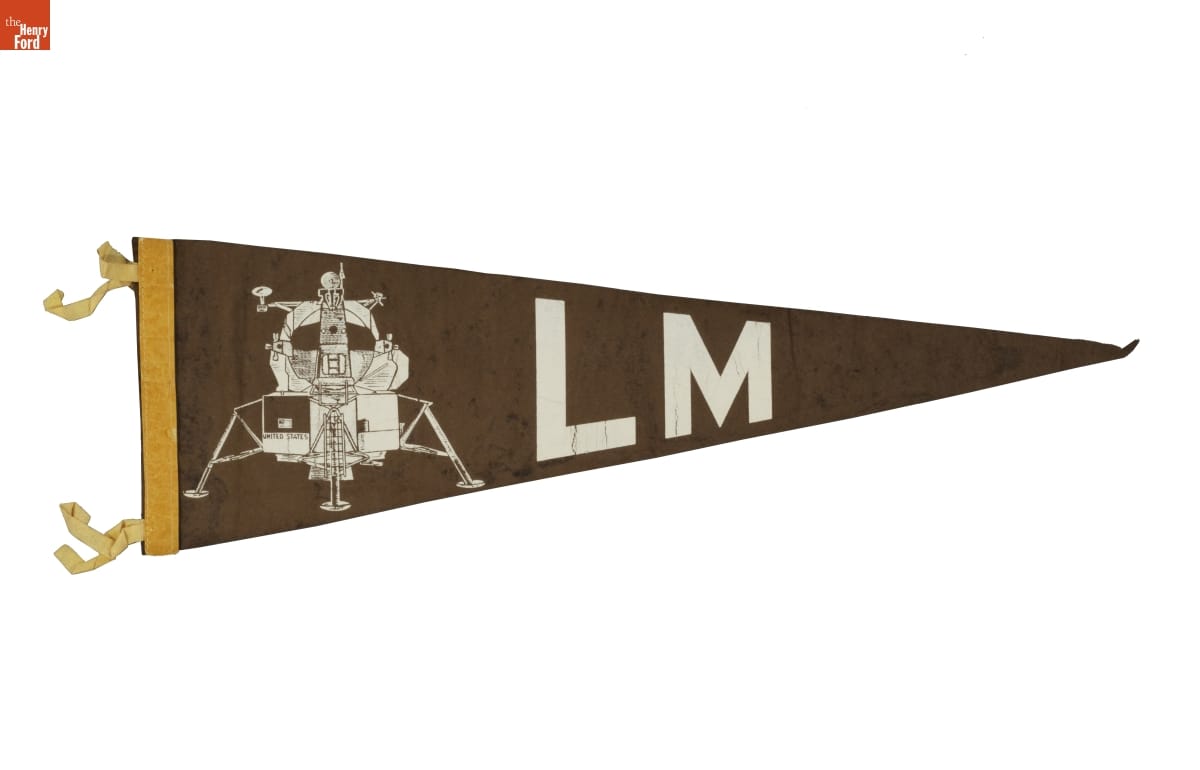
- Apollo Lunar Module "LM" Pennant, circa 1969 - The Lunar Module, or LM, depicted on this pennant allowed the Apollo astronauts to land on the Moon. The LM consisted of an ascent stage and a descent stage. Between 1969 and 1972, six Lunar Modules successfully landed and returned twelve astronauts from the lunar surface.
- circa 1969
- Collections - Artifact
Apollo Lunar Module "LM" Pennant, circa 1969
The Lunar Module, or LM, depicted on this pennant allowed the Apollo astronauts to land on the Moon. The LM consisted of an ascent stage and a descent stage. Between 1969 and 1972, six Lunar Modules successfully landed and returned twelve astronauts from the lunar surface.
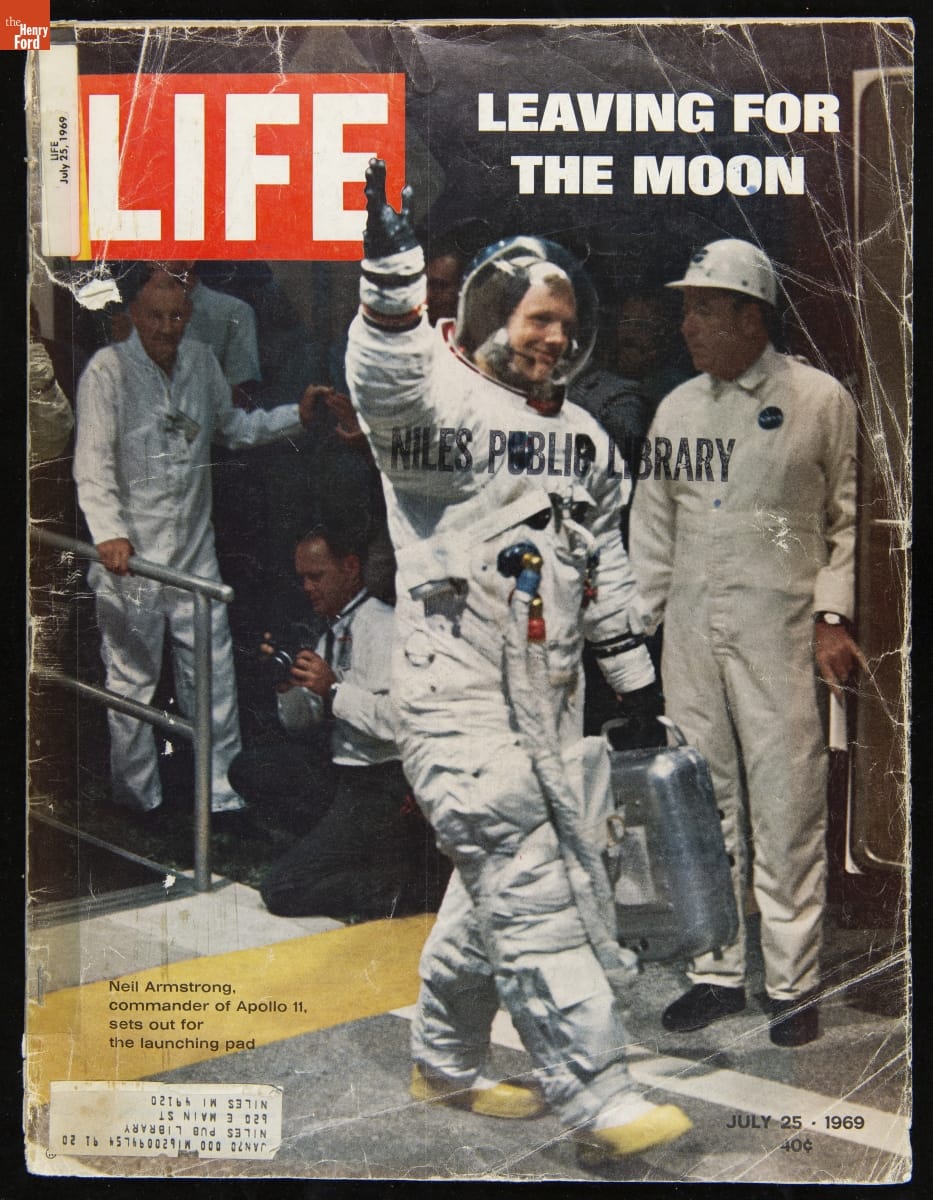
- Life Magazine, "Leaving for the Moon," July 25, 1969 - In July 1969, the ambitious plan to land a person on the Moon--laid out by President John F. Kennedy less than a decade earlier--neared reality. Americans eagerly anticipated the Apollo 11 mission, during which astronauts would walk on the Moon. <em>Life</em> magazine produced several issues before and after the event to keep the public informed on this historic undertaking.
- July 25, 1969
- Collections - Artifact
Life Magazine, "Leaving for the Moon," July 25, 1969
In July 1969, the ambitious plan to land a person on the Moon--laid out by President John F. Kennedy less than a decade earlier--neared reality. Americans eagerly anticipated the Apollo 11 mission, during which astronauts would walk on the Moon. Life magazine produced several issues before and after the event to keep the public informed on this historic undertaking.
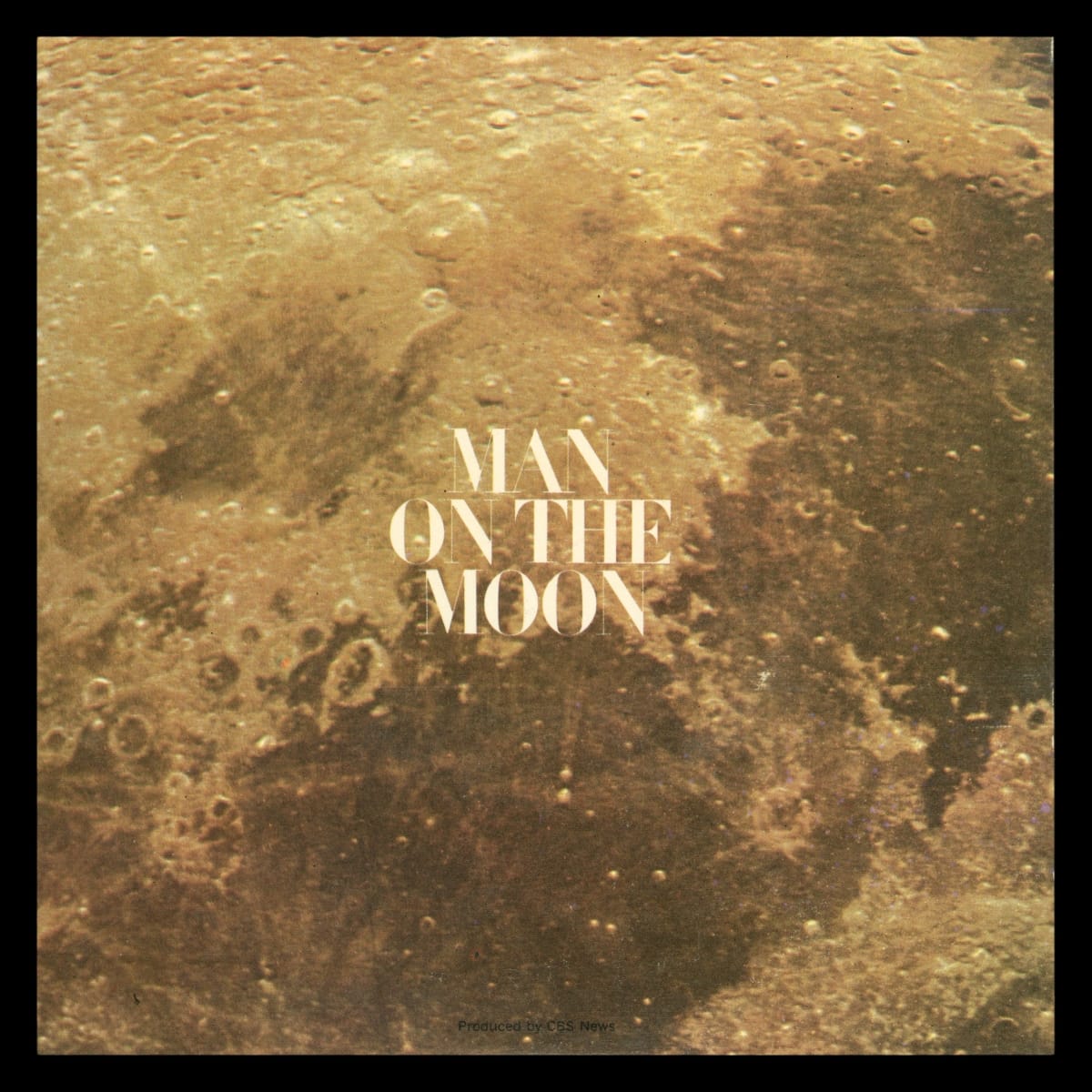
- Record Album, "Man on the Moon," Narrated by Walter Cronkite, 1969 - The 1960s were an age of space exploration, beginning with the Soviet Union's launch of Sputnik in 1957 through the landing of America's Apollo 11 on the moon in 1969. CBS news anchorman, Walter Cronkite narrates this history of the U.S. space program. President John F. Kennedy provided the major boost to the program by requesting increased funding on May 25, 1961.
- 1969
- Collections - Artifact
Record Album, "Man on the Moon," Narrated by Walter Cronkite, 1969
The 1960s were an age of space exploration, beginning with the Soviet Union's launch of Sputnik in 1957 through the landing of America's Apollo 11 on the moon in 1969. CBS news anchorman, Walter Cronkite narrates this history of the U.S. space program. President John F. Kennedy provided the major boost to the program by requesting increased funding on May 25, 1961.
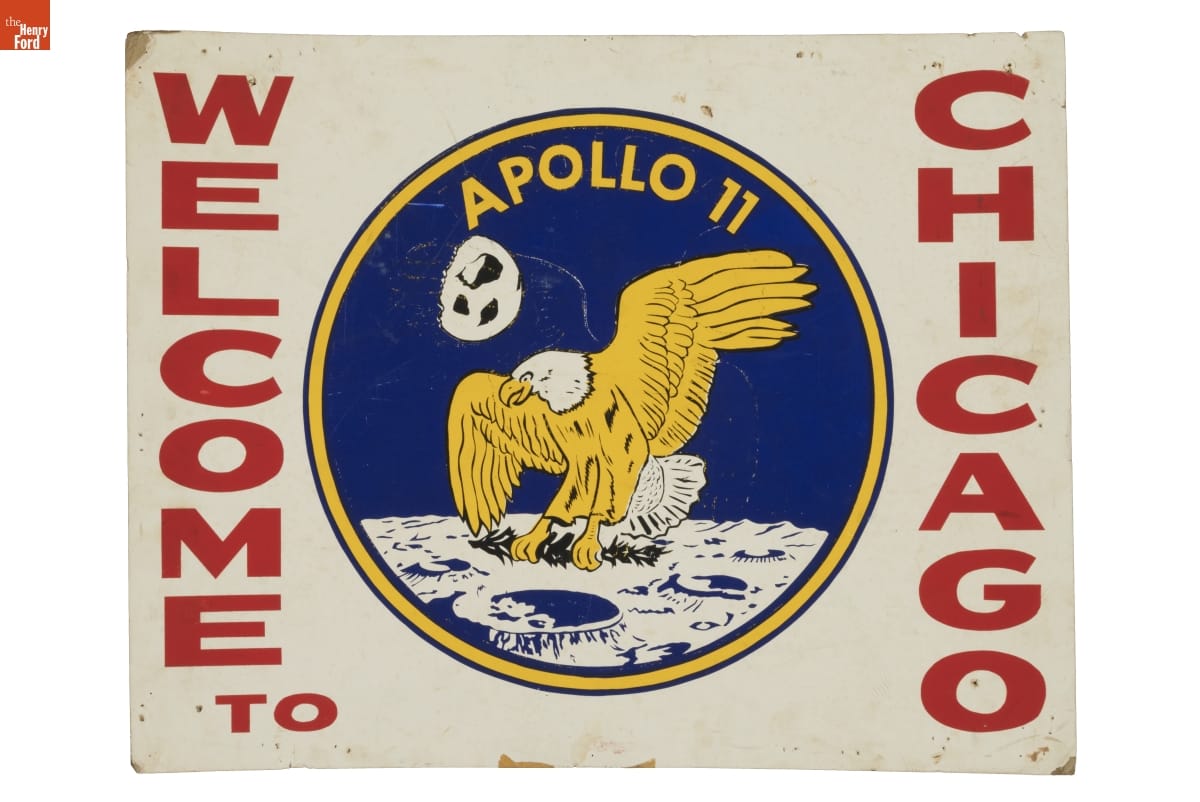
- Apollo 11 Ticker Tape Parade Sign, 1969 - The crew of Apollo 11 -- Neil Armstrong, Edwin "Buzz" Aldrin (the first men to walk on the Moon) and Michael Collins (command module pilot) -- were given a hero's welcome upon their return from space. On August 13, 1969, Chicago, Illinois, hosted a ticker-tape parade for the astronauts. This sign was one of many that lined the parade route.
- August 13, 1969
- Collections - Artifact
Apollo 11 Ticker Tape Parade Sign, 1969
The crew of Apollo 11 -- Neil Armstrong, Edwin "Buzz" Aldrin (the first men to walk on the Moon) and Michael Collins (command module pilot) -- were given a hero's welcome upon their return from space. On August 13, 1969, Chicago, Illinois, hosted a ticker-tape parade for the astronauts. This sign was one of many that lined the parade route.
- "What We Don't Talk About When We Talk About Fat," 2020 - Aubrey Gordon (born 1983), also known as “Your Fat Friend,” is an author, podcaster, and activist, focusing on fatness, fat acceptance, and anti-fat bias. Her first book, <em>What We Don't Talk About When We Talk About Fat</em>, was published in 2020. It analyzes the anti-fat bias (or “fatphobia”) embedded in American culture, and how it affects the lives of fat people.

- 2020
- Collections - Artifact
"What We Don't Talk About When We Talk About Fat," 2020
Aubrey Gordon (born 1983), also known as “Your Fat Friend,” is an author, podcaster, and activist, focusing on fatness, fat acceptance, and anti-fat bias. Her first book, What We Don't Talk About When We Talk About Fat, was published in 2020. It analyzes the anti-fat bias (or “fatphobia”) embedded in American culture, and how it affects the lives of fat people.
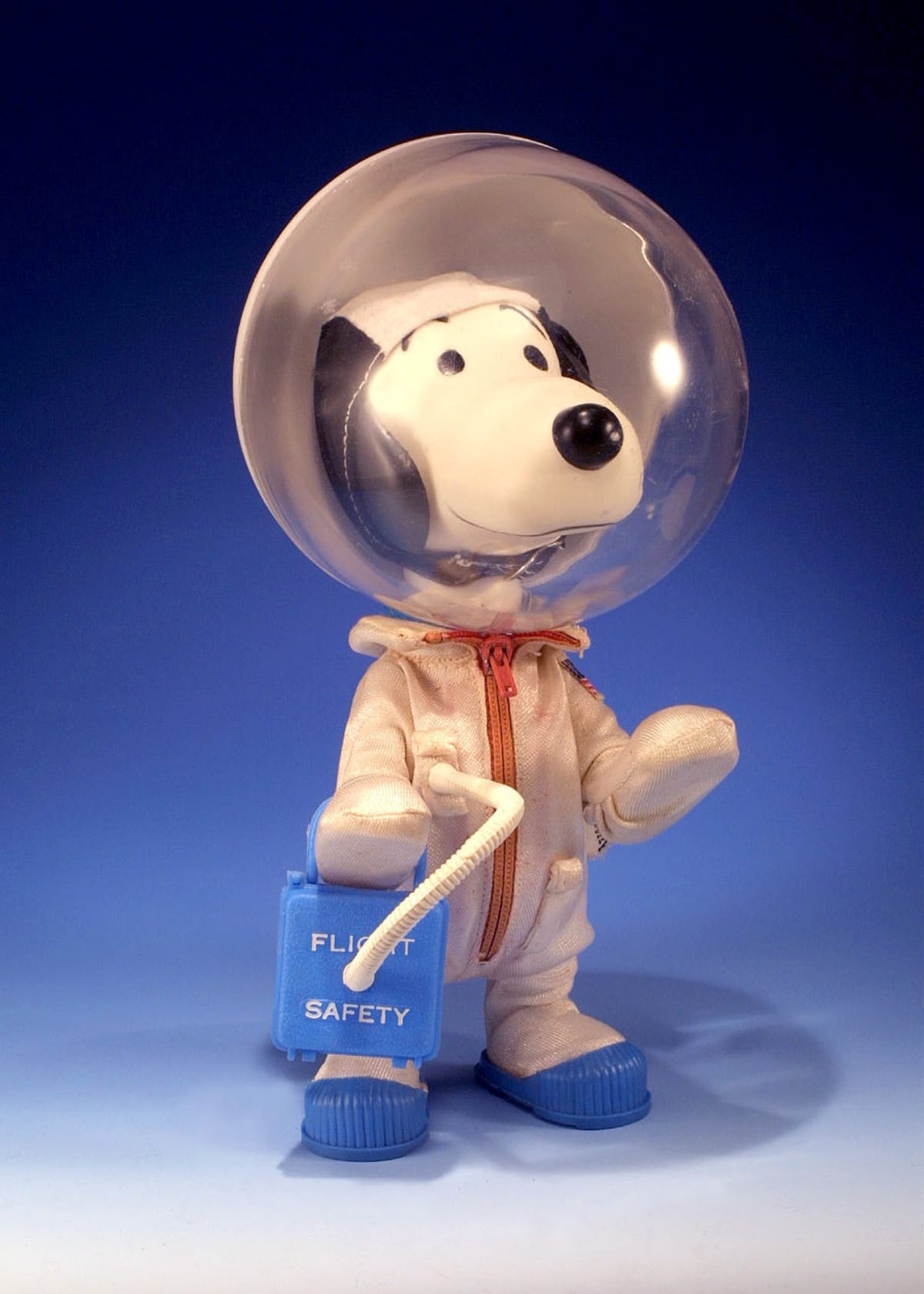
- Snoopy Toy Commemorating Apollo 11 Landing on Moon, 1969 - Charlie Brown's dog Snoopy was no ordinary dog. He walked on two legs, showed a rebellious streak, and daydreamed of being "World Famous." Four months before a real man landed on the moon, Snoopy appeared in a "Peanuts" comic strip as "the World Famous Astronaut" walking on the moon. This Peanuts Pocket Doll commemorates the 1969 moon landing.
- 1969
- Collections - Artifact
Snoopy Toy Commemorating Apollo 11 Landing on Moon, 1969
Charlie Brown's dog Snoopy was no ordinary dog. He walked on two legs, showed a rebellious streak, and daydreamed of being "World Famous." Four months before a real man landed on the moon, Snoopy appeared in a "Peanuts" comic strip as "the World Famous Astronaut" walking on the moon. This Peanuts Pocket Doll commemorates the 1969 moon landing.
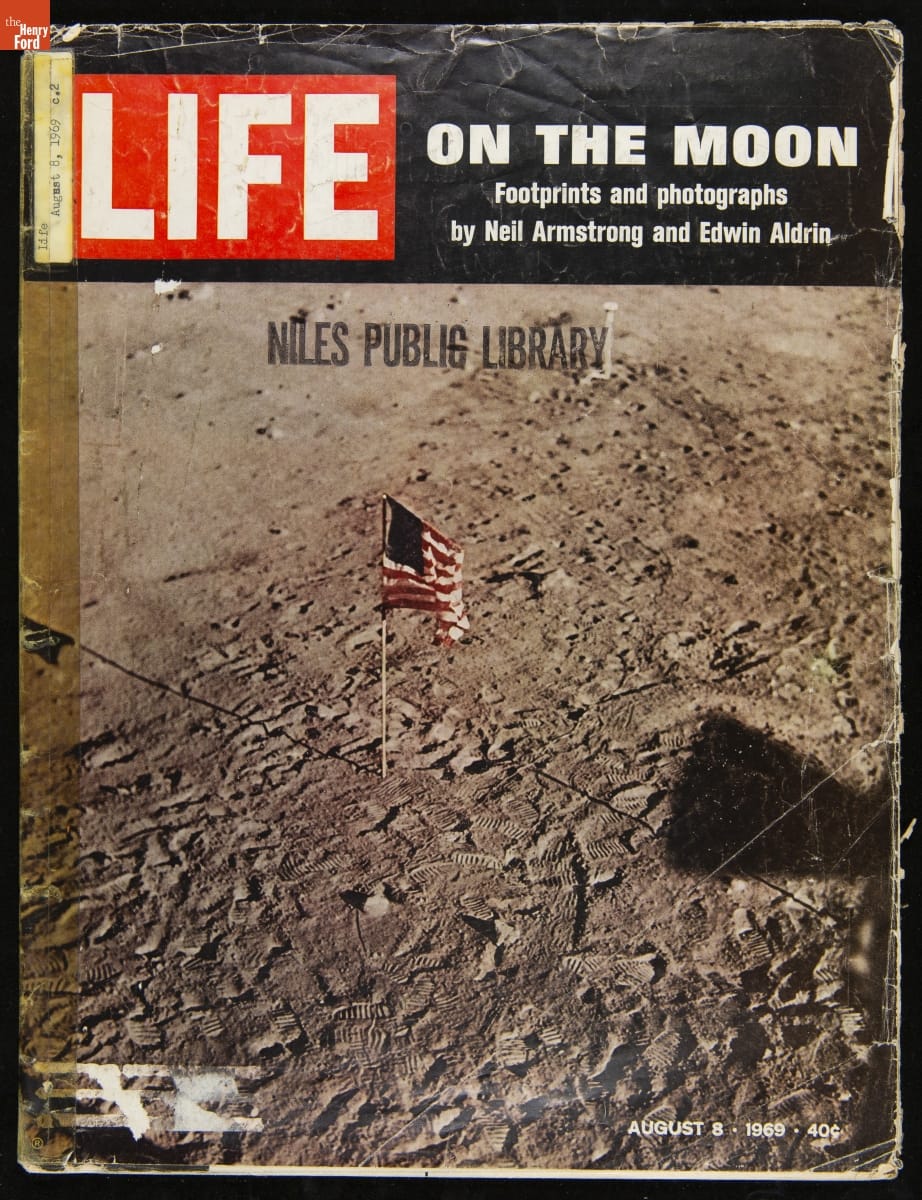
- Life Magazine, "On the Moon," August 8, 1969 - In July 1969, the ambitious plan to land a person on the Moon--laid out by President John F. Kennedy less than a decade earlier--neared reality. Americans eagerly anticipated the Apollo 11 mission, during which astronauts would walk on the Moon. <em>Life</em> magazine produced several issues before and after the event to keep the public informed on this historic undertaking.
- August 08, 1969
- Collections - Artifact
Life Magazine, "On the Moon," August 8, 1969
In July 1969, the ambitious plan to land a person on the Moon--laid out by President John F. Kennedy less than a decade earlier--neared reality. Americans eagerly anticipated the Apollo 11 mission, during which astronauts would walk on the Moon. Life magazine produced several issues before and after the event to keep the public informed on this historic undertaking.
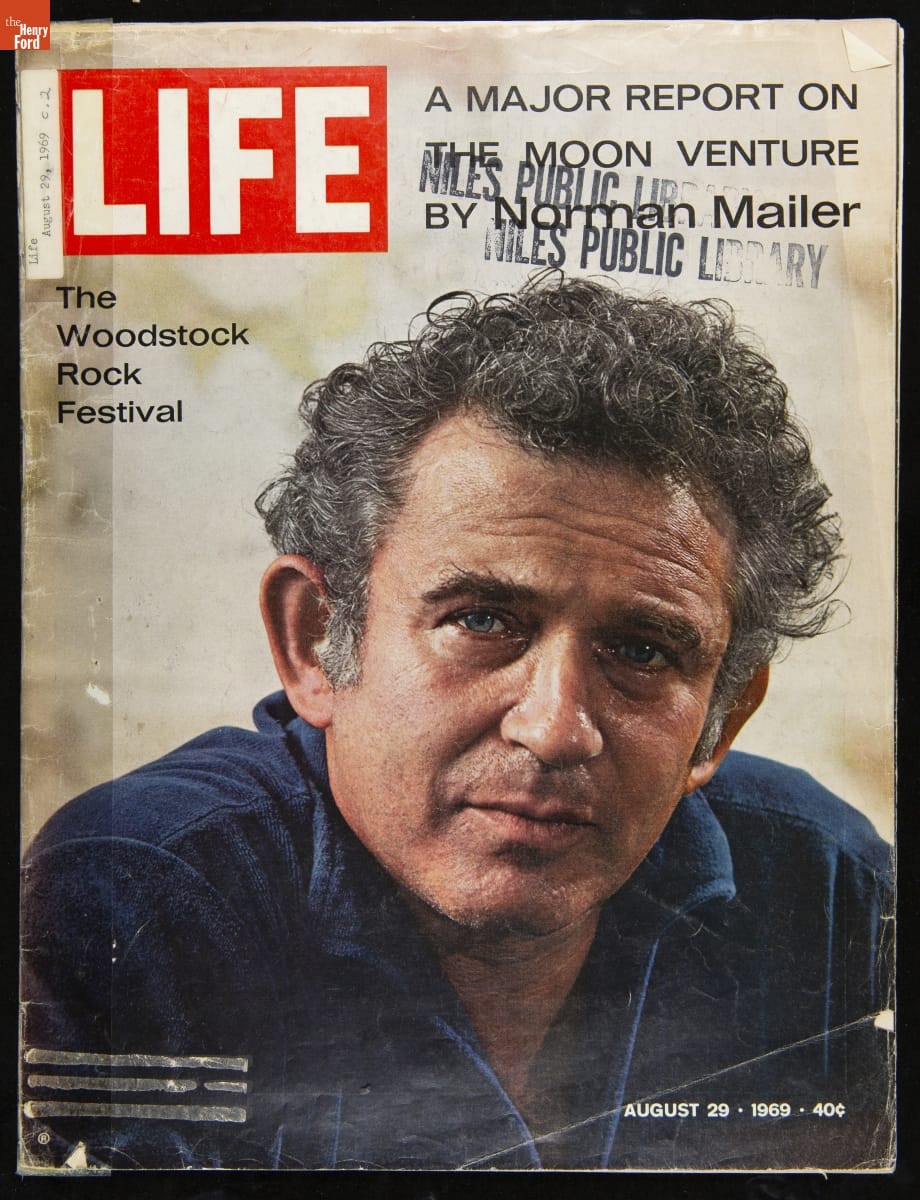
- Life Magazine, "A Major Report of the Moon Venture," August 29, 1969 - In July 1969, the ambitious plan to land a person on the Moon--laid out by President John F. Kennedy less than a decade earlier--neared reality. Americans eagerly anticipated the Apollo 11 mission, during which astronauts would walk on the Moon. <em>Life</em> magazine produced several issues before and after the event to keep the public informed on this historic undertaking.
- August 29, 1969
- Collections - Artifact
Life Magazine, "A Major Report of the Moon Venture," August 29, 1969
In July 1969, the ambitious plan to land a person on the Moon--laid out by President John F. Kennedy less than a decade earlier--neared reality. Americans eagerly anticipated the Apollo 11 mission, during which astronauts would walk on the Moon. Life magazine produced several issues before and after the event to keep the public informed on this historic undertaking.