
Search
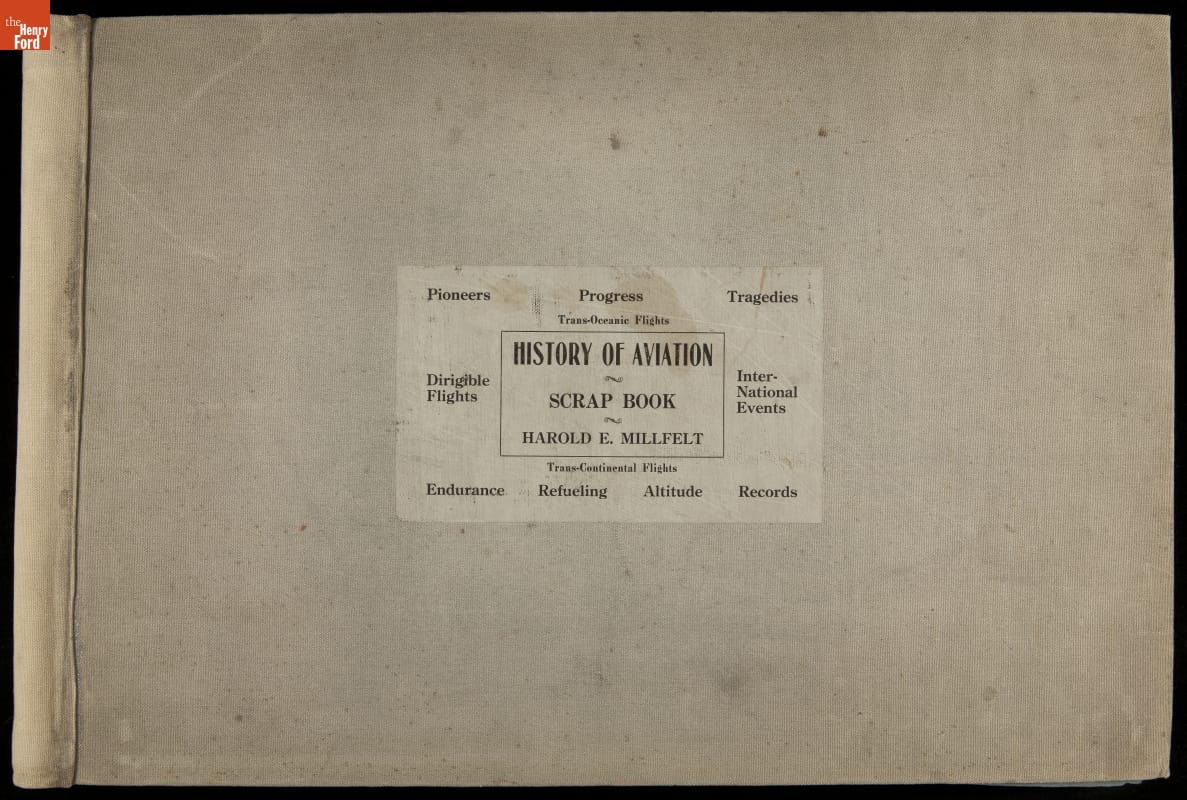
- History of Aviation Scrapbook, 1908-1929 - Harold E. Millfelt, a night clerk at a hotel in Zanesville, Ohio, assembled scrapbooks to pass the time during his long overnight shifts. This one documents the history of aviation, from the Wright brothers' demonstration flights in 1908 through Charles Lindbergh's solo transatlantic flight in 1927. Most of the scrapbook's content relates to Lindbergh and his flight.
- 1908-1929
- Collections - Artifact
History of Aviation Scrapbook, 1908-1929
Harold E. Millfelt, a night clerk at a hotel in Zanesville, Ohio, assembled scrapbooks to pass the time during his long overnight shifts. This one documents the history of aviation, from the Wright brothers' demonstration flights in 1908 through Charles Lindbergh's solo transatlantic flight in 1927. Most of the scrapbook's content relates to Lindbergh and his flight.
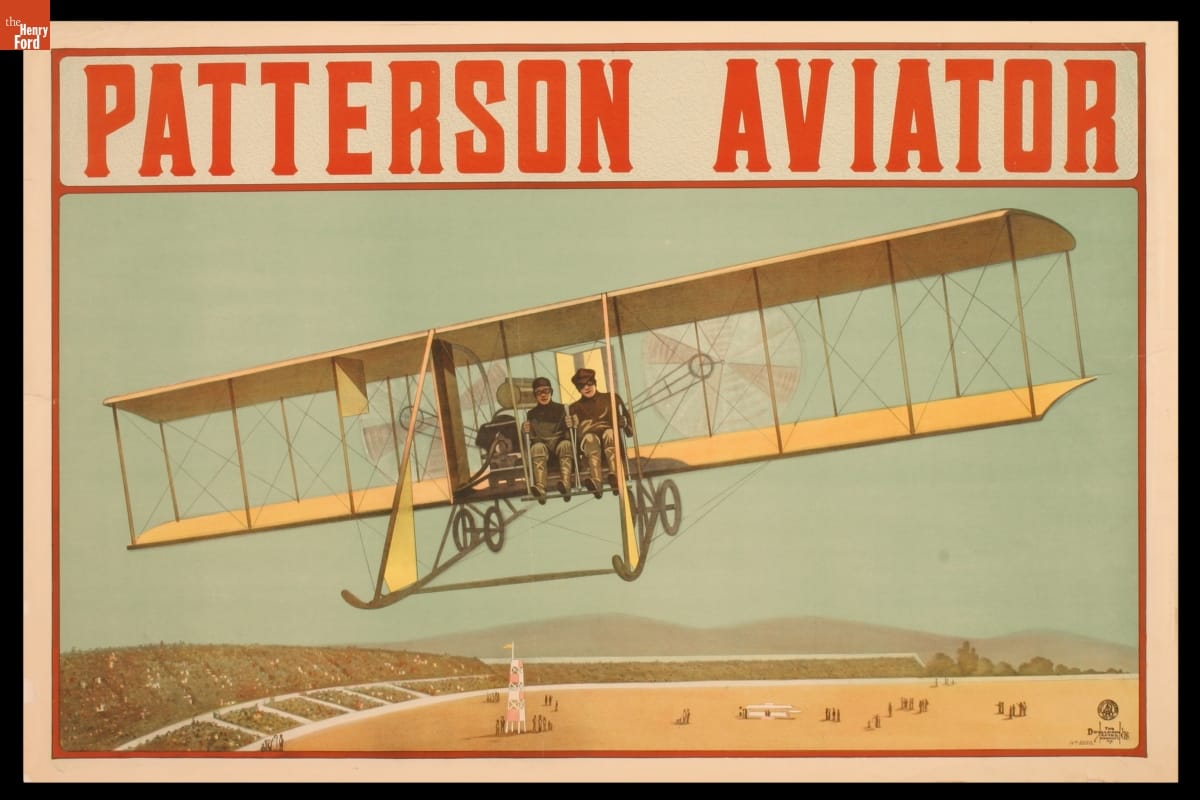
- Advertising Poster, "Patterson Aviator," 1915-1916 - In the late nineteenth century, printers developed a lithograph method that produced brightly colored posters. Manufacturers quickly adopted the new poster style to advertise their products. This poster promotes the aerial entertainment services of the Patterson Aviators of Detroit, Michigan, in the 1910s. It shows the Wright brothers' Model B biplane which aviators often purchased for performing aerial exhibitions.
- 1914-1915
- Collections - Artifact
Advertising Poster, "Patterson Aviator," 1915-1916
In the late nineteenth century, printers developed a lithograph method that produced brightly colored posters. Manufacturers quickly adopted the new poster style to advertise their products. This poster promotes the aerial entertainment services of the Patterson Aviators of Detroit, Michigan, in the 1910s. It shows the Wright brothers' Model B biplane which aviators often purchased for performing aerial exhibitions.
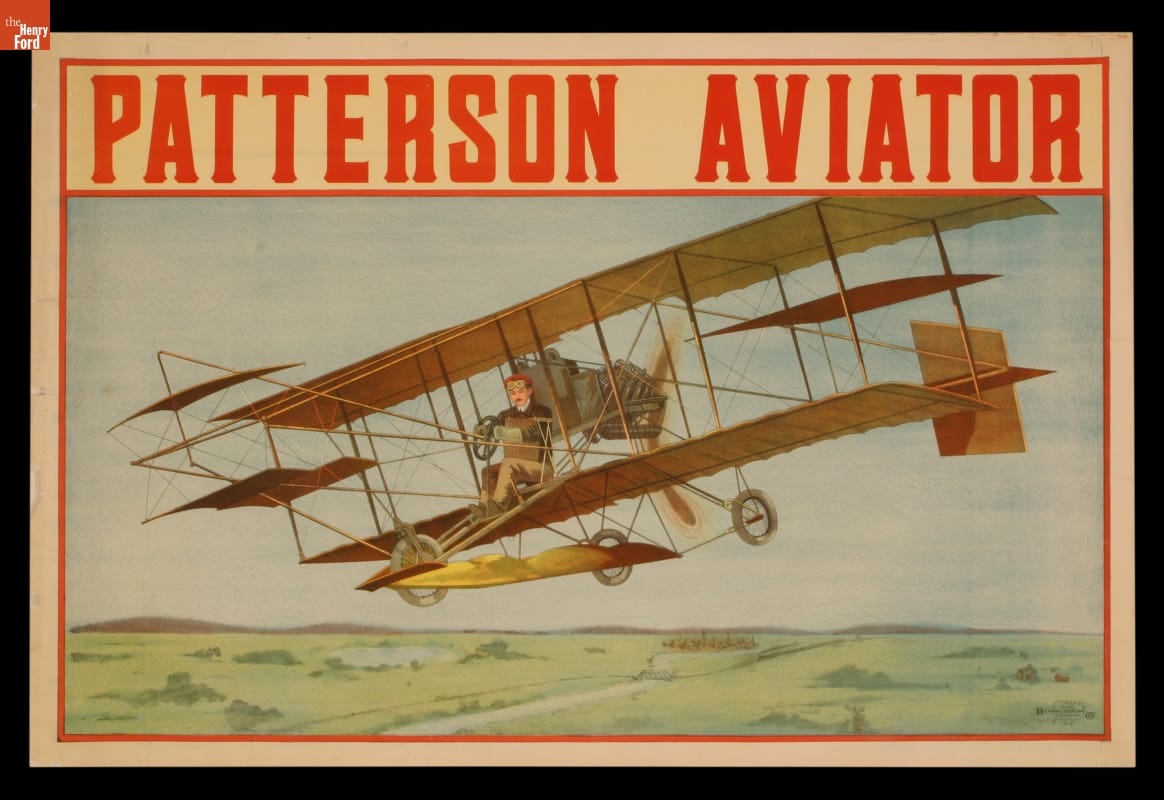
- Advertising Poster, "Patterson Aviator," 1915-1916 - Buyers for early airplanes were few and far between, but there was no shortage of people willing to pay to watch "birdmen" fly. Many pioneering manufacturers formed exhibition teams. These teams traveled the country and staged elaborate shows, filled with daredevil stunts, for paying audiences. It was dangerous work, but it brought considerable publicity to the budding aviation industry.
- 1915-1916
- Collections - Artifact
Advertising Poster, "Patterson Aviator," 1915-1916
Buyers for early airplanes were few and far between, but there was no shortage of people willing to pay to watch "birdmen" fly. Many pioneering manufacturers formed exhibition teams. These teams traveled the country and staged elaborate shows, filled with daredevil stunts, for paying audiences. It was dangerous work, but it brought considerable publicity to the budding aviation industry.
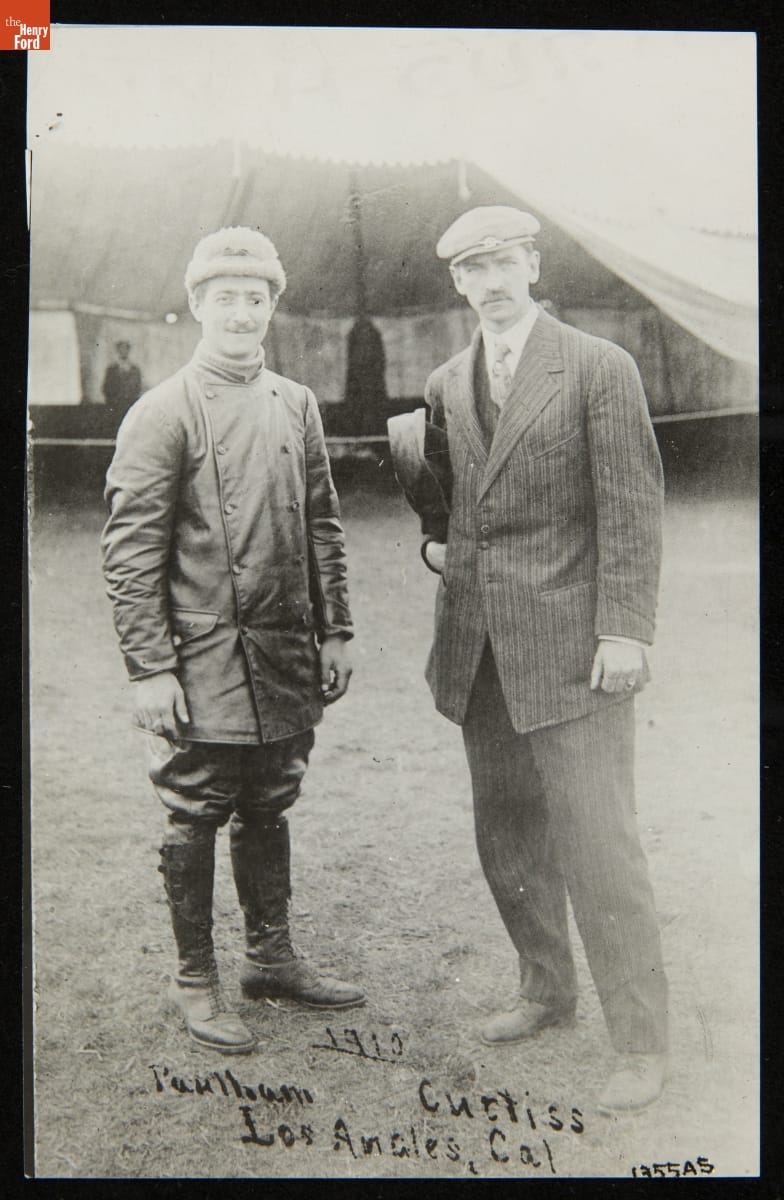
- French Aviator Louis Paulhan and Glenn Curtiss at the 1910 Los Angeles International Aviation Meet, January 1910 - Frenchman Louis Paulhan and New Yorker Glenn Curtiss met in Los Angeles for the first competition between French and American airplanes in the western hemisphere. Both pilots, despite being freshly embroiled in a legal dispute with the Wright brothers, wowed the crowds and collected prize money. Curtiss swept the speed contests, and Paulhan set a new altitude record.
- January 01, 1910
- Collections - Artifact
French Aviator Louis Paulhan and Glenn Curtiss at the 1910 Los Angeles International Aviation Meet, January 1910
Frenchman Louis Paulhan and New Yorker Glenn Curtiss met in Los Angeles for the first competition between French and American airplanes in the western hemisphere. Both pilots, despite being freshly embroiled in a legal dispute with the Wright brothers, wowed the crowds and collected prize money. Curtiss swept the speed contests, and Paulhan set a new altitude record.
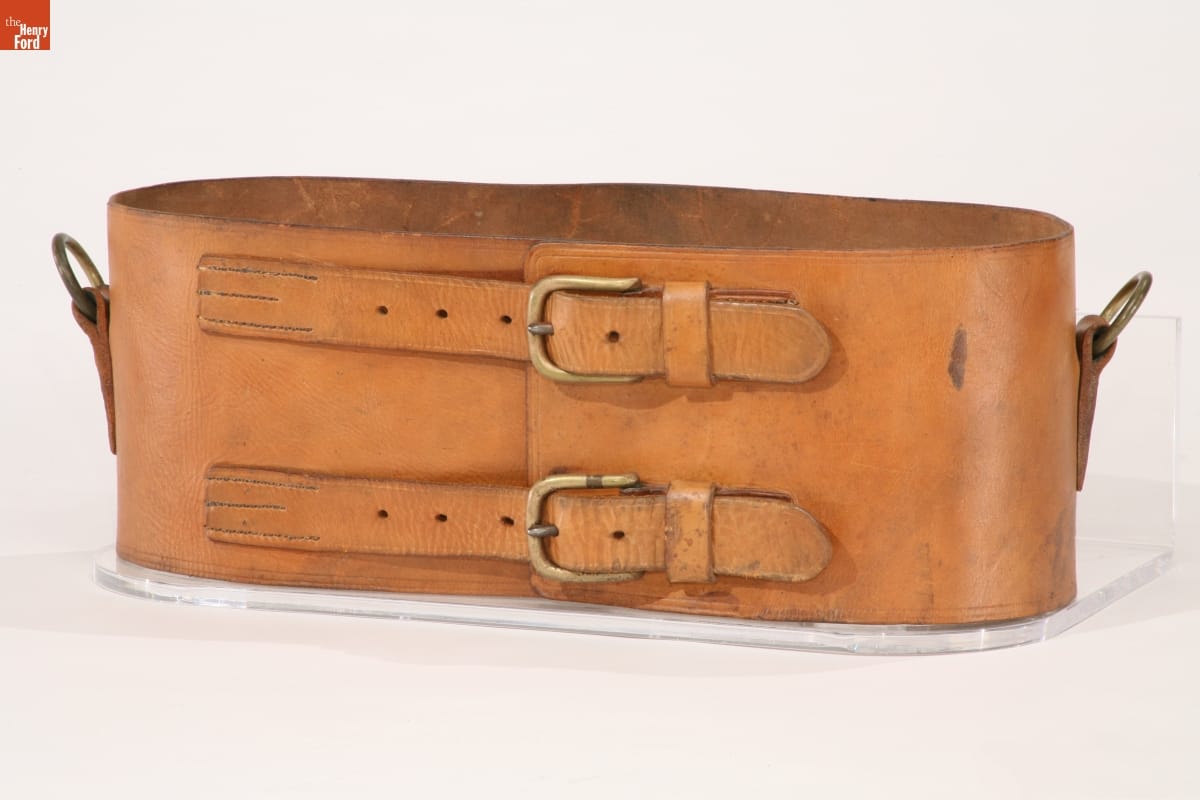
- Aviator's Safety Belt Worn by Earle Ovington, United States Postal Service's First Air Mail Pilot, 1911 - Earle Ovington piloted the first U.S. Air Mail flight operated by the United States Post Office Department. On September 23, 1911, Ovington flew over Long Island in a Bleriot XI airplane with a sack of mail tucked into the cockpit. He carried the letters just three miles, but it was enough to earn Ovington the designation "Air Mail Pilot No. 1."
- 1911
- Collections - Artifact
Aviator's Safety Belt Worn by Earle Ovington, United States Postal Service's First Air Mail Pilot, 1911
Earle Ovington piloted the first U.S. Air Mail flight operated by the United States Post Office Department. On September 23, 1911, Ovington flew over Long Island in a Bleriot XI airplane with a sack of mail tucked into the cockpit. He carried the letters just three miles, but it was enough to earn Ovington the designation "Air Mail Pilot No. 1."
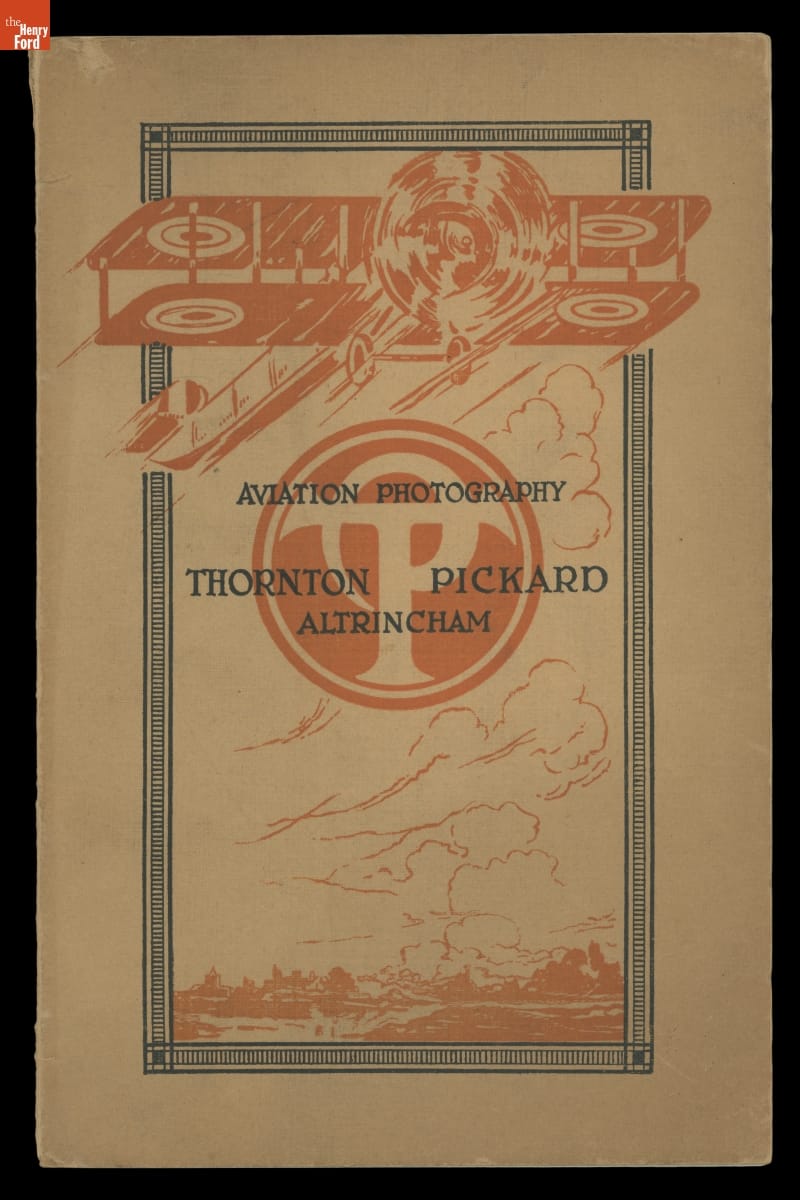
- Aviation Photography, Thornton-Pickard Manufacturing Company, 1918 - This catalog from British camera manufacturer Thornton-Pickard, which features Royal Air Force photographs, touted aerial photography's military advantages. During World War I, military forces on both sides utilized the latest aviation and photographic technology for aerial reconnaissance. Aerial views of enemy troops and equipment changed how militaries looked, moved, and fought. In turn, military research accelerated the evolution of aerial photography.
- 1918
- Collections - Artifact
Aviation Photography, Thornton-Pickard Manufacturing Company, 1918
This catalog from British camera manufacturer Thornton-Pickard, which features Royal Air Force photographs, touted aerial photography's military advantages. During World War I, military forces on both sides utilized the latest aviation and photographic technology for aerial reconnaissance. Aerial views of enemy troops and equipment changed how militaries looked, moved, and fought. In turn, military research accelerated the evolution of aerial photography.
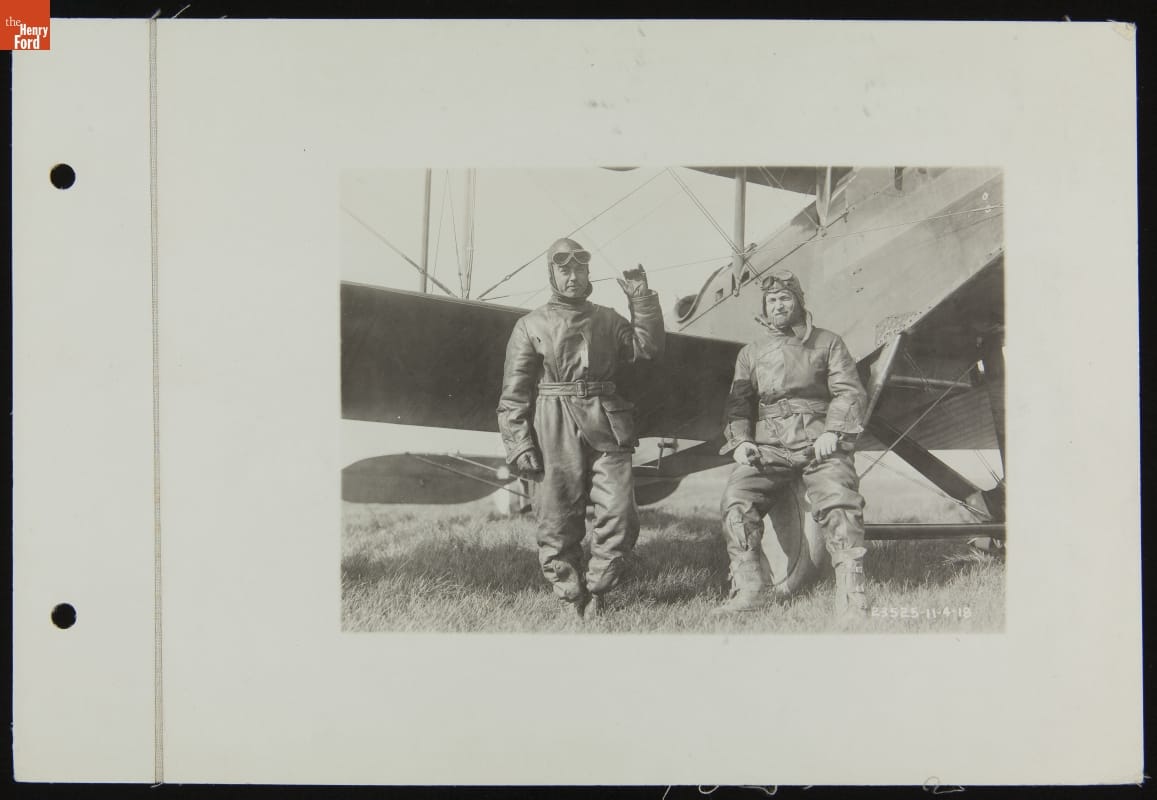
- Lt. Vincent and Lt. Col. Harnbly, Aviators, November 1918 -
- November 04, 1918
- Collections - Artifact
Lt. Vincent and Lt. Col. Harnbly, Aviators, November 1918
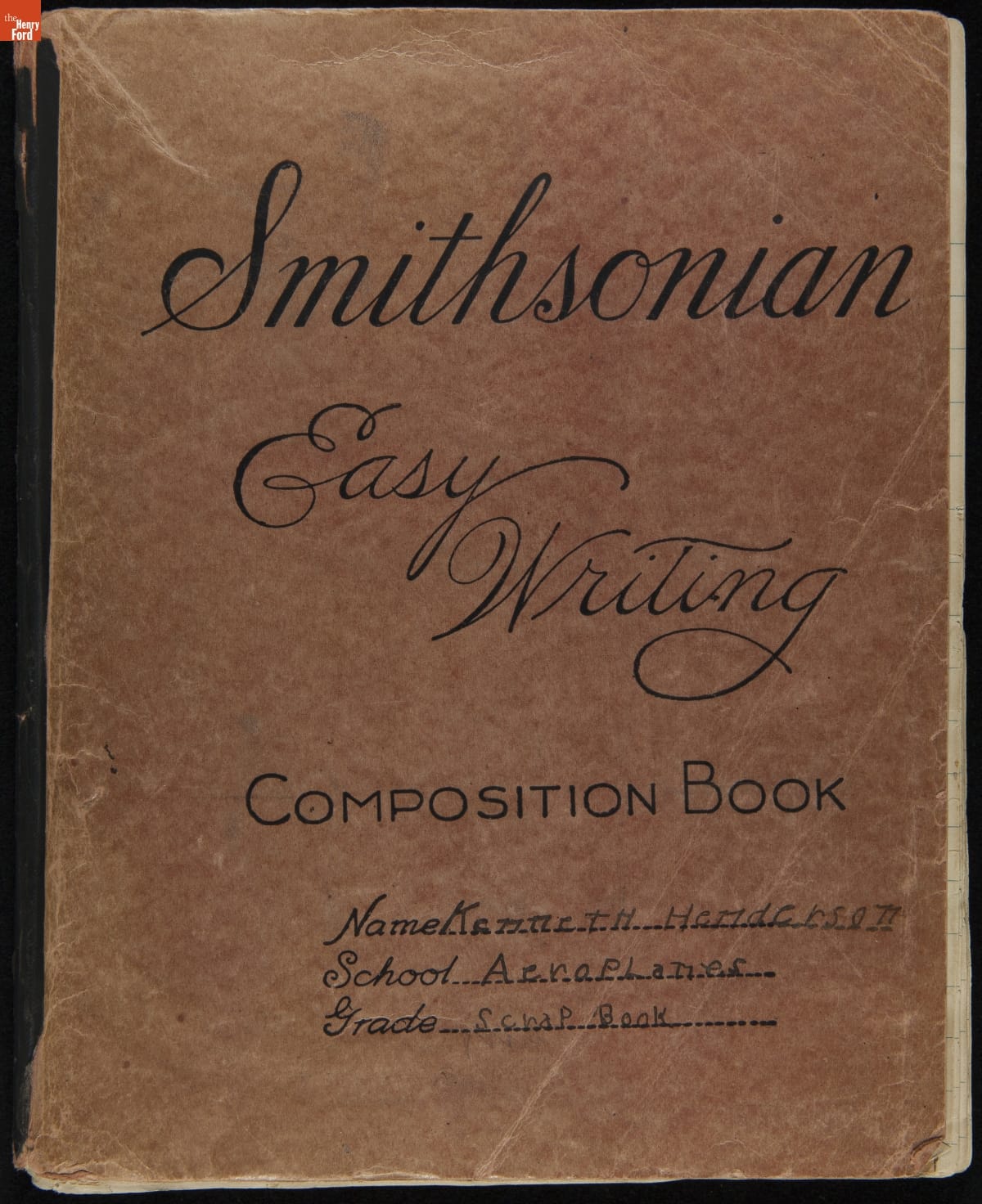
- Scrapbook of Aviation Photographs and Articles, circa 1928 - Kenneth Henderson compiled this scrapbook around 1928. It included photographs and newspaper clippings related to some of the top pilots and airplanes of the day. William Brock, Richard Byrd, Anthony Fokker, Charles Lindbergh, and Edward Schlee were among the aviators Henderson documented.
- circa 1928
- Collections - Artifact
Scrapbook of Aviation Photographs and Articles, circa 1928
Kenneth Henderson compiled this scrapbook around 1928. It included photographs and newspaper clippings related to some of the top pilots and airplanes of the day. William Brock, Richard Byrd, Anthony Fokker, Charles Lindbergh, and Edward Schlee were among the aviators Henderson documented.
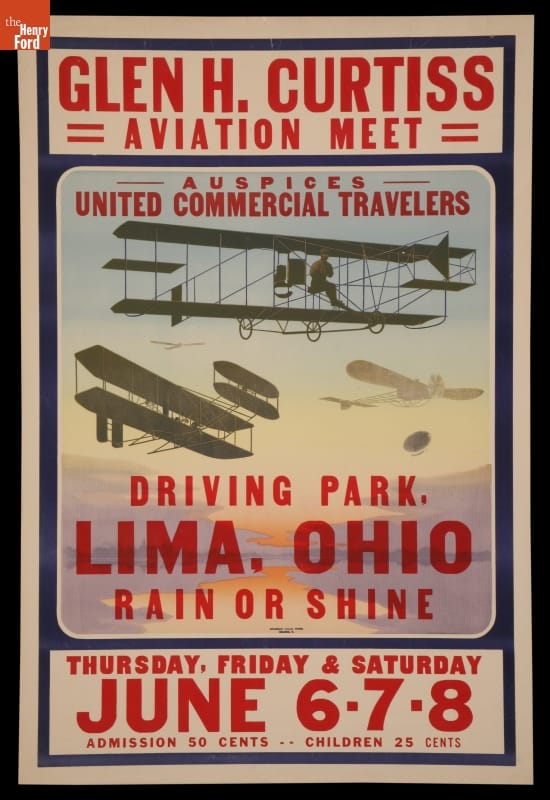
- Advertising Poster, "Glen H. Curtiss Aviation Meet," 1912 - Buyers for airplanes were scarce during aviation's early years, but plenty of people were willing to pay to see the spectacle of flight in person. Pioneer aviators like the Wright brothers and Glenn Curtiss formed exhibition teams that traveled the country and performed daredevil stunts for enthralled audiences. It was dangerous work, but crowds loved watching the "birdmen" in action.
- June 01, 1912
- Collections - Artifact
Advertising Poster, "Glen H. Curtiss Aviation Meet," 1912
Buyers for airplanes were scarce during aviation's early years, but plenty of people were willing to pay to see the spectacle of flight in person. Pioneer aviators like the Wright brothers and Glenn Curtiss formed exhibition teams that traveled the country and performed daredevil stunts for enthralled audiences. It was dangerous work, but crowds loved watching the "birdmen" in action.
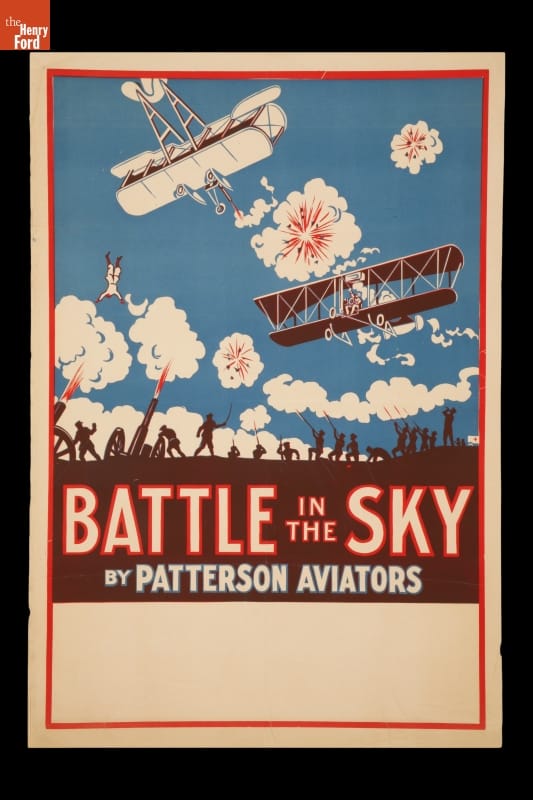
- Advertising Poster, "Battle in the Sky by Patterson Aviators," 1915-1916 - Buyers for early airplanes were few and far between, but there was no shortage of people willing to pay to watch "birdmen" fly. Many pioneering manufacturers formed exhibition teams. These teams traveled the country and staged elaborate shows, filled with daredevil stunts, for paying audiences. It was dangerous work, but it brought considerable publicity to the budding aviation industry.
- 1915-1916
- Collections - Artifact
Advertising Poster, "Battle in the Sky by Patterson Aviators," 1915-1916
Buyers for early airplanes were few and far between, but there was no shortage of people willing to pay to watch "birdmen" fly. Many pioneering manufacturers formed exhibition teams. These teams traveled the country and staged elaborate shows, filled with daredevil stunts, for paying audiences. It was dangerous work, but it brought considerable publicity to the budding aviation industry.