
Search
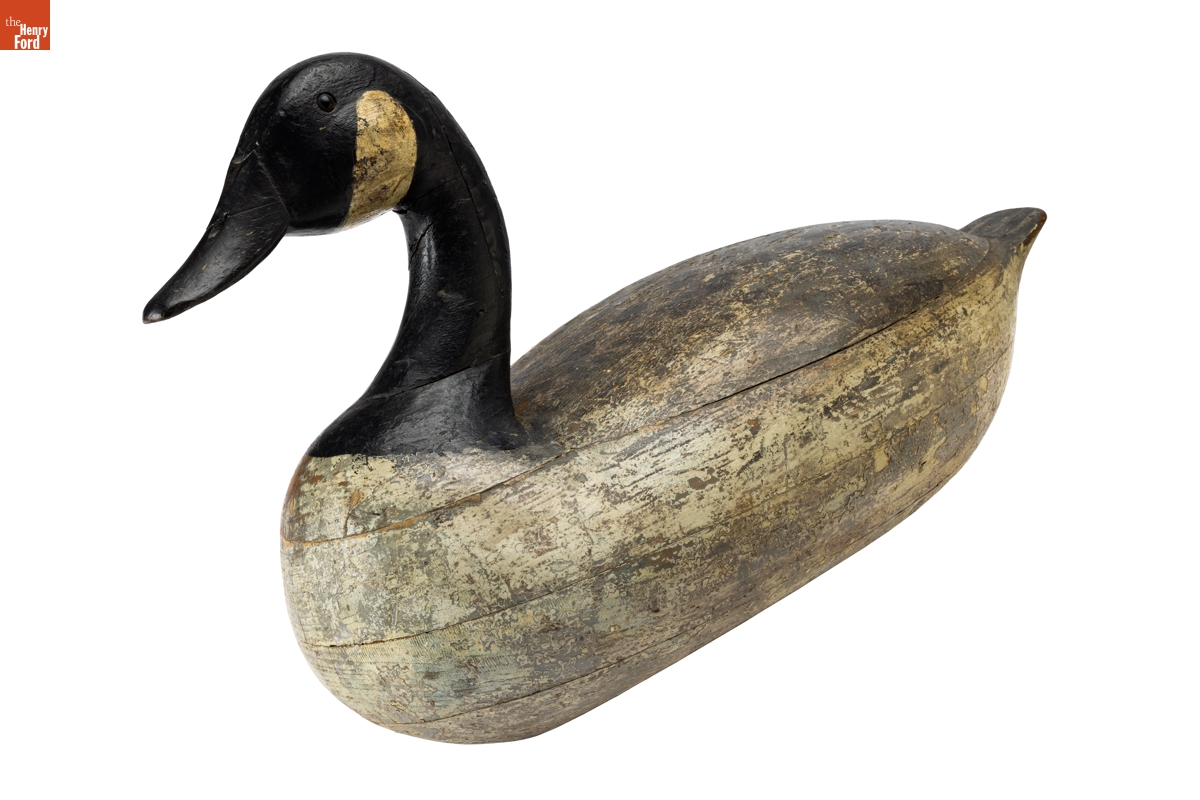
- Canada Goose Decoy -
- Collections - Artifact
Canada Goose Decoy
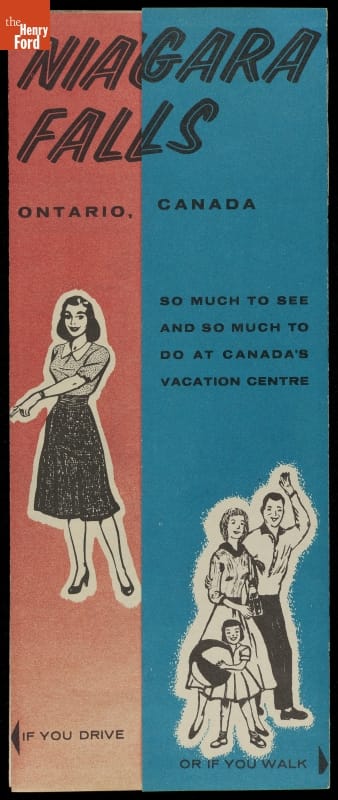
- "Niagara Falls, Ontario, Canada: So Much to See and So Much to Do at Canada's Vacation Centre," circa 1955 - Visitors had sightseeing options when visiting Niagara Falls, Ontario, Canada. This vacation destination offered "so much to see and so much to do," according to this 1950s brochure. In addition to the famous waterfalls, tourists could walk or drive to other points of interest, including the Welland Canal, Queen Victoria Park, or the Hydro Floral Clock.
- circa 1955
- Collections - Artifact
"Niagara Falls, Ontario, Canada: So Much to See and So Much to Do at Canada's Vacation Centre," circa 1955
Visitors had sightseeing options when visiting Niagara Falls, Ontario, Canada. This vacation destination offered "so much to see and so much to do," according to this 1950s brochure. In addition to the famous waterfalls, tourists could walk or drive to other points of interest, including the Welland Canal, Queen Victoria Park, or the Hydro Floral Clock.
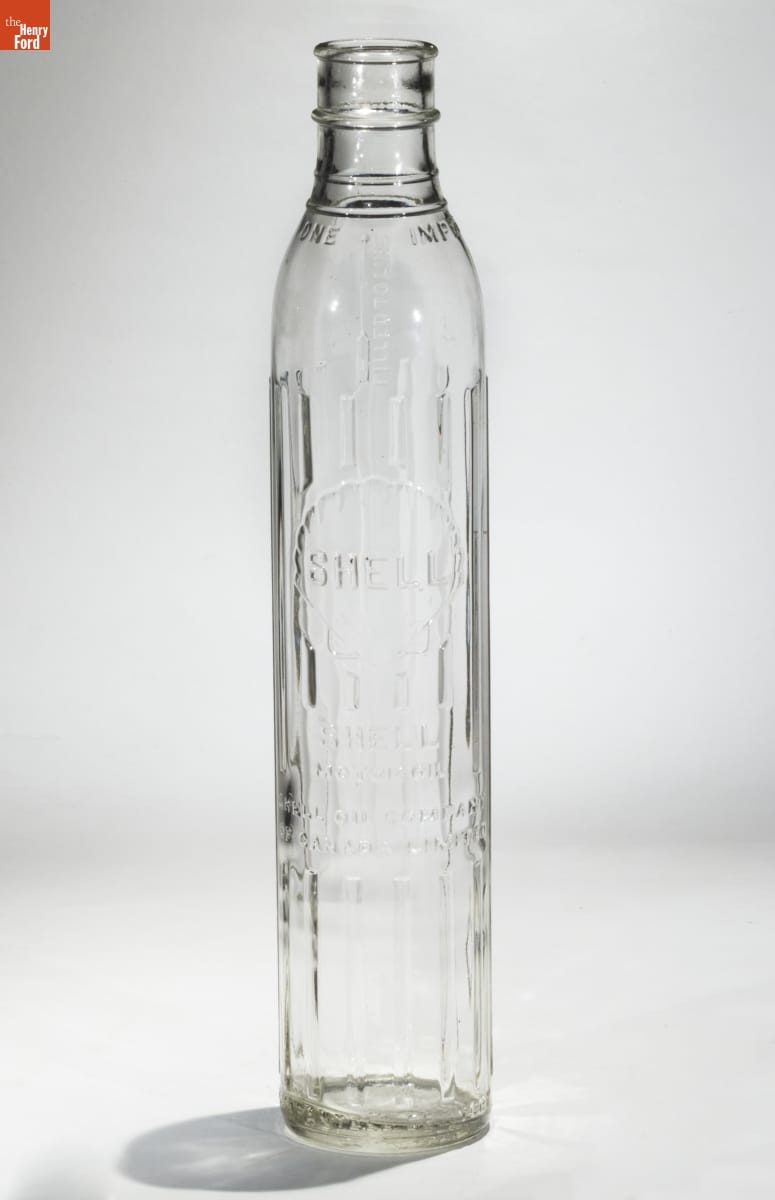
- Shell "Motor Oil" Bottle, circa 1934 - The Royal Dutch Shell Group was formed in 1907. From its home market in Europe, Shell came to North America in stages. The company established its Canadian subsidiary, Shell Canada Limited, in 1911. Shell's distinctive logo, a yellow and red pecten shell, helped establish its brand identity throughout the world.
- circa 1934
- Collections - Artifact
Shell "Motor Oil" Bottle, circa 1934
The Royal Dutch Shell Group was formed in 1907. From its home market in Europe, Shell came to North America in stages. The company established its Canadian subsidiary, Shell Canada Limited, in 1911. Shell's distinctive logo, a yellow and red pecten shell, helped establish its brand identity throughout the world.
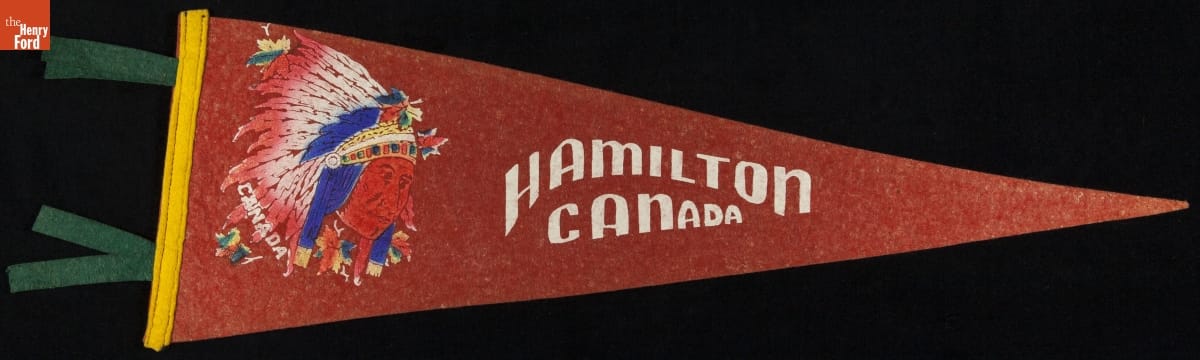
- Pennant, "Hamilton, Canada," 1940-1965 -
- 1940-1965
- Collections - Artifact
Pennant, "Hamilton, Canada," 1940-1965
- Canada Goose Decoy, 1915-1930 -
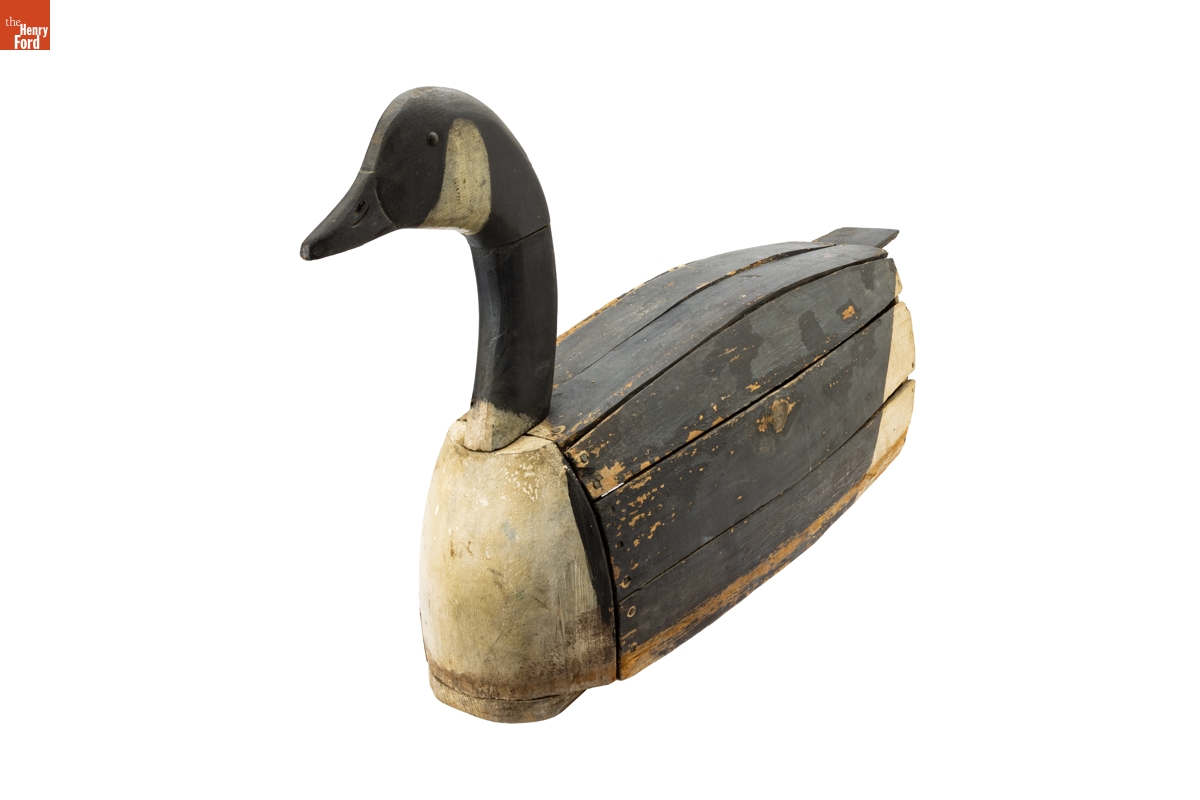
- 1915-1930
- Collections - Artifact
Canada Goose Decoy, 1915-1930
- Street Scene, Orangeville, Canada, circa 1870 -
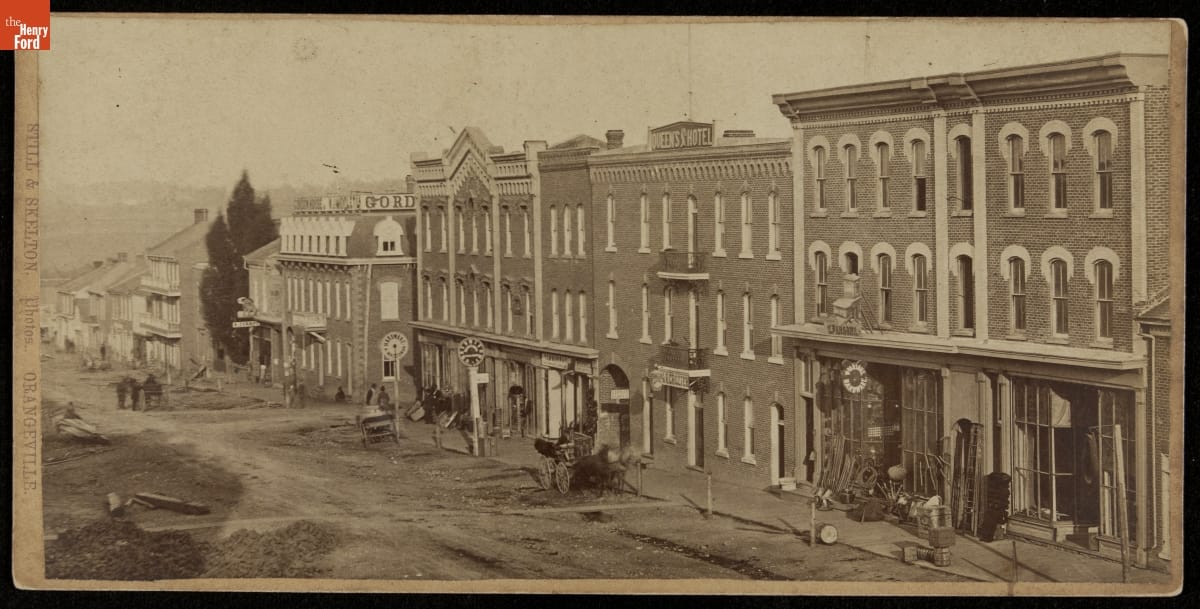
- circa 1870
- Collections - Artifact
Street Scene, Orangeville, Canada, circa 1870
- "The Wild Goose" Wawa, Ontario, Canada -
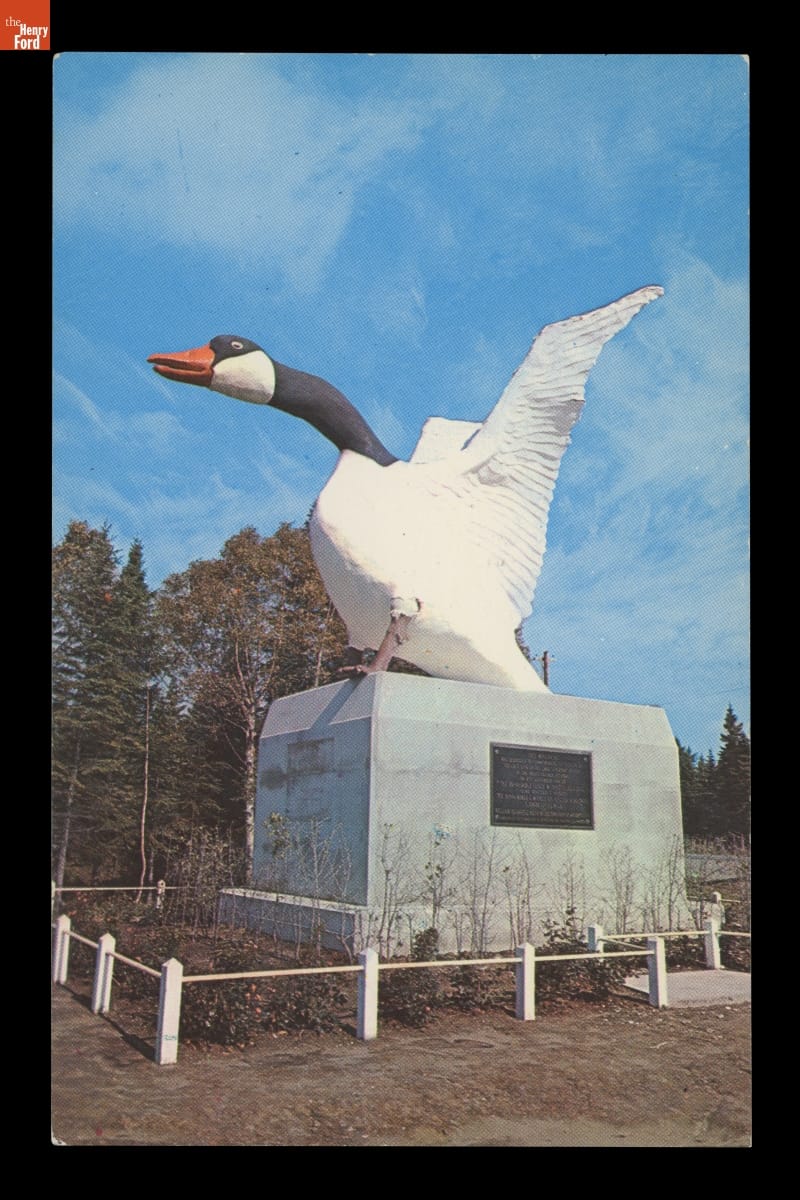
- circa 1960
- Collections - Artifact
"The Wild Goose" Wawa, Ontario, Canada
- Lake Agnes, Alberta, Canada, circa 1905 - From 1895 to 1924, the Detroit Publishing Company was one of the major image publishers in the world. The company had a wide-ranging stock of original photographs, including many scenes from around the world. These prints were reproduced for ads, purchased to decorate homes and offices, bought as souvenirs, and used as teaching tools in schools and libraries.
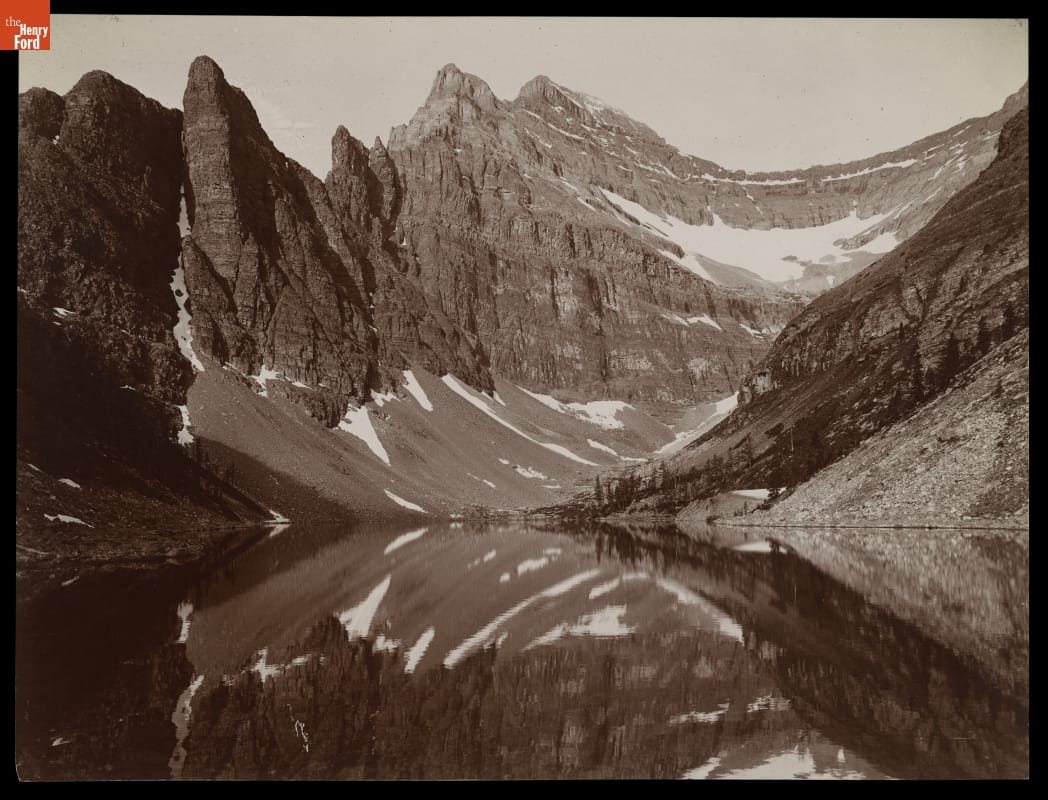
- circa 1905
- Collections - Artifact
Lake Agnes, Alberta, Canada, circa 1905
From 1895 to 1924, the Detroit Publishing Company was one of the major image publishers in the world. The company had a wide-ranging stock of original photographs, including many scenes from around the world. These prints were reproduced for ads, purchased to decorate homes and offices, bought as souvenirs, and used as teaching tools in schools and libraries.
- Canada Dry Beverages Sign, 1935-1955 -
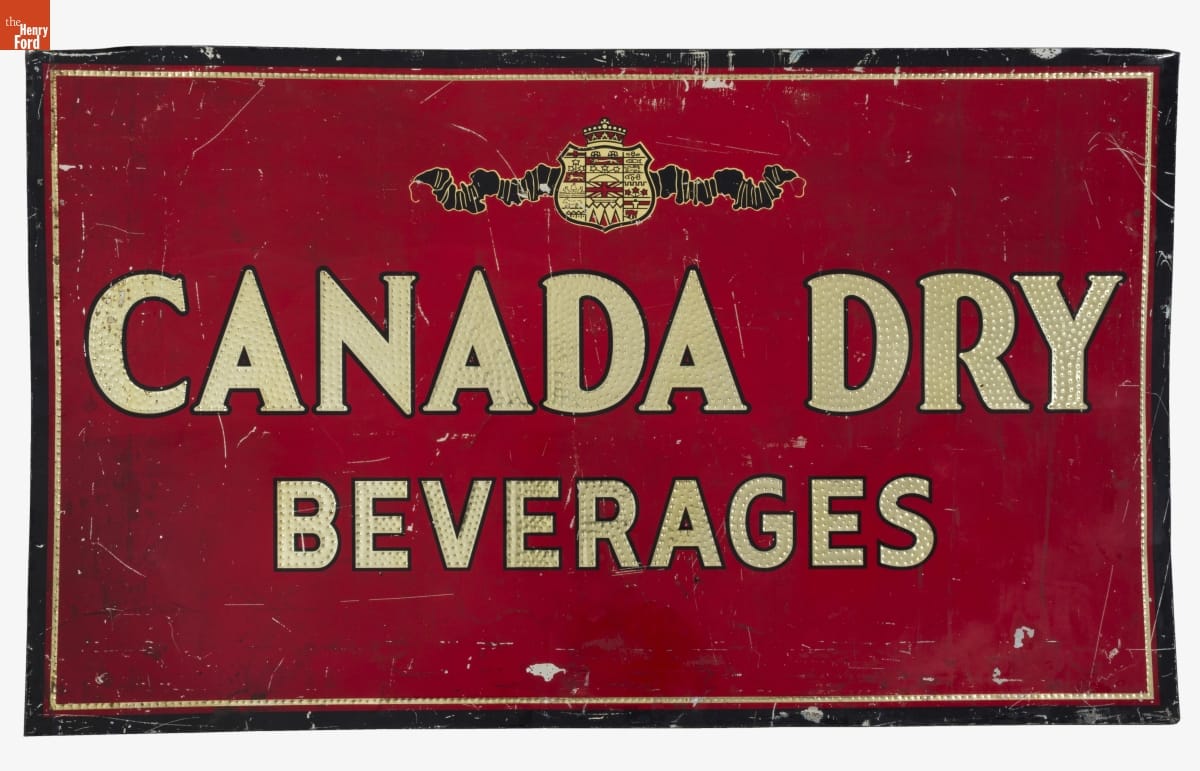
- 1935-1955
- Collections - Artifact
Canada Dry Beverages Sign, 1935-1955
- Premium Gas Station, Toronto, Canada, 1977 - In the mid-1970s, John Margolies began to assemble a visual record of America's built roadside landscape. Over the following three decades, he traveled thousands of miles to photograph the overlooked and often quickly vanishing structures that had grown out of American automobile culture and main street commerce. His photographs of hotels, motels, diners, service stations, drive-ins and attractions celebrate and capture a unique chapter of American history.
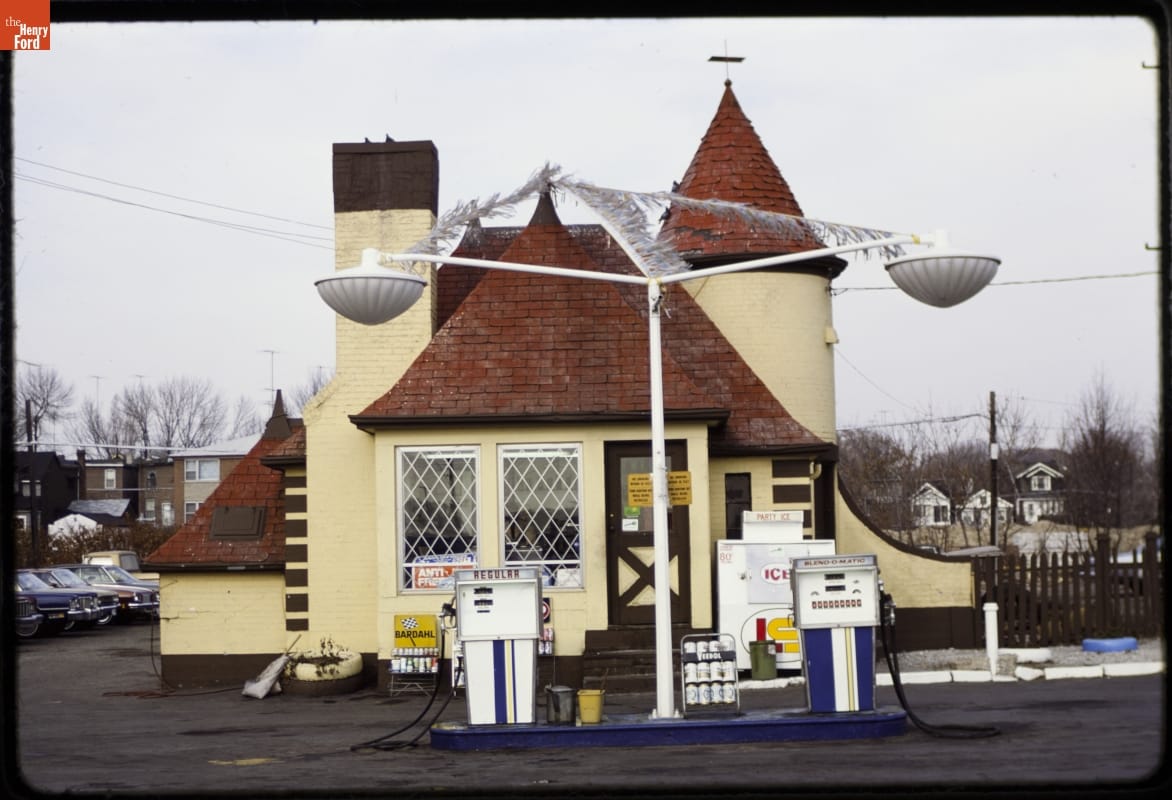
- 1977
- Collections - Artifact
Premium Gas Station, Toronto, Canada, 1977
In the mid-1970s, John Margolies began to assemble a visual record of America's built roadside landscape. Over the following three decades, he traveled thousands of miles to photograph the overlooked and often quickly vanishing structures that had grown out of American automobile culture and main street commerce. His photographs of hotels, motels, diners, service stations, drive-ins and attractions celebrate and capture a unique chapter of American history.