
Search
- Carroll Shelby - <p>Get the ultimate insider's account of the different—and much more dangerous—world of racing in the 1950s and learn how Carroll's early career led to his decision to build his first car. Follow him through the excitement and challenge of creating a small, highly specialized company that demanded a high-degree of creative freedom no less than the continued support of major manufacturers to make its concepts a reality.</p>

- November 15, 2008
- Collections - Video
Carroll Shelby
Get the ultimate insider's account of the different—and much more dangerous—world of racing in the 1950s and learn how Carroll's early career led to his decision to build his first car. Follow him through the excitement and challenge of creating a small, highly specialized company that demanded a high-degree of creative freedom no less than the continued support of major manufacturers to make its concepts a reality.
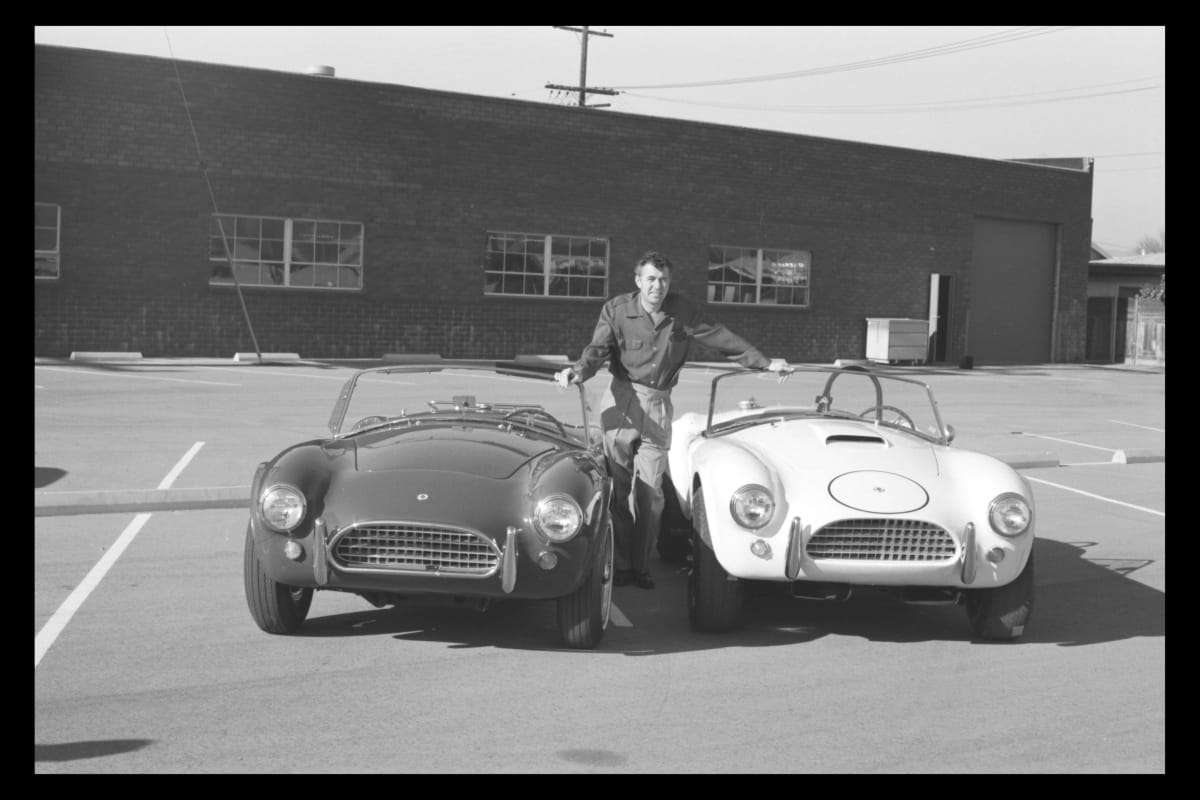
- Carroll Shelby with Shelby Cobras, 1963-1964 - Carroll Shelby took the auto enthusiast world by storm when he pulled the straight-6 engine from a lightweight British AC Ace roadster, replaced it with a Ford V-8, and created the Shelby Cobra. Between the 1962 and 1967 model years, Shelby American produced just under 1,000 Cobras variously equipped with 260-, 289- and 427-cubic-inch Ford engines.
- October 1963 - February 1964
- Collections - Artifact
Carroll Shelby with Shelby Cobras, 1963-1964
Carroll Shelby took the auto enthusiast world by storm when he pulled the straight-6 engine from a lightweight British AC Ace roadster, replaced it with a Ford V-8, and created the Shelby Cobra. Between the 1962 and 1967 model years, Shelby American produced just under 1,000 Cobras variously equipped with 260-, 289- and 427-cubic-inch Ford engines.
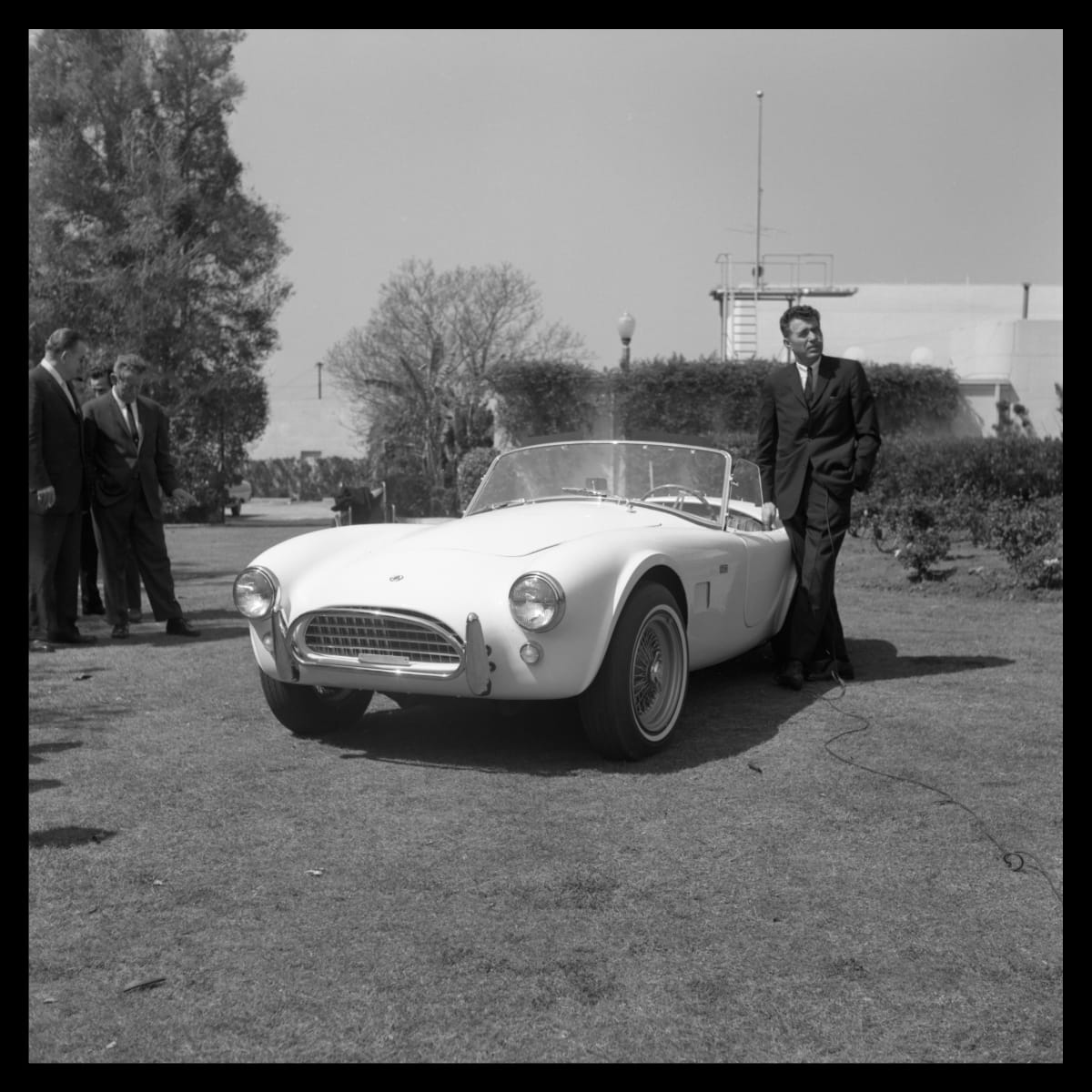
- Carroll Shelby with Shelby Cobra, 1963-1964 - Carroll Shelby took the auto enthusiast world by storm when he pulled the straight-6 engine from a lightweight British AC Ace roadster, replaced it with a Ford V-8, and created the Shelby Cobra. Between the 1962 and 1967 model years, Shelby American produced just under 1,000 Cobras variously equipped with 260-, 289- and 427-cubic-inch Ford engines.
- 1963-1964
- Collections - Artifact
Carroll Shelby with Shelby Cobra, 1963-1964
Carroll Shelby took the auto enthusiast world by storm when he pulled the straight-6 engine from a lightweight British AC Ace roadster, replaced it with a Ford V-8, and created the Shelby Cobra. Between the 1962 and 1967 model years, Shelby American produced just under 1,000 Cobras variously equipped with 260-, 289- and 427-cubic-inch Ford engines.
- Carroll Shelby in Europe, 1964 - Carroll Shelby had his competitive-driving career cut short by a heart condition, but that didn't stop him from becoming one of America's most influential race car designers and entrepreneurs. Shelby played a vital role in Ford's campaign against Ferrari at Le Mans. He also collaborated with Ford and Chrysler on numerous special vehicles.
- 1964
- Collections - Artifact
Carroll Shelby in Europe, 1964
Carroll Shelby had his competitive-driving career cut short by a heart condition, but that didn't stop him from becoming one of America's most influential race car designers and entrepreneurs. Shelby played a vital role in Ford's campaign against Ferrari at Le Mans. He also collaborated with Ford and Chrysler on numerous special vehicles.
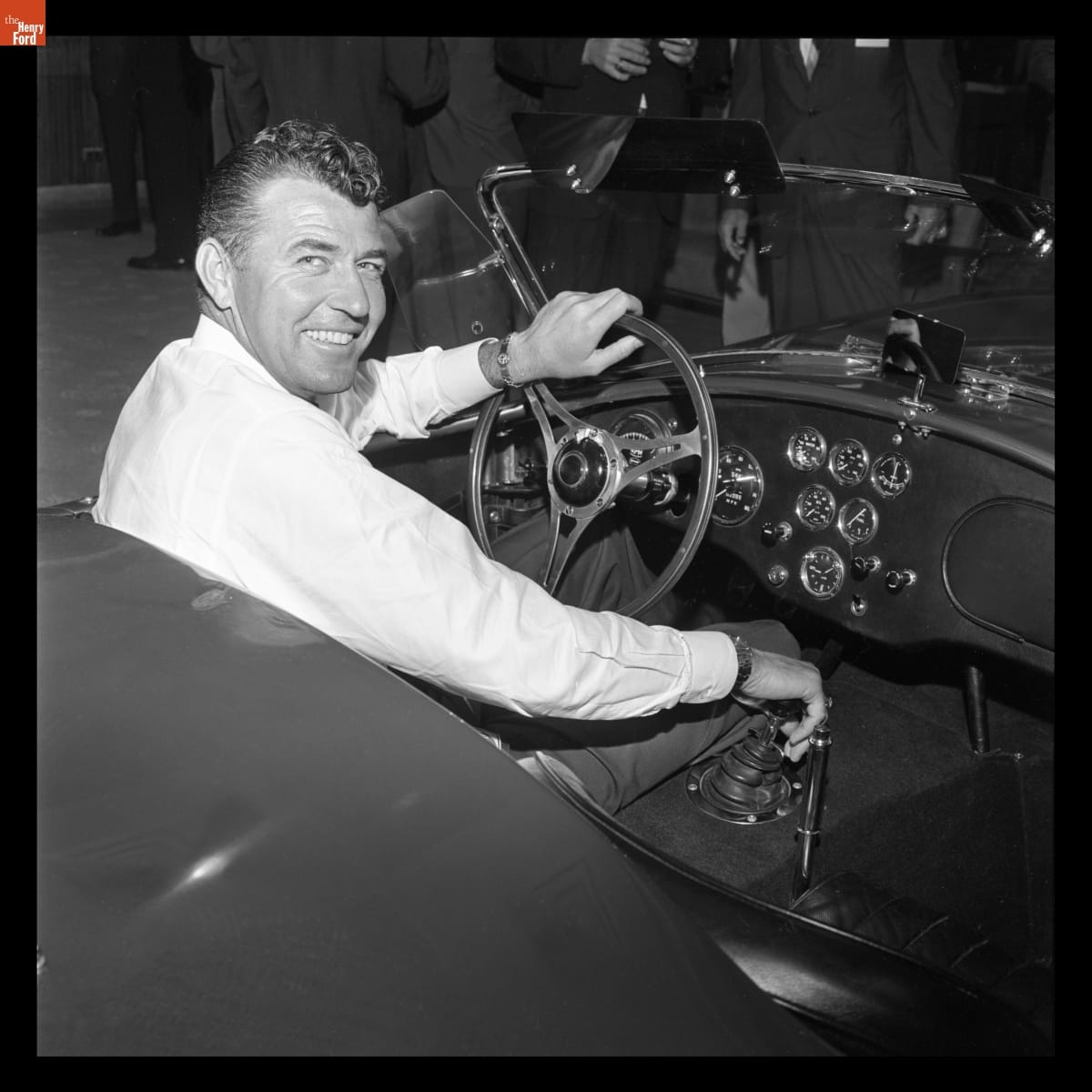
- Carroll Shelby with Shelby Cobra, 1963-1964 - Carroll Shelby took the auto enthusiast world by storm when he pulled the straight-6 engine from a lightweight British AC Ace roadster, replaced it with a Ford V-8, and created the Shelby Cobra. Between the 1962 and 1967 model years, Shelby American produced just under 1,000 Cobras variously equipped with 260-, 289- and 427-cubic-inch Ford engines.
- 1963 - 1964
- Collections - Artifact
Carroll Shelby with Shelby Cobra, 1963-1964
Carroll Shelby took the auto enthusiast world by storm when he pulled the straight-6 engine from a lightweight British AC Ace roadster, replaced it with a Ford V-8, and created the Shelby Cobra. Between the 1962 and 1967 model years, Shelby American produced just under 1,000 Cobras variously equipped with 260-, 289- and 427-cubic-inch Ford engines.
- Carroll Shelby in Europe, 1964 - Carroll Shelby had his competitive-driving career cut short by a heart condition, but that didn't stop him from becoming one of America's most influential race car designers and entrepreneurs. Shelby played a vital role in Ford's campaign against Ferrari at Le Mans. He also collaborated with Ford and Chrysler on numerous special vehicles.
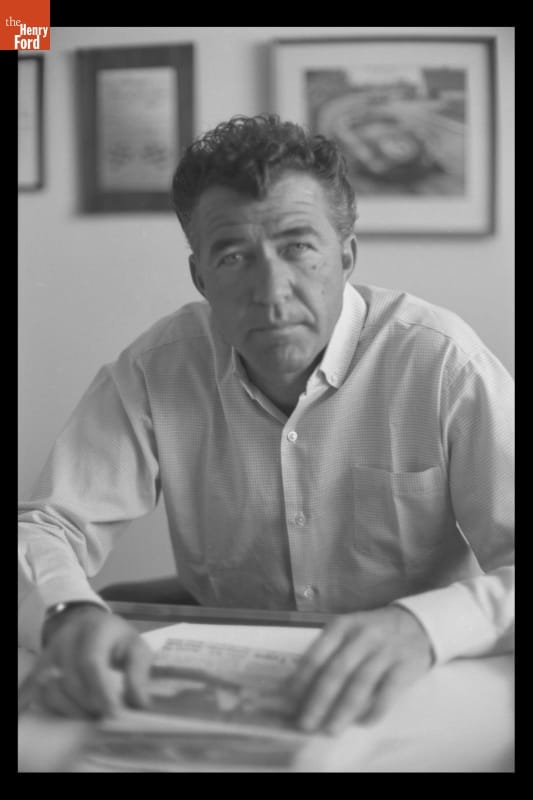
- 1964
- Collections - Artifact
Carroll Shelby in Europe, 1964
Carroll Shelby had his competitive-driving career cut short by a heart condition, but that didn't stop him from becoming one of America's most influential race car designers and entrepreneurs. Shelby played a vital role in Ford's campaign against Ferrari at Le Mans. He also collaborated with Ford and Chrysler on numerous special vehicles.
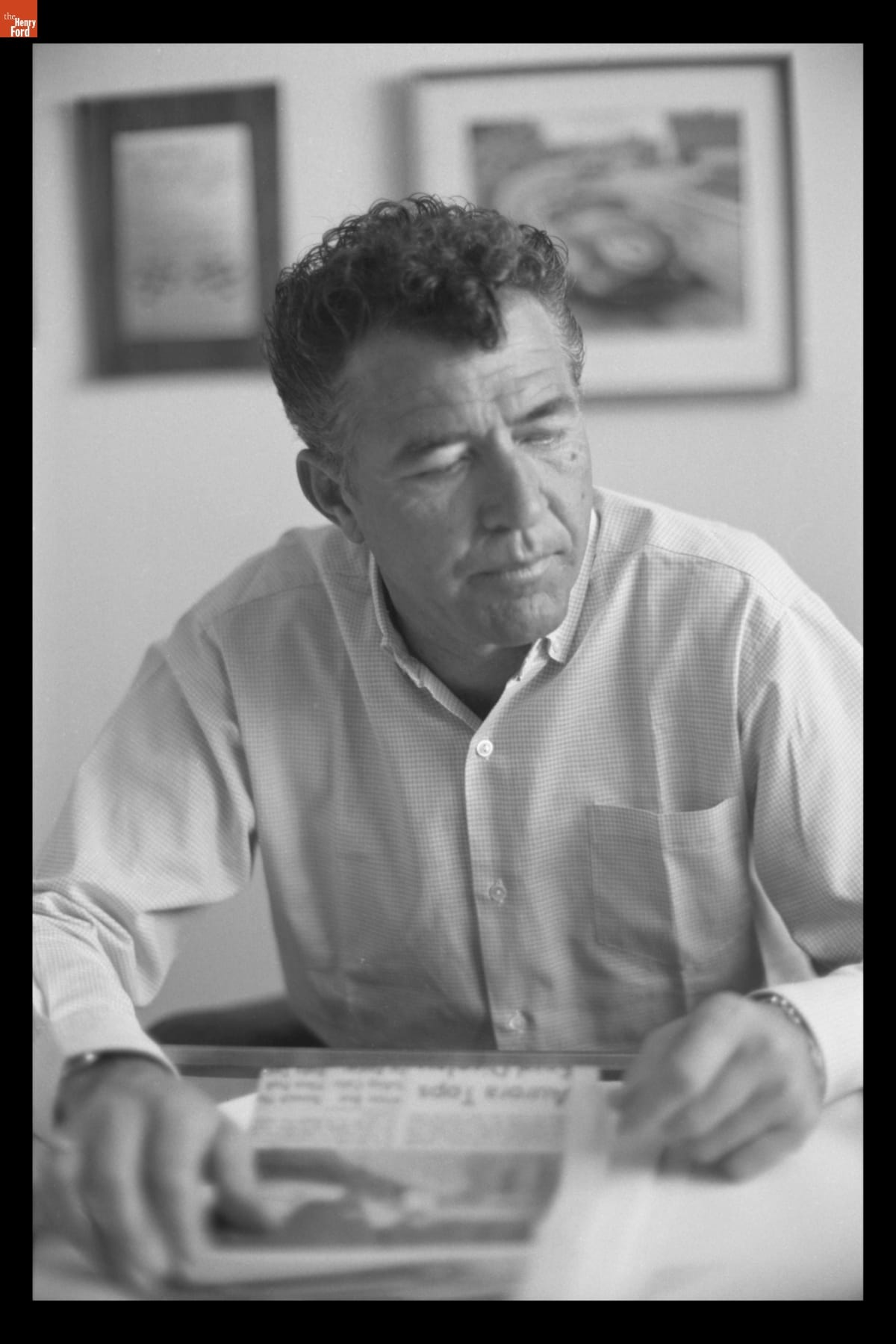
- Carroll Shelby, Venice, California, 1963 - Carroll Shelby took the auto enthusiast world by storm when he pulled the straight-6 engine from a lightweight British AC Ace roadster, replaced it with a Ford V-8, and created the Shelby Cobra. Between the 1962 and 1967 model years, Shelby American produced just under 1,000 Cobras variously equipped with 260-, 289- and 427-cubic-inch Ford engines.
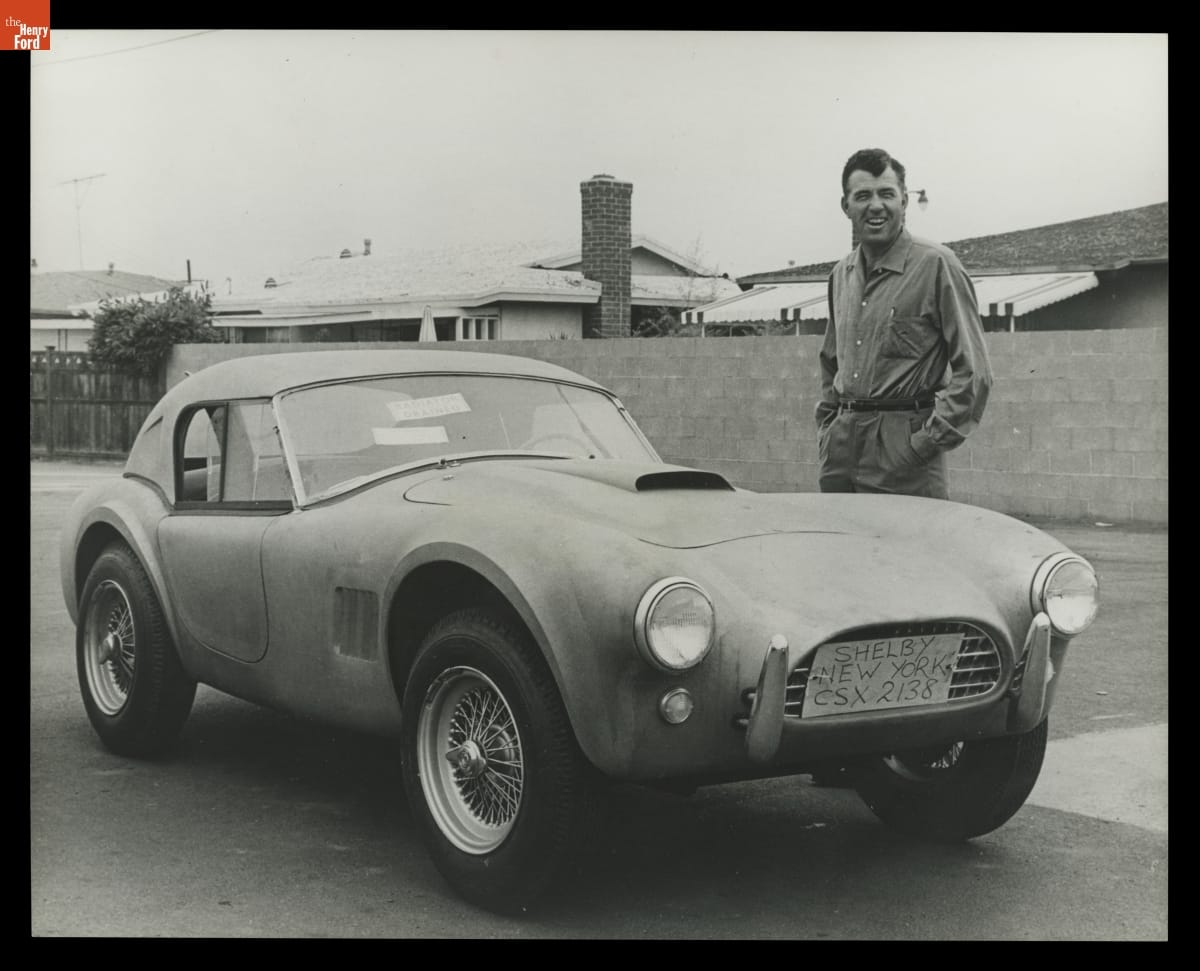
- February - April 1963
- Collections - Artifact
Carroll Shelby, Venice, California, 1963
Carroll Shelby took the auto enthusiast world by storm when he pulled the straight-6 engine from a lightweight British AC Ace roadster, replaced it with a Ford V-8, and created the Shelby Cobra. Between the 1962 and 1967 model years, Shelby American produced just under 1,000 Cobras variously equipped with 260-, 289- and 427-cubic-inch Ford engines.
- Autographed Portrait of Carroll Shelby, circa 1965 - Carroll Shelby had his competitive-driving career cut short by a heart condition, but that didn't stop him from becoming one of America's most influential race car designers and entrepreneurs. Shelby played a vital role in Ford's campaign against Ferrari at Le Mans. He also collaborated with Ford and Chrysler on numerous special vehicles.
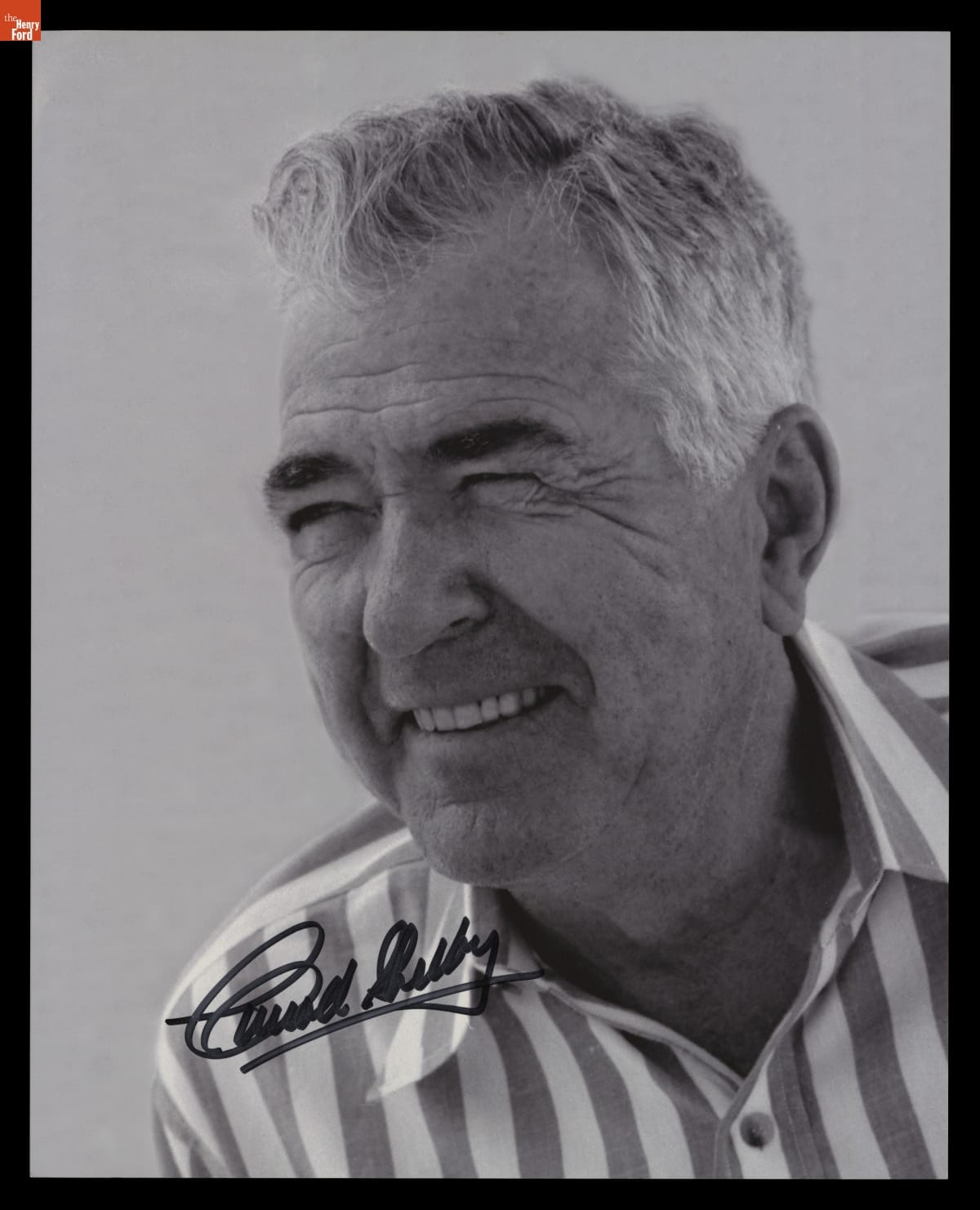
- circa 1965
- Collections - Artifact
Autographed Portrait of Carroll Shelby, circa 1965
Carroll Shelby had his competitive-driving career cut short by a heart condition, but that didn't stop him from becoming one of America's most influential race car designers and entrepreneurs. Shelby played a vital role in Ford's campaign against Ferrari at Le Mans. He also collaborated with Ford and Chrysler on numerous special vehicles.
- Dave MacDonald and Carroll Shelby with Shelby King Cobra CM/1/63, 1963 - Carroll Shelby's Shelby American racing team built the first of six King Cobra race cars in the summer of 1963. The King Cobras featured Cooper Monaco bodies and mid-mounted Ford V-8 engines. Their light weight and high horsepower was a winning combination. King Cobras earned road racing championships in 1963, 1964 and 1965.
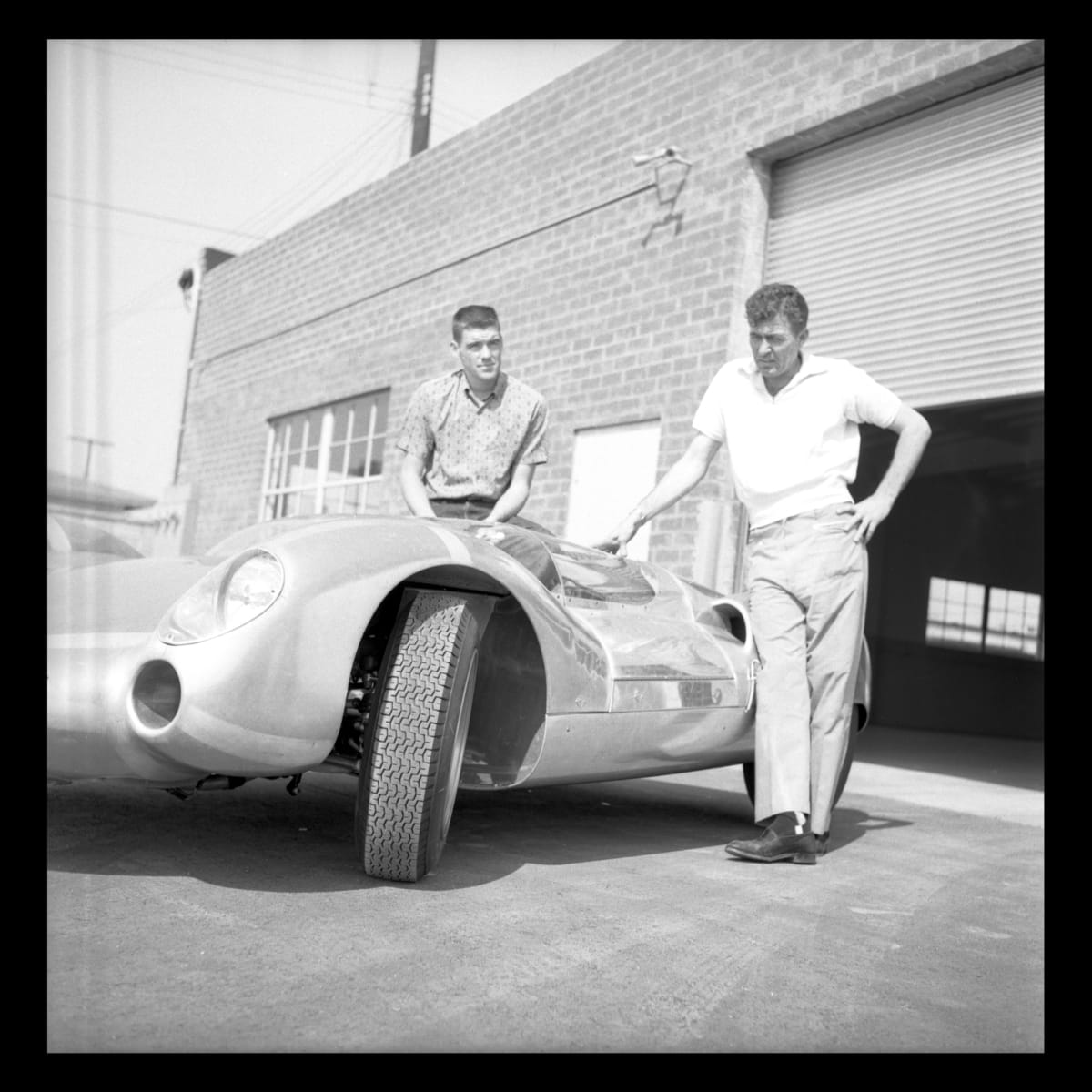
- September 01, 1963
- Collections - Artifact
Dave MacDonald and Carroll Shelby with Shelby King Cobra CM/1/63, 1963
Carroll Shelby's Shelby American racing team built the first of six King Cobra race cars in the summer of 1963. The King Cobras featured Cooper Monaco bodies and mid-mounted Ford V-8 engines. Their light weight and high horsepower was a winning combination. King Cobras earned road racing championships in 1963, 1964 and 1965.
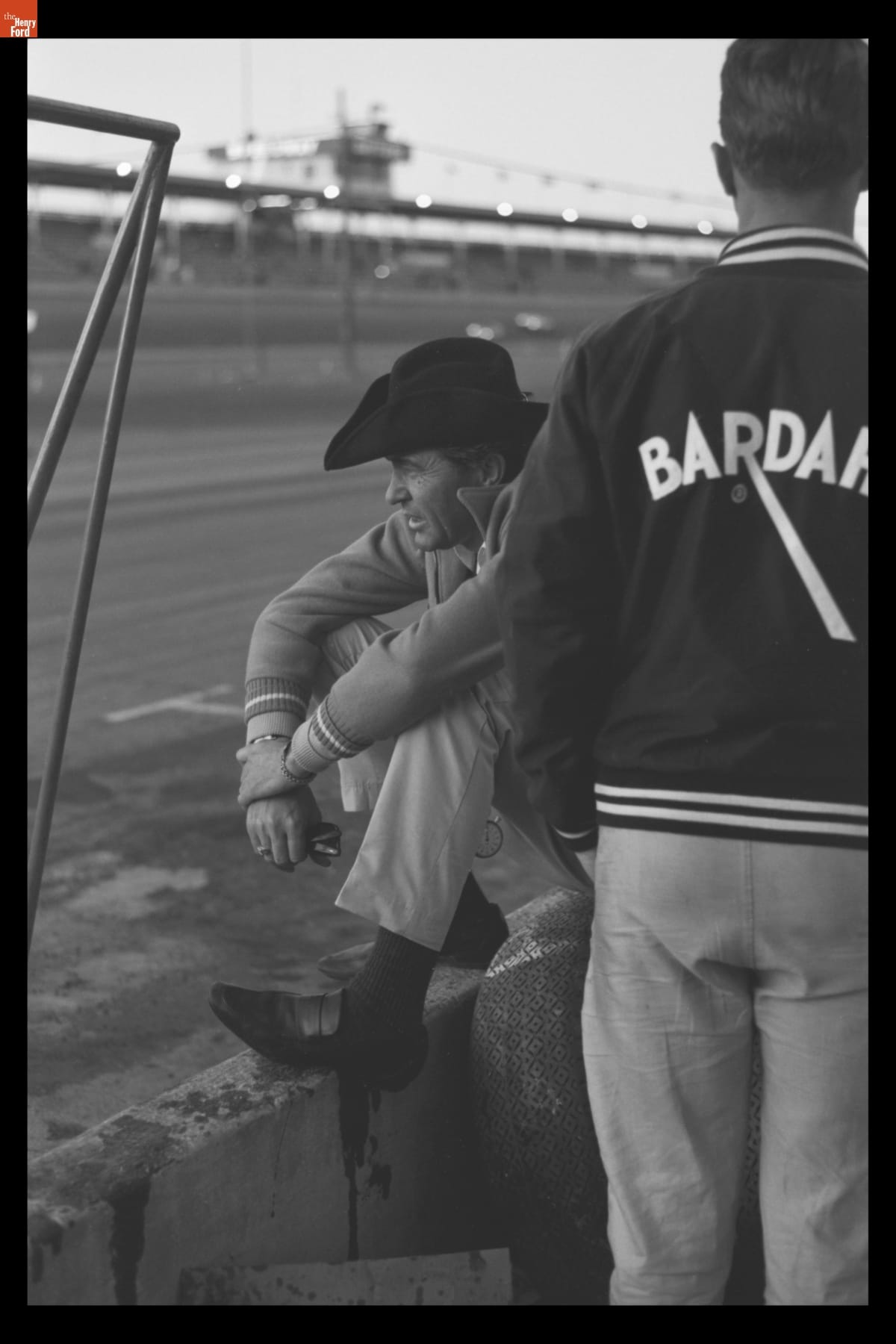
- Carroll Shelby at Daytona International Speedway, February 1964 - Carroll Shelby had his competitive-driving career cut short by a heart condition, but that didn't stop him from becoming one of America's most influential race car designers and entrepreneurs. Shelby played a vital role in Ford's campaign against Ferrari at Le Mans. He also collaborated with Ford and Chrysler on numerous special vehicles.
- 10 February 1964-16 February 1964
- Collections - Artifact
Carroll Shelby at Daytona International Speedway, February 1964
Carroll Shelby had his competitive-driving career cut short by a heart condition, but that didn't stop him from becoming one of America's most influential race car designers and entrepreneurs. Shelby played a vital role in Ford's campaign against Ferrari at Le Mans. He also collaborated with Ford and Chrysler on numerous special vehicles.