
Search
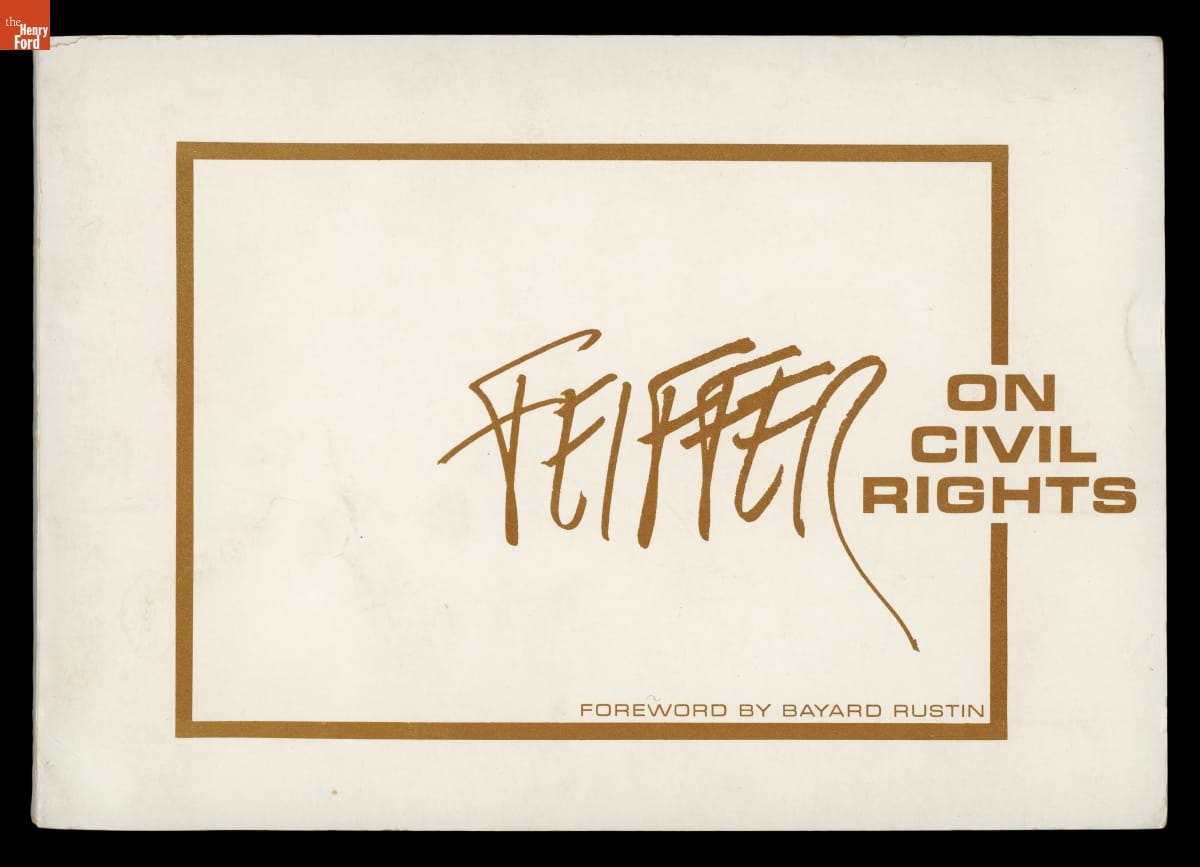
- "Feiffer on Civil Rights," 1966 -
- 1966
- Collections - Artifact
"Feiffer on Civil Rights," 1966
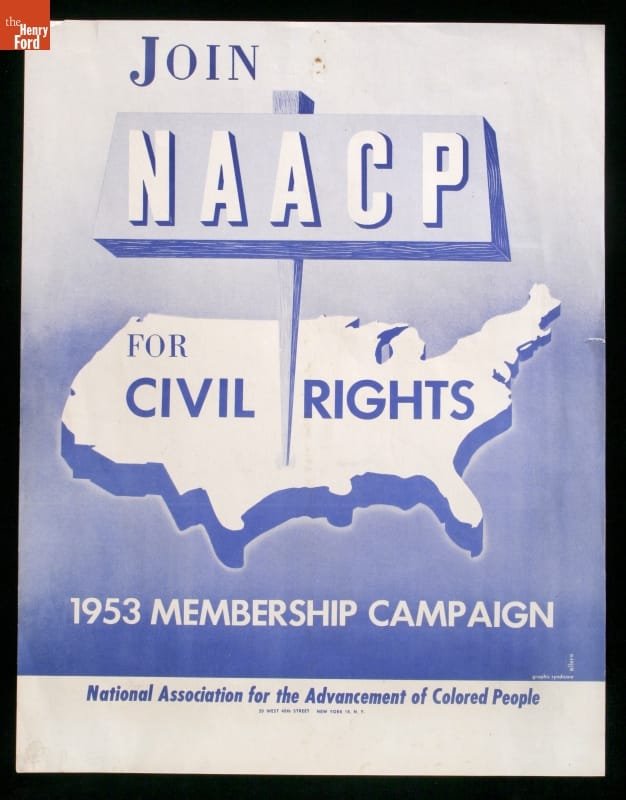
- "Join NAACP for Civil Rights 1953 Membership Campaign" - This 1953 membership campaign brochure solicited support for the National Association for the Advancement of Colored People (NAACP) and its causes. Formed in 1909, the NAACP emphasized fighting for racial equality through legal actions rather than political protest or economic agitation. A major victory occurred a year later when the Supreme Court struck down racial segregation in public schools.
- 1953
- Collections - Artifact
"Join NAACP for Civil Rights 1953 Membership Campaign"
This 1953 membership campaign brochure solicited support for the National Association for the Advancement of Colored People (NAACP) and its causes. Formed in 1909, the NAACP emphasized fighting for racial equality through legal actions rather than political protest or economic agitation. A major victory occurred a year later when the Supreme Court struck down racial segregation in public schools.
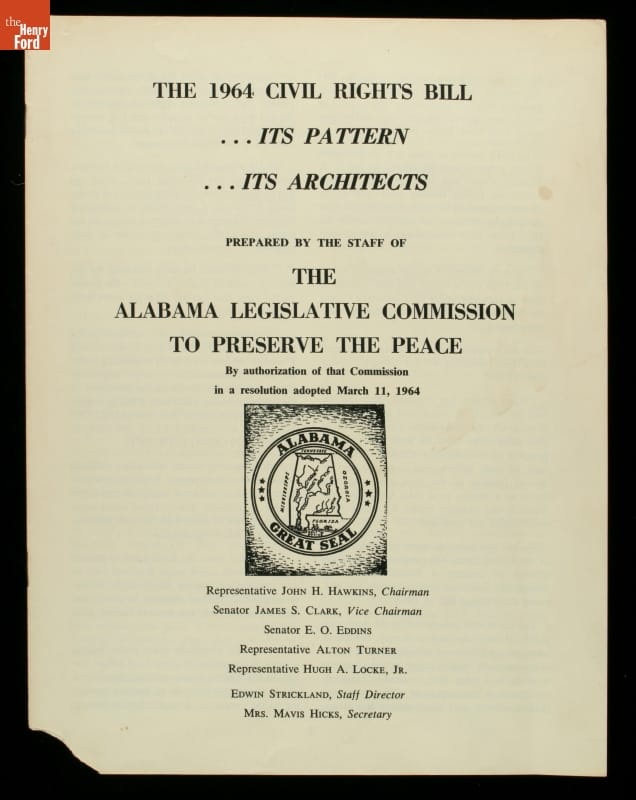
- "1964 Civil Rights Bill... Its Pattern... Its Architects" - Some of those opposed to civil rights during the 1960s tried to discredit the movement and its leaders. The Alabama Legislative Commission to Preserve the Peace produced this document to expose potential communist threats. This brochure spoke out against the 1964 Civil Rights Bill as a threat to America and the American way of life.
- 1964
- Collections - Artifact
"1964 Civil Rights Bill... Its Pattern... Its Architects"
Some of those opposed to civil rights during the 1960s tried to discredit the movement and its leaders. The Alabama Legislative Commission to Preserve the Peace produced this document to expose potential communist threats. This brochure spoke out against the 1964 Civil Rights Bill as a threat to America and the American way of life.
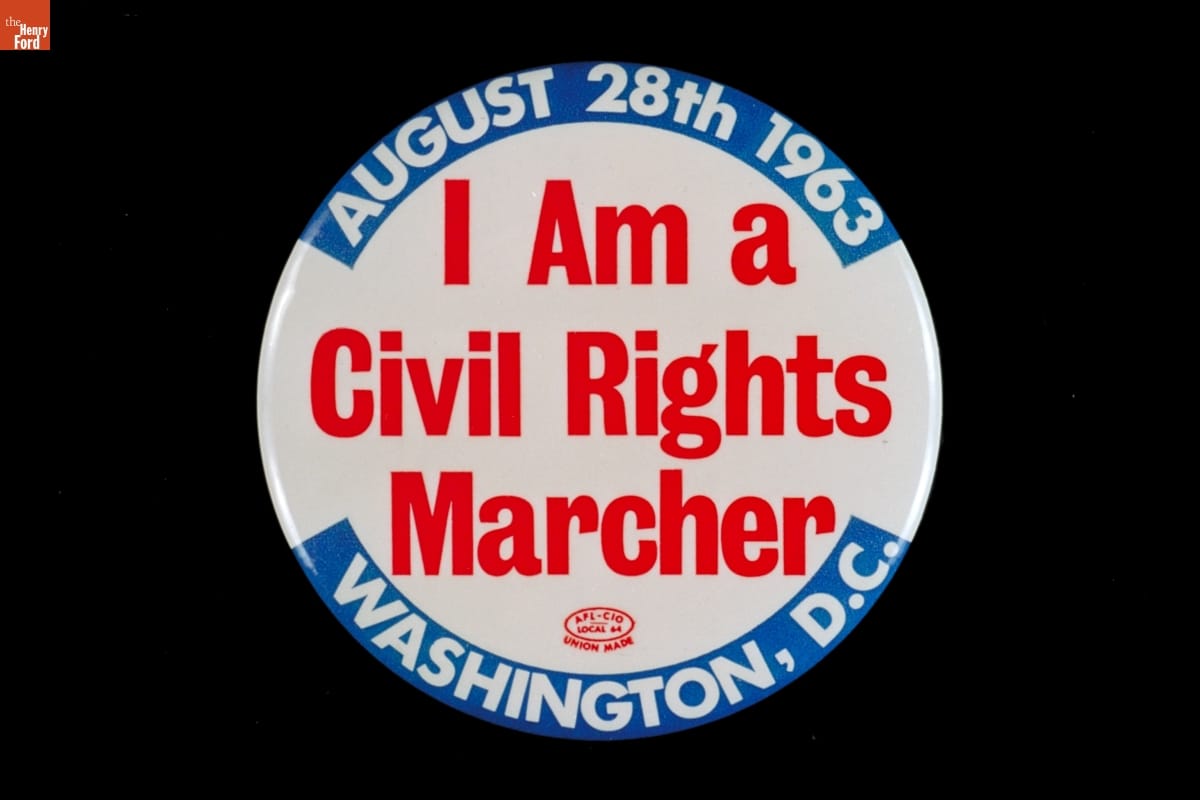
- Button, "I am a Civil Rights Marcher," 1963 - More than 250,000 civil rights advocates showed up at this peaceful march to support unity, jobs, and a new Civil Rights bill being proposed by President Kennedy. Television viewers nationwide watched African Americans and whites march together, united behind a common cause. Songs and speeches at this march included Martin Luther King, Jr.'s famous "I Have a Dream" speech.
- August 28, 1963
- Collections - Artifact
Button, "I am a Civil Rights Marcher," 1963
More than 250,000 civil rights advocates showed up at this peaceful march to support unity, jobs, and a new Civil Rights bill being proposed by President Kennedy. Television viewers nationwide watched African Americans and whites march together, united behind a common cause. Songs and speeches at this march included Martin Luther King, Jr.'s famous "I Have a Dream" speech.
- Civil Rights Leader John Lewis Calls on President Johnson to Protect Summer Civil Rights Volunteers in Mississippi, June 23, 1964 -
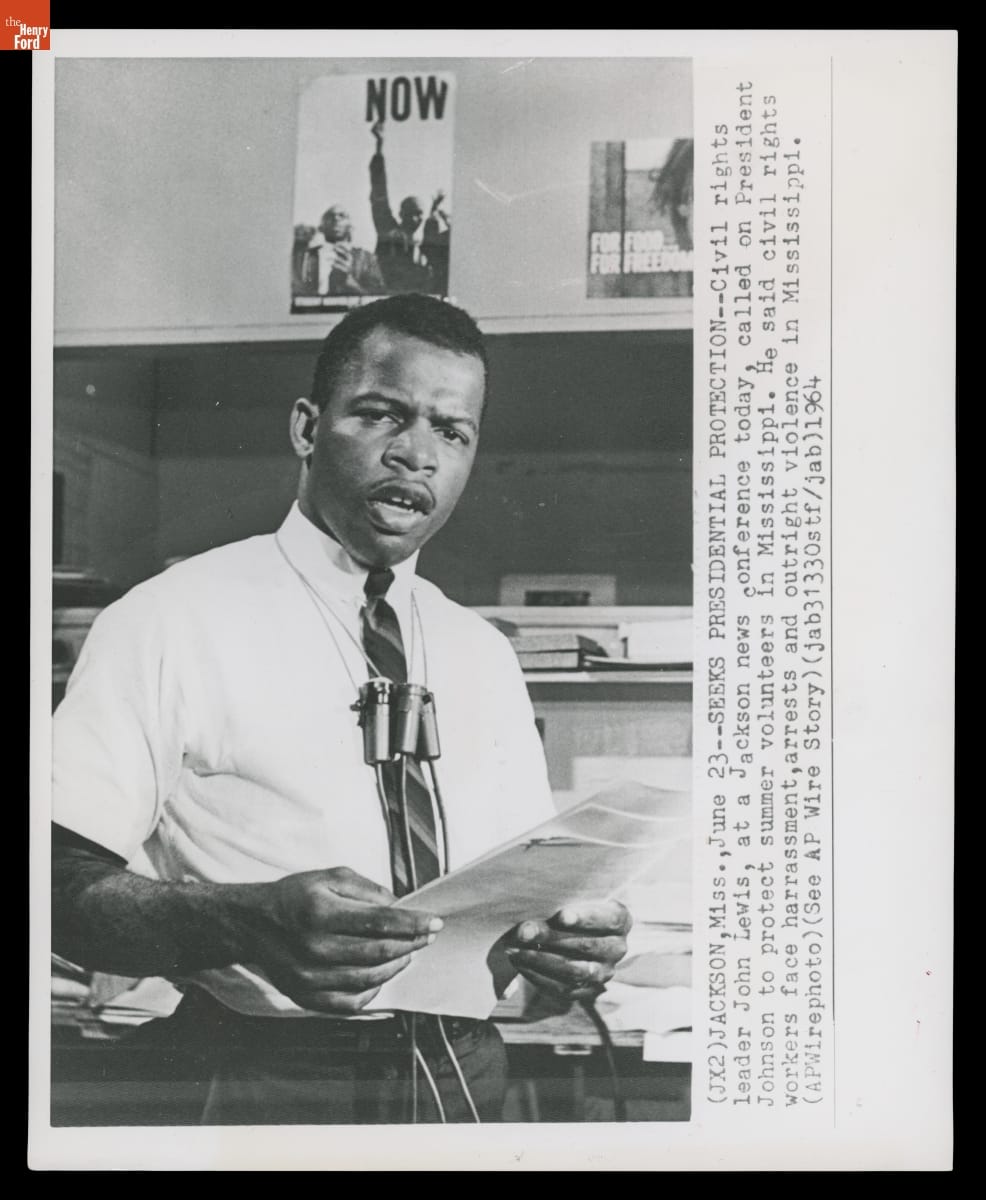
- June 23, 1964
- Collections - Artifact
Civil Rights Leader John Lewis Calls on President Johnson to Protect Summer Civil Rights Volunteers in Mississippi, June 23, 1964
- Journalist Interviewing Jesse Jackson during the Civil Rights Movement -
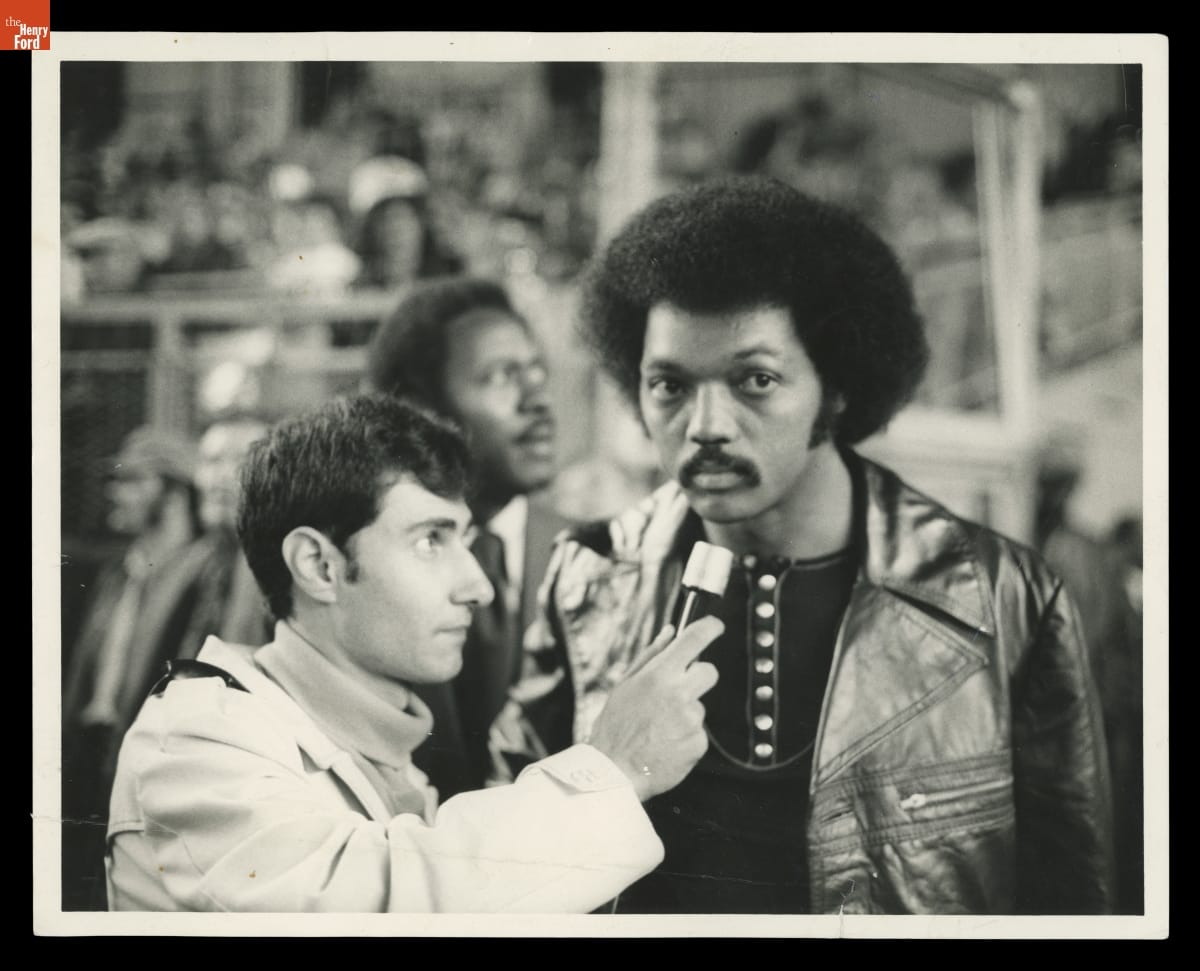
- Collections - Artifact
Journalist Interviewing Jesse Jackson during the Civil Rights Movement
- Frankie Freeman, New Civil Rights Commissioner, February 29, 1964 -
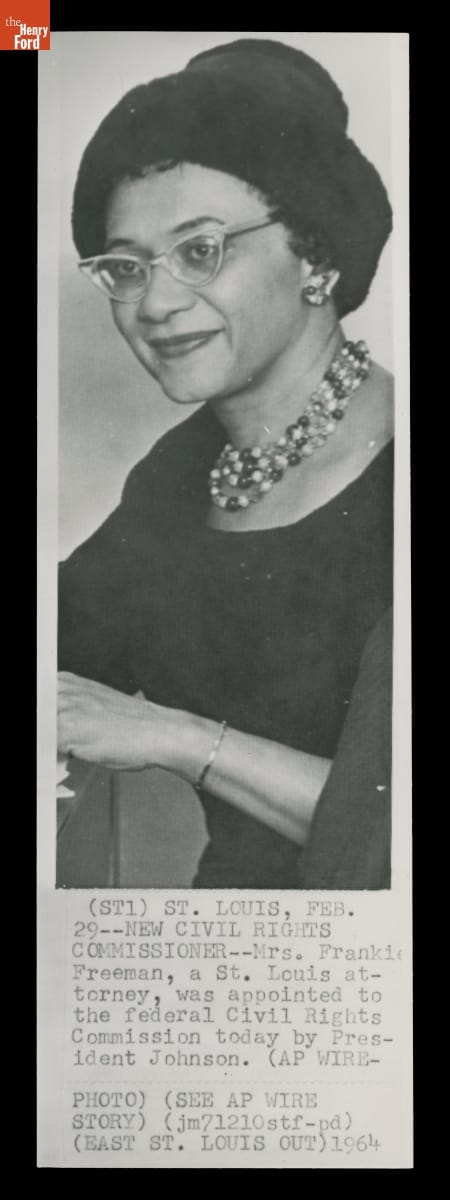
- February 29, 1964
- Collections - Artifact
Frankie Freeman, New Civil Rights Commissioner, February 29, 1964
- "I've Done My Part to Repeal the Civil Rights Act" - Founded in 1959 by George Lincoln Rockwell, the American Nazi Party was initially the World Union of Free Enterprise National Socialists, based in Arlington, VA. In 1964, Rockwell ran for president, targeting white Christians with the United White Christian Majority Party, promoting racial superiority through Christian Identity theology. They opposed the 1964 Civil Rights Act, saw it as a threat, and organized protests with extreme racial rhetoric.
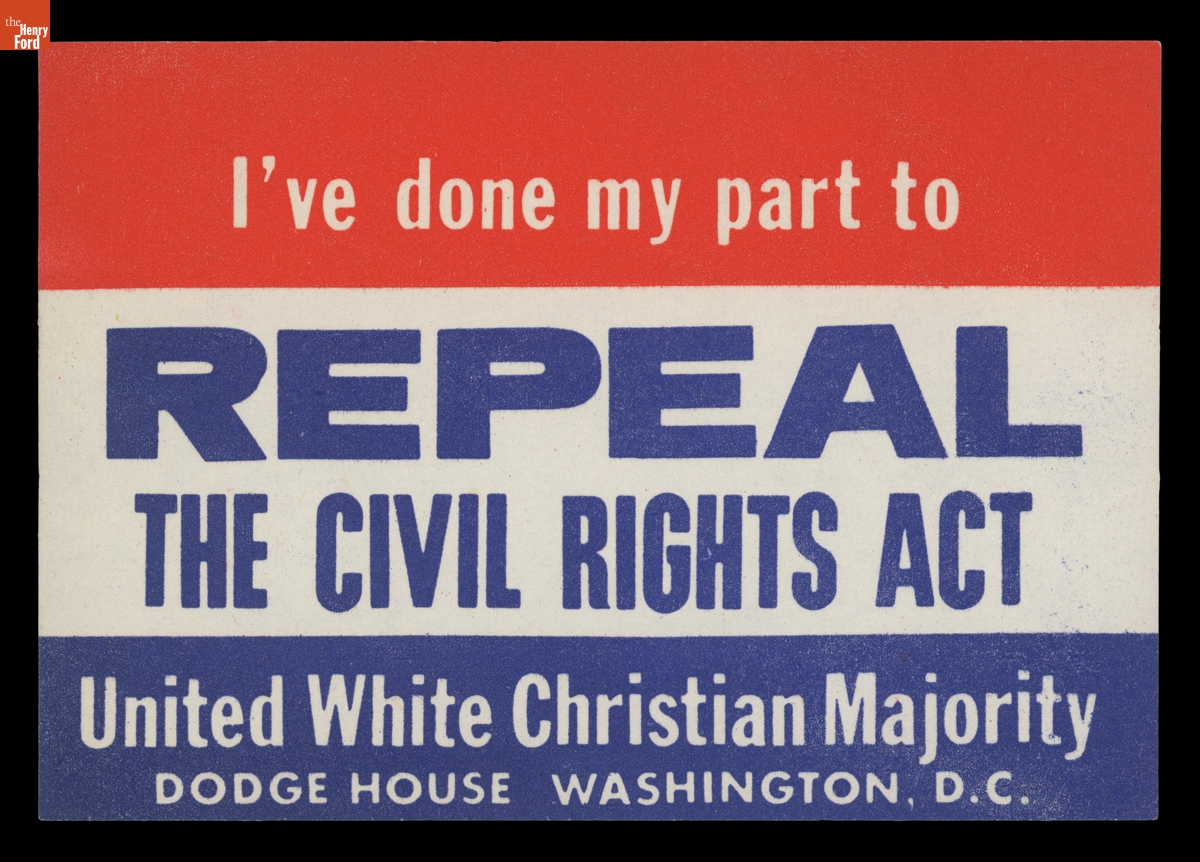
- 1964
- Collections - Artifact
"I've Done My Part to Repeal the Civil Rights Act"
Founded in 1959 by George Lincoln Rockwell, the American Nazi Party was initially the World Union of Free Enterprise National Socialists, based in Arlington, VA. In 1964, Rockwell ran for president, targeting white Christians with the United White Christian Majority Party, promoting racial superiority through Christian Identity theology. They opposed the 1964 Civil Rights Act, saw it as a threat, and organized protests with extreme racial rhetoric.
- Citations of U.S. Civil Rights Laws, Used by Sullivan Jackson -
- 1958
- Collections - Artifact
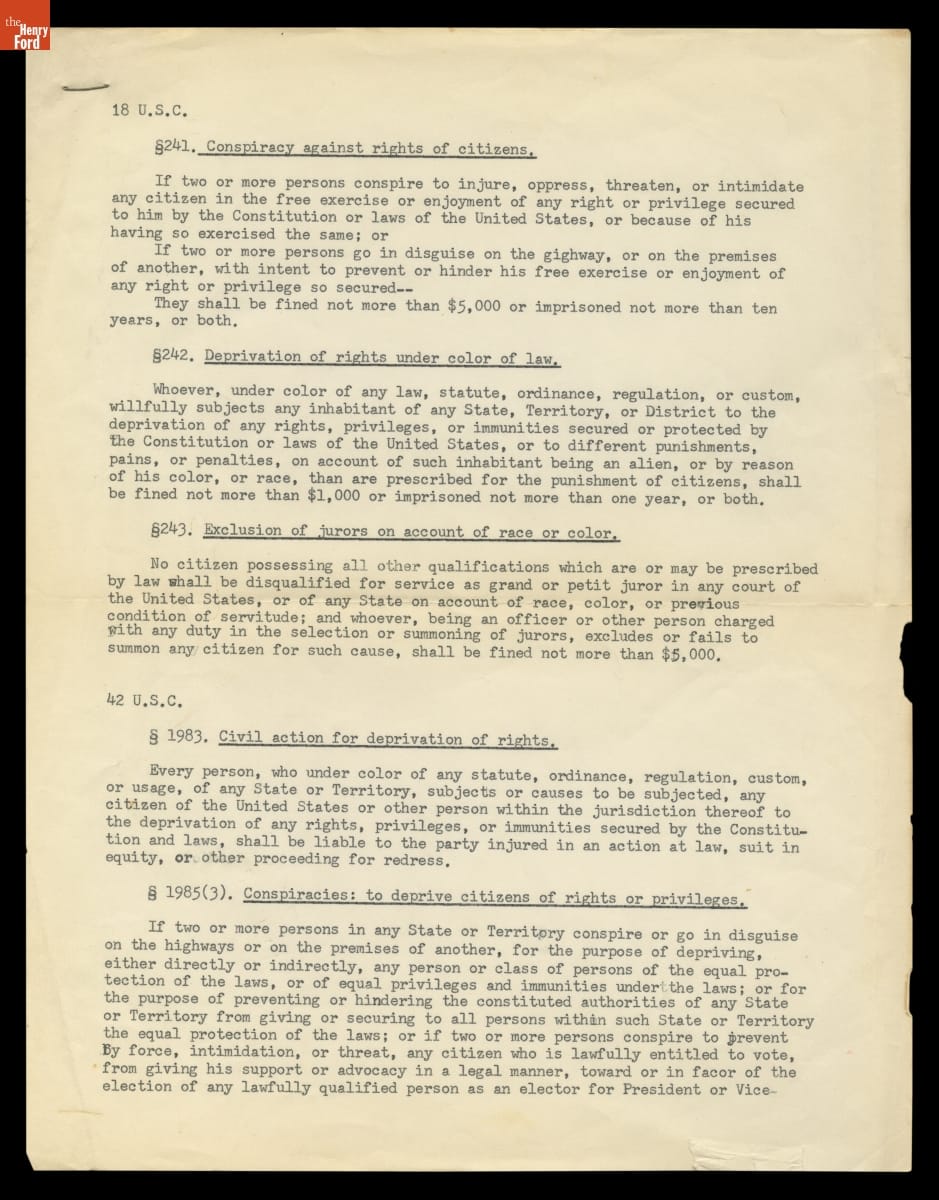
Citations of U.S. Civil Rights Laws, Used by Sullivan Jackson
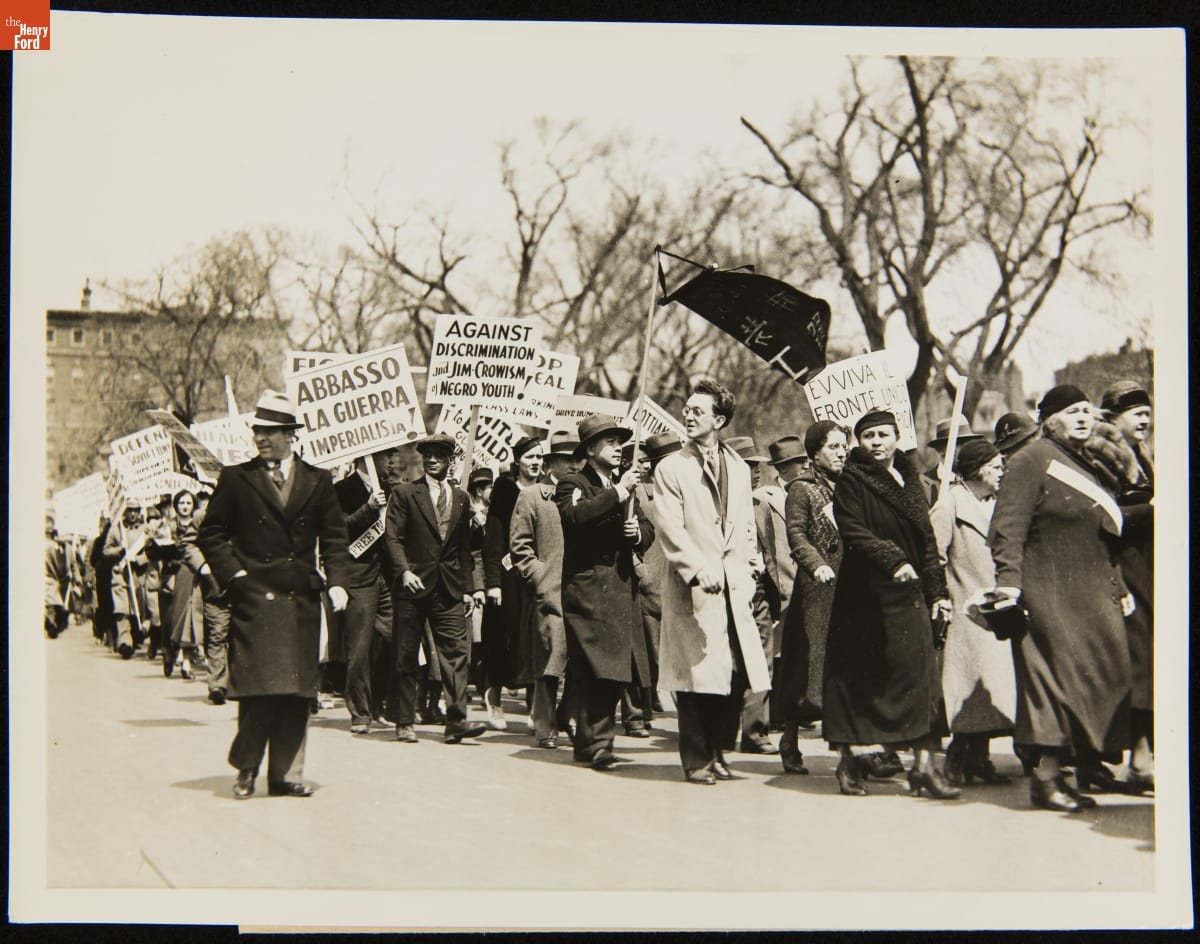
- May Day Civil Rights Demonstration on Boston Common, May 1, 1935 - Protest marchers paraded through Boston, Massachusetts, neighborhoods on May 1, 1935. The demonstrators lifted banners denouncing fascism, discrimination, and Jim-Crowism, and other messaging. The diverse group of activists marched peacefully to the Boston Commons, though some newspaper accounts stressed disturbances during the May Day event.
- May 01, 1935
- Collections - Artifact
May Day Civil Rights Demonstration on Boston Common, May 1, 1935
Protest marchers paraded through Boston, Massachusetts, neighborhoods on May 1, 1935. The demonstrators lifted banners denouncing fascism, discrimination, and Jim-Crowism, and other messaging. The diverse group of activists marched peacefully to the Boston Commons, though some newspaper accounts stressed disturbances during the May Day event.