
Search
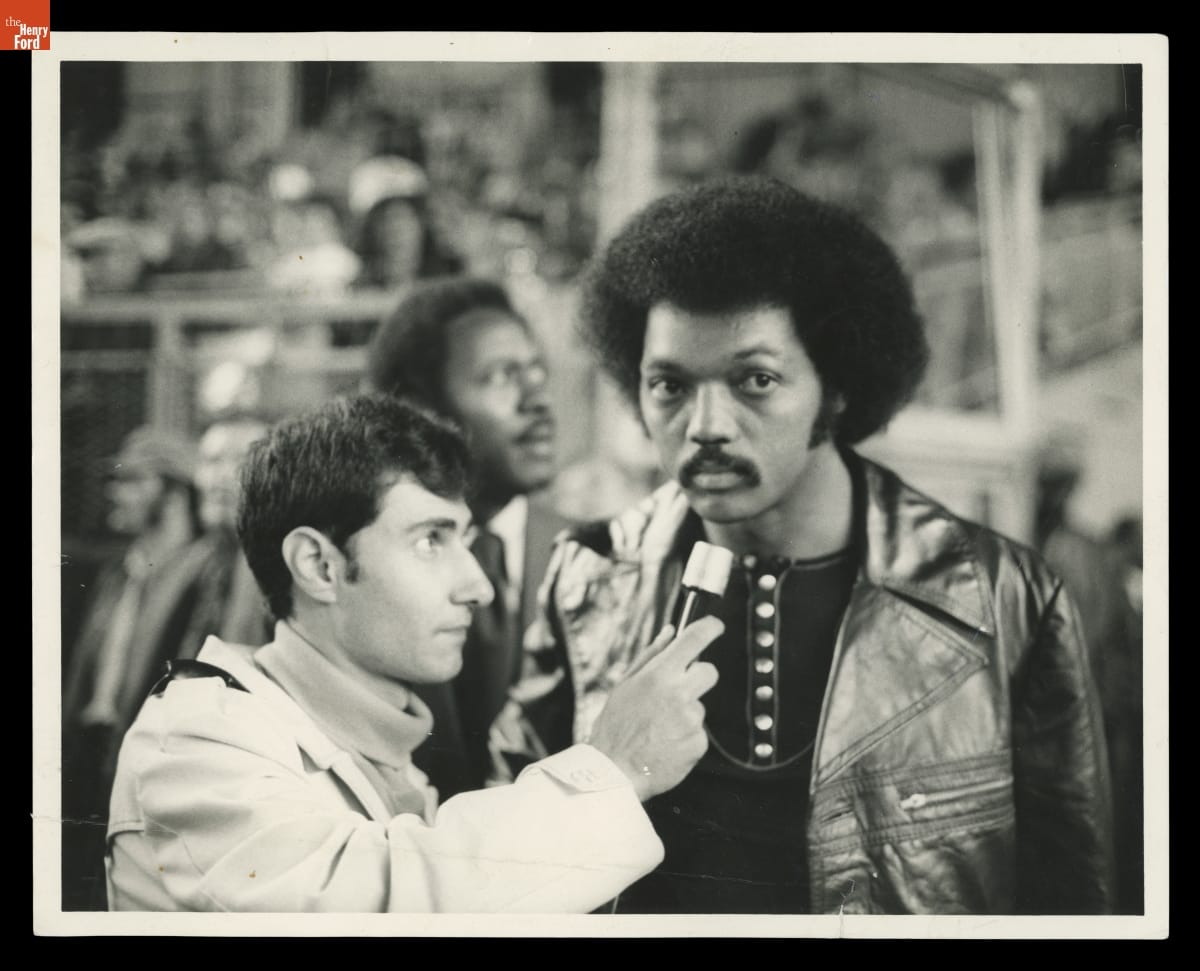
- Journalist Interviewing Jesse Jackson during the Civil Rights Movement -
- Collections - Artifact
Journalist Interviewing Jesse Jackson during the Civil Rights Movement
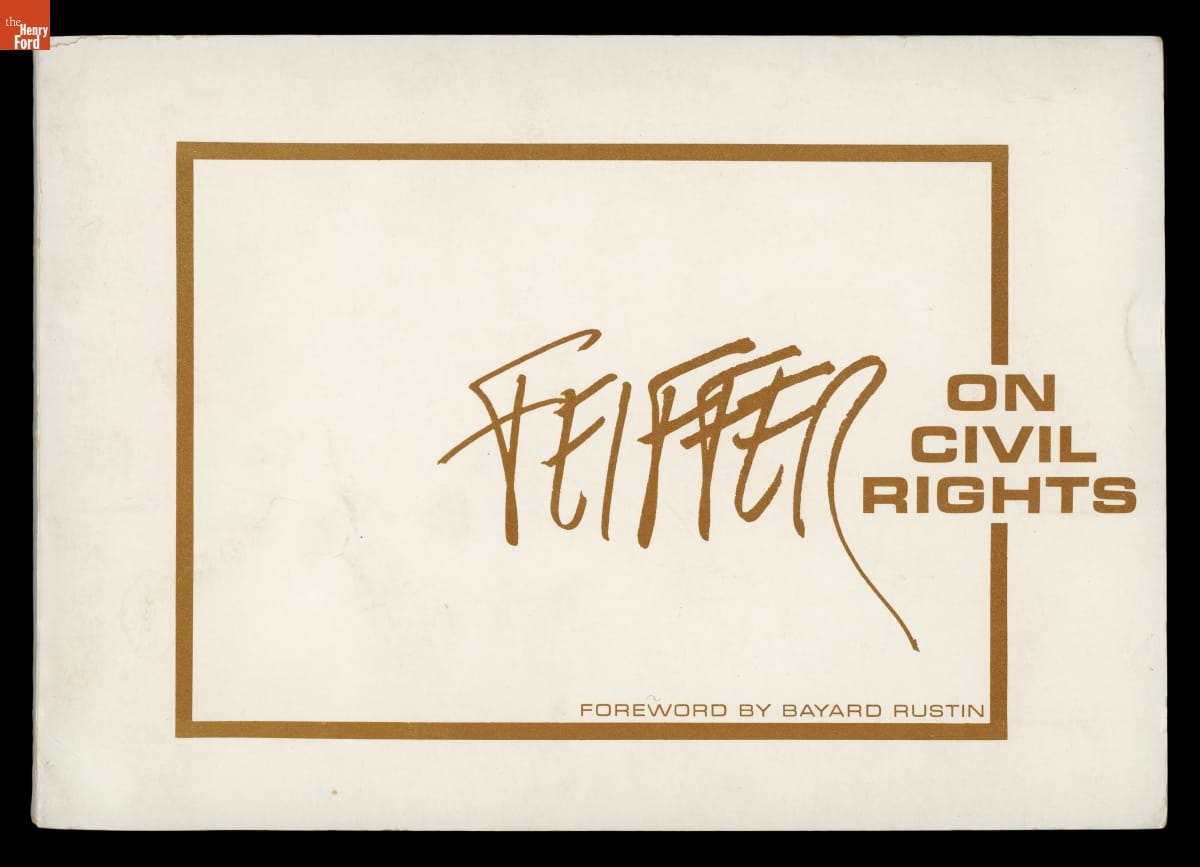
- "Feiffer on Civil Rights," 1966 -
- 1966
- Collections - Artifact
"Feiffer on Civil Rights," 1966
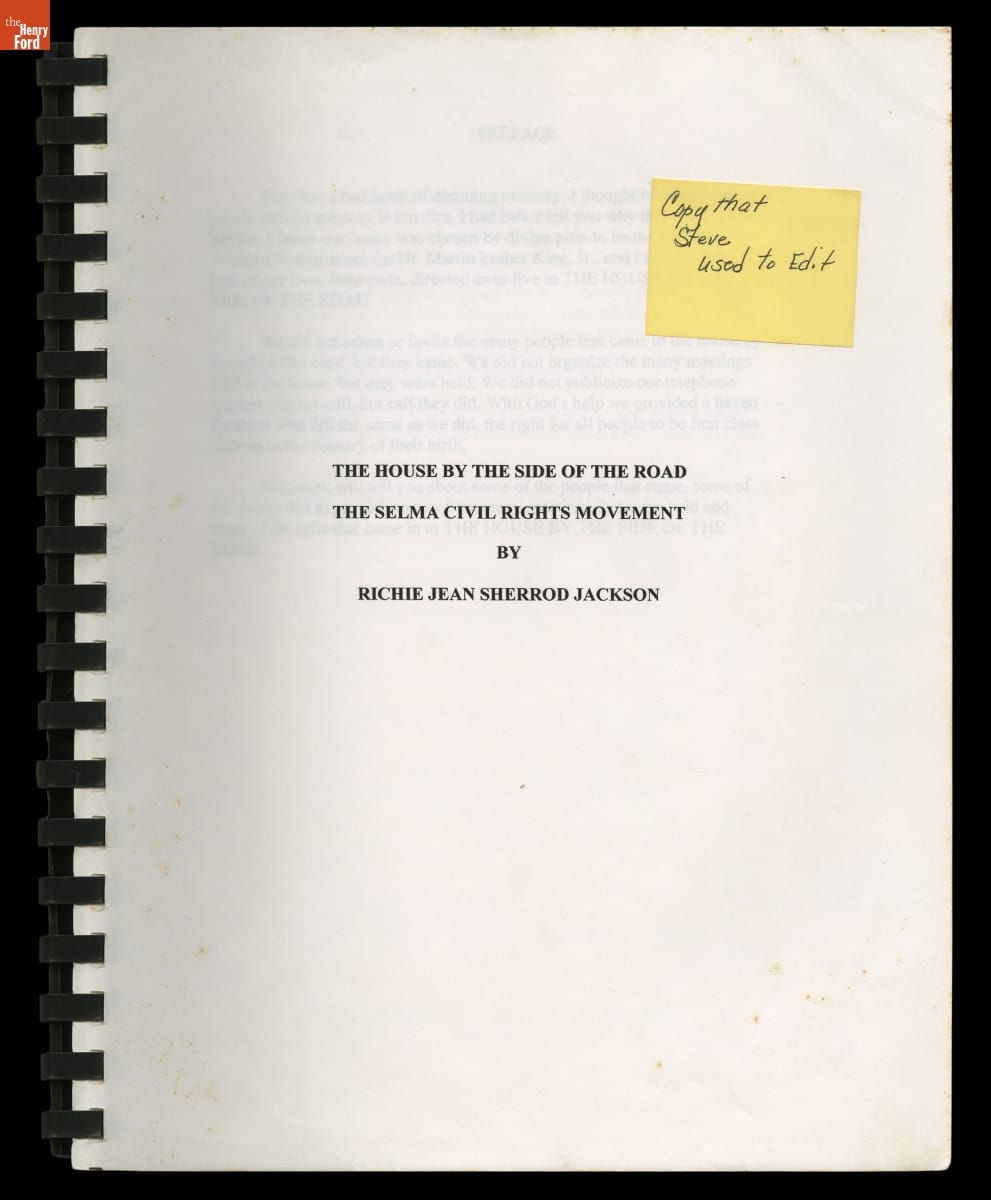
- Draft of "The House by the Side of the Road: The Selma Civil Rights Movement," circa 2009 -
- circa 2009
- Collections - Artifact
Draft of "The House by the Side of the Road: The Selma Civil Rights Movement," circa 2009
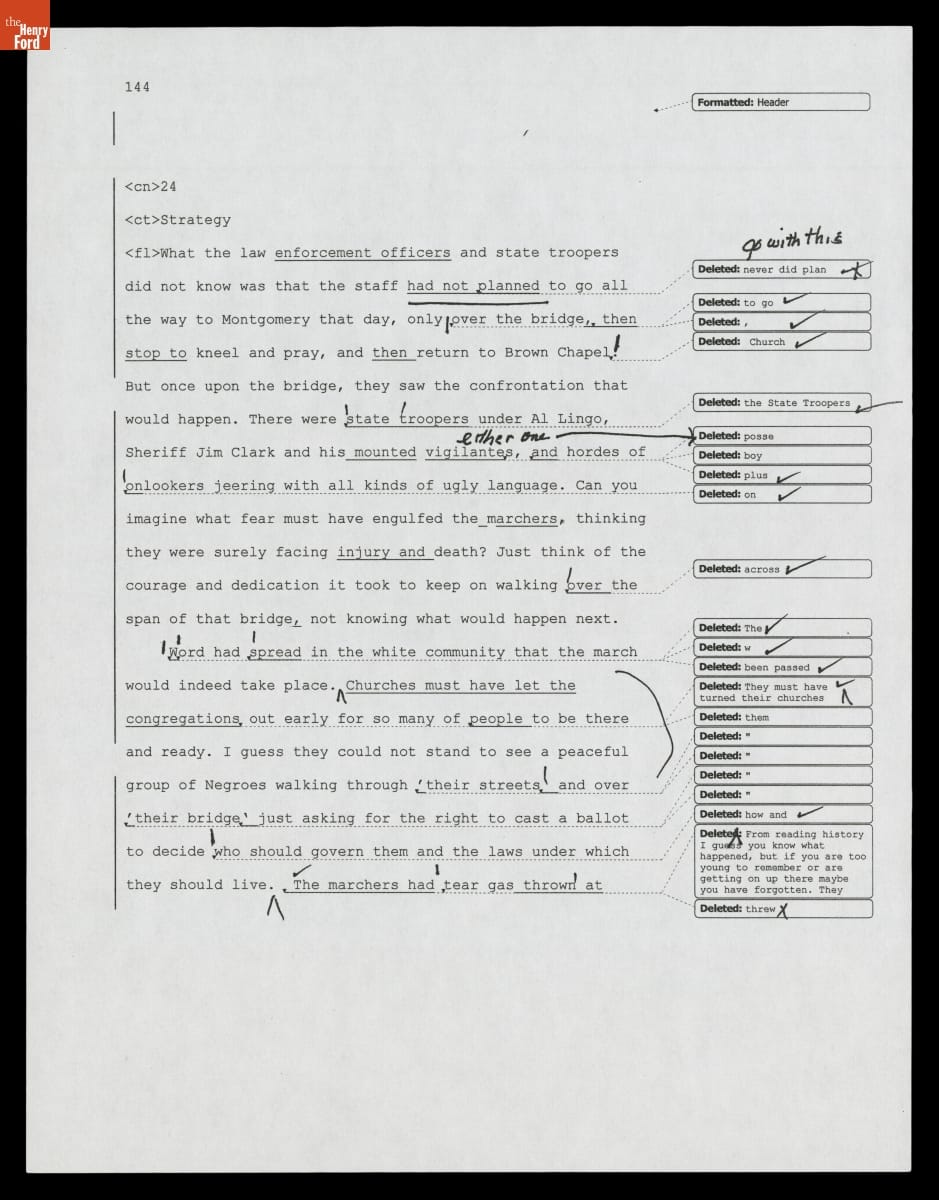
- Portion of Draft of "The House by the Side of the Road: The Selma Civil Rights Movement" -
- Collections - Artifact
Portion of Draft of "The House by the Side of the Road: The Selma Civil Rights Movement"
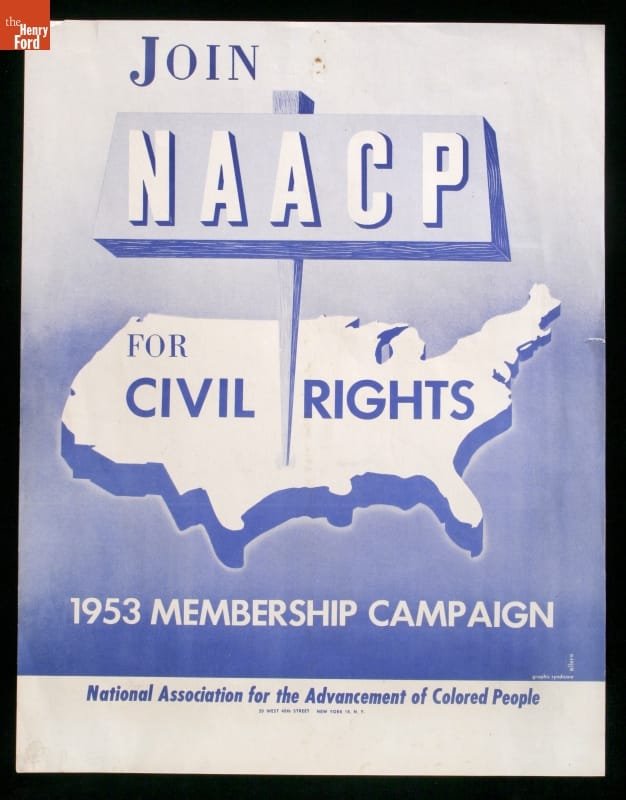
- "Join NAACP for Civil Rights 1953 Membership Campaign" - This 1953 membership campaign brochure solicited support for the National Association for the Advancement of Colored People (NAACP) and its causes. Formed in 1909, the NAACP emphasized fighting for racial equality through legal actions rather than political protest or economic agitation. A major victory occurred a year later when the Supreme Court struck down racial segregation in public schools.
- 1953
- Collections - Artifact
"Join NAACP for Civil Rights 1953 Membership Campaign"
This 1953 membership campaign brochure solicited support for the National Association for the Advancement of Colored People (NAACP) and its causes. Formed in 1909, the NAACP emphasized fighting for racial equality through legal actions rather than political protest or economic agitation. A major victory occurred a year later when the Supreme Court struck down racial segregation in public schools.
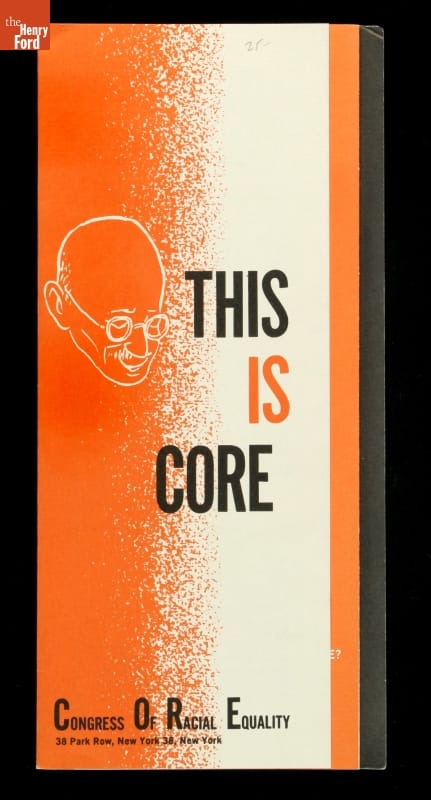
- "This is CORE, Congress of Racial Equality," circa 1959 - The Congress of Racial Equality (CORE) was founded in 1942. Its founding leaders were influenced by Mahatma Gandhi's teachings of nonviolent resistance -- Gandhi's images is found on the front cover of this pamphlet from about 1959. CORE pioneered nonviolent civil rights activism; and its members organized and participated in many sit-ins, freedom rides and other nonviolent actions.
- circa 1959
- Collections - Artifact
"This is CORE, Congress of Racial Equality," circa 1959
The Congress of Racial Equality (CORE) was founded in 1942. Its founding leaders were influenced by Mahatma Gandhi's teachings of nonviolent resistance -- Gandhi's images is found on the front cover of this pamphlet from about 1959. CORE pioneered nonviolent civil rights activism; and its members organized and participated in many sit-ins, freedom rides and other nonviolent actions.
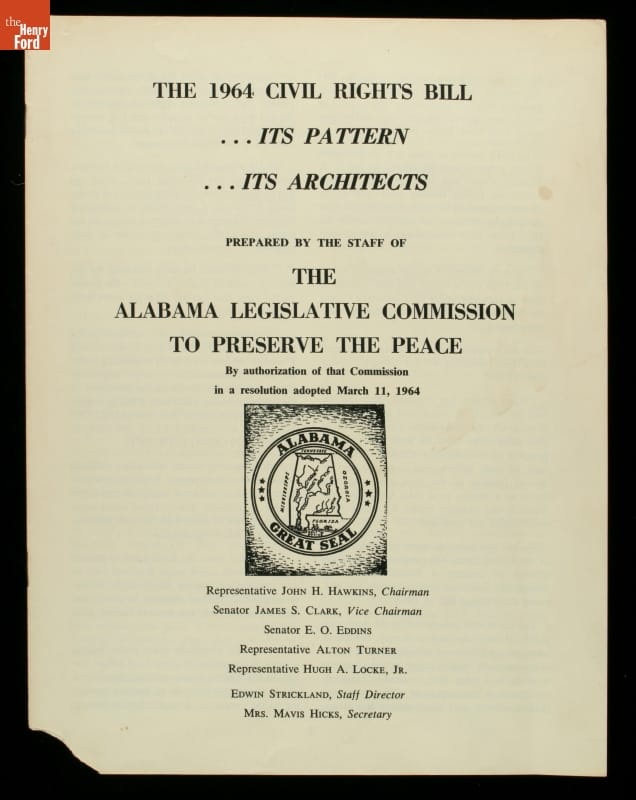
- "1964 Civil Rights Bill... Its Pattern... Its Architects" - Some of those opposed to civil rights during the 1960s tried to discredit the movement and its leaders. The Alabama Legislative Commission to Preserve the Peace produced this document to expose potential communist threats. This brochure spoke out against the 1964 Civil Rights Bill as a threat to America and the American way of life.
- 1964
- Collections - Artifact
"1964 Civil Rights Bill... Its Pattern... Its Architects"
Some of those opposed to civil rights during the 1960s tried to discredit the movement and its leaders. The Alabama Legislative Commission to Preserve the Peace produced this document to expose potential communist threats. This brochure spoke out against the 1964 Civil Rights Bill as a threat to America and the American way of life.
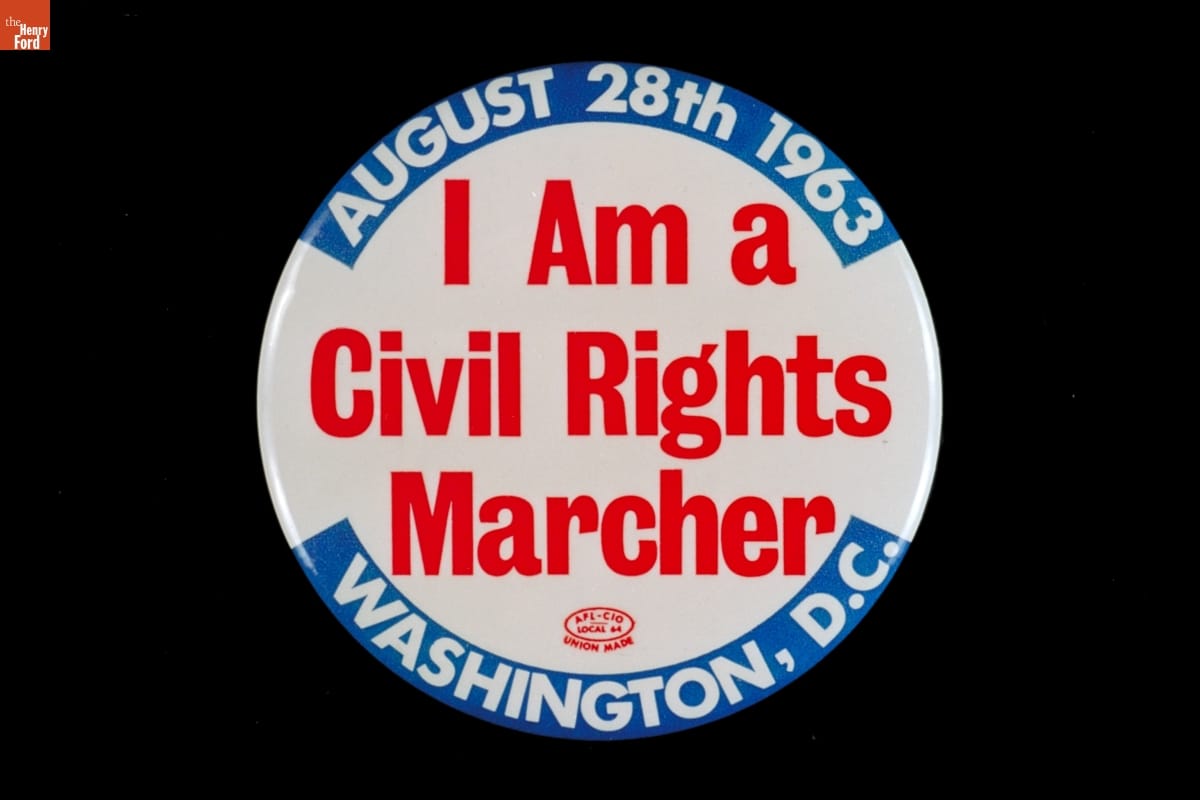
- Button, "I am a Civil Rights Marcher," 1963 - More than 250,000 civil rights advocates showed up at this peaceful march to support unity, jobs, and a new Civil Rights bill being proposed by President Kennedy. Television viewers nationwide watched African Americans and whites march together, united behind a common cause. Songs and speeches at this march included Martin Luther King, Jr.'s famous "I Have a Dream" speech.
- August 28, 1963
- Collections - Artifact
Button, "I am a Civil Rights Marcher," 1963
More than 250,000 civil rights advocates showed up at this peaceful march to support unity, jobs, and a new Civil Rights bill being proposed by President Kennedy. Television viewers nationwide watched African Americans and whites march together, united behind a common cause. Songs and speeches at this march included Martin Luther King, Jr.'s famous "I Have a Dream" speech.
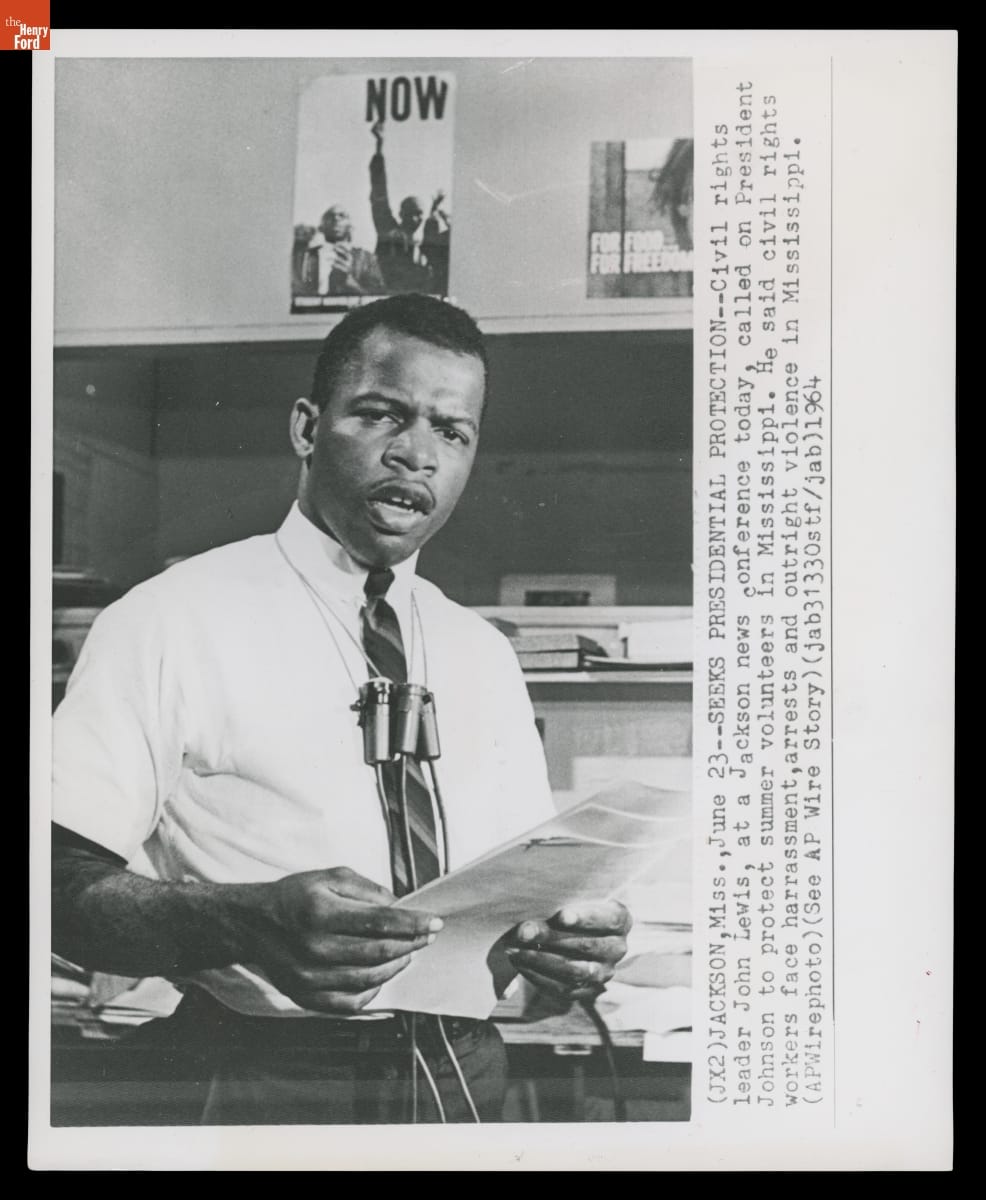
- Civil Rights Leader John Lewis Calls on President Johnson to Protect Summer Civil Rights Volunteers in Mississippi, June 23, 1964 -
- June 23, 1964
- Collections - Artifact
Civil Rights Leader John Lewis Calls on President Johnson to Protect Summer Civil Rights Volunteers in Mississippi, June 23, 1964
- Motown’s Contribution to the Civil Rights Movement - Berry Gordy, founder Motown, considered Detroit’s 1963 Walk to Freedom civil rights march to be such a historic event that his Hitsville studio produced a record album documenting the impassioned words of Dr. Martin Luther King, Jr., on that day.

- February 16, 2018
- Collections - article
Motown’s Contribution to the Civil Rights Movement
Berry Gordy, founder Motown, considered Detroit’s 1963 Walk to Freedom civil rights march to be such a historic event that his Hitsville studio produced a record album documenting the impassioned words of Dr. Martin Luther King, Jr., on that day.