
Search
- Collections Gallery: Lillian Schwartz - The Henry Ford’s Lillian Schwartz collection is the first to be exhibited in the new space, which is set to host temporary exhibitions of significant collections going forward.

- March 17, 2023
- Collections - article
Collections Gallery: Lillian Schwartz
The Henry Ford’s Lillian Schwartz collection is the first to be exhibited in the new space, which is set to host temporary exhibitions of significant collections going forward.
- Collections Storage at Benson Ford Research Center, August 2006 - The holdings of The Henry Ford Archive of American Innovation are wide-ranging. Along with early corporate records of the Ford Motor Company and the Edison Institute, other collections consist of material related to the institution's mission and defined collecting topics. The Benson Ford Research Center, named for the second son of Edsel and Eleanor Ford, houses much of the collection.

- August 01, 2006
- Collections - Artifact
Collections Storage at Benson Ford Research Center, August 2006
The holdings of The Henry Ford Archive of American Innovation are wide-ranging. Along with early corporate records of the Ford Motor Company and the Edison Institute, other collections consist of material related to the institution's mission and defined collecting topics. The Benson Ford Research Center, named for the second son of Edsel and Eleanor Ford, houses much of the collection.
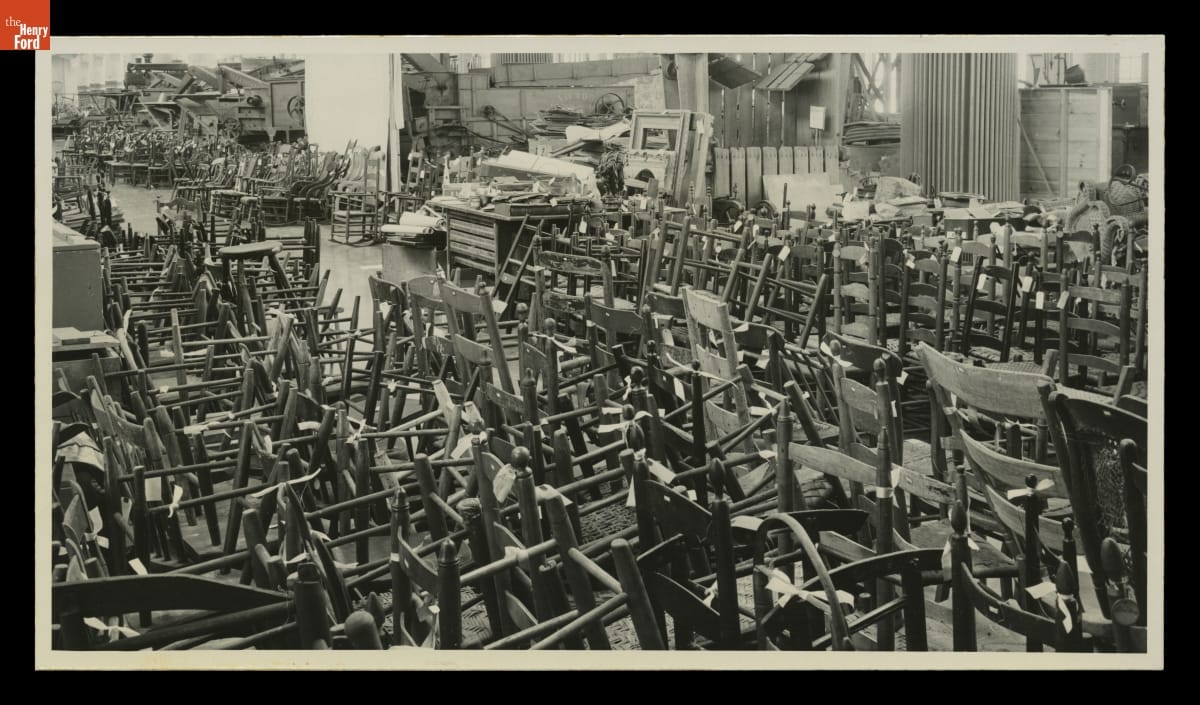
- Collections Storage in Henry Ford Museum, circa 1952 -
- circa 1952
- Collections - Artifact
Collections Storage in Henry Ford Museum, circa 1952
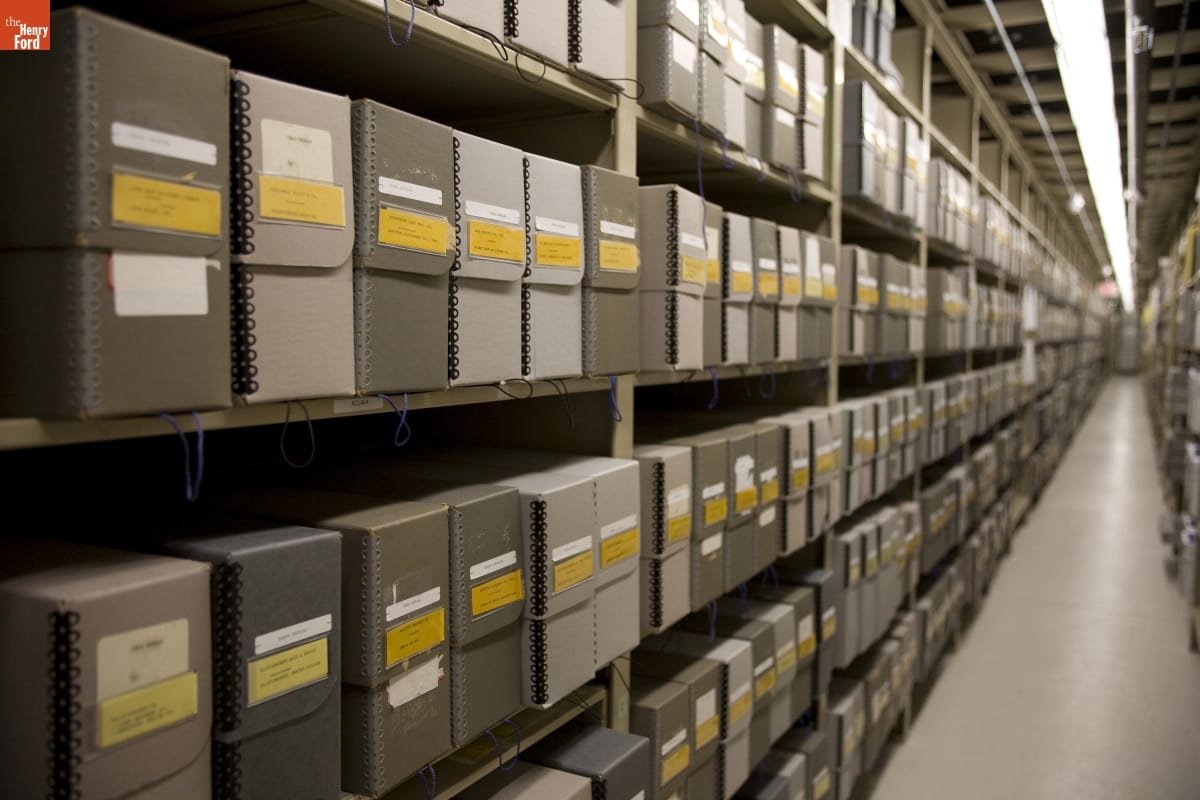
- Collections Storage at Benson Ford Research Center, August 2006 - The holdings of The Henry Ford Archive of American Innovation are wide-ranging. Along with early corporate records of the Ford Motor Company and the Edison Institute, other collections consist of material related to the institution's mission and defined collecting topics. The Benson Ford Research Center, named for the second son of Edsel and Eleanor Ford, houses much of the collection.
- August 01, 2006
- Collections - Artifact
Collections Storage at Benson Ford Research Center, August 2006
The holdings of The Henry Ford Archive of American Innovation are wide-ranging. Along with early corporate records of the Ford Motor Company and the Edison Institute, other collections consist of material related to the institution's mission and defined collecting topics. The Benson Ford Research Center, named for the second son of Edsel and Eleanor Ford, houses much of the collection.
- Collections Storage at Benson Ford Research Center, August 2006 - The holdings of The Henry Ford Archive of American Innovation are wide-ranging. Along with early corporate records of the Ford Motor Company and the Edison Institute, other collections consist of material related to the institution's mission and defined collecting topics. The Benson Ford Research Center, named for the second son of Edsel and Eleanor Ford, houses much of the collection.

- August 01, 2006
- Collections - Artifact
Collections Storage at Benson Ford Research Center, August 2006
The holdings of The Henry Ford Archive of American Innovation are wide-ranging. Along with early corporate records of the Ford Motor Company and the Edison Institute, other collections consist of material related to the institution's mission and defined collecting topics. The Benson Ford Research Center, named for the second son of Edsel and Eleanor Ford, houses much of the collection.
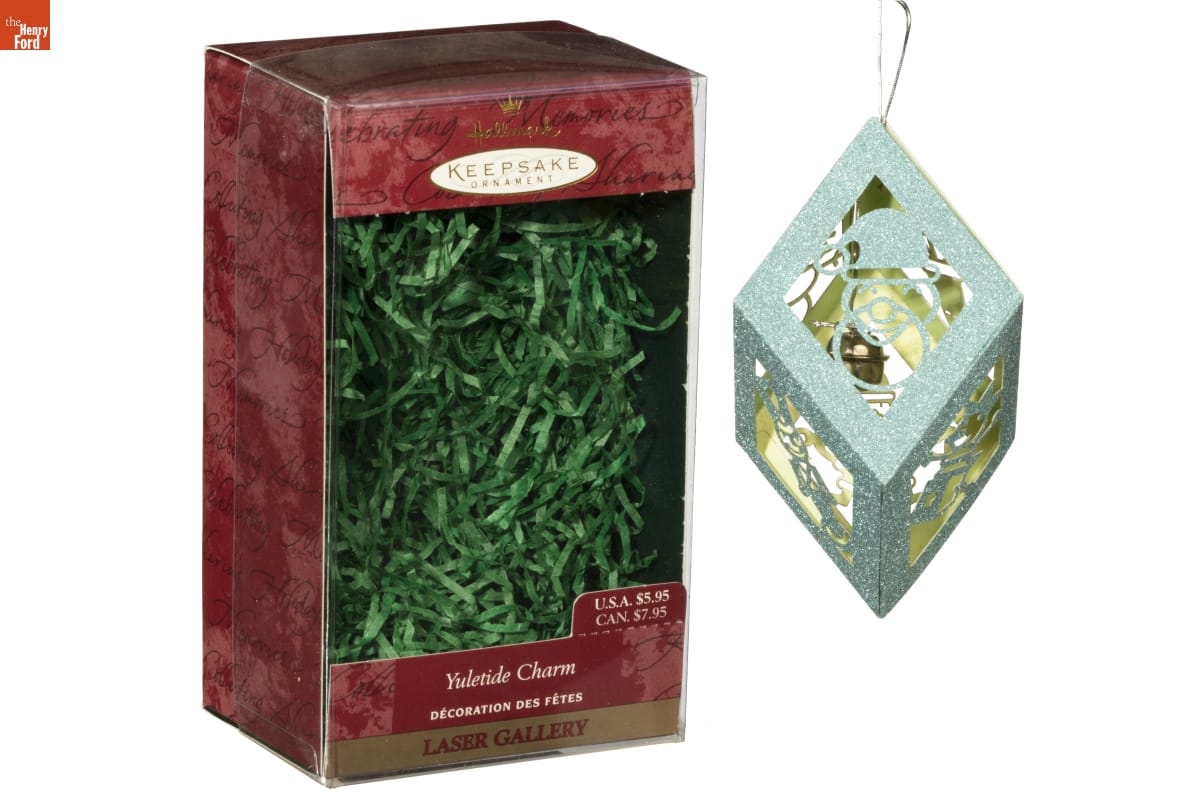
- Hallmark "Laser Gallery Collection: Yuletide Charm" Christmas Ornament, 1999 - Already known for greeting cards, Hallmark introduced a line of Christmas ornaments in 1973. The company's annual release of an increasing array of ornaments revolutionized Christmas decorating, appealing to customers' interest in marking memories and milestones as well as expressing one's personality and unique tastes.
- 1999
- Collections - Artifact
Hallmark "Laser Gallery Collection: Yuletide Charm" Christmas Ornament, 1999
Already known for greeting cards, Hallmark introduced a line of Christmas ornaments in 1973. The company's annual release of an increasing array of ornaments revolutionized Christmas decorating, appealing to customers' interest in marking memories and milestones as well as expressing one's personality and unique tastes.
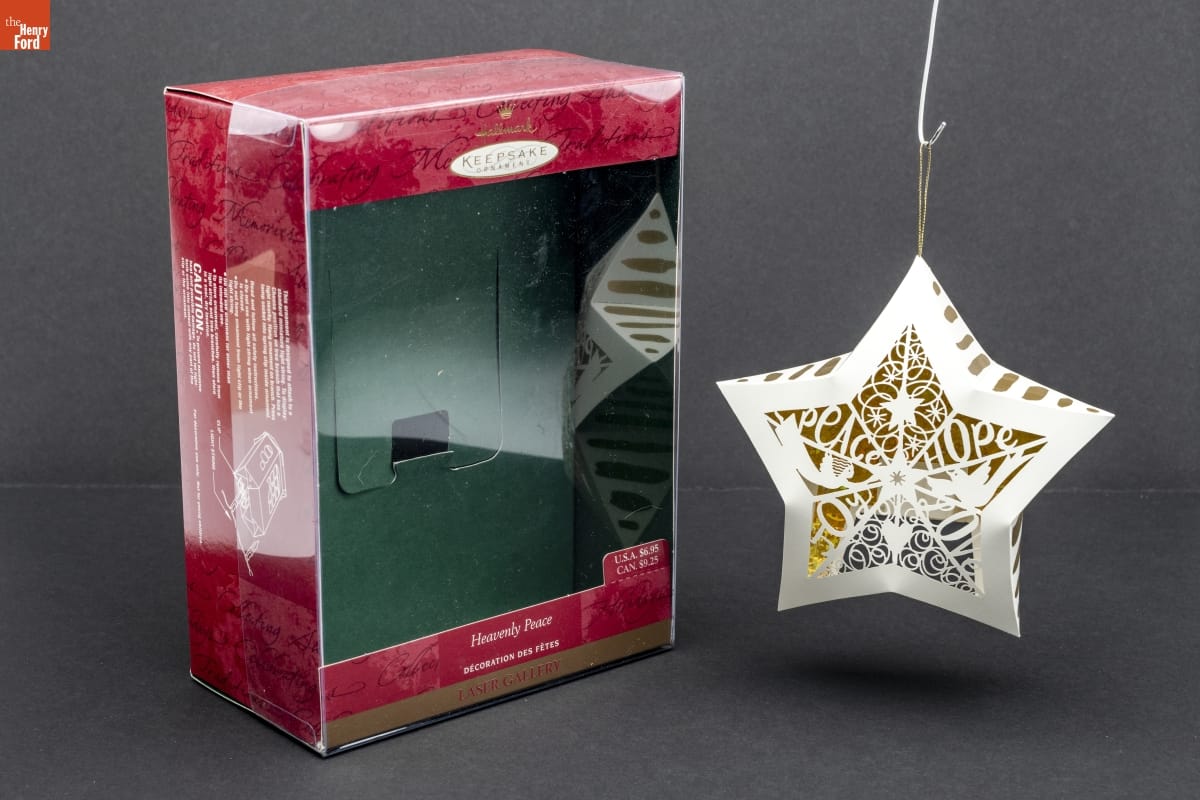
- Hallmark "Laser Gallery Collection: Heavenly Peace" Christmas Ornament, 2000 - Already known for greeting cards, Hallmark introduced a line of Christmas ornaments in 1973. The company's annual release of an increasing array of ornaments revolutionized Christmas decorating, appealing to customers' interest in marking memories and milestones as well as expressing one's personality and unique tastes.
- 2000
- Collections - Artifact
Hallmark "Laser Gallery Collection: Heavenly Peace" Christmas Ornament, 2000
Already known for greeting cards, Hallmark introduced a line of Christmas ornaments in 1973. The company's annual release of an increasing array of ornaments revolutionized Christmas decorating, appealing to customers' interest in marking memories and milestones as well as expressing one's personality and unique tastes.
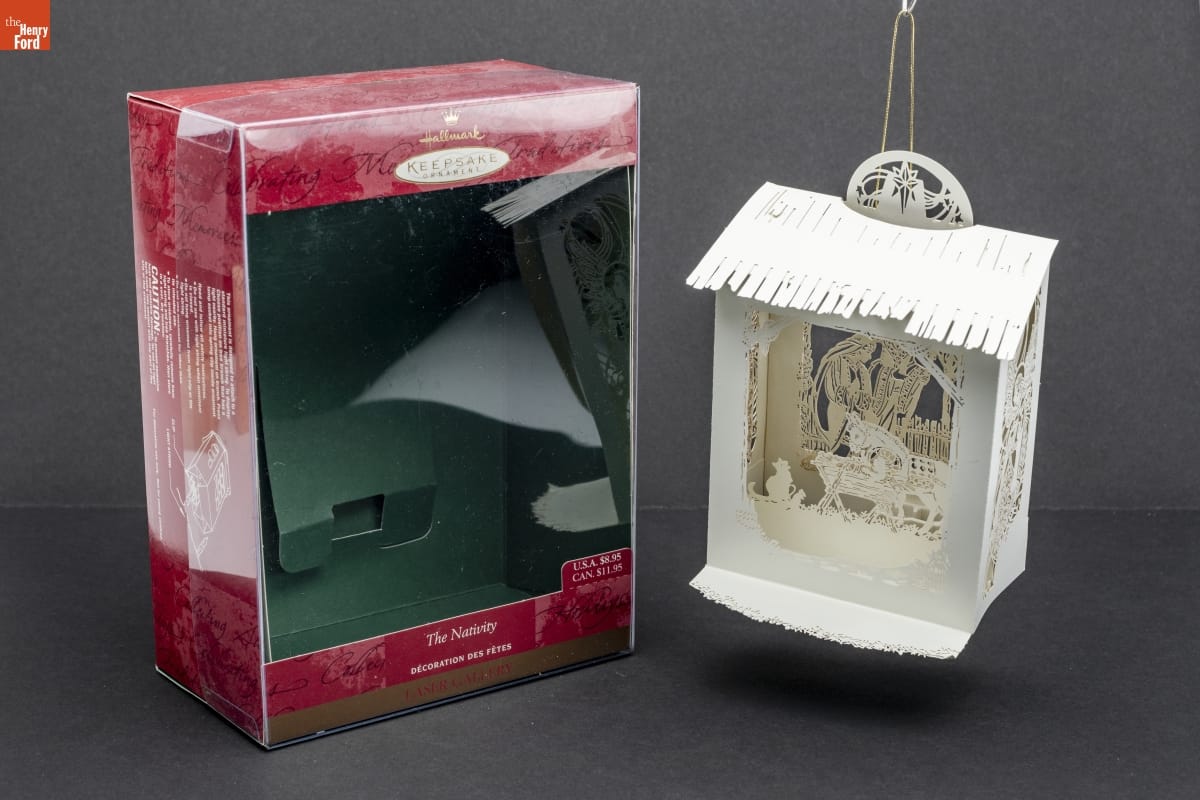
- Hallmark "Laser Gallery Collection: The Nativity" Christmas Ornament, 2000 - Already known for greeting cards, Hallmark introduced a line of Christmas ornaments in 1973. The company's annual release of an increasing array of ornaments revolutionized Christmas decorating, appealing to customers' interest in marking memories and milestones as well as expressing one's personality and unique tastes.
- 2000
- Collections - Artifact
Hallmark "Laser Gallery Collection: The Nativity" Christmas Ornament, 2000
Already known for greeting cards, Hallmark introduced a line of Christmas ornaments in 1973. The company's annual release of an increasing array of ornaments revolutionized Christmas decorating, appealing to customers' interest in marking memories and milestones as well as expressing one's personality and unique tastes.
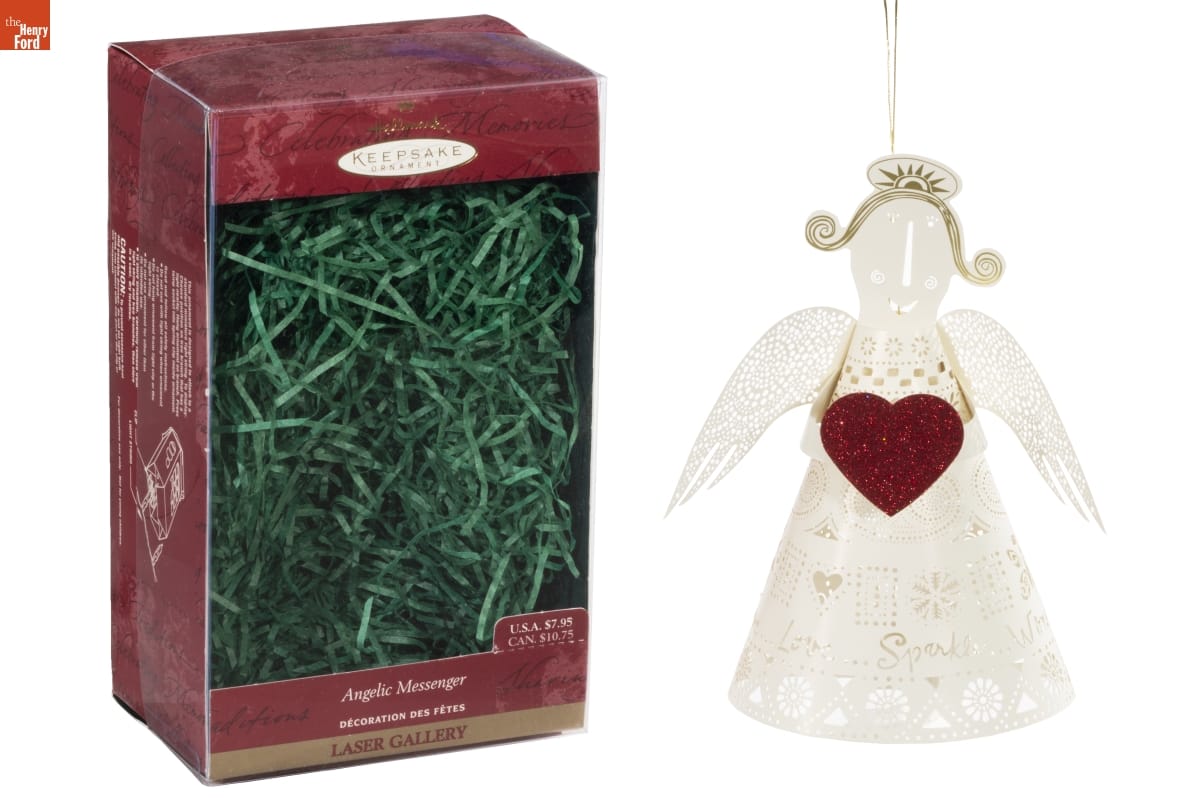
- Hallmark "Laser Gallery Collection: Angelic Messenger" Christmas Ornament, 1999 - Already known for greeting cards, Hallmark introduced a line of Christmas ornaments in 1973. The company's annual release of an increasing array of ornaments revolutionized Christmas decorating, appealing to customers' interest in marking memories and milestones as well as expressing one's personality and unique tastes.
- 1999
- Collections - Artifact
Hallmark "Laser Gallery Collection: Angelic Messenger" Christmas Ornament, 1999
Already known for greeting cards, Hallmark introduced a line of Christmas ornaments in 1973. The company's annual release of an increasing array of ornaments revolutionized Christmas decorating, appealing to customers' interest in marking memories and milestones as well as expressing one's personality and unique tastes.
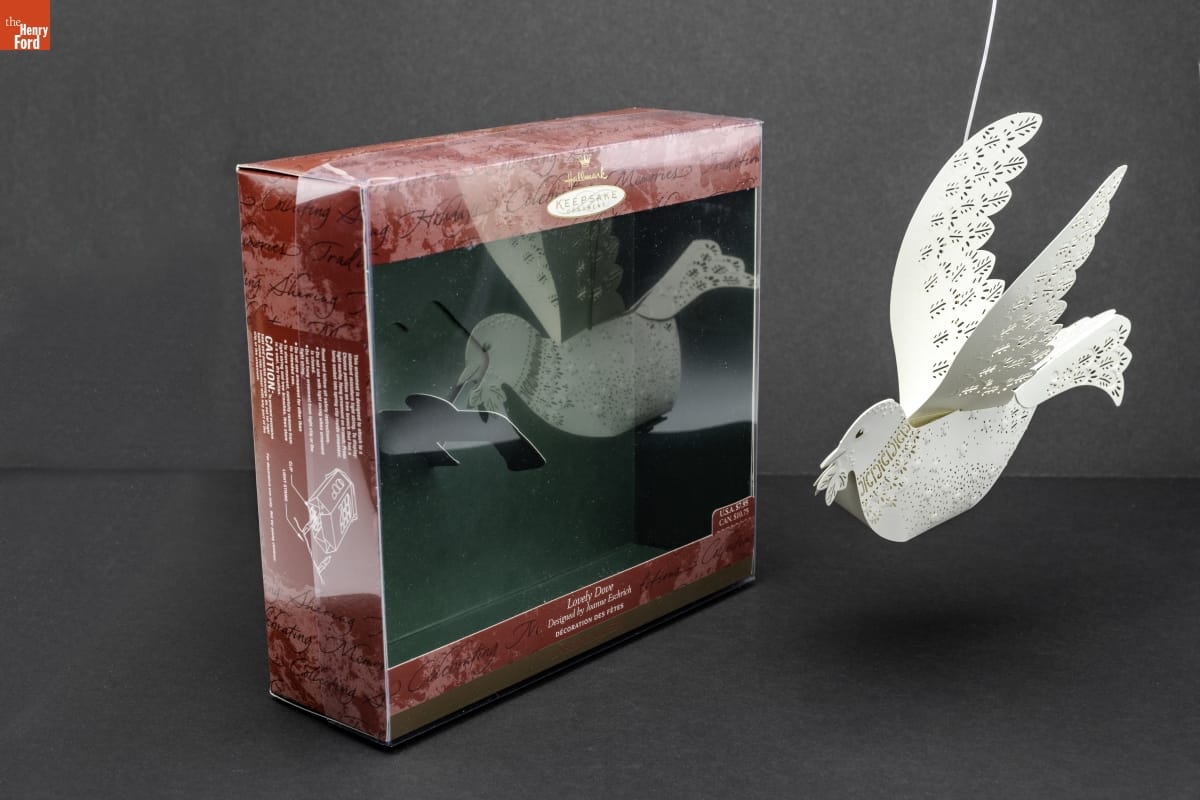
- Hallmark "Laser Gallery Collection: Lovely Dove" Christmas Ornament, 2000 - Already known for greeting cards, Hallmark introduced a line of Christmas ornaments in 1973. The company's annual release of an increasing array of ornaments revolutionized Christmas decorating, appealing to customers' interest in marking memories and milestones as well as expressing one's personality and unique tastes.
- 2000
- Collections - Artifact
Hallmark "Laser Gallery Collection: Lovely Dove" Christmas Ornament, 2000
Already known for greeting cards, Hallmark introduced a line of Christmas ornaments in 1973. The company's annual release of an increasing array of ornaments revolutionized Christmas decorating, appealing to customers' interest in marking memories and milestones as well as expressing one's personality and unique tastes.