
Search
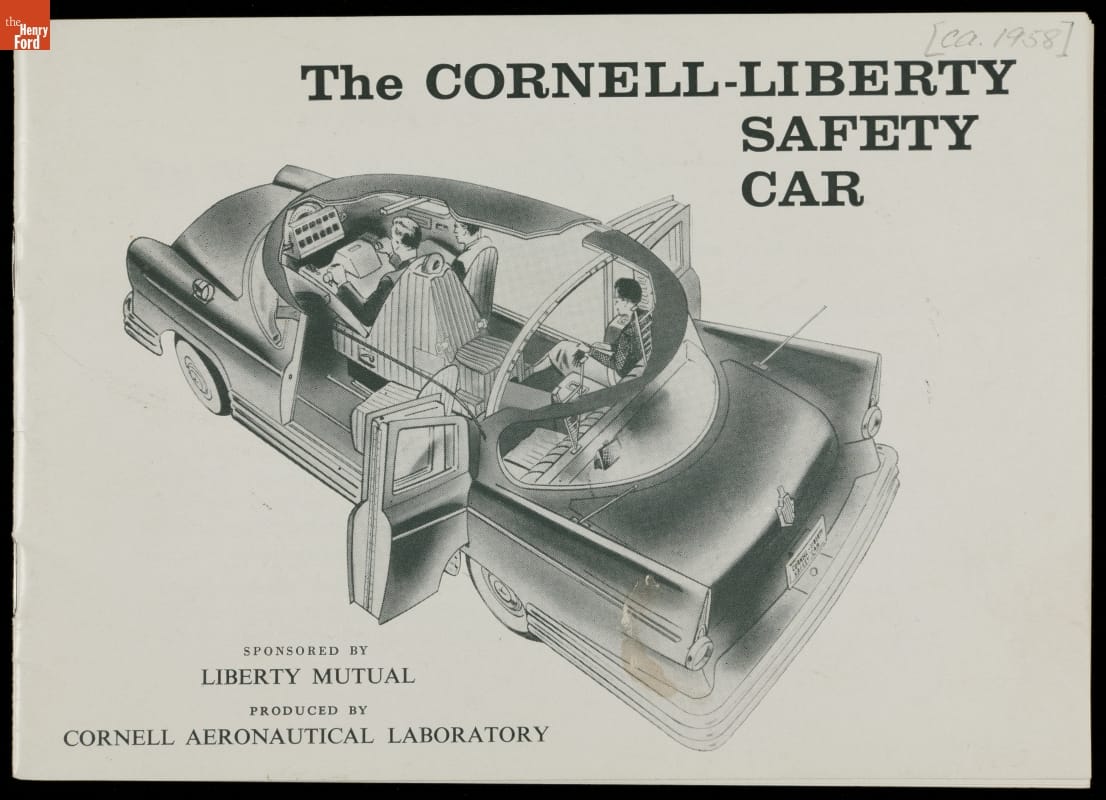
- "The Cornell-Liberty Safety Car" Brochure, 1957 - After five years of crash testing and research, the Cornell Aeronautical Laboratory--in partnership with Liberty Mutual Insurance Company--developed the 1957 Safety Car. This brochure outlines a history of the project, includes photographs, and lists the safety features designed to prevent automobile accidents and protect drivers and passengers against serious injury in the event of a collision.
- 1957
- Collections - Artifact
"The Cornell-Liberty Safety Car" Brochure, 1957
After five years of crash testing and research, the Cornell Aeronautical Laboratory--in partnership with Liberty Mutual Insurance Company--developed the 1957 Safety Car. This brochure outlines a history of the project, includes photographs, and lists the safety features designed to prevent automobile accidents and protect drivers and passengers against serious injury in the event of a collision.
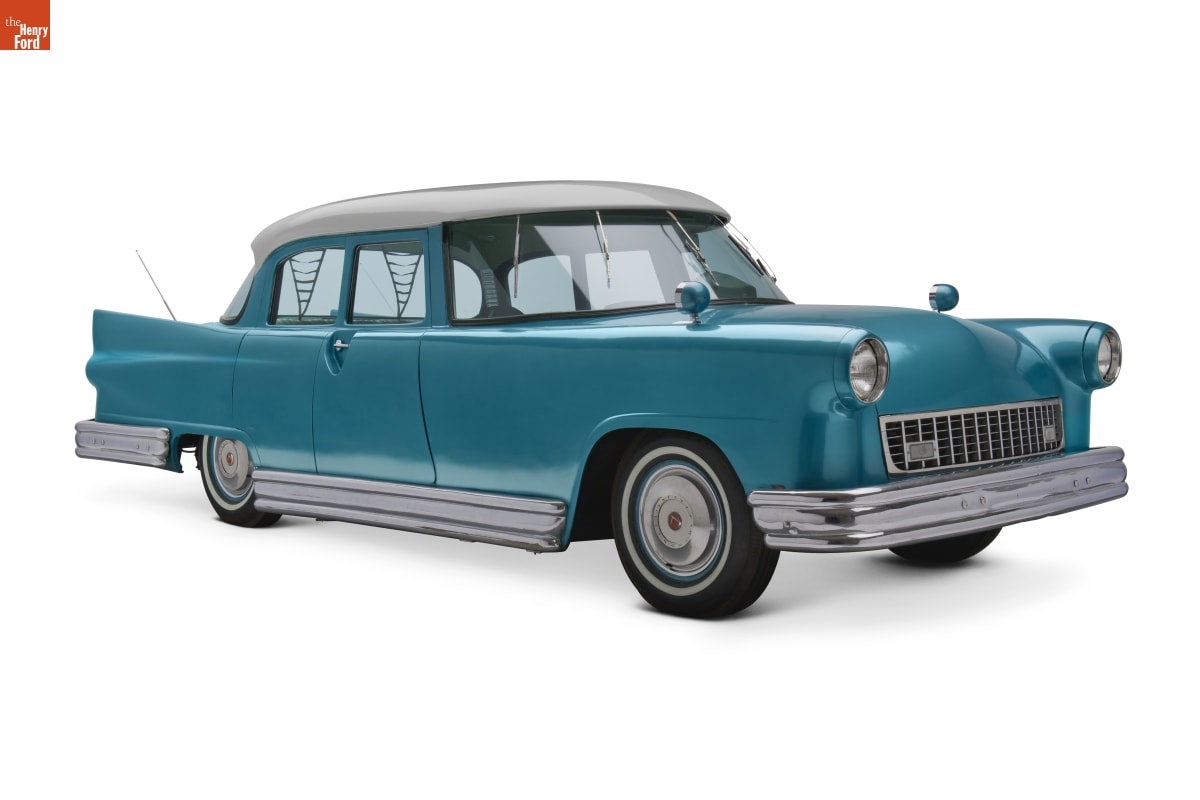
- 1957 Cornell-Liberty Safety Car - Cornell Aeronautical Labs did some of the first crash testing of automobiles. In 1957 Cornell teamed with Liberty Mutual Insurance to build this unusual looking concept car that incorporated the lessons learned in testing. The car did not actually run, but it featured ideas like seat belts, head rests, and padded interiors that are incorporated into today's cars.
- 1957
- Collections - Artifact
1957 Cornell-Liberty Safety Car
Cornell Aeronautical Labs did some of the first crash testing of automobiles. In 1957 Cornell teamed with Liberty Mutual Insurance to build this unusual looking concept car that incorporated the lessons learned in testing. The car did not actually run, but it featured ideas like seat belts, head rests, and padded interiors that are incorporated into today's cars.
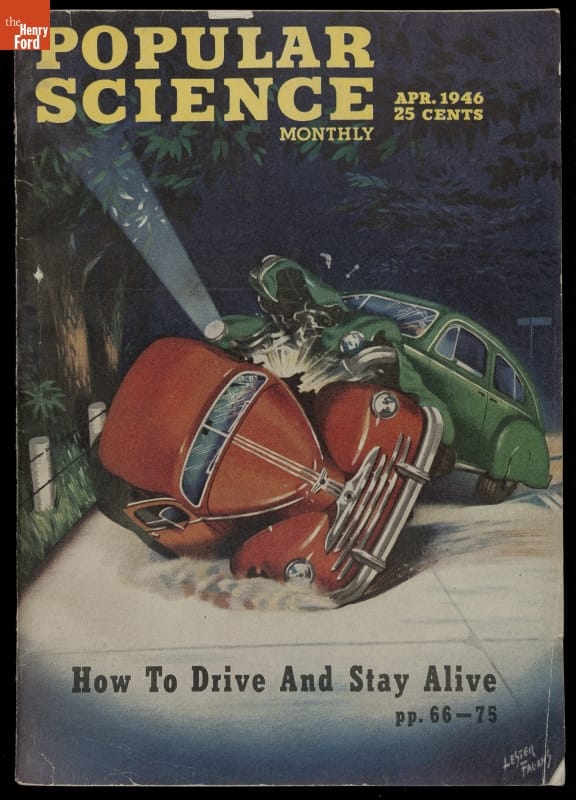
- Safety - <EM>Popular Science</EM> provided information about scientific and technological advancements. In the early 1900s articles about the automobile -- and its driver -- became commonplace in the monthly's pages. Editors included a series of articles on automobile safety in this April 1946 issue. In one article, readers could test their knowledge of safe driving.
- December 19, 2011
- Collections - Set
Safety
Popular Science provided information about scientific and technological advancements. In the early 1900s articles about the automobile -- and its driver -- became commonplace in the monthly's pages. Editors included a series of articles on automobile safety in this April 1946 issue. In one article, readers could test their knowledge of safe driving.
- Concept Cars - Ford Motor Company celebrated its 50th anniversary with the X-100, a fully functional concept car billed as a "laboratory on wheels." The X-100 featured more than 50 innovative ideas. Some of them, like the heated seats and the telephone, eventually became commonplace. Others, like the variable-volume horn and the in-car electric shaver, never quite caught on with the public.

- May 08, 2018
- Collections - Set
Concept Cars
Ford Motor Company celebrated its 50th anniversary with the X-100, a fully functional concept car billed as a "laboratory on wheels." The X-100 featured more than 50 innovative ideas. Some of them, like the heated seats and the telephone, eventually became commonplace. Others, like the variable-volume horn and the in-car electric shaver, never quite caught on with the public.
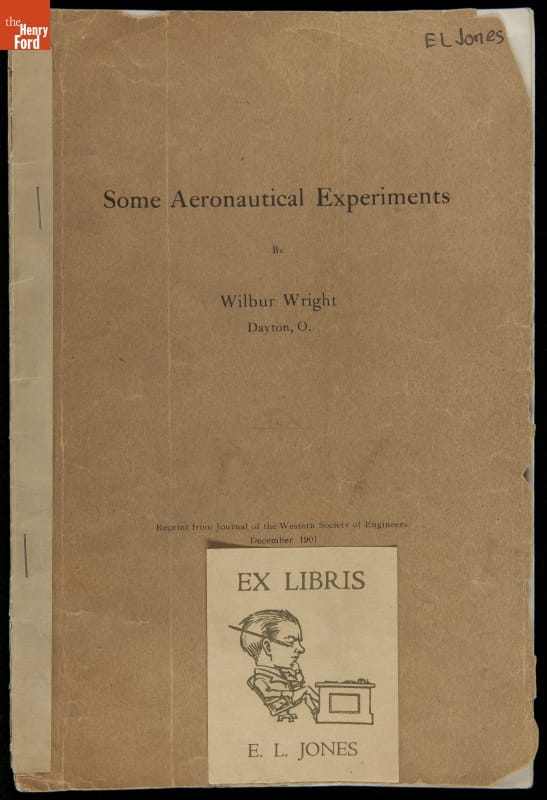
- Pamphlet, "Some Aeronautical Experiments," Wilbur Wright, 1901 - In 1901, aviation pioneer and Wright brothers mentor Octave Chanute invited Wilbur Wright to address the Western Society of Engineers in Chicago, Illinois. Wilbur described the brothers' glider experiments near Kitty Hawk in 1900 and 1901. The speech questioned accepted data on wing design, and it established the Wrights' aeronautical work as some of the most advanced in the field.
- September 18, 1901
- Collections - Artifact
Pamphlet, "Some Aeronautical Experiments," Wilbur Wright, 1901
In 1901, aviation pioneer and Wright brothers mentor Octave Chanute invited Wilbur Wright to address the Western Society of Engineers in Chicago, Illinois. Wilbur described the brothers' glider experiments near Kitty Hawk in 1900 and 1901. The speech questioned accepted data on wing design, and it established the Wrights' aeronautical work as some of the most advanced in the field.
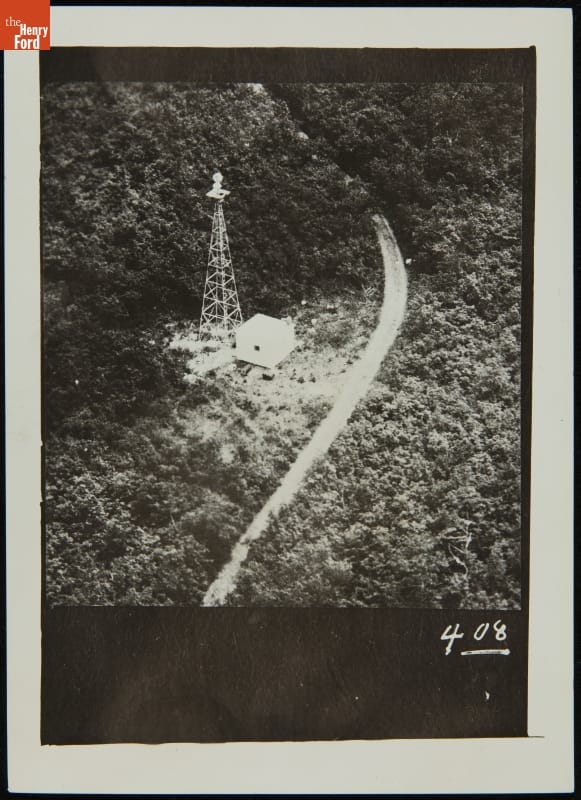
- Aeronautical Beacon in the Alleghenies, circa 1925 - In 1924, with the success of experimental night operations and increasing business interest in next-day mail, the U.S. Air Mail Service announced plans to establish regular overnight flights between New York and Chicago. Preparations included mounting floodlights and searchlights at airfields and constructing a series of routing beacons and emergency landing fields along the route. The first official flights departed from both terminal cities on July 1, 1925.
- circa 1925
- Collections - Artifact
Aeronautical Beacon in the Alleghenies, circa 1925
In 1924, with the success of experimental night operations and increasing business interest in next-day mail, the U.S. Air Mail Service announced plans to establish regular overnight flights between New York and Chicago. Preparations included mounting floodlights and searchlights at airfields and constructing a series of routing beacons and emergency landing fields along the route. The first official flights departed from both terminal cities on July 1, 1925.
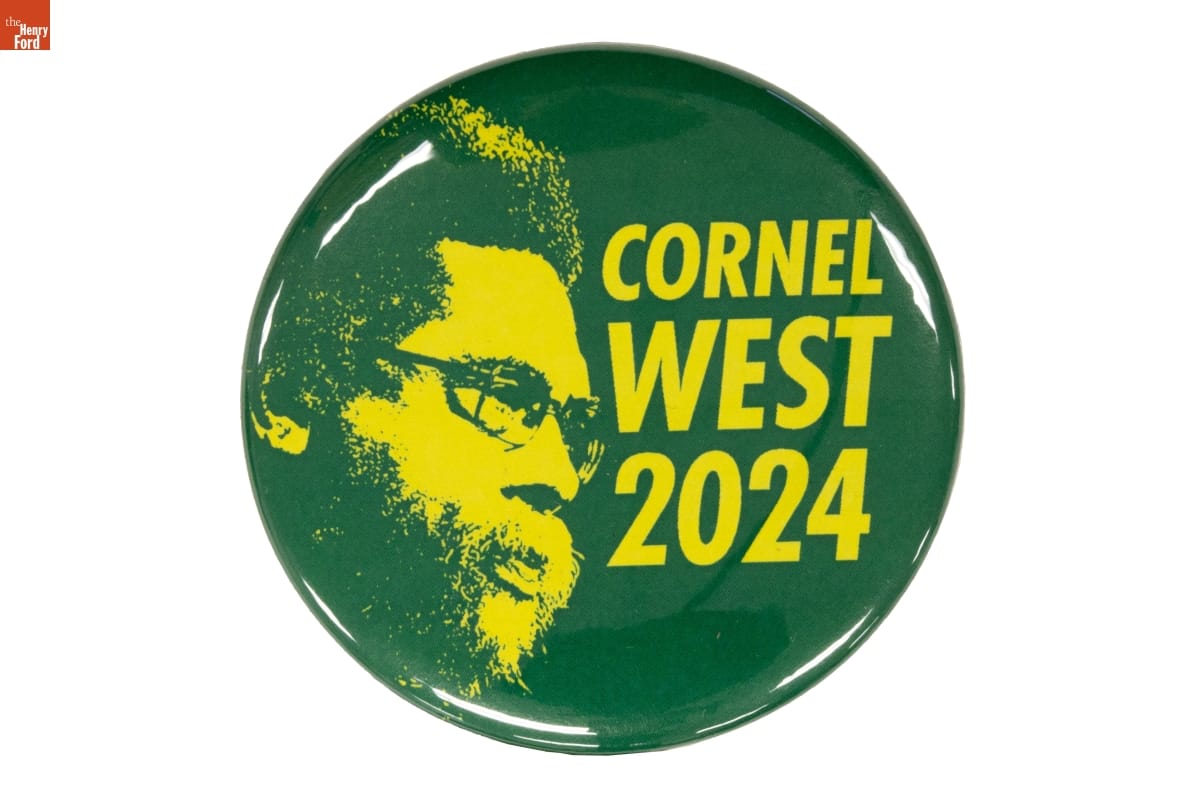
- "Cornel West 2024" Campaign Button, 2024 - In 2024, Dr. Cornel West ran for President of the United States as an independent after withdrawing his candidacy for the Green Party nomination. An outspoken voice of left-wing political thought, West struggled to secure ballot access in various states. Some Republicans supported his quest to get on state ballots, hoping to syphon off support from Democratic presidential nominee Kamala Harris.
- 2024
- Collections - Artifact
"Cornel West 2024" Campaign Button, 2024
In 2024, Dr. Cornel West ran for President of the United States as an independent after withdrawing his candidacy for the Green Party nomination. An outspoken voice of left-wing political thought, West struggled to secure ballot access in various states. Some Republicans supported his quest to get on state ballots, hoping to syphon off support from Democratic presidential nominee Kamala Harris.
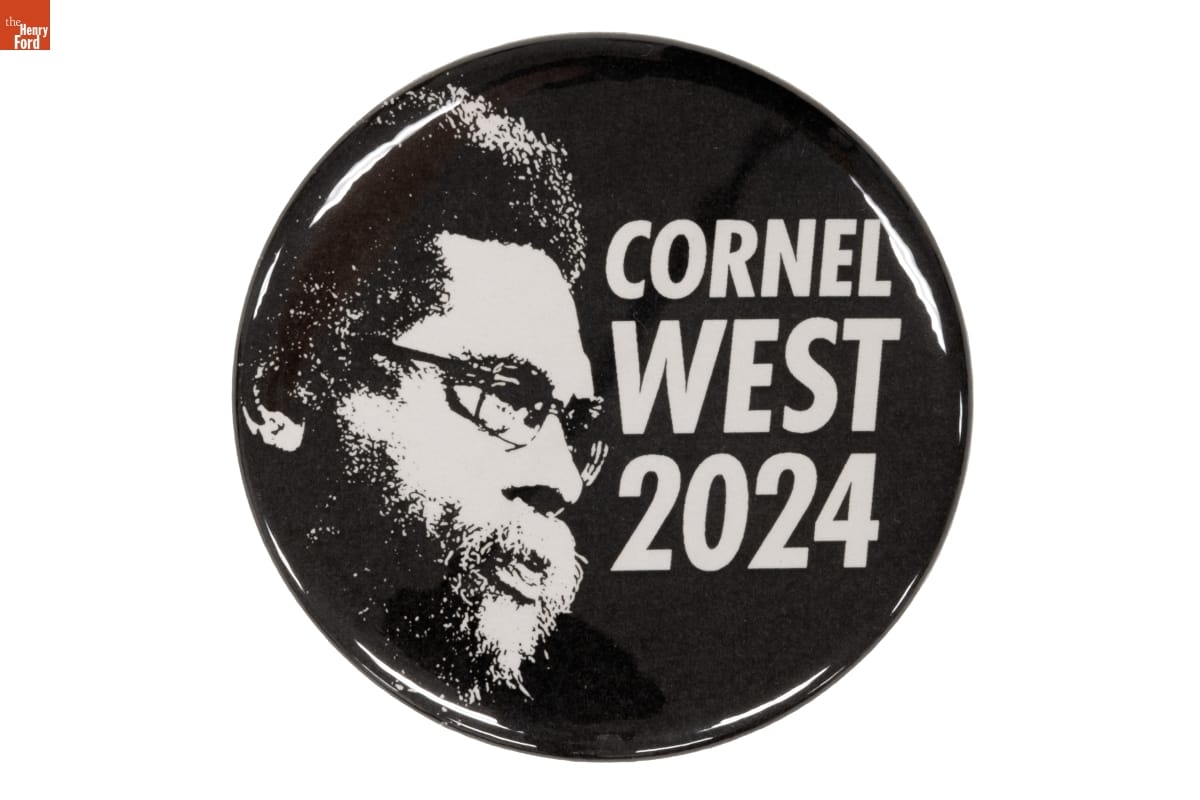
- "Cornel West 2024" Campaign Button, 2024 - In 2024, Dr. Cornel West ran for President of the United States as an independent after withdrawing his candidacy for the Green Party nomination. An outspoken voice of left-wing political thought, West struggled to secure ballot access in various states. Some Republicans supported his quest to get on state ballots, hoping to syphon off support from Democratic presidential nominee Kamala Harris.
- 2024
- Collections - Artifact
"Cornel West 2024" Campaign Button, 2024
In 2024, Dr. Cornel West ran for President of the United States as an independent after withdrawing his candidacy for the Green Party nomination. An outspoken voice of left-wing political thought, West struggled to secure ballot access in various states. Some Republicans supported his quest to get on state ballots, hoping to syphon off support from Democratic presidential nominee Kamala Harris.
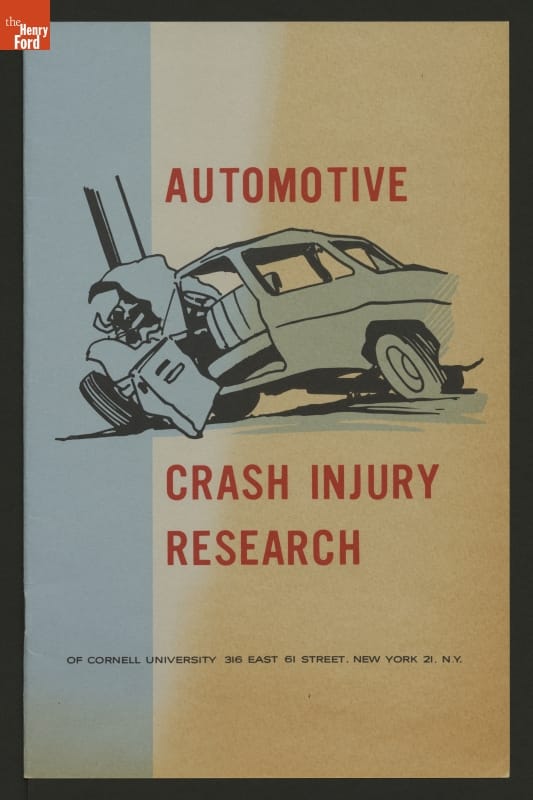
- "Automotive Crash Injury Research," Cornell University, 1961 - Cornell University's Automotive Crash Injury Research (ACIR) gathered information from throughout the country about automobile-related accidents and injuries. ACIR hoped that identifying crash injury causes with the aid of statistical analysis would lead to corrective measures. This 1961 booklet provided readers with basic information about the ACIR, its history, and its research methods.
- 1961
- Collections - Artifact
"Automotive Crash Injury Research," Cornell University, 1961
Cornell University's Automotive Crash Injury Research (ACIR) gathered information from throughout the country about automobile-related accidents and injuries. ACIR hoped that identifying crash injury causes with the aid of statistical analysis would lead to corrective measures. This 1961 booklet provided readers with basic information about the ACIR, its history, and its research methods.
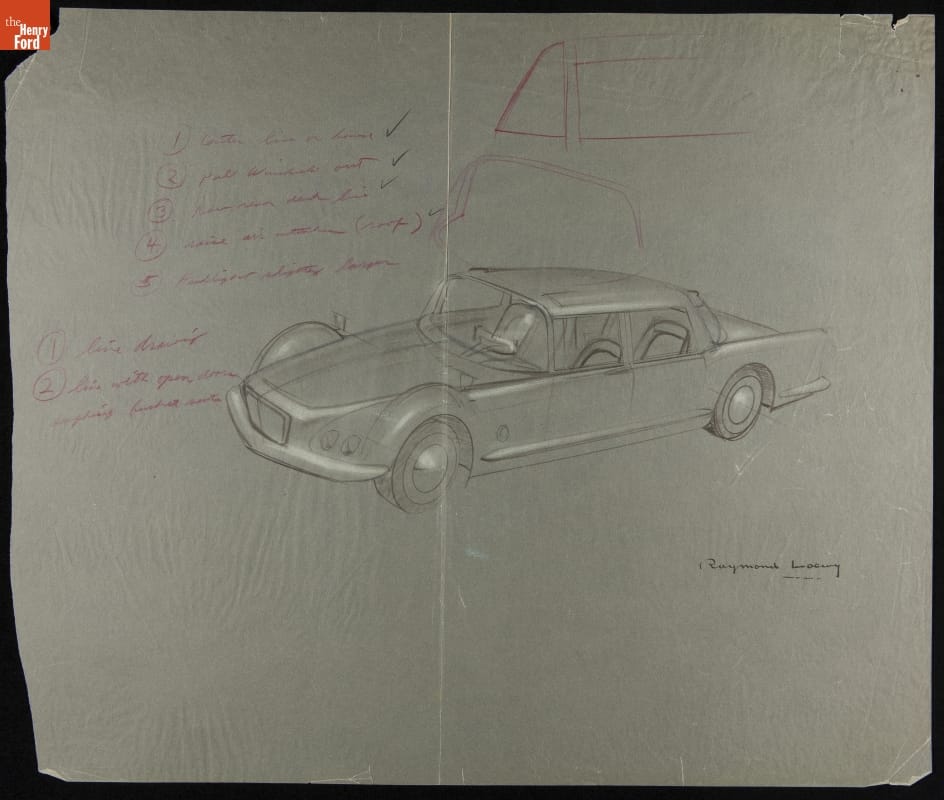
- Sketch for the Cornell-Liberty Safety Car, 1956 - Industrial designer Raymond Loewy produced a series of design drawings for the "Safety Car" built in 1957 by Cornell University and the Liberty Mutual Insurance Company. The finished concept car incorporated more than 60 safety improvements from seat belts, to padded interior surfaces, to accordion-style folding doors.
- circa 1956
- Collections - Artifact
Sketch for the Cornell-Liberty Safety Car, 1956
Industrial designer Raymond Loewy produced a series of design drawings for the "Safety Car" built in 1957 by Cornell University and the Liberty Mutual Insurance Company. The finished concept car incorporated more than 60 safety improvements from seat belts, to padded interior surfaces, to accordion-style folding doors.