
Search
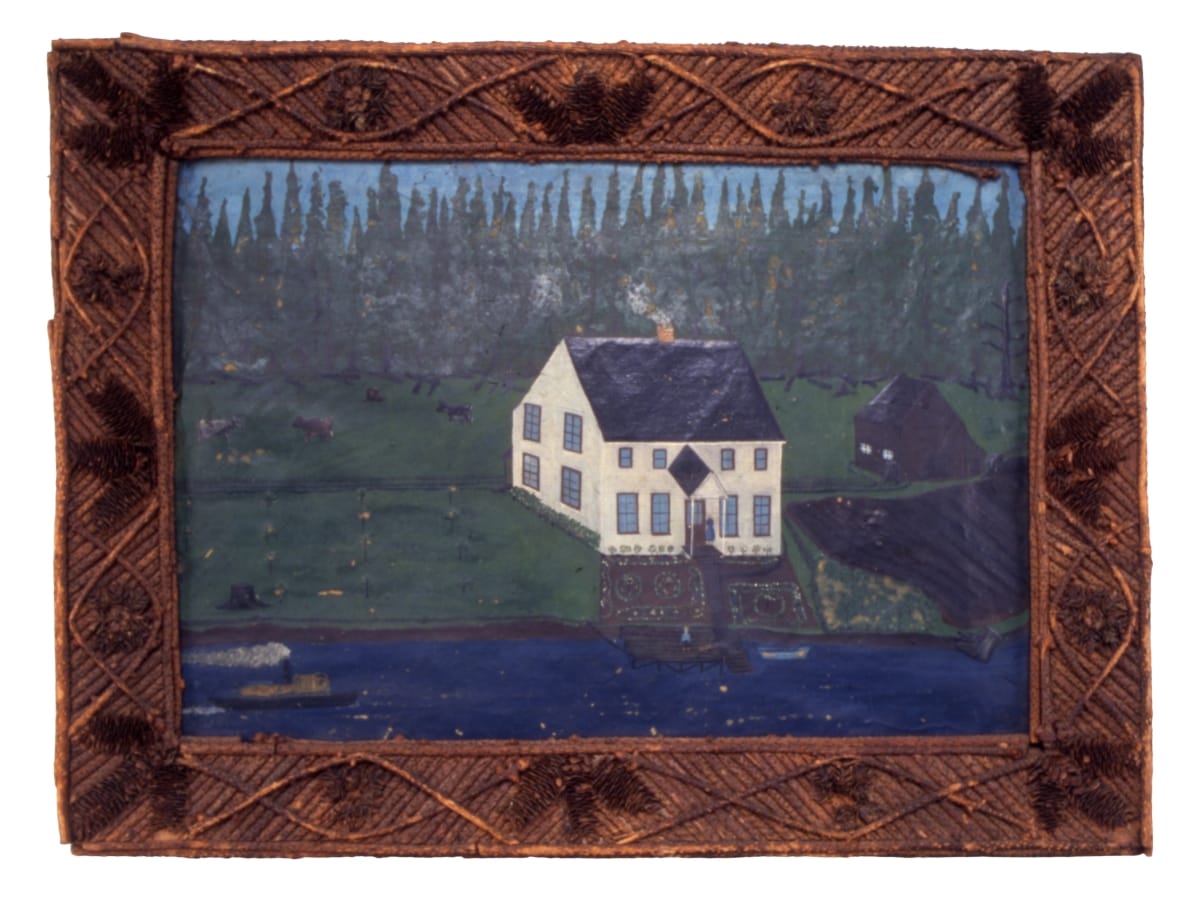
- Oil Painting, House near Gray's River, Washington, 1875-1900 -
- 1875-1900
- Collections - Artifact
Oil Painting, House near Gray's River, Washington, 1875-1900
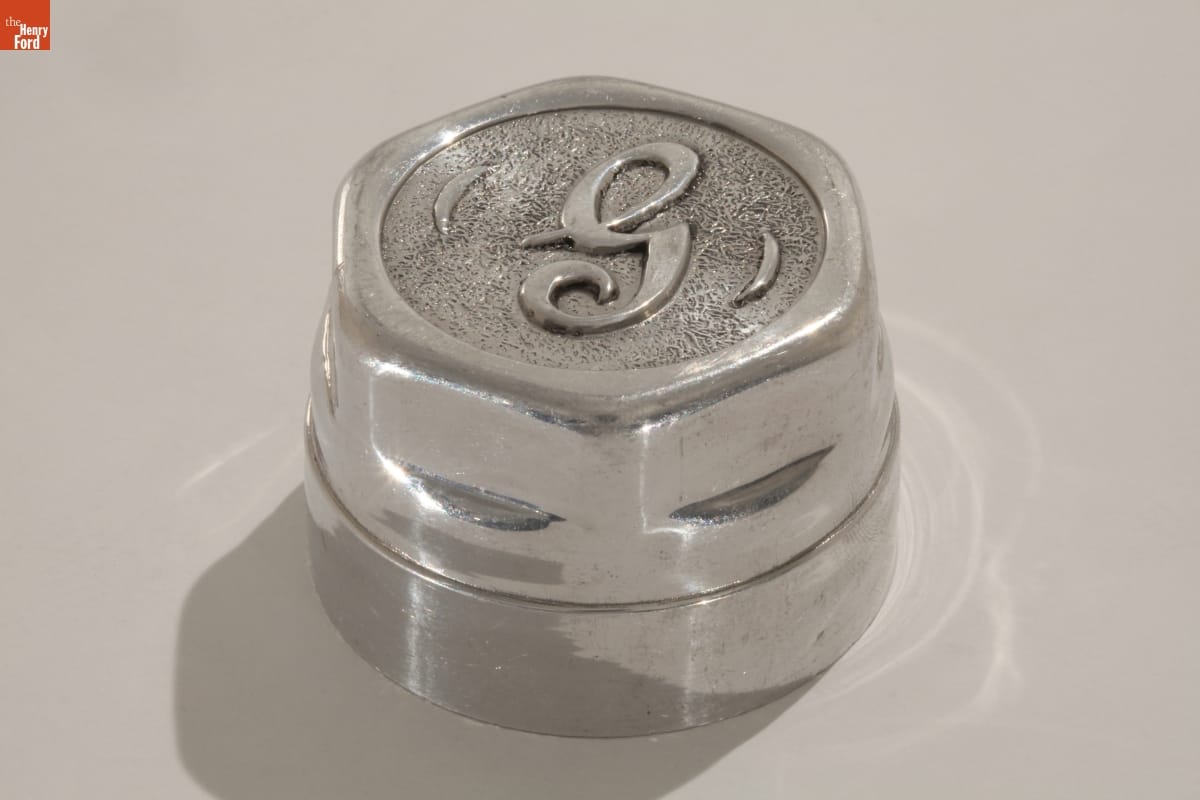
- Gray Hubcap, 1922-1926 - Early automobile wheels had a central hub with a greased wheel bearing. Hub caps kept grease in and dust out. As wheels evolved and hubcaps became functionally unnecessary, they remained important to both manufacturers -- who branded wheel covers with maker names or logos -- and consumers -- who identified with hubcaps as statements about their cars and themselves.
- 1922-1926
- Collections - Artifact
Gray Hubcap, 1922-1926
Early automobile wheels had a central hub with a greased wheel bearing. Hub caps kept grease in and dust out. As wheels evolved and hubcaps became functionally unnecessary, they remained important to both manufacturers -- who branded wheel covers with maker names or logos -- and consumers -- who identified with hubcaps as statements about their cars and themselves.
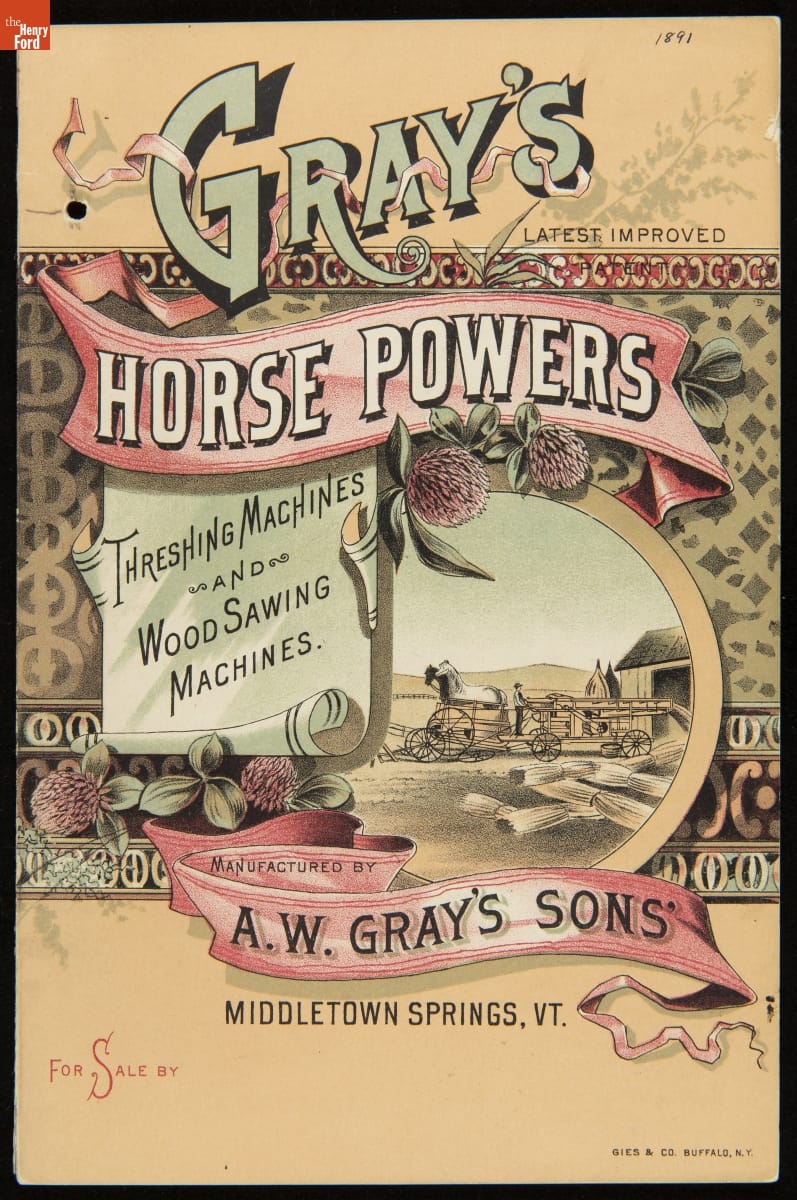
- Gray's Latest Improved Horse Powers Threshing Machines and Wood Sawing Machines, 1891 - As farmers mechanized barn and farmyard work in the nineteenth century, they began to use stationary power sources. These included devices such as treadmills that converted the movement of animals to drive a variety of agricultural machines. Enterprising manufacturers, like Vermont-based A.W. Gray's Sons, specialized in producing and selling these devices and the machines they were designed to power.
- 1891
- Collections - Artifact
Gray's Latest Improved Horse Powers Threshing Machines and Wood Sawing Machines, 1891
As farmers mechanized barn and farmyard work in the nineteenth century, they began to use stationary power sources. These included devices such as treadmills that converted the movement of animals to drive a variety of agricultural machines. Enterprising manufacturers, like Vermont-based A.W. Gray's Sons, specialized in producing and selling these devices and the machines they were designed to power.
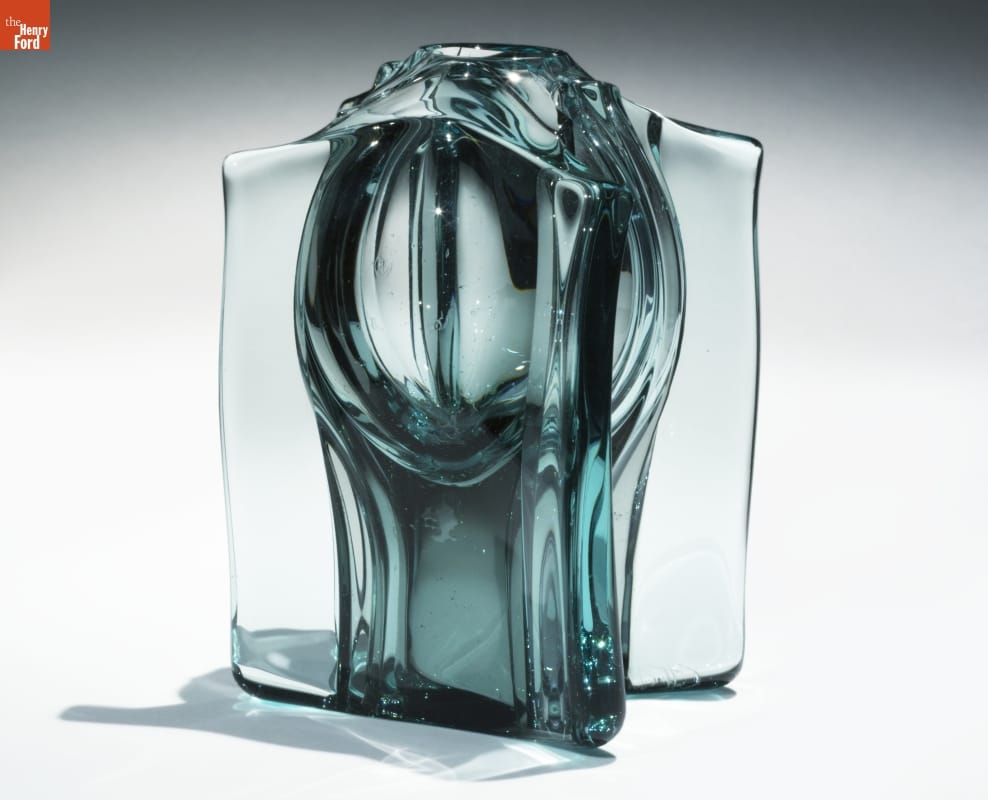
- "Gray Riser" by Tom Patti, 1979-1980 -
- 1979-1980
- Collections - Artifact
"Gray Riser" by Tom Patti, 1979-1980
- Gray Automobile Emblem, circa 1930 - Early automobile manufacturers took advantage of the prominent location of radiators and affixed branded emblems to them. As cars evolved and radiators were hidden within vehicle bodies, manufacturers retained this practice by branding hoods or grilles. Emblems remained important branding tools, but also became meaningful to consumers as statements about their cars and themselves.
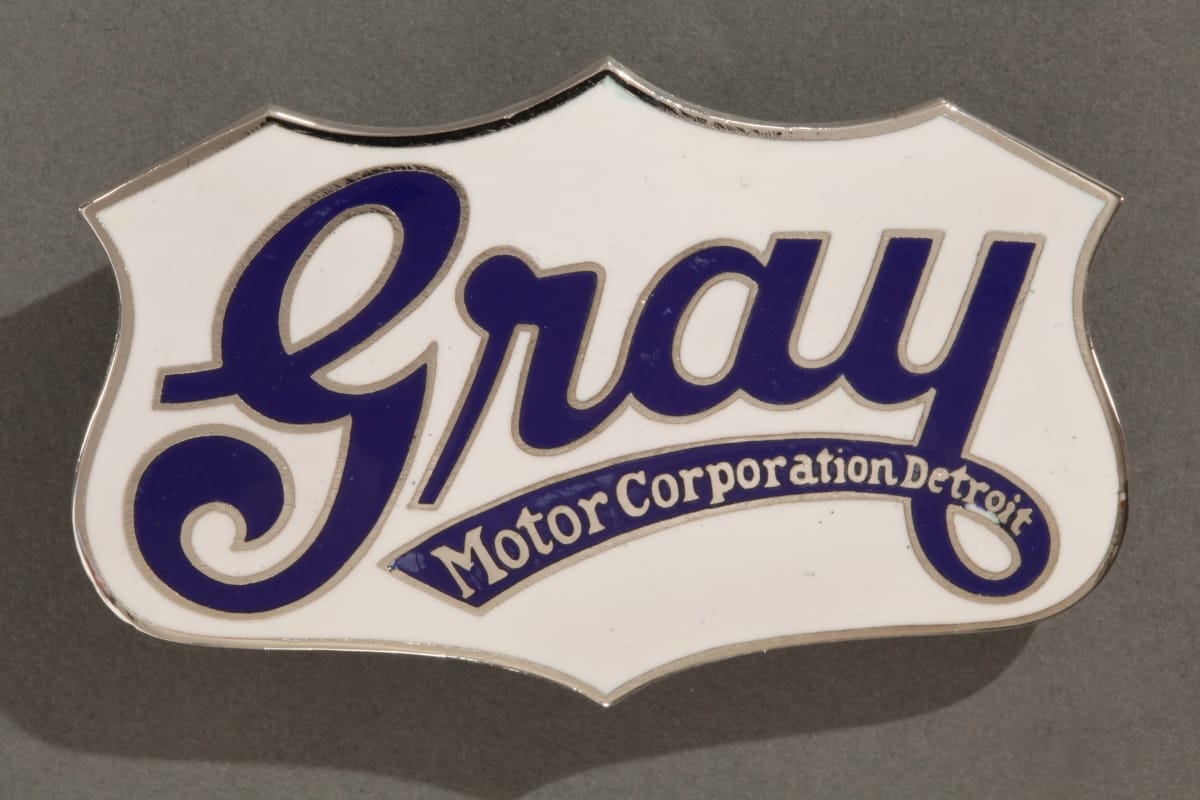
- circa 1930
- Collections - Artifact
Gray Automobile Emblem, circa 1930
Early automobile manufacturers took advantage of the prominent location of radiators and affixed branded emblems to them. As cars evolved and radiators were hidden within vehicle bodies, manufacturers retained this practice by branding hoods or grilles. Emblems remained important branding tools, but also became meaningful to consumers as statements about their cars and themselves.
- Requisition Form for Gray Auto Company, Gray, Georgia, September 5, 1917 - Though it operated some direct-sales offices in major cities, Ford Motor Company sold most of its Model T cars through franchise agreements with independent dealers. Each franchisee received the right to sell Ford cars within a specific territory. Ford encouraged dealers by offering discounts and rebates to high sellers. But low-selling dealers risked losing their territories.
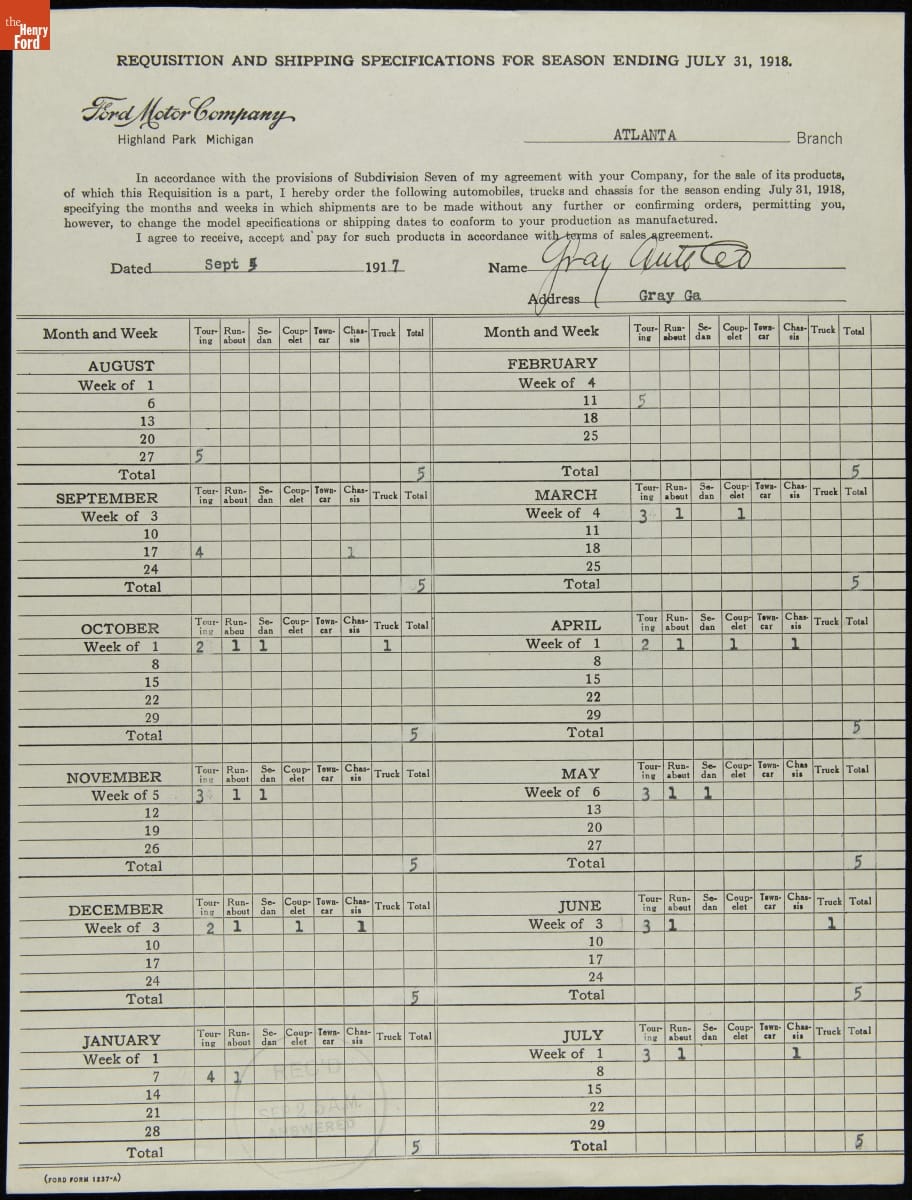
- September 05, 1917
- Collections - Artifact
Requisition Form for Gray Auto Company, Gray, Georgia, September 5, 1917
Though it operated some direct-sales offices in major cities, Ford Motor Company sold most of its Model T cars through franchise agreements with independent dealers. Each franchisee received the right to sell Ford cars within a specific territory. Ford encouraged dealers by offering discounts and rebates to high sellers. But low-selling dealers risked losing their territories.
- Textbook Used by Katharine Wright, "Gray's School and Field Botany," 1887 - Milton and Susan Wright encouraged an interest in learning in their children Reuchlin, Lorin, Wilbur, Orville, and Katharine -- though not necessarily in formal education. Katharine was the only Wright child to finish college, graduating from Oberlin in 1898. Neither Wilbur nor Orville finished high school, but they learned much from their father's extensive home library.
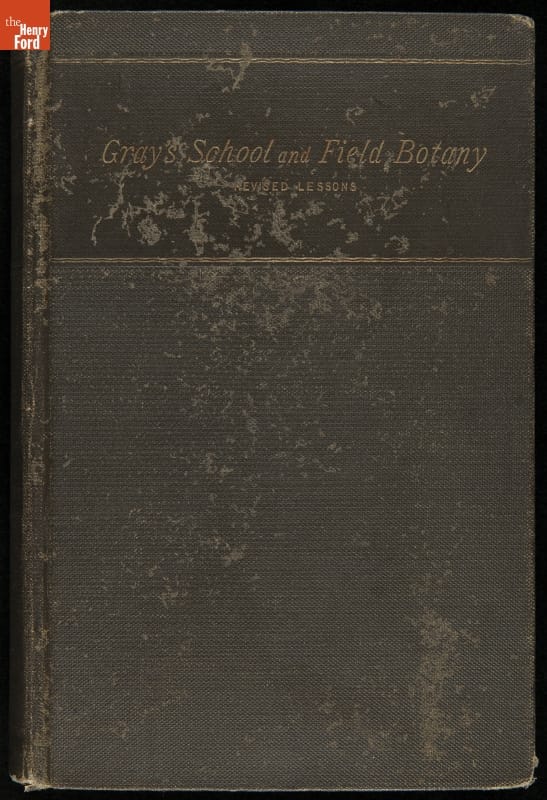
- 1887
- Collections - Artifact
Textbook Used by Katharine Wright, "Gray's School and Field Botany," 1887
Milton and Susan Wright encouraged an interest in learning in their children Reuchlin, Lorin, Wilbur, Orville, and Katharine -- though not necessarily in formal education. Katharine was the only Wright child to finish college, graduating from Oberlin in 1898. Neither Wilbur nor Orville finished high school, but they learned much from their father's extensive home library.
- Catalogue of Gray's Horse Power Machines for Grain Threshing and Wood Sawing, 1898 - As farmers mechanized barn and farmyard work in the nineteenth century, they began to use stationary power sources. These included devices such as treadmills that converted the movement of animals to drive a variety of agricultural machines. Enterprising manufacturers, like Vermont-based A.W. Gray's Sons, specialized in producing and selling these devices and the machines they were designed to power.
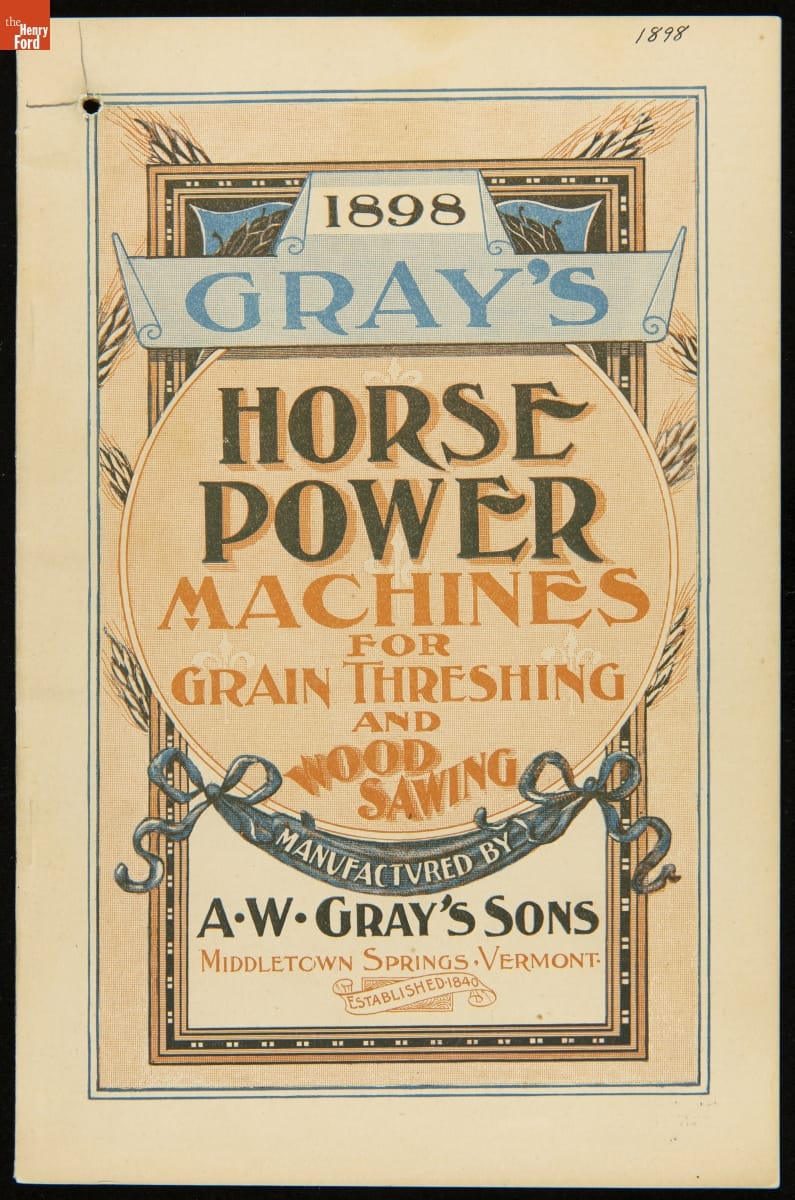
- 1898
- Collections - Artifact
Catalogue of Gray's Horse Power Machines for Grain Threshing and Wood Sawing, 1898
As farmers mechanized barn and farmyard work in the nineteenth century, they began to use stationary power sources. These included devices such as treadmills that converted the movement of animals to drive a variety of agricultural machines. Enterprising manufacturers, like Vermont-based A.W. Gray's Sons, specialized in producing and selling these devices and the machines they were designed to power.
- "Automobile Lamps," Gray & Davis, 1909 - Early automobile lamps functioned more as a warning to other people on the road than as an aid to the driver. Kerosene oil and acetylene gas were both used to fuel lamps early in the 20th century, until electric lamps became common in the 1910s. This catalog shows a variety of lamps manufactured by Gray & Davis of Amesbury, Massachusetts.
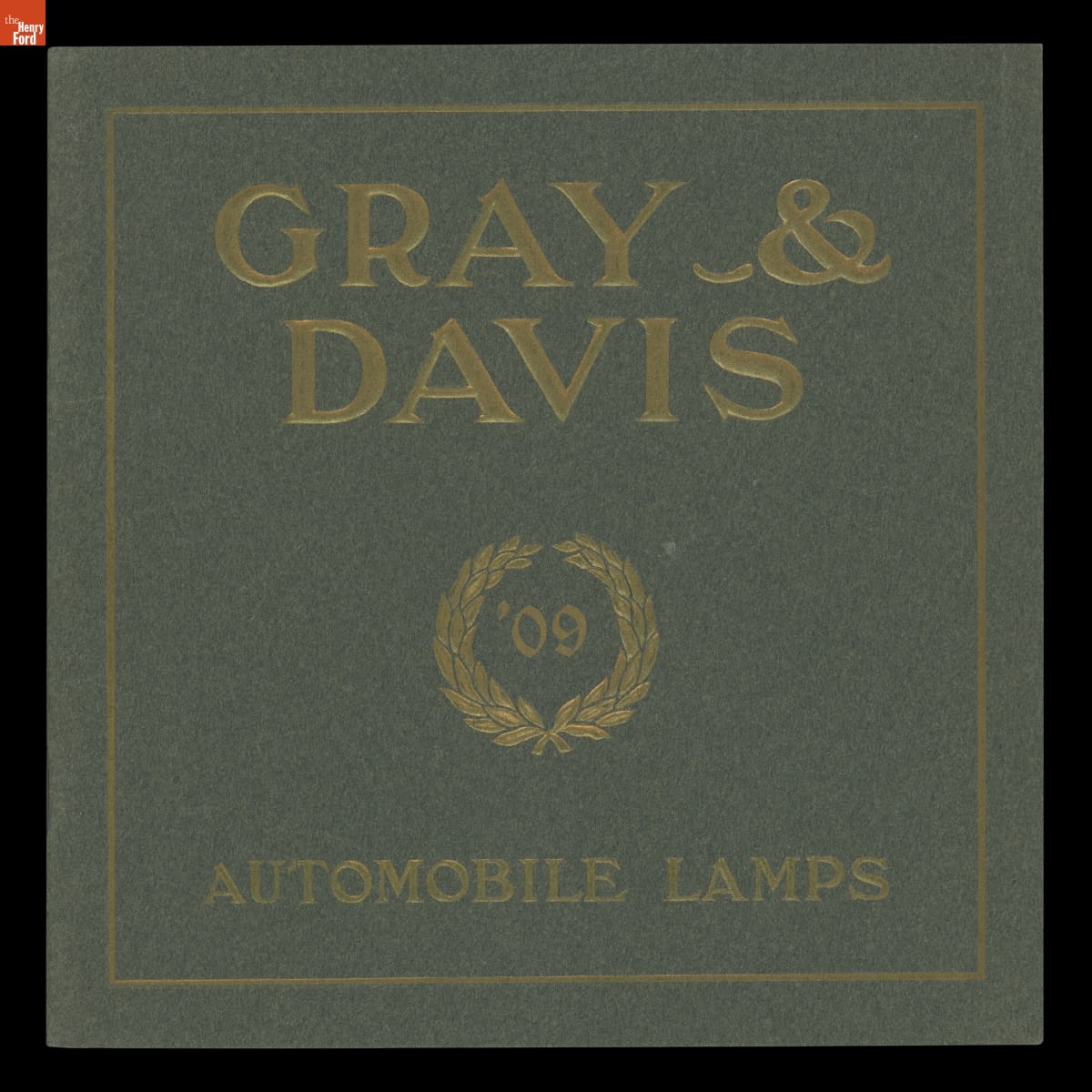
- 1909
- Collections - Artifact
"Automobile Lamps," Gray & Davis, 1909
Early automobile lamps functioned more as a warning to other people on the road than as an aid to the driver. Kerosene oil and acetylene gas were both used to fuel lamps early in the 20th century, until electric lamps became common in the 1910s. This catalog shows a variety of lamps manufactured by Gray & Davis of Amesbury, Massachusetts.
- Gray Pay Telephone, circa 1900 - By 1905, telephones had been around for almost thirty years. Although most people didn't have phones in their homes, they had become indispensable in certain situations -- business and emergencies. Hotels, grocery stores, and restaurants owners often installed pay telephones in their establishments. This phone features William Gray's mechanism for making a secure pay phone, which was licensed to many phone manufacturers.
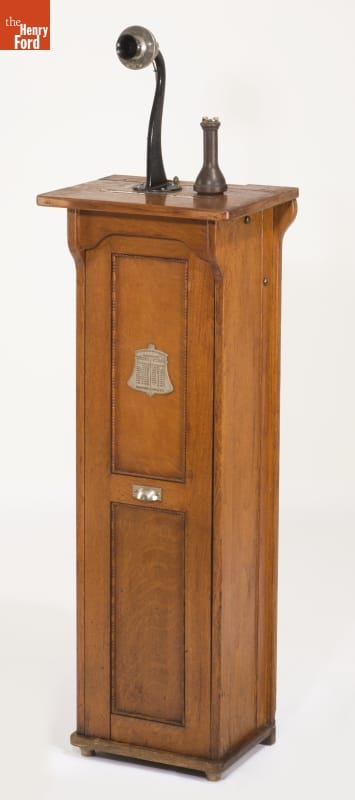
- circa 1900
- Collections - Artifact
Gray Pay Telephone, circa 1900
By 1905, telephones had been around for almost thirty years. Although most people didn't have phones in their homes, they had become indispensable in certain situations -- business and emergencies. Hotels, grocery stores, and restaurants owners often installed pay telephones in their establishments. This phone features William Gray's mechanism for making a secure pay phone, which was licensed to many phone manufacturers.