
Search
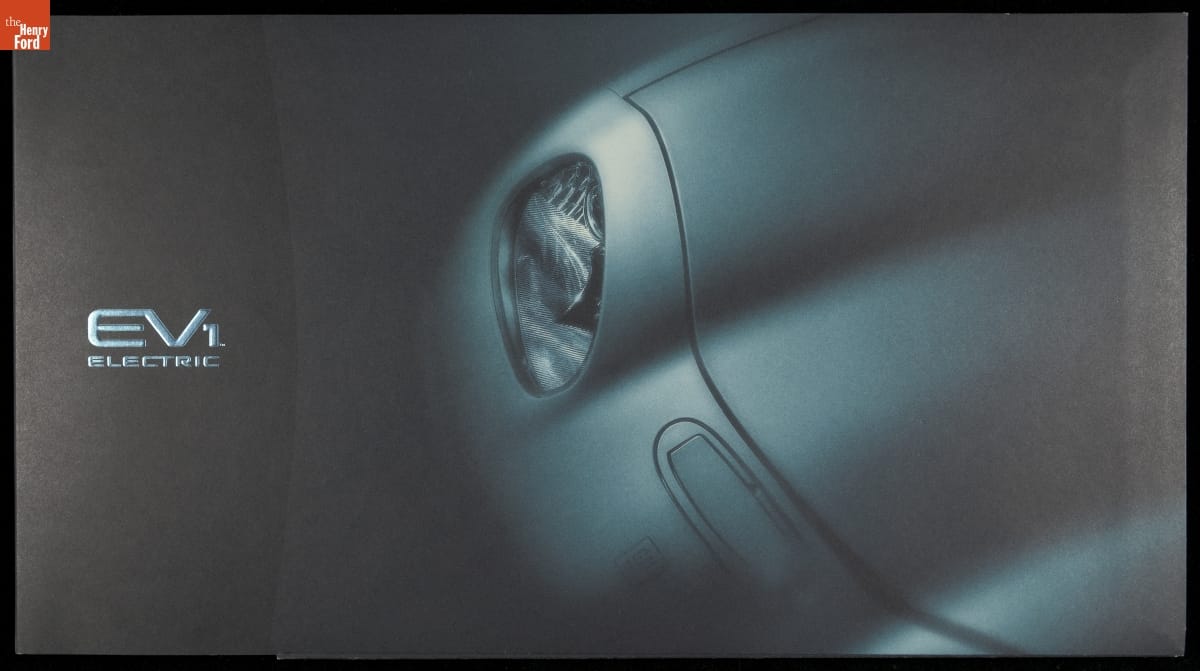
- General Motors EV-1 Catalog, "EV-1 Electric," 1996 - Car brochures have evolved from straightforward product catalogues into polished creative sales tools. Their quality paper, rich color, inventive formats, and sophisticated graphic design all contribute to a buyer's developing impression of a car in a showroom. Advertising might entice people to a dealership, but brochures extend and deepen the relationship between vehicle and potential buyer.
- 1996
- Collections - Artifact
General Motors EV-1 Catalog, "EV-1 Electric," 1996
Car brochures have evolved from straightforward product catalogues into polished creative sales tools. Their quality paper, rich color, inventive formats, and sophisticated graphic design all contribute to a buyer's developing impression of a car in a showroom. Advertising might entice people to a dealership, but brochures extend and deepen the relationship between vehicle and potential buyer.
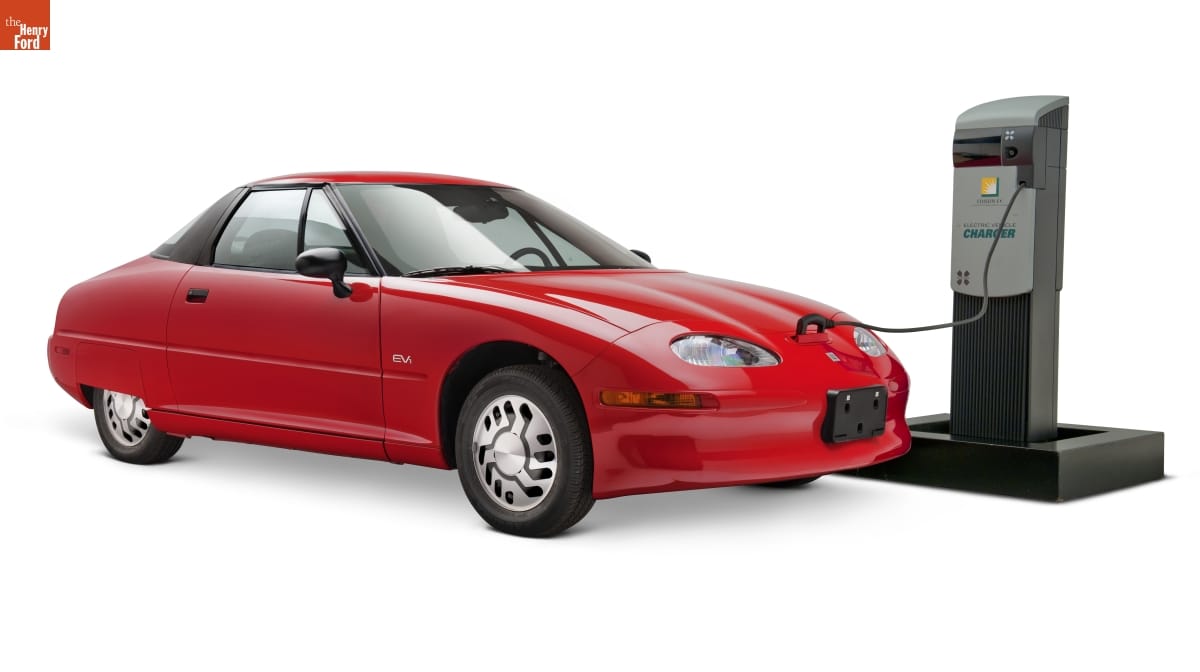
- 1997 General Motors EV1 Electric Coupe - This was the most serious attempt to build an all-purpose electric car since the 1920s. General Motors built 1,117 cars between 1996 and 1999, leasing them to a loyal group that willingly adjusted to battery power's limitations. But GM concluded there were too few electric enthusiasts to support large-scale production and recalled all the cars by the end of 2003. EV1 users objected loudly, but to no avail.
- 1997
- Collections - Artifact
1997 General Motors EV1 Electric Coupe
This was the most serious attempt to build an all-purpose electric car since the 1920s. General Motors built 1,117 cars between 1996 and 1999, leasing them to a loyal group that willingly adjusted to battery power's limitations. But GM concluded there were too few electric enthusiasts to support large-scale production and recalled all the cars by the end of 2003. EV1 users objected loudly, but to no avail.
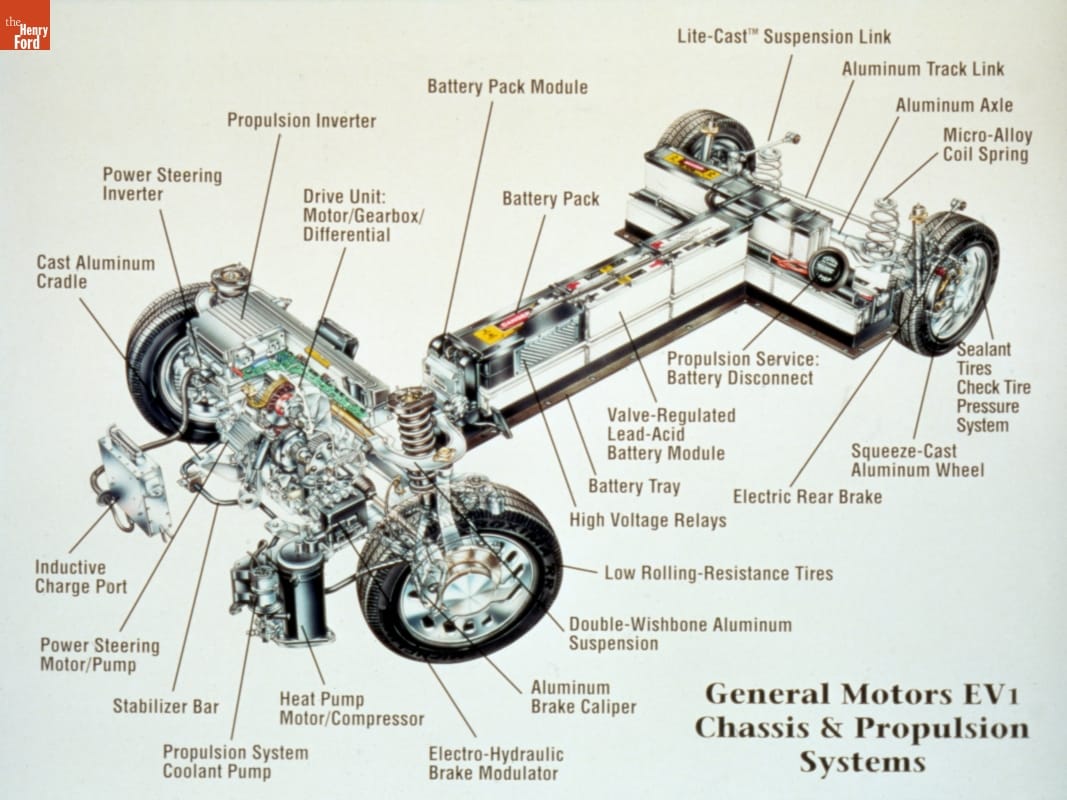
- Diagram of a General Motors EV1 Car Chassis, 1997-2002 - This diagram shows the layout of the General Motors' EV1. Heavy batteries were well distributed to even out the weight, helping the car's handling. The vehicle's range was 70 to 90 miles with special lead-acid batteries exclusive to the EV1. In 1998, GM switched to longer range nickel-metal-hydride batteries.
- 1997-2002
- Collections - Artifact
Diagram of a General Motors EV1 Car Chassis, 1997-2002
This diagram shows the layout of the General Motors' EV1. Heavy batteries were well distributed to even out the weight, helping the car's handling. The vehicle's range was 70 to 90 miles with special lead-acid batteries exclusive to the EV1. In 1998, GM switched to longer range nickel-metal-hydride batteries.
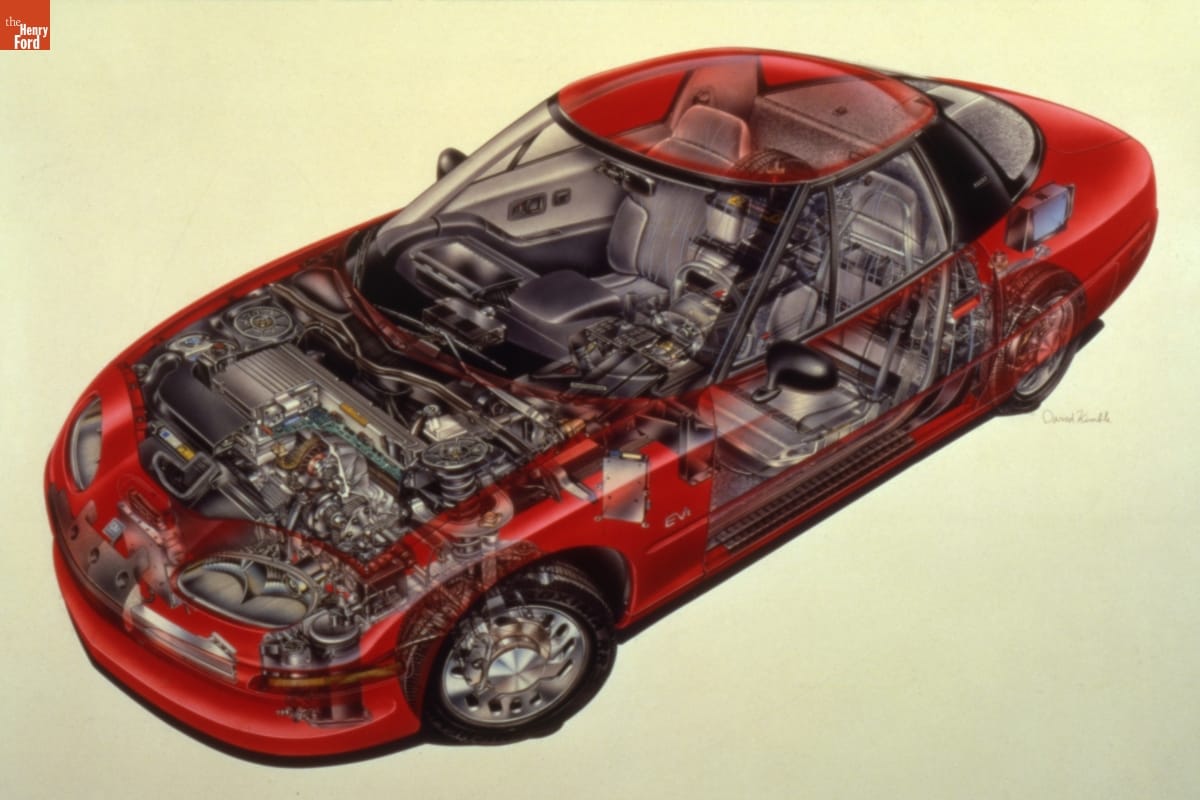
- Cutaway View of a General Motors EV1 Car, 1997-2002 - General Motors produced the EV1 between 1996 and 1999. The EV1 was the most serious attempt to build an all-purpose electric car since the 1920s. This cutaway view shows the inner workings beneath the body of the vehicle.
- 1997-2002
- Collections - Artifact
Cutaway View of a General Motors EV1 Car, 1997-2002
General Motors produced the EV1 between 1996 and 1999. The EV1 was the most serious attempt to build an all-purpose electric car since the 1920s. This cutaway view shows the inner workings beneath the body of the vehicle.
- General Motors' EV1 - Take a look at the EV1, probably the best electric car ever produced, through the example in our collection.

- June 22, 2015
- Collections - article
General Motors' EV1
Take a look at the EV1, probably the best electric car ever produced, through the example in our collection.
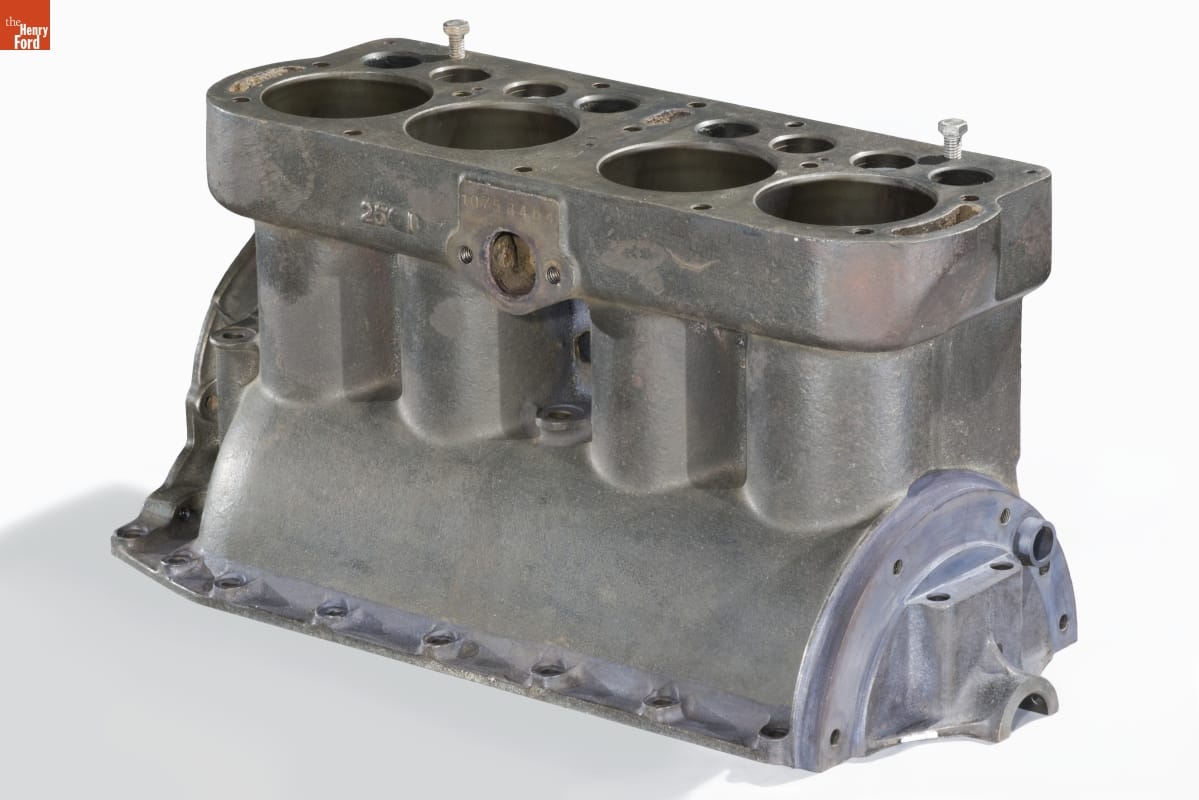
- Engine Block - The Model T's one-piece engine block, with its four cylinders cast as a single unit, was cutting-edge when Ford introduced the car in 1908. At the time, most automakers used cylinders cast singly or in pairs and bolted to a separate crankcase. The T's block was simpler and less expensive to produce, and the design ultimately became standard practice.
- Collections - Artifact
Engine Block
The Model T's one-piece engine block, with its four cylinders cast as a single unit, was cutting-edge when Ford introduced the car in 1908. At the time, most automakers used cylinders cast singly or in pairs and bolted to a separate crankcase. The T's block was simpler and less expensive to produce, and the design ultimately became standard practice.
- Steam Engine -

- Collections - Artifact
Steam Engine
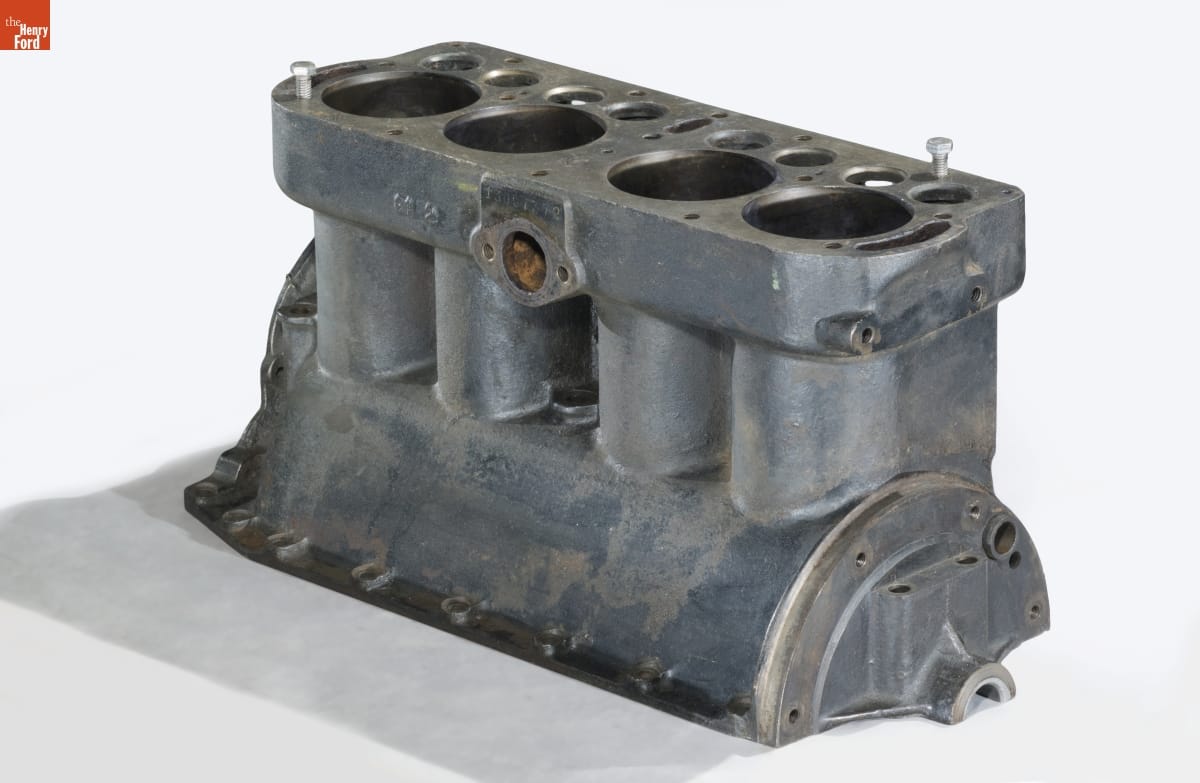
- Engine Block - The Model T's one-piece engine block, with its four cylinders cast as a single unit, was cutting-edge when Ford introduced the car in 1908. At the time, most automakers used cylinders cast singly or in pairs and bolted to a separate crankcase. The T's block was simpler and less expensive to produce, and the design ultimately became standard practice.
- Collections - Artifact
Engine Block
The Model T's one-piece engine block, with its four cylinders cast as a single unit, was cutting-edge when Ford introduced the car in 1908. At the time, most automakers used cylinders cast singly or in pairs and bolted to a separate crankcase. The T's block was simpler and less expensive to produce, and the design ultimately became standard practice.
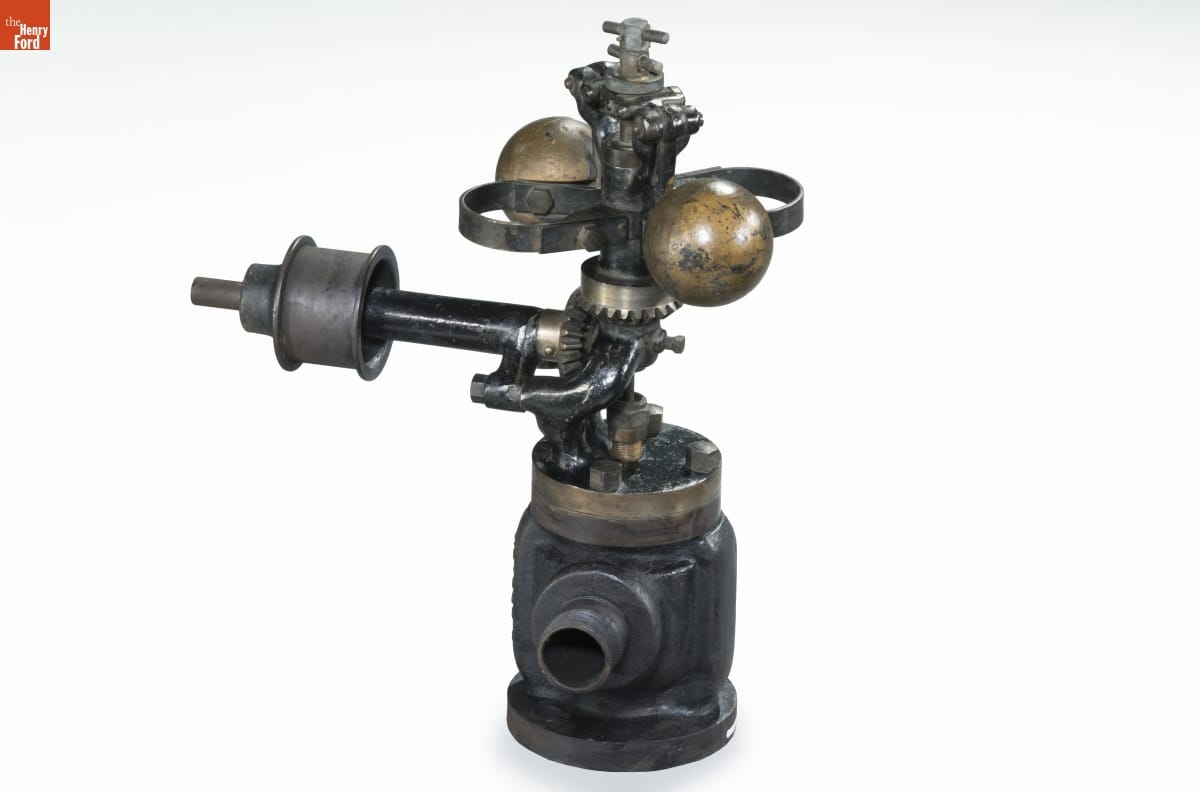
- Steam Engine Part -
- Collections - Artifact
Steam Engine Part
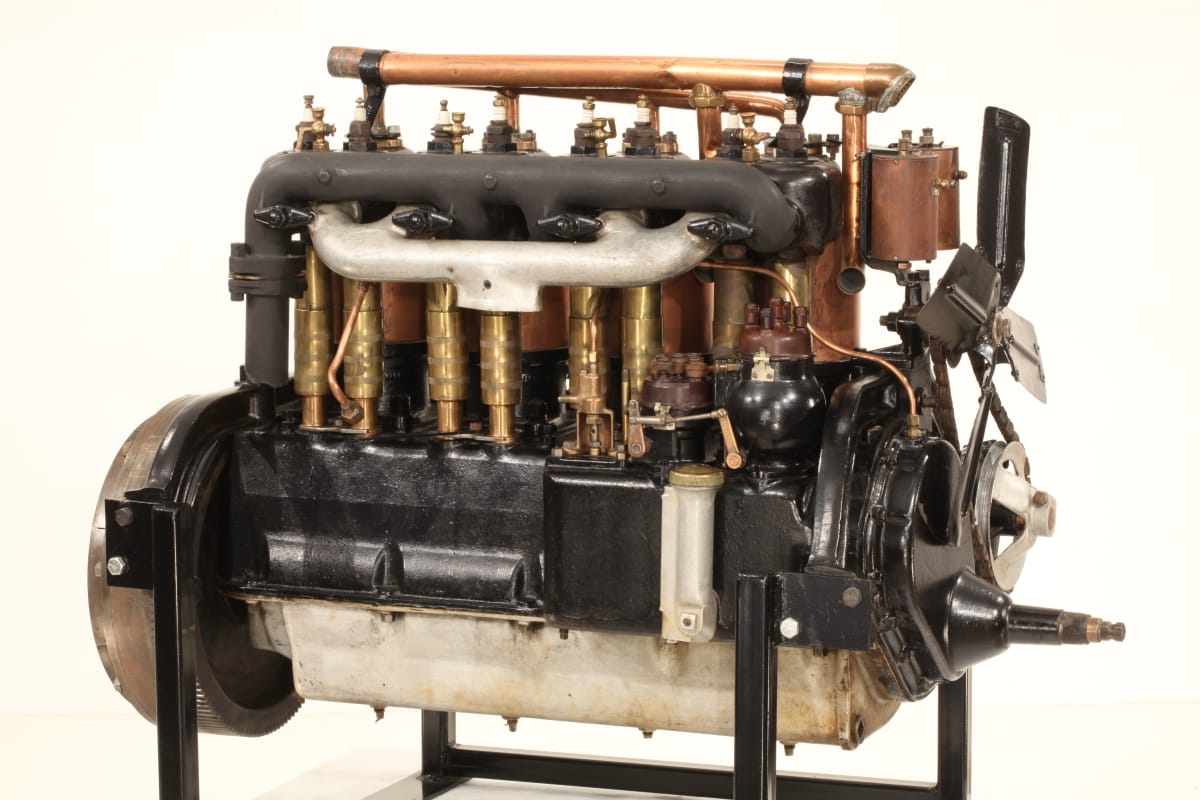
- Cadillac Engine, 1913 - Cadillac introduced the electric starter in 1912. The device eliminated the difficult and sometimes dangerous work of hand-cranking an engine, and it was quickly adopted by other automakers. Charles Kettering, formerly an engineer with National Cash Register, developed the starter working from electric motors used in cash registers. Cadillac's four-cylinder engine and starter were improved for 1913.
- 1912-1913
- Collections - Artifact
Cadillac Engine, 1913
Cadillac introduced the electric starter in 1912. The device eliminated the difficult and sometimes dangerous work of hand-cranking an engine, and it was quickly adopted by other automakers. Charles Kettering, formerly an engineer with National Cash Register, developed the starter working from electric motors used in cash registers. Cadillac's four-cylinder engine and starter were improved for 1913.