
Search
- Ed Welburn - <p>In a highly competitive car market, Welburn believes "design is that great differentiator between one product and another." In order to get the most out of his designers, he encourages friendly competition between different design teams. Welburn's ability to motivate and effectively manage multiple teams from different countries helps GM maintain its reputation as one of the top car manufacturers in the world.</p>

- October 07, 2013
- Collections - Video
Ed Welburn
In a highly competitive car market, Welburn believes "design is that great differentiator between one product and another." In order to get the most out of his designers, he encourages friendly competition between different design teams. Welburn's ability to motivate and effectively manage multiple teams from different countries helps GM maintain its reputation as one of the top car manufacturers in the world.
- Ed's Specialty Company "Roadrunner" Gas-Powered Racing Tether Car, 1947 - Tether cars, gas-powered model race cars, were popular in the 1930s and 1940s. They were raced individually while tethered to a central pivot, or against each other on a scaled-down board track. While many tether cars were based on contemporary race cars, this "Roadrunner" was modeled after a 1932 Ford hot rod. Details included faux carburetor velocity stacks in the hood.

- 1947
- Collections - Artifact
Ed's Specialty Company "Roadrunner" Gas-Powered Racing Tether Car, 1947
Tether cars, gas-powered model race cars, were popular in the 1930s and 1940s. They were raced individually while tethered to a central pivot, or against each other on a scaled-down board track. While many tether cars were based on contemporary race cars, this "Roadrunner" was modeled after a 1932 Ford hot rod. Details included faux carburetor velocity stacks in the hood.
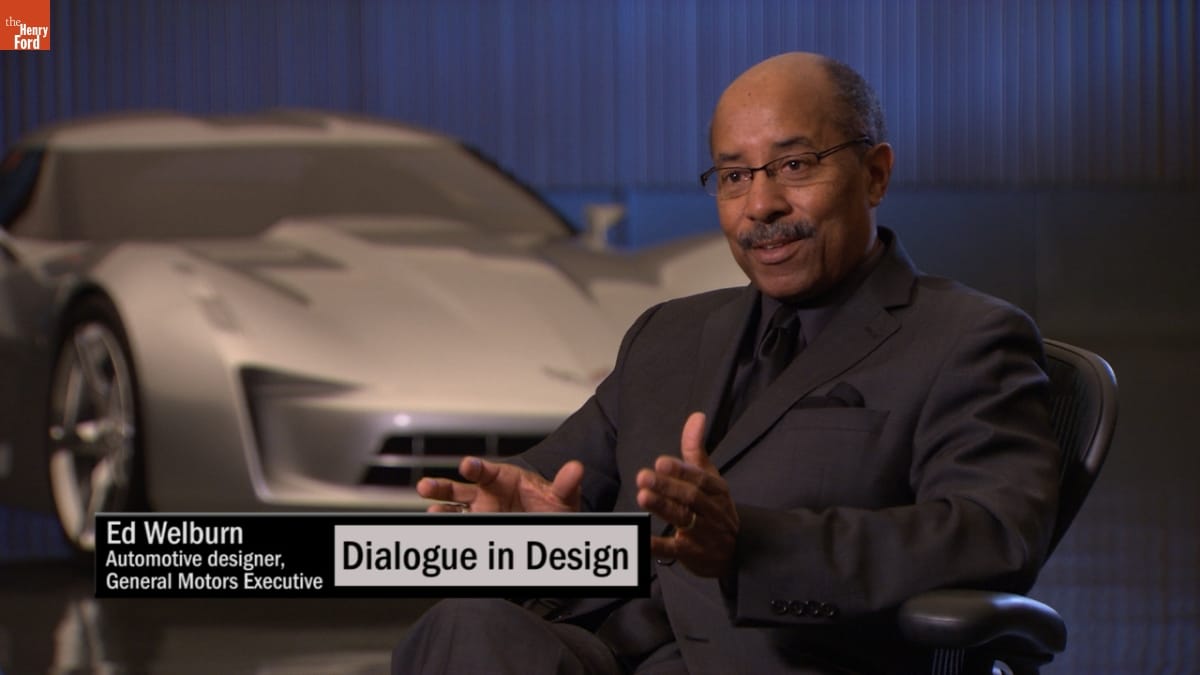
- "Dialogue in Design" Clip from Interview with Edward T. Welburn, 2011 - Edward T. Welburn became head of design at General Motors Corporation in 2003. The appointment made him the first African American to rise to one of the most prestigious jobs in the automotive industry. Welburn's mission for the dozens of GM models he oversaw was to lead their styling and concept teams to an exciting and visually distinctive brand identity for the twenty-first century.
- December 01, 2011
- Collections - Artifact
"Dialogue in Design" Clip from Interview with Edward T. Welburn, 2011
Edward T. Welburn became head of design at General Motors Corporation in 2003. The appointment made him the first African American to rise to one of the most prestigious jobs in the automotive industry. Welburn's mission for the dozens of GM models he oversaw was to lead their styling and concept teams to an exciting and visually distinctive brand identity for the twenty-first century.
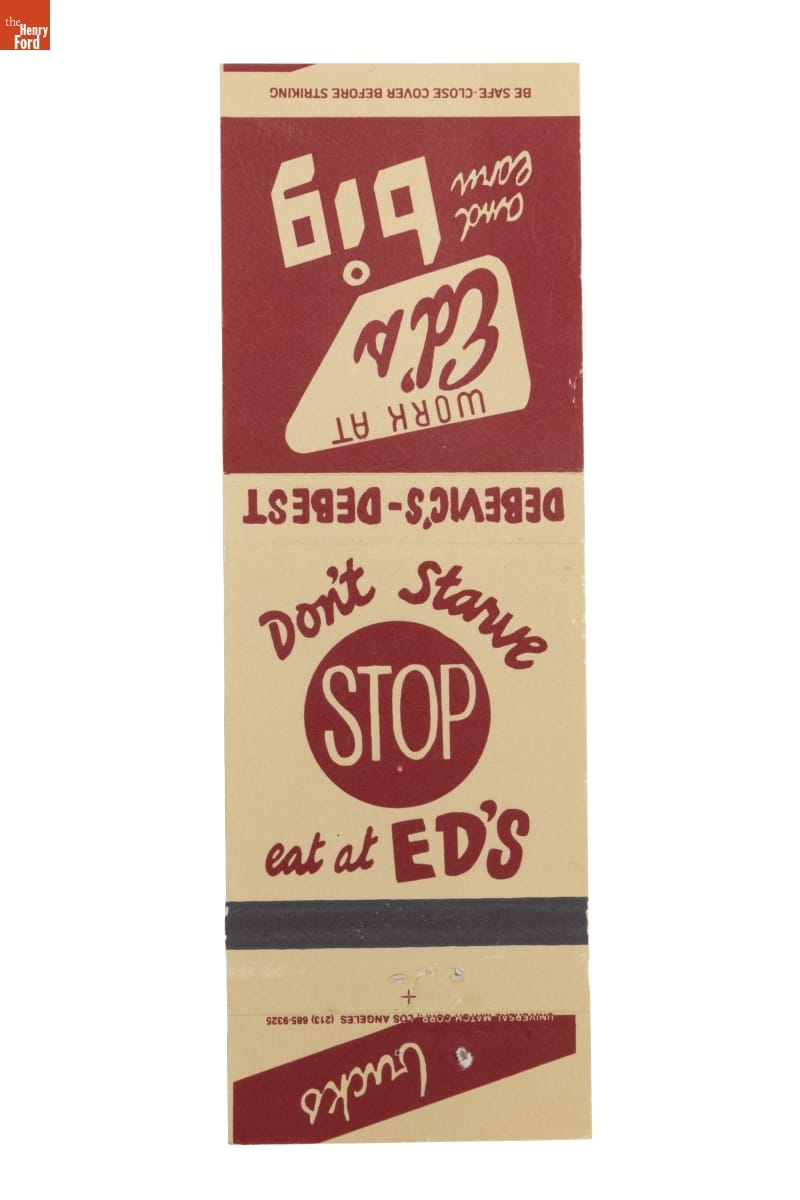
- Ed Debevic's Diner Matchbook, 1984-1995 -
- 1984-1995
- Collections - Artifact
Ed Debevic's Diner Matchbook, 1984-1995
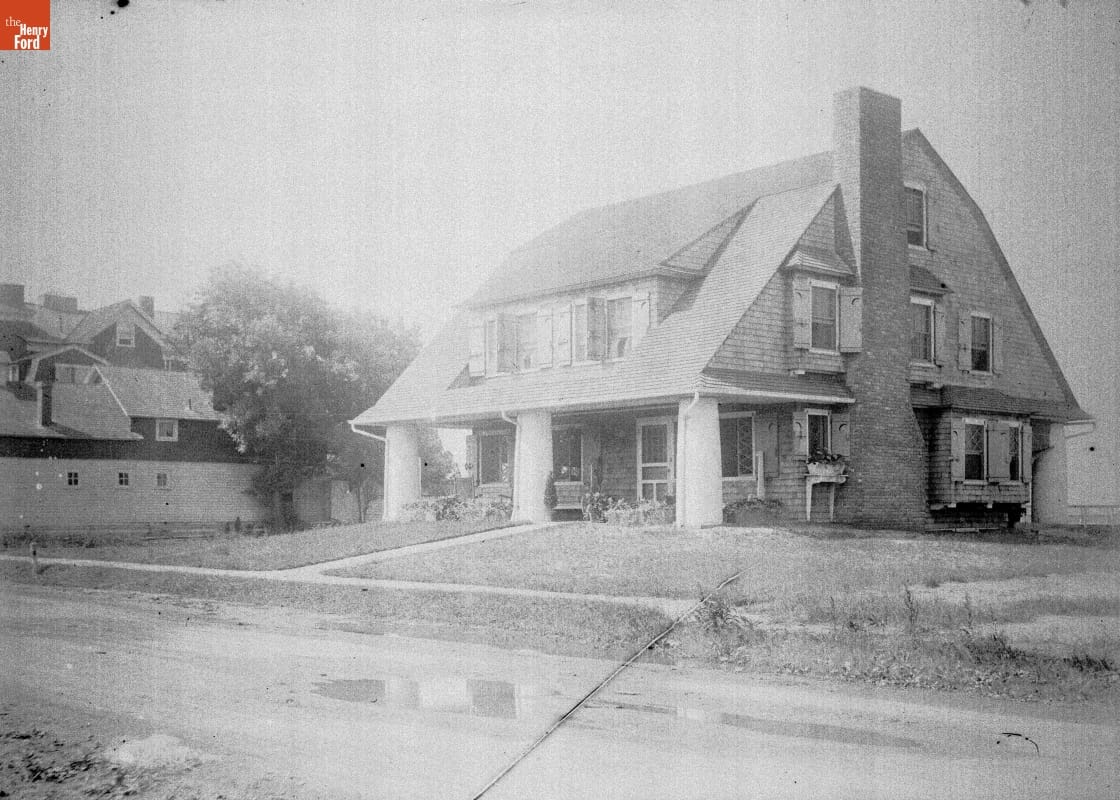
- Ed. Mott's Bungalow, Far Rockaway, 1890-1915 - In 1890, Jenny Young Chandler, 25 years old and recently widowed, began working for the <EM>New York Herald</EM>. As a photojournalist and feature writer, Chandler captured life in Brooklyn, New York, and vicinity. By 1922, the time of her death, she had produced over 800 glass plate negatives. Her sensitive, insightful photographs depict people from all walks of life and the world in which they lived.
- 1890-1915
- Collections - Artifact
Ed. Mott's Bungalow, Far Rockaway, 1890-1915
In 1890, Jenny Young Chandler, 25 years old and recently widowed, began working for the New York Herald. As a photojournalist and feature writer, Chandler captured life in Brooklyn, New York, and vicinity. By 1922, the time of her death, she had produced over 800 glass plate negatives. Her sensitive, insightful photographs depict people from all walks of life and the world in which they lived.
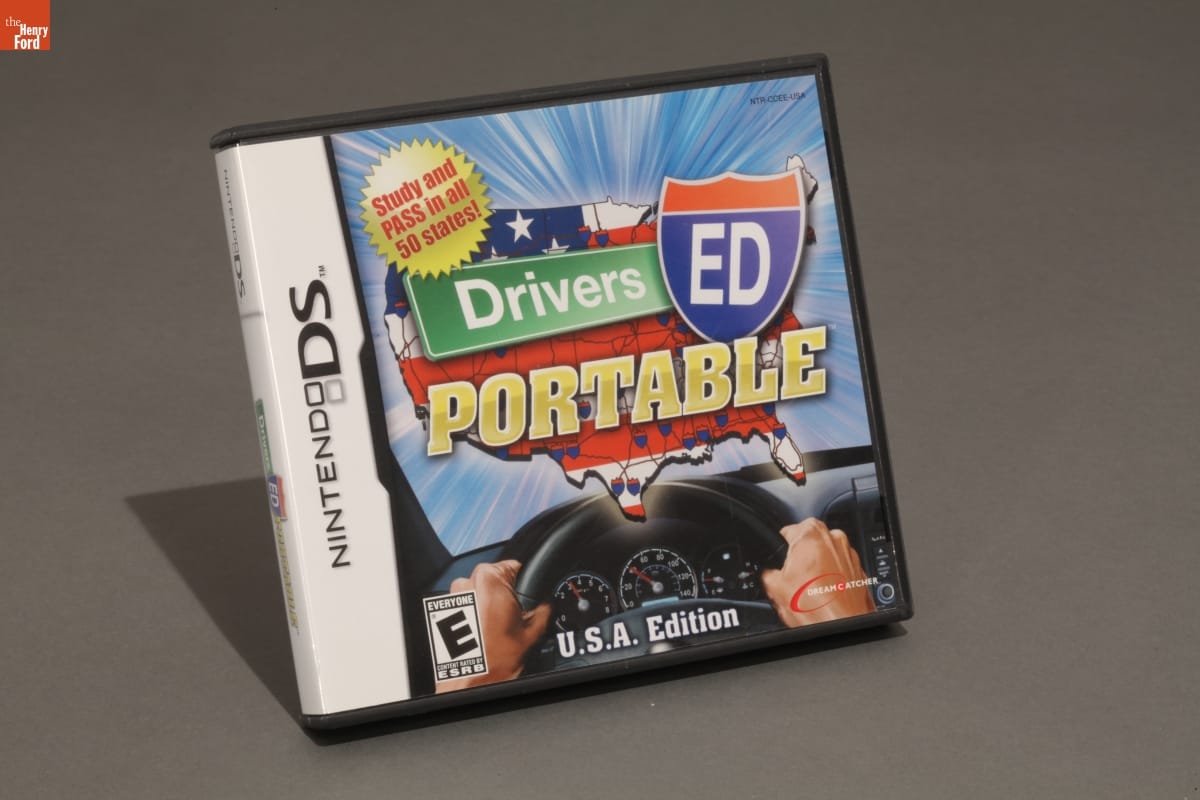
- Nintendo DS Portable Drivers ED Game, 2008 - This Nintendo product claims to be the first electronic game to teach users the rules of the road. It contains sample drivers' license tests and three fun and educational mini-games that simulate being on the road.
- 2008
- Collections - Artifact
Nintendo DS Portable Drivers ED Game, 2008
This Nintendo product claims to be the first electronic game to teach users the rules of the road. It contains sample drivers' license tests and three fun and educational mini-games that simulate being on the road.
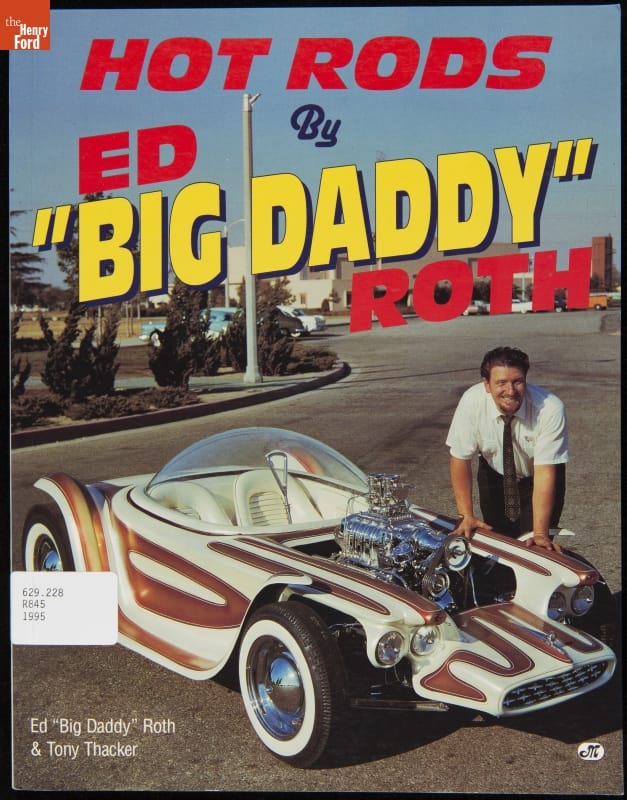
- "Hot Rods by Ed 'Big Daddy' Roth," 1995 - Ed Roth opened a pinstriping and paint shop in South Gate, California, in the 1950s and sold airbrushed T-shirts on the side. "Big Daddy" Roth's grotesque cartoon characters, like Rat Fink, were embraced by hot rodders. Roth soon built cars of his own with names like "Beatnik Bandit," "Mysterion" and "Orbitron." His designs were made into popular plastic model kits.
- 1995
- Collections - Artifact
"Hot Rods by Ed 'Big Daddy' Roth," 1995
Ed Roth opened a pinstriping and paint shop in South Gate, California, in the 1950s and sold airbrushed T-shirts on the side. "Big Daddy" Roth's grotesque cartoon characters, like Rat Fink, were embraced by hot rodders. Roth soon built cars of his own with names like "Beatnik Bandit," "Mysterion" and "Orbitron." His designs were made into popular plastic model kits.
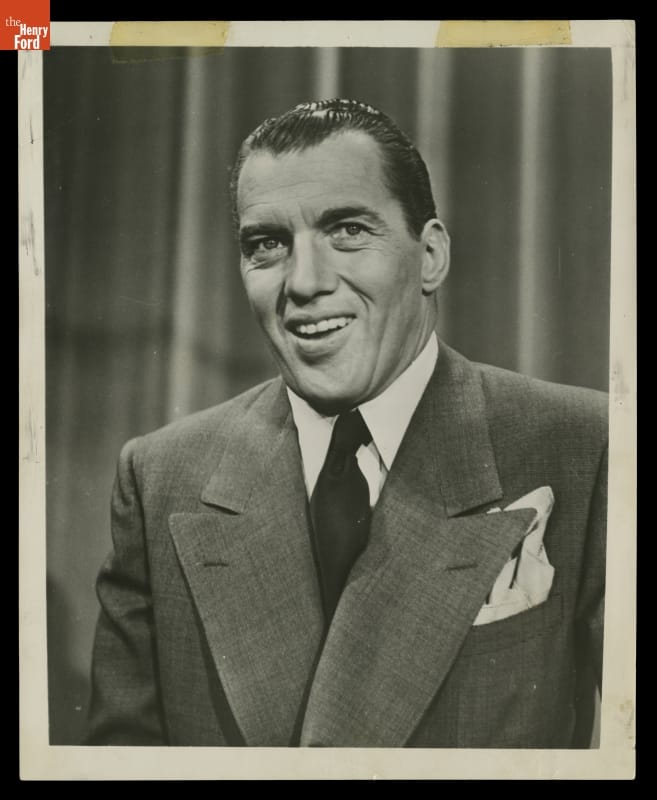
- Portrait of Television Host Ed Sullivan, circa 1960 - Originally a newspaper columnist, Ed Sullivan began hosting a television variety show in 1948 called <em>Toast of the Town</em>. This family-oriented show, which featured an incredible array of celebrity guests, was recast as <em>The Ed Sullivan Show</em> in 1955. His most famous shows featured Elvis Presley (1956 and 1957) and the Beatles (1964 and 1965). The show ended in 1971.
- circa 1960
- Collections - Artifact
Portrait of Television Host Ed Sullivan, circa 1960
Originally a newspaper columnist, Ed Sullivan began hosting a television variety show in 1948 called Toast of the Town. This family-oriented show, which featured an incredible array of celebrity guests, was recast as The Ed Sullivan Show in 1955. His most famous shows featured Elvis Presley (1956 and 1957) and the Beatles (1964 and 1965). The show ended in 1971.
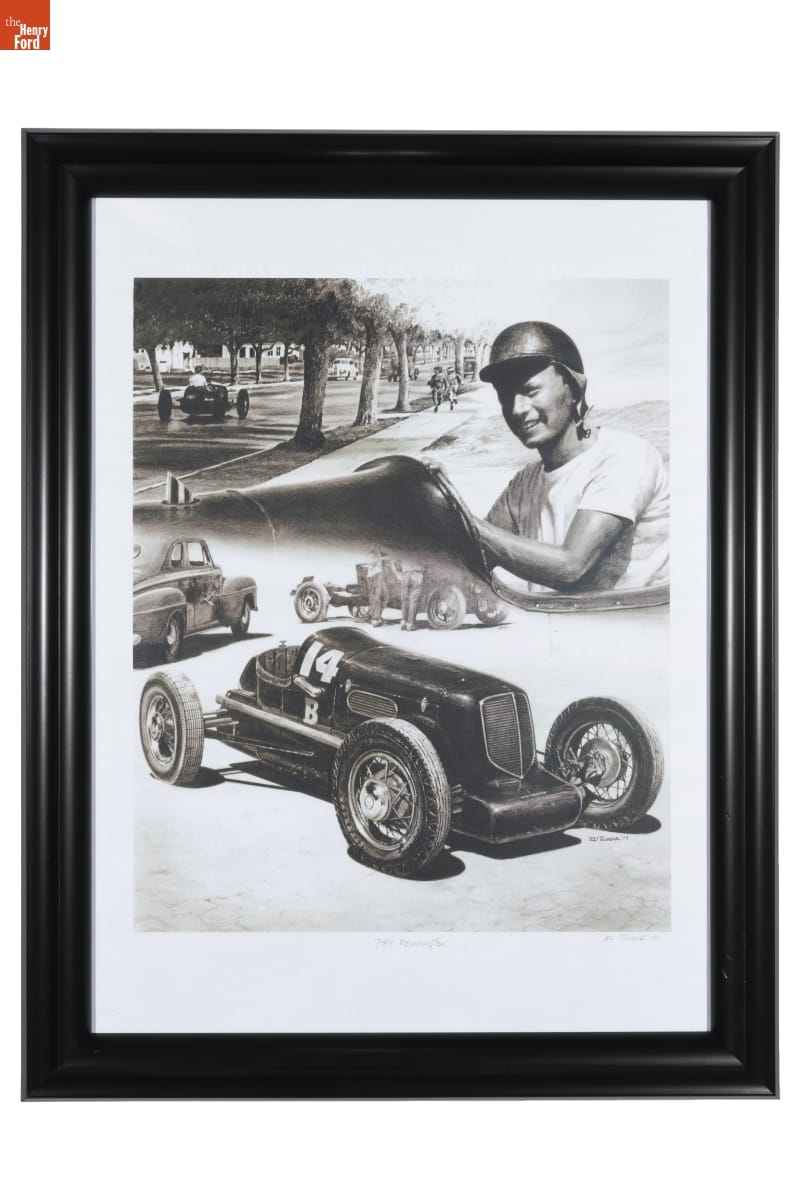
- Pencil Drawing of Phil Remington by Ed Tillrock, 2009-2010 - Phil Remington was one of racing's greatest fabricators and metalworkers. Over his 70-year career, he worked alongside innovators like Lance Reventlow, Carroll Shelby, and Dan Gurney. This drawing shows Remington as a young man racing cars on California's dry lakes. "Rem" studied engineering at UCLA for a year, and he served as a flight engineer in World War II.
- 2009-2010
- Collections - Artifact
Pencil Drawing of Phil Remington by Ed Tillrock, 2009-2010
Phil Remington was one of racing's greatest fabricators and metalworkers. Over his 70-year career, he worked alongside innovators like Lance Reventlow, Carroll Shelby, and Dan Gurney. This drawing shows Remington as a young man racing cars on California's dry lakes. "Rem" studied engineering at UCLA for a year, and he served as a flight engineer in World War II.
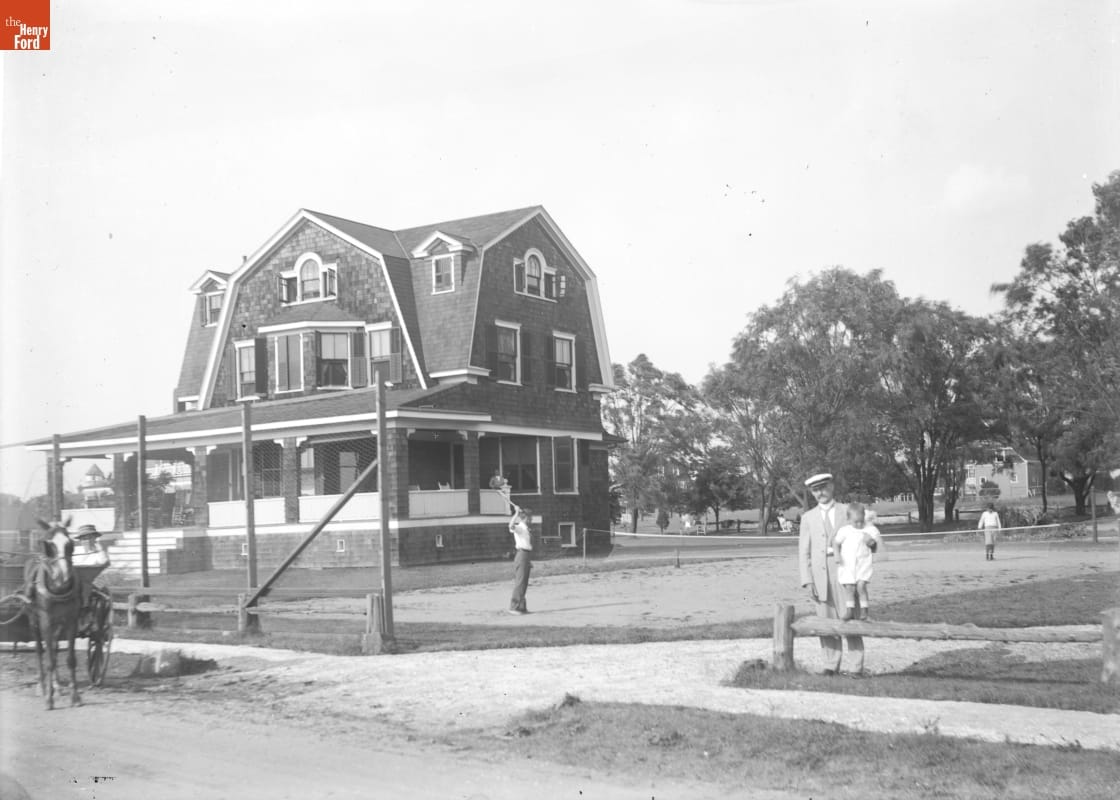
- Far Rockaway, Bungalow (Ed. Mott's), the Louise-Tennis Game, 1890-1915 - In 1890, Jenny Young Chandler, 25 years old and recently widowed, began working for the <EM>New York Herald</EM>. As a photojournalist and feature writer, Chandler captured life in Brooklyn, New York, and vicinity. By 1922, the time of her death, she had produced over 800 glass plate negatives. Her sensitive, insightful photographs depict people from all walks of life and the world in which they lived.
- 1890-1915
- Collections - Artifact
Far Rockaway, Bungalow (Ed. Mott's), the Louise-Tennis Game, 1890-1915
In 1890, Jenny Young Chandler, 25 years old and recently widowed, began working for the New York Herald. As a photojournalist and feature writer, Chandler captured life in Brooklyn, New York, and vicinity. By 1922, the time of her death, she had produced over 800 glass plate negatives. Her sensitive, insightful photographs depict people from all walks of life and the world in which they lived.