
Search
- The Evolution of Reaping Machines, 1902 -
- 1902
- Collections - Artifact
The Evolution of Reaping Machines, 1902
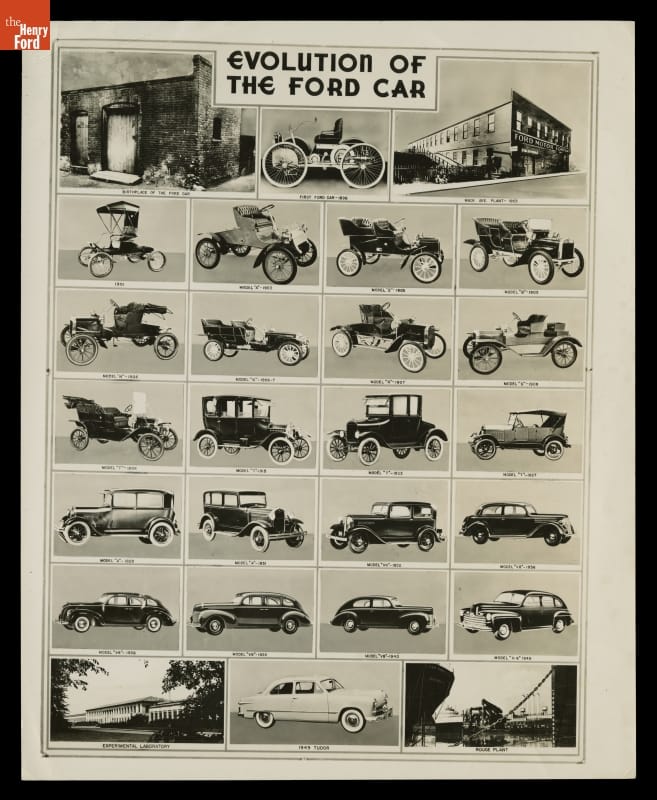
- "Evolution of the Ford Car," 1949 - The evolution of Ford Motor Company cars, through 1949, is illustrated in this image. The line starts with Henry Ford's experimental 1896 Quadricycle and concludes with the post-World War II 1949 Ford. Key company buildings, like the Mack Avenue Plant and the Dearborn Engineering Lab, are featured as well.
- 1896-1949
- Collections - Artifact
"Evolution of the Ford Car," 1949
The evolution of Ford Motor Company cars, through 1949, is illustrated in this image. The line starts with Henry Ford's experimental 1896 Quadricycle and concludes with the post-World War II 1949 Ford. Key company buildings, like the Mack Avenue Plant and the Dearborn Engineering Lab, are featured as well.
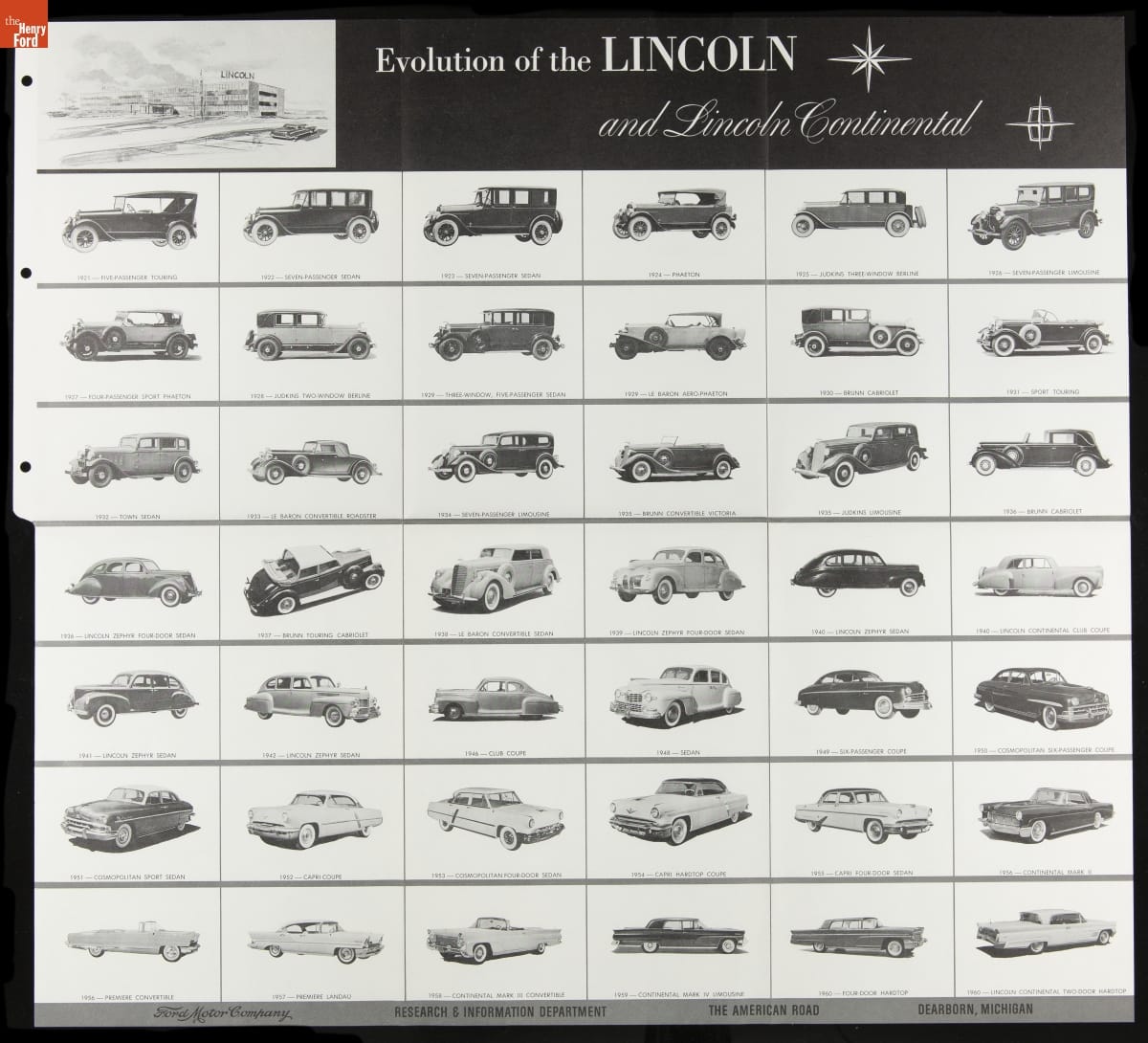
- Evolution of the Lincoln and Lincoln Continental, 1921-1960 - Nearly 40 years of Lincoln evolution are traced in this poster, from the company's founding by Henry Leland and Wilfred Leland, through its renaissance under Ford Motor Company's ownership. Edsel Ford and designer Bob Gregorie inaugurated Lincoln's successful Continental model for 1940. For 1956-1957, Continental was its own make, separate from Lincoln, under the guidance of William Clay Ford.
- 1921-1960
- Collections - Artifact
Evolution of the Lincoln and Lincoln Continental, 1921-1960
Nearly 40 years of Lincoln evolution are traced in this poster, from the company's founding by Henry Leland and Wilfred Leland, through its renaissance under Ford Motor Company's ownership. Edsel Ford and designer Bob Gregorie inaugurated Lincoln's successful Continental model for 1940. For 1956-1957, Continental was its own make, separate from Lincoln, under the guidance of William Clay Ford.
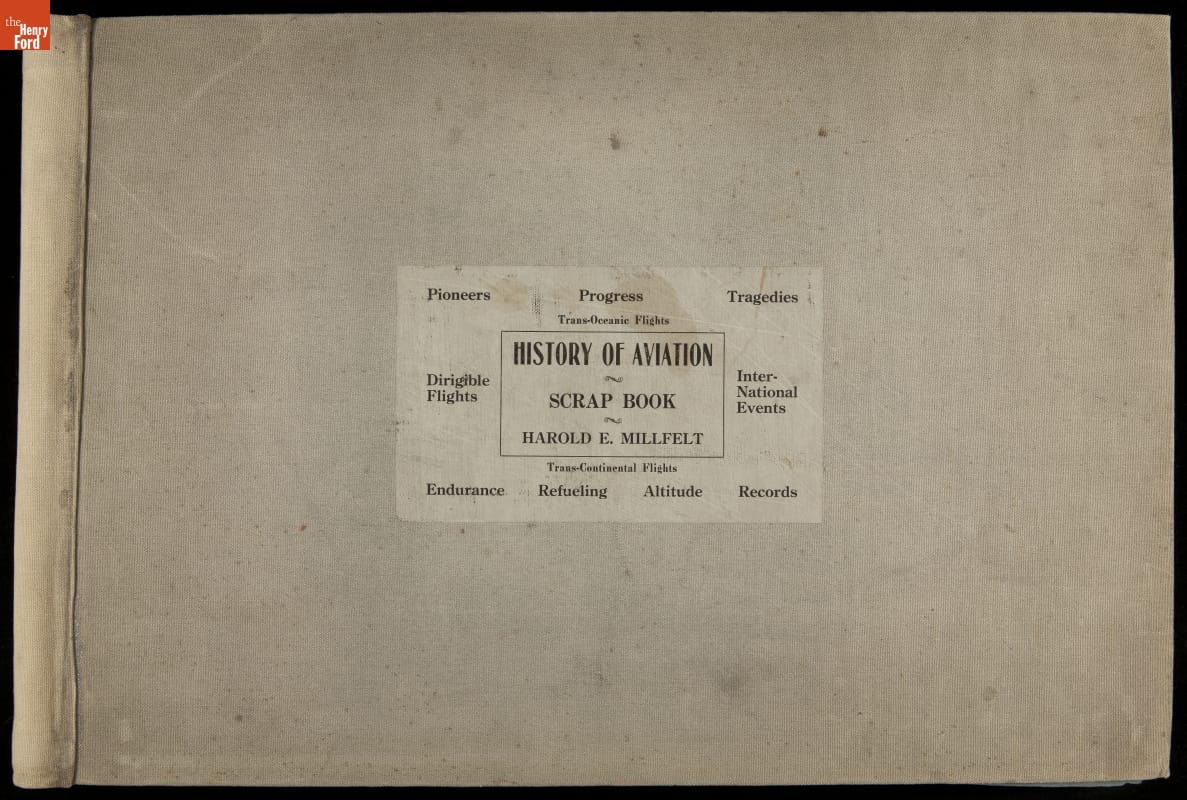
- History of Aviation Scrapbook, 1908-1929 - Harold E. Millfelt, a night clerk at a hotel in Zanesville, Ohio, assembled scrapbooks to pass the time during his long overnight shifts. This one documents the history of aviation, from the Wright brothers' demonstration flights in 1908 through Charles Lindbergh's solo transatlantic flight in 1927. Most of the scrapbook's content relates to Lindbergh and his flight.
- 1908-1929
- Collections - Artifact
History of Aviation Scrapbook, 1908-1929
Harold E. Millfelt, a night clerk at a hotel in Zanesville, Ohio, assembled scrapbooks to pass the time during his long overnight shifts. This one documents the history of aviation, from the Wright brothers' demonstration flights in 1908 through Charles Lindbergh's solo transatlantic flight in 1927. Most of the scrapbook's content relates to Lindbergh and his flight.
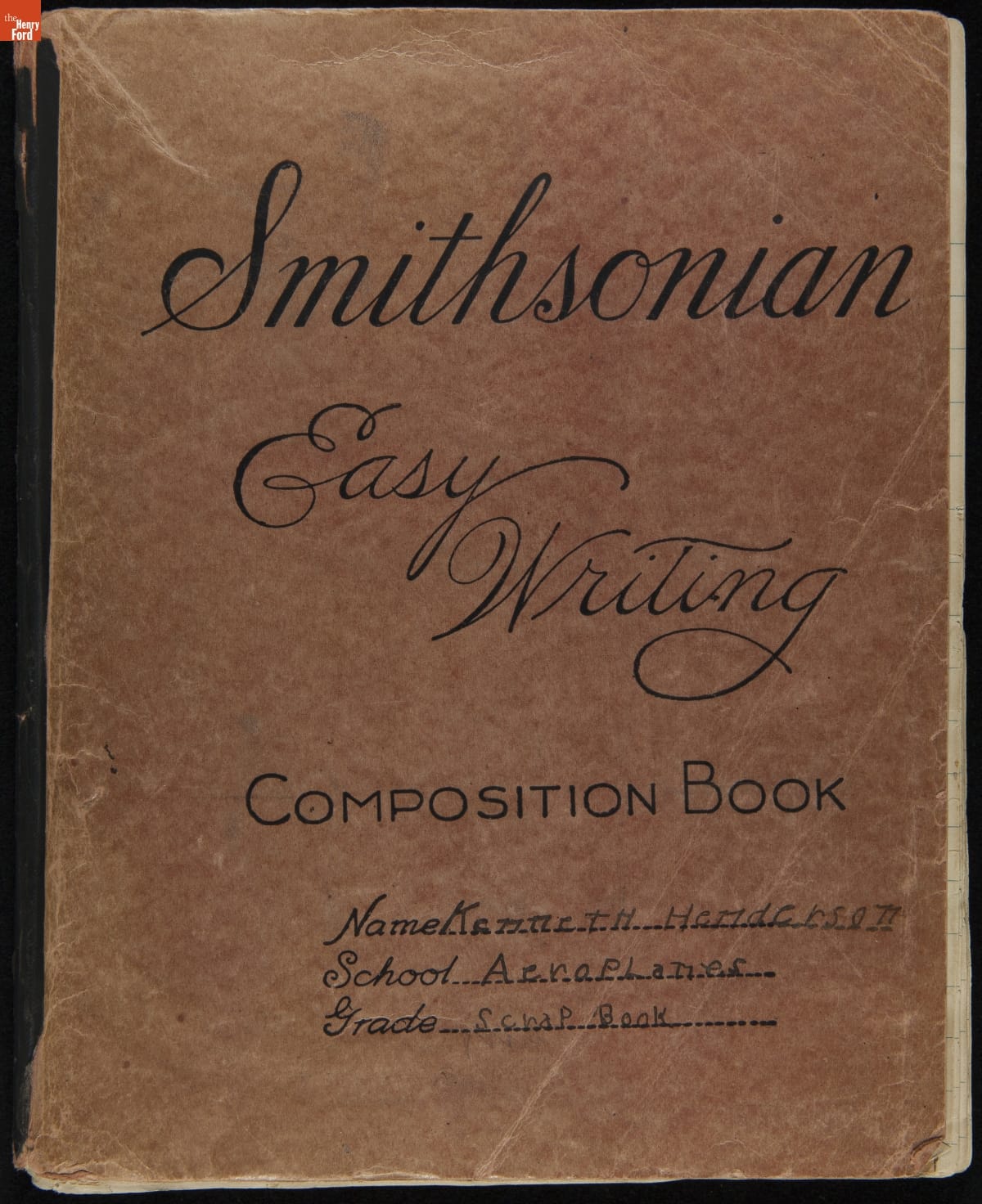
- Scrapbook of Aviation Photographs and Articles, circa 1928 - Kenneth Henderson compiled this scrapbook around 1928. It included photographs and newspaper clippings related to some of the top pilots and airplanes of the day. William Brock, Richard Byrd, Anthony Fokker, Charles Lindbergh, and Edward Schlee were among the aviators Henderson documented.
- circa 1928
- Collections - Artifact
Scrapbook of Aviation Photographs and Articles, circa 1928
Kenneth Henderson compiled this scrapbook around 1928. It included photographs and newspaper clippings related to some of the top pilots and airplanes of the day. William Brock, Richard Byrd, Anthony Fokker, Charles Lindbergh, and Edward Schlee were among the aviators Henderson documented.
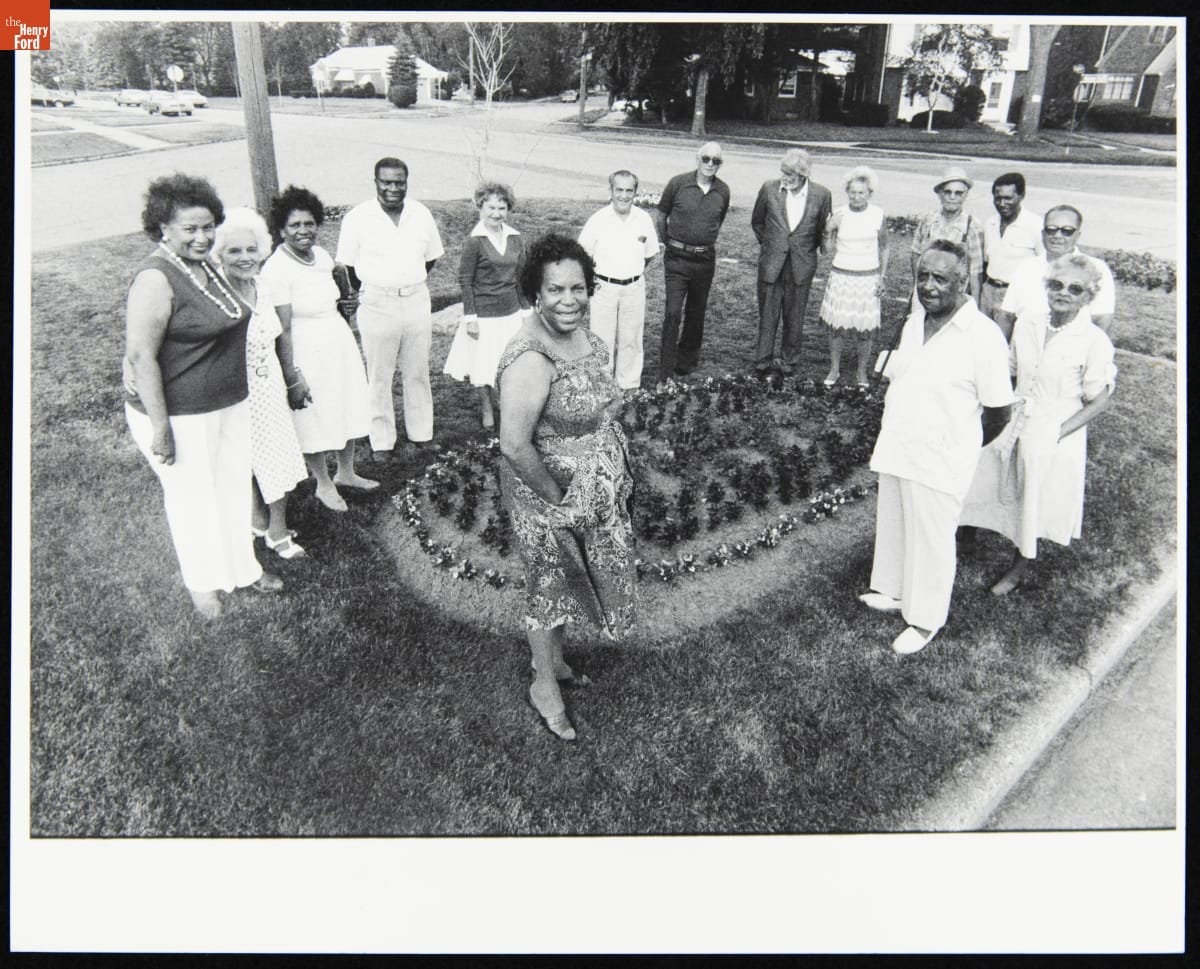
- Fifteen Residents of the Aviation Neighborhood in Detroit, July 1981 -
- July 20, 1981
- Collections - Artifact
Fifteen Residents of the Aviation Neighborhood in Detroit, July 1981
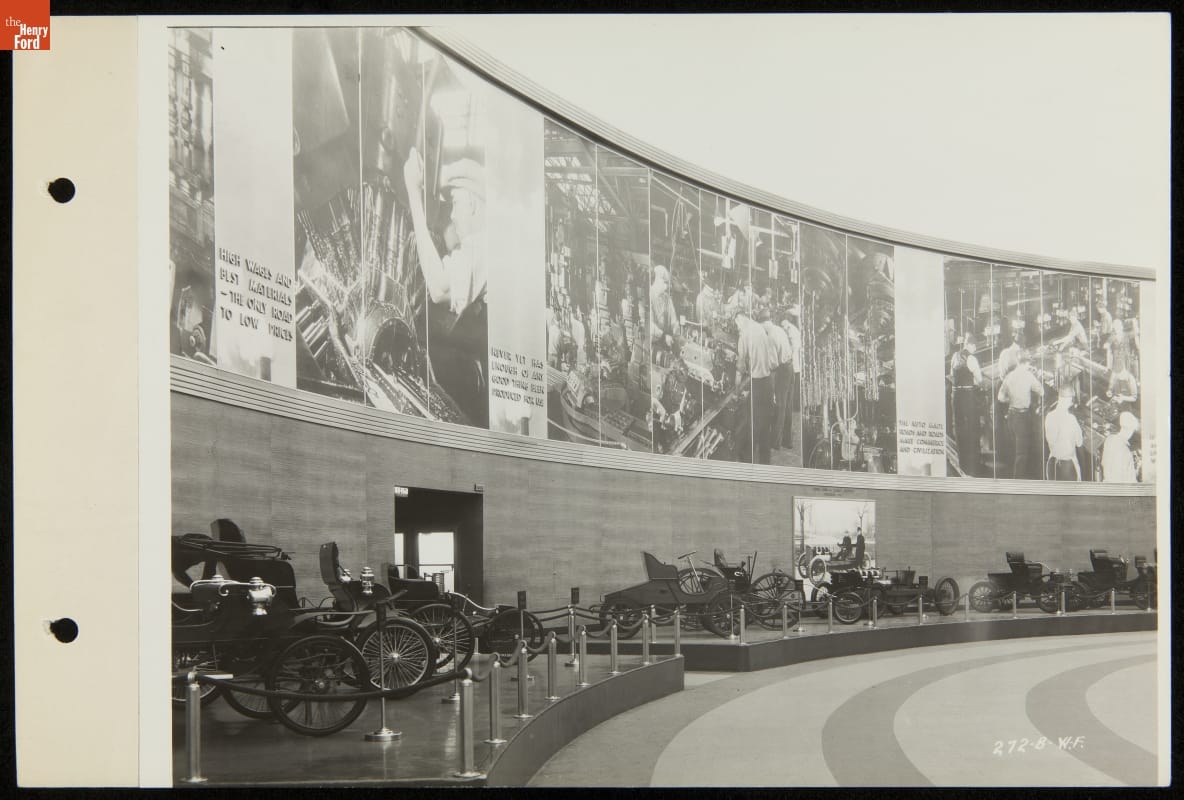
- Evolution of the Ford Car, Century of Progress International Exposition, Chicago, Illinois, 1934 - Chicago's 1933-34 Century of Progress Exposition used the theme of progress to encourage optimism during the Depression. The Ford Exhibition Building, which sat on eleven acres at the fair and featured industrial demonstrations and informative displays like this, became the most talked-about exhibit of 1934.
- 1934
- Collections - Artifact
Evolution of the Ford Car, Century of Progress International Exposition, Chicago, Illinois, 1934
Chicago's 1933-34 Century of Progress Exposition used the theme of progress to encourage optimism during the Depression. The Ford Exhibition Building, which sat on eleven acres at the fair and featured industrial demonstrations and informative displays like this, became the most talked-about exhibit of 1934.
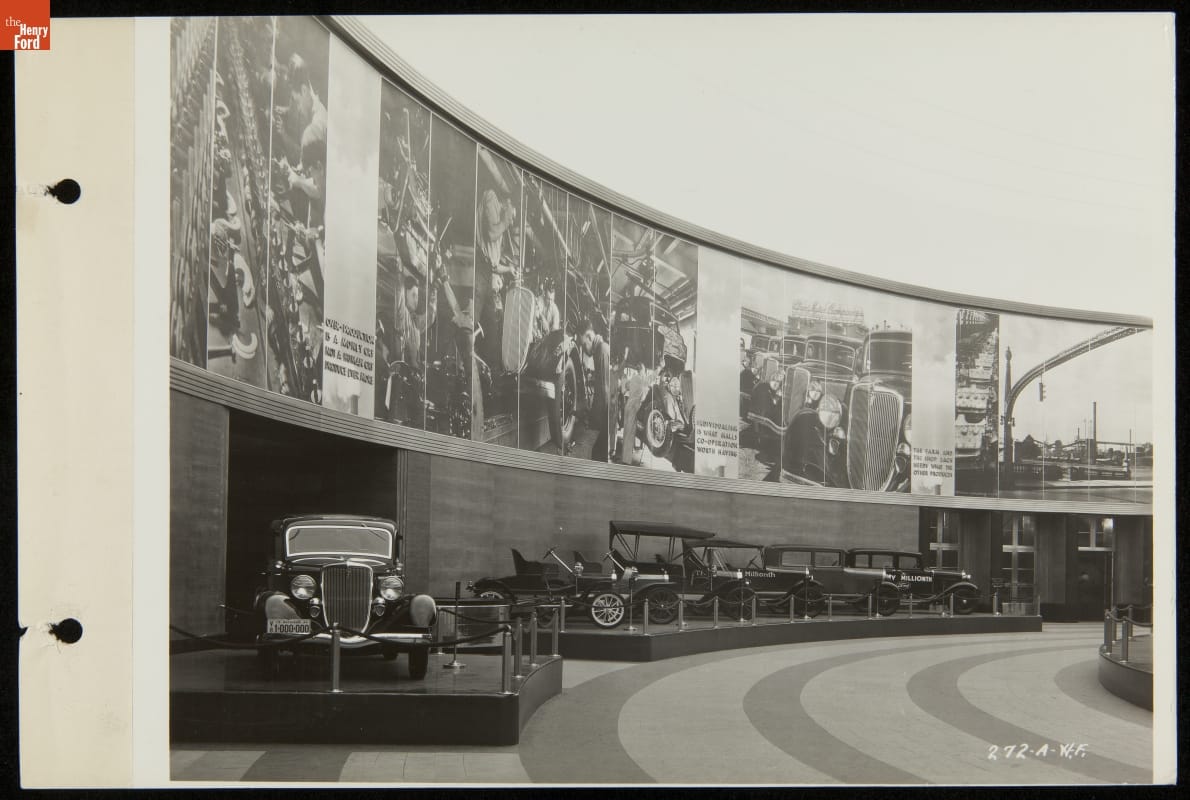
- Evolution of the Ford Car, Century of Progress International Exposition, Chicago, Illinois, 1934 - Chicago's 1933-34 Century of Progress Exposition used the theme of progress to encourage optimism during the Depression. The Ford Exhibition Building, which sat on eleven acres at the fair and featured industrial demonstrations and informative displays like this, became the most talked-about exhibit of 1934.
- 1934
- Collections - Artifact
Evolution of the Ford Car, Century of Progress International Exposition, Chicago, Illinois, 1934
Chicago's 1933-34 Century of Progress Exposition used the theme of progress to encourage optimism during the Depression. The Ford Exhibition Building, which sat on eleven acres at the fair and featured industrial demonstrations and informative displays like this, became the most talked-about exhibit of 1934.
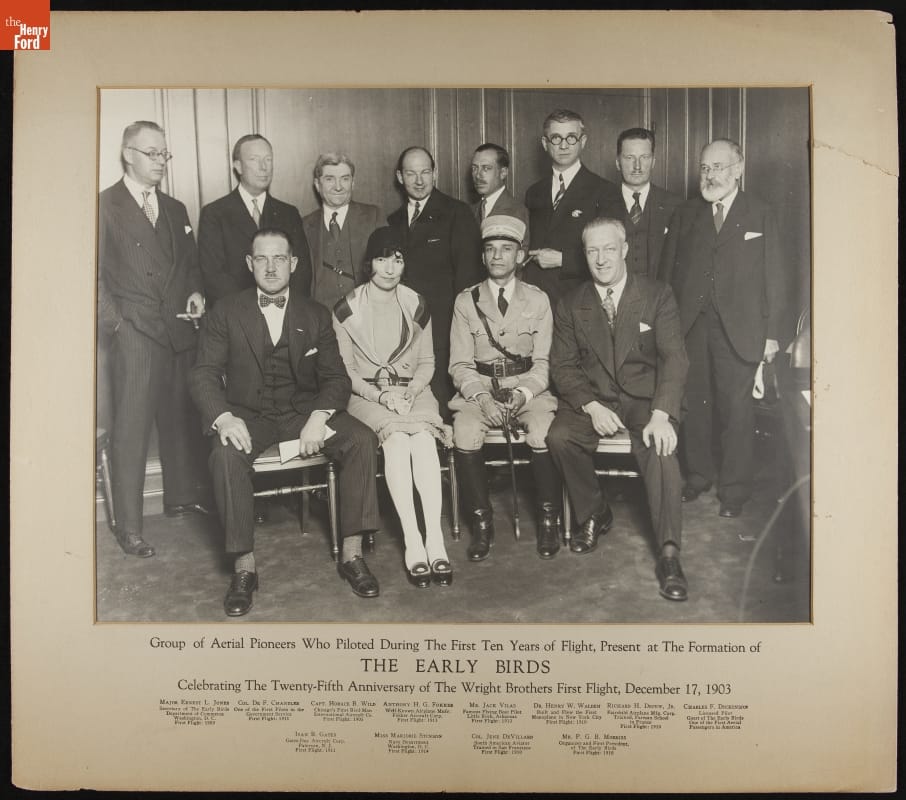
- First Meeting of the "Early Birds" Group of Aviation Pioneers, December 17, 1928 - The "Early Birds," a group of pilots who started flying in the first ten years after the airplane's invention, met in 1928 to commemorate the 25th anniversary of the Wright brothers' historic 1903 flight. Marjorie Stinson represented pioneering female aviators. Stinson flew in early exhibitions and, at her family's flying school, trained pilots for the Allied Powers during World War I.
- December 17, 1928
- Collections - Artifact
First Meeting of the "Early Birds" Group of Aviation Pioneers, December 17, 1928
The "Early Birds," a group of pilots who started flying in the first ten years after the airplane's invention, met in 1928 to commemorate the 25th anniversary of the Wright brothers' historic 1903 flight. Marjorie Stinson represented pioneering female aviators. Stinson flew in early exhibitions and, at her family's flying school, trained pilots for the Allied Powers during World War I.
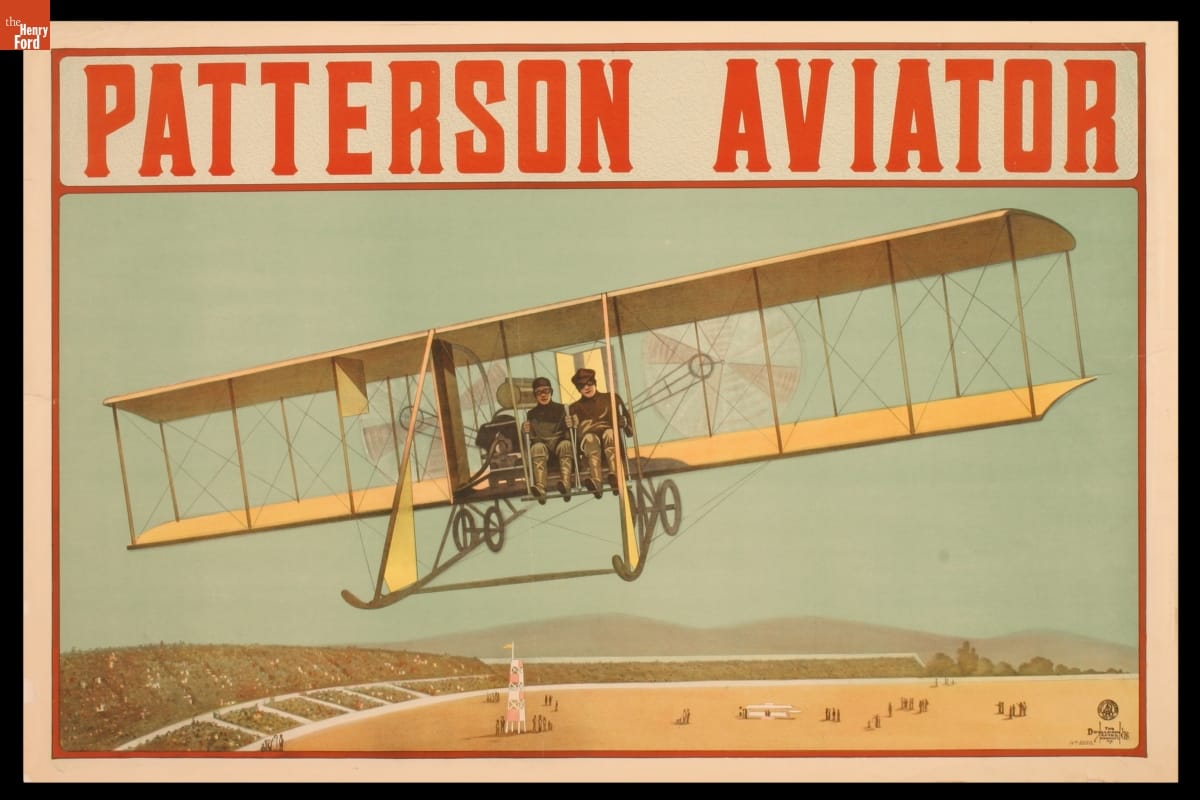
- Advertising Poster, "Patterson Aviator," 1915-1916 - In the late nineteenth century, printers developed a lithograph method that produced brightly colored posters. Manufacturers quickly adopted the new poster style to advertise their products. This poster promotes the aerial entertainment services of the Patterson Aviators of Detroit, Michigan, in the 1910s. It shows the Wright brothers' Model B biplane which aviators often purchased for performing aerial exhibitions.
- 1914-1915
- Collections - Artifact
Advertising Poster, "Patterson Aviator," 1915-1916
In the late nineteenth century, printers developed a lithograph method that produced brightly colored posters. Manufacturers quickly adopted the new poster style to advertise their products. This poster promotes the aerial entertainment services of the Patterson Aviators of Detroit, Michigan, in the 1910s. It shows the Wright brothers' Model B biplane which aviators often purchased for performing aerial exhibitions.