
Search
- The Evolution of Reaping Machines, 1902 -
- 1902
- Collections - Artifact
The Evolution of Reaping Machines, 1902
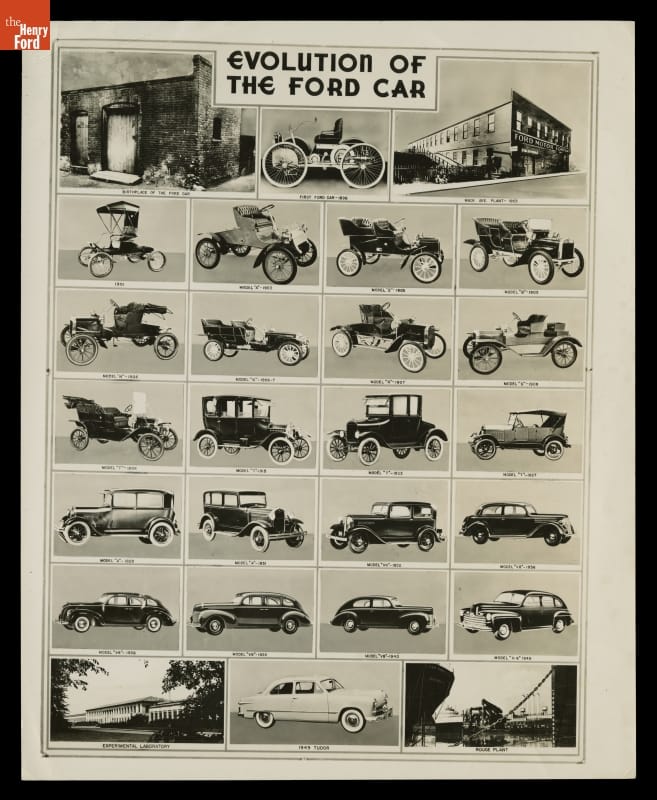
- "Evolution of the Ford Car," 1949 - The evolution of Ford Motor Company cars, through 1949, is illustrated in this image. The line starts with Henry Ford's experimental 1896 Quadricycle and concludes with the post-World War II 1949 Ford. Key company buildings, like the Mack Avenue Plant and the Dearborn Engineering Lab, are featured as well.
- 1896-1949
- Collections - Artifact
"Evolution of the Ford Car," 1949
The evolution of Ford Motor Company cars, through 1949, is illustrated in this image. The line starts with Henry Ford's experimental 1896 Quadricycle and concludes with the post-World War II 1949 Ford. Key company buildings, like the Mack Avenue Plant and the Dearborn Engineering Lab, are featured as well.
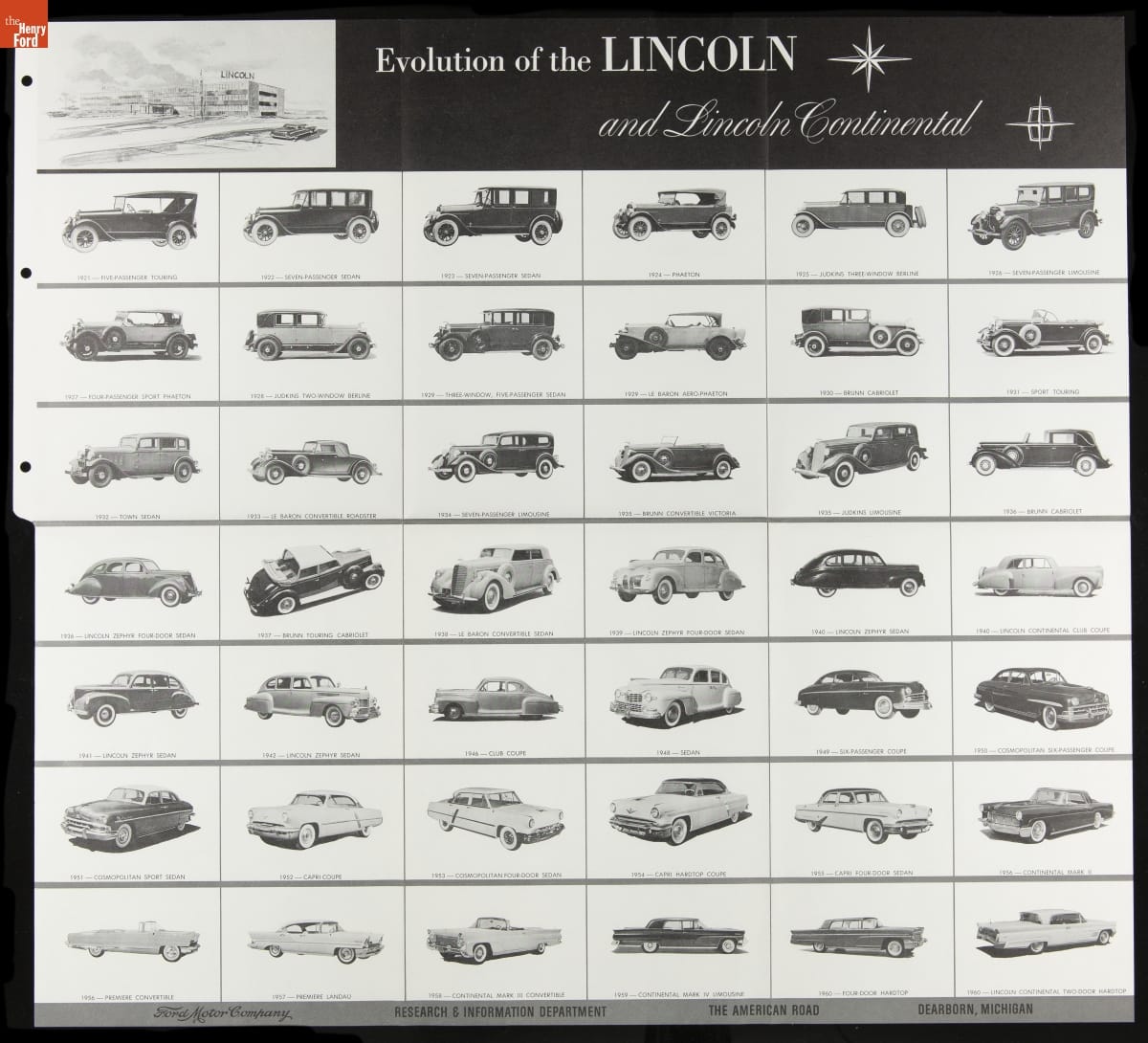
- Evolution of the Lincoln and Lincoln Continental, 1921-1960 - Nearly 40 years of Lincoln evolution are traced in this poster, from the company's founding by Henry Leland and Wilfred Leland, through its renaissance under Ford Motor Company's ownership. Edsel Ford and designer Bob Gregorie inaugurated Lincoln's successful Continental model for 1940. For 1956-1957, Continental was its own make, separate from Lincoln, under the guidance of William Clay Ford.
- 1921-1960
- Collections - Artifact
Evolution of the Lincoln and Lincoln Continental, 1921-1960
Nearly 40 years of Lincoln evolution are traced in this poster, from the company's founding by Henry Leland and Wilfred Leland, through its renaissance under Ford Motor Company's ownership. Edsel Ford and designer Bob Gregorie inaugurated Lincoln's successful Continental model for 1940. For 1956-1957, Continental was its own make, separate from Lincoln, under the guidance of William Clay Ford.
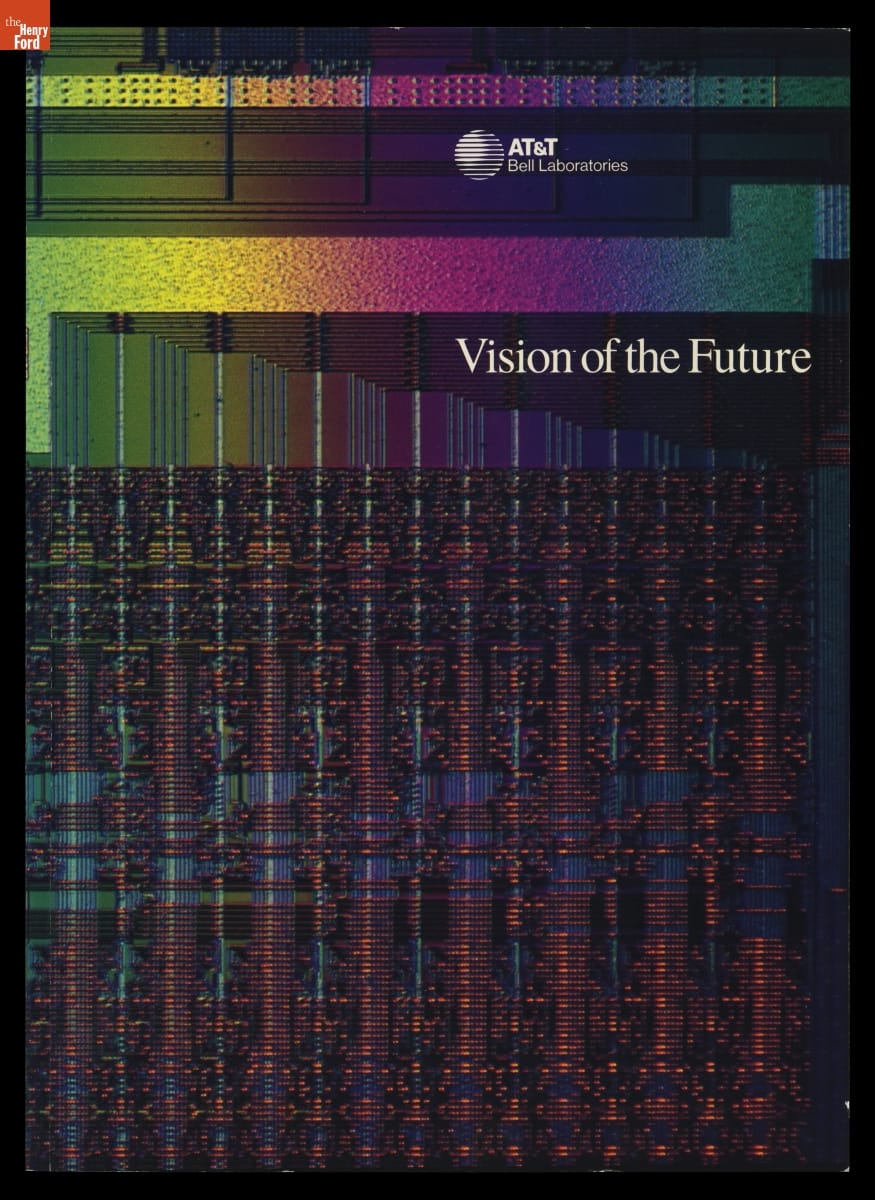
- Vision of the Future: The Impact of Information Age Technology on Society, 1984 - Lillian Schwartz is a pioneer of computer-generated art. From 1969-2002, she was a "resident visitor" at Bell Laboratories, producing groundbreaking films, videos, and multimedia works. The Schwartz Collection spans Lillian's childhood into her late career, documenting an expansive mindset, mastery over traditional and experimental mediums alike--and above all--an ability to create inspirational connections between science, art, and technology.
- 1984
- Collections - Artifact
Vision of the Future: The Impact of Information Age Technology on Society, 1984
Lillian Schwartz is a pioneer of computer-generated art. From 1969-2002, she was a "resident visitor" at Bell Laboratories, producing groundbreaking films, videos, and multimedia works. The Schwartz Collection spans Lillian's childhood into her late career, documenting an expansive mindset, mastery over traditional and experimental mediums alike--and above all--an ability to create inspirational connections between science, art, and technology.
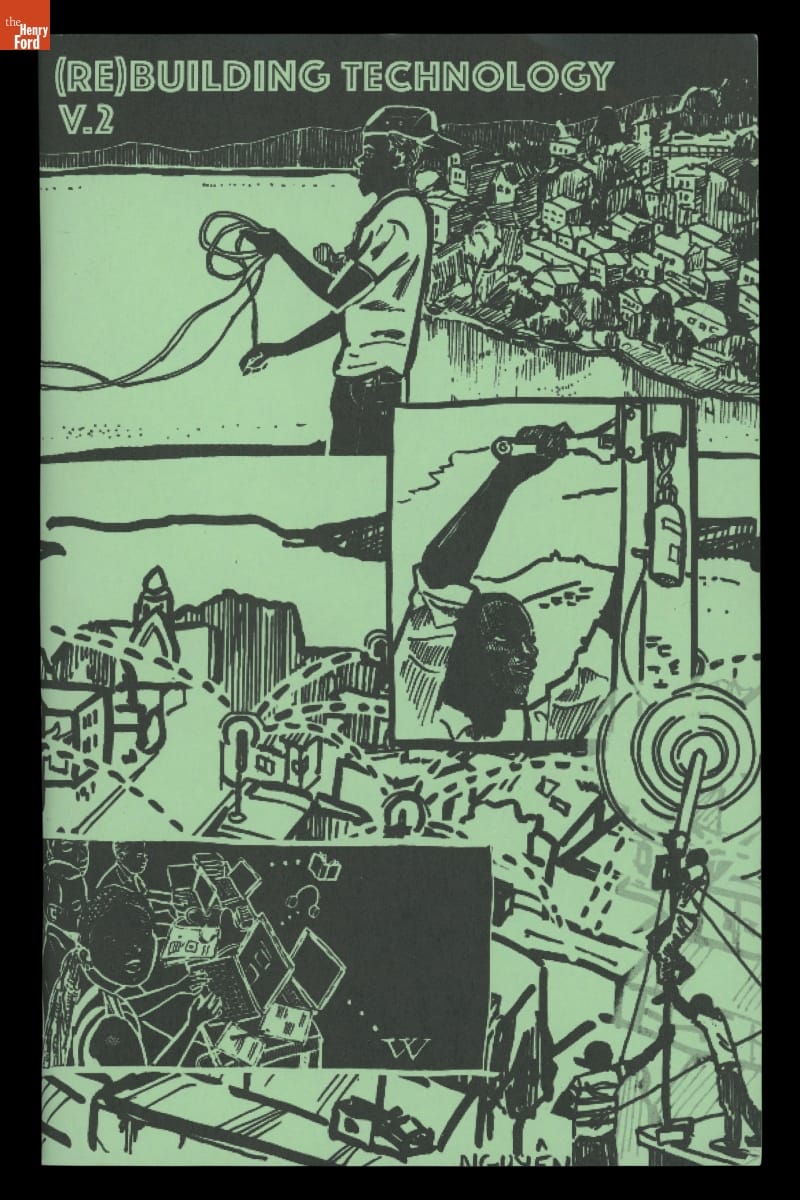
- (Re)Building Technology V.2, 2016 -
- 2016
- Collections - Artifact
(Re)Building Technology V.2, 2016
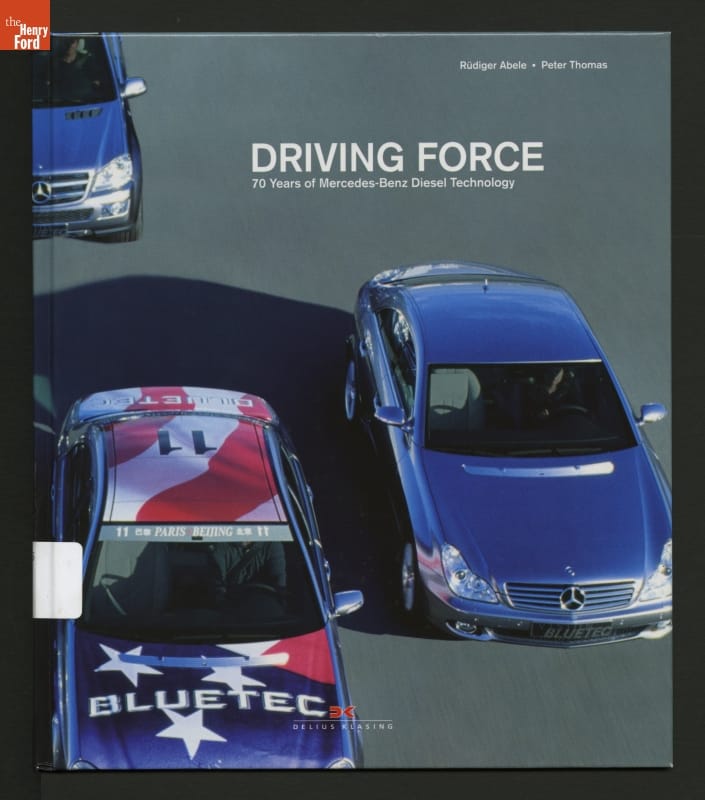
- "Driving Force, 70 Years of Mercedes-Benz Diesel Technology" 2007 - This book offers a short history of Mercedes-Benz's diesel vehicles. Mercedes-Benz built the world's first diesel passenger car in 1936.
- 2007
- Collections - Artifact
"Driving Force, 70 Years of Mercedes-Benz Diesel Technology" 2007
This book offers a short history of Mercedes-Benz's diesel vehicles. Mercedes-Benz built the world's first diesel passenger car in 1936.
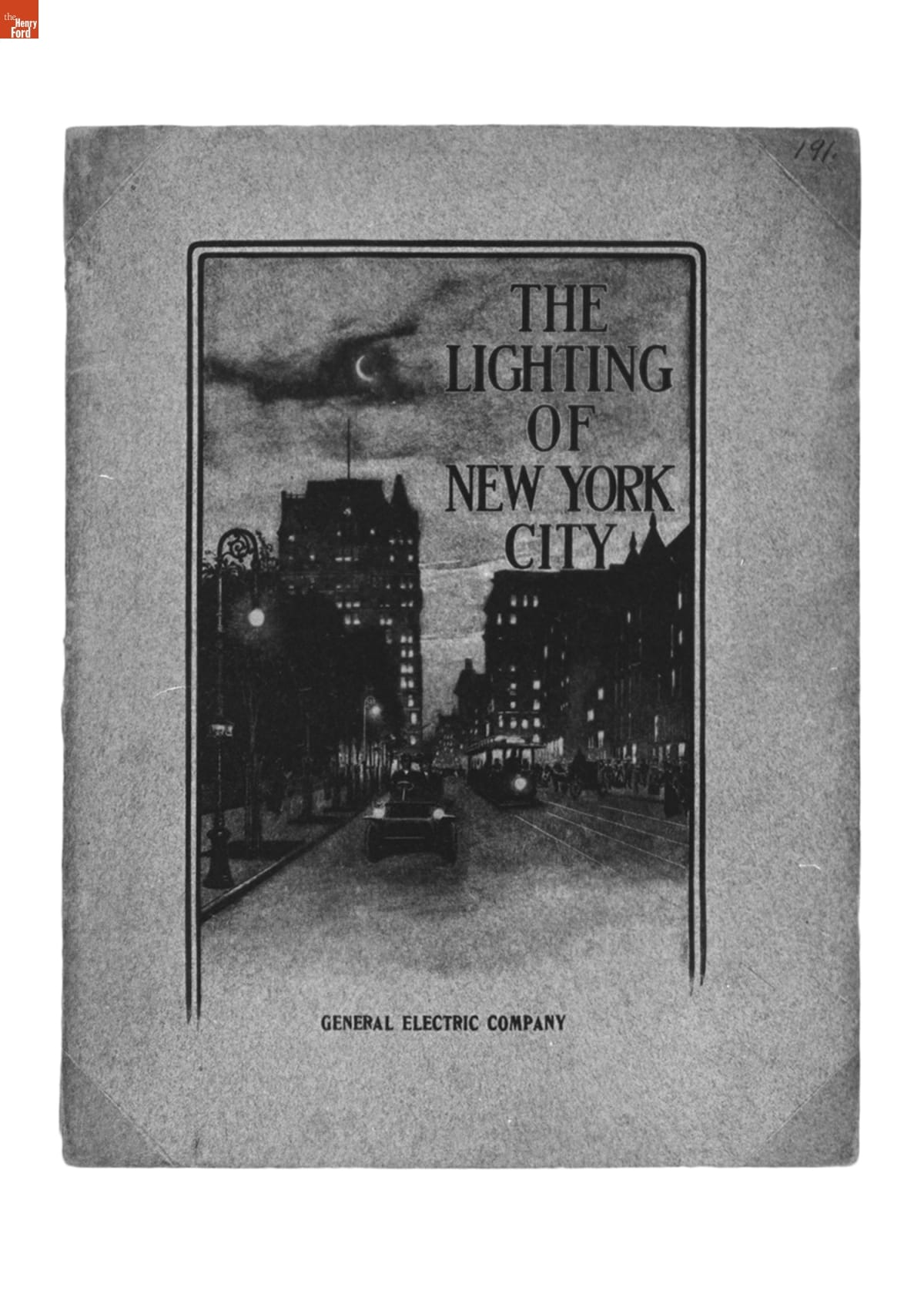
- The Lighting of New York City, 1904 -
- January 01, 1904
- Collections - Artifact
The Lighting of New York City, 1904
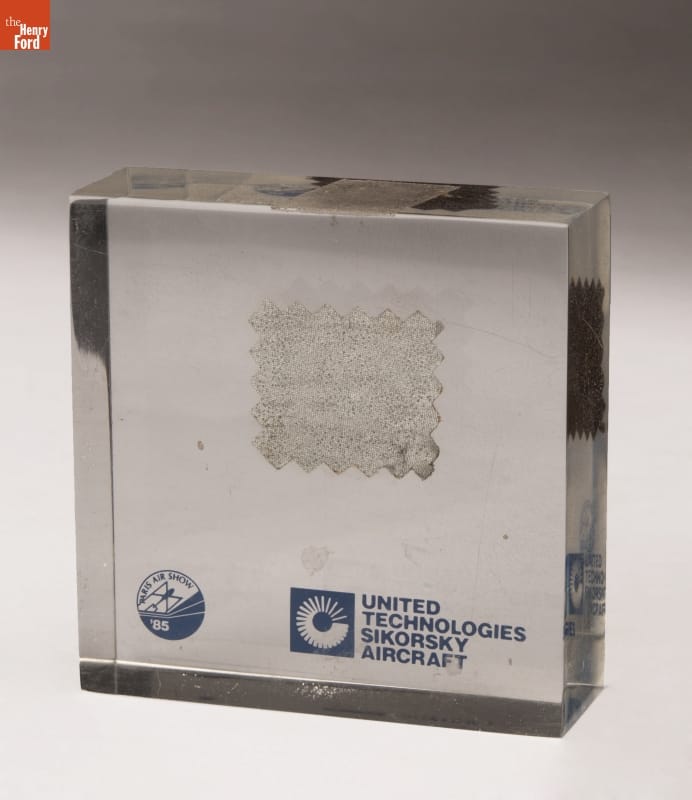
- United Technologies Sikorsky Aircraft Paperweight, 1985 - Igor Sikorsky's VS-300, built in 1939, was the first practical helicopter developed and flown in the United States. Sikorsky donated it to The Henry Ford in 1943. When the helicopter was refurbished by United Technologies Sikorsky Aircraft in 1984, pieces of its original fabric covering were mounted into commemorative paperweights -- symbolic tributes to the VS-300's technological significance.
- 1985
- Collections - Artifact
United Technologies Sikorsky Aircraft Paperweight, 1985
Igor Sikorsky's VS-300, built in 1939, was the first practical helicopter developed and flown in the United States. Sikorsky donated it to The Henry Ford in 1943. When the helicopter was refurbished by United Technologies Sikorsky Aircraft in 1984, pieces of its original fabric covering were mounted into commemorative paperweights -- symbolic tributes to the VS-300's technological significance.
- Teaching Community Technology Handbook, 2015 -

- 2015
- Collections - Artifact
Teaching Community Technology Handbook, 2015
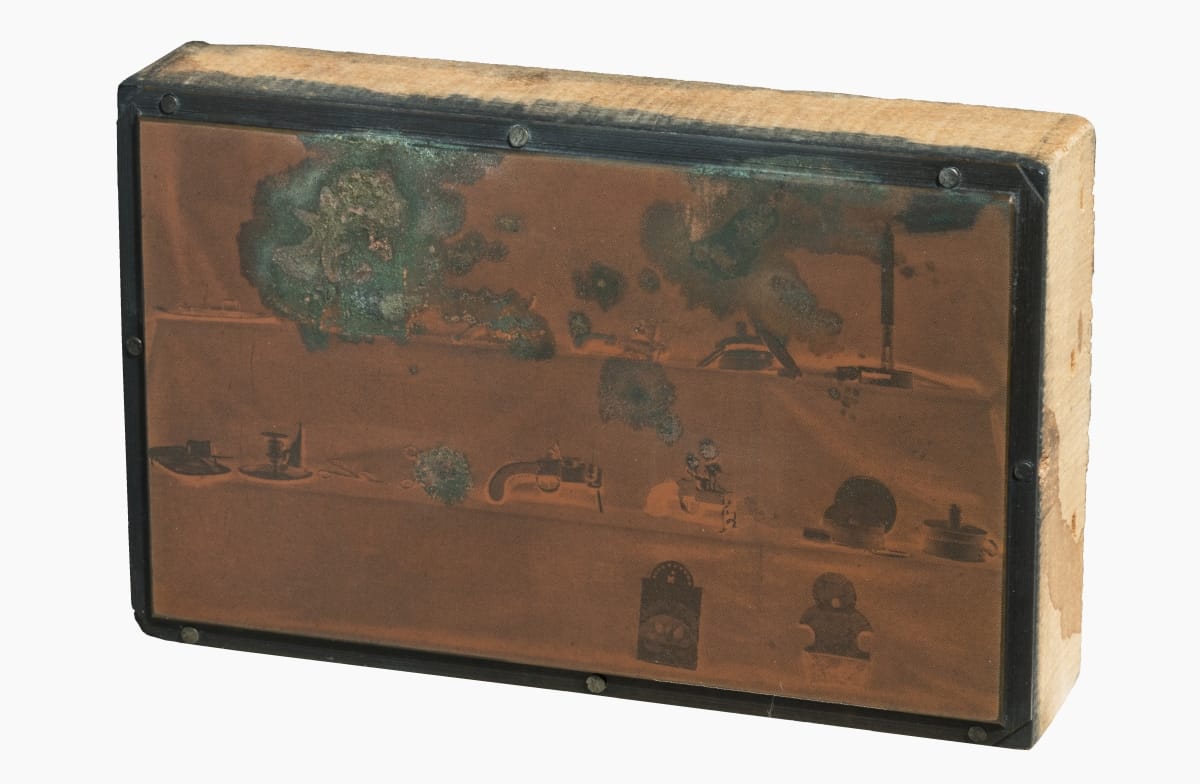
- Printing Plate with Image of Lighting Accessories -
- Collections - Artifact
Printing Plate with Image of Lighting Accessories