
Search
- Radio Power House, Fordlandia, Brazil -
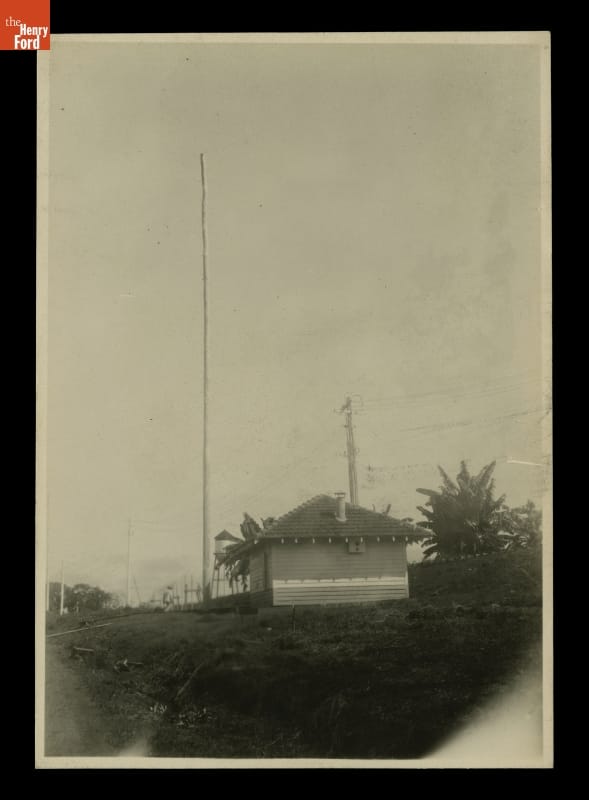
- 1926 - 1946
- Collections - Artifact
Radio Power House, Fordlandia, Brazil
- Radio Power House, Fordlandia, Brazil, 1929 -
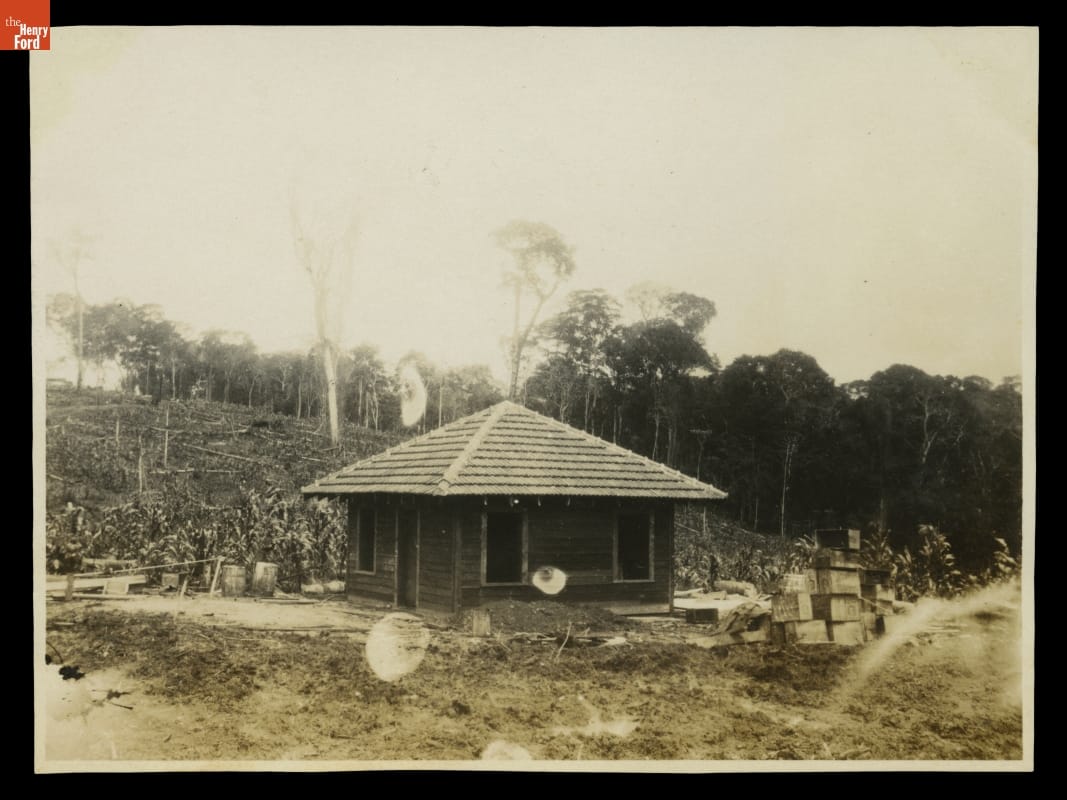
- March 23, 1929
- Collections - Artifact
Radio Power House, Fordlandia, Brazil, 1929
- Power House at Fordlandia, Brazil, 1934 - Henry Ford established Fordlandia and Belterra in the Brazilian rainforest to supply rubber for automobile production. He began shipping machinery and supplies to the Amazon in 1928. Ford paid the indigenous workers good wages and supplied various amenities -- he also imposed foreign work traditions and behavioral restrictions which the workers resented. The plantations failed and Ford Motor Company disposed of the project in 1945.
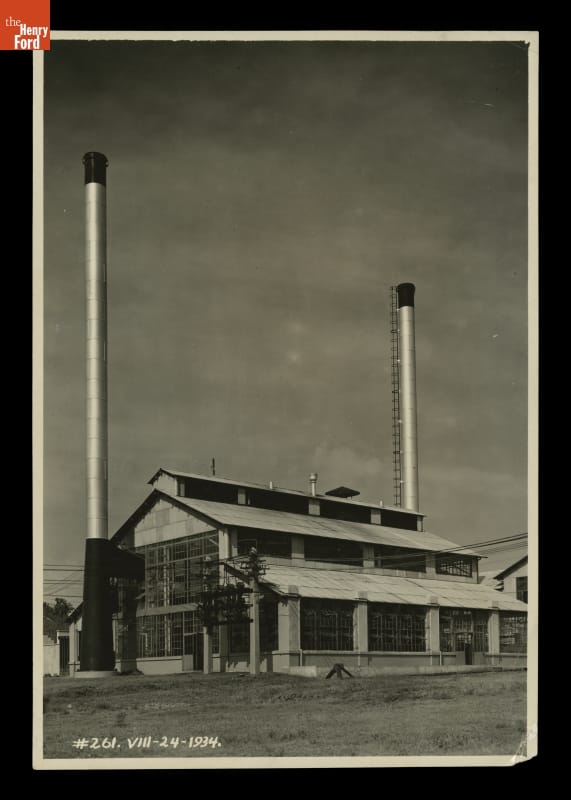
- 1934
- Collections - Artifact
Power House at Fordlandia, Brazil, 1934
Henry Ford established Fordlandia and Belterra in the Brazilian rainforest to supply rubber for automobile production. He began shipping machinery and supplies to the Amazon in 1928. Ford paid the indigenous workers good wages and supplied various amenities -- he also imposed foreign work traditions and behavioral restrictions which the workers resented. The plantations failed and Ford Motor Company disposed of the project in 1945.
- Radio Power House and Receiving Antenna, Fordlandia, Brazil -
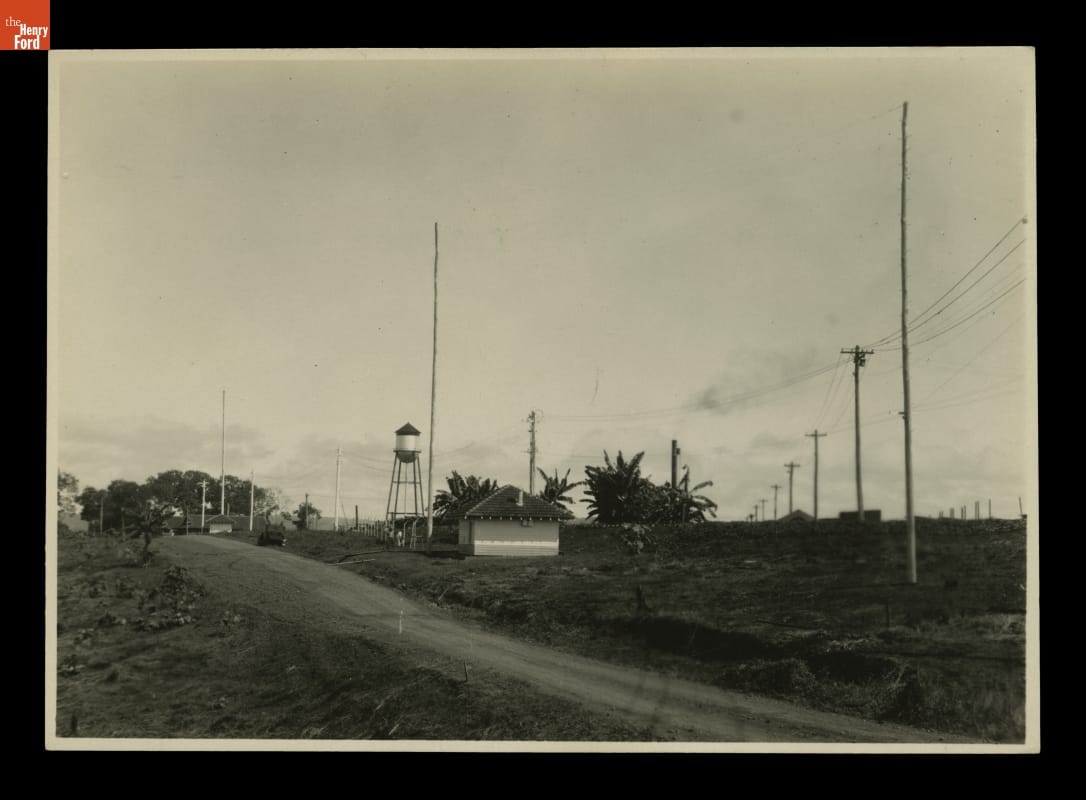
- 1926 - 1946
- Collections - Artifact
Radio Power House and Receiving Antenna, Fordlandia, Brazil
- Sawmill and Power House at Fordlandia, Brazil, 1931 - Henry Ford established Fordlandia and Belterra in the Brazilian rainforest to supply rubber for automobile production. He began shipping machinery and supplies to the Amazon in 1928. Ford paid the indigenous workers good wages and supplied various amenities -- he also imposed foreign work traditions and behavioral restrictions which the workers resented. The plantations failed and Ford Motor Company disposed of the project in 1945.
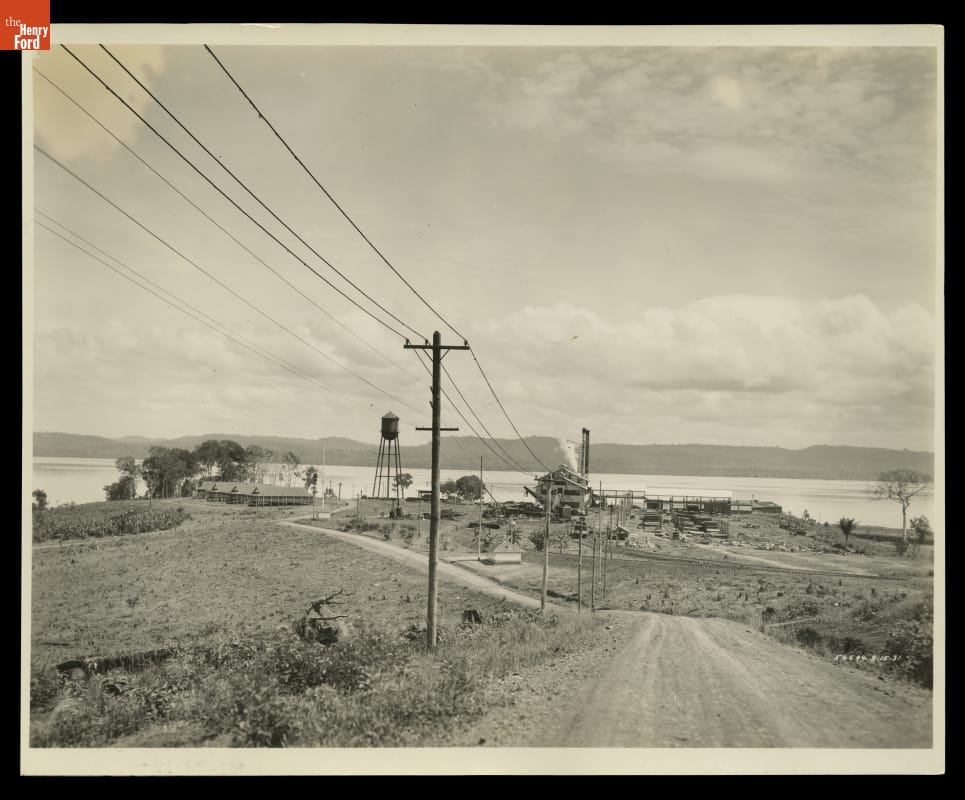
- August 15, 1931
- Collections - Artifact
Sawmill and Power House at Fordlandia, Brazil, 1931
Henry Ford established Fordlandia and Belterra in the Brazilian rainforest to supply rubber for automobile production. He began shipping machinery and supplies to the Amazon in 1928. Ford paid the indigenous workers good wages and supplied various amenities -- he also imposed foreign work traditions and behavioral restrictions which the workers resented. The plantations failed and Ford Motor Company disposed of the project in 1945.
- Radio Power House, Fordlandia, Brazil, March 1929 -
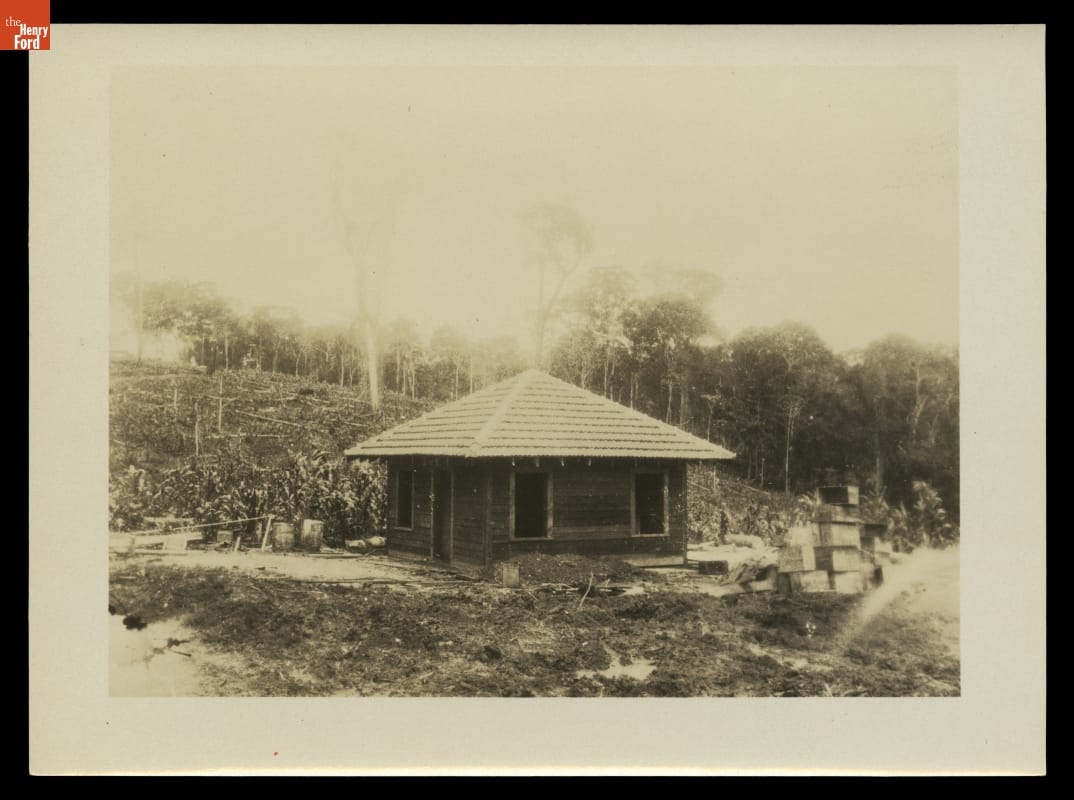
- March 23, 1929
- Collections - Artifact
Radio Power House, Fordlandia, Brazil, March 1929
- Interior of Power House, Indianapolis Street Railway, 1899 - Established in 1864, the Indianapolis Street Railway began converting from mule power to electricity in 1890. Its first powerhouse, located at a mule barn, was supplemented by a new facility at West Washington and Brush streets in 1894. The new plant's boilers initially burned natural gas and oil, but they were converted to burn coal in 1898.
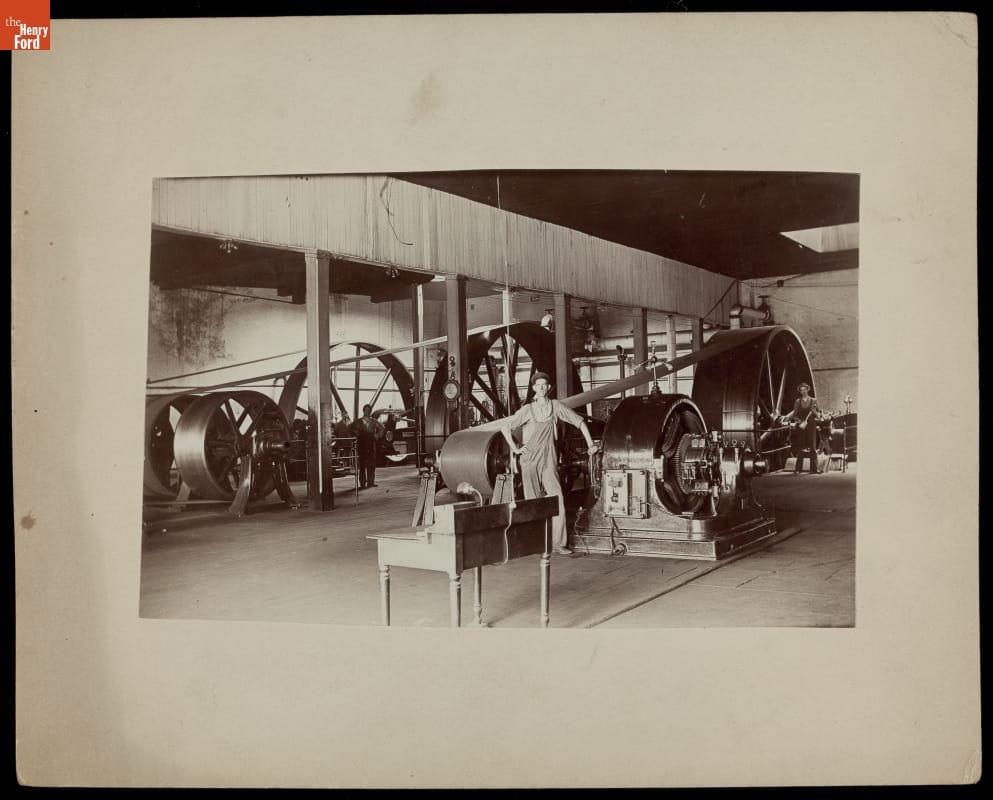
- 1899
- Collections - Artifact
Interior of Power House, Indianapolis Street Railway, 1899
Established in 1864, the Indianapolis Street Railway began converting from mule power to electricity in 1890. Its first powerhouse, located at a mule barn, was supplemented by a new facility at West Washington and Brush streets in 1894. The new plant's boilers initially burned natural gas and oil, but they were converted to burn coal in 1898.
- Ford Fairlane Hubcap, 1967 - Early automobile wheels had a central hub with a greased wheel bearing. Hub caps kept grease in and dust out. As wheels evolved and hubcaps became functionally unnecessary, they remained important to both manufacturers -- who branded wheel covers with maker names or logos -- and consumers -- who identified with hubcaps as statements about their cars and themselves.
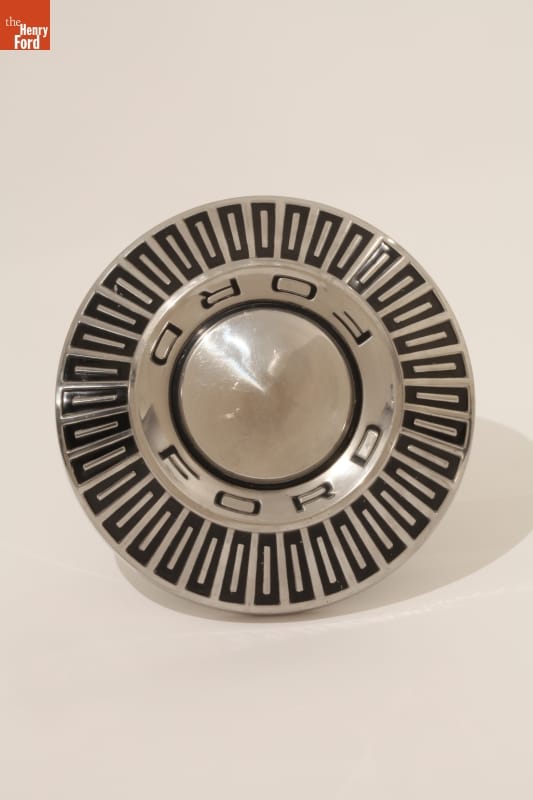
- 1967
- Collections - Artifact
Ford Fairlane Hubcap, 1967
Early automobile wheels had a central hub with a greased wheel bearing. Hub caps kept grease in and dust out. As wheels evolved and hubcaps became functionally unnecessary, they remained important to both manufacturers -- who branded wheel covers with maker names or logos -- and consumers -- who identified with hubcaps as statements about their cars and themselves.
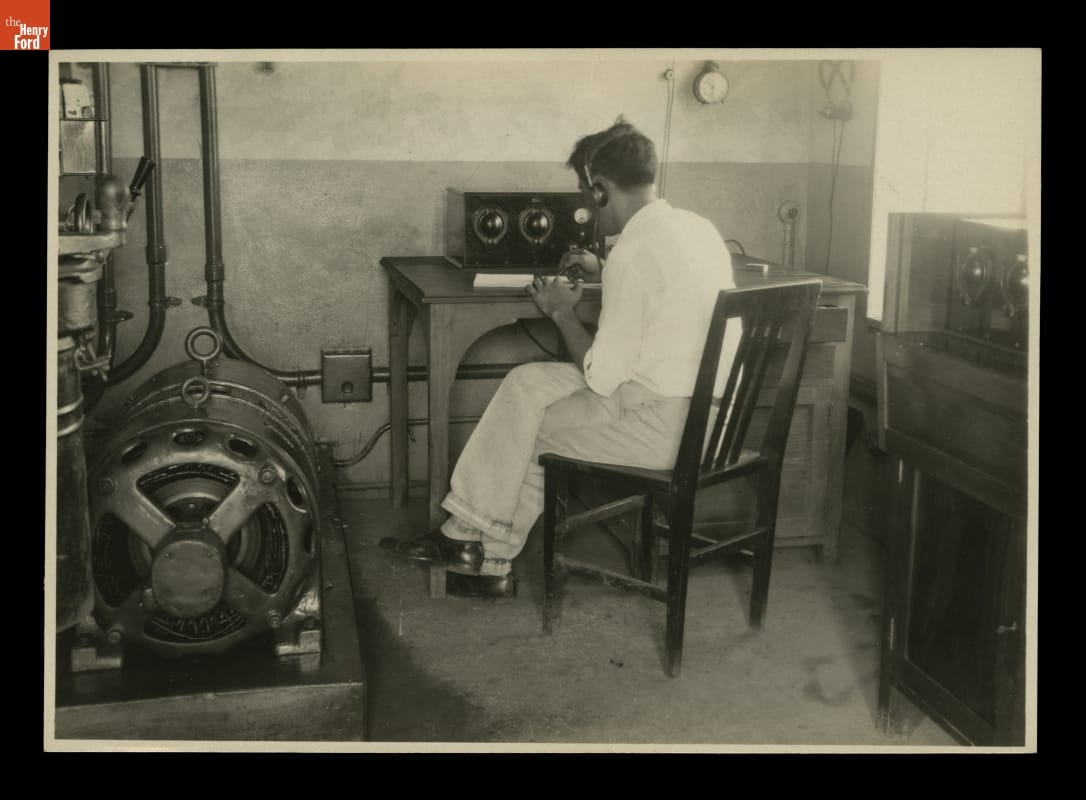
- Receiving Station in Radio Power House, Fordlandia, Brazil -
- 1926 - 1946
- Collections - Artifact
Receiving Station in Radio Power House, Fordlandia, Brazil
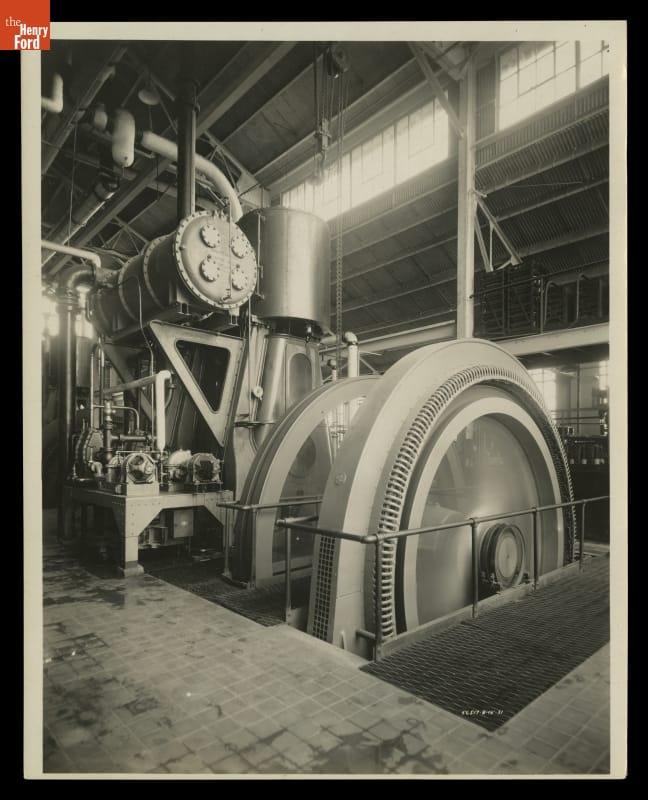
- Generator in Power House at Fordlandia, Brazil, 1931 - Henry Ford established Fordlandia and Belterra in the Brazilian rainforest to supply rubber for automobile production. He began shipping machinery and supplies to the Amazon in 1928. Ford paid the indigenous workers good wages and supplied various amenities -- he also imposed foreign work traditions and behavioral restrictions which the workers resented. The plantations failed and Ford Motor Company disposed of the project in 1945.
- August 15, 1931
- Collections - Artifact
Generator in Power House at Fordlandia, Brazil, 1931
Henry Ford established Fordlandia and Belterra in the Brazilian rainforest to supply rubber for automobile production. He began shipping machinery and supplies to the Amazon in 1928. Ford paid the indigenous workers good wages and supplied various amenities -- he also imposed foreign work traditions and behavioral restrictions which the workers resented. The plantations failed and Ford Motor Company disposed of the project in 1945.