
Search
- Fall Joint Computer Conference, San Francisco, California, December 1968 -
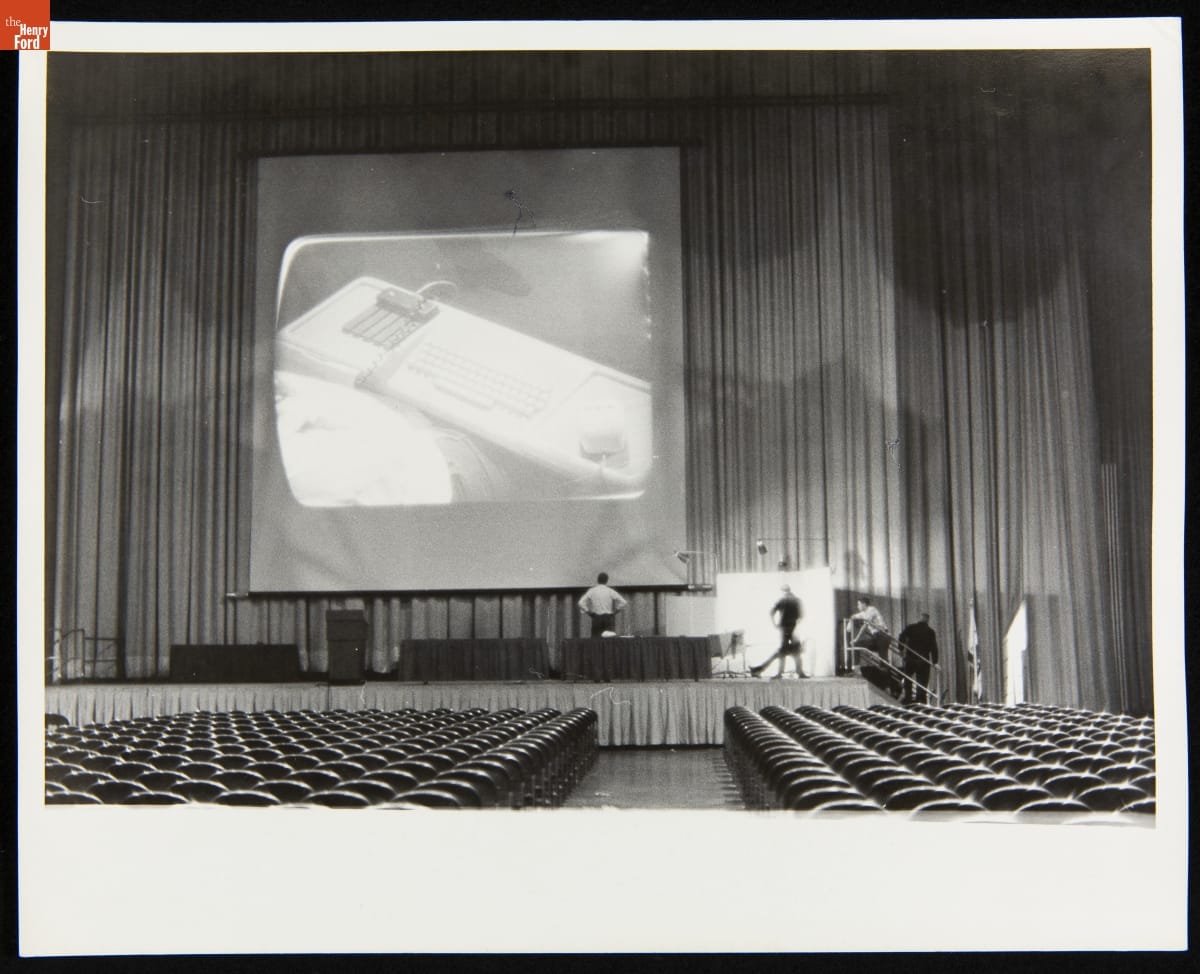
- 09 December 1968-11 December 1968
- Collections - Artifact
Fall Joint Computer Conference, San Francisco, California, December 1968
- Fall Joint Computer Conference, San Francisco, California, December 1968 -
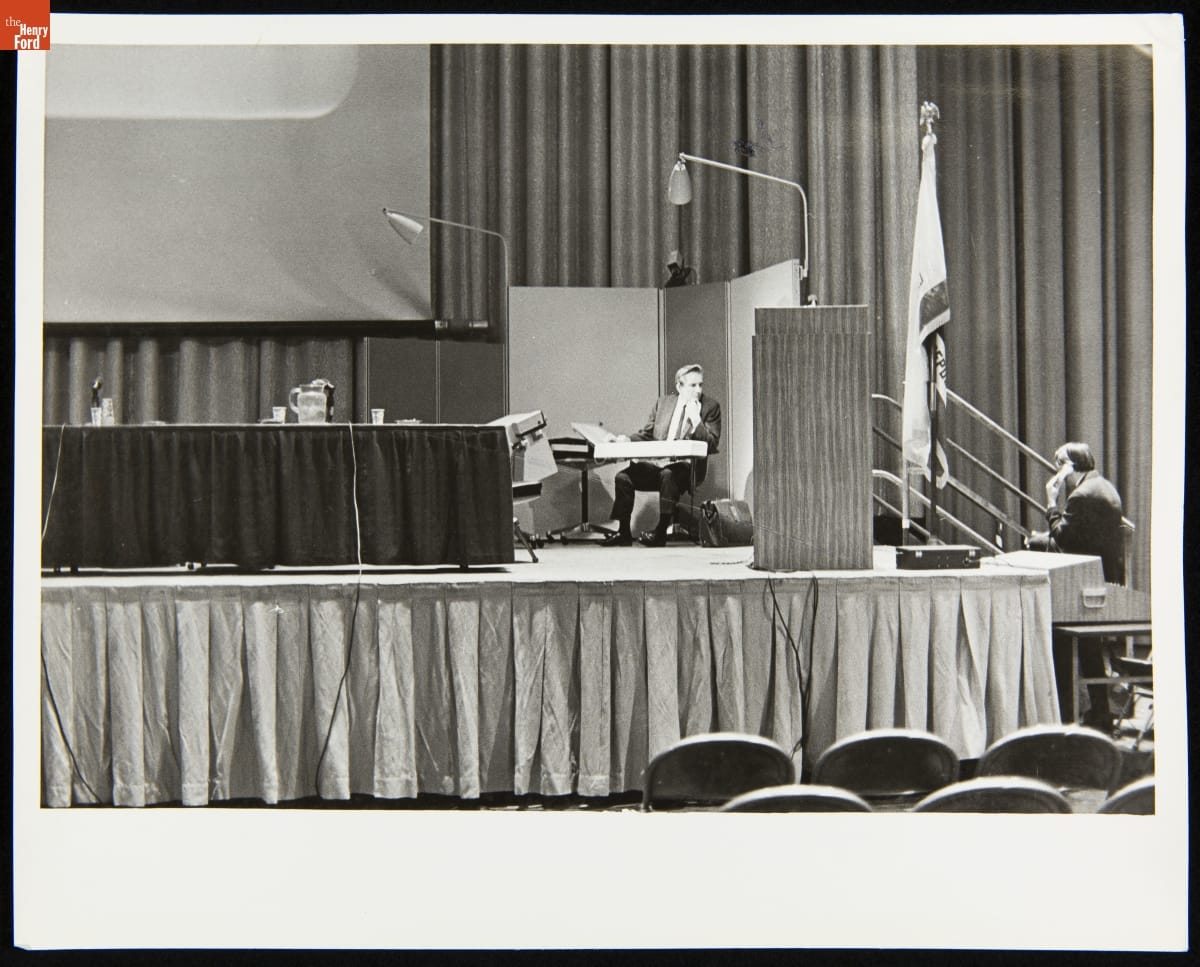
- 09 December 1968-11 December 1968
- Collections - Artifact
Fall Joint Computer Conference, San Francisco, California, December 1968
- 1968 Fall Joint Computer Conference, San Francisco, California, December 1968 -
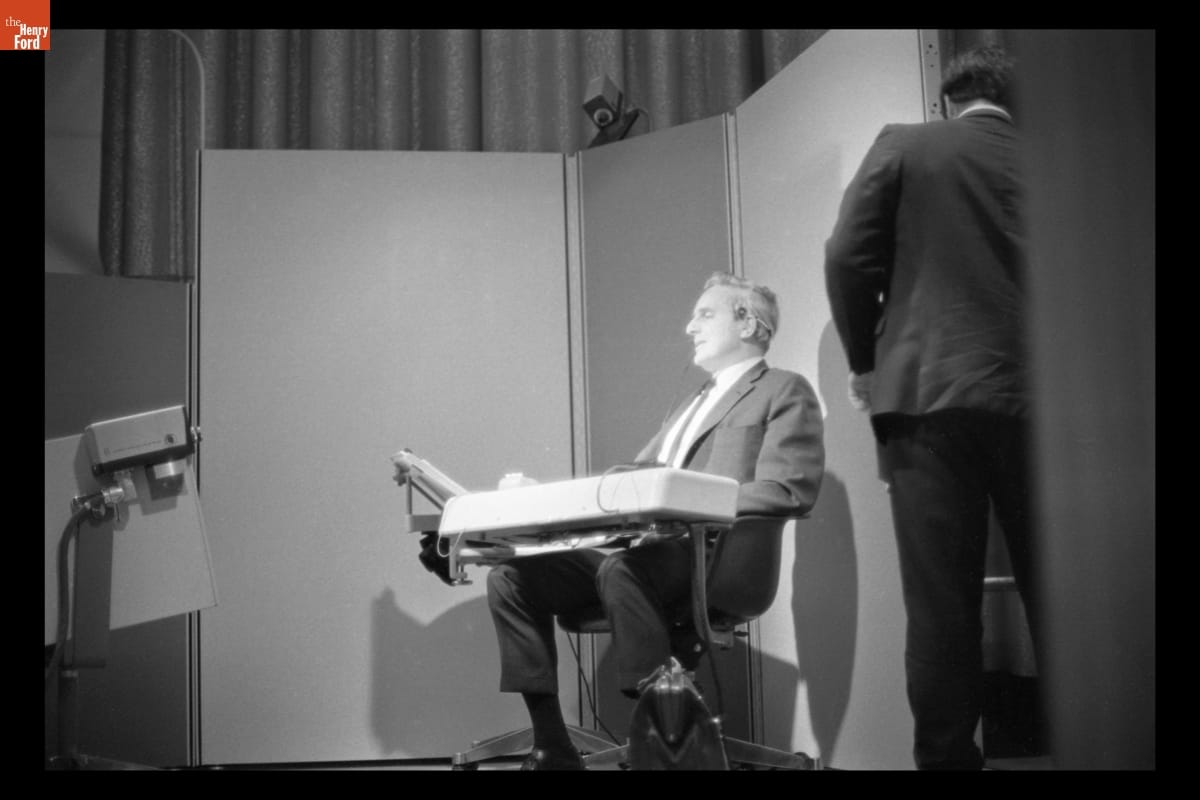
- 09 December 1968 - 11 December 1968
- Collections - Artifact
1968 Fall Joint Computer Conference, San Francisco, California, December 1968
- Fall Joint Computer Conference, San Francisco, California, December 1968 -
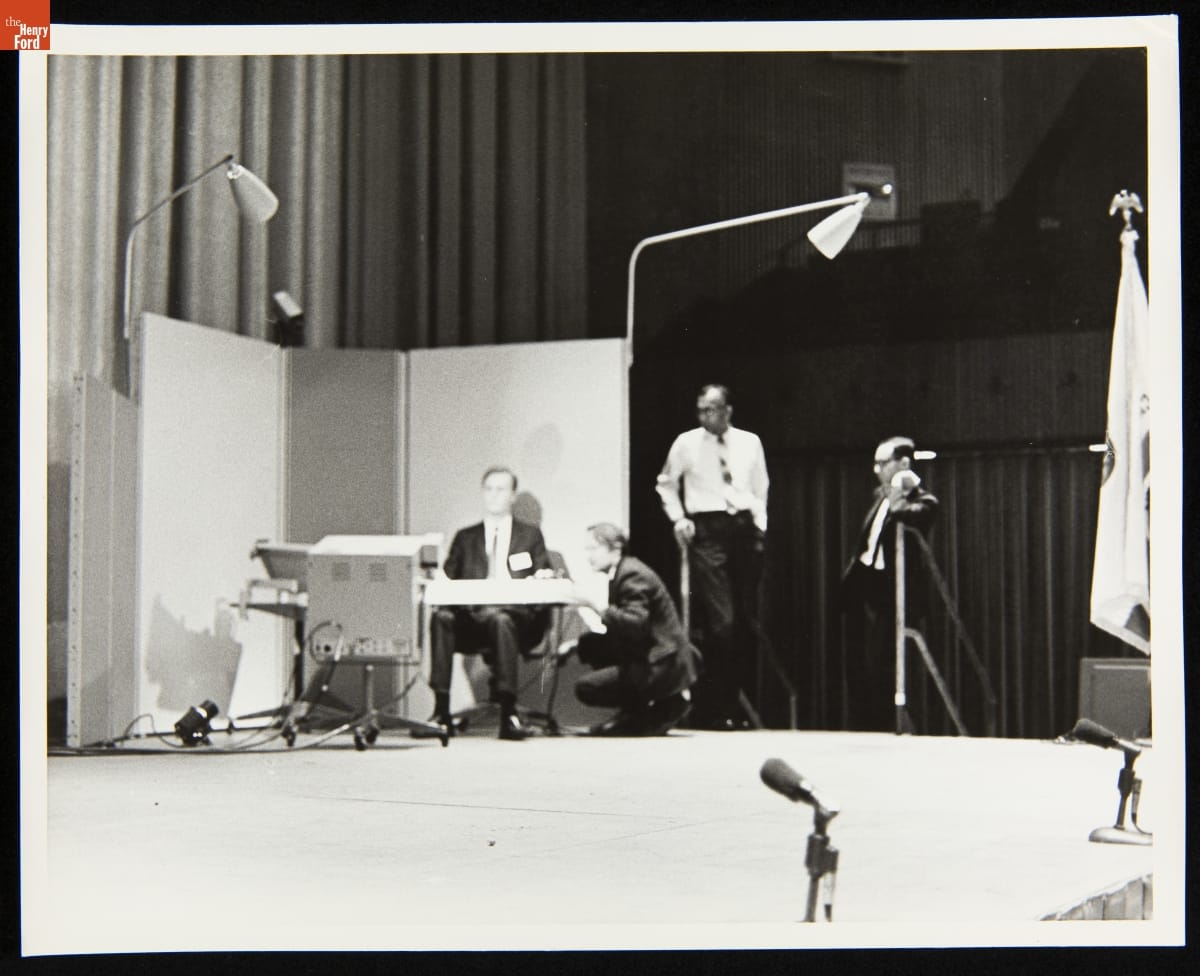
- 09 December 1968-11 December 1968
- Collections - Artifact
Fall Joint Computer Conference, San Francisco, California, December 1968
- 1968 Fall Joint Computer Conference, San Francisco, California, December 1968 -
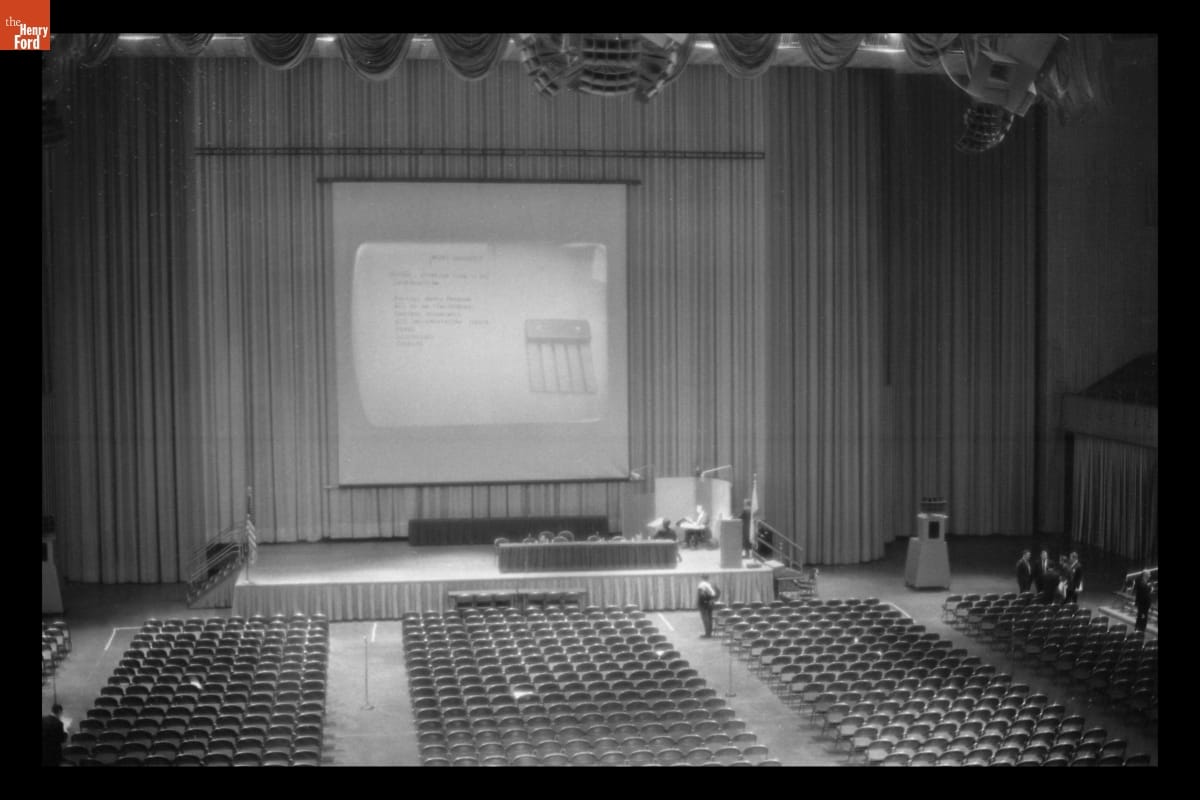
- 09 December 1968-11 December 1968
- Collections - Artifact
1968 Fall Joint Computer Conference, San Francisco, California, December 1968
- Computer Components at the Fall Joint Computer Conference, San Francisco, California, December 1968 -
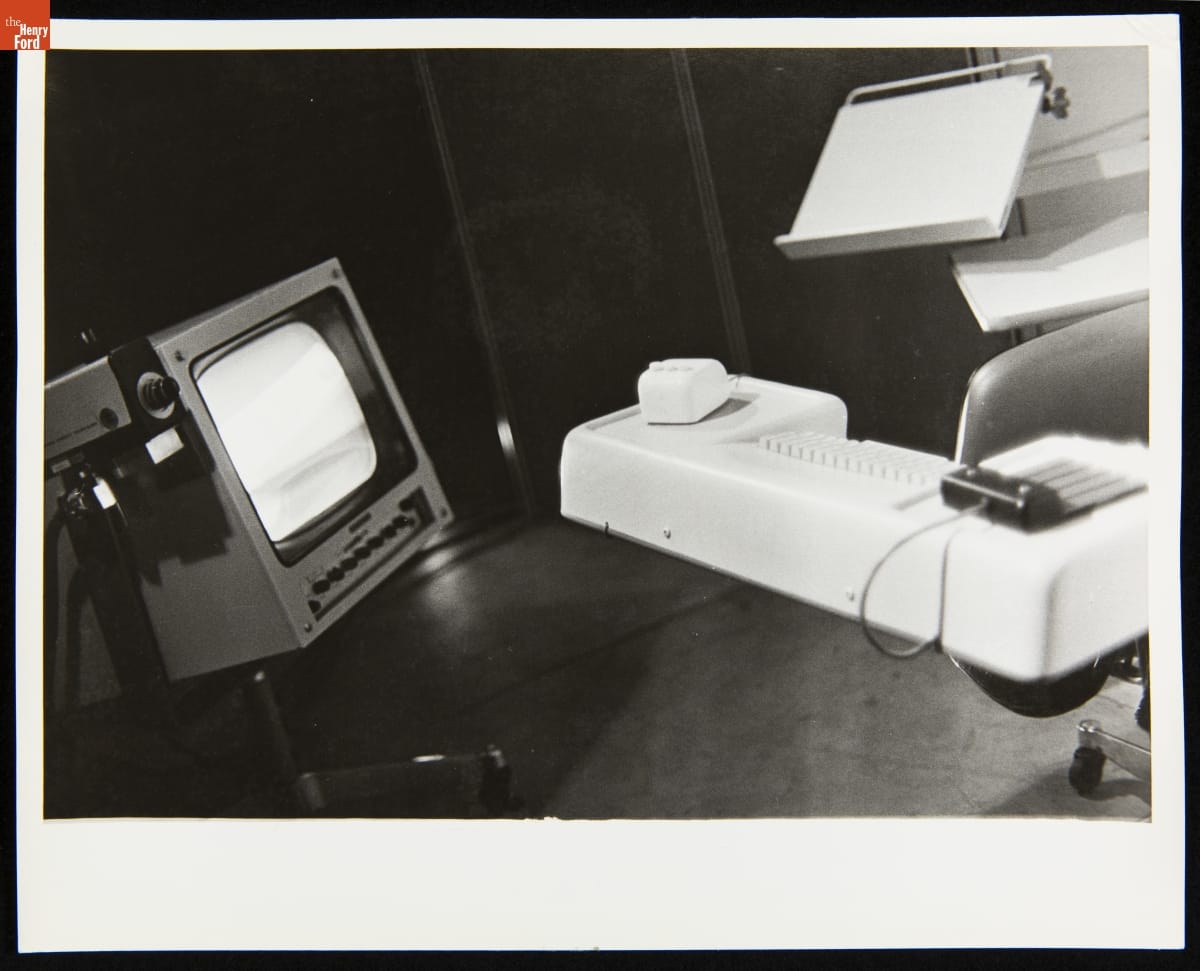
- 09 December 1968-11 December 1968
- Collections - Artifact
Computer Components at the Fall Joint Computer Conference, San Francisco, California, December 1968
- Report on the SRI Fall Joint Computer Conference, December 27, 1968 -
- December 27, 1968
- Collections - Artifact
Report on the SRI Fall Joint Computer Conference, December 27, 1968
- The Click Heard around the World - On December 9, 1968, Douglas Engelbart of the Stanford Research Institute hosted a session at the Joint Computer Conference in San Francisco in which he used the first computer mouse to sweep through a demonstration that became the blueprint for mode

- December 09, 2020
- Collections - article
The Click Heard around the World
On December 9, 1968, Douglas Engelbart of the Stanford Research Institute hosted a session at the Joint Computer Conference in San Francisco in which he used the first computer mouse to sweep through a demonstration that became the blueprint for mode
- "Computer Culture 81" Conference Program, 1981 - Lillian Schwartz is a pioneer of computer-generated art. From 1969-2002, she was a "resident visitor" at Bell Laboratories, producing groundbreaking films, videos, and multimedia works. The Schwartz Collection spans Lillian's childhood into her late career, documenting an expansive mindset, mastery over traditional and experimental mediums alike--and above all--an ability to create inspirational connections between science, art, and technology.
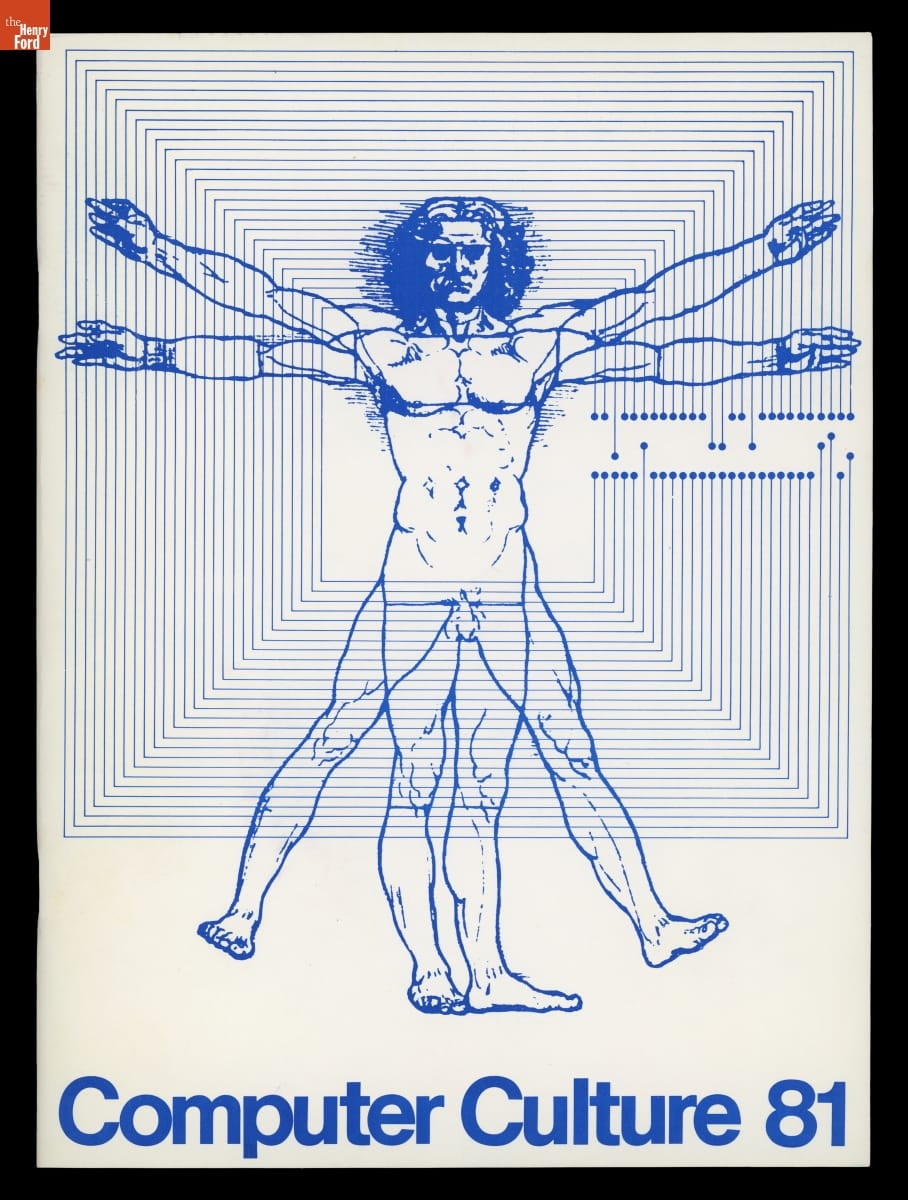
- 1981
- Collections - Artifact
"Computer Culture 81" Conference Program, 1981
Lillian Schwartz is a pioneer of computer-generated art. From 1969-2002, she was a "resident visitor" at Bell Laboratories, producing groundbreaking films, videos, and multimedia works. The Schwartz Collection spans Lillian's childhood into her late career, documenting an expansive mindset, mastery over traditional and experimental mediums alike--and above all--an ability to create inspirational connections between science, art, and technology.
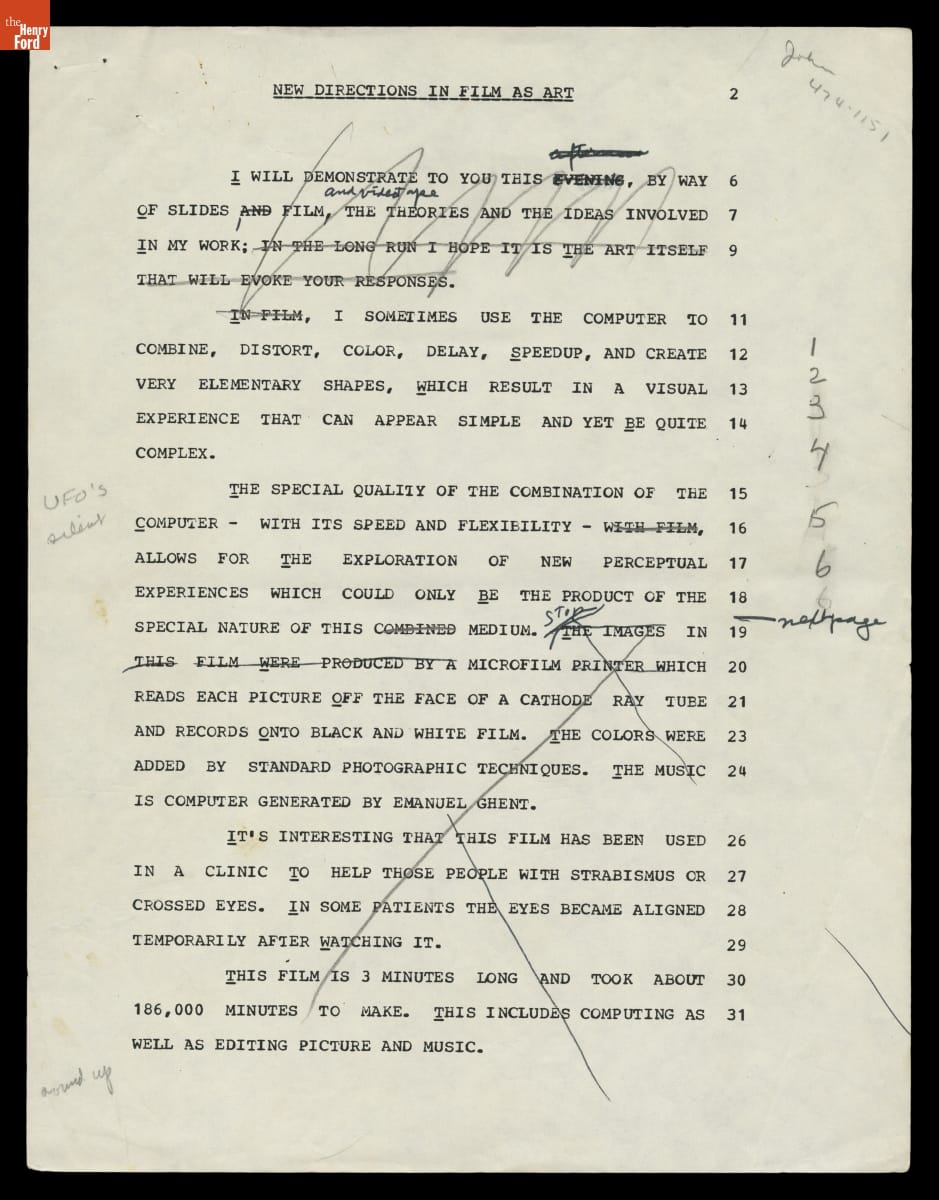
- "New Directions in Film as Art," Lecture Delivered at Computer Culture 81 Conference - Lillian Schwartz is a pioneer of computer-generated art. From 1969-2002, she was a "resident visitor" at Bell Laboratories, producing groundbreaking films, videos, and multimedia works. The Schwartz Collection spans Lillian's childhood into her late career, documenting an expansive mindset, mastery over traditional and experimental mediums alike--and above all--an ability to create inspirational connections between science, art, and technology.
- 1976
- Collections - Artifact
"New Directions in Film as Art," Lecture Delivered at Computer Culture 81 Conference
Lillian Schwartz is a pioneer of computer-generated art. From 1969-2002, she was a "resident visitor" at Bell Laboratories, producing groundbreaking films, videos, and multimedia works. The Schwartz Collection spans Lillian's childhood into her late career, documenting an expansive mindset, mastery over traditional and experimental mediums alike--and above all--an ability to create inspirational connections between science, art, and technology.