
Search
- Henry Ford - Retired curator of transportation at The Henry Ford, Bob Casey admits that he is fascinated with the way Ford approached life. "He was one of these people who didn't take a job because he knew how to do it," says Casey during this lengthy video interview. "He often took jobs because he didn't know how to do them, and they were opportunities to learn. It's a very gutsy way to learn."

- May 20, 2011
- Collections - Video
Henry Ford
Retired curator of transportation at The Henry Ford, Bob Casey admits that he is fascinated with the way Ford approached life. "He was one of these people who didn't take a job because he knew how to do it," says Casey during this lengthy video interview. "He often took jobs because he didn't know how to do them, and they were opportunities to learn. It's a very gutsy way to learn."
- Henry Ford - The Quadricycle was Henry Ford's first attempt to build a gasoline-powered automobile. It utilized commonly available materials: angle iron for the frame, a leather belt and chain drive for the transmission, and a buggy seat. Ford had to devise his own ignition system. He sold his Quadricycle for $200, then used the money to build his second car.

- October 16, 2015
- Collections - Set
Henry Ford
The Quadricycle was Henry Ford's first attempt to build a gasoline-powered automobile. It utilized commonly available materials: angle iron for the frame, a leather belt and chain drive for the transmission, and a buggy seat. Ford had to devise his own ignition system. He sold his Quadricycle for $200, then used the money to build his second car.
- Ford Methods and the Ford Shops - In 1913, Ford Motor Company created the world’s most influential assembly line. Soon thereafter, two keen observers of industry compiled a book that gives us a vivid window into this seminal moment in manufacturing history.

- July 22, 2021
- Collections - article
Ford Methods and the Ford Shops
In 1913, Ford Motor Company created the world’s most influential assembly line. Soon thereafter, two keen observers of industry compiled a book that gives us a vivid window into this seminal moment in manufacturing history.
- The Ford Fleet - Ford Motor Company is known for manufacturing cars, but at one time they owned and operated a fleet of ships. Learn more about it on our blog.

- February 03, 2020
- Collections - article
The Ford Fleet
Ford Motor Company is known for manufacturing cars, but at one time they owned and operated a fleet of ships. Learn more about it on our blog.
- The Ford Pipers - Henry Ford sponsored a number of Ford Motor Company employee bands, one of which was a group of Scottish and Irish pipers and drummers. The Ford Pipe Band, also known as the Ford Kiltie Band, was formed in 1932.

- March 17, 2015
- Collections - article
The Ford Pipers
Henry Ford sponsored a number of Ford Motor Company employee bands, one of which was a group of Scottish and Irish pipers and drummers. The Ford Pipe Band, also known as the Ford Kiltie Band, was formed in 1932.
- Henry Ford Quotations - Henry Ford was remarkably quotable. Find quotes authenticated by our staff here.

- January 01, 2016
- Collections - popular research topic
Henry Ford Quotations
Henry Ford was remarkably quotable. Find quotes authenticated by our staff here.
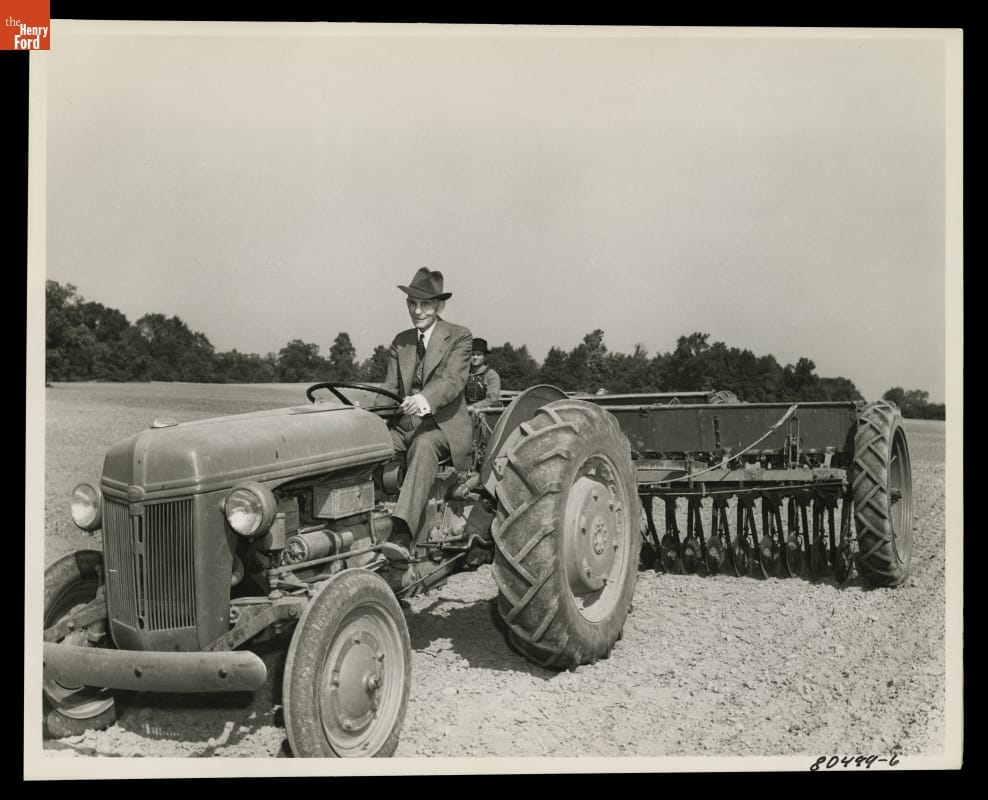
- Henry Ford: Tractors -
- October 16, 2015
- Collections - Set
Henry Ford: Tractors
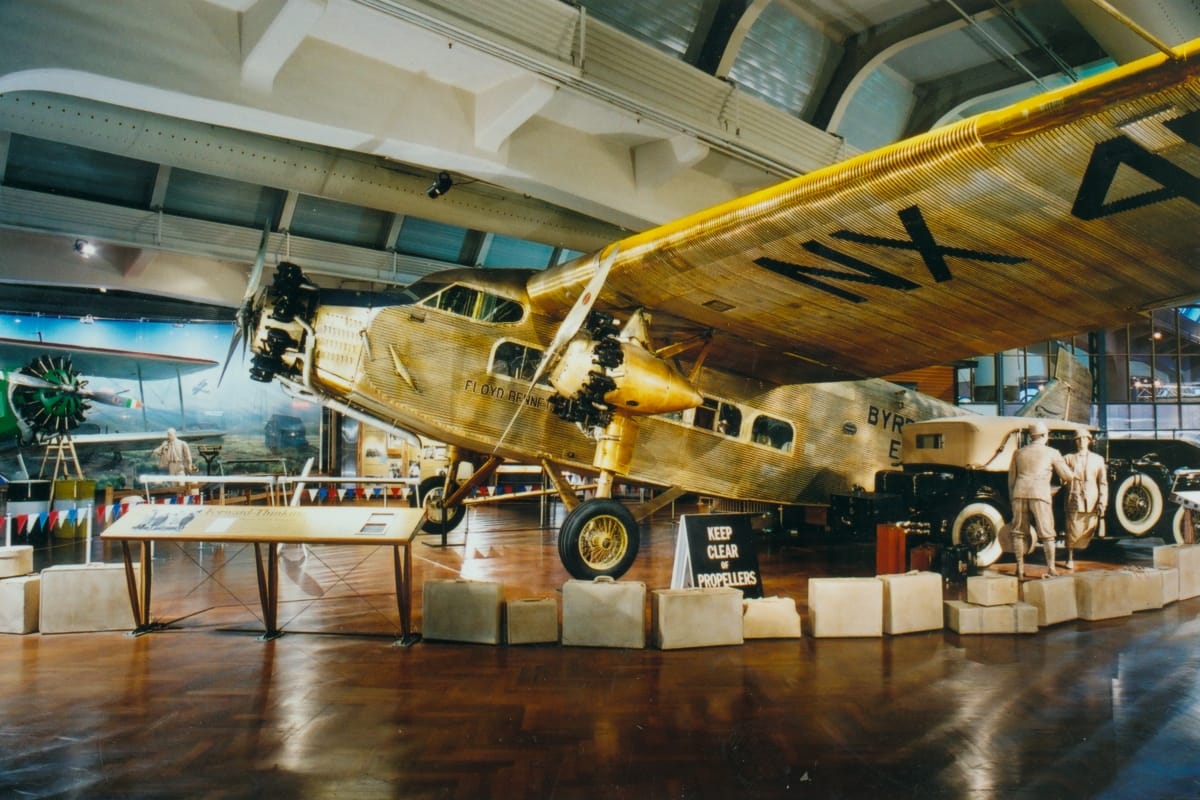
- Ford Tri-Motor - The Ford Tri-Motor was the most popular airliner of the late 1920s and early 1930s. Its rugged dependability led Richard Byrd to choose a Tri-Motor for his attempt to be the first person to fly over the South Pole. On November 28-29, 1929, Byrd and a crew of three achieved that goal in this plane.
- February 12, 2016
- Collections - Set
Ford Tri-Motor
The Ford Tri-Motor was the most popular airliner of the late 1920s and early 1930s. Its rugged dependability led Richard Byrd to choose a Tri-Motor for his attempt to be the first person to fly over the South Pole. On November 28-29, 1929, Byrd and a crew of three achieved that goal in this plane.
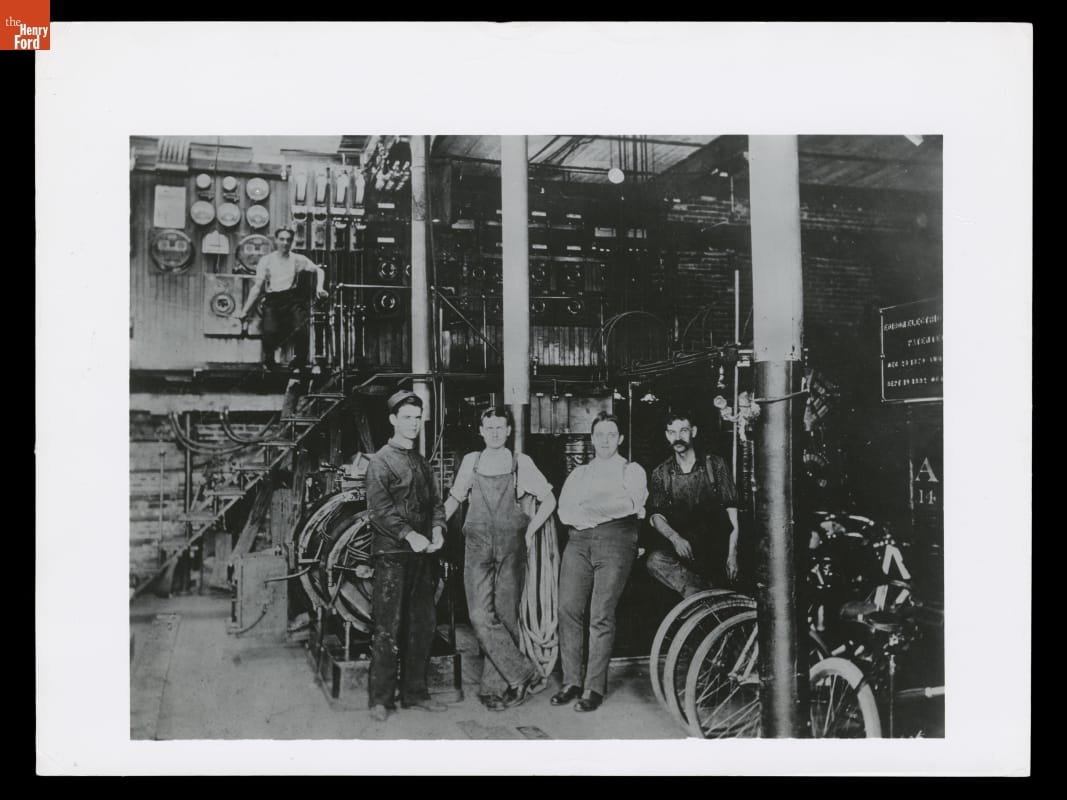
- Lesson: Henry Ford - Henry Ford (far right) joined Edison Illuminating Company as a night engineer in September 1891. By mid-1894 he had been promoted to chief engineer. It was during his time here that Ford built his first automobile, the 1896 Quadricycle. Ford resigned from Edison Illuminating Company in August 1899 to devote himself full time to the budding automotive industry.
- March 12, 2010
- Collections - Set
Lesson: Henry Ford
Henry Ford (far right) joined Edison Illuminating Company as a night engineer in September 1891. By mid-1894 he had been promoted to chief engineer. It was during his time here that Ford built his first automobile, the 1896 Quadricycle. Ford resigned from Edison Illuminating Company in August 1899 to devote himself full time to the budding automotive industry.
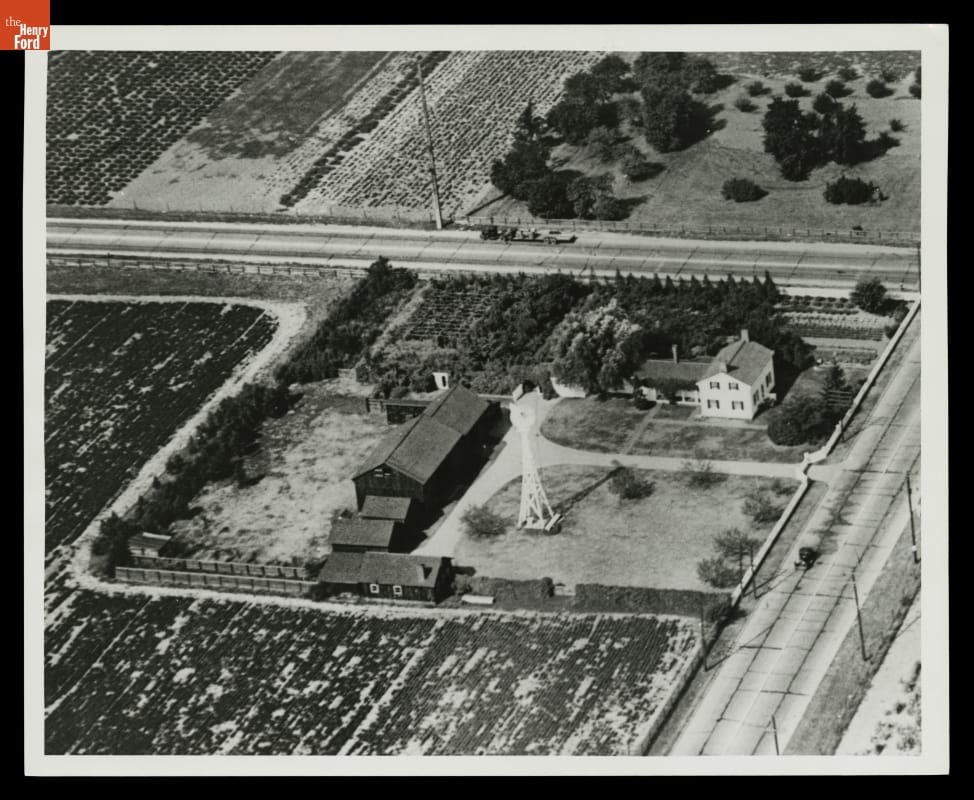
- Henry Ford: Youth - Henry Ford began restoration of his Dearborn, Michigan, birthplace in 1919. He repaired or replaced the farm buildings and filled the small, white clapboard house with original or similar furnishings he remembered from his boyhood. He dedicated the restoration to the memory of his beloved mother, Mary Litogot Ford, who died in 1876. In 1944, the house and outbuildings were moved to Greenfield Village.
- March 23, 2013
- Collections - Set
Henry Ford: Youth
Henry Ford began restoration of his Dearborn, Michigan, birthplace in 1919. He repaired or replaced the farm buildings and filled the small, white clapboard house with original or similar furnishings he remembered from his boyhood. He dedicated the restoration to the memory of his beloved mother, Mary Litogot Ford, who died in 1876. In 1944, the house and outbuildings were moved to Greenfield Village.