
Search
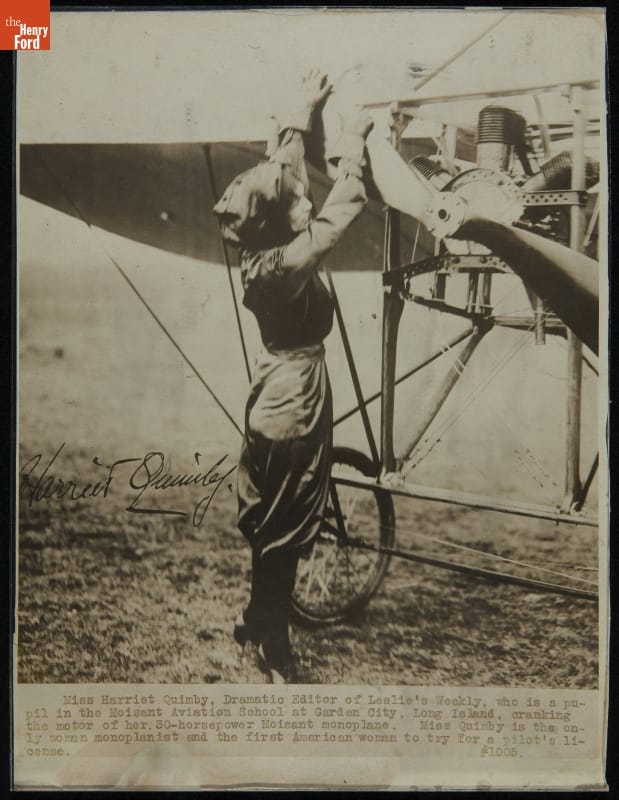
- Harriet Quimby Cranking the Motor of Her Moisant Monoplane, circa 1911 - Harriet Quimby became the first American woman to earn a pilot's license in August 1911, and the first woman to fly the English Channel in April 1912. With her trademark purple satin flying suit, Quimby brought a mix of showmanship and skill to her work. She died in an airplane accident near Boston in July 1912, but her influence was lasting.
- circa 1911
- Collections - Artifact
Harriet Quimby Cranking the Motor of Her Moisant Monoplane, circa 1911
Harriet Quimby became the first American woman to earn a pilot's license in August 1911, and the first woman to fly the English Channel in April 1912. With her trademark purple satin flying suit, Quimby brought a mix of showmanship and skill to her work. She died in an airplane accident near Boston in July 1912, but her influence was lasting.
- Portrait of Harriet Spining McGuffey, circa 1845 -
- circa 1845
- Collections - Artifact
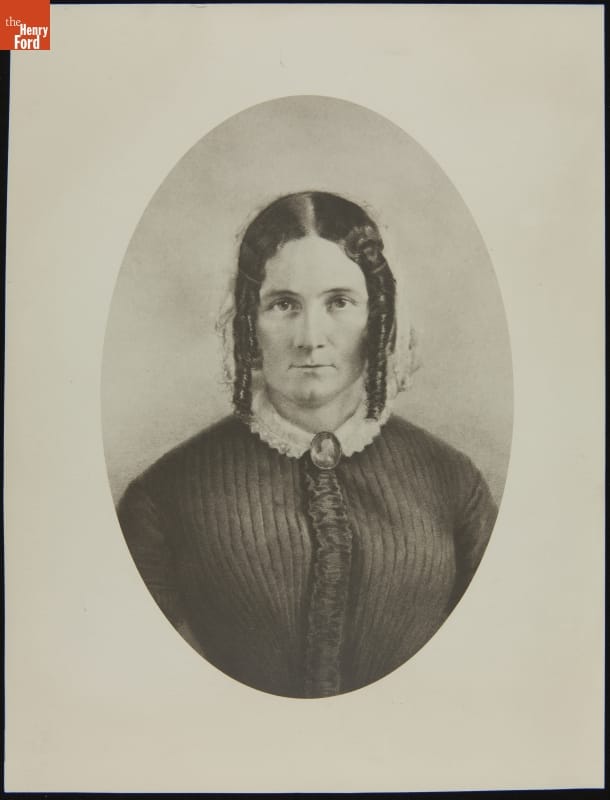
Portrait of Harriet Spining McGuffey, circa 1845
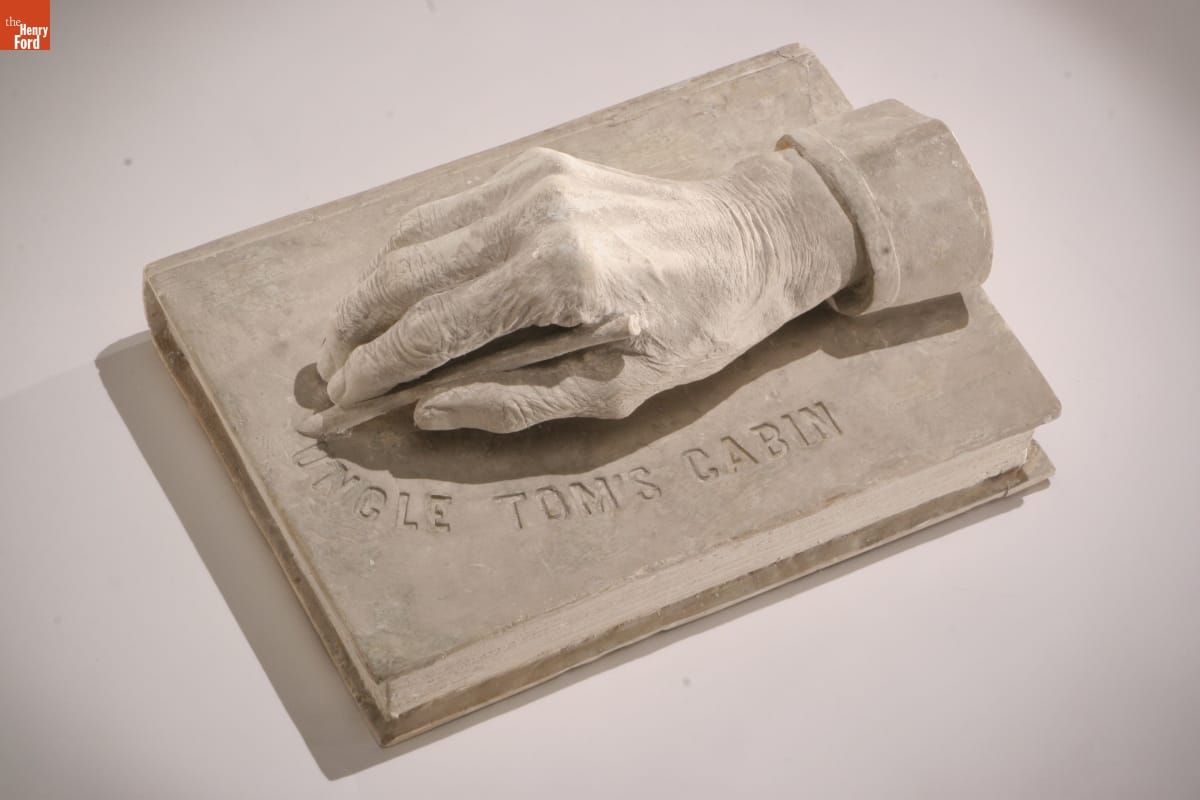
- Life Cast of Harriet Beecher Stowe's Hand, 1896 - Harriet Beecher Stowe is best known for her 1852 novel <em>Uncle Tom's Cabin</em>. The story tells of the trials of an enslaved family seeking freedom. It challenged many Americans' view of slavery and stoked the fires of the anti-slavery movement. A plaster cast of her hand -- used for this sculpture -- was made in 1896 a month before her death.
- 1896
- Collections - Artifact
Life Cast of Harriet Beecher Stowe's Hand, 1896
Harriet Beecher Stowe is best known for her 1852 novel Uncle Tom's Cabin. The story tells of the trials of an enslaved family seeking freedom. It challenged many Americans' view of slavery and stoked the fires of the anti-slavery movement. A plaster cast of her hand -- used for this sculpture -- was made in 1896 a month before her death.
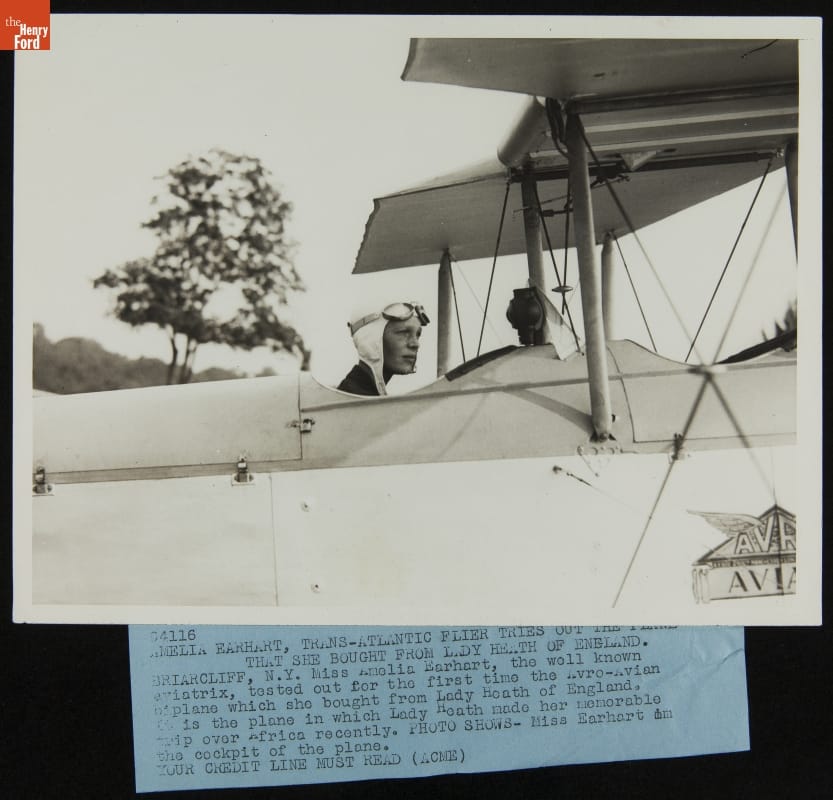
- Pioneering Female Aviators - World-renowned Irish pilot Mary, Lady Heath, was an inspiration to Amelia Earhart. After Lady Heath took Earhart for a flight in her Avro Avian biplane, which Heath had flown solo from South Africa to Great Britain, Earhart was so impressed that she bought the aircraft and shipped it back to the United States. Soon Earhart's own fame eclipsed Lady Heath's.
- September 26, 2016
- Collections - Set
Pioneering Female Aviators
World-renowned Irish pilot Mary, Lady Heath, was an inspiration to Amelia Earhart. After Lady Heath took Earhart for a flight in her Avro Avian biplane, which Heath had flown solo from South Africa to Great Britain, Earhart was so impressed that she bought the aircraft and shipped it back to the United States. Soon Earhart's own fame eclipsed Lady Heath's.
- Letter from Harriet Beecher Stowe to M. W. Chapman, 1862 -
- October 27, 1862
- Collections - Artifact
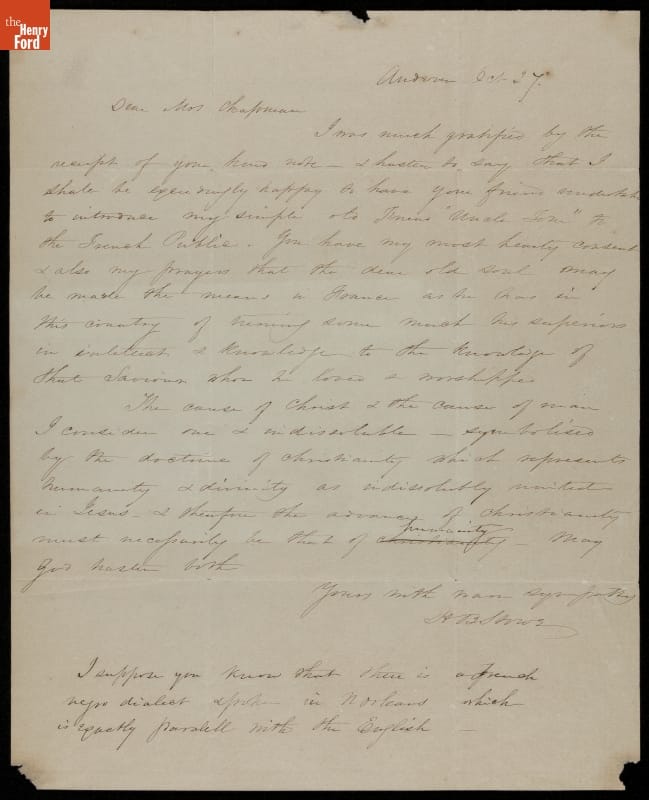
Letter from Harriet Beecher Stowe to M. W. Chapman, 1862
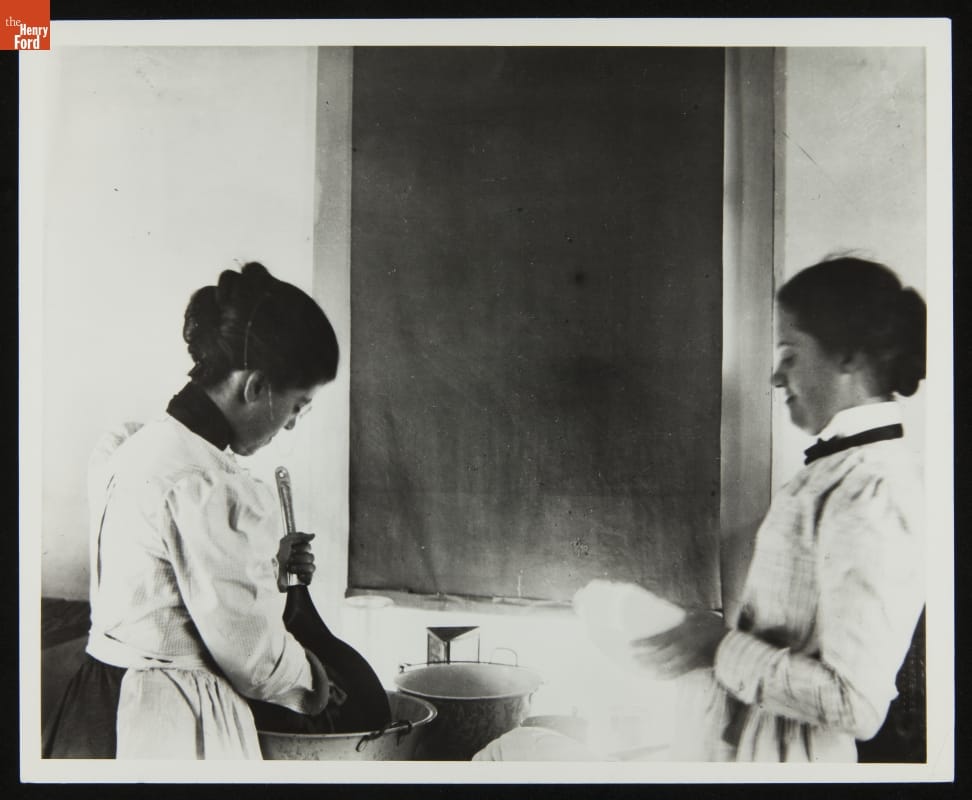
- Katharine Wright and Harriet Silliman Washing Dishes, Wright Home, Dayton, Ohio, 1896 - Katharine Wright provided essential support, feedback and advice to her older brothers, Wilbur and Orville. She managed the home they all shared with their father, Milton, and she managed Wright Cycle Company when her brothers traveled to North Carolina for test flights. Katharine is seen here (at left) with Harriett Silliman, a classmate from Oberlin College.
- 1896
- Collections - Artifact
Katharine Wright and Harriet Silliman Washing Dishes, Wright Home, Dayton, Ohio, 1896
Katharine Wright provided essential support, feedback and advice to her older brothers, Wilbur and Orville. She managed the home they all shared with their father, Milton, and she managed Wright Cycle Company when her brothers traveled to North Carolina for test flights. Katharine is seen here (at left) with Harriett Silliman, a classmate from Oberlin College.
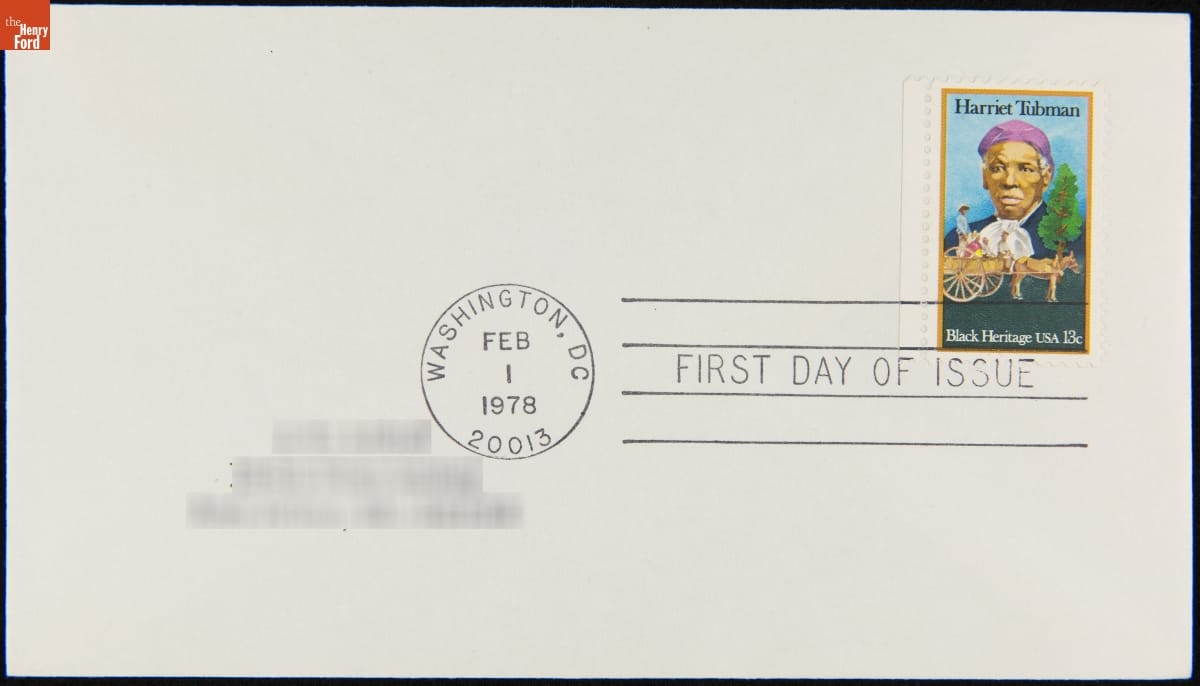
- Harriet Tubman issue First Day Cover, 1978 Black Heritage Series -
- February 01, 1978
- Collections - Artifact
Harriet Tubman issue First Day Cover, 1978 Black Heritage Series
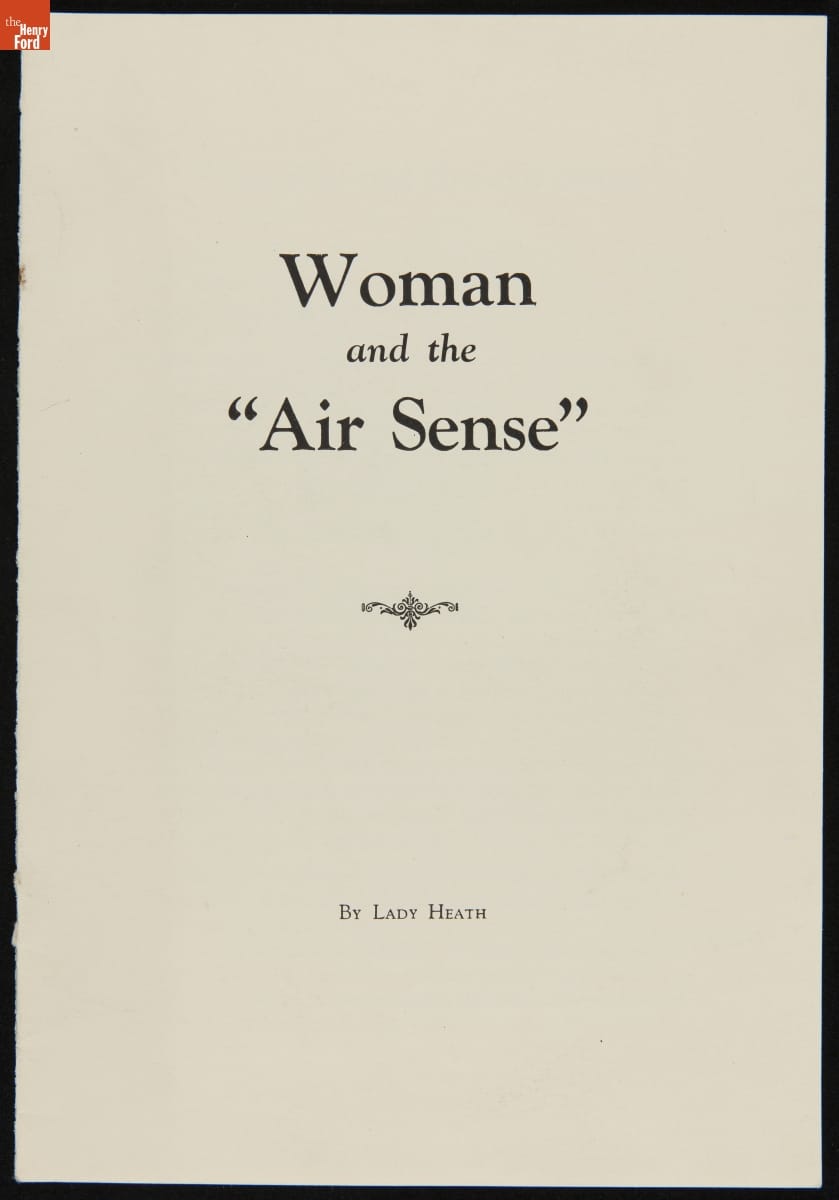
- "Women and the 'Air Sense,'" 1933 - This booklet, written by Irish pilot Mary, Lady Heath, profiles some of the leading women in aviation through 1933. Those featured include Katharine Wright, Harriet Quimby, Katherine Stinson, Ruth Law, Phoebe Fairgrave Omlie, Elinor Smith, Maryse Bastie, and Amelia Earhart, among others. Each of these women made important contributions to flight during the airplane's first three decades.
- 1933
- Collections - Artifact
"Women and the 'Air Sense,'" 1933
This booklet, written by Irish pilot Mary, Lady Heath, profiles some of the leading women in aviation through 1933. Those featured include Katharine Wright, Harriet Quimby, Katherine Stinson, Ruth Law, Phoebe Fairgrave Omlie, Elinor Smith, Maryse Bastie, and Amelia Earhart, among others. Each of these women made important contributions to flight during the airplane's first three decades.
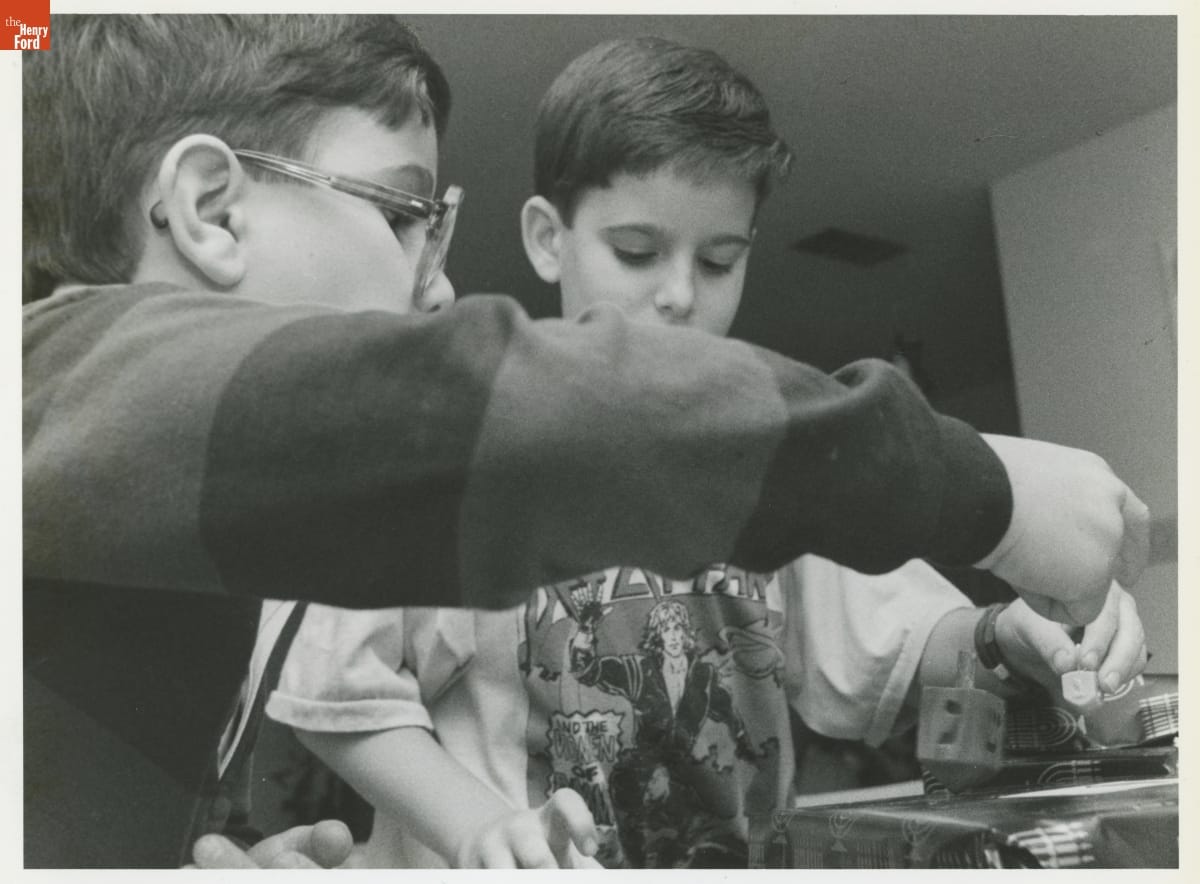
- Adam and Joshua Bernstein Play with Dreidels during a Hanukkah Celebration, Mandeville, Louisiana, December 5, 1988 - Spinning the dreidel, a four-sided top with a Hebrew letter on each side, is a traditional Hanukkah children's game. Players place a token into a pot. How the dreidel lands determines what players do: 'nun': you do nothing; 'gimel': you get it all; 'hay': you get half the pot; 'shin': you put another token into the pot.
- December 05, 1988
- Collections - Artifact
Adam and Joshua Bernstein Play with Dreidels during a Hanukkah Celebration, Mandeville, Louisiana, December 5, 1988
Spinning the dreidel, a four-sided top with a Hebrew letter on each side, is a traditional Hanukkah children's game. Players place a token into a pot. How the dreidel lands determines what players do: 'nun': you do nothing; 'gimel': you get it all; 'hay': you get half the pot; 'shin': you put another token into the pot.
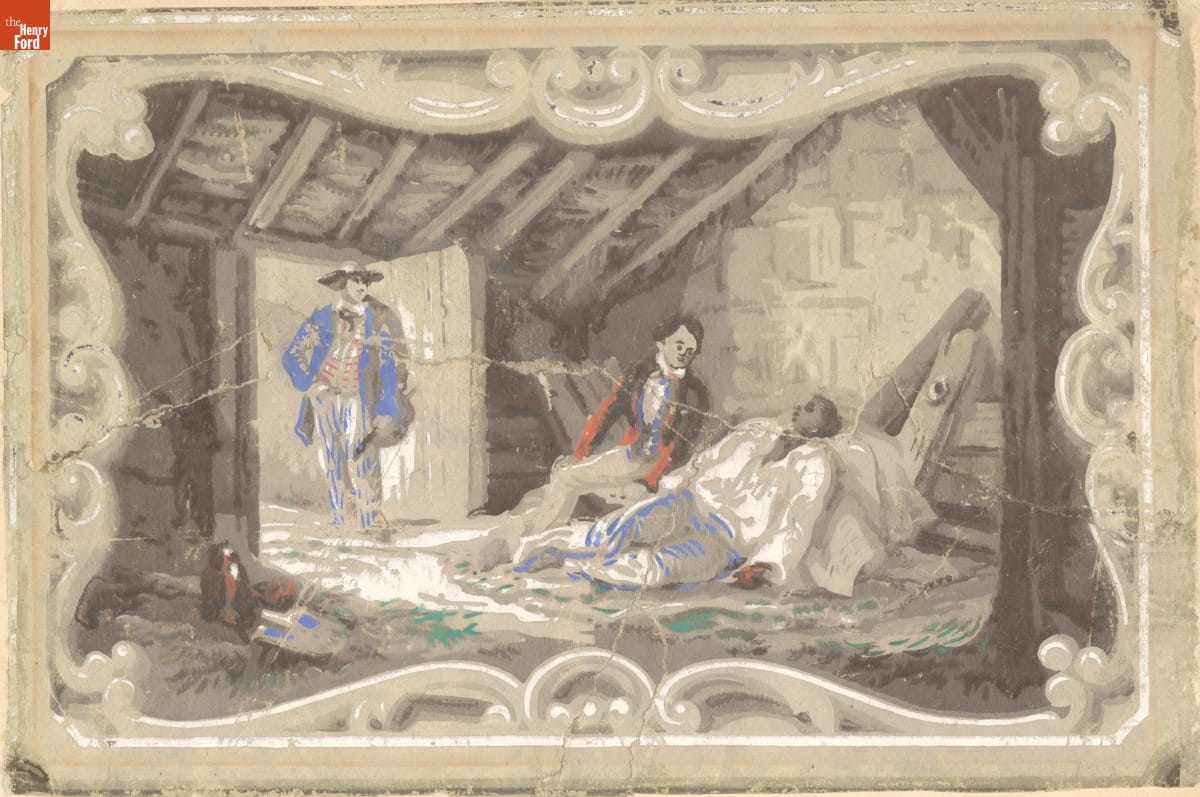
- Wallpaper Fragment with Scene from Uncle Tom's Cabin, Used at Crotta House, circa 1852 - Harriet Beecher Stowe's book, <em>Uncle Tom's Cabin</em>, became a national and international best-seller when first published in 1852. A number of illustrated editions were produced soon after. This section of wallpaper may have been based on one of the illustrations called "Death of Uncle Tom." This section was removed from a house in Ireland -- a testament to the international acclaim of the novel.
- circa 1852
- Collections - Artifact
Wallpaper Fragment with Scene from Uncle Tom's Cabin, Used at Crotta House, circa 1852
Harriet Beecher Stowe's book, Uncle Tom's Cabin, became a national and international best-seller when first published in 1852. A number of illustrated editions were produced soon after. This section of wallpaper may have been based on one of the illustrations called "Death of Uncle Tom." This section was removed from a house in Ireland -- a testament to the international acclaim of the novel.