
Search
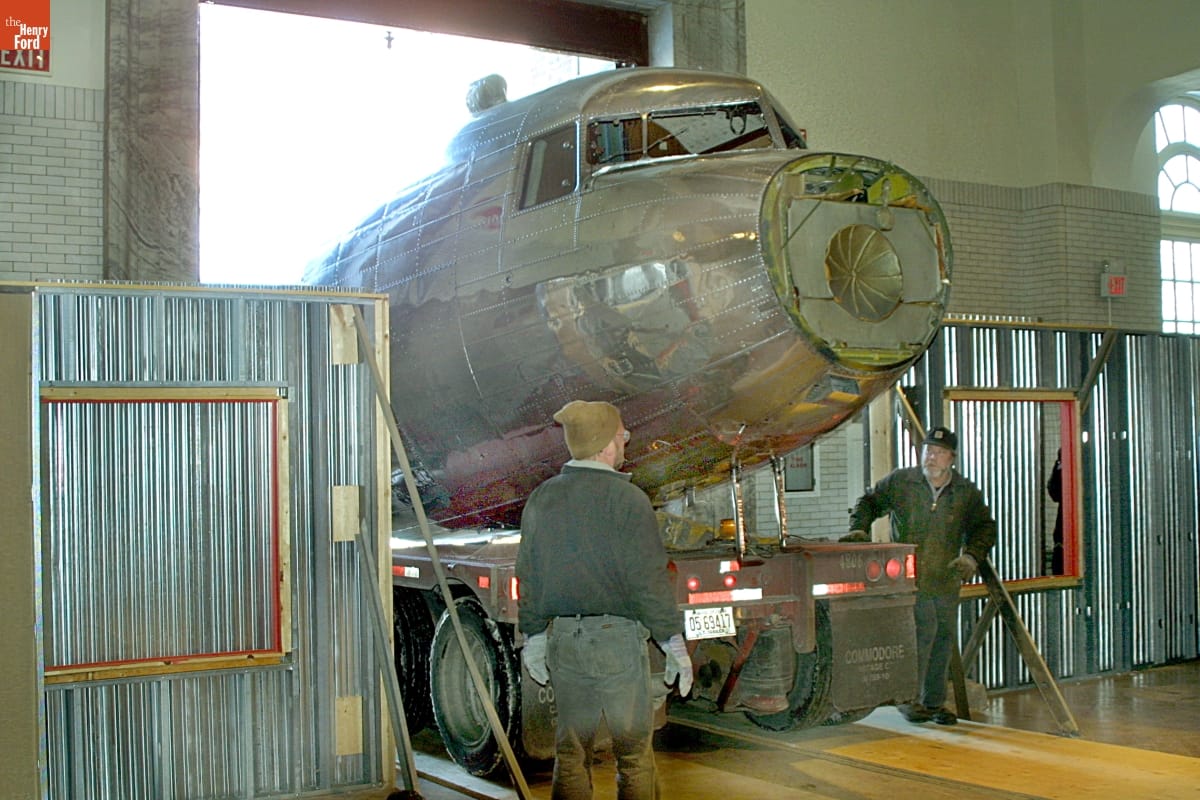
- Installing the 1939 Douglas DC-3 Airplane into Heroes of the Sky Exhibit in Henry Ford Museum, March 2003 - The Henry Ford acquired its Douglas DC-3 airplane in 1975 and, due to its size, the plane was displayed outside Henry Ford Museum for 27 years. The centennial of flight provided an opportunity to move the DC-3 indoors. The plane was conserved in 2002 and then installed in the museum's <EM>Heroes of the Sky</EM> exhibit in 2003.
- March 01, 2003
- Collections - Artifact
Installing the 1939 Douglas DC-3 Airplane into Heroes of the Sky Exhibit in Henry Ford Museum, March 2003
The Henry Ford acquired its Douglas DC-3 airplane in 1975 and, due to its size, the plane was displayed outside Henry Ford Museum for 27 years. The centennial of flight provided an opportunity to move the DC-3 indoors. The plane was conserved in 2002 and then installed in the museum's Heroes of the Sky exhibit in 2003.
- 1939 Douglas DC-3 Airplane in "Heroes of the Sky" Exhibit in Henry Ford Museum, July 2005 -

- July 01, 2005
- Collections - Artifact
1939 Douglas DC-3 Airplane in "Heroes of the Sky" Exhibit in Henry Ford Museum, July 2005
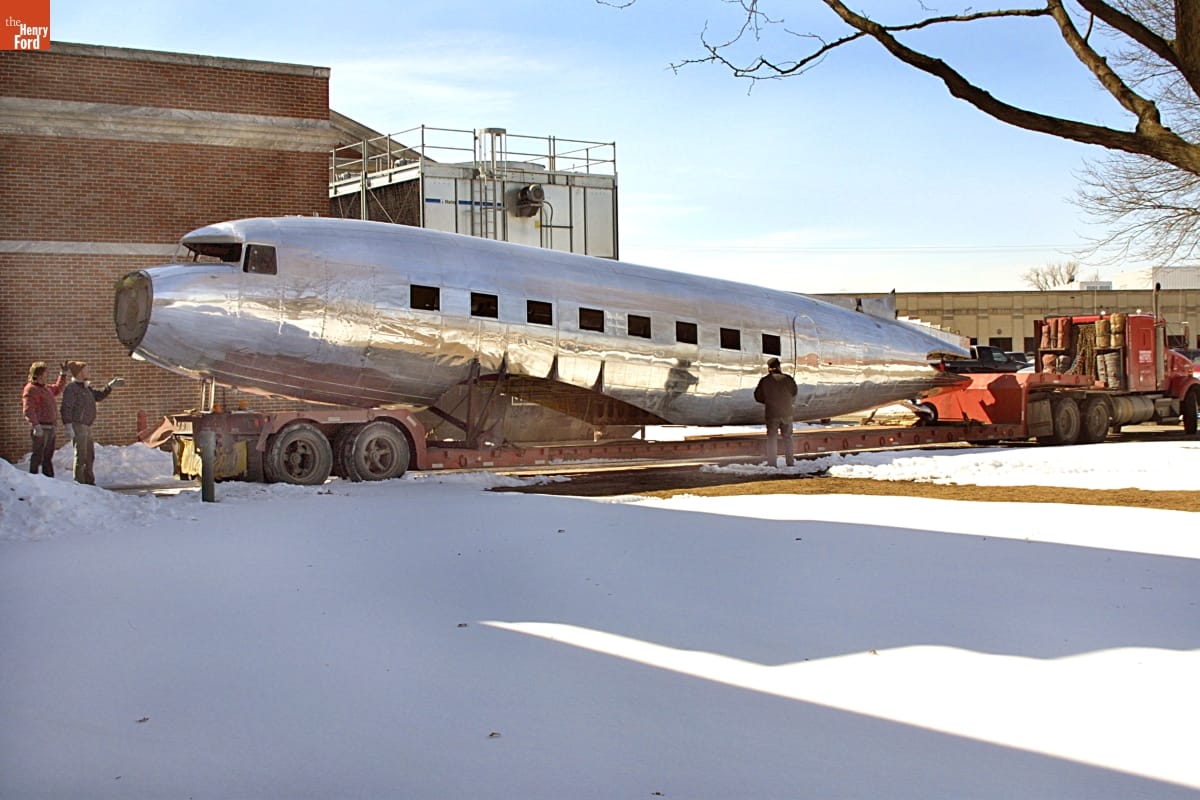
- Installing the 1939 Douglas DC-3 Airplane into Heroes of the Sky Exhibit in Henry Ford Museum, March 2003 - The Henry Ford acquired its Douglas DC-3 airplane in 1975 and, due to its size, the plane was displayed outside Henry Ford Museum for 27 years. The centennial of flight provided an opportunity to move the DC-3 indoors. The plane was conserved in 2002 and then installed in the museum's <EM>Heroes of the Sky</EM> exhibit in 2003.
- March 01, 2003
- Collections - Artifact
Installing the 1939 Douglas DC-3 Airplane into Heroes of the Sky Exhibit in Henry Ford Museum, March 2003
The Henry Ford acquired its Douglas DC-3 airplane in 1975 and, due to its size, the plane was displayed outside Henry Ford Museum for 27 years. The centennial of flight provided an opportunity to move the DC-3 indoors. The plane was conserved in 2002 and then installed in the museum's Heroes of the Sky exhibit in 2003.
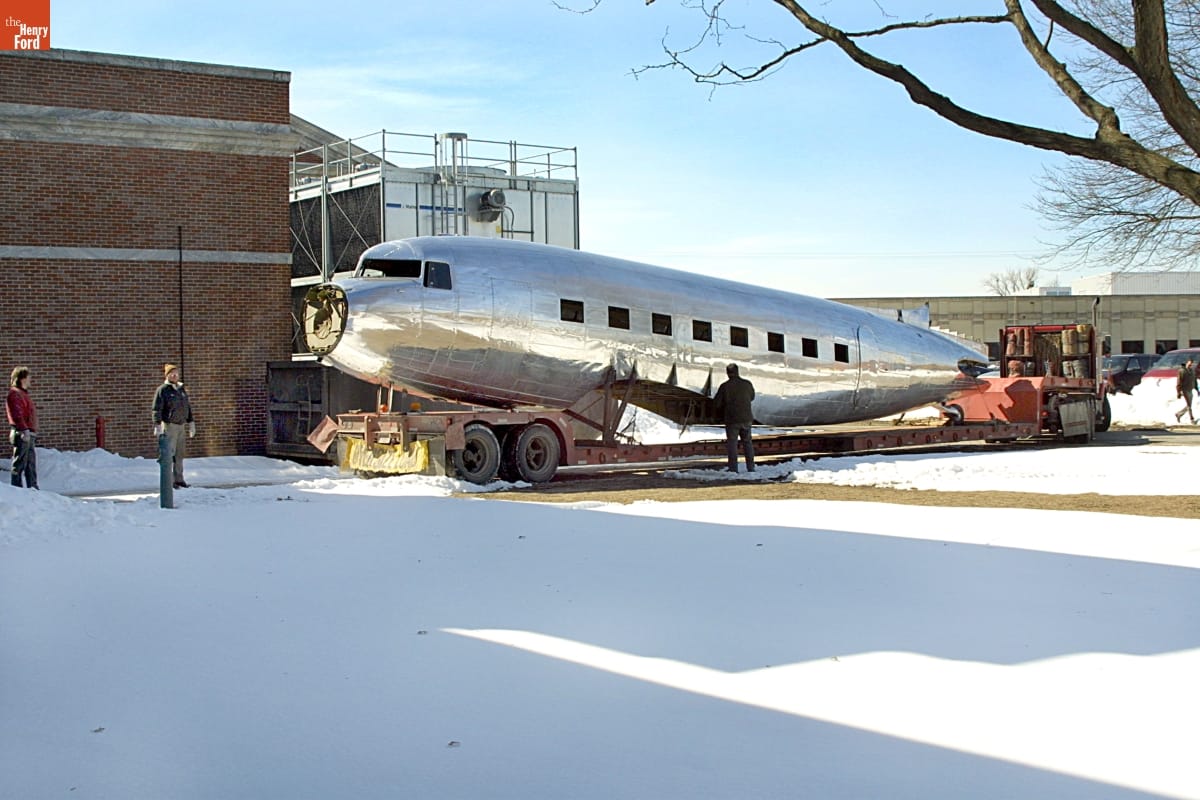
- Installing the 1939 Douglas DC-3 Airplane into Heroes of the Sky Exhibit in Henry Ford Museum, March 2003 - The Henry Ford acquired its Douglas DC-3 airplane in 1975 and, due to its size, the plane was displayed outside Henry Ford Museum for 27 years. The centennial of flight provided an opportunity to move the DC-3 indoors. The plane was conserved in 2002 and then installed in the museum's <EM>Heroes of the Sky</EM> exhibit in 2003.
- March 01, 2003
- Collections - Artifact
Installing the 1939 Douglas DC-3 Airplane into Heroes of the Sky Exhibit in Henry Ford Museum, March 2003
The Henry Ford acquired its Douglas DC-3 airplane in 1975 and, due to its size, the plane was displayed outside Henry Ford Museum for 27 years. The centennial of flight provided an opportunity to move the DC-3 indoors. The plane was conserved in 2002 and then installed in the museum's Heroes of the Sky exhibit in 2003.
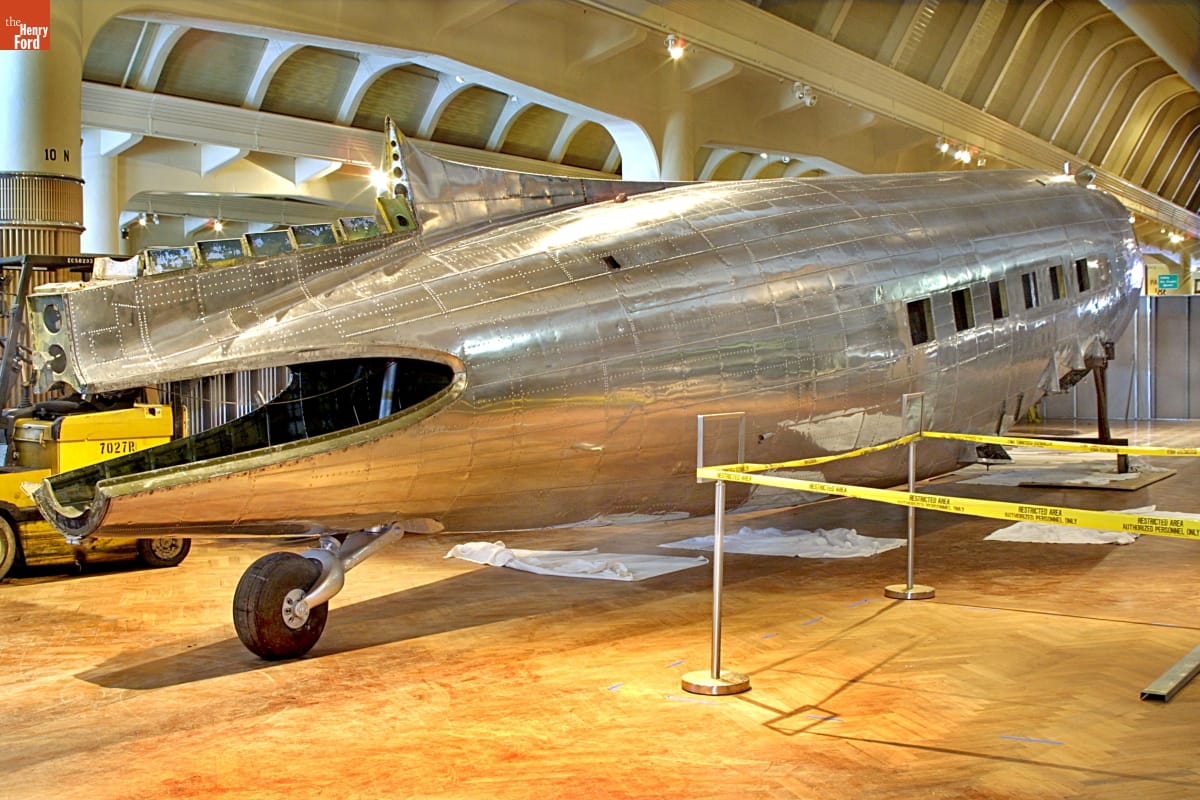
- Installing the 1939 Douglas DC-3 Airplane into Heroes of the Sky Exhibit in Henry Ford Museum, March 2003 - The Henry Ford acquired its Douglas DC-3 airplane in 1975 and, due to its size, the plane was displayed outside Henry Ford Museum for 27 years. The centennial of flight provided an opportunity to move the DC-3 indoors. The plane was conserved in 2002 and then installed in the museum's <EM>Heroes of the Sky</EM> exhibit in 2003.
- March 01, 2003
- Collections - Artifact
Installing the 1939 Douglas DC-3 Airplane into Heroes of the Sky Exhibit in Henry Ford Museum, March 2003
The Henry Ford acquired its Douglas DC-3 airplane in 1975 and, due to its size, the plane was displayed outside Henry Ford Museum for 27 years. The centennial of flight provided an opportunity to move the DC-3 indoors. The plane was conserved in 2002 and then installed in the museum's Heroes of the Sky exhibit in 2003.
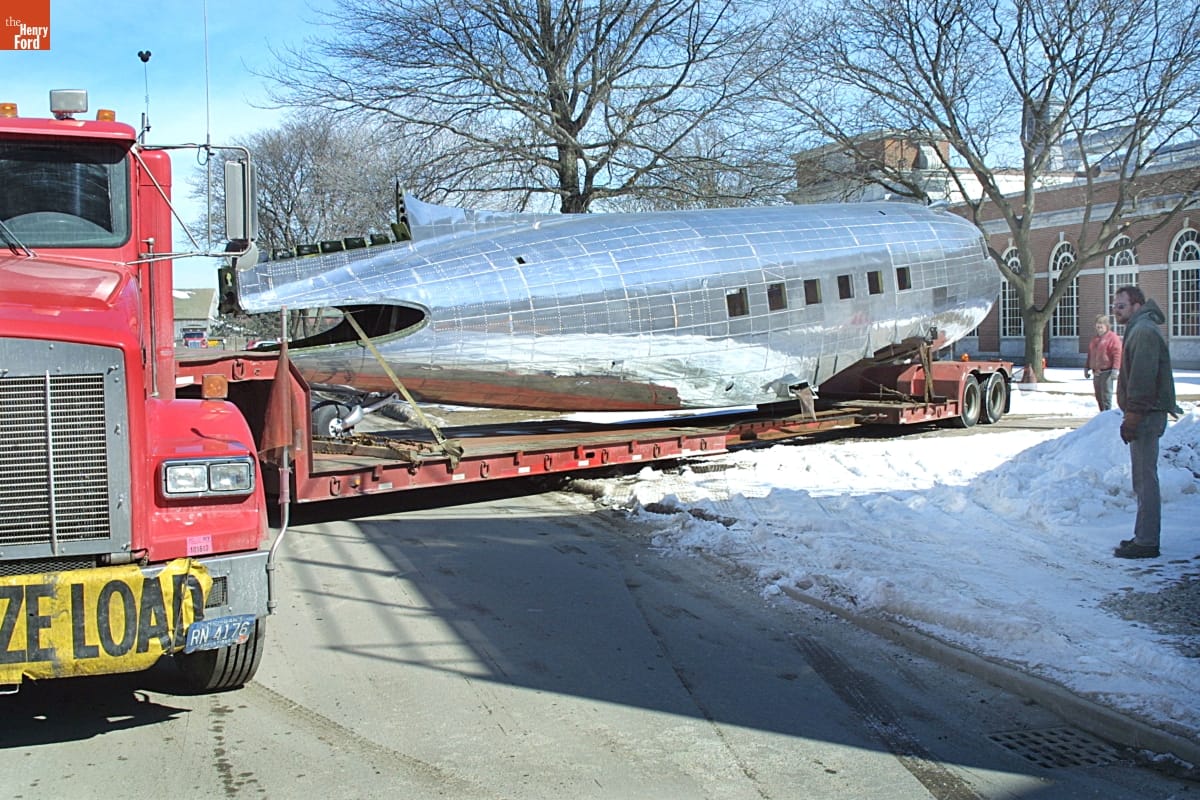
- Installing the 1939 Douglas DC-3 Airplane into Heroes of the Sky Exhibit in Henry Ford Museum, March 2003 - The Henry Ford acquired its Douglas DC-3 airplane in 1975 and, due to its size, the plane was displayed outside Henry Ford Museum for 27 years. The centennial of flight provided an opportunity to move the DC-3 indoors. The plane was conserved in 2002 and then installed in the museum's <EM>Heroes of the Sky</EM> exhibit in 2003.
- March 01, 2003
- Collections - Artifact
Installing the 1939 Douglas DC-3 Airplane into Heroes of the Sky Exhibit in Henry Ford Museum, March 2003
The Henry Ford acquired its Douglas DC-3 airplane in 1975 and, due to its size, the plane was displayed outside Henry Ford Museum for 27 years. The centennial of flight provided an opportunity to move the DC-3 indoors. The plane was conserved in 2002 and then installed in the museum's Heroes of the Sky exhibit in 2003.
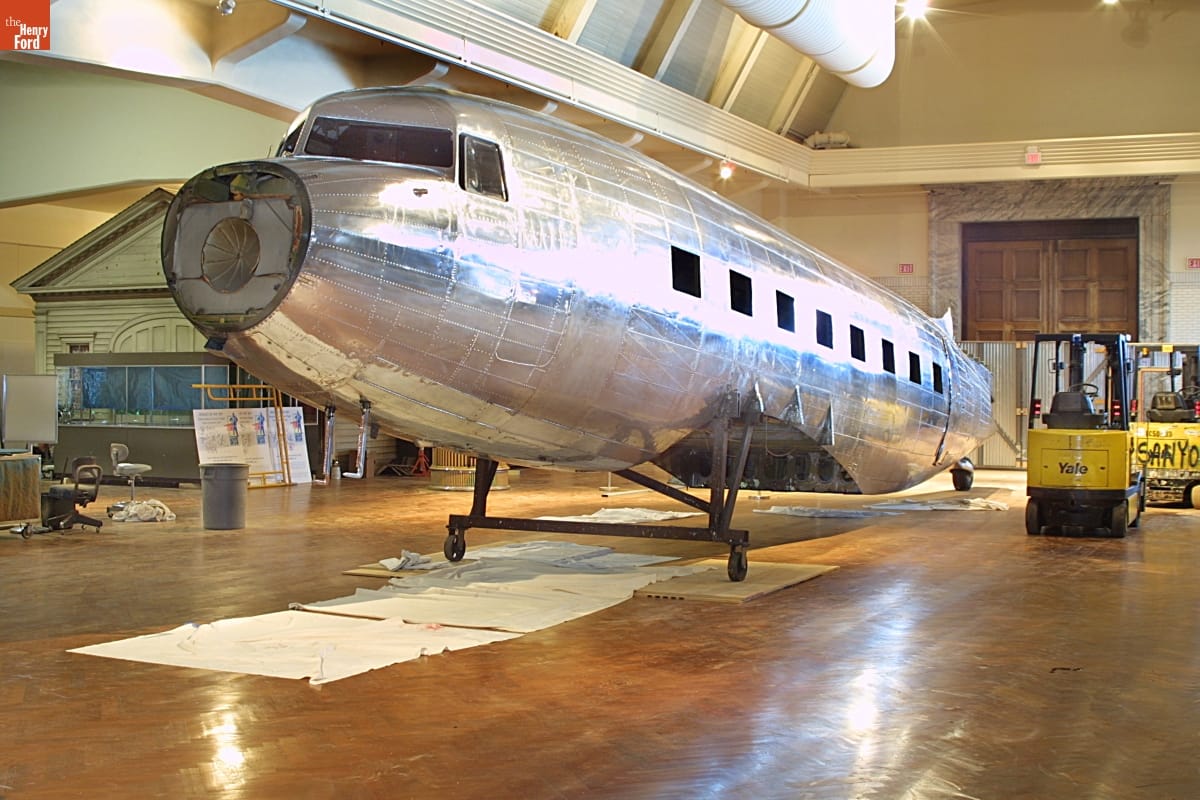
- Installing the 1939 Douglas DC-3 Airplane into Heroes of the Sky Exhibit in Henry Ford Museum, March 2003 - The Henry Ford acquired its Douglas DC-3 airplane in 1975 and, due to its size, the plane was displayed outside Henry Ford Museum for 27 years. The centennial of flight provided an opportunity to move the DC-3 indoors. The plane was conserved in 2002 and then installed in the museum's <EM>Heroes of the Sky</EM> exhibit in 2003.
- March 01, 2003
- Collections - Artifact
Installing the 1939 Douglas DC-3 Airplane into Heroes of the Sky Exhibit in Henry Ford Museum, March 2003
The Henry Ford acquired its Douglas DC-3 airplane in 1975 and, due to its size, the plane was displayed outside Henry Ford Museum for 27 years. The centennial of flight provided an opportunity to move the DC-3 indoors. The plane was conserved in 2002 and then installed in the museum's Heroes of the Sky exhibit in 2003.
- Behind the Scenes at Heroes of the Sky - Heroes of the Sky is a tribute not just to aviation, but to the pioneers’ lofty achievements that helped define modern air travel. Join us on a journey through aviation’s first decades, and explore the stories behind the technologies that make flight possible.

- January 01, 2015
- Collections - article
Behind the Scenes at Heroes of the Sky
Heroes of the Sky is a tribute not just to aviation, but to the pioneers’ lofty achievements that helped define modern air travel. Join us on a journey through aviation’s first decades, and explore the stories behind the technologies that make flight possible.
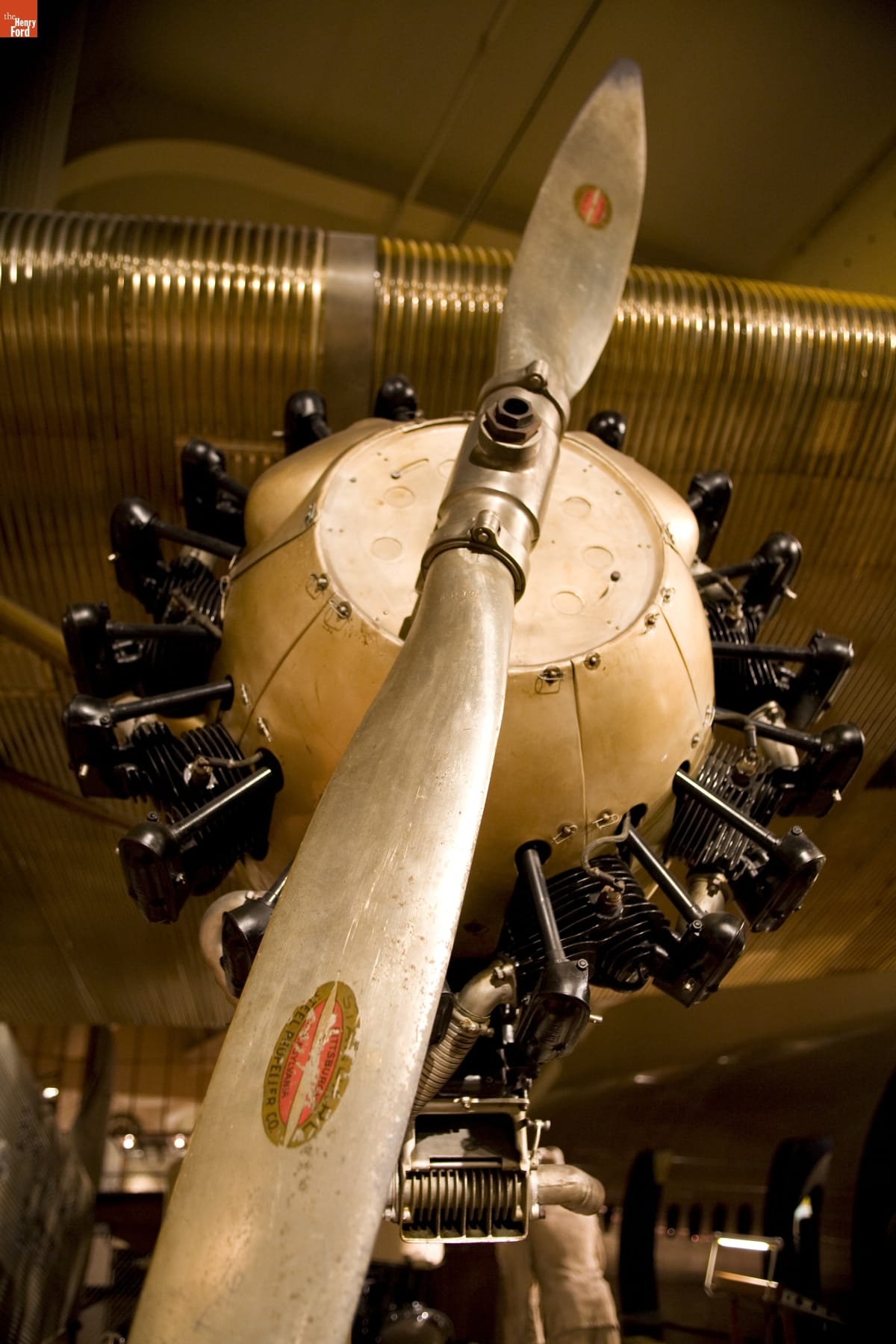
- 1928 Ford 4-AT-B Tri-Motor Airplane, "Floyd Bennett," on Exhibit in Henry Ford Museum, June 2007 - In November 1929, Richard Byrd flew over the South Pole in this Ford Tri-Motor. He named the airplane <EM>Floyd Bennett</EM> in memory of the late pilot on Byrd's North Pole expedition of 1926. The Tri-Motor was part of a substantial gift of money and resources from Edsel Ford that helped support the Antarctic flight.
- June 01, 2007
- Collections - Artifact
1928 Ford 4-AT-B Tri-Motor Airplane, "Floyd Bennett," on Exhibit in Henry Ford Museum, June 2007
In November 1929, Richard Byrd flew over the South Pole in this Ford Tri-Motor. He named the airplane Floyd Bennett in memory of the late pilot on Byrd's North Pole expedition of 1926. The Tri-Motor was part of a substantial gift of money and resources from Edsel Ford that helped support the Antarctic flight.
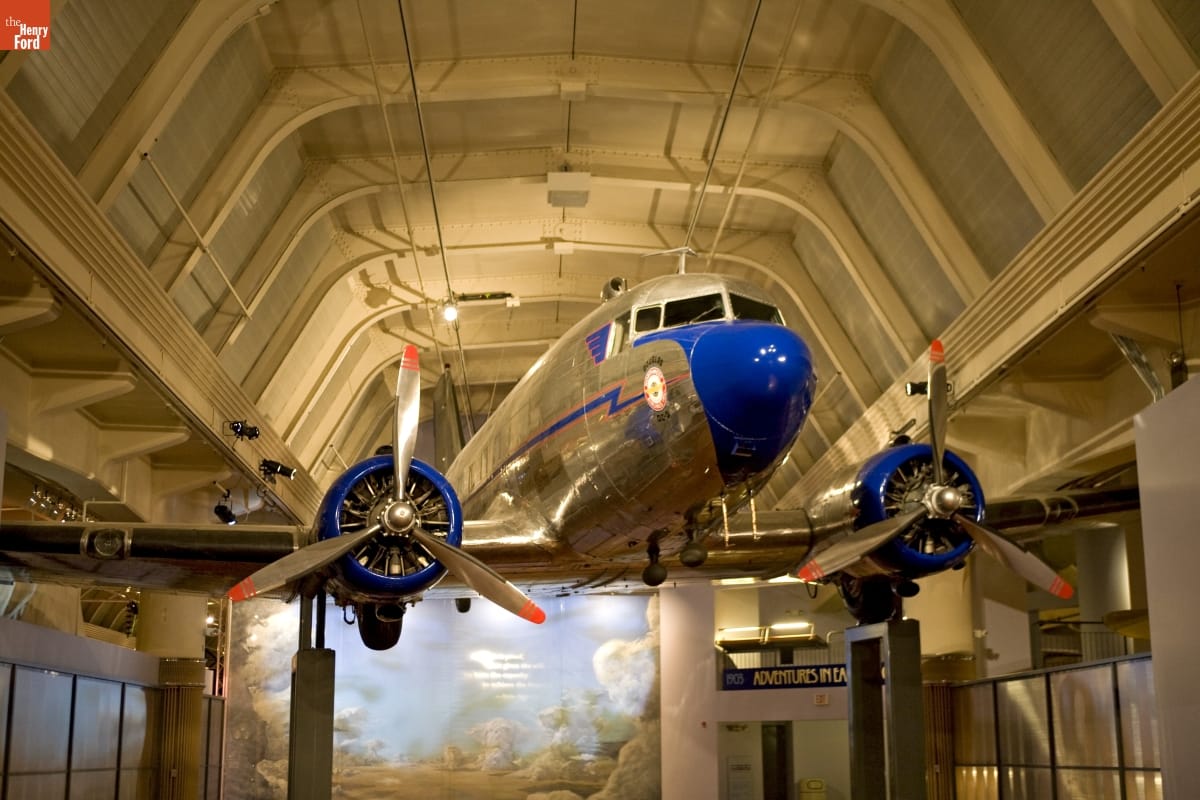
- 1939 Douglas DC-3 Airplane on Exhibit in Henry Ford Museum, June 2007 - The Henry Ford acquired its Douglas DC-3 airplane in 1975 and, due to its size, the plane was displayed outside Henry Ford Museum for 27 years. The centennial of flight provided an opportunity to move the DC-3 indoors. The plane was conserved in 2002 and then installed in the museum's <EM>Heroes of the Sky</EM> exhibit in 2003.
- June 01, 2007
- Collections - Artifact
1939 Douglas DC-3 Airplane on Exhibit in Henry Ford Museum, June 2007
The Henry Ford acquired its Douglas DC-3 airplane in 1975 and, due to its size, the plane was displayed outside Henry Ford Museum for 27 years. The centennial of flight provided an opportunity to move the DC-3 indoors. The plane was conserved in 2002 and then installed in the museum's Heroes of the Sky exhibit in 2003.