
Search
- Jim Hall - <div><p>Hall properly applied certain physics principles, like vertical aerodynamic force, to his cars that enabled Chaparral to dominate the racing scene for a majority of the 1960s. Hall credits his success to his education stating that, "The time I spent studying math, and doing things that I couldn't quite see the use for when I was a youngster really turned out to be valuable to me."</p></div>

- October 08, 2013
- Collections - Video
Jim Hall
Hall properly applied certain physics principles, like vertical aerodynamic force, to his cars that enabled Chaparral to dominate the racing scene for a majority of the 1960s. Hall credits his success to his education stating that, "The time I spent studying math, and doing things that I couldn't quite see the use for when I was a youngster really turned out to be valuable to me."
- "What is Downforce?" Interview with Jim Hall, 2009 - Jim Hall is a race car driver, developer, and team owner. Educated as an engineer, Hall was one of the first to apply aerodynamics to race car design and he was the leading proponent of that technology for a decade. Jim Hall's Chaparral Cars, based in his hometown of Midland, Texas, was among the most innovative cars in racing.
- January 08, 2009
- Collections - Artifact
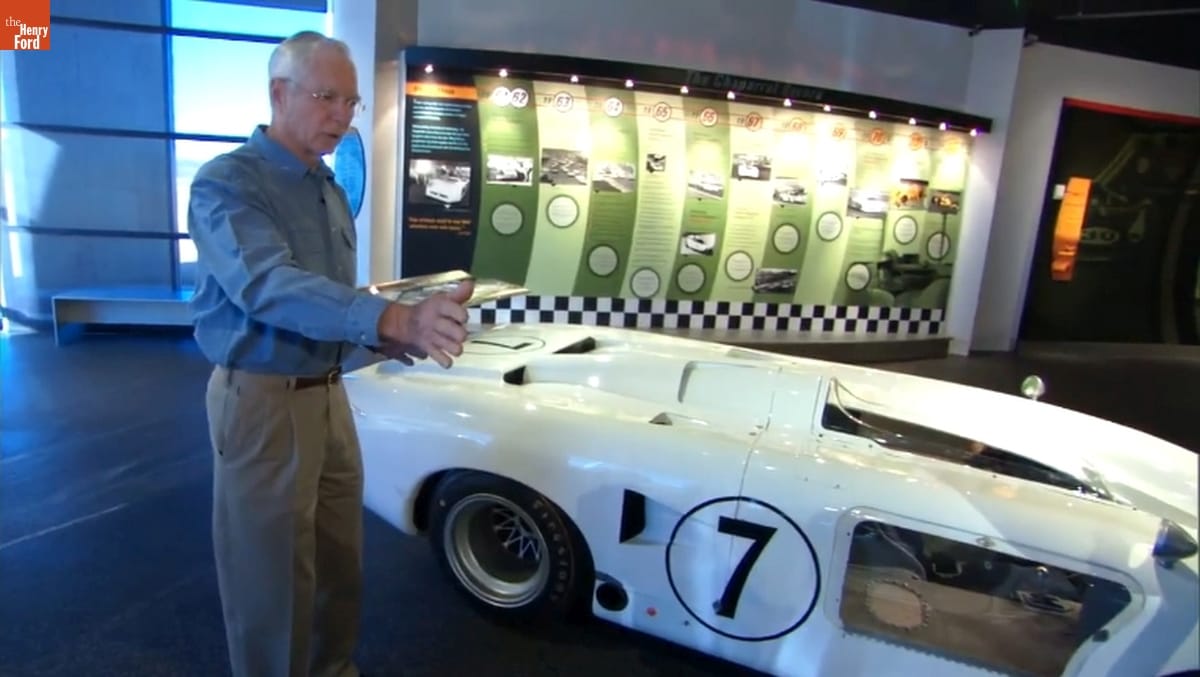
"What is Downforce?" Interview with Jim Hall, 2009
Jim Hall is a race car driver, developer, and team owner. Educated as an engineer, Hall was one of the first to apply aerodynamics to race car design and he was the leading proponent of that technology for a decade. Jim Hall's Chaparral Cars, based in his hometown of Midland, Texas, was among the most innovative cars in racing.
- "Self-Confidence," Interview with Jim Hall, 2009 - Jim Hall is a race car driver, developer, and team owner. Educated as an engineer, Hall was one of the first to apply aerodynamics to race car design and he was the leading proponent of that technology for a decade. Jim Hall's Chaparral Cars, based in his hometown of Midland, Texas, was among the most innovative cars in racing.
- January 08, 2009
- Collections - Artifact
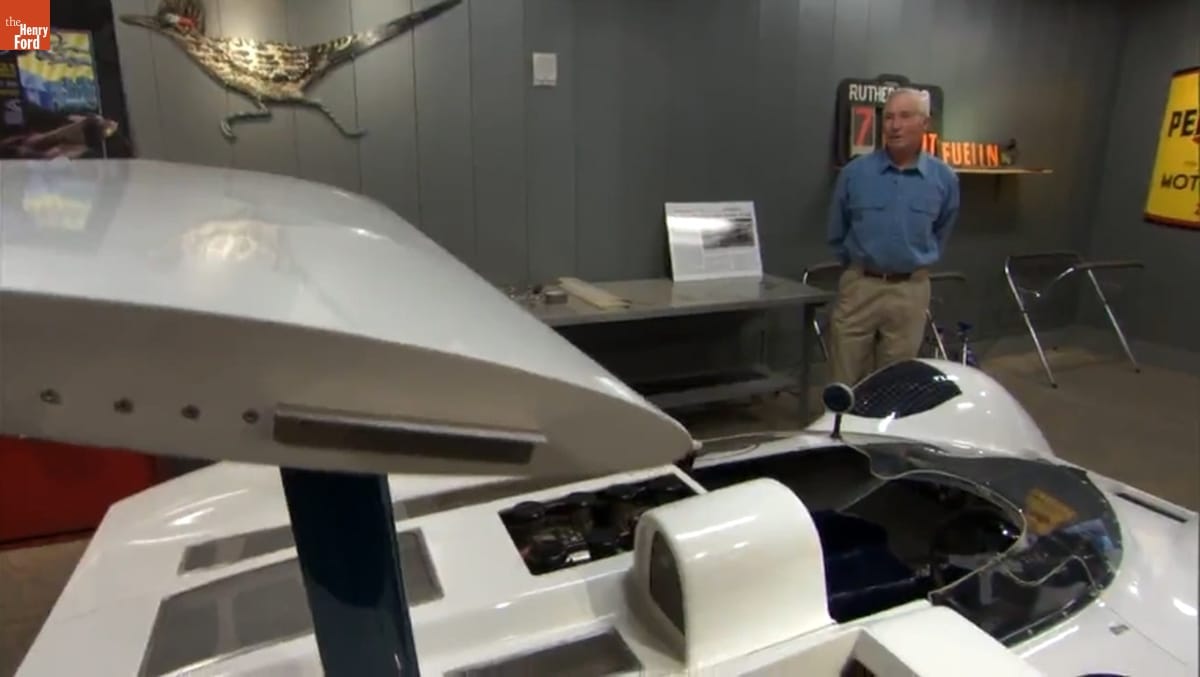
"Self-Confidence," Interview with Jim Hall, 2009
Jim Hall is a race car driver, developer, and team owner. Educated as an engineer, Hall was one of the first to apply aerodynamics to race car design and he was the leading proponent of that technology for a decade. Jim Hall's Chaparral Cars, based in his hometown of Midland, Texas, was among the most innovative cars in racing.
- "Safety Rules," Interview with Jim Hall, 2009 - Jim Hall is a race car driver, developer, and team owner. Educated as an engineer, Hall was one of the first to apply aerodynamics to race car design and he was the leading proponent of that technology for a decade. Jim Hall's Chaparral Cars, based in his hometown of Midland, Texas, was among the most innovative cars in racing.
- January 08, 2009
- Collections - Artifact
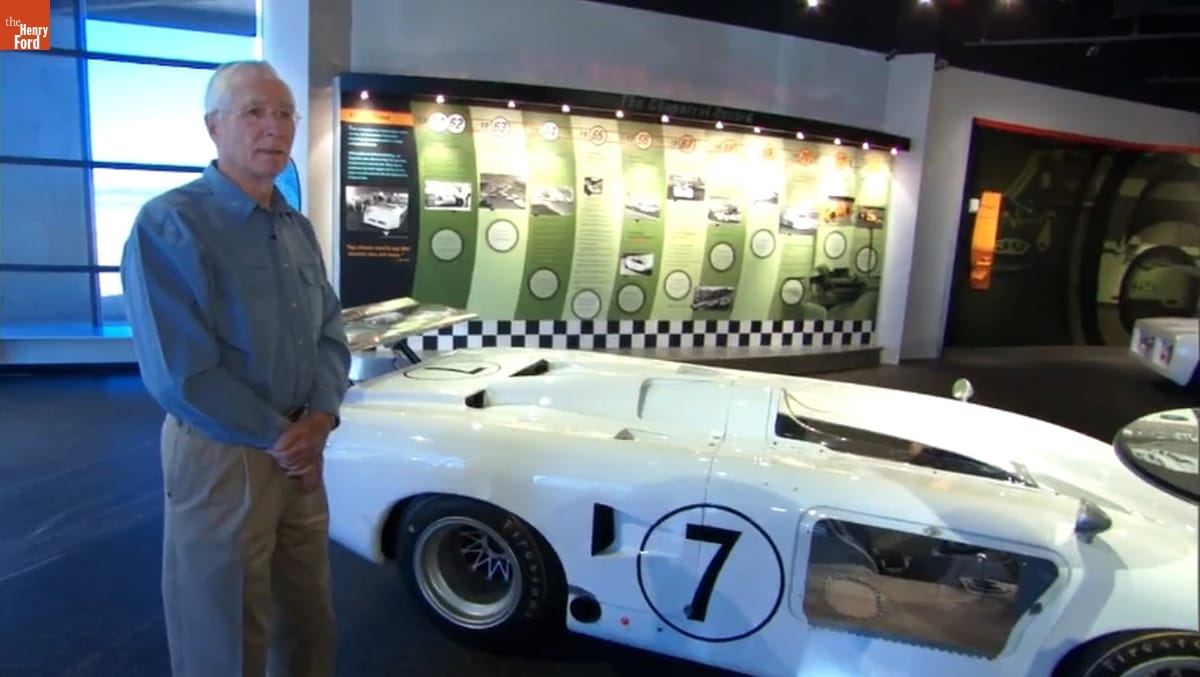
"Safety Rules," Interview with Jim Hall, 2009
Jim Hall is a race car driver, developer, and team owner. Educated as an engineer, Hall was one of the first to apply aerodynamics to race car design and he was the leading proponent of that technology for a decade. Jim Hall's Chaparral Cars, based in his hometown of Midland, Texas, was among the most innovative cars in racing.
- Racing Driver and Designer Jim Hall, circa 1970 - Jim Hall grew up around cars, moving quickly from soap box derbies to full-size hot rods. He studied mechanical engineering in college and began racing in the 1950s. Hall teamed with Hap Sharp in 1962 to form Chaparral Cars, where he applied his knowledge of physics to innovative race car designs that took advantage of aerodynamic downforce.
- circa 1970
- Collections - Artifact
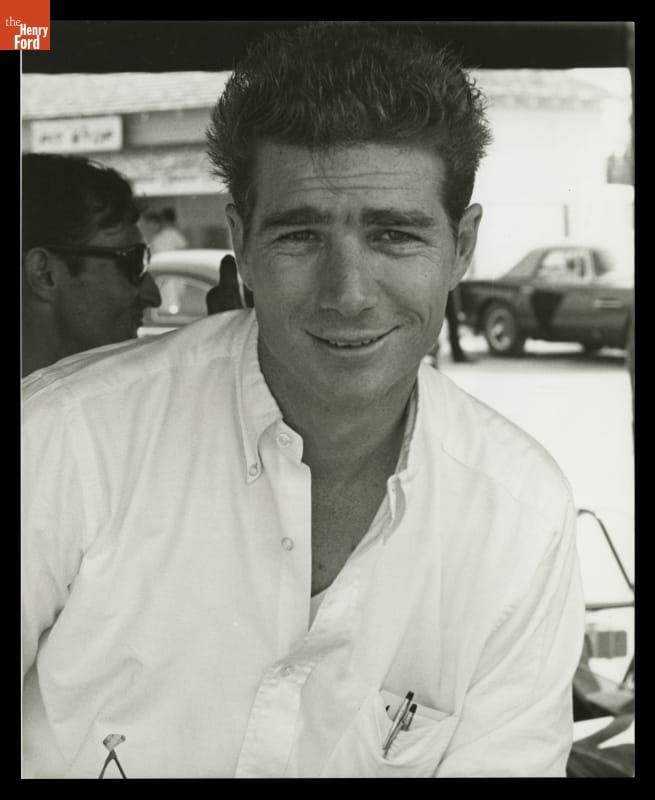
Racing Driver and Designer Jim Hall, circa 1970
Jim Hall grew up around cars, moving quickly from soap box derbies to full-size hot rods. He studied mechanical engineering in college and began racing in the 1950s. Hall teamed with Hap Sharp in 1962 to form Chaparral Cars, where he applied his knowledge of physics to innovative race car designs that took advantage of aerodynamic downforce.
- "Learn by Doing," Interview with Jim Hall, 2009 - Jim Hall is a race car driver, developer, and team owner. Educated as an engineer, Hall was one of the first to apply aerodynamics to race car design and he was the leading proponent of that technology for a decade. Jim Hall's Chaparral Cars, based in his hometown of Midland, Texas, was among the most innovative cars in racing.

- January 08, 2009
- Collections - Artifact
"Learn by Doing," Interview with Jim Hall, 2009
Jim Hall is a race car driver, developer, and team owner. Educated as an engineer, Hall was one of the first to apply aerodynamics to race car design and he was the leading proponent of that technology for a decade. Jim Hall's Chaparral Cars, based in his hometown of Midland, Texas, was among the most innovative cars in racing.
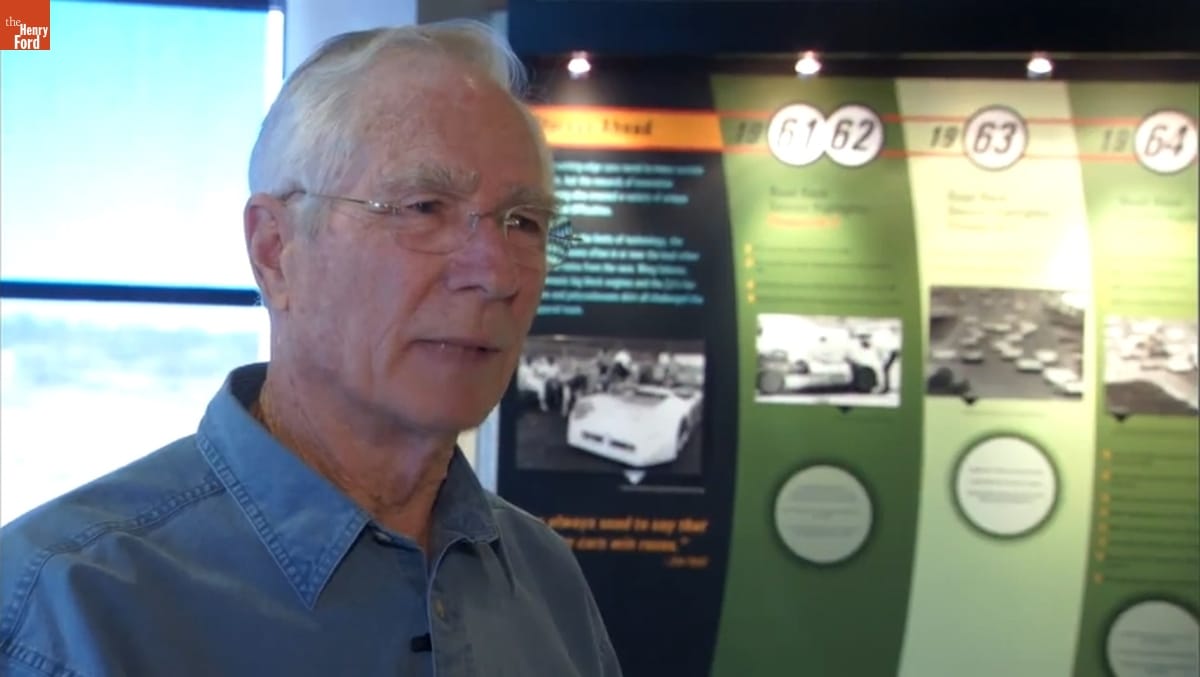
- "Engineer to Go Faster," Interview with Jim Hall, 2009 - Jim Hall is a race car driver, developer, and team owner. Educated as an engineer, Hall was one of the first to apply aerodynamics to race car design and he was the leading proponent of that technology for a decade. Jim Hall's Chaparral Cars, based in his hometown of Midland, Texas, was among the most innovative cars in racing.
- January 08, 2009
- Collections - Artifact
"Engineer to Go Faster," Interview with Jim Hall, 2009
Jim Hall is a race car driver, developer, and team owner. Educated as an engineer, Hall was one of the first to apply aerodynamics to race car design and he was the leading proponent of that technology for a decade. Jim Hall's Chaparral Cars, based in his hometown of Midland, Texas, was among the most innovative cars in racing.
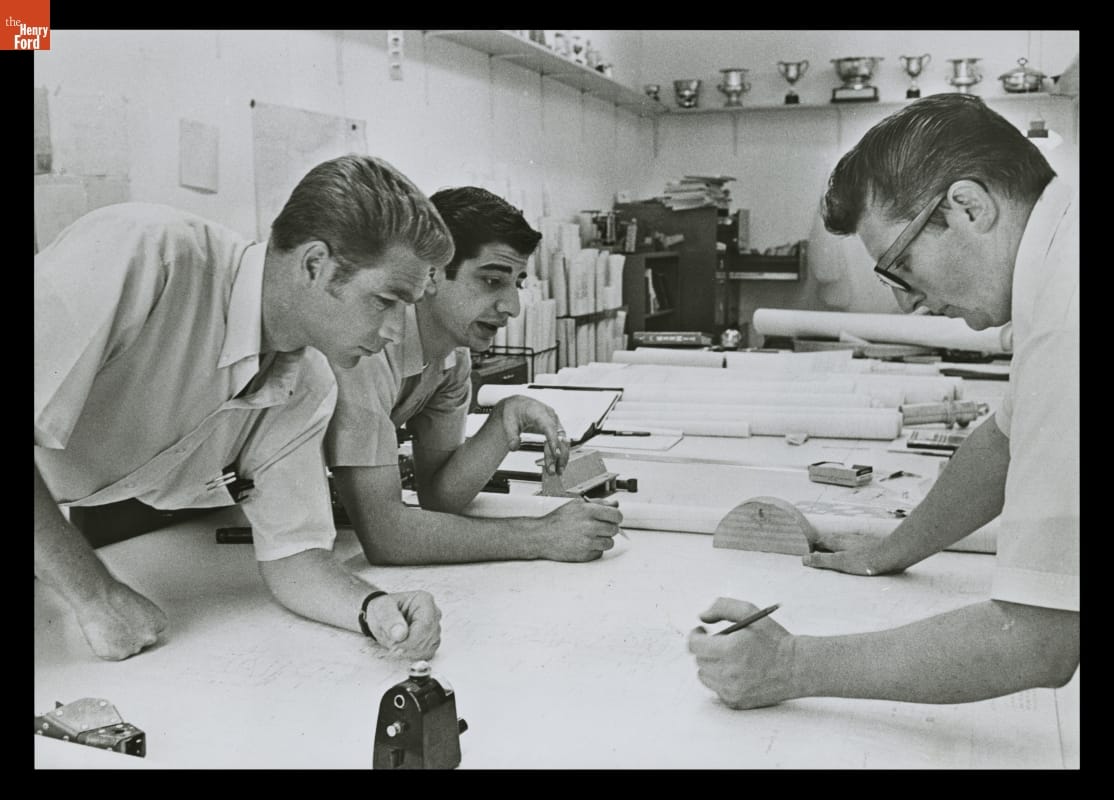
- Jim Hall and Engineers at Chaparral Cars, Midland Texas, Summer, 1968 - Jim Hall grew up around cars, moving quickly from soap box derbies to full-size hot rods. He studied mechanical engineering in college and began racing in the 1950s. Hall teamed with Hap Sharp in 1962 to form Chaparral Cars, where he applied his knowledge of physics to innovative race car designs that took advantage of aerodynamic downforce.
- 1968
- Collections - Artifact
Jim Hall and Engineers at Chaparral Cars, Midland Texas, Summer, 1968
Jim Hall grew up around cars, moving quickly from soap box derbies to full-size hot rods. He studied mechanical engineering in college and began racing in the 1950s. Hall teamed with Hap Sharp in 1962 to form Chaparral Cars, where he applied his knowledge of physics to innovative race car designs that took advantage of aerodynamic downforce.
- "Jim Hall," Clip from Interview with Al Unser Jr., January 6, 2009 - Al Unser, Jr., followed his father, Al, and uncle, Bobby, to Victory Lane at the Indianapolis 500 with wins in 1992 and 1994. Unser also competed in the 1993 Daytona 500. In 2009, staff from The Henry Ford interviewed Al Unser, Jr., at the Unser Racing Museum in Albuquerque, New Mexico, as part of the Collecting Innovation Today Oral History Project.

- January 06, 2009
- Collections - Artifact
"Jim Hall," Clip from Interview with Al Unser Jr., January 6, 2009
Al Unser, Jr., followed his father, Al, and uncle, Bobby, to Victory Lane at the Indianapolis 500 with wins in 1992 and 1994. Unser also competed in the 1993 Daytona 500. In 2009, staff from The Henry Ford interviewed Al Unser, Jr., at the Unser Racing Museum in Albuquerque, New Mexico, as part of the Collecting Innovation Today Oral History Project.
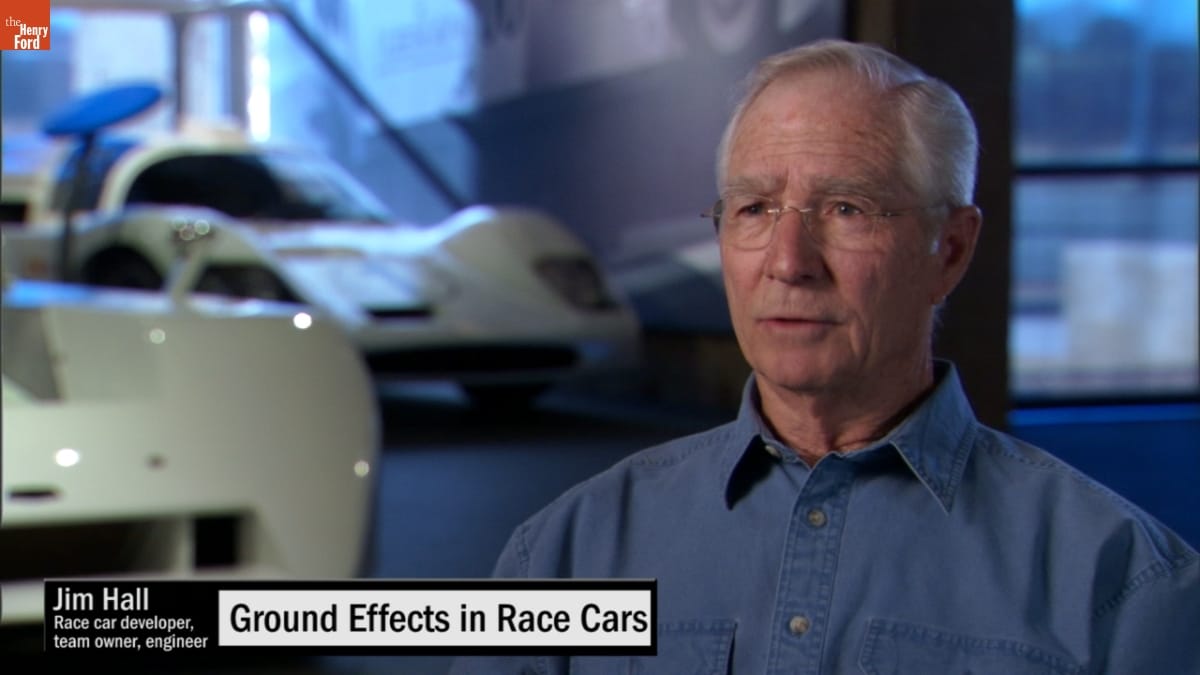
- "Ground Effects in Race Cars" Clip from Interview with Jim Hall, 2009 - Jim Hall is a race car driver, developer, and team owner. Educated as an engineer, Hall was one of the first to apply aerodynamics to race car design and he was the leading proponent of that technology for a decade. Jim Hall's Chaparral Cars, based in his hometown of Midland, Texas, was among the most innovative cars in racing.
- January 08, 2009
- Collections - Artifact
"Ground Effects in Race Cars" Clip from Interview with Jim Hall, 2009
Jim Hall is a race car driver, developer, and team owner. Educated as an engineer, Hall was one of the first to apply aerodynamics to race car design and he was the leading proponent of that technology for a decade. Jim Hall's Chaparral Cars, based in his hometown of Midland, Texas, was among the most innovative cars in racing.