
Search
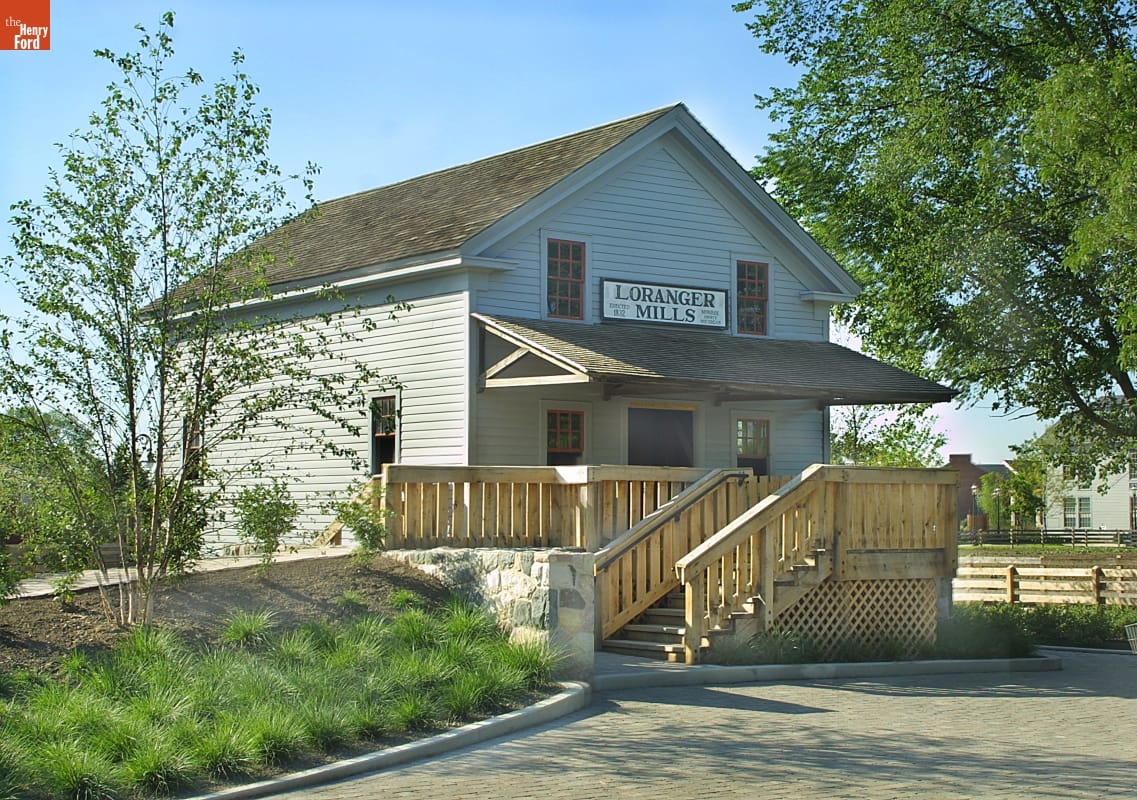
- Loranger Gristmill - Gristmills -- usually among the earliest businesses established in a community -- ground grain harvested by local farmers. This mill, originally located in Monroe, Michigan, was set up to grind both corn and wheat. It incorporates a sophisticated conveyor system, developed by Oliver Evans in the late 1700s, that moves grain through the building to undergo a variety of processes.
- November 25, 2015
- Collections - Set
Loranger Gristmill
Gristmills -- usually among the earliest businesses established in a community -- ground grain harvested by local farmers. This mill, originally located in Monroe, Michigan, was set up to grind both corn and wheat. It incorporates a sophisticated conveyor system, developed by Oliver Evans in the late 1700s, that moves grain through the building to undergo a variety of processes.
- Loranger Gristmill - Gristmills -- usually among the earliest businesses established in a community -- ground grain harvested by local farmers. This mill, originally located in Monroe, Michigan, was set up to grind both corn and wheat. It incorporates a sophisticated conveyor system, developed by Oliver Evans in the late 1700s, that moves grain through the building to undergo a variety of processes.
- circa 1832
- Collections - Artifact
Loranger Gristmill
Gristmills -- usually among the earliest businesses established in a community -- ground grain harvested by local farmers. This mill, originally located in Monroe, Michigan, was set up to grind both corn and wheat. It incorporates a sophisticated conveyor system, developed by Oliver Evans in the late 1700s, that moves grain through the building to undergo a variety of processes.
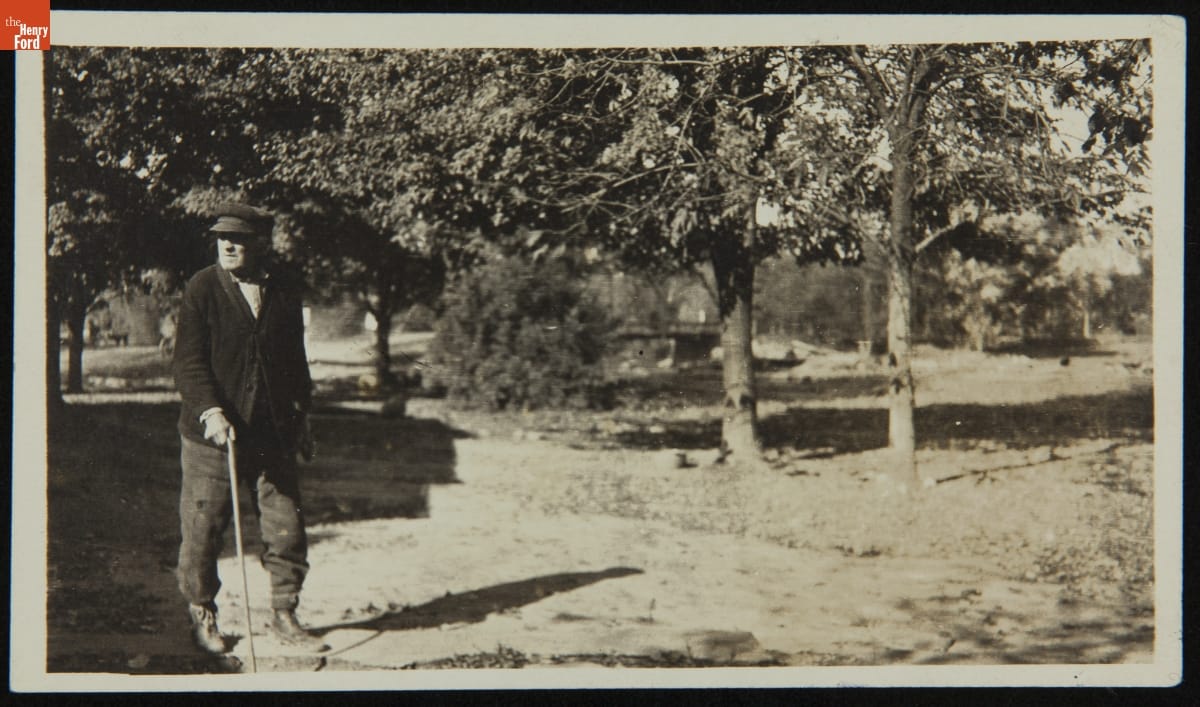
- Joseph Loranger, Former Owner of Loranger Gristmill -
- Collections - Artifact
Joseph Loranger, Former Owner of Loranger Gristmill
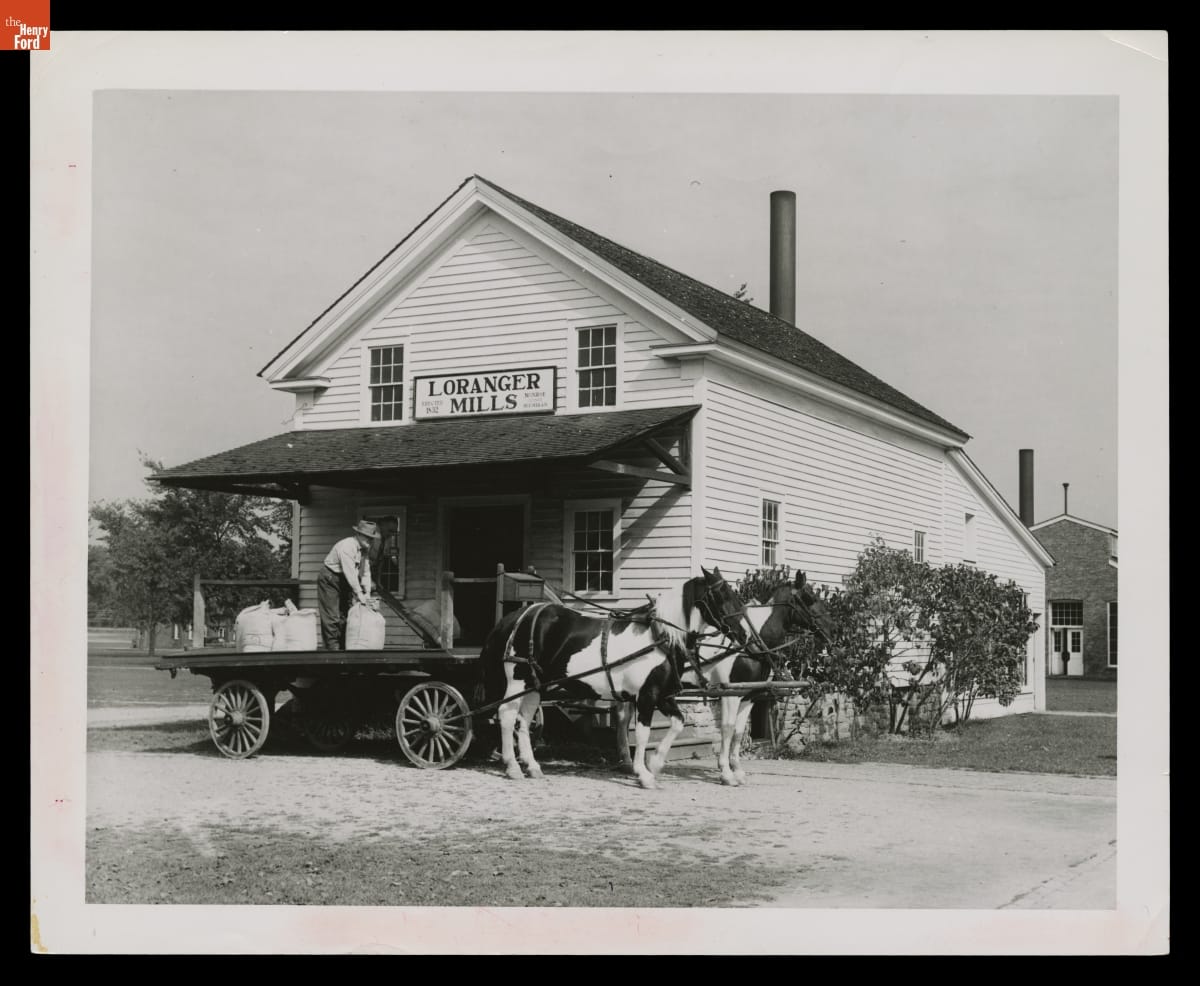
- Loranger Gristmill in Greenfield Village -
- 1940 - 1979
- Collections - Artifact
Loranger Gristmill in Greenfield Village
- Just Added to Our Digital Collections: Loranger Gristmill - We've just digitized items from our collections related to the Loranger Gristmill in Greenfield Village and American inventor Oliver Evans.

- October 22, 2015
- Collections - article
Just Added to Our Digital Collections: Loranger Gristmill
We've just digitized items from our collections related to the Loranger Gristmill in Greenfield Village and American inventor Oliver Evans.
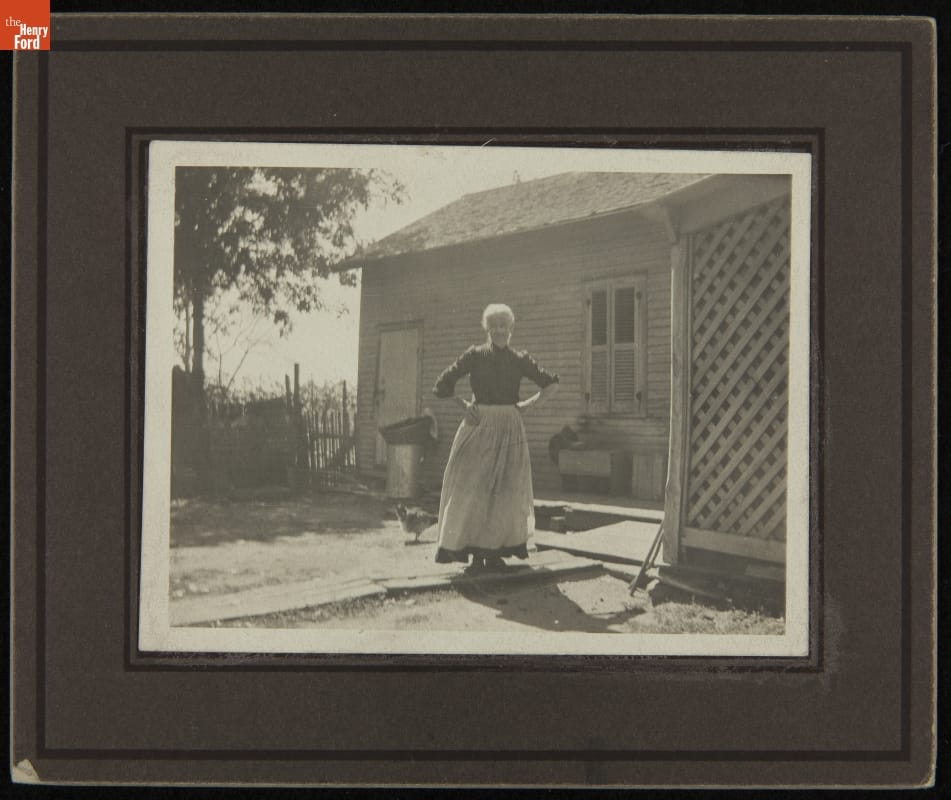
- Mary Ann Lamb Loranger, Wife of Joseph Loranger who Owned and Operated Loranger Gristmill -
- Collections - Artifact
Mary Ann Lamb Loranger, Wife of Joseph Loranger who Owned and Operated Loranger Gristmill
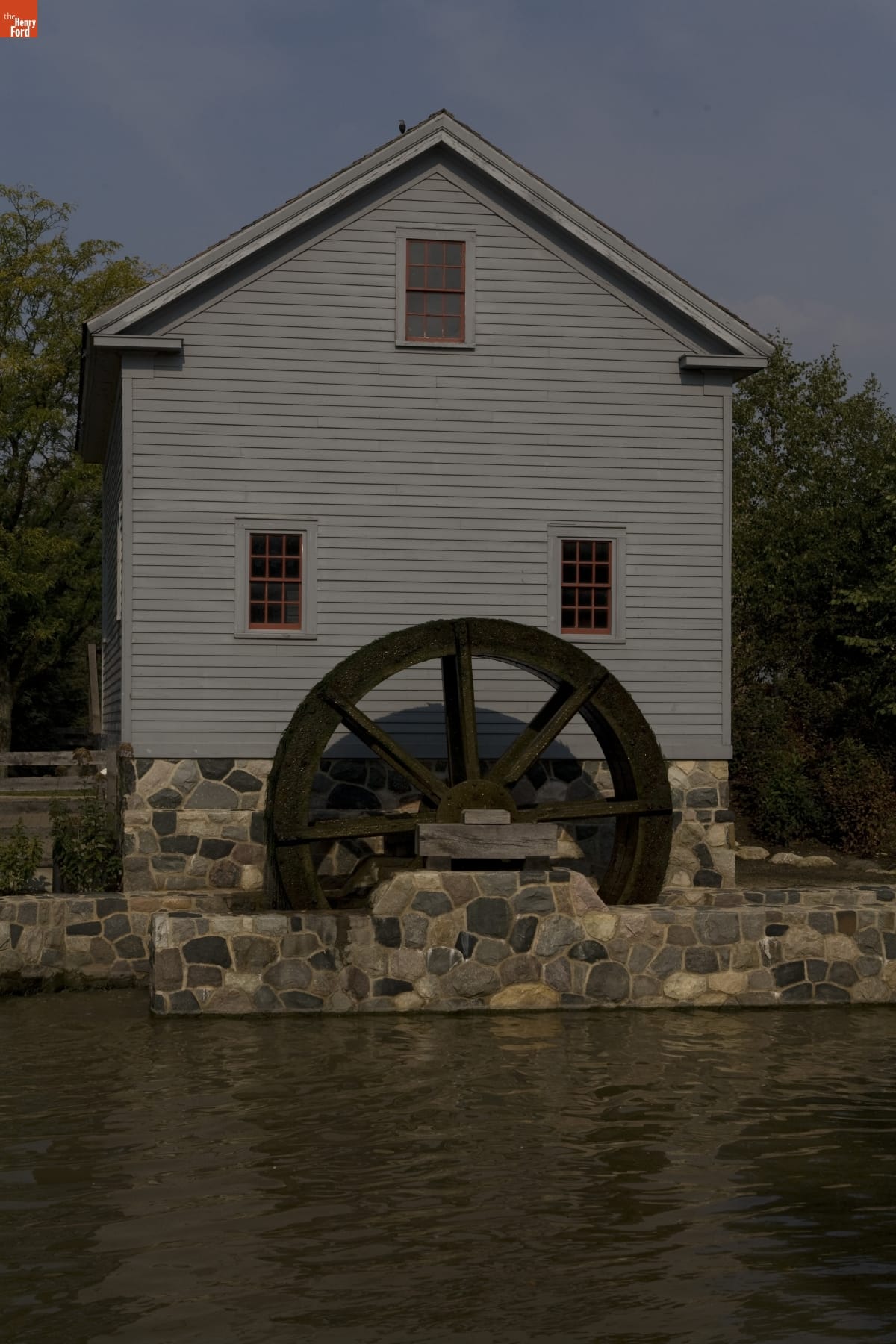
- Loranger Gristmill in Greenfield Village, September 2007 -
- September 01, 2007
- Collections - Artifact
Loranger Gristmill in Greenfield Village, September 2007
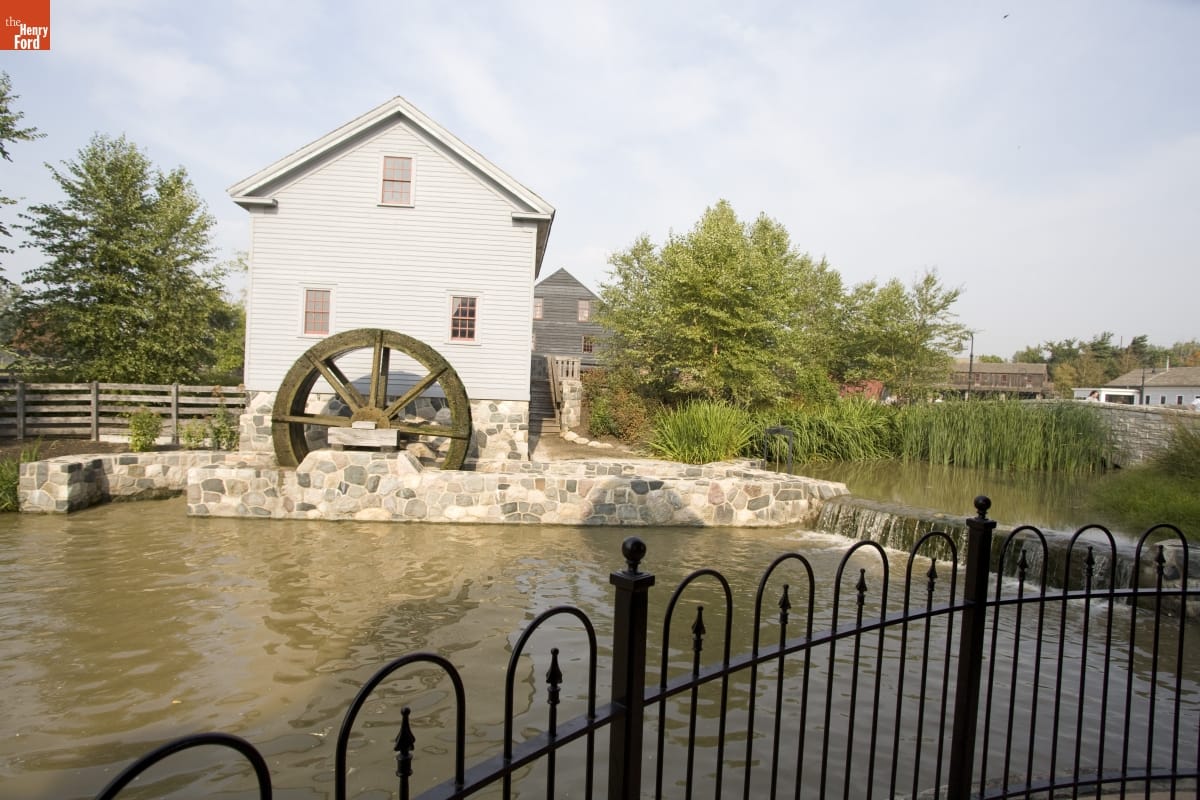
- Loranger Gristmill in Greenfield Village, September 2007 -
- September 01, 2007
- Collections - Artifact
Loranger Gristmill in Greenfield Village, September 2007
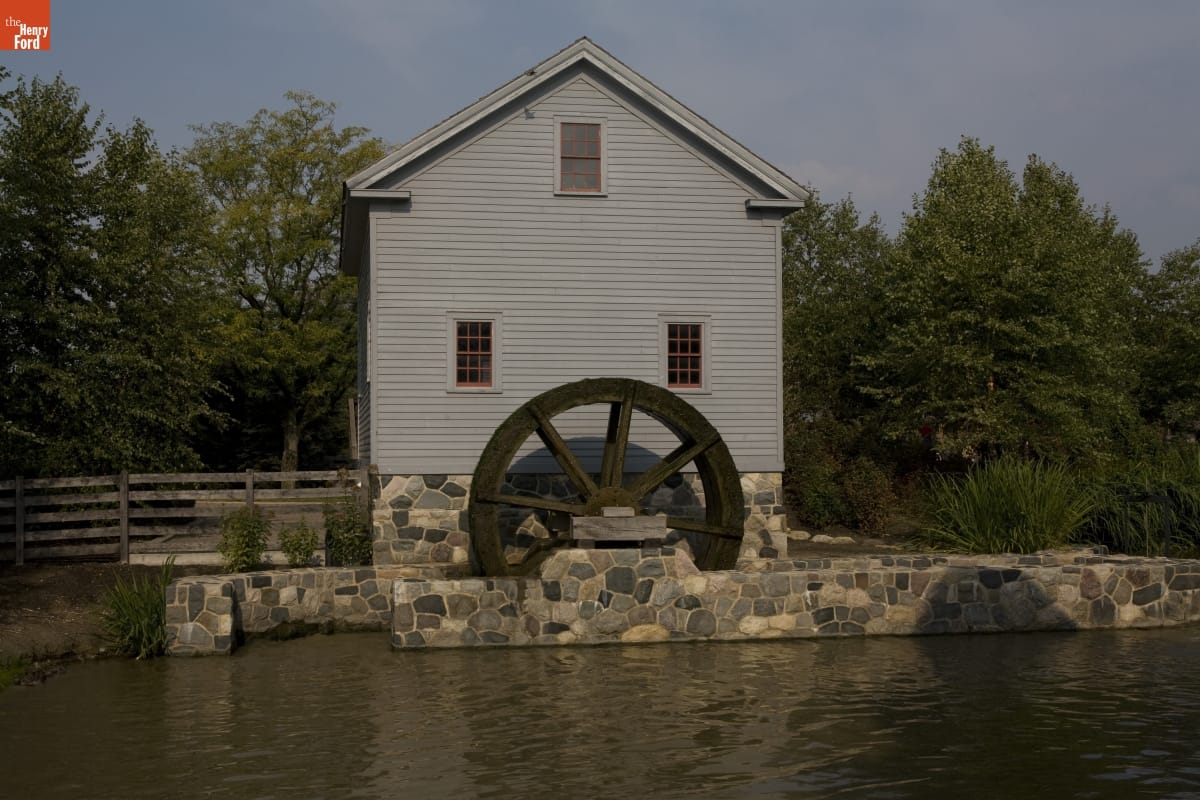
- Loranger Gristmill in Greenfield Village, September 2007 -
- September 01, 2007
- Collections - Artifact
Loranger Gristmill in Greenfield Village, September 2007
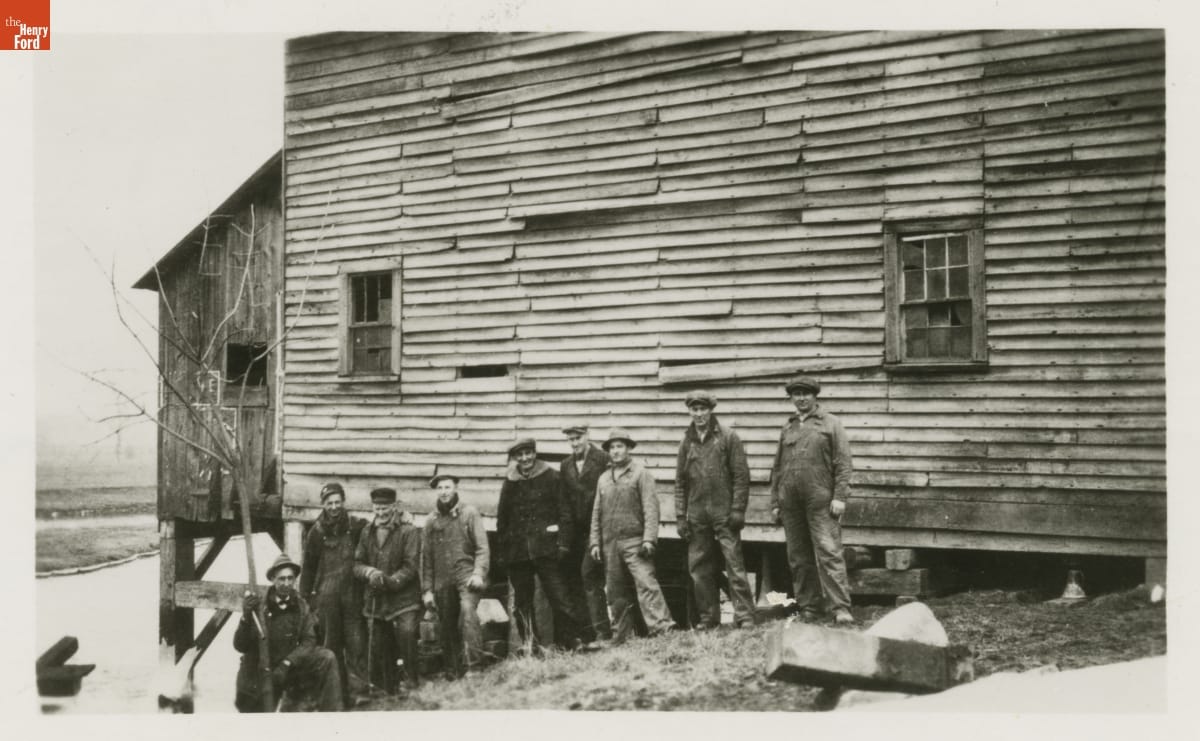
- Loranger Gristmill in Monroe, Michigan, circa 1926 - Loranger Gristmill was built in 1832 on Stoney Creek in Monroe, Michigan. It incorporated a sophisticated conveyor system, developed by Oliver Evans in the late 1700s, that moved grain through the building to be ground into flour or animal feed. Henry Ford acquired the mill in 1928. This may be an image of the crew sent to disassemble and relocate the mill to Greenfield Village.
- January 13, 1945
- Collections - Artifact
Loranger Gristmill in Monroe, Michigan, circa 1926
Loranger Gristmill was built in 1832 on Stoney Creek in Monroe, Michigan. It incorporated a sophisticated conveyor system, developed by Oliver Evans in the late 1700s, that moved grain through the building to be ground into flour or animal feed. Henry Ford acquired the mill in 1928. This may be an image of the crew sent to disassemble and relocate the mill to Greenfield Village.