
Search
- Maryland Chicken -

- August 28, 2015
- Collections - Recipe
Maryland Chicken
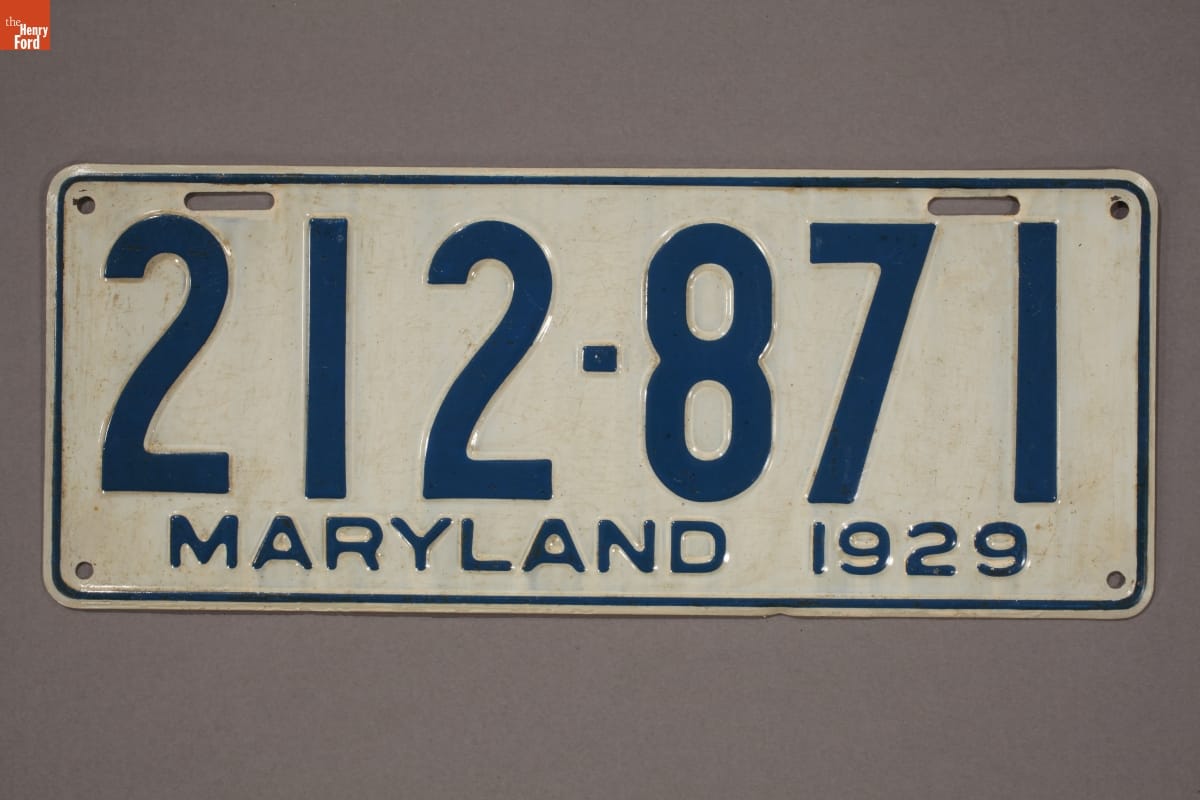
- Maryland License Plate, 1929 - Early state-issued license plates were made of porcelain-coated iron. Later, states stamped tin, steel, or even copper to make plates. During the Second World War several states used fiberboard. Plate colors varied and some states added symbols, mottoes, or other design elements. Today, states use reflective sheeting to coat a standard-sized aluminum blank which is then stamped and decorated.
- 1929
- Collections - Artifact
Maryland License Plate, 1929
Early state-issued license plates were made of porcelain-coated iron. Later, states stamped tin, steel, or even copper to make plates. During the Second World War several states used fiberboard. Plate colors varied and some states added symbols, mottoes, or other design elements. Today, states use reflective sheeting to coat a standard-sized aluminum blank which is then stamped and decorated.
- Maryland Beat Biscuits -
- August 28, 2015
- Collections - Recipe
Maryland Beat Biscuits
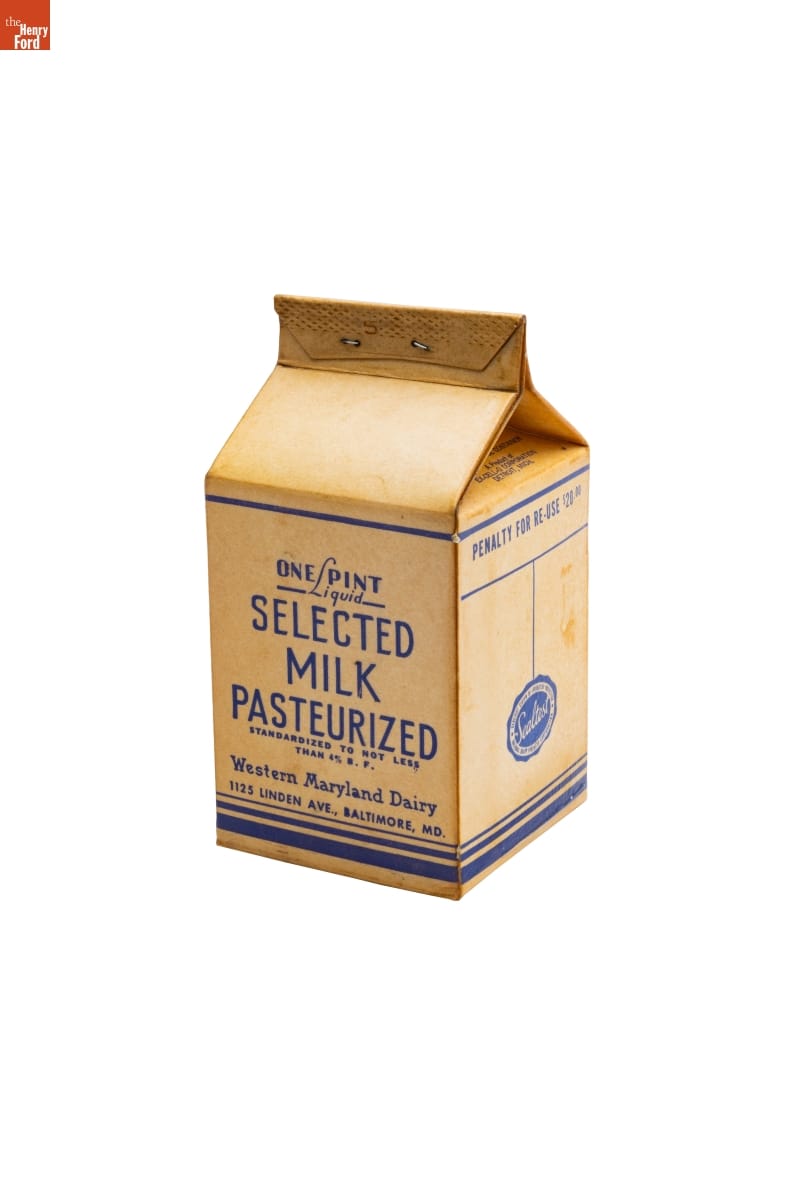
- Western Maryland Dairy Milk Carton - The quest for a shatter-proof milk container prompted John Van Wormer to patent a paper carton in 1915. Many processors and distributors continued to use breakable glass bottles, but, after 1937, mechanized production made the disposable, wax-coated folded cartons inexpensive and indispensable liquid containers. The iconic design, a box with a gable-end top with a pouring or drinking spout, remains the industry standard today.
- Collections - Artifact
Western Maryland Dairy Milk Carton
The quest for a shatter-proof milk container prompted John Van Wormer to patent a paper carton in 1915. Many processors and distributors continued to use breakable glass bottles, but, after 1937, mechanized production made the disposable, wax-coated folded cartons inexpensive and indispensable liquid containers. The iconic design, a box with a gable-end top with a pouring or drinking spout, remains the industry standard today.
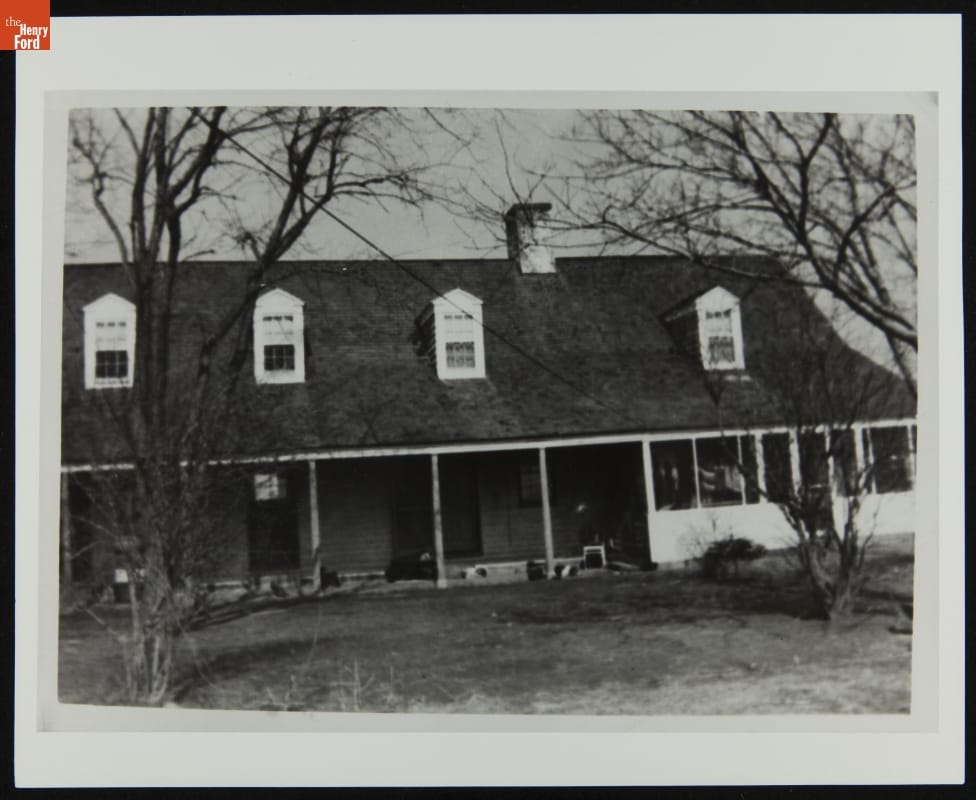
- "Dameron House," Dameron, Maryland, circa 1952 - This photograph shows the Dameron House (St. Jerome's Crossroad's House) located in Dameron (St. Mary's County), Maryland, around 1952. The structure is very similar to the Susquehanna Plantation that was located nearby -- also in St. Mary's County, Maryland. Henry Ford had the Susquehanna Plantation moved to Greenfield Village in 1942. This photograph helps document similar structures from that area.
- circa 1952
- Collections - Artifact
"Dameron House," Dameron, Maryland, circa 1952
This photograph shows the Dameron House (St. Jerome's Crossroad's House) located in Dameron (St. Mary's County), Maryland, around 1952. The structure is very similar to the Susquehanna Plantation that was located nearby -- also in St. Mary's County, Maryland. Henry Ford had the Susquehanna Plantation moved to Greenfield Village in 1942. This photograph helps document similar structures from that area.
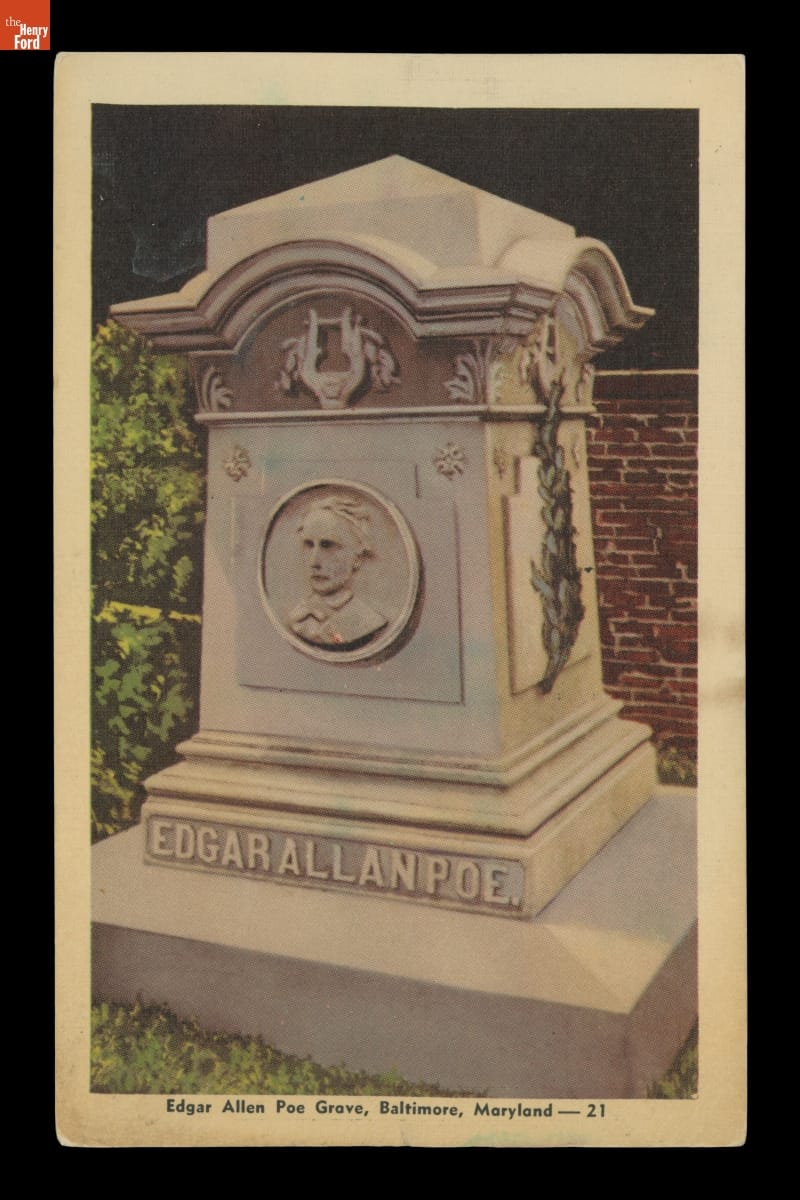
- "Edgar Allan Poe Grave, Baltimore, Maryland" - Edgar Allan Poe (1809-1849) was an American author and poet, perhaps best known for his mysterious and macabre short stories. He is also credited with inventing the detective fiction genre. After Poe's death in mysterious circumstances in Baltimore, he was buried at Westminster Hall. This postcard shows his second burial place in the cemetery, with a monument erected in 1875.
- Collections - Artifact
"Edgar Allan Poe Grave, Baltimore, Maryland"
Edgar Allan Poe (1809-1849) was an American author and poet, perhaps best known for his mysterious and macabre short stories. He is also credited with inventing the detective fiction genre. After Poe's death in mysterious circumstances in Baltimore, he was buried at Westminster Hall. This postcard shows his second burial place in the cemetery, with a monument erected in 1875.
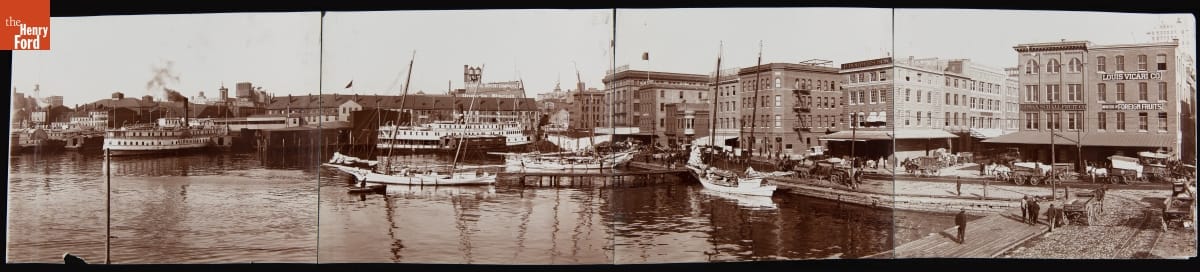
- The Basin, Baltimore, Maryland, 1900-1910 -
- 1900-1910
- Collections - Artifact
The Basin, Baltimore, Maryland, 1900-1910
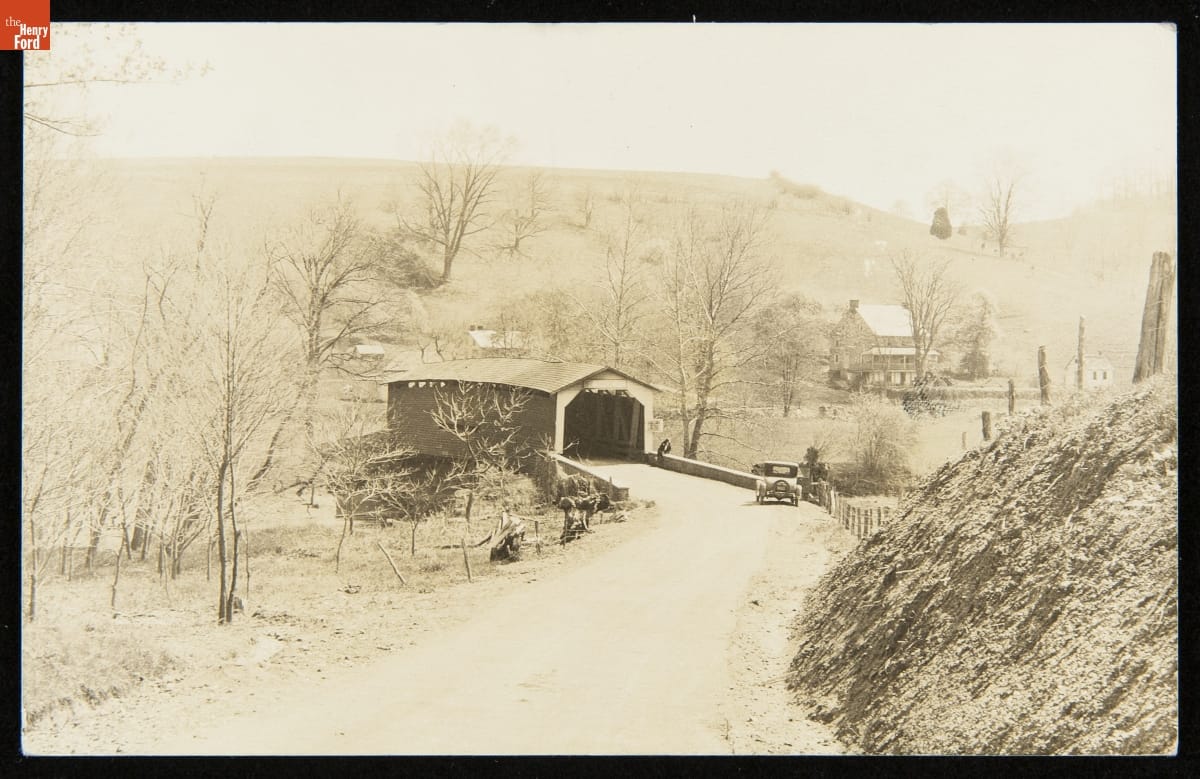
- "A Covered Bridge in Maryland," circa 1925 - Covered bridges were built across the United States throughout the 19th and into the early 20th centuries. Bridges provided important commercial and community connections, but constructing them required careful planning and a substantial investment of time, labor, and materials. Walls and a roof helped preserve these valuable structures by protecting the truss system and keeping structural timbers dry.
- circa 1925
- Collections - Artifact
"A Covered Bridge in Maryland," circa 1925
Covered bridges were built across the United States throughout the 19th and into the early 20th centuries. Bridges provided important commercial and community connections, but constructing them required careful planning and a substantial investment of time, labor, and materials. Walls and a roof helped preserve these valuable structures by protecting the truss system and keeping structural timbers dry.
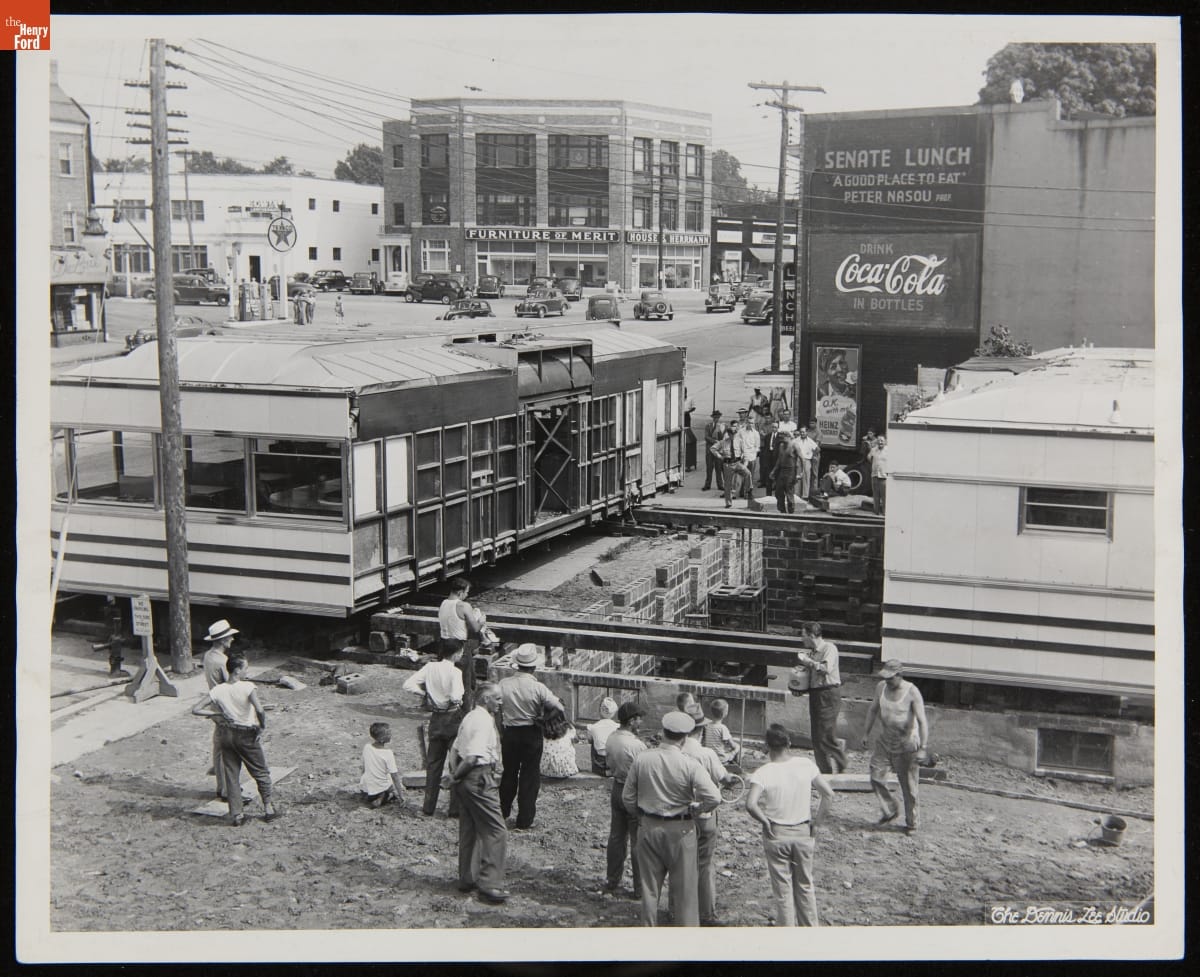
- Tastee Diner, Silver Spring, Maryland, 1946-1947 -
- 1946-1947
- Collections - Artifact
Tastee Diner, Silver Spring, Maryland, 1946-1947
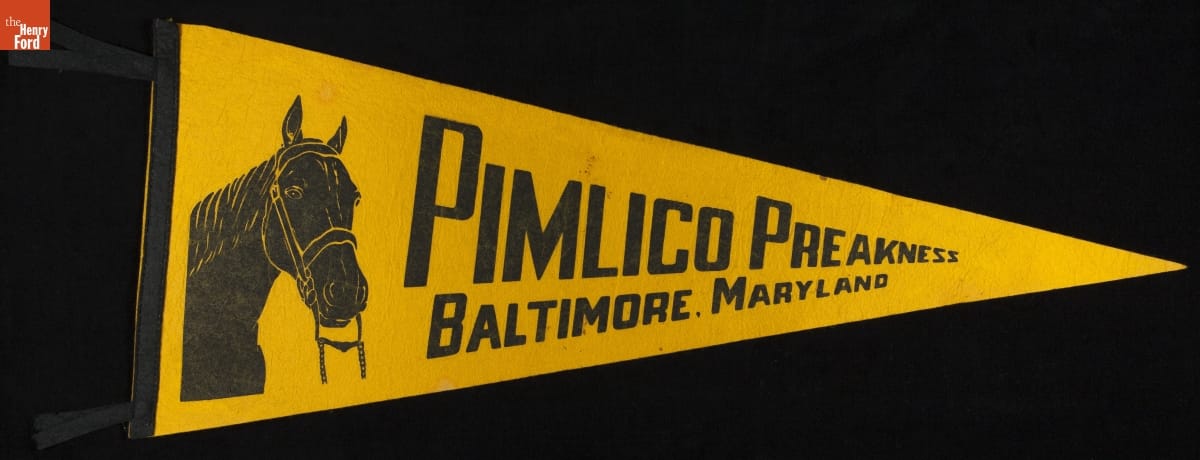
- Pennant, "Pimlico Preakness, Baltimore, Maryland," 1940-1965 -
- 1940-1965
- Collections - Artifact
Pennant, "Pimlico Preakness, Baltimore, Maryland," 1940-1965