
Search
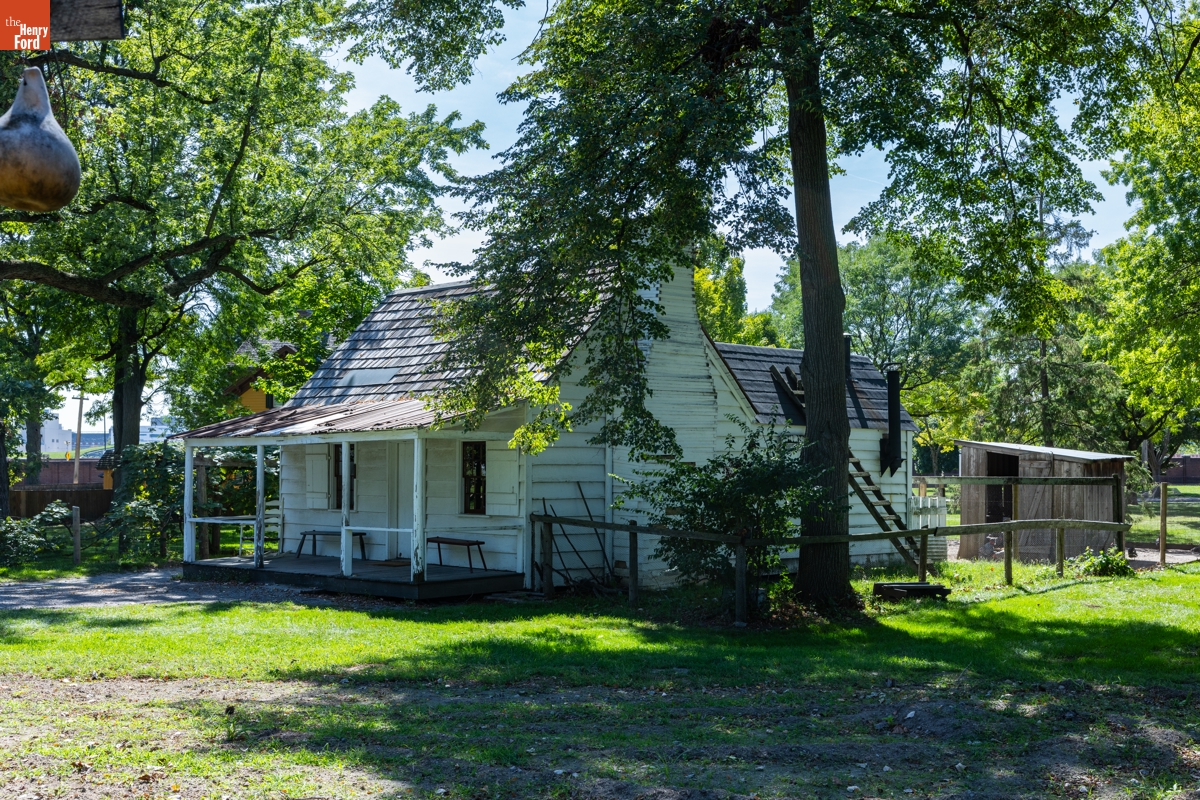
- Mattox Family Home - Amos and Grace Mattox -- descended from enslaved African Americans -- raised their two children in this rural Georgia farmhouse during the Great Depression of the 1930s. Amos farmed, cut hair, made shoes, and preached at the local church, while Grace sewed, canned, cooked, and helped needy neighbors. Although life was hard, the family proudly affirmed that there was "always enough."
- 1930-1939
- Collections - Artifact
Mattox Family Home
Amos and Grace Mattox -- descended from enslaved African Americans -- raised their two children in this rural Georgia farmhouse during the Great Depression of the 1930s. Amos farmed, cut hair, made shoes, and preached at the local church, while Grace sewed, canned, cooked, and helped needy neighbors. Although life was hard, the family proudly affirmed that there was "always enough."
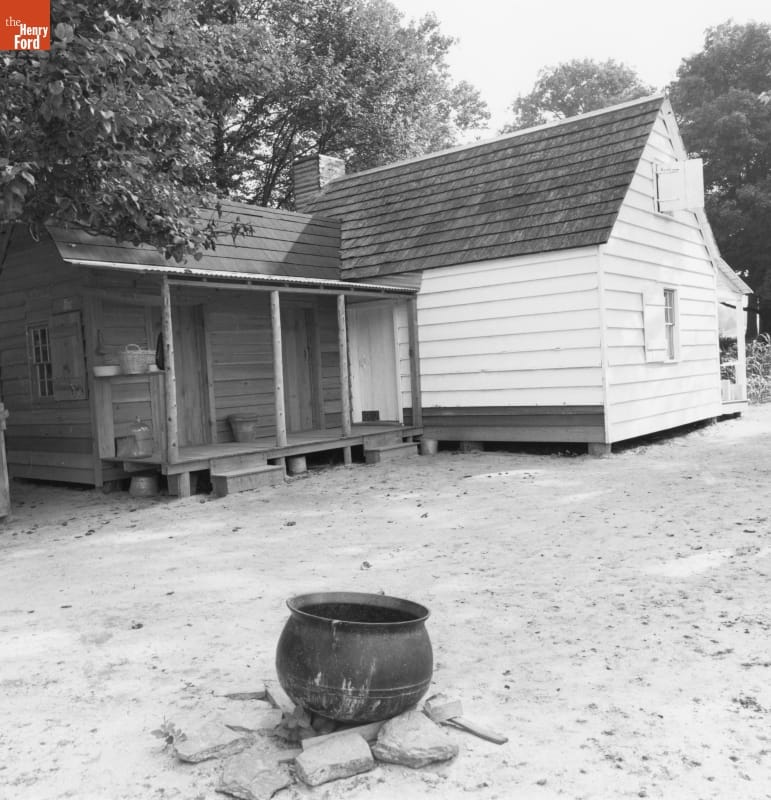
- Mattox Family Home in Greenfield Village, 1991 - Amos and Grace Mattox -- descended from enslaved African Americans -- raised their two children in this rural Georgia farmhouse during the Great Depression of the 1930s. Amos farmed, cut hair, made shoes, and preached at the local church, while Grace sewed, canned, cooked, and helped needy neighbors. Although life was hard, the family proudly affirmed that there was "always enough."
- August 28, 1991
- Collections - Artifact
Mattox Family Home in Greenfield Village, 1991
Amos and Grace Mattox -- descended from enslaved African Americans -- raised their two children in this rural Georgia farmhouse during the Great Depression of the 1930s. Amos farmed, cut hair, made shoes, and preached at the local church, while Grace sewed, canned, cooked, and helped needy neighbors. Although life was hard, the family proudly affirmed that there was "always enough."
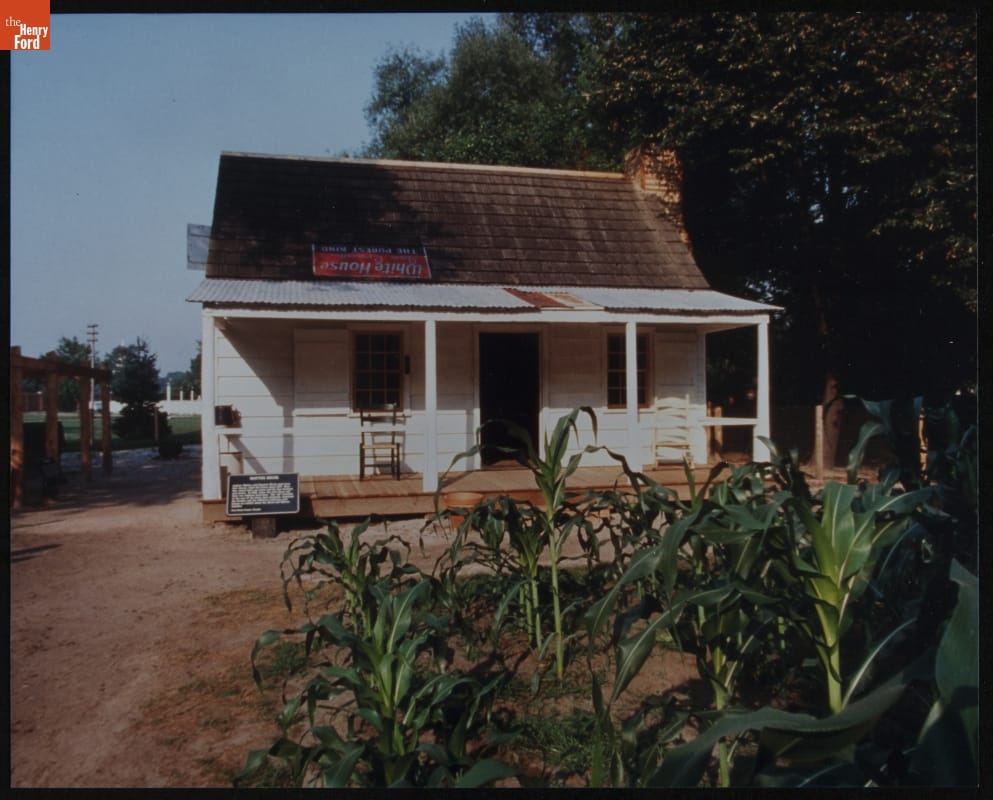
- Mattox Family Home in Greenfield Village, 1991 - Amos and Grace Mattox -- descended from enslaved African Americans -- raised their two children in this rural Georgia farmhouse during the Great Depression of the 1930s. Amos farmed, cut hair, made shoes, and preached at the local church, while Grace sewed, canned, cooked, and helped needy neighbors. Although life was hard, the family proudly affirmed that there was "always enough."
- 1991
- Collections - Artifact
Mattox Family Home in Greenfield Village, 1991
Amos and Grace Mattox -- descended from enslaved African Americans -- raised their two children in this rural Georgia farmhouse during the Great Depression of the 1930s. Amos farmed, cut hair, made shoes, and preached at the local church, while Grace sewed, canned, cooked, and helped needy neighbors. Although life was hard, the family proudly affirmed that there was "always enough."
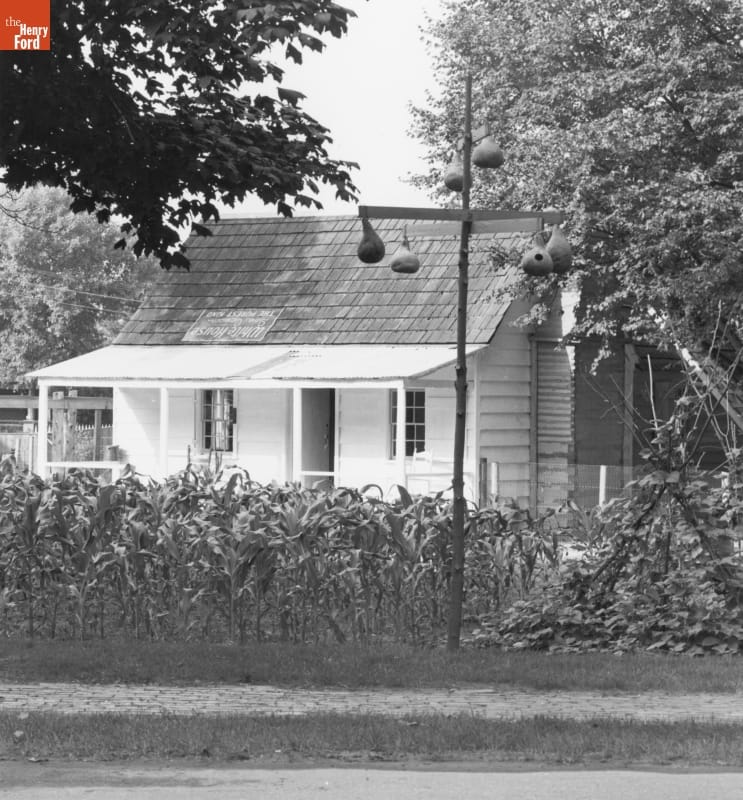
- Mattox Family Home in Greenfield Village, 1991 - Amos and Grace Mattox -- descended from enslaved African Americans -- raised their two children in this rural Georgia farmhouse during the Great Depression of the 1930s. Amos farmed, cut hair, made shoes, and preached at the local church, while Grace sewed, canned, cooked, and helped needy neighbors. Although life was hard, the family proudly affirmed that there was "always enough."
- August 28, 1991
- Collections - Artifact
Mattox Family Home in Greenfield Village, 1991
Amos and Grace Mattox -- descended from enslaved African Americans -- raised their two children in this rural Georgia farmhouse during the Great Depression of the 1930s. Amos farmed, cut hair, made shoes, and preached at the local church, while Grace sewed, canned, cooked, and helped needy neighbors. Although life was hard, the family proudly affirmed that there was "always enough."
- Mattox Family Home in Greenfield Village, 1991 - Amos and Grace Mattox -- descended from enslaved African Americans -- raised their two children in this rural Georgia farmhouse during the Great Depression of the 1930s. Amos farmed, cut hair, made shoes, and preached at the local church, while Grace sewed, canned, cooked, and helped needy neighbors. Although life was hard, the family proudly affirmed that there was "always enough."
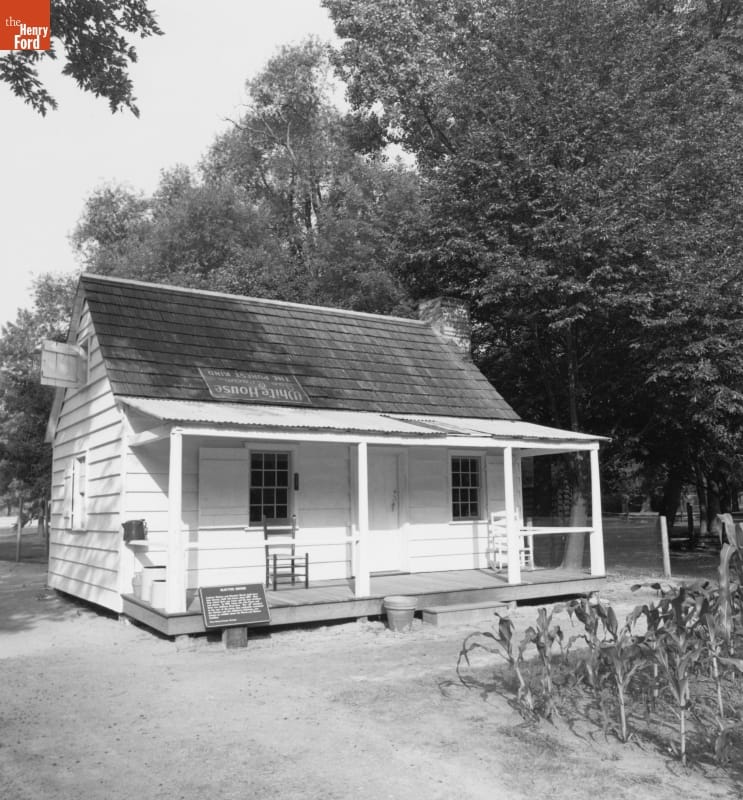
- August 28, 1991
- Collections - Artifact
Mattox Family Home in Greenfield Village, 1991
Amos and Grace Mattox -- descended from enslaved African Americans -- raised their two children in this rural Georgia farmhouse during the Great Depression of the 1930s. Amos farmed, cut hair, made shoes, and preached at the local church, while Grace sewed, canned, cooked, and helped needy neighbors. Although life was hard, the family proudly affirmed that there was "always enough."
- Mattox Family Home in Greenfield Village, September 2007 - Amos and Grace Mattox--descended from enslaved African Americans--raised several children in this rural Georgia farmhouse during the 1930s. The house--now located in Greenfield Village--is furnished to depict life during the Great Depression when hard work and determination were needed to survive. Like others in the rural South, the resourceful family covered the walls with newspaper for both insulation and decoration.
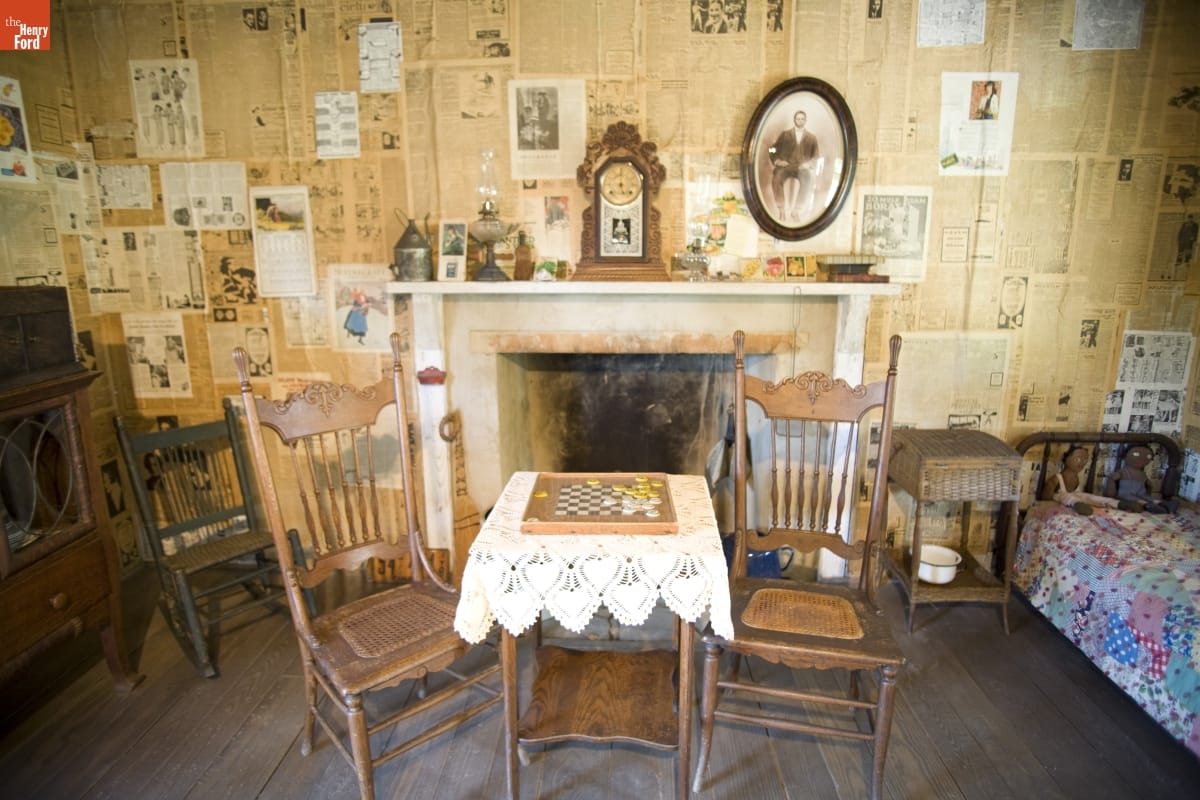
- September 01, 2007
- Collections - Artifact
Mattox Family Home in Greenfield Village, September 2007
Amos and Grace Mattox--descended from enslaved African Americans--raised several children in this rural Georgia farmhouse during the 1930s. The house--now located in Greenfield Village--is furnished to depict life during the Great Depression when hard work and determination were needed to survive. Like others in the rural South, the resourceful family covered the walls with newspaper for both insulation and decoration.
- Mattox Family Home in Greenfield Village, September 2007 - Amos and Grace Mattox--descended from enslaved African Americans--raised several children in this rural Georgia farmhouse during the 1930s. The house--now located in Greenfield Village--is furnished to depict life during the Great Depression when hard work and determination were needed to survive. Covered porches were an extension of the living space and provided a cooler, shady area out of the hot, Georgia sun.
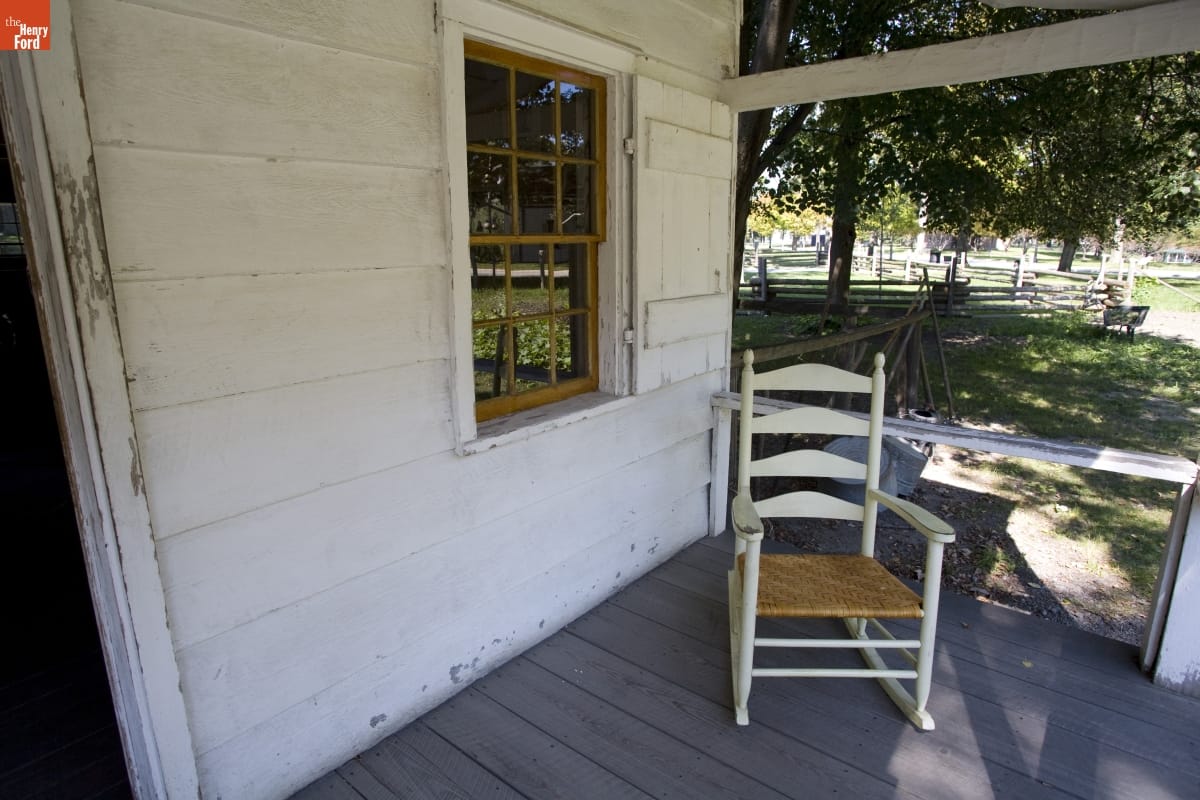
- September 01, 2007
- Collections - Artifact
Mattox Family Home in Greenfield Village, September 2007
Amos and Grace Mattox--descended from enslaved African Americans--raised several children in this rural Georgia farmhouse during the 1930s. The house--now located in Greenfield Village--is furnished to depict life during the Great Depression when hard work and determination were needed to survive. Covered porches were an extension of the living space and provided a cooler, shady area out of the hot, Georgia sun.
- Mattox Family Home in Greenfield Village, September 2007 - Amos and Grace Mattox--descended from enslaved African Americans--raised several children in this rural Georgia farmhouse during the 1930s. The house--now located in Greenfield Village--is furnished to depict life during the Great Depression. Grace canned and preserved fruits and vegetables from the garden, which she used to feed her family. Grace also freely shared with needy neighbors.
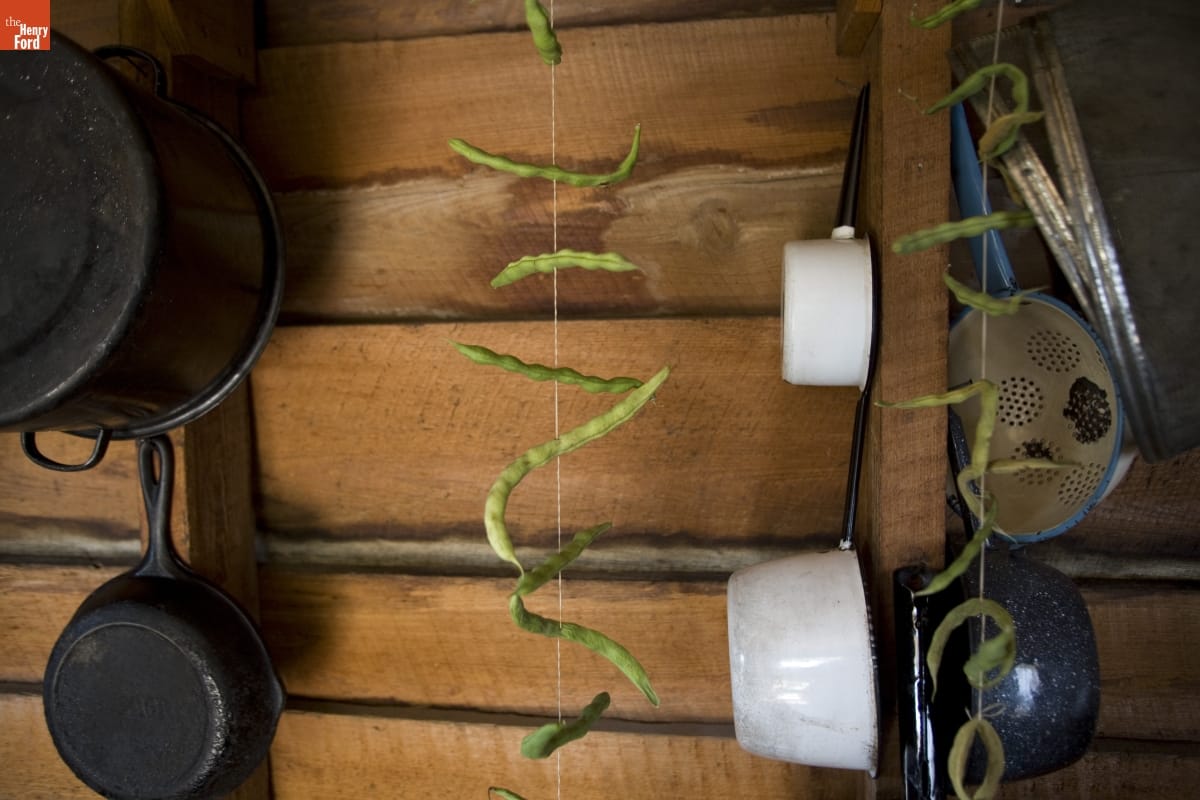
- September 01, 2007
- Collections - Artifact
Mattox Family Home in Greenfield Village, September 2007
Amos and Grace Mattox--descended from enslaved African Americans--raised several children in this rural Georgia farmhouse during the 1930s. The house--now located in Greenfield Village--is furnished to depict life during the Great Depression. Grace canned and preserved fruits and vegetables from the garden, which she used to feed her family. Grace also freely shared with needy neighbors.
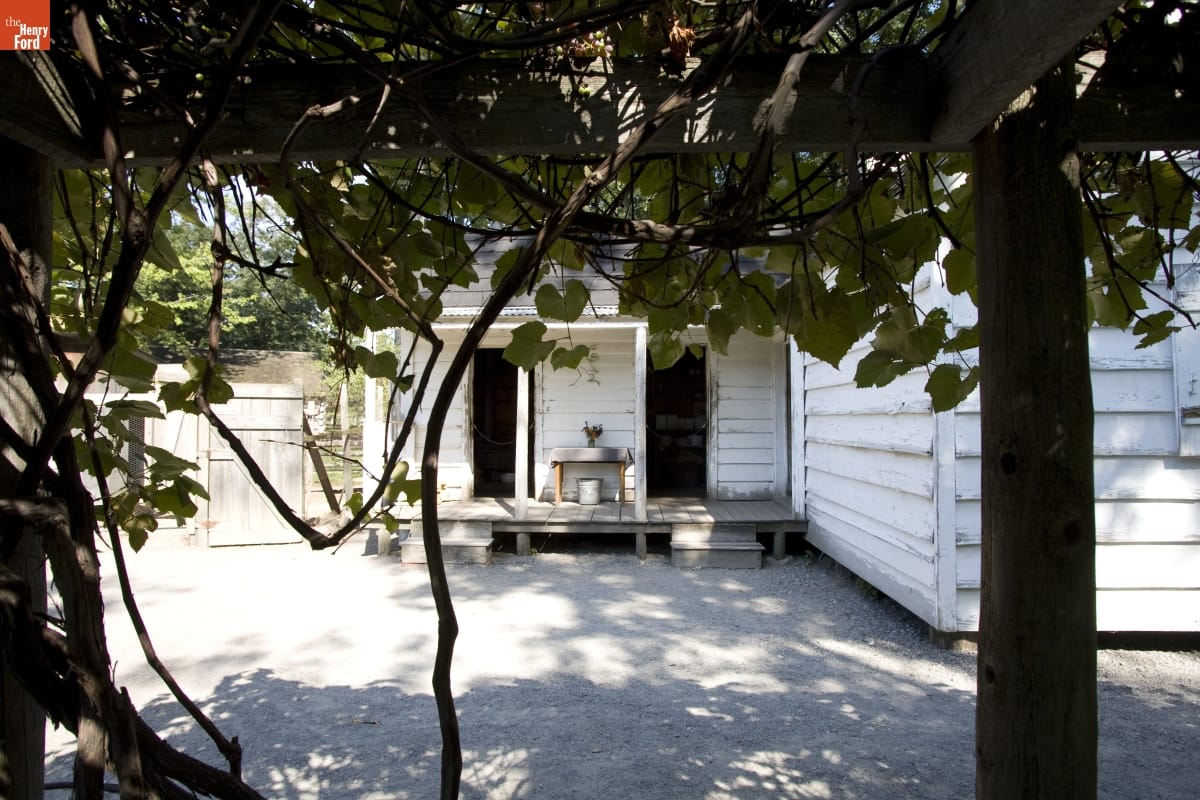
- Mattox Family Home in Greenfield Village, September 2007 - Amos and Grace Mattox--descended from enslaved African Americans--raised several children in this rural Georgia farmhouse during the 1930s. The house--now located in Greenfield Village--is furnished to depict life during the Great Depression when hard work and determination were needed to survive. The grape arbor provided a cool, shady work area out of the hot, Georgia sun.
- September 01, 2007
- Collections - Artifact
Mattox Family Home in Greenfield Village, September 2007
Amos and Grace Mattox--descended from enslaved African Americans--raised several children in this rural Georgia farmhouse during the 1930s. The house--now located in Greenfield Village--is furnished to depict life during the Great Depression when hard work and determination were needed to survive. The grape arbor provided a cool, shady work area out of the hot, Georgia sun.
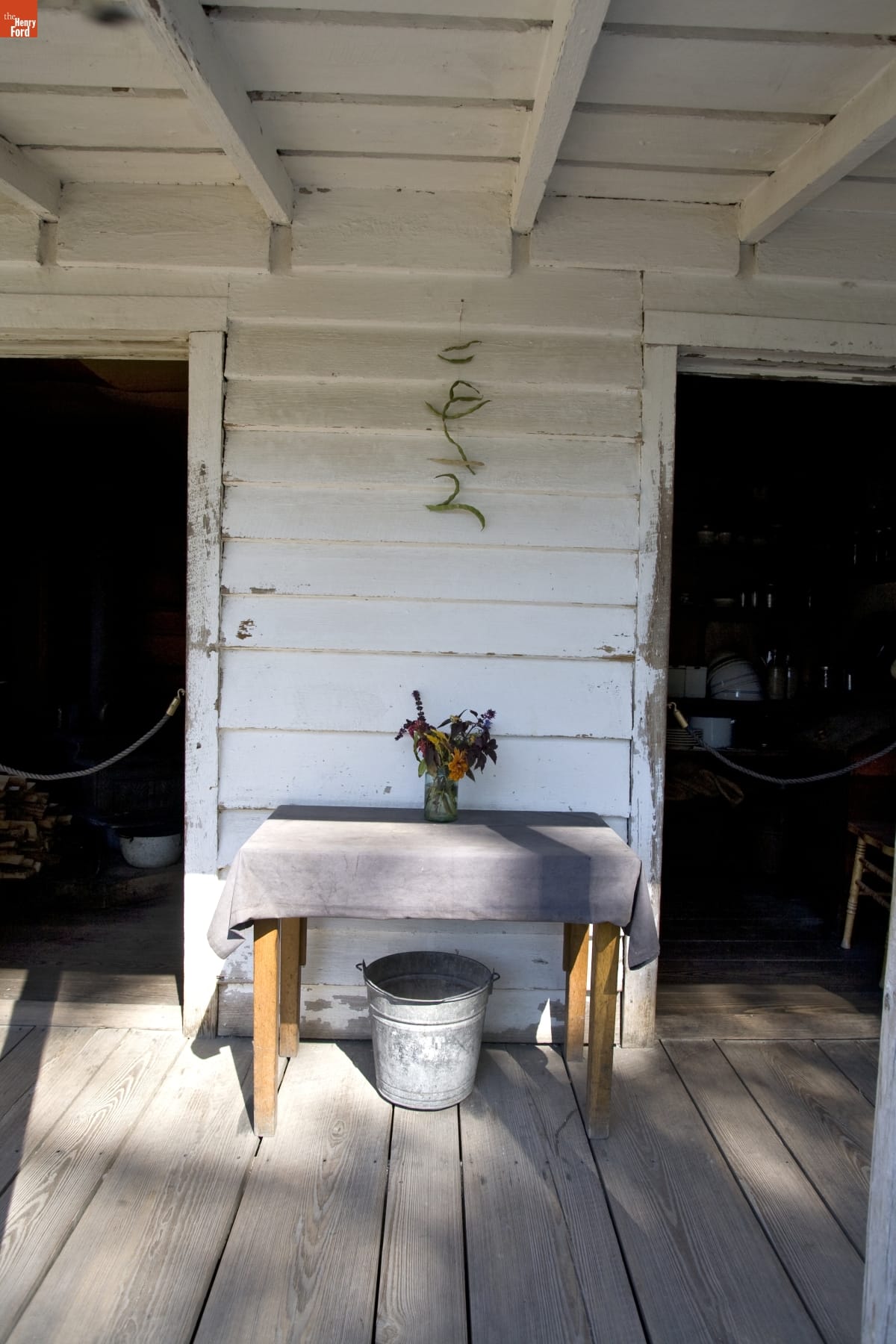
- Mattox Family Home in Greenfield Village, September 2007 - Amos and Grace Mattox--descended from enslaved African Americans--raised several children in this rural Georgia farmhouse during the 1930s. The house--now located in Greenfield Village--is furnished to depict life during the Great Depression when hard work and determination were needed to survive. Covered porches were an extension of the living space and provided a cooler, shady area out of the hot, Georgia sun.
- September 01, 2007
- Collections - Artifact
Mattox Family Home in Greenfield Village, September 2007
Amos and Grace Mattox--descended from enslaved African Americans--raised several children in this rural Georgia farmhouse during the 1930s. The house--now located in Greenfield Village--is furnished to depict life during the Great Depression when hard work and determination were needed to survive. Covered porches were an extension of the living space and provided a cooler, shady area out of the hot, Georgia sun.