
Search
- Meg Whitman - <div><div><div><div><div><div><div><div><p>In this interview, Meg Whitman speaks of her upbringing on Long Island, New York to her career in Silicon Valley. She draws connections between a passion for team sports played during childhood to her role as an engaged team-builder today. As a female business leader, Whitman learned to take risks in a male-dominated industry. Behind it all, the importance of change, adaptability, and sustainability are themes that have shadowed her voyage from business school student to successful CEO.</p></div></div></div></div></div></div></div></div>

- October 12, 2017
- Collections - Video
Meg Whitman
In this interview, Meg Whitman speaks of her upbringing on Long Island, New York to her career in Silicon Valley. She draws connections between a passion for team sports played during childhood to her role as an engaged team-builder today. As a female business leader, Whitman learned to take risks in a male-dominated industry. Behind it all, the importance of change, adaptability, and sustainability are themes that have shadowed her voyage from business school student to successful CEO.
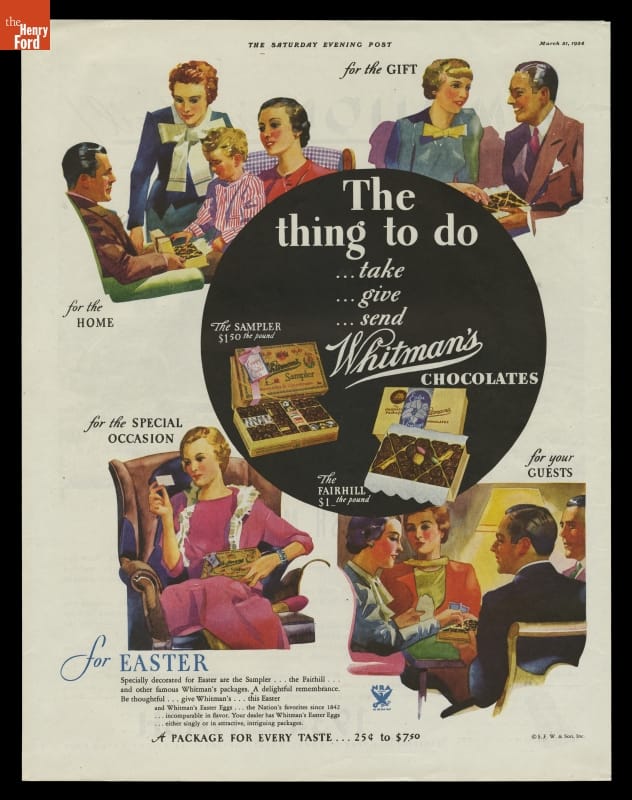
- Advertisement for Whitman's Chocolates, March 1934, "The Thing to Do...Take...Give...Send Whitman's Chocolates for Easter" -
- March 31, 1934
- Collections - Artifact
Advertisement for Whitman's Chocolates, March 1934, "The Thing to Do...Take...Give...Send Whitman's Chocolates for Easter"
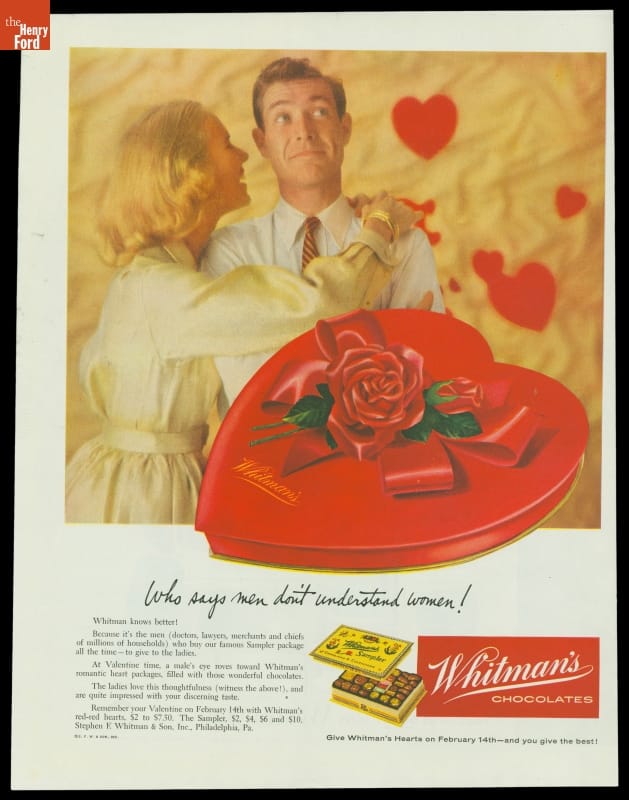
- Whitman's Chocolates Advertisement, "Who Says Men Don't Understand Women," 1957 -
- February 09, 1957
- Collections - Artifact
Whitman's Chocolates Advertisement, "Who Says Men Don't Understand Women," 1957
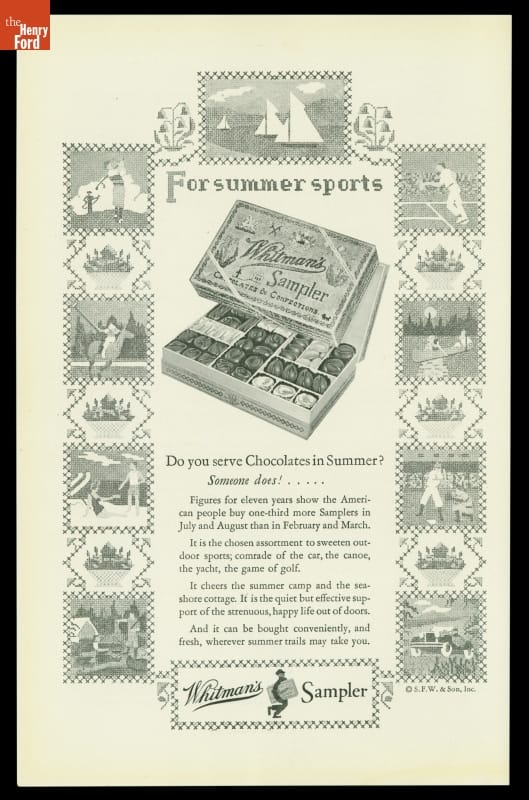
- Whitman's Sampler Chocolates and Confections Advertisement, "For Summer Sports," July 1929 -
- July 01, 1929
- Collections - Artifact
Whitman's Sampler Chocolates and Confections Advertisement, "For Summer Sports," July 1929
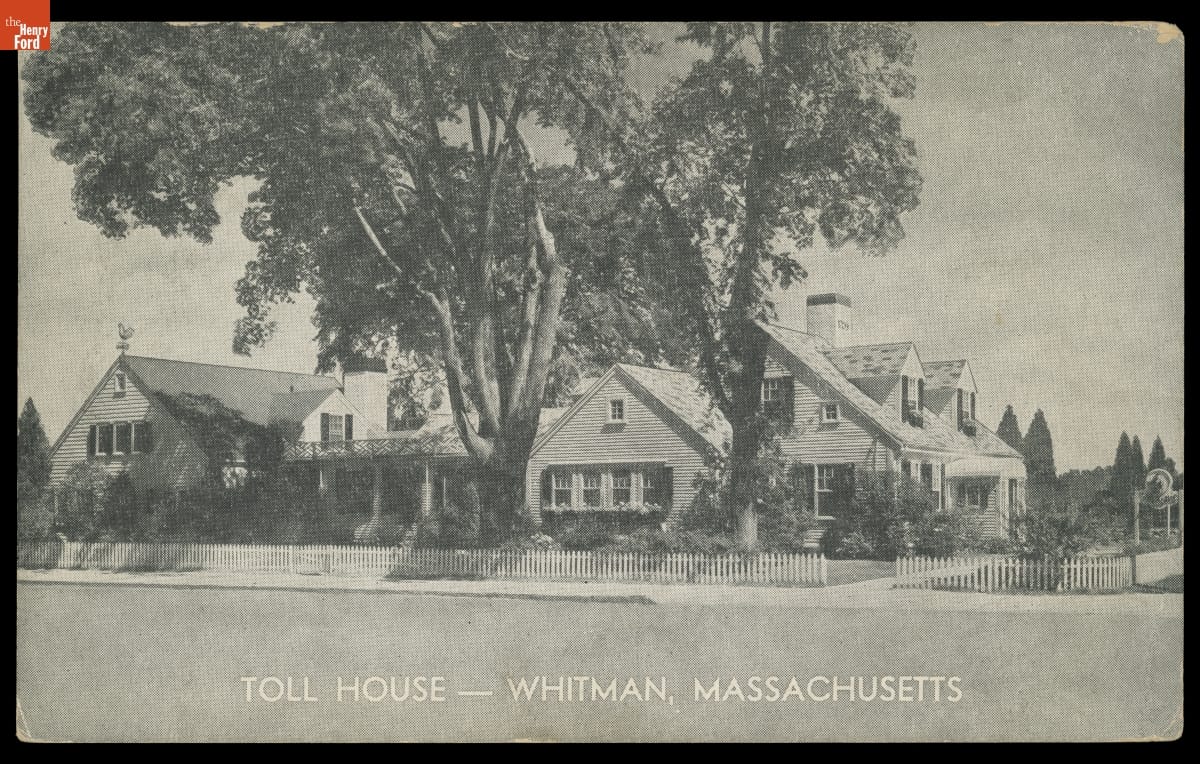
- The Toll House, Whitman, Massachusetts, circa 1945 - Ruth Wakefield was a dietitian and food lecturer until she and her husband Kenneth opened the Toll House Inn restaurant in Whitman, Massachusetts, in 1930. At the Toll House Inn, Wakefield served home-cooked meals for tourists and local customers. And, in the late 1930s, she "invented" what would become America's favorite cookie -- the chocolate chip.
- circa 1945
- Collections - Artifact
The Toll House, Whitman, Massachusetts, circa 1945
Ruth Wakefield was a dietitian and food lecturer until she and her husband Kenneth opened the Toll House Inn restaurant in Whitman, Massachusetts, in 1930. At the Toll House Inn, Wakefield served home-cooked meals for tourists and local customers. And, in the late 1930s, she "invented" what would become America's favorite cookie -- the chocolate chip.
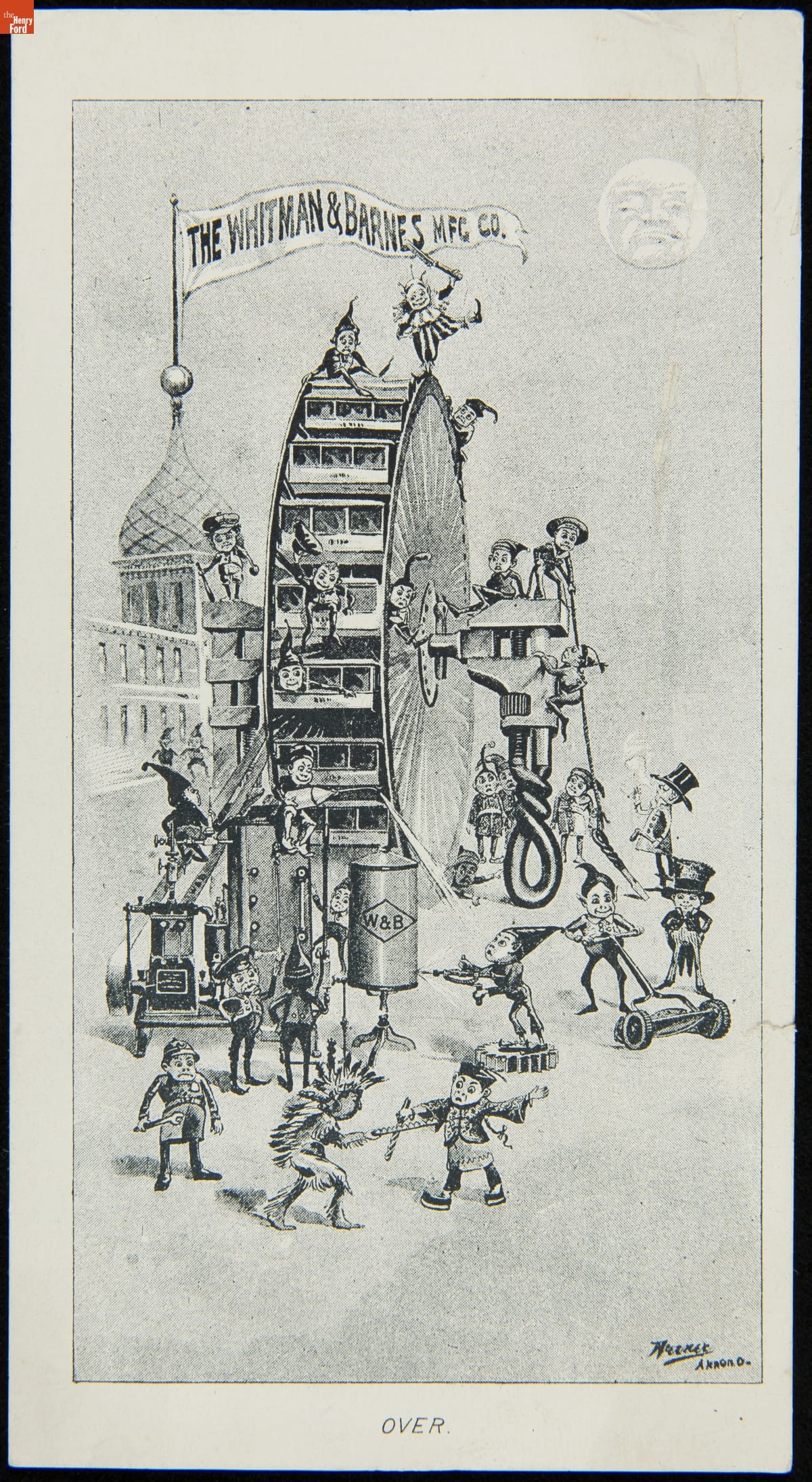
- Trade Card for Whitman & Barnes Manufacturing Company, 1880-1900 - In the last third of the nineteenth century, an unprecedented variety of consumer goods and services flooded the American market. Advertisers, armed with new methods of color printing, bombarded potential customers with trade cards. Americans enjoyed and often saved the vibrant little advertisements found in product packages or distributed by local merchants. Many survive as historical records of commercialism in the United States.
- 1880-1900
- Collections - Artifact
Trade Card for Whitman & Barnes Manufacturing Company, 1880-1900
In the last third of the nineteenth century, an unprecedented variety of consumer goods and services flooded the American market. Advertisers, armed with new methods of color printing, bombarded potential customers with trade cards. Americans enjoyed and often saved the vibrant little advertisements found in product packages or distributed by local merchants. Many survive as historical records of commercialism in the United States.
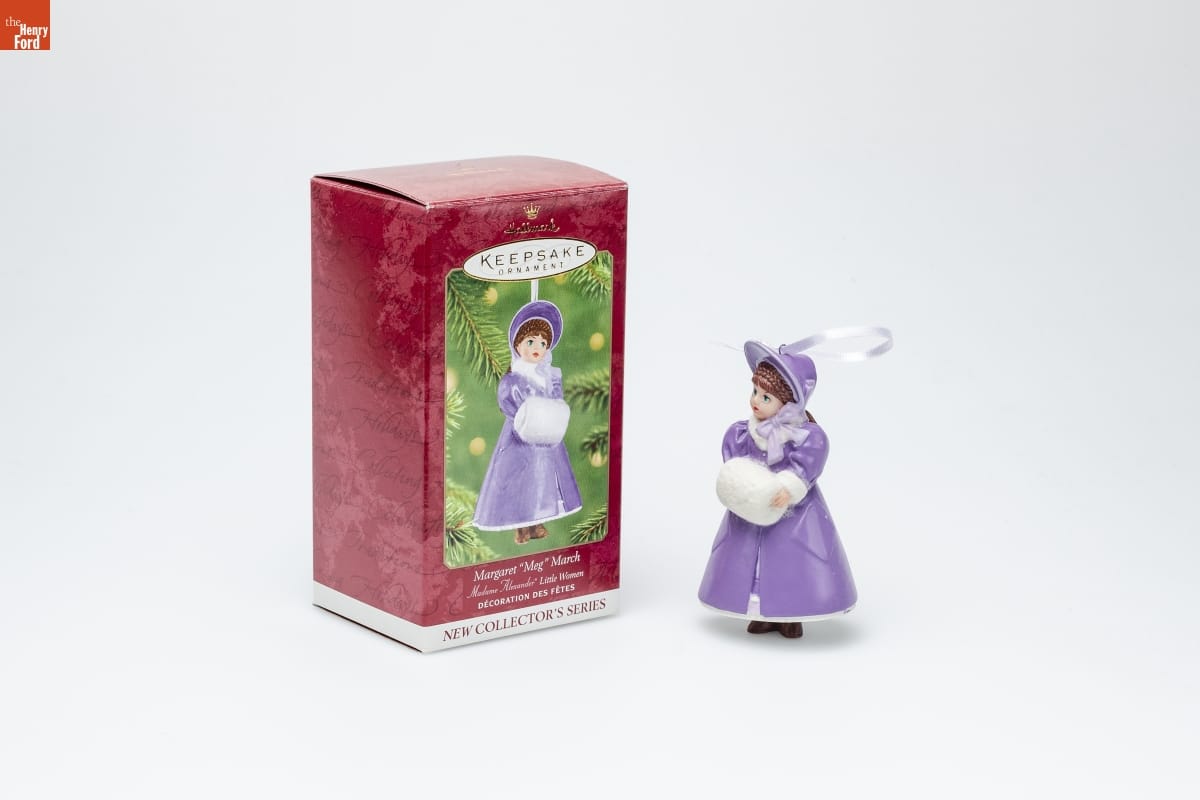
- Hallmark "Madame Alexander Little Women Series: Margaret "Meg" March" Christmas Ornament, 2001 - Already known for greeting cards, Hallmark introduced a line of Christmas ornaments in 1973. The company's annual release of an increasing array of ornaments revolutionized Christmas decorating, appealing to customers' interest in marking memories and milestones as well as expressing one's personality and unique tastes.
- 2001
- Collections - Artifact
Hallmark "Madame Alexander Little Women Series: Margaret "Meg" March" Christmas Ornament, 2001
Already known for greeting cards, Hallmark introduced a line of Christmas ornaments in 1973. The company's annual release of an increasing array of ornaments revolutionized Christmas decorating, appealing to customers' interest in marking memories and milestones as well as expressing one's personality and unique tastes.
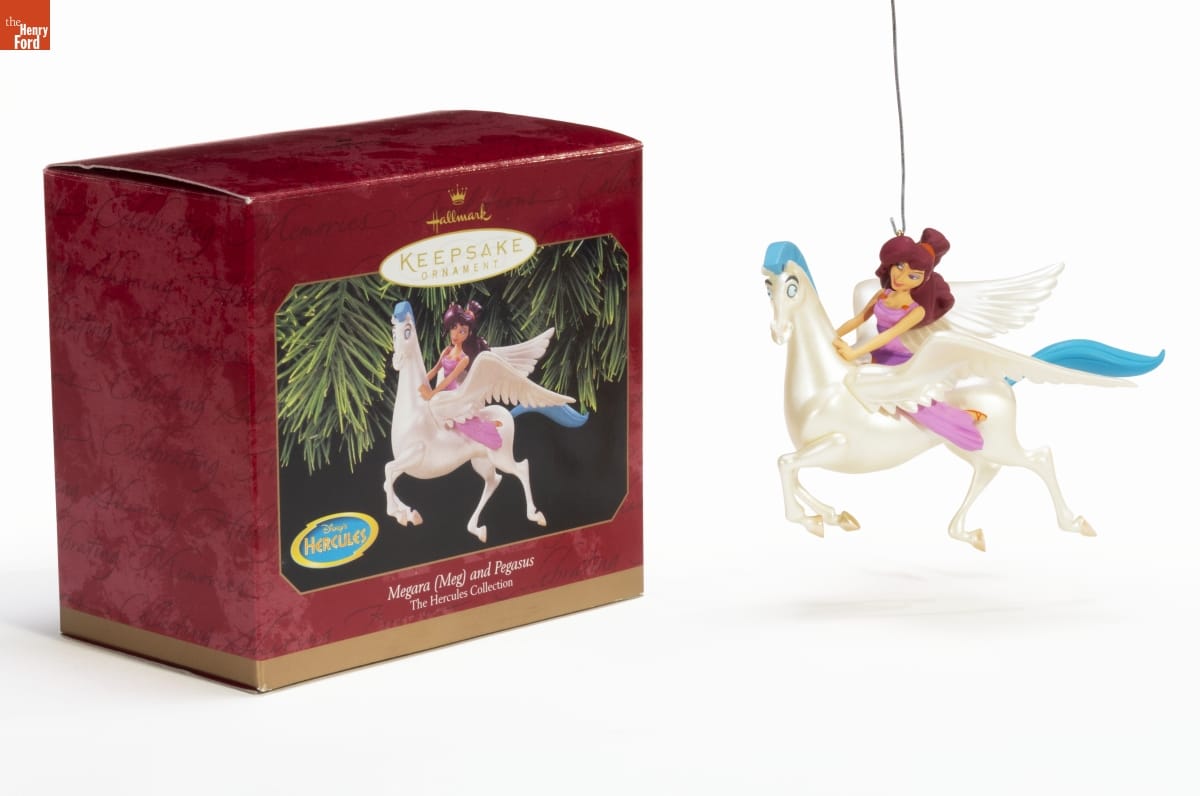
- Hallmark "The Hercules Collection: Megara (Meg) and Pegasus" Christmas Ornament, 1997 - Already known for greeting cards, Hallmark introduced a line of Christmas ornaments in 1973. The company's annual release of an increasing array of ornaments revolutionized Christmas decorating, appealing to customers' interest in marking memories and milestones as well as expressing one's personality and unique tastes.
- 1997
- Collections - Artifact
Hallmark "The Hercules Collection: Megara (Meg) and Pegasus" Christmas Ornament, 1997
Already known for greeting cards, Hallmark introduced a line of Christmas ornaments in 1973. The company's annual release of an increasing array of ornaments revolutionized Christmas decorating, appealing to customers' interest in marking memories and milestones as well as expressing one's personality and unique tastes.
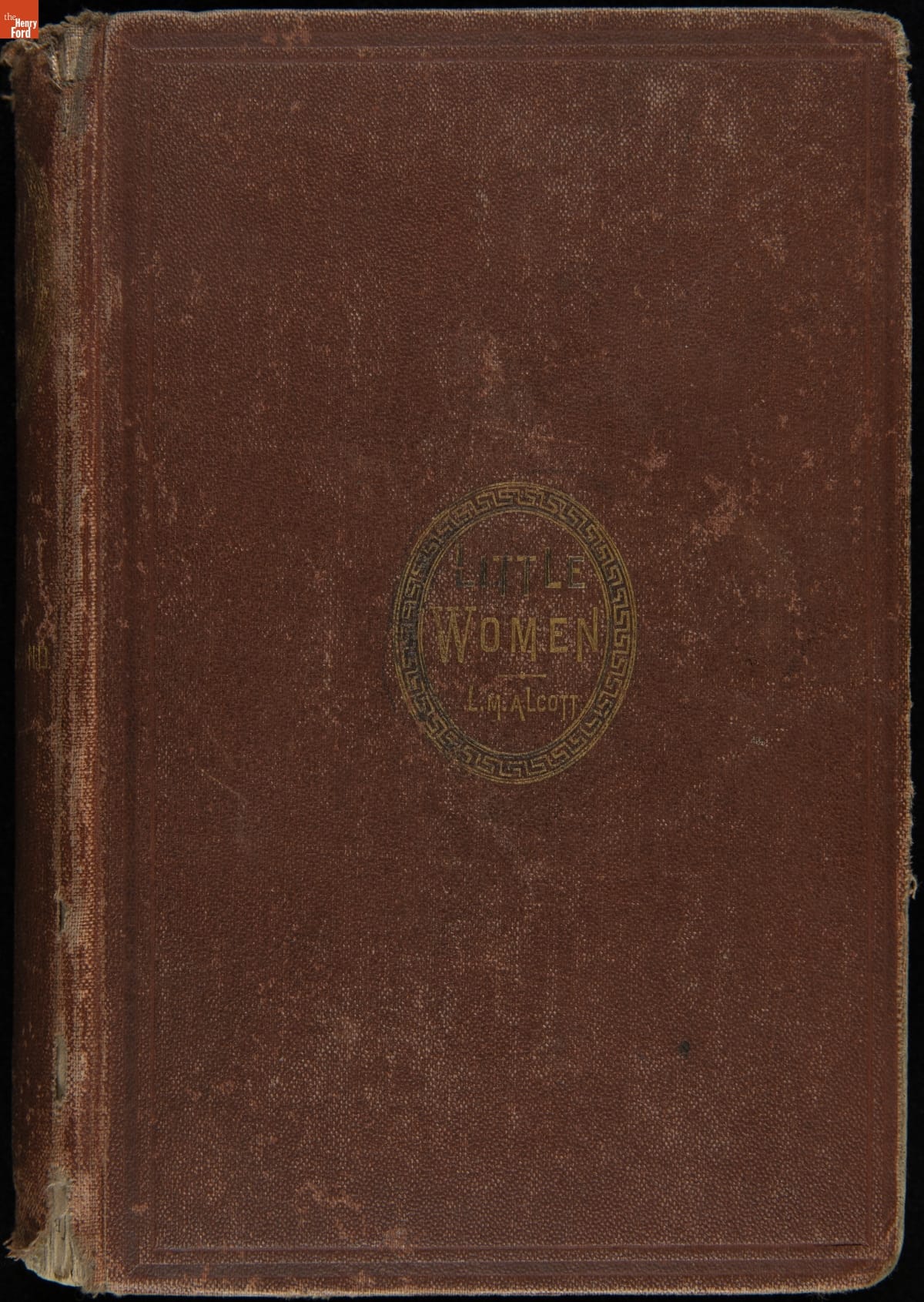
- Little Women; or Meg, Jo, Beth and Amy: Part Second, 1869 - <body>Fan demand for a sequel to Louisa May Alcott's (1832-1888) 1868 novel,<i> Little Women</i>, motivated the author to complete the second volume three months later. Part two follows the lives and romances of the March sisters in the years following the American Civil War. The book's setting and characters were based on Alcott's own community in Concord, Massachusetts. </body>
- 1861-1865
- Collections - Artifact
Little Women; or Meg, Jo, Beth and Amy: Part Second, 1869
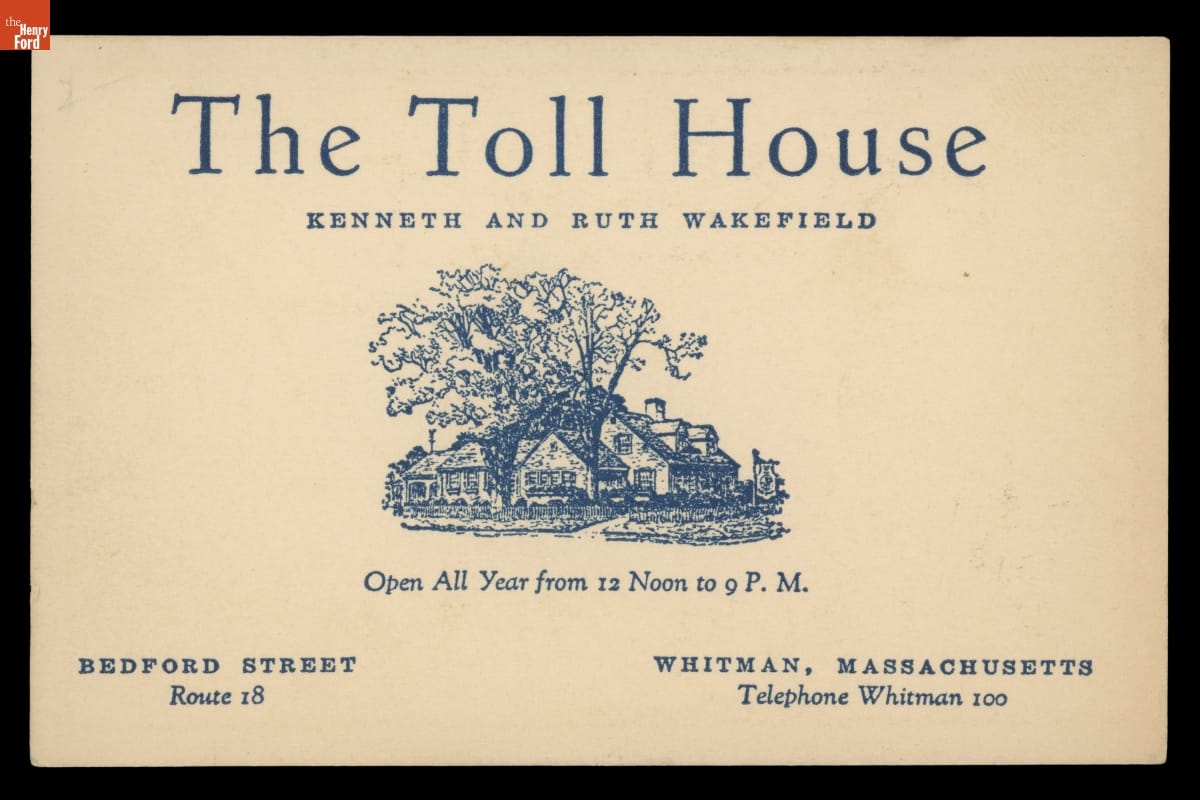
Fan demand for a sequel to Louisa May Alcott's (1832-1888) 1868 novel, Little Women, motivated the author to complete the second volume three months later. Part two follows the lives and romances of the March sisters in the years following the American Civil War. The book's setting and characters were based on Alcott's own community in Concord, Massachusetts. - The Toll House, Kenneth and Ruth Wakefield, Whitman, Massachusetts, 1930-1935 - Ruth Wakefield was a dietitian and food lecturer until she and her husband Kenneth opened the Toll House Inn restaurant in Whitman, Massachusetts, in 1930. At the Toll House Inn, Wakefield served home-cooked meals for tourists and local customers. And, in the late 1930s, she "invented" what would become America's favorite cookie -- the chocolate chip.
- 1930-1935
- Collections - Artifact
The Toll House, Kenneth and Ruth Wakefield, Whitman, Massachusetts, 1930-1935
Ruth Wakefield was a dietitian and food lecturer until she and her husband Kenneth opened the Toll House Inn restaurant in Whitman, Massachusetts, in 1930. At the Toll House Inn, Wakefield served home-cooked meals for tourists and local customers. And, in the late 1930s, she "invented" what would become America's favorite cookie -- the chocolate chip.