
Search
- Letter from Samuel F. B. Morse to His Brother, Richard C. Morse, 1867 -
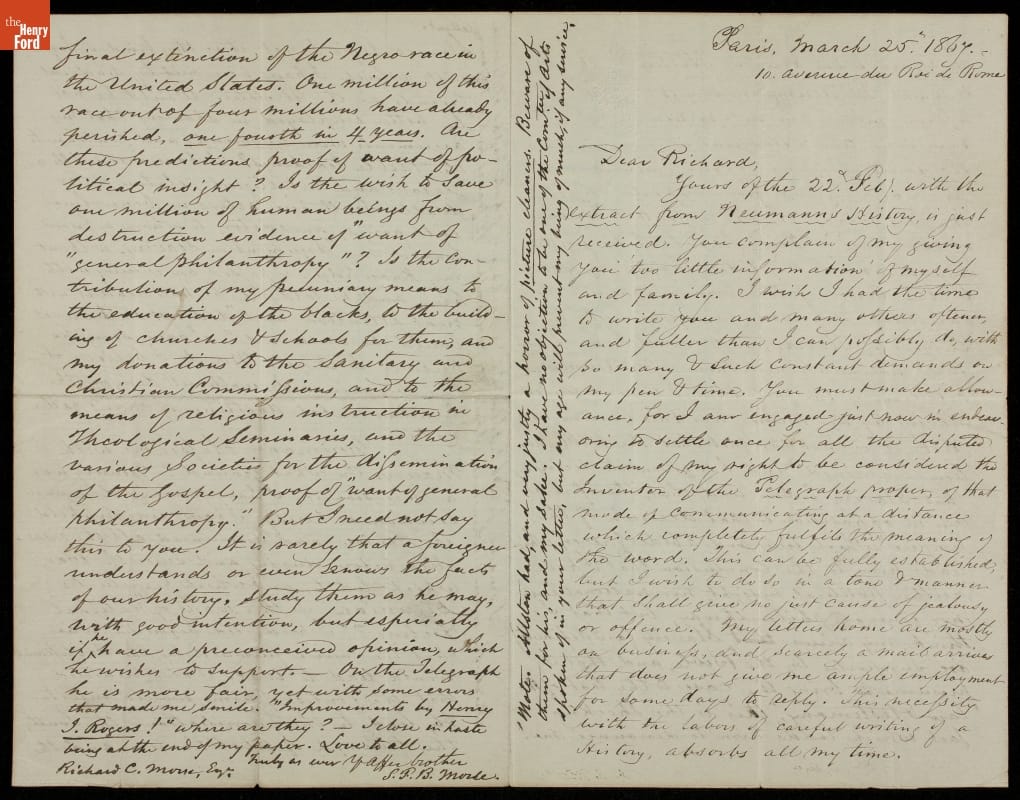
- March 25, 1867
- Collections - Artifact
Letter from Samuel F. B. Morse to His Brother, Richard C. Morse, 1867
- Letter from Samuel F. B. Morse to his Brother, Richard C. Morse, 1865 -
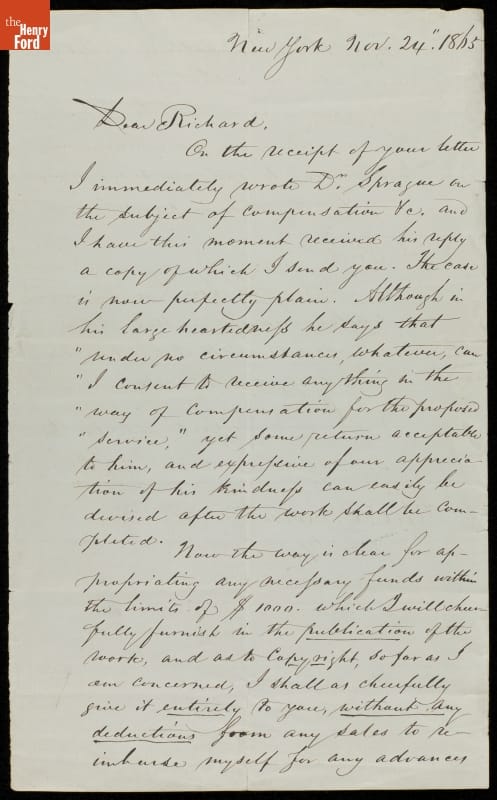
- November 24, 1865
- Collections - Artifact
Letter from Samuel F. B. Morse to his Brother, Richard C. Morse, 1865
- Replica of First Morse Port Rule Telegraph -
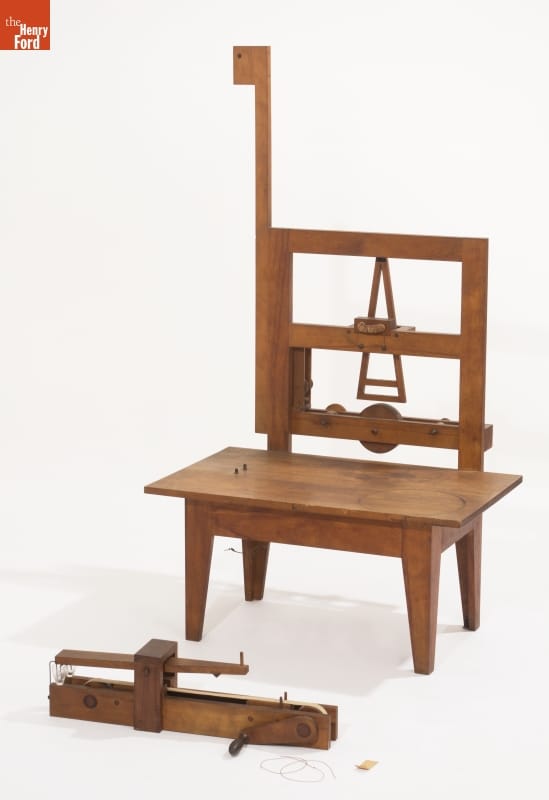
- 1837
- Collections - Artifact
Replica of First Morse Port Rule Telegraph
- Instructograph Morse Code Trainer, circa 1940 - The machine helped to increase speed and efficiency in sending and receiving Morse code. Its paper tape reels contain code exercises--helpful to those studying for the qualifying exams to become a professional telegraphy operator. Morse code was used extensively throughout the late-19th and 20th centuries for radio and military communication.
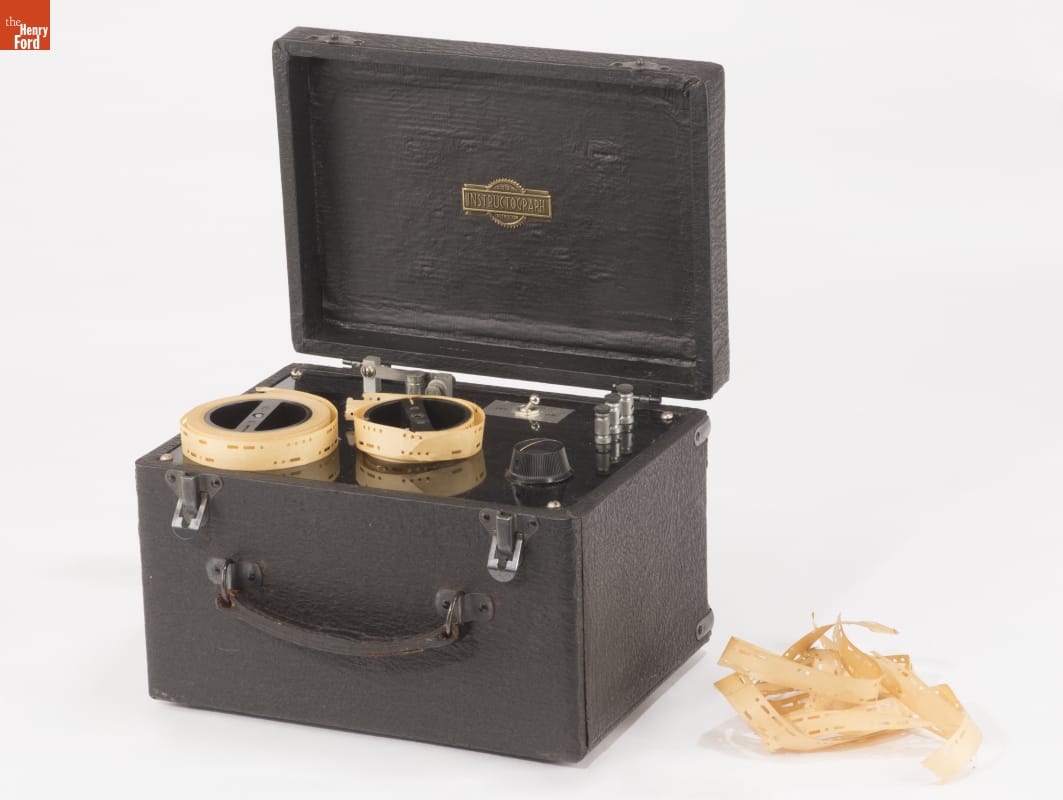
- circa 1940
- Collections - Artifact
Instructograph Morse Code Trainer, circa 1940
The machine helped to increase speed and efficiency in sending and receiving Morse code. Its paper tape reels contain code exercises--helpful to those studying for the qualifying exams to become a professional telegraphy operator. Morse code was used extensively throughout the late-19th and 20th centuries for radio and military communication.
- Teleplex Morse Code Trainer, 1925-1930 -
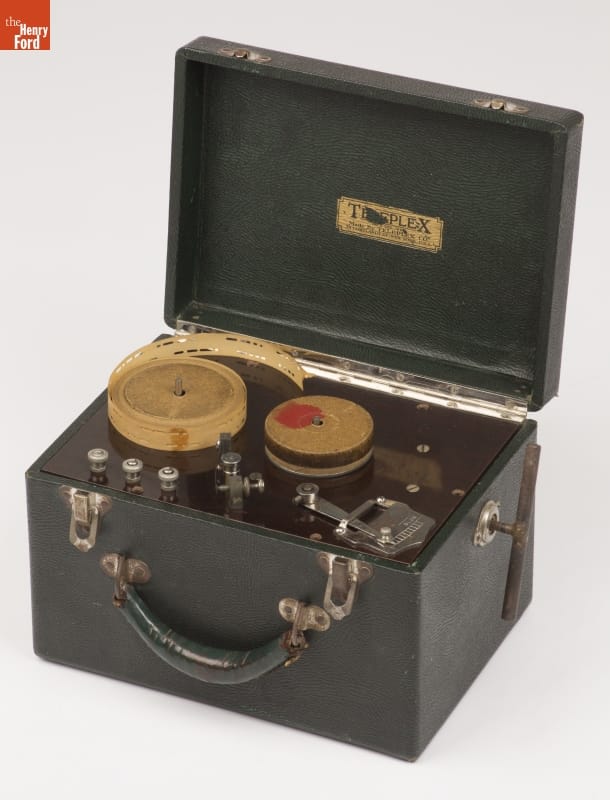
- 1925-1930
- Collections - Artifact
Teleplex Morse Code Trainer, 1925-1930
- Letter from John Adams to Jedidiah Morse, 1815 -
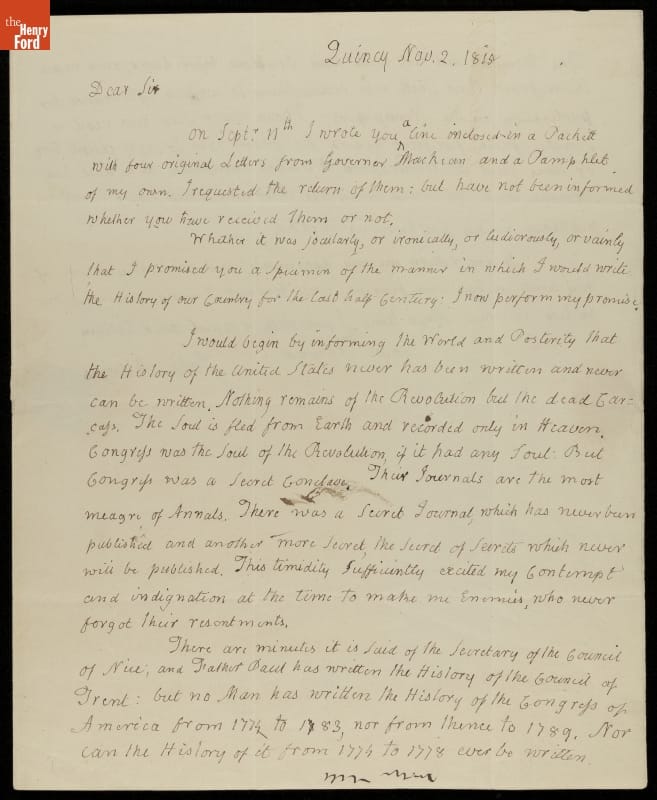
- November 02, 1815
- Collections - Artifact
Letter from John Adams to Jedidiah Morse, 1815
- Toy Morse Code Signaler, Used by James Greenhoe, 1937-1946 -
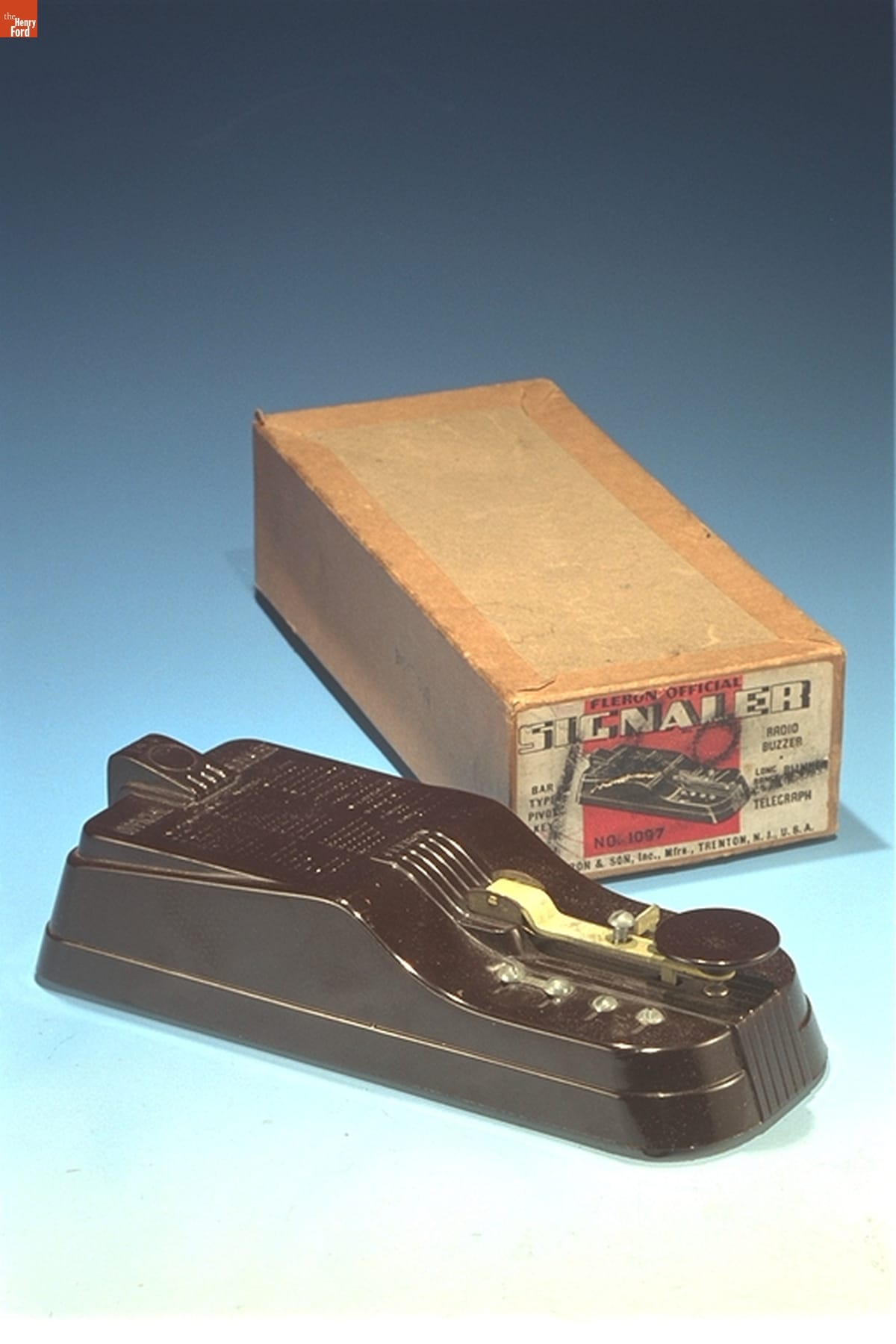
- 1937-1946
- Collections - Artifact
Toy Morse Code Signaler, Used by James Greenhoe, 1937-1946
- Ferry-Morse Seed Company, "Pepper" Seed Packet, circa 1951 -
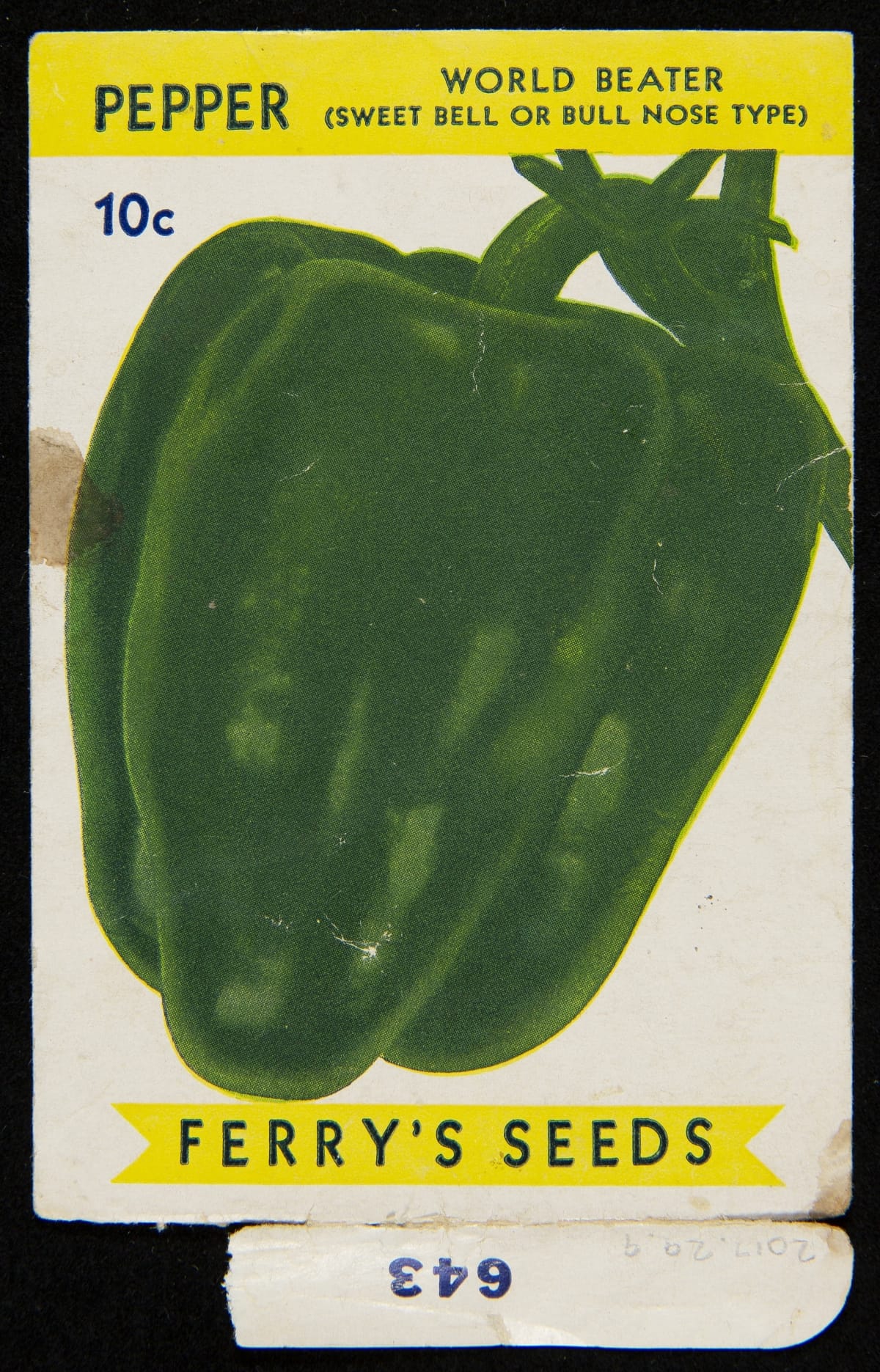
- circa 1951
- Collections - Artifact
Ferry-Morse Seed Company, "Pepper" Seed Packet, circa 1951
- Letter from Samuel Finley Breese Morse to Stephen Van Rensselaer, 1834 -
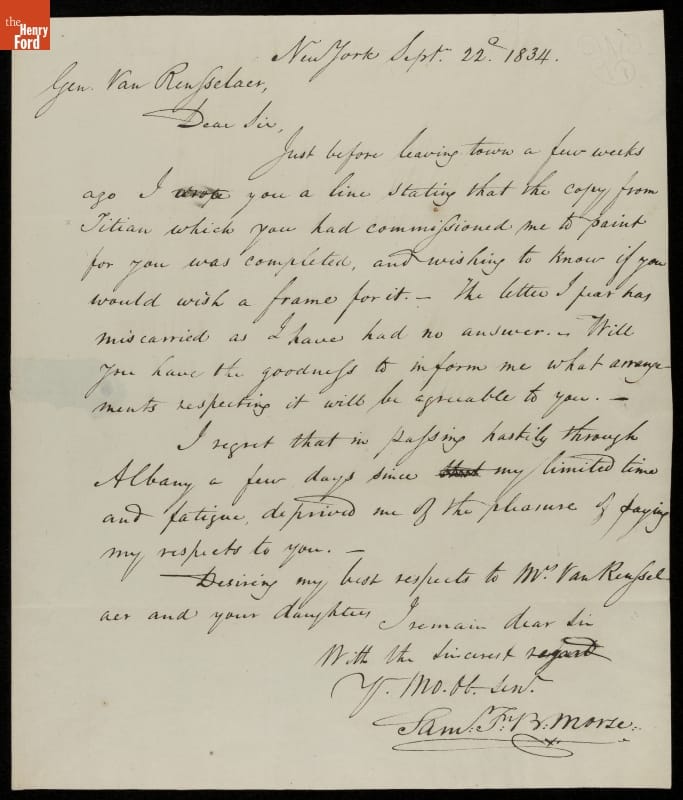
- September 22, 1834
- Collections - Artifact
Letter from Samuel Finley Breese Morse to Stephen Van Rensselaer, 1834
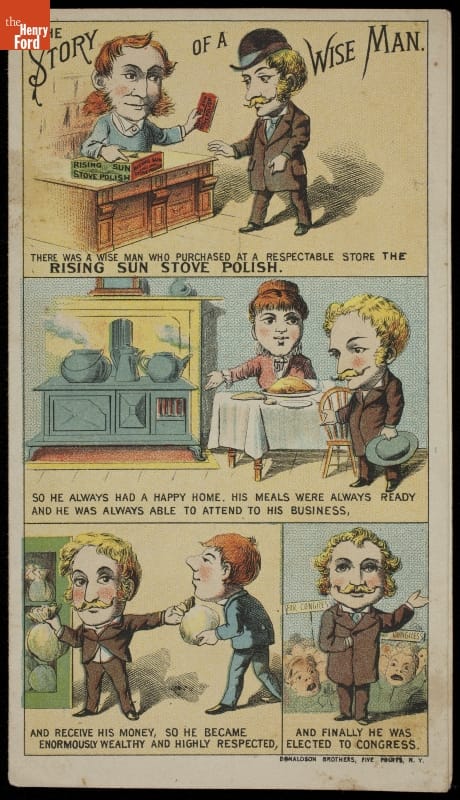
- Trade Card for Rising Sun Stove Polish, Morse Bros., 1870-1900 - In the last third of the nineteenth century, an unprecedented variety of consumer goods and services flooded the American market. Advertisers, armed with new methods of color printing, bombarded potential customers with trade cards. Americans enjoyed and often saved the vibrant little advertisements found in product packages or distributed by local merchants. Many survive as historical records of commercialism in the United States.
- 1870-1900
- Collections - Artifact
Trade Card for Rising Sun Stove Polish, Morse Bros., 1870-1900
In the last third of the nineteenth century, an unprecedented variety of consumer goods and services flooded the American market. Advertisers, armed with new methods of color printing, bombarded potential customers with trade cards. Americans enjoyed and often saved the vibrant little advertisements found in product packages or distributed by local merchants. Many survive as historical records of commercialism in the United States.