
Search
- "Harper's Weekly," Bound Volume of Issues from 1863 - <em>Harper's Weekly</em> began publishing in 1857. Published by Harper & Brothers, issues contained news articles, literary works, essays, and illustrations depicting life in America and around the world. <em> Harper's Weekly</em> ceased publication in 1916.
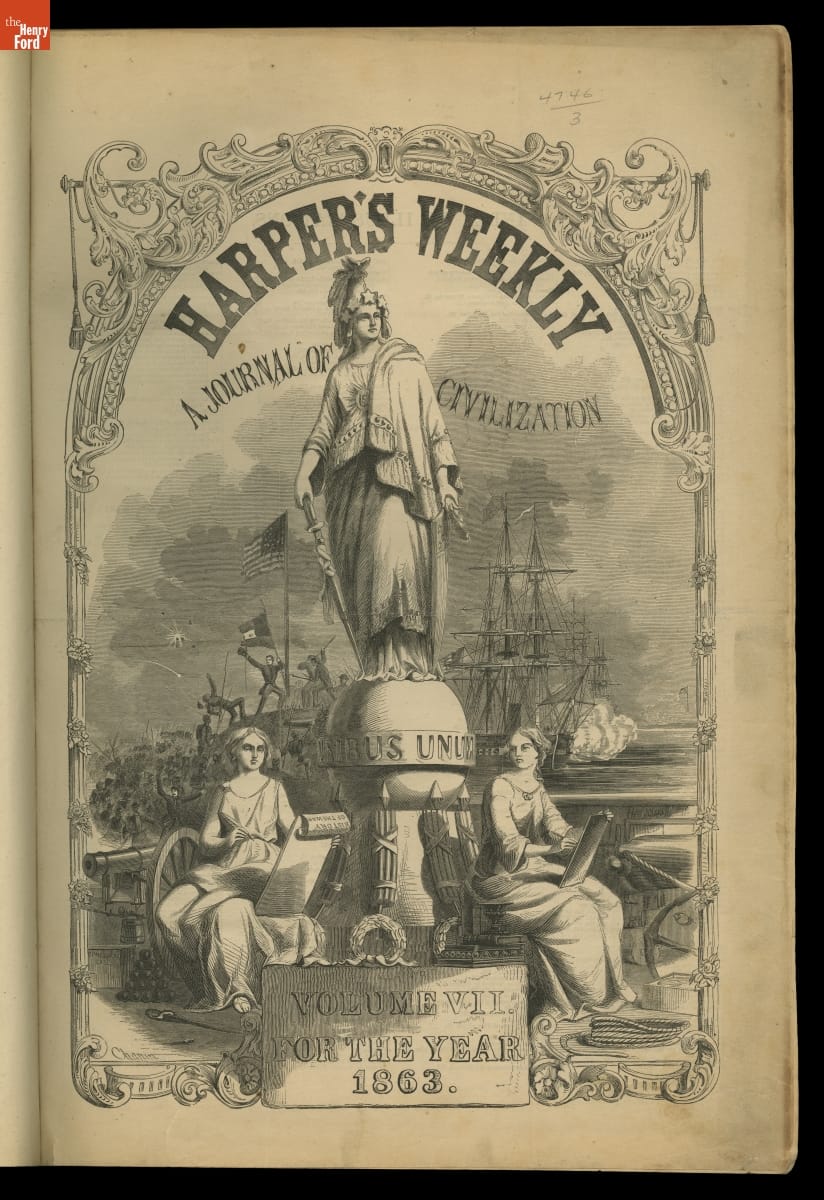
- January 1863-December 1863
- Collections - Artifact
"Harper's Weekly," Bound Volume of Issues from 1863
Harper's Weekly began publishing in 1857. Published by Harper & Brothers, issues contained news articles, literary works, essays, and illustrations depicting life in America and around the world. Harper's Weekly ceased publication in 1916.
- Portrait of Thomas Nast, circa 1870 - Thomas Nast (1840-1902) was an influential illustrator and political cartoonist. His illustrations -- especially those created during his 25-year career working for Harper & Brothers -- impacted American political and social life. Nast's works lampooned governmental officials and attacked corruption. He popularized characters like the Republican elephant and Democratic donkey. But his most enduring legacy is the creation of our modern image of Santa Claus.
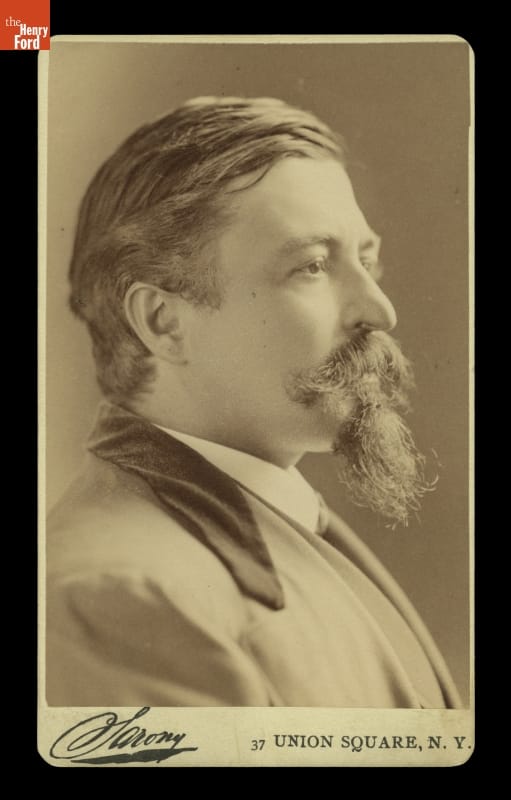
- circa 1870
- Collections - Artifact
Portrait of Thomas Nast, circa 1870
Thomas Nast (1840-1902) was an influential illustrator and political cartoonist. His illustrations -- especially those created during his 25-year career working for Harper & Brothers -- impacted American political and social life. Nast's works lampooned governmental officials and attacked corruption. He popularized characters like the Republican elephant and Democratic donkey. But his most enduring legacy is the creation of our modern image of Santa Claus.
- Etching Proof from a Thomas Nast Christmas Drawing, "Santa Claus in Camp," circa 1880 -

- 1863
- Collections - Artifact
Etching Proof from a Thomas Nast Christmas Drawing, "Santa Claus in Camp," circa 1880
- Etching Proof from a Thomas Nast Christmas Drawing, 1876 - Thomas Nast is best known for the creation of our modern image of Santa Claus. Nast's late 19th-century illustrations popularized the depiction of a rotund, bearded, fur-clad Santa in Americans' imaginations. His drawings not only defined Santa's appearance, but also enhanced other symbols, traditions and events now associated with Christmas and the holiday's jolly old elf.
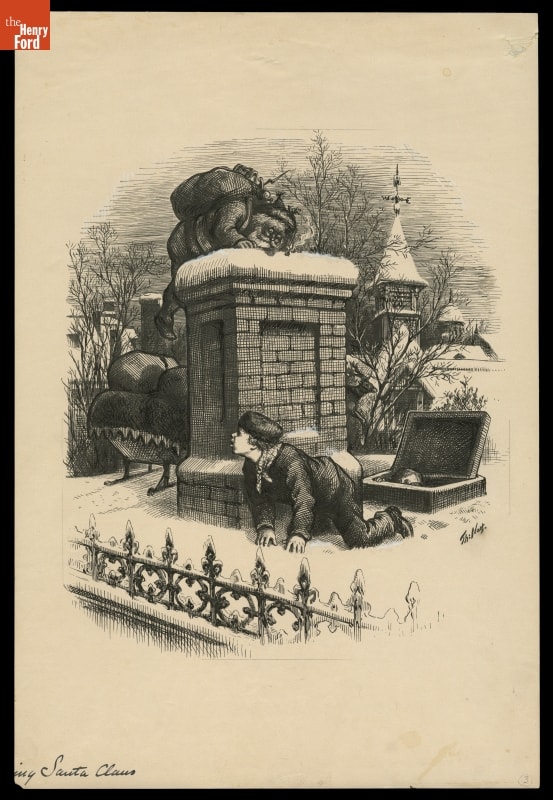
- 1876
- Collections - Artifact
Etching Proof from a Thomas Nast Christmas Drawing, 1876
Thomas Nast is best known for the creation of our modern image of Santa Claus. Nast's late 19th-century illustrations popularized the depiction of a rotund, bearded, fur-clad Santa in Americans' imaginations. His drawings not only defined Santa's appearance, but also enhanced other symbols, traditions and events now associated with Christmas and the holiday's jolly old elf.
- Wood Engraving, "What We Worship 'Oh! Bless Us with All These Things!,' circa 1875 - Thomas Nast (1840-1902) was an influential illustrator and political cartoonist. Though he is best known for the creation of our modern image of Santa Claus, Nast also used his drawings to comment -- sometimes critically -- on American society. This engraving, originally printed in the July 3, 1869, issue of <EM>Harper's Bazar</EM>, depicts Americans worshiping at the altar of materialism.

- circa 1875
- Collections - Artifact
Wood Engraving, "What We Worship 'Oh! Bless Us with All These Things!,' circa 1875
Thomas Nast (1840-1902) was an influential illustrator and political cartoonist. Though he is best known for the creation of our modern image of Santa Claus, Nast also used his drawings to comment -- sometimes critically -- on American society. This engraving, originally printed in the July 3, 1869, issue of Harper's Bazar, depicts Americans worshiping at the altar of materialism.
- Etching Proof from a Thomas Nast Drawing, "Our Liberty Pole May-Day," 1892 -

- 1892
- Collections - Artifact
Etching Proof from a Thomas Nast Drawing, "Our Liberty Pole May-Day," 1892
- Etching Proof from a Thomas Nast Drawing, "Santa Claus and His Works," 1866 - Thomas Nast is best known for the creation of our modern image of Santa Claus. Nast's late 19th-century illustrations popularized the depiction of a rotund, bearded, fur-clad Santa in Americans' imaginations. His drawings not only defined Santa's appearance, but also enhanced other symbols, traditions and events now associated with Christmas and the holiday's jolly old elf.
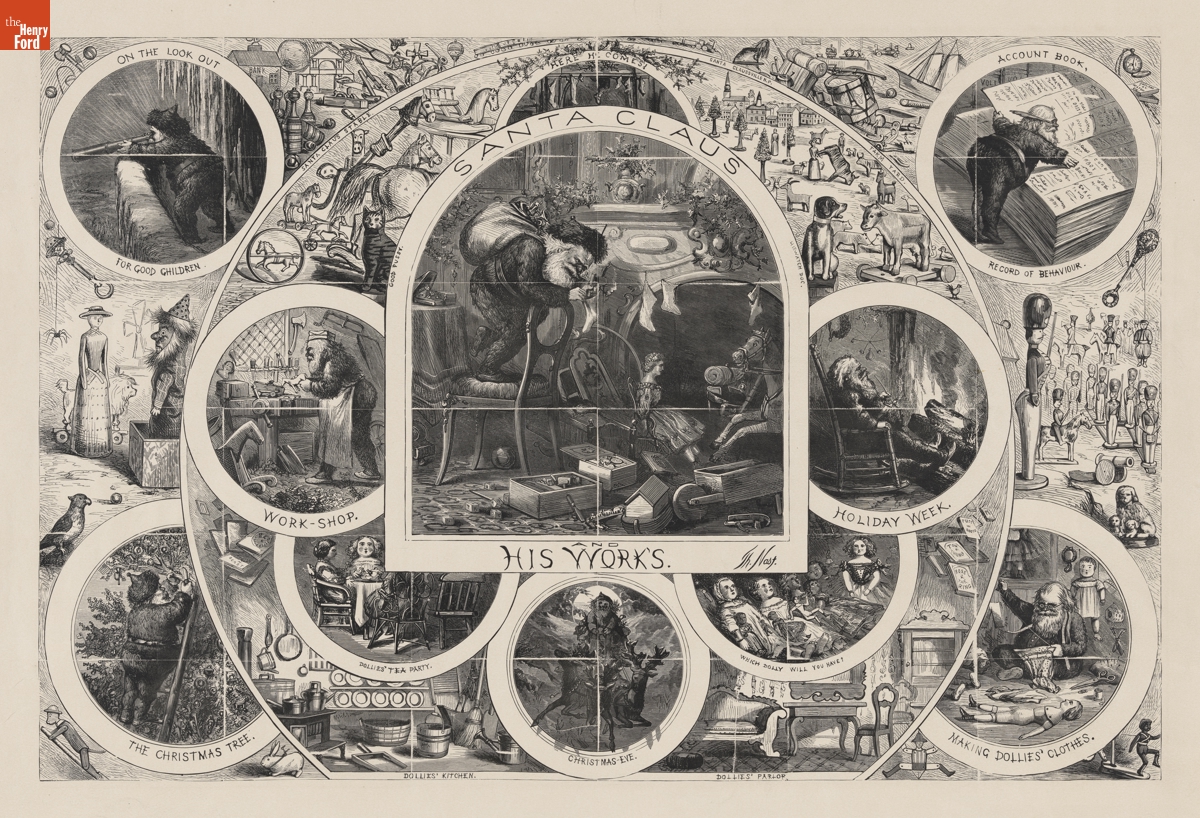
- 1866
- Collections - Artifact
Etching Proof from a Thomas Nast Drawing, "Santa Claus and His Works," 1866
Thomas Nast is best known for the creation of our modern image of Santa Claus. Nast's late 19th-century illustrations popularized the depiction of a rotund, bearded, fur-clad Santa in Americans' imaginations. His drawings not only defined Santa's appearance, but also enhanced other symbols, traditions and events now associated with Christmas and the holiday's jolly old elf.
- Etching Proof, Political Cartoon by Thomas Nast, "Marriage a la Mode," 1871 - Thomas Nast (1840-1902) was an influential illustrator and political cartoonist. His illustrations -- especially those created during his 25-year career working for Harper & Brothers -- impacted American political and social life. Nast's works lampooned governmental officials and attacked corruption. He popularized characters like the Republican elephant and Democratic donkey. But his most enduring legacy is the creation of our modern image of Santa Claus.
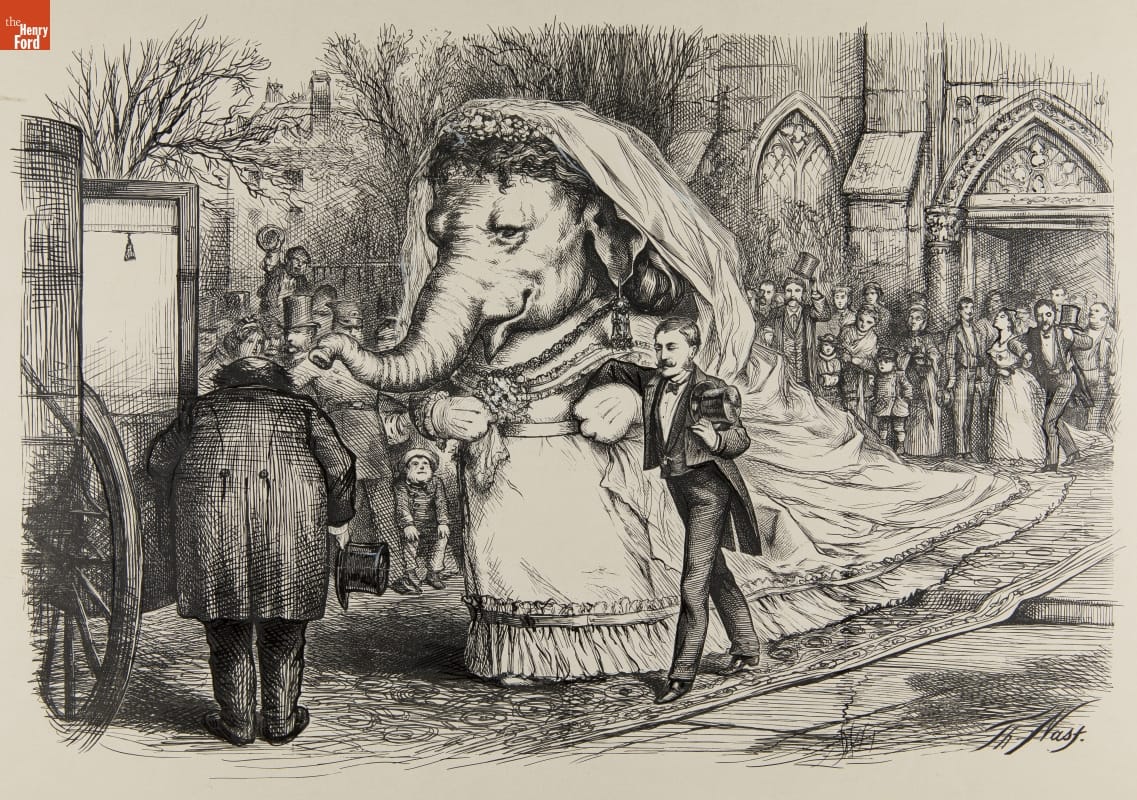
- April 01, 1871
- Collections - Artifact
Etching Proof, Political Cartoon by Thomas Nast, "Marriage a la Mode," 1871
Thomas Nast (1840-1902) was an influential illustrator and political cartoonist. His illustrations -- especially those created during his 25-year career working for Harper & Brothers -- impacted American political and social life. Nast's works lampooned governmental officials and attacked corruption. He popularized characters like the Republican elephant and Democratic donkey. But his most enduring legacy is the creation of our modern image of Santa Claus.
- Etching Proof from a Thomas Nast Drawing, "A Dream, before and after Thanksgiving Dinner," 1878 - Thomas Nast (1840-1902) was an influential illustrator and political cartoonist. Though he is best known for the creation of our modern image of Santa Claus, Nast created many endearing illustrations depicting other holiday activities. This image, originally published in <EM>Harper's Weekly</EM> in 1878, depicts the possible effects of overindulgence on Thanksgiving.
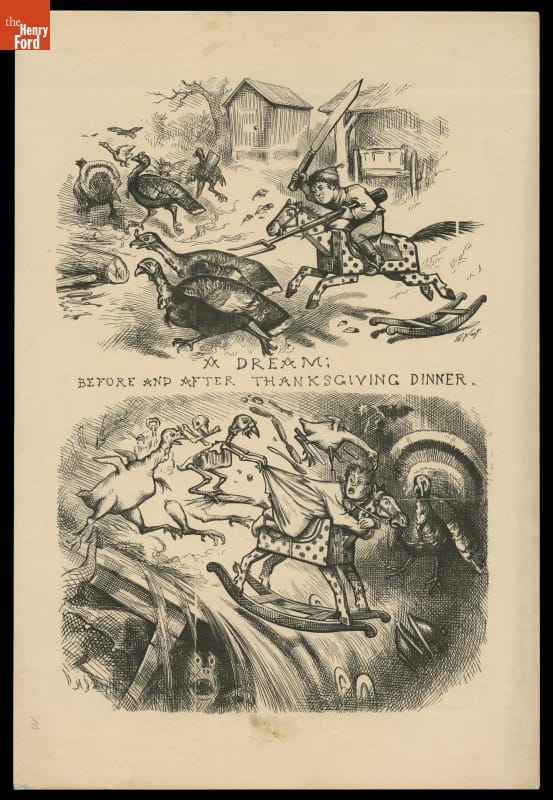
- December 07, 1878
- Collections - Artifact
Etching Proof from a Thomas Nast Drawing, "A Dream, before and after Thanksgiving Dinner," 1878
Thomas Nast (1840-1902) was an influential illustrator and political cartoonist. Though he is best known for the creation of our modern image of Santa Claus, Nast created many endearing illustrations depicting other holiday activities. This image, originally published in Harper's Weekly in 1878, depicts the possible effects of overindulgence on Thanksgiving.
- Etching Proof from a Thomas Nast Christmas Drawing, "Merry Chistmas to All," 1876 - Thomas Nast is best known for the creation of our modern image of Santa Claus. Nast's late 19th-century illustrations popularized the depiction of a rotund, bearded, fur-clad Santa in Americans' imaginations. His drawings not only defined Santa's appearance, but also enhanced other symbols, traditions and events now associated with Christmas and the holiday's jolly old elf.

- 1876
- Collections - Artifact
Etching Proof from a Thomas Nast Christmas Drawing, "Merry Chistmas to All," 1876
Thomas Nast is best known for the creation of our modern image of Santa Claus. Nast's late 19th-century illustrations popularized the depiction of a rotund, bearded, fur-clad Santa in Americans' imaginations. His drawings not only defined Santa's appearance, but also enhanced other symbols, traditions and events now associated with Christmas and the holiday's jolly old elf.