
Search
- "Driven to Win: Racing in America" Crosses Finish Line - Hear from some of The Henry Ford's partners and advisers how our new exhibit, Driven to Win: Racing in America, brings the world of auto racing to life.

- May 12, 2021
- Collections - article
"Driven to Win: Racing in America" Crosses Finish Line
Hear from some of The Henry Ford's partners and advisers how our new exhibit, Driven to Win: Racing in America, brings the world of auto racing to life.
- Voting in America - <p>From the founding of the nation, there has never been a common American voting experience. Methods vary across states, counties, and municipalities, reflecting differing and ever-evolving ideas about how to vote — and who should participate. Because changes that address problems with voting systems invariably create new ones, the story of voting in America is one of constant reform.</p>

- October 15, 2020
- Collections - Set
Voting in America
From the founding of the nation, there has never been a common American voting experience. Methods vary across states, counties, and municipalities, reflecting differing and ever-evolving ideas about how to vote — and who should participate. Because changes that address problems with voting systems invariably create new ones, the story of voting in America is one of constant reform.
- "'America,' Most Famous Yacht in History, Brought Cup to America in 1851," 1903 Postcard - From 1895 to 1924, the Detroit Publishing Company was one of the major image publishers in the world. It had a wide-ranging stock of original photographs, many of which were colored using the company's patented "Phostint" process. Popular "Phostint" postcards, the Detroit Publishing Company claimed, were delicately "executed in Nature's Coloring" to be truthful, tasteful, beautiful, and educational.
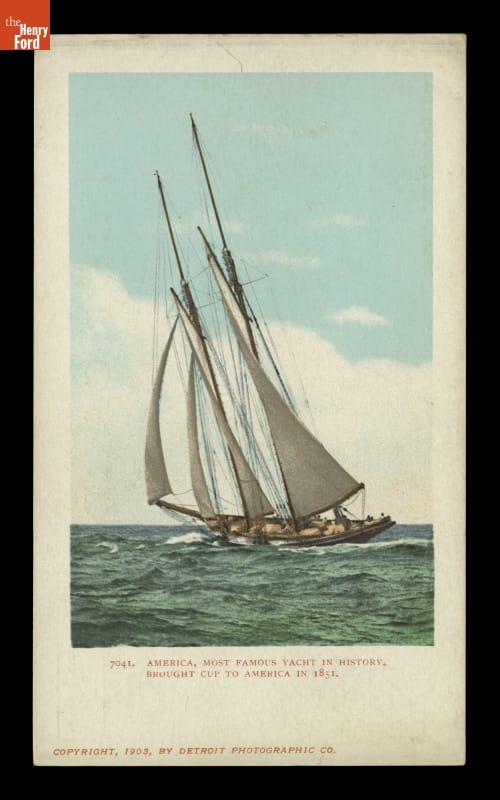
- 1903
- Collections - Artifact
"'America,' Most Famous Yacht in History, Brought Cup to America in 1851," 1903 Postcard
From 1895 to 1924, the Detroit Publishing Company was one of the major image publishers in the world. It had a wide-ranging stock of original photographs, many of which were colored using the company's patented "Phostint" process. Popular "Phostint" postcards, the Detroit Publishing Company claimed, were delicately "executed in Nature's Coloring" to be truthful, tasteful, beautiful, and educational.
- Women in Racing - <p>Women have been involved in automobile racing from the start — on the track, in the pits, and behind the scenes. From pioneering drivers like Vicki Wood and Janet Guthrie, to more contemporary competitors like Sarah Fisher and Danica Patrick, women have made their mark on the sport from Detroit to Daytona, and from Indianapolis to Le Mans.</p>

- February 25, 2020
- Collections - Set
Women in Racing
Women have been involved in automobile racing from the start — on the track, in the pits, and behind the scenes. From pioneering drivers like Vicki Wood and Janet Guthrie, to more contemporary competitors like Sarah Fisher and Danica Patrick, women have made their mark on the sport from Detroit to Daytona, and from Indianapolis to Le Mans.
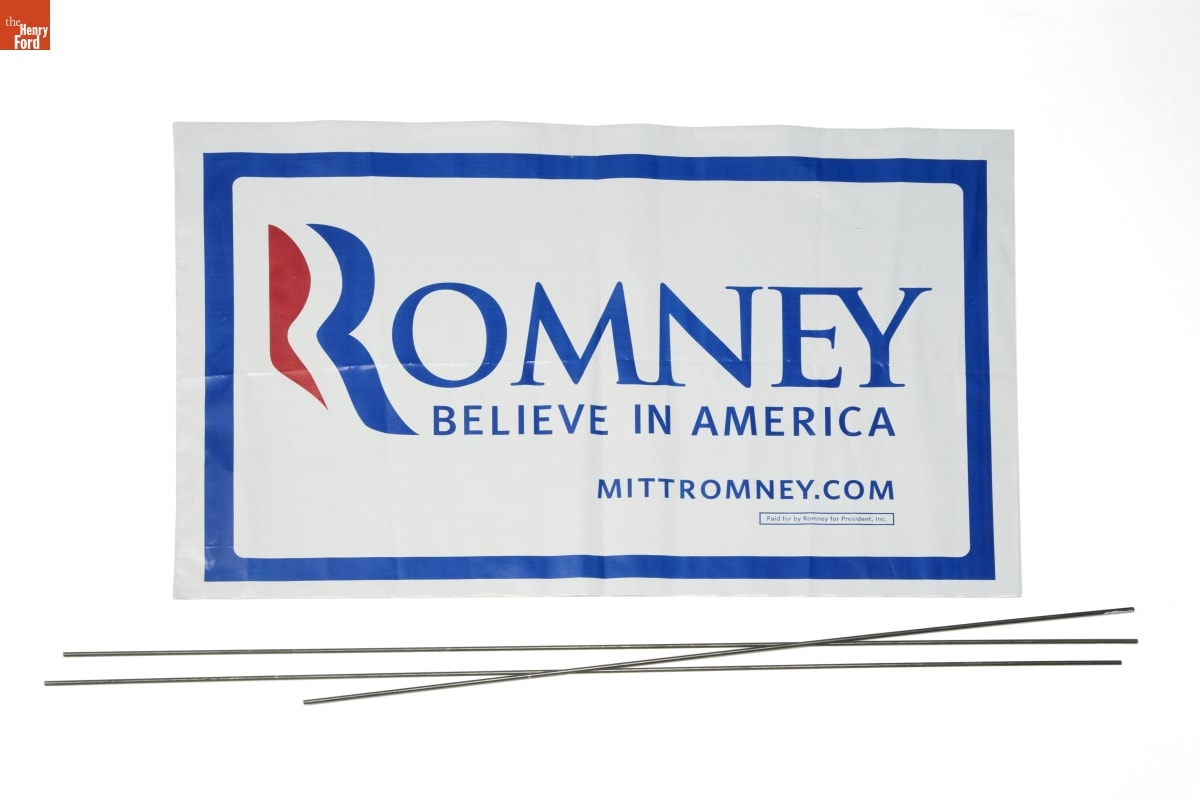
- Romney "Believe In America" Sign, 2012 - Former Massachusetts governor Mitt Romney faced a field of Republican luminaries in a bruising intraparty campaign to become the Party's 2012 Presidential nominee. Republican delegates formally nominated Romney after a long primary campaign. Romney chose Wisconsin U.S. Representative Paul Ryan as his running mate. Their ticket lost to the Democratic incumbents, President Barack Obama and Vice President Joseph Biden.
- 2012
- Collections - Artifact
Romney "Believe In America" Sign, 2012
Former Massachusetts governor Mitt Romney faced a field of Republican luminaries in a bruising intraparty campaign to become the Party's 2012 Presidential nominee. Republican delegates formally nominated Romney after a long primary campaign. Romney chose Wisconsin U.S. Representative Paul Ryan as his running mate. Their ticket lost to the Democratic incumbents, President Barack Obama and Vice President Joseph Biden.
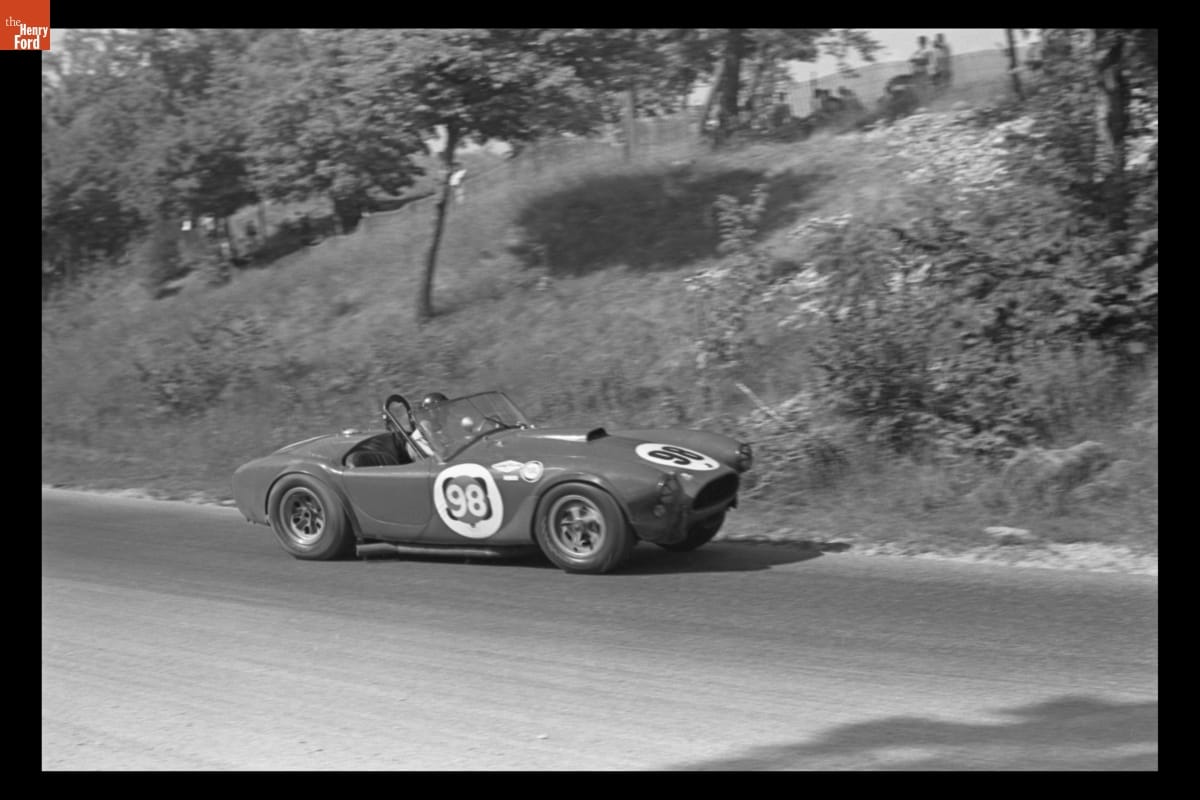
- Shelby Cobra Driven by Ken Miles in the Road America 500 Race, September 1963 - Dave Friedman captured and preserved auto racing history through his photography. His work -- and his collection of works by other photographers -- documents key races, cars, drivers, and teams. This photo was taken at the 1963 Road America 500 in Elkhart Lake, Wisconsin. Bill Wuesthoff and Augie Pabst, both Wisconsinites, earned the overall victory in the #76 Elva Mark VII Porsche.
- 06 September 1963 - 07 September 1963
- Collections - Artifact
Shelby Cobra Driven by Ken Miles in the Road America 500 Race, September 1963
Dave Friedman captured and preserved auto racing history through his photography. His work -- and his collection of works by other photographers -- documents key races, cars, drivers, and teams. This photo was taken at the 1963 Road America 500 in Elkhart Lake, Wisconsin. Bill Wuesthoff and Augie Pabst, both Wisconsinites, earned the overall victory in the #76 Elva Mark VII Porsche.
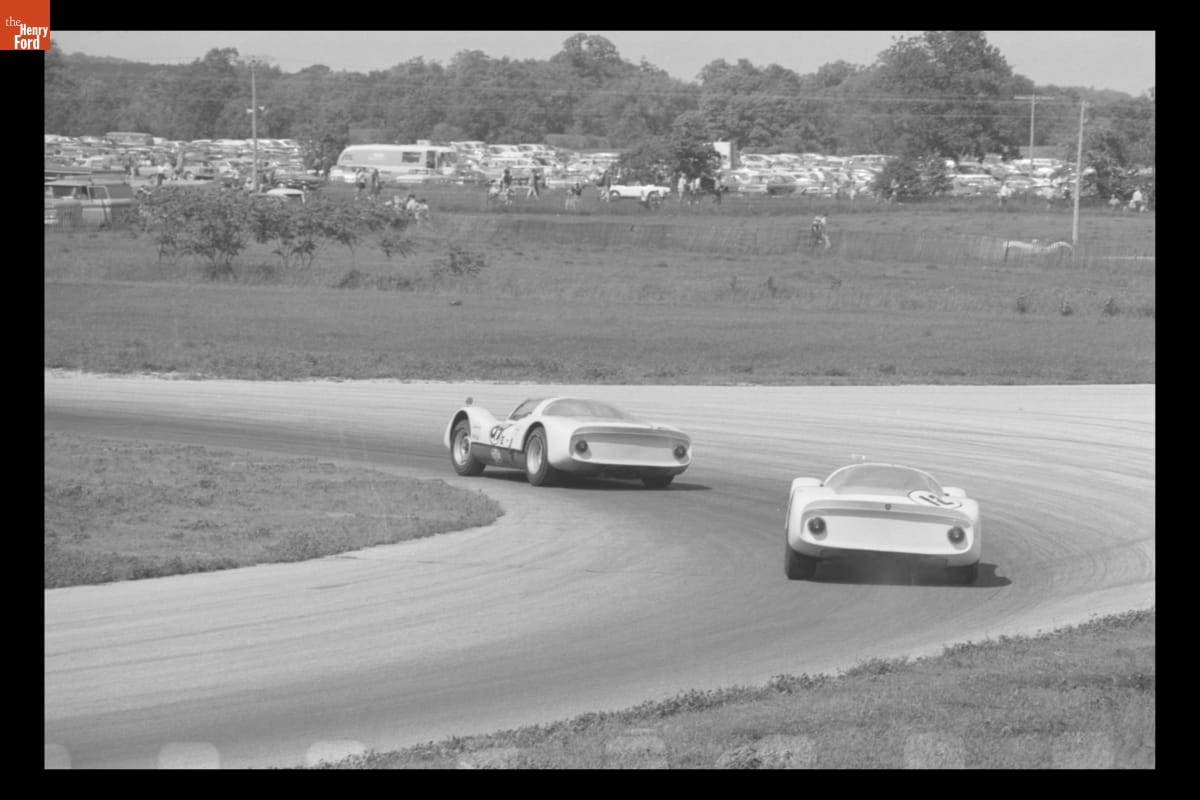
- Porsche 906 Race Cars in the Road America 500, Elkhart Lake, Wisconsin, September 1966 - Dave Friedman has captured and preserved auto racing history through his photography. His work -- and his collection of works by other photographers -- documents key races, vehicles, drivers, and teams. This image was taken at the 1966 Road America 500 race at Elkhart Lake, Wisconsin -- the season-ending event in the United States Road Racing Championship series. Chuck Parsons' victory sealed his claim as overall points champion.
- 02 September 1966-04 September 1966
- Collections - Artifact
Porsche 906 Race Cars in the Road America 500, Elkhart Lake, Wisconsin, September 1966
Dave Friedman has captured and preserved auto racing history through his photography. His work -- and his collection of works by other photographers -- documents key races, vehicles, drivers, and teams. This image was taken at the 1966 Road America 500 race at Elkhart Lake, Wisconsin -- the season-ending event in the United States Road Racing Championship series. Chuck Parsons' victory sealed his claim as overall points champion.
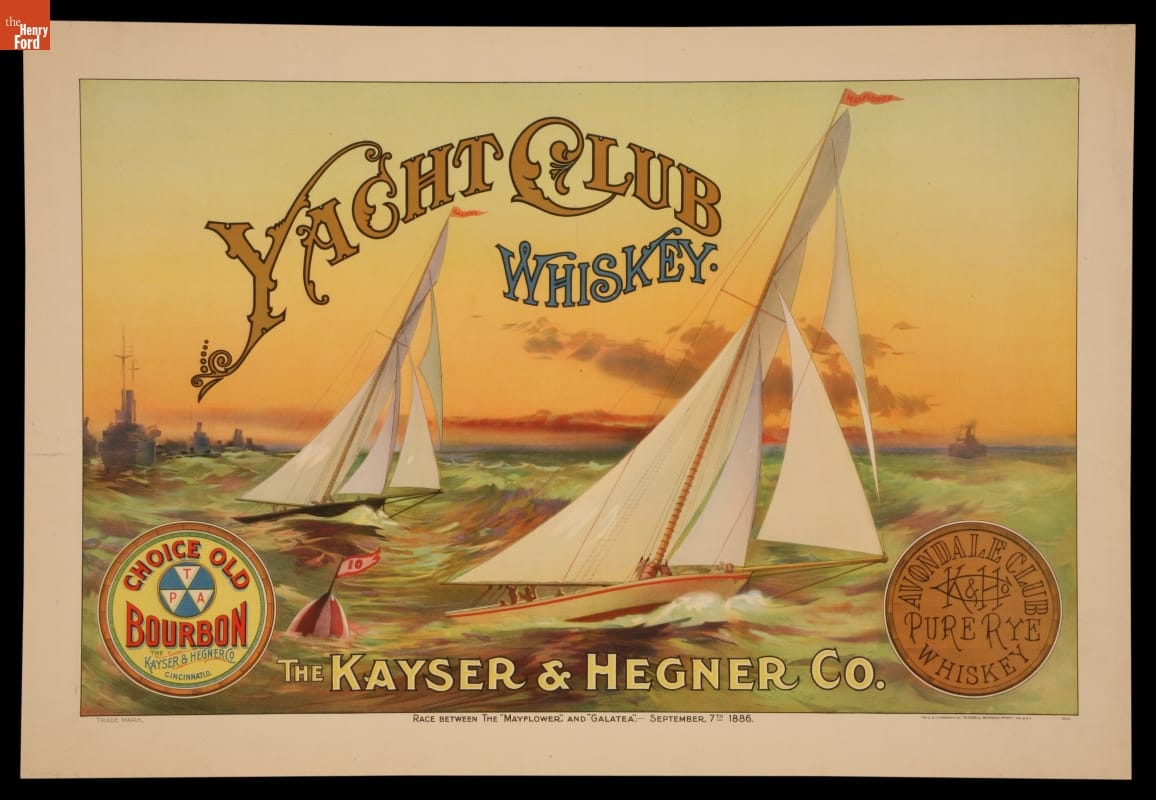
- Advertising Poster for Yacht Club Whiskey, Depicting The America's Cup Race, 1886 -
- September 07, 1886
- Collections - Artifact
Advertising Poster for Yacht Club Whiskey, Depicting The America's Cup Race, 1886
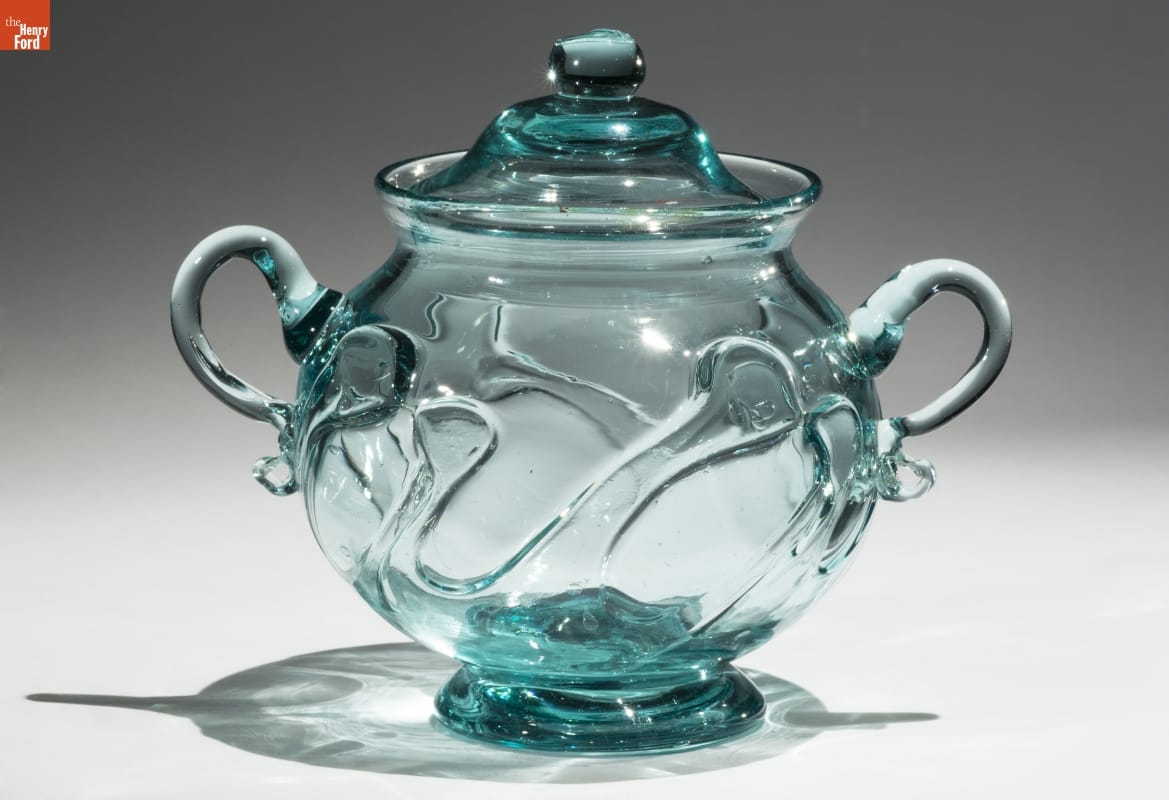
- Glass in Early America -
- July 26, 2017
- Collections - Set
Glass in Early America
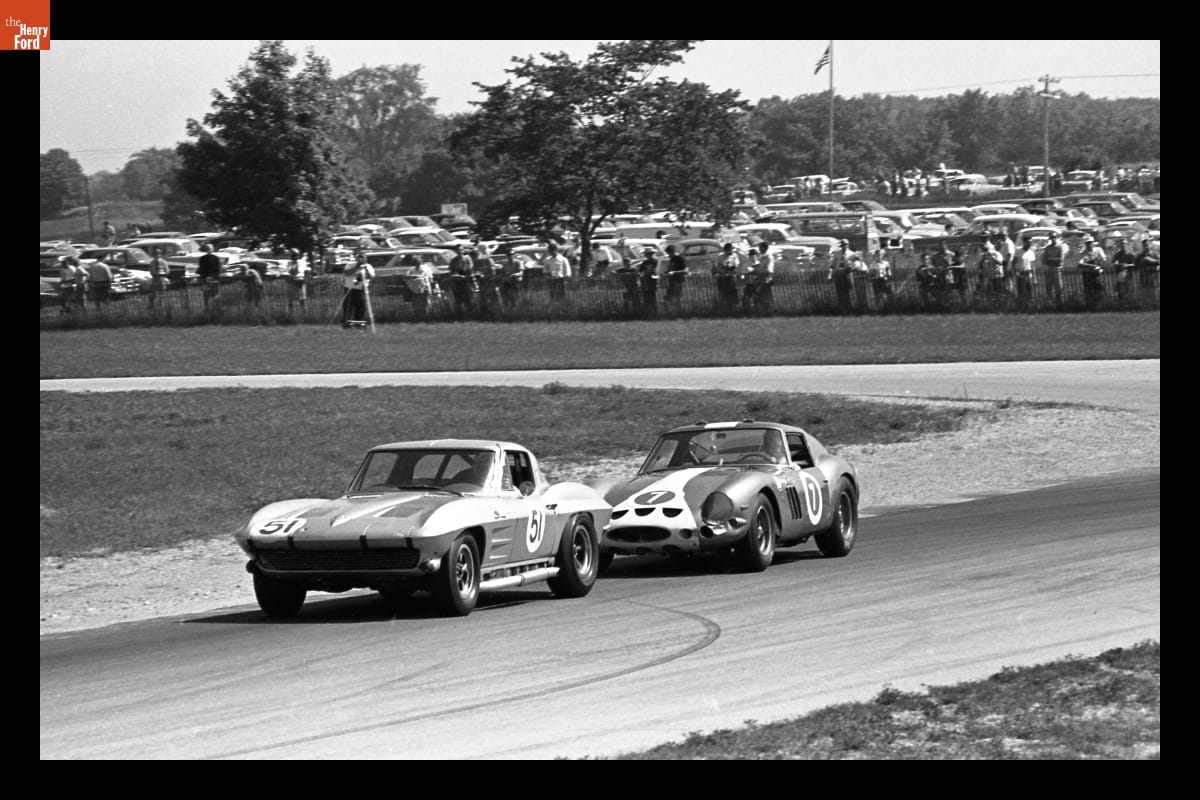
- Chevrolet Corvette and Ferrari 250 GTO in the Road America 500 Race, September 1963 - Dave Friedman captured and preserved auto racing history through his photography. His work -- and his collection of works by other photographers -- documents key races, cars, drivers, and teams. This photo was taken at the 1963 Road America 500 in Elkhart Lake, Wisconsin. Bill Wuesthoff and Augie Pabst, both Wisconsinites, earned the overall victory in the #76 Elva Mark VII Porsche.
- 06 September 1963 - 07 September 1963
- Collections - Artifact
Chevrolet Corvette and Ferrari 250 GTO in the Road America 500 Race, September 1963
Dave Friedman captured and preserved auto racing history through his photography. His work -- and his collection of works by other photographers -- documents key races, cars, drivers, and teams. This photo was taken at the 1963 Road America 500 in Elkhart Lake, Wisconsin. Bill Wuesthoff and Augie Pabst, both Wisconsinites, earned the overall victory in the #76 Elva Mark VII Porsche.