
Search
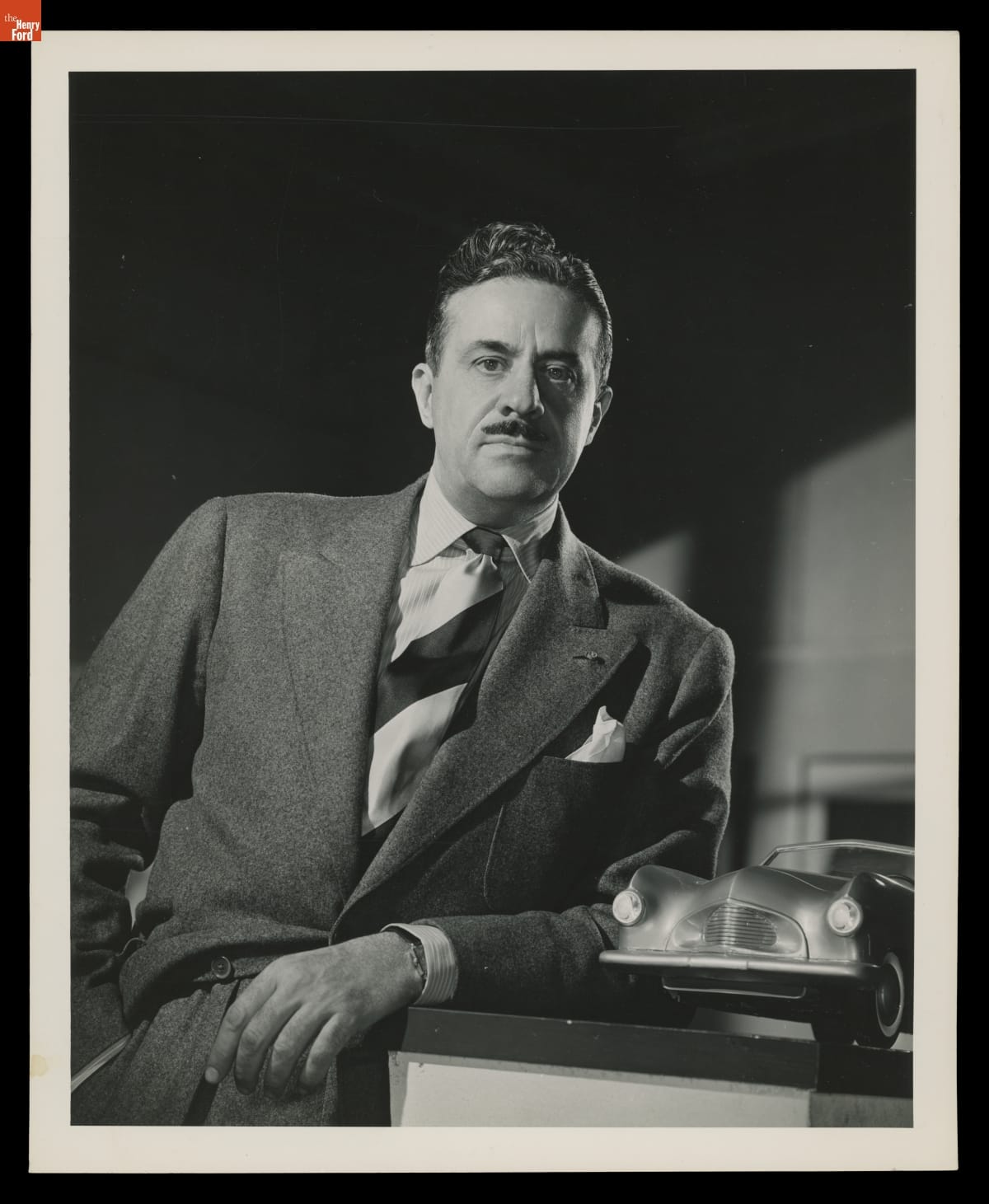
- Portrait of Raymond Loewy, 1938-1949 - Raymond Loewy was among the 20th century's most influential industrial designers. Born in Paris in 1893, he emigrated to the United States after World War I. Loewy's design firm worked with everyone from Coca-Cola to NASA, but Loewy is particularly remembered for his longtime associations with Studebaker and the Pennsylvania Railroad.
- 1938-1949
- Collections - Artifact
Portrait of Raymond Loewy, 1938-1949
Raymond Loewy was among the 20th century's most influential industrial designers. Born in Paris in 1893, he emigrated to the United States after World War I. Loewy's design firm worked with everyone from Coca-Cola to NASA, but Loewy is particularly remembered for his longtime associations with Studebaker and the Pennsylvania Railroad.
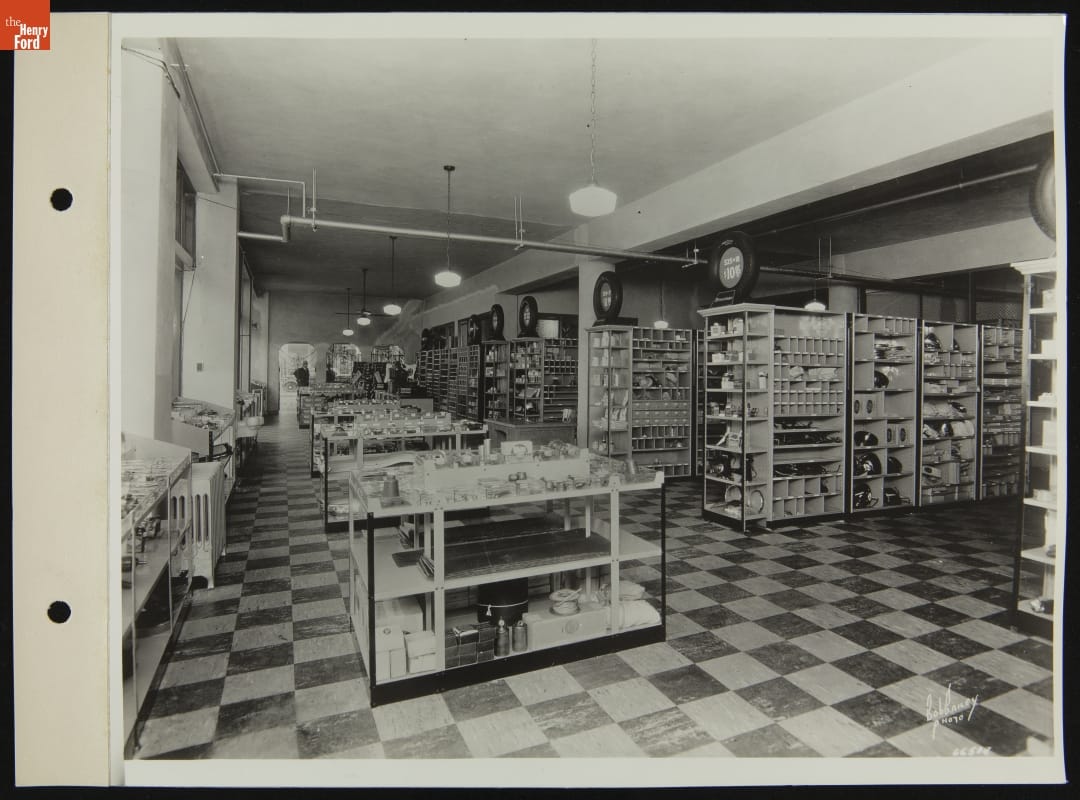
- Raymond Pearson Ford Dealership Parts Display, Houston, Texas, July 1936 - Ford Motor Company inaugurated a system of competing dealership franchises in 1914. Dealers sold Ford vehicles, offered repair services, and stocked spare parts and automobile accessories. Dealership parts and service departments lured customers with displays and advertisements. The department also served as a reminder to potential car buyers that the dealership provided extra services after the sale.
- July 24, 1936
- Collections - Artifact
Raymond Pearson Ford Dealership Parts Display, Houston, Texas, July 1936
Ford Motor Company inaugurated a system of competing dealership franchises in 1914. Dealers sold Ford vehicles, offered repair services, and stocked spare parts and automobile accessories. Dealership parts and service departments lured customers with displays and advertisements. The department also served as a reminder to potential car buyers that the dealership provided extra services after the sale.
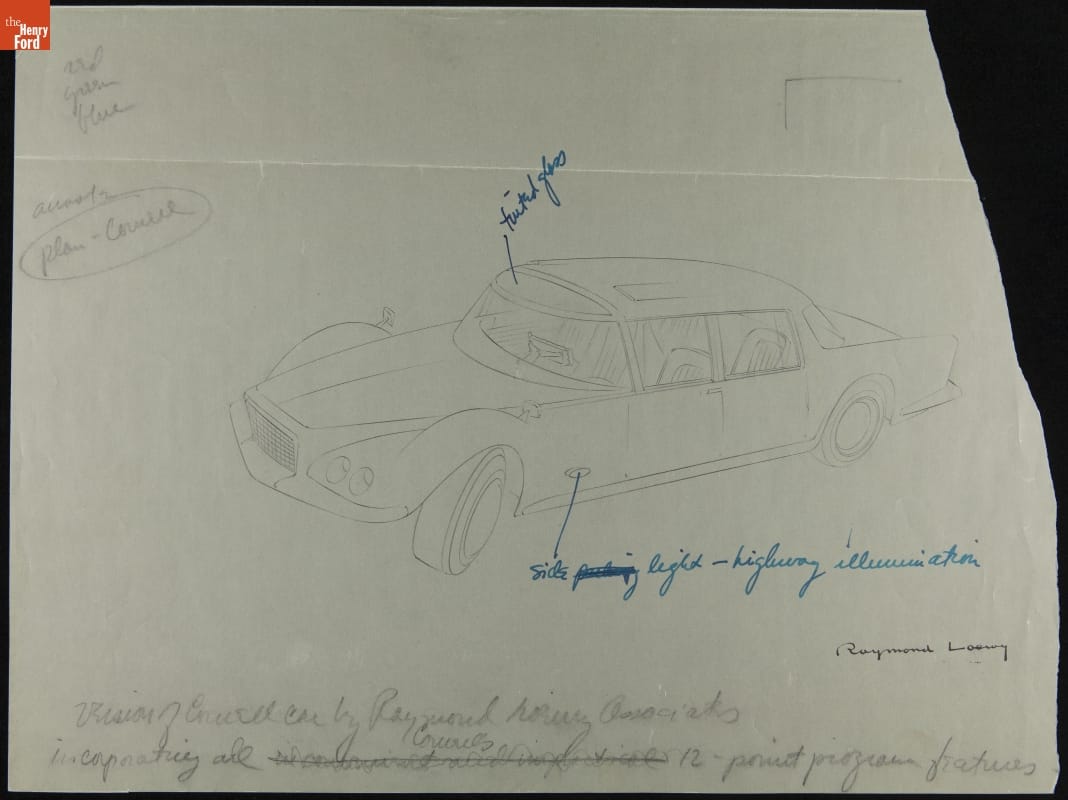
- "Vision of Cornell Car by Raymond Lowey Associates," 1956 - Industrial designer Raymond Loewy produced a series of design drawings for the "Safety Car" built in 1957 by Cornell University and the Liberty Mutual Insurance Company. The finished concept car incorporated more than 60 safety improvements from seat belts, to padded interior surfaces, to accordion-style folding doors.
- 1956
- Collections - Artifact
"Vision of Cornell Car by Raymond Lowey Associates," 1956
Industrial designer Raymond Loewy produced a series of design drawings for the "Safety Car" built in 1957 by Cornell University and the Liberty Mutual Insurance Company. The finished concept car incorporated more than 60 safety improvements from seat belts, to padded interior surfaces, to accordion-style folding doors.
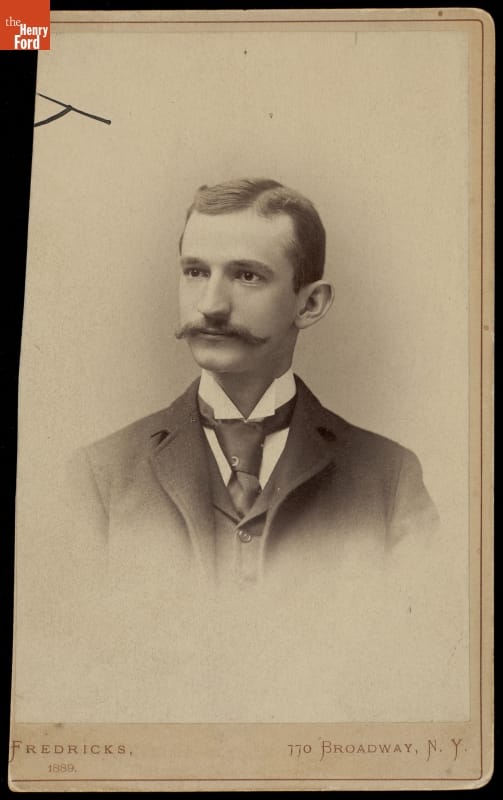
- Howard E. Raymond, League of American Wheelmen, 1889 - The League of American Wheelmen's Racing Board instituted rules for professional and amateur racing. Howard E. Raymond chaired this board in the mid-1890s. He and other board members defined amateur status and dispensed suspensions when rules were violated. The board also sanctioned races, appointed handicappers, and verified records among its other duties.
- 1889
- Collections - Artifact
Howard E. Raymond, League of American Wheelmen, 1889
The League of American Wheelmen's Racing Board instituted rules for professional and amateur racing. Howard E. Raymond chaired this board in the mid-1890s. He and other board members defined amateur status and dispensed suspensions when rules were violated. The board also sanctioned races, appointed handicappers, and verified records among its other duties.
- Harvey Firestone with Sons Leonard and Raymond, Columbiana County, Ohio, 1936 - Harvey Firestone stands with two of his sons in this informal family portrait taken on the Firestone family farm near Columbiana, Ohio. Firestone founded the Firestone Tire and Rubber Company in 1900 and quickly became one of America's greatest industrial leaders. He remained dedicated to agriculture, revolutionizing farm equipment with the introduction of the first pneumatic tractor tire in 1932.
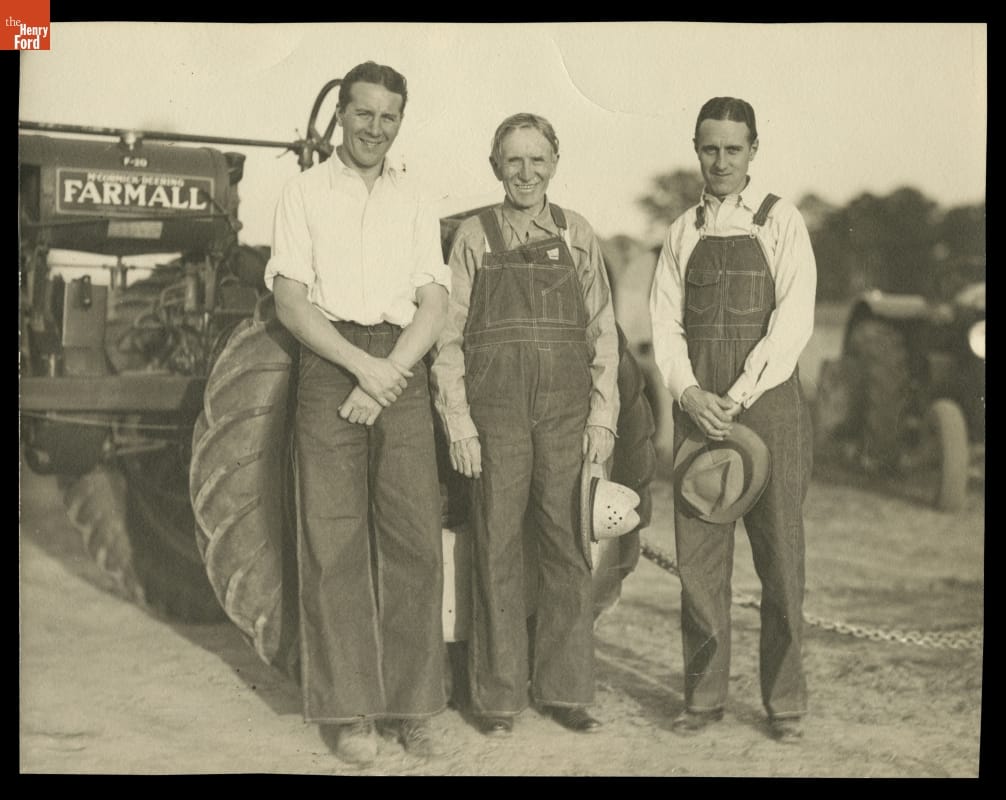
- 1936
- Collections - Artifact
Harvey Firestone with Sons Leonard and Raymond, Columbiana County, Ohio, 1936
Harvey Firestone stands with two of his sons in this informal family portrait taken on the Firestone family farm near Columbiana, Ohio. Firestone founded the Firestone Tire and Rubber Company in 1900 and quickly became one of America's greatest industrial leaders. He remained dedicated to agriculture, revolutionizing farm equipment with the introduction of the first pneumatic tractor tire in 1932.
- Trade Card for Heating Stoves, Raymond & Campbell, 1880-1890 - In the last third of the nineteenth century, an unprecedented variety of consumer goods and services flooded the American market. Advertisers bombarded potential customers with trade cards. Americans enjoyed and saved the often illustrated little advertisements found in product packages or distributed by local merchants. Many survive as historical records of commercialism in the United States.
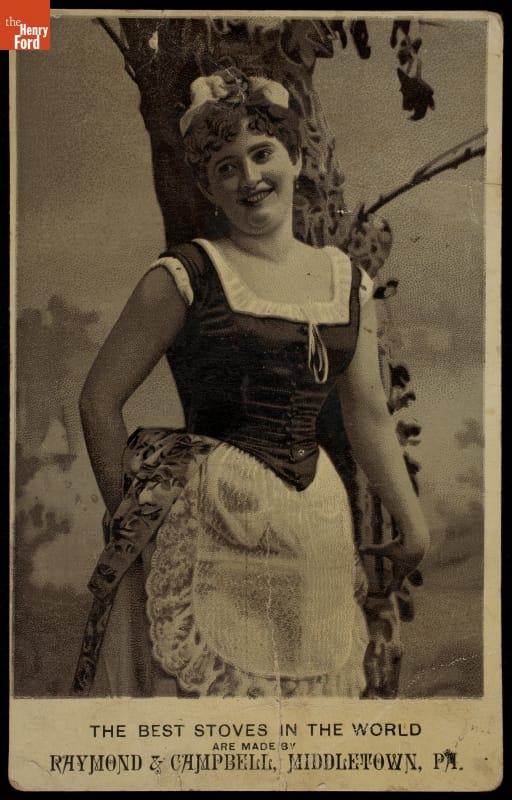
- 1880-1895
- Collections - Artifact
Trade Card for Heating Stoves, Raymond & Campbell, 1880-1890
In the last third of the nineteenth century, an unprecedented variety of consumer goods and services flooded the American market. Advertisers bombarded potential customers with trade cards. Americans enjoyed and saved the often illustrated little advertisements found in product packages or distributed by local merchants. Many survive as historical records of commercialism in the United States.
- Violet Raymond and Henry Ford on Board the Yacht Sialia, 1922 - Henry Ford purchased the yacht <EM>Sialia</EM> in 1917. Intended as private transportation during trips to investigate possible industrial supply sources, <EM>Sialia</EM> also carried the Fords and their guests on family excursions. Passengers enjoyed well-furnished staterooms, parlors, and a dining room, among the yacht's other amenities. The yacht was never used to a great extent and eventually was sold in 1929.
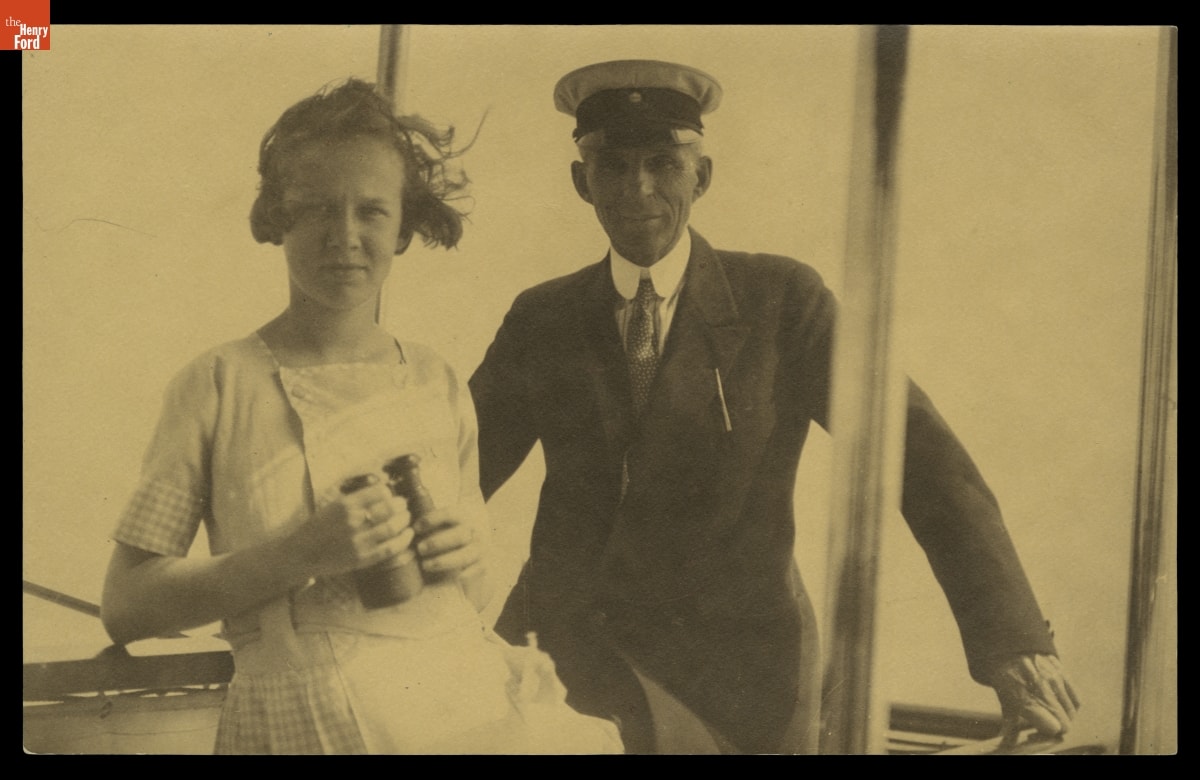
- 1922
- Collections - Artifact
Violet Raymond and Henry Ford on Board the Yacht Sialia, 1922
Henry Ford purchased the yacht Sialia in 1917. Intended as private transportation during trips to investigate possible industrial supply sources, Sialia also carried the Fords and their guests on family excursions. Passengers enjoyed well-furnished staterooms, parlors, and a dining room, among the yacht's other amenities. The yacht was never used to a great extent and eventually was sold in 1929.
- Virgil M. Exner and Raymond Loewy with Clay Modelers at Work, Studebaker Corporation, 1946 - Virgil Exner, Studebaker's chief styling engineer, designed cars for postwar America. In this photograph taken just after World War II, Exner -- in a light-colored suit jacket -- stands with workers and clay models in the Studebaker styling studio. Exner would go on to create revolutionary designs for Chrysler as the company's first Vice President of Styling.
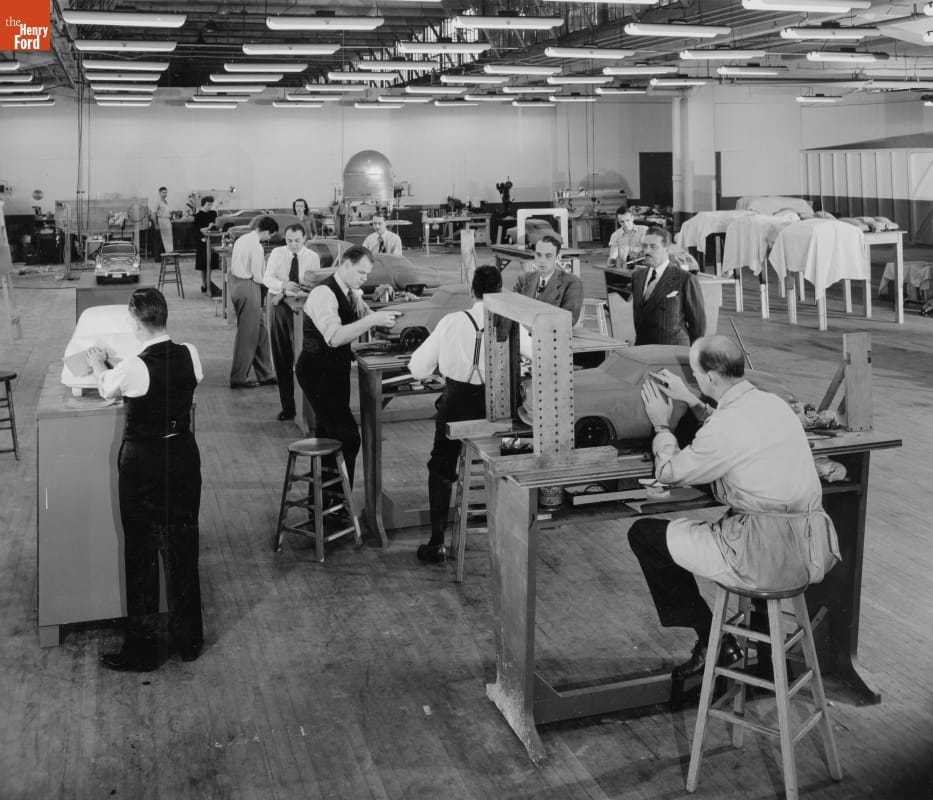
- 1946
- Collections - Artifact
Virgil M. Exner and Raymond Loewy with Clay Modelers at Work, Studebaker Corporation, 1946
Virgil Exner, Studebaker's chief styling engineer, designed cars for postwar America. In this photograph taken just after World War II, Exner -- in a light-colored suit jacket -- stands with workers and clay models in the Studebaker styling studio. Exner would go on to create revolutionary designs for Chrysler as the company's first Vice President of Styling.
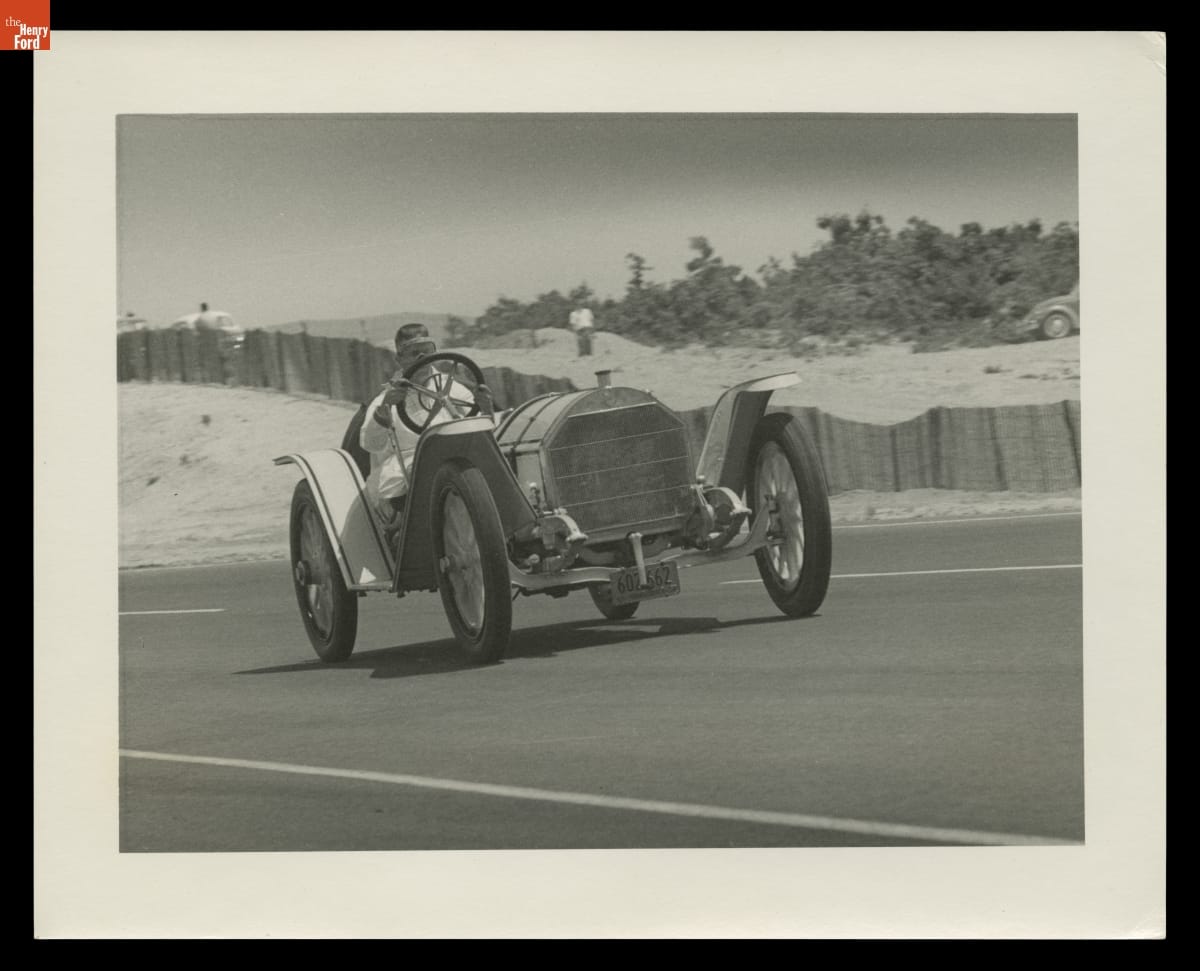
- Raymond Petersen Driving 1911 Mercer Raceabout, Bridgehampton, New York, May 31, 1959 - The Mercer Type 35 Raceabout, designed by Finley R. Porter, was the high-performance sports car of its day. It could top 90 miles per hour. This 1911 example belonged to Henry Austin Clark, Jr., the foremost automotive collector and historian of his day. Clark acquired the Raceabout in 1949, and it remained in his family for the next 65 years.
- May 31, 1959
- Collections - Artifact
Raymond Petersen Driving 1911 Mercer Raceabout, Bridgehampton, New York, May 31, 1959
The Mercer Type 35 Raceabout, designed by Finley R. Porter, was the high-performance sports car of its day. It could top 90 miles per hour. This 1911 example belonged to Henry Austin Clark, Jr., the foremost automotive collector and historian of his day. Clark acquired the Raceabout in 1949, and it remained in his family for the next 65 years.
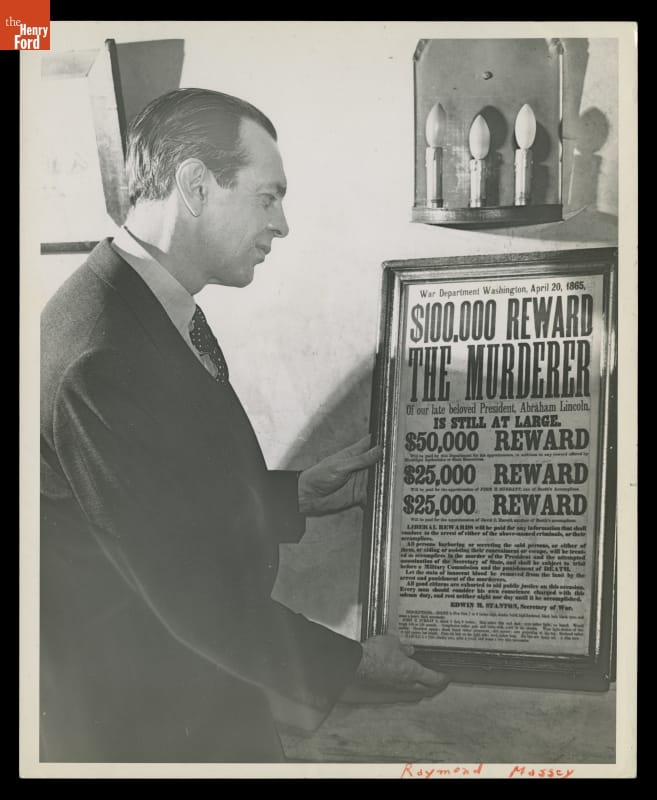
- Raymond Massey in Logan County Courthouse, Greenfield Village, November 12, 1943 - Actor Raymond Massey portrayed Abraham Lincoln in "Abe Lincoln in Illinois" first as a Broadway play in 1938-39, followed by a 1940 film. The story which traces Lincoln's early life through the 1860 election was written by noted playwright Robert Sherwood, and won a Pulitzer Prize in 1939. In late 1943, Massey toured the Logan County Courthouse where this photograph was taken.
- November 12, 1943
- Collections - Artifact
Raymond Massey in Logan County Courthouse, Greenfield Village, November 12, 1943
Actor Raymond Massey portrayed Abraham Lincoln in "Abe Lincoln in Illinois" first as a Broadway play in 1938-39, followed by a 1940 film. The story which traces Lincoln's early life through the 1860 election was written by noted playwright Robert Sherwood, and won a Pulitzer Prize in 1939. In late 1943, Massey toured the Logan County Courthouse where this photograph was taken.