
Search
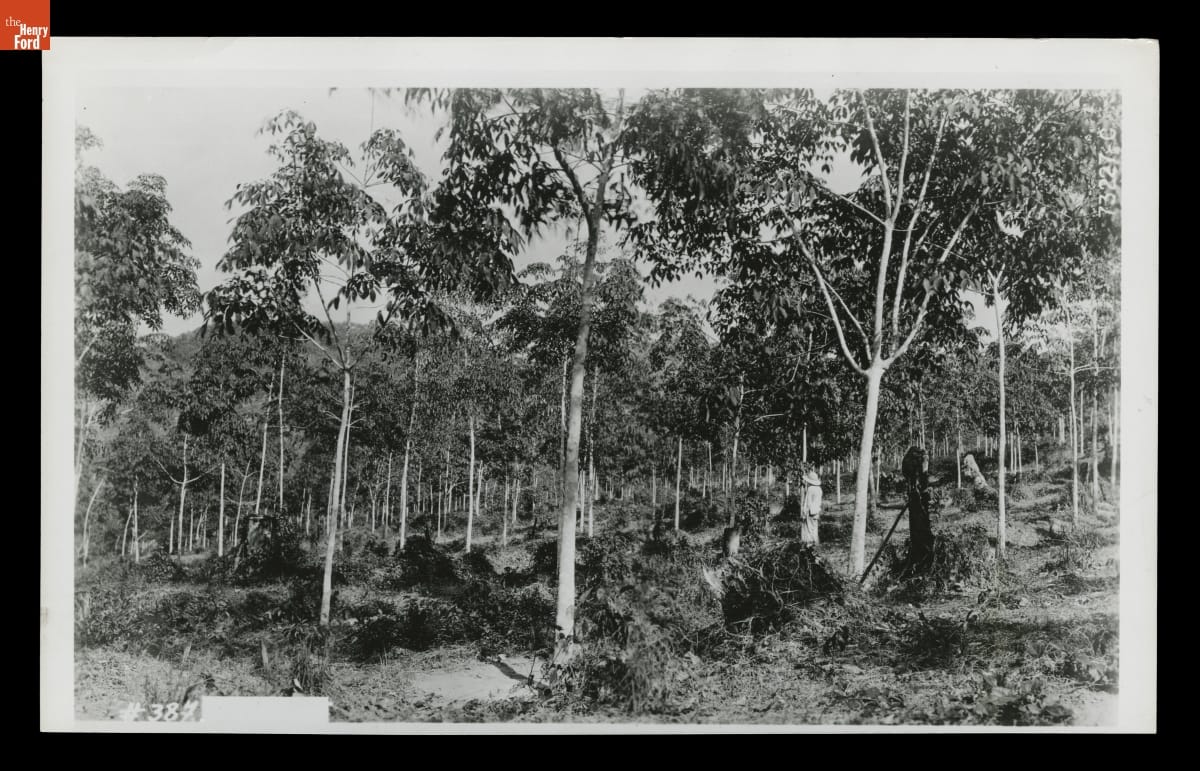
- Young Rubber Trees at Belterra Rubber Plantation, Brazil, 1937 - Henry Ford established Fordlandia and Belterra in the Brazilian rainforest to supply rubber for automobile production. He began shipping machinery and supplies to the Amazon in 1928. Ford paid the indigenous workers good wages and supplied various amenities -- he also imposed foreign work traditions and behavioral restrictions which the workers resented. The plantations failed and Ford Motor Company disposed of the project in 1945.
- 1937
- Collections - Artifact
Young Rubber Trees at Belterra Rubber Plantation, Brazil, 1937
Henry Ford established Fordlandia and Belterra in the Brazilian rainforest to supply rubber for automobile production. He began shipping machinery and supplies to the Amazon in 1928. Ford paid the indigenous workers good wages and supplied various amenities -- he also imposed foreign work traditions and behavioral restrictions which the workers resented. The plantations failed and Ford Motor Company disposed of the project in 1945.
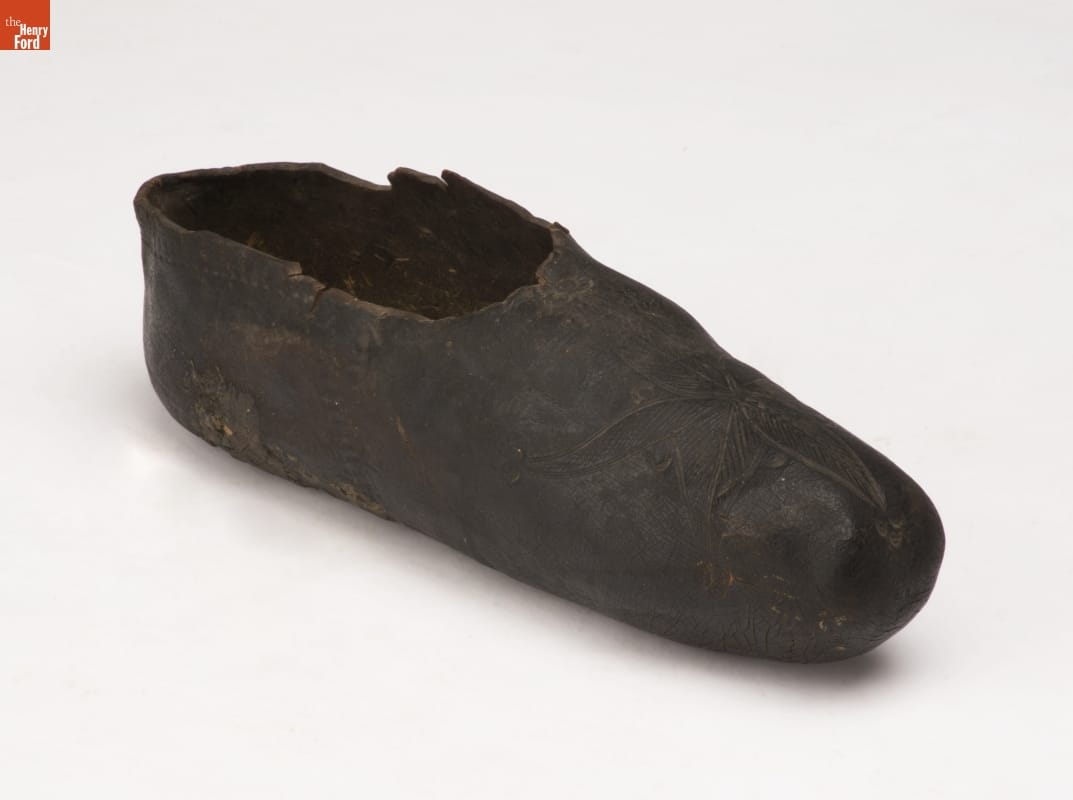
- Rubber Shoe, 1835 -
- 1835
- Collections - Artifact
Rubber Shoe, 1835
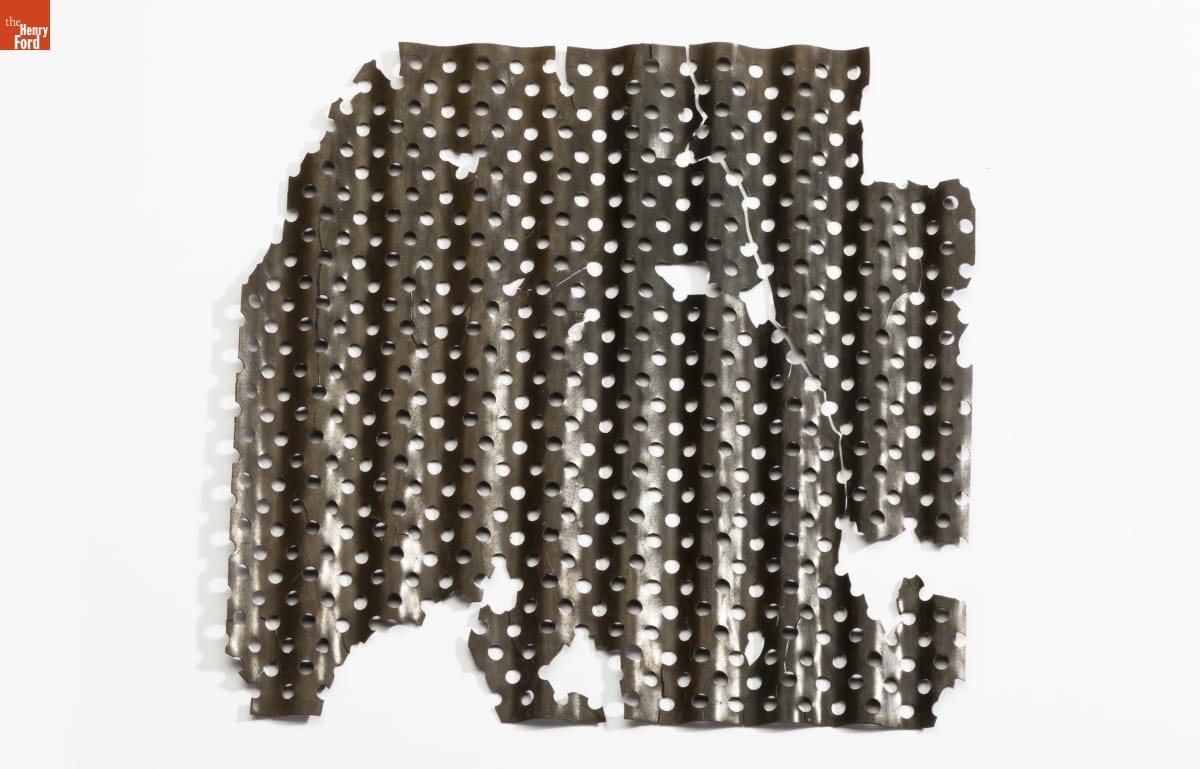
- Rubber Separator, 1887-1888 -
- 1887-1888
- Collections - Artifact
Rubber Separator, 1887-1888
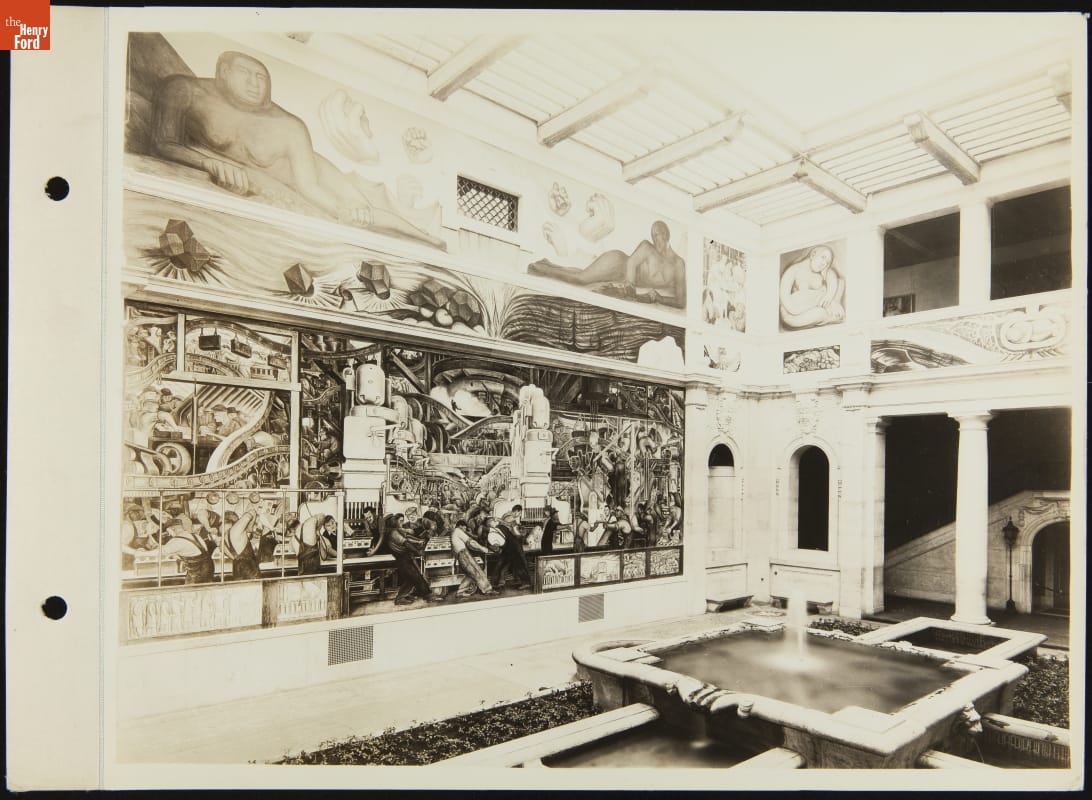
- "Detroit Industry" Fresco Cycle, 1932 - In 1932, the Detroit Institute of Arts commissioned Mexican artist Diego Rivera to paint murals depicting the city's industrial activities. Rivera spent eight months creating 27 frescoes in the institute's interior courtyard. Much of <em>Detroit Industry</em> was inspired by Ford Motor Company's Rouge plant, but the murals also portrayed Detroit's medical, pharmaceutical, and chemical industries. Edsel Ford sponsored Rivera's work.
- 1932
- Collections - Artifact
"Detroit Industry" Fresco Cycle, 1932
In 1932, the Detroit Institute of Arts commissioned Mexican artist Diego Rivera to paint murals depicting the city's industrial activities. Rivera spent eight months creating 27 frescoes in the institute's interior courtyard. Much of Detroit Industry was inspired by Ford Motor Company's Rouge plant, but the murals also portrayed Detroit's medical, pharmaceutical, and chemical industries. Edsel Ford sponsored Rivera's work.
- Young Rubber Trees under First Tapping, Fordlandia Rubber Plantation, Brazil, 1936 - Henry Ford established Fordlandia and Belterra in the Brazilian rainforest to supply rubber for automobile production. He began shipping machinery and supplies to the Amazon in 1928. Ford paid the indigenous workers good wages and supplied various amenities -- he also imposed foreign work traditions and behavioral restrictions which the workers resented. The plantations failed and Ford Motor Company disposed of the project in 1945.
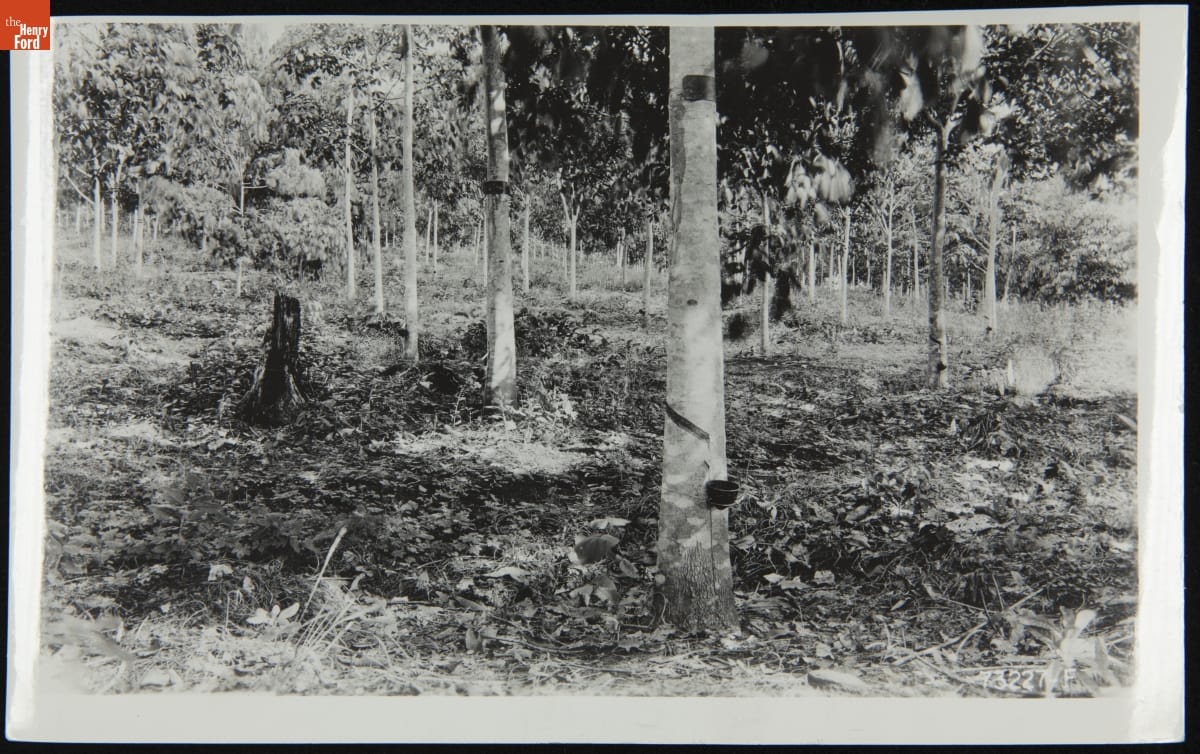
- December 18, 1936
- Collections - Artifact
Young Rubber Trees under First Tapping, Fordlandia Rubber Plantation, Brazil, 1936
Henry Ford established Fordlandia and Belterra in the Brazilian rainforest to supply rubber for automobile production. He began shipping machinery and supplies to the Amazon in 1928. Ford paid the indigenous workers good wages and supplied various amenities -- he also imposed foreign work traditions and behavioral restrictions which the workers resented. The plantations failed and Ford Motor Company disposed of the project in 1945.
- Rubber Trees on a Steep Ridge, Fordlandia Rubber Plantation, Brazil, 1936 - Henry Ford established Fordlandia and Belterra in the Brazilian rainforest to supply rubber for automobile production. He began shipping machinery and supplies to the Amazon in 1928. Ford paid the indigenous workers good wages and supplied various amenities -- he also imposed foreign work traditions and behavioral restrictions which the workers resented. The plantations failed and Ford Motor Company disposed of the project in 1945.
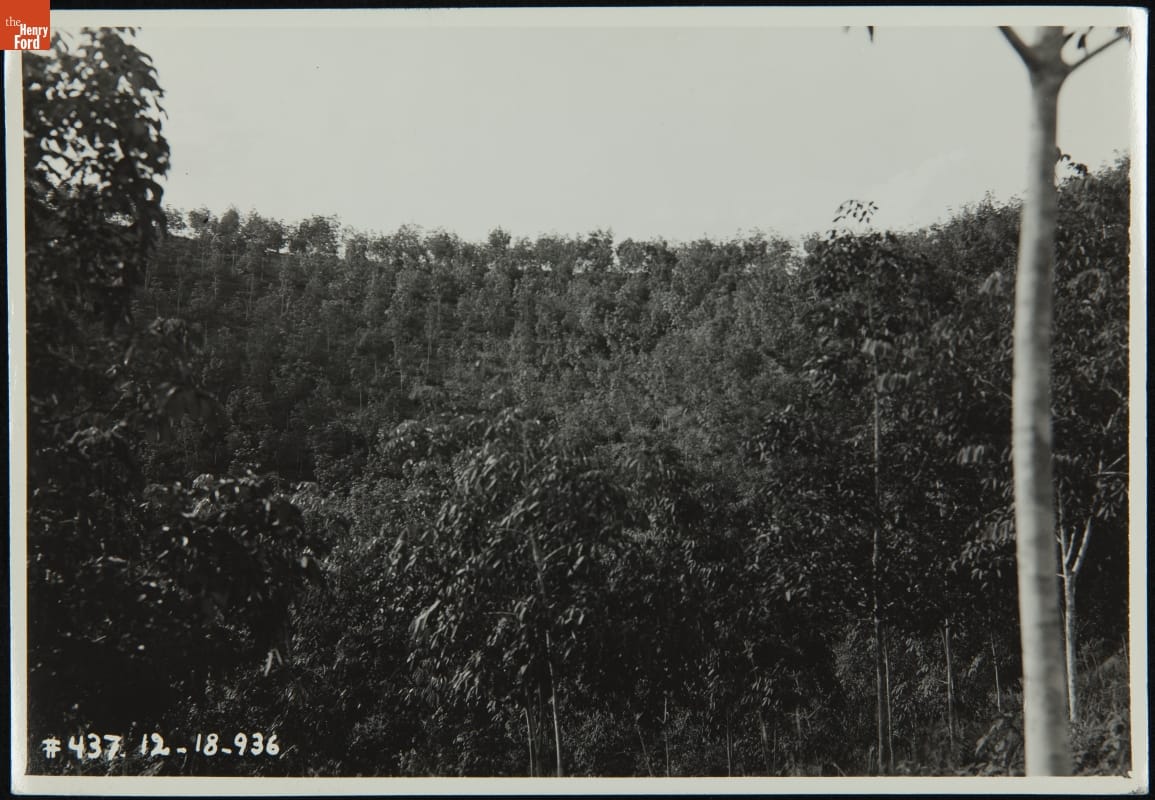
- December 18, 1936
- Collections - Artifact
Rubber Trees on a Steep Ridge, Fordlandia Rubber Plantation, Brazil, 1936
Henry Ford established Fordlandia and Belterra in the Brazilian rainforest to supply rubber for automobile production. He began shipping machinery and supplies to the Amazon in 1928. Ford paid the indigenous workers good wages and supplied various amenities -- he also imposed foreign work traditions and behavioral restrictions which the workers resented. The plantations failed and Ford Motor Company disposed of the project in 1945.
- Grafted Rubber Tree, Fordlandia, Brazil, 1940 - Henry Ford established Fordlandia and Belterra in the Brazilian rainforest to supply rubber for automobile production. He began shipping machinery and supplies to the Amazon in 1928. Ford paid the indigenous workers good wages and supplied various amenities -- he also imposed foreign work traditions and behavioral restrictions which the workers resented. The plantations failed and Ford Motor Company disposed of the project in 1945.
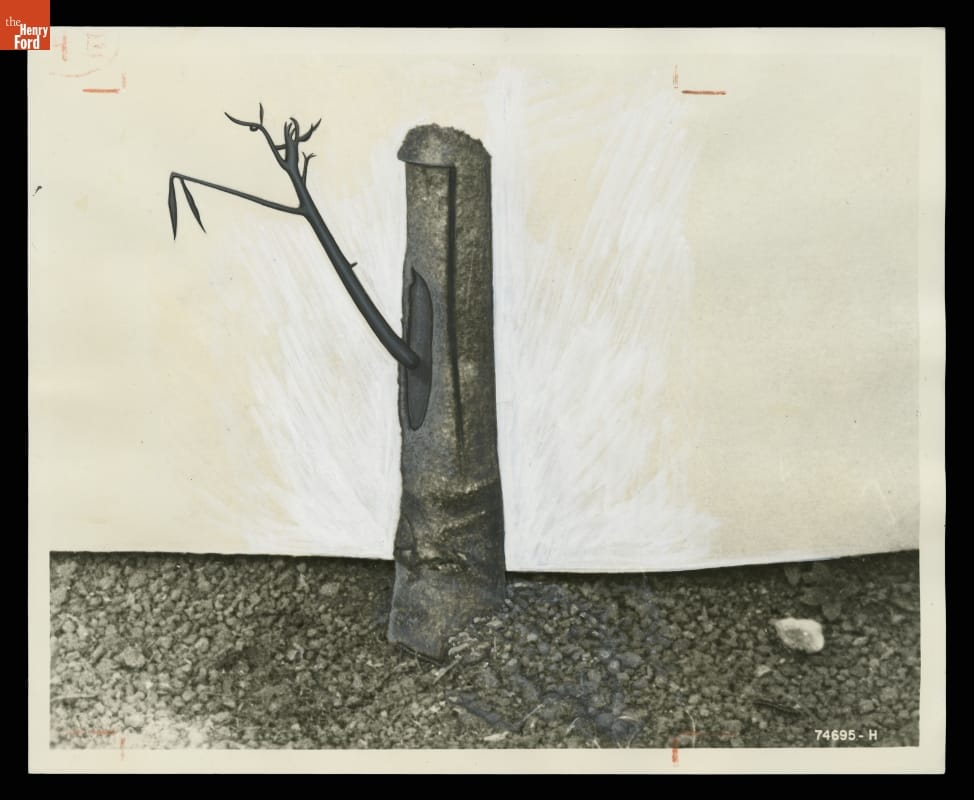
- 1940
- Collections - Artifact
Grafted Rubber Tree, Fordlandia, Brazil, 1940
Henry Ford established Fordlandia and Belterra in the Brazilian rainforest to supply rubber for automobile production. He began shipping machinery and supplies to the Amazon in 1928. Ford paid the indigenous workers good wages and supplied various amenities -- he also imposed foreign work traditions and behavioral restrictions which the workers resented. The plantations failed and Ford Motor Company disposed of the project in 1945.
- The Ford Rubber Plantations, 1941 - Henry Ford established Fordlandia and Belterra in the Brazilian rainforest to supply rubber for automobile production. He began shipping machinery and supplies to the Amazon in 1928. Ford paid the indigenous workers good wages and supplied various amenities -- he also imposed foreign work traditions and behavioral restrictions which the workers resented. The plantations failed and Ford Motor Company disposed of the project in 1945.
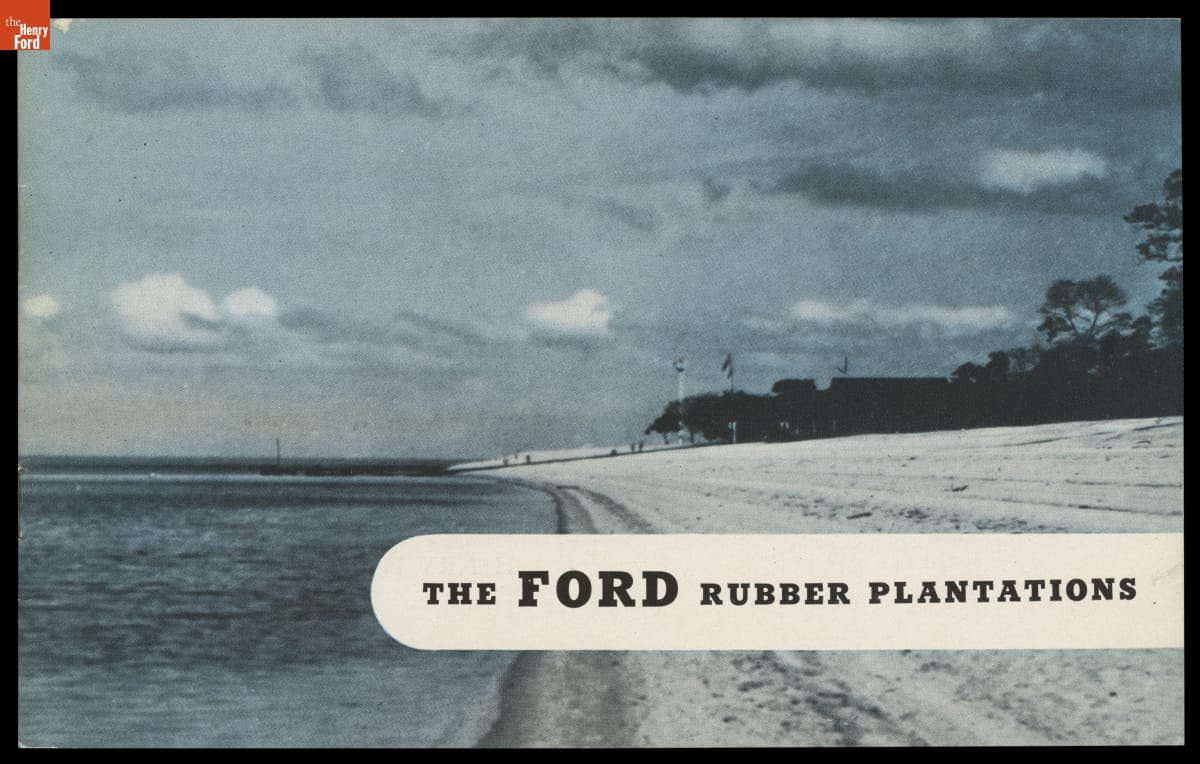
- 1941
- Collections - Artifact
The Ford Rubber Plantations, 1941
Henry Ford established Fordlandia and Belterra in the Brazilian rainforest to supply rubber for automobile production. He began shipping machinery and supplies to the Amazon in 1928. Ford paid the indigenous workers good wages and supplied various amenities -- he also imposed foreign work traditions and behavioral restrictions which the workers resented. The plantations failed and Ford Motor Company disposed of the project in 1945.
- Belterra Rubber Plantation, Brazil, 1935 - Henry Ford established Fordlandia and Belterra in the Brazilian rainforest to supply rubber for automobile production. He began shipping machinery and supplies to the Amazon in 1928. Ford paid the indigenous workers good wages and supplied various amenities -- he also imposed foreign work traditions and behavioral restrictions which the workers resented. The plantations failed and Ford Motor Company disposed of the project in 1945.
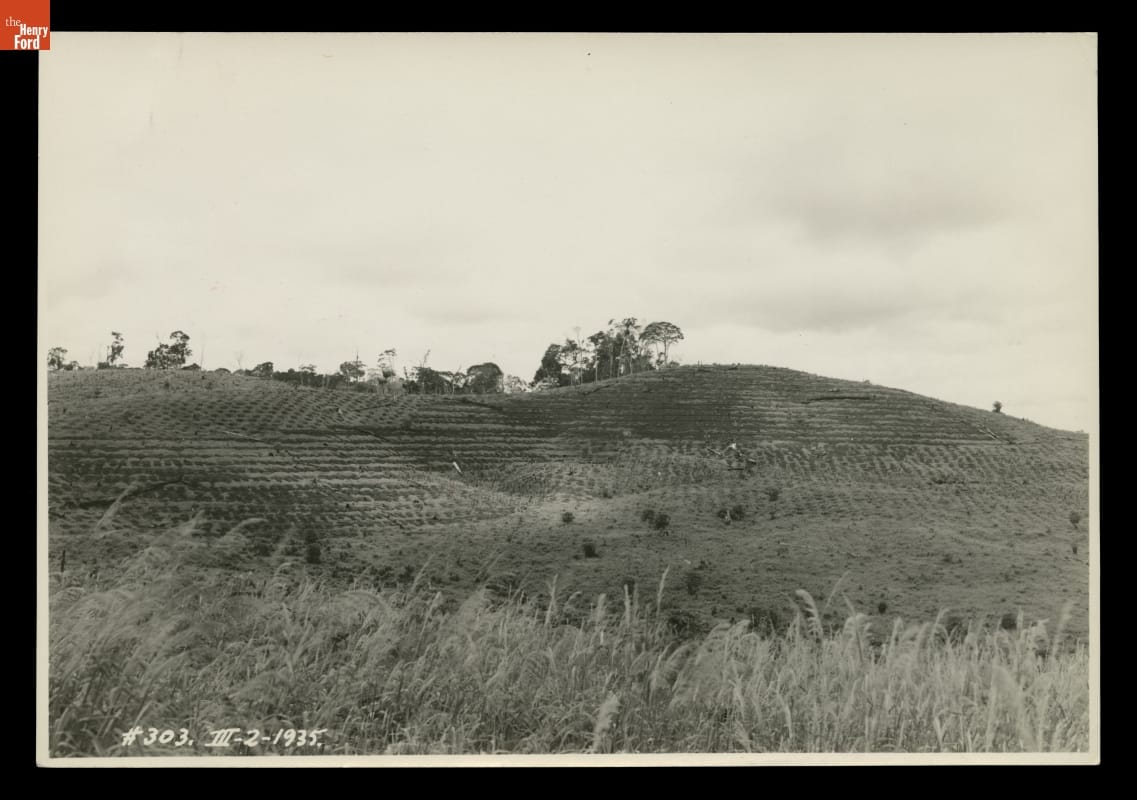
- March 02, 1935
- Collections - Artifact
Belterra Rubber Plantation, Brazil, 1935
Henry Ford established Fordlandia and Belterra in the Brazilian rainforest to supply rubber for automobile production. He began shipping machinery and supplies to the Amazon in 1928. Ford paid the indigenous workers good wages and supplied various amenities -- he also imposed foreign work traditions and behavioral restrictions which the workers resented. The plantations failed and Ford Motor Company disposed of the project in 1945.
- Terracing, Fordlandia, Brazil, 1931 -
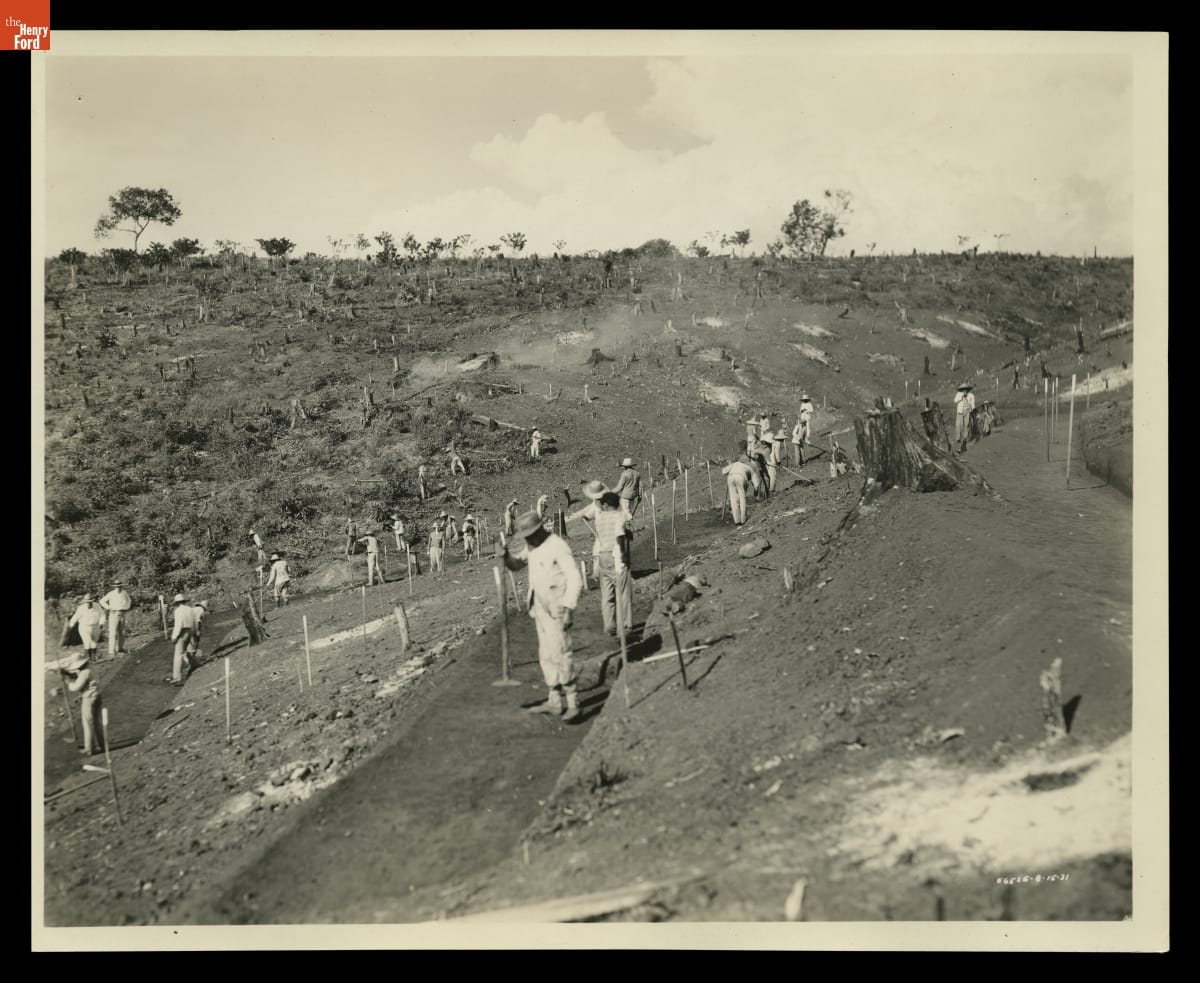
- August 15, 1931
- Collections - Artifact
Terracing, Fordlandia, Brazil, 1931