
Search
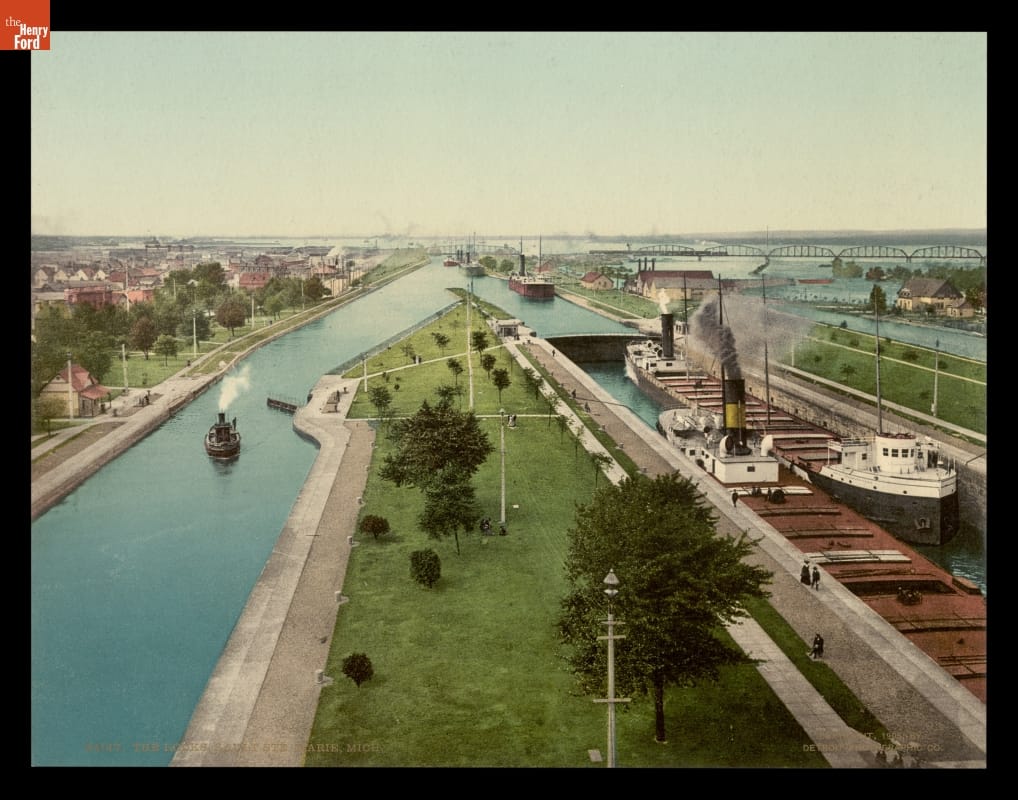
- Photochrom Print, "The Locks, Sault Ste. Marie, Michigan," 1905 - From 1895 to 1924, the Detroit Publishing Company was one of the major image publishers in the world. The company had a wide-ranging stock of original photographs, including many scenes from across North America. This colorful image shows the locks at Sault Ste. Marie. They helped freighters and other ships navigate the 21-foot drop between Lake Superior and Lake Huron.
- 1905
- Collections - Artifact
Photochrom Print, "The Locks, Sault Ste. Marie, Michigan," 1905
From 1895 to 1924, the Detroit Publishing Company was one of the major image publishers in the world. The company had a wide-ranging stock of original photographs, including many scenes from across North America. This colorful image shows the locks at Sault Ste. Marie. They helped freighters and other ships navigate the 21-foot drop between Lake Superior and Lake Huron.
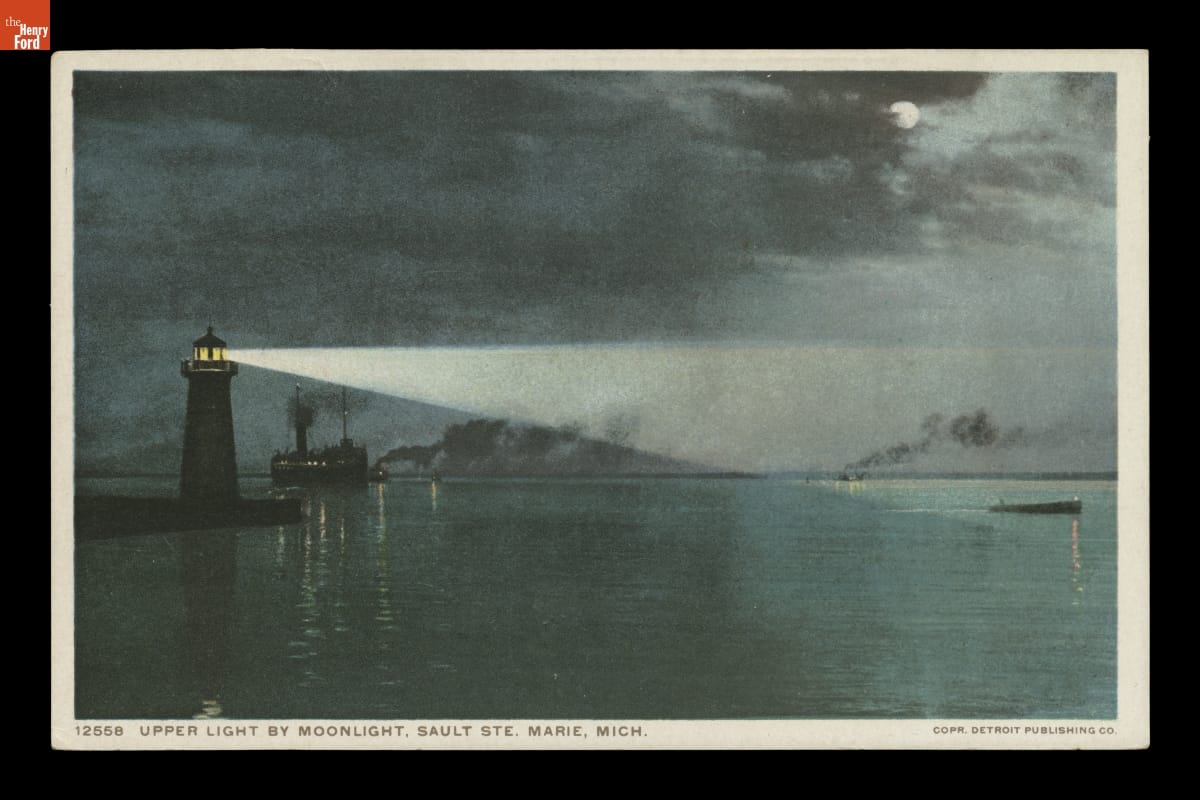
- Upper Light by Moonlight, Sault Ste. Marie, Michigan, circa 1909 - From 1895 to 1924, the Detroit Publishing Company was one of the major image publishers in the world. It had a wide-ranging stock of original photographs, many of which were colored using the company's patented "Phostint" process. Popular "Phostint" postcards, the Detroit Publishing Company claimed, were delicately "executed in Nature's Coloring" to be truthful, tasteful, beautiful, and educational.
- circa 1909
- Collections - Artifact
Upper Light by Moonlight, Sault Ste. Marie, Michigan, circa 1909
From 1895 to 1924, the Detroit Publishing Company was one of the major image publishers in the world. It had a wide-ranging stock of original photographs, many of which were colored using the company's patented "Phostint" process. Popular "Phostint" postcards, the Detroit Publishing Company claimed, were delicately "executed in Nature's Coloring" to be truthful, tasteful, beautiful, and educational.
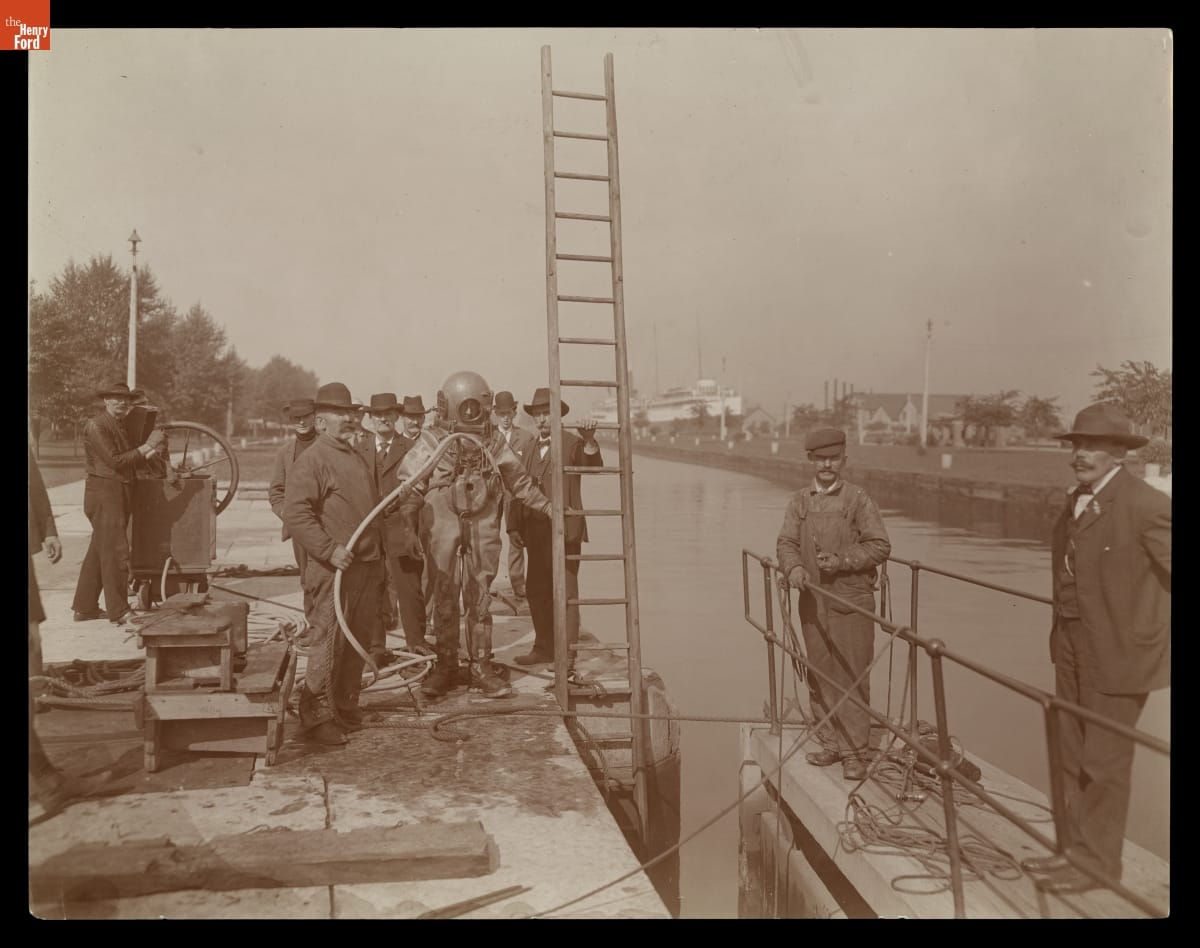
- Diver Repairing a Lock Gate at Sault Sainte Marie, Michigan, 1908 - The first lock at Sault Ste. Marie, Michigan, opened in 1855. It allowed boats to navigate the 21-foot climb from Lake Huron to Lake Superior along the St. Marys River. Over time, additional locks were built on the American and Canadian sides of the river. The Soo Locks became one of the world's busiest waterways -- despite being closed in winter.
- 1908
- Collections - Artifact
Diver Repairing a Lock Gate at Sault Sainte Marie, Michigan, 1908
The first lock at Sault Ste. Marie, Michigan, opened in 1855. It allowed boats to navigate the 21-foot climb from Lake Huron to Lake Superior along the St. Marys River. Over time, additional locks were built on the American and Canadian sides of the river. The Soo Locks became one of the world's busiest waterways -- despite being closed in winter.
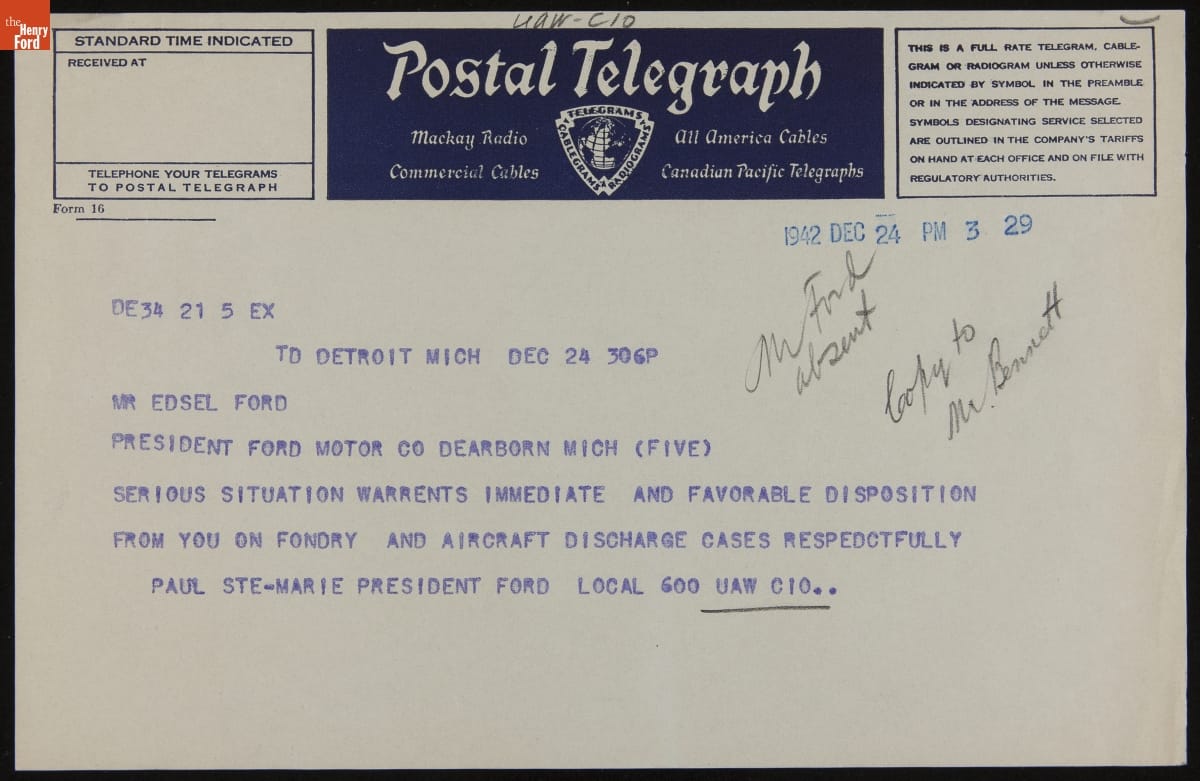
- Telegram from Paul Ste. Marie to Edsel Ford, December 24, 1942 -
- December 24, 1942
- Collections - Artifact
Telegram from Paul Ste. Marie to Edsel Ford, December 24, 1942
- Envelope Sent by Air Mail to Henry Ford from Sault Sainte Marie, Michigan for National Air Mail Week, May 1938 - Twenty years after the first regularly scheduled U.S. air mail service was established, President Franklin D. Roosevelt and Postmaster General James A. Farley sponsored National Air Mail Week in 1938. Part celebration and part advertising, the event promoted the pricier service during the Great Depression. Cities throughout the country created their own special mail cachets and cancellations to mark the occasion.
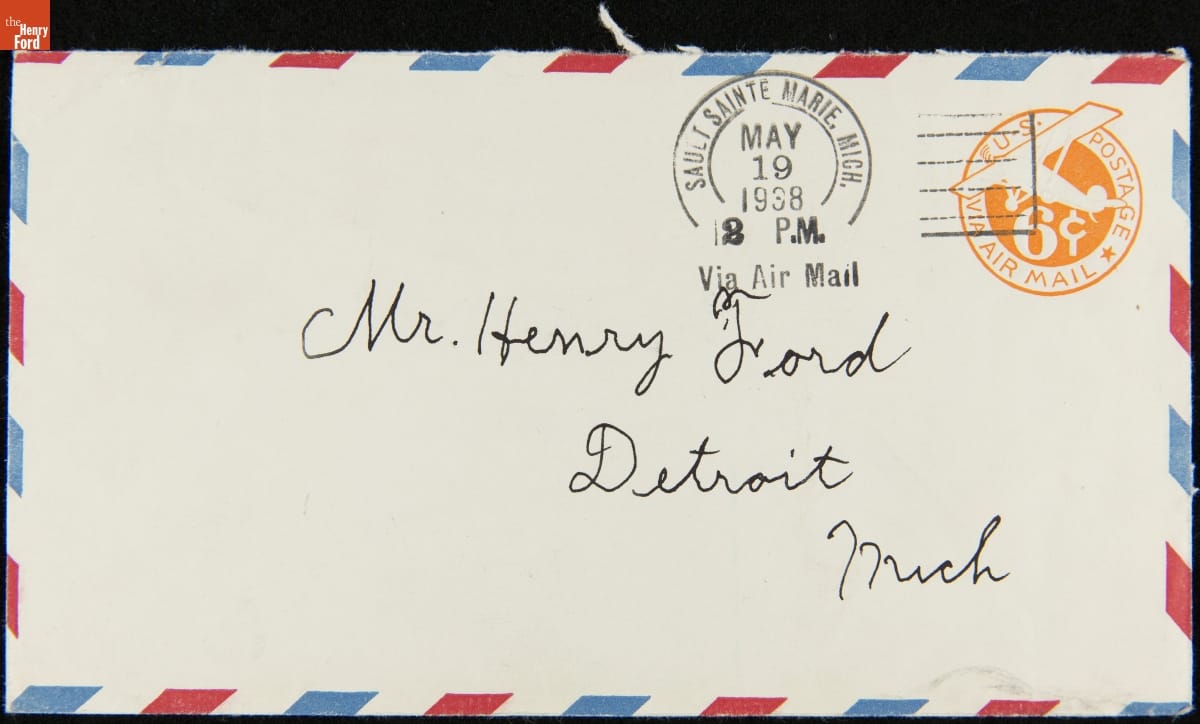
- May 19, 1938
- Collections - Artifact
Envelope Sent by Air Mail to Henry Ford from Sault Sainte Marie, Michigan for National Air Mail Week, May 1938
Twenty years after the first regularly scheduled U.S. air mail service was established, President Franklin D. Roosevelt and Postmaster General James A. Farley sponsored National Air Mail Week in 1938. Part celebration and part advertising, the event promoted the pricier service during the Great Depression. Cities throughout the country created their own special mail cachets and cancellations to mark the occasion.
- Letter from Edsel Ford Inviting Paul Ste. Marie to a Red Cross Blood Drive at the Rouge Plant, October 29, 1942 - Ford Motor Company and its employees contributed to Allied efforts in World War II in many ways. The company built trucks, tanks, aircraft engines, gliders, and B-24 bomber airplanes. Ford workers participated in blood drives by donating blood and plasma for use stateside or overseas.
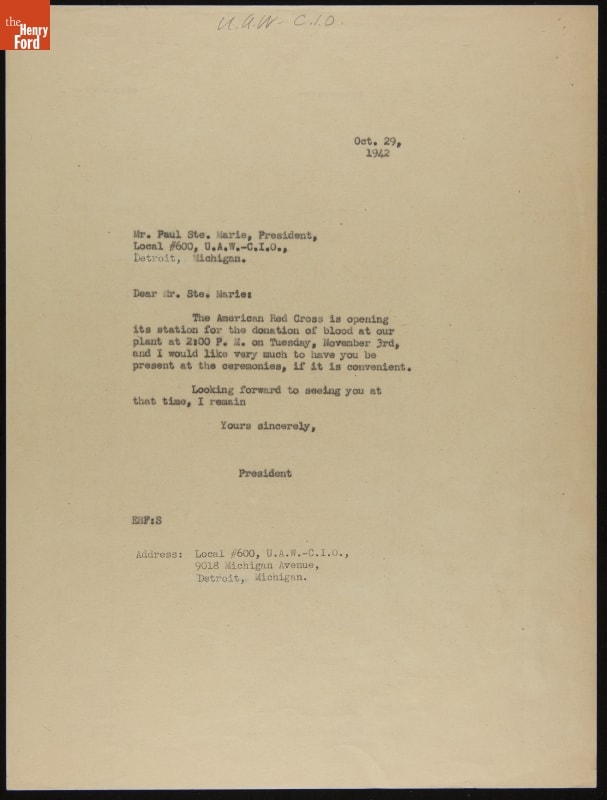
- October 29, 1942
- Collections - Artifact
Letter from Edsel Ford Inviting Paul Ste. Marie to a Red Cross Blood Drive at the Rouge Plant, October 29, 1942
Ford Motor Company and its employees contributed to Allied efforts in World War II in many ways. The company built trucks, tanks, aircraft engines, gliders, and B-24 bomber airplanes. Ford workers participated in blood drives by donating blood and plasma for use stateside or overseas.
- Telegram to Edsel Ford regarding Fundraising for the Community War Chest, December 11, 1942 -
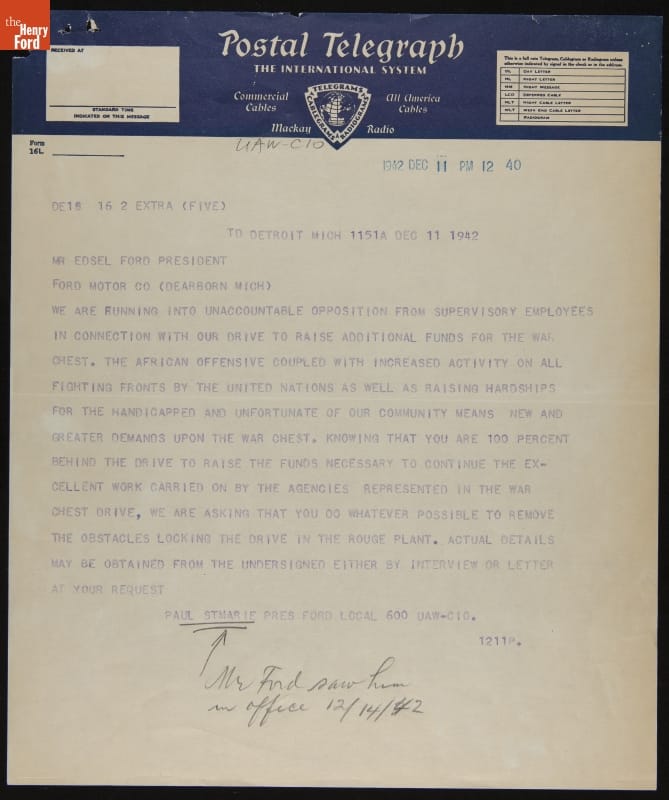
- December 11, 1942
- Collections - Artifact
Telegram to Edsel Ford regarding Fundraising for the Community War Chest, December 11, 1942
- Lunchbox, Used by J.J. Fornnarino, circa 1950 -
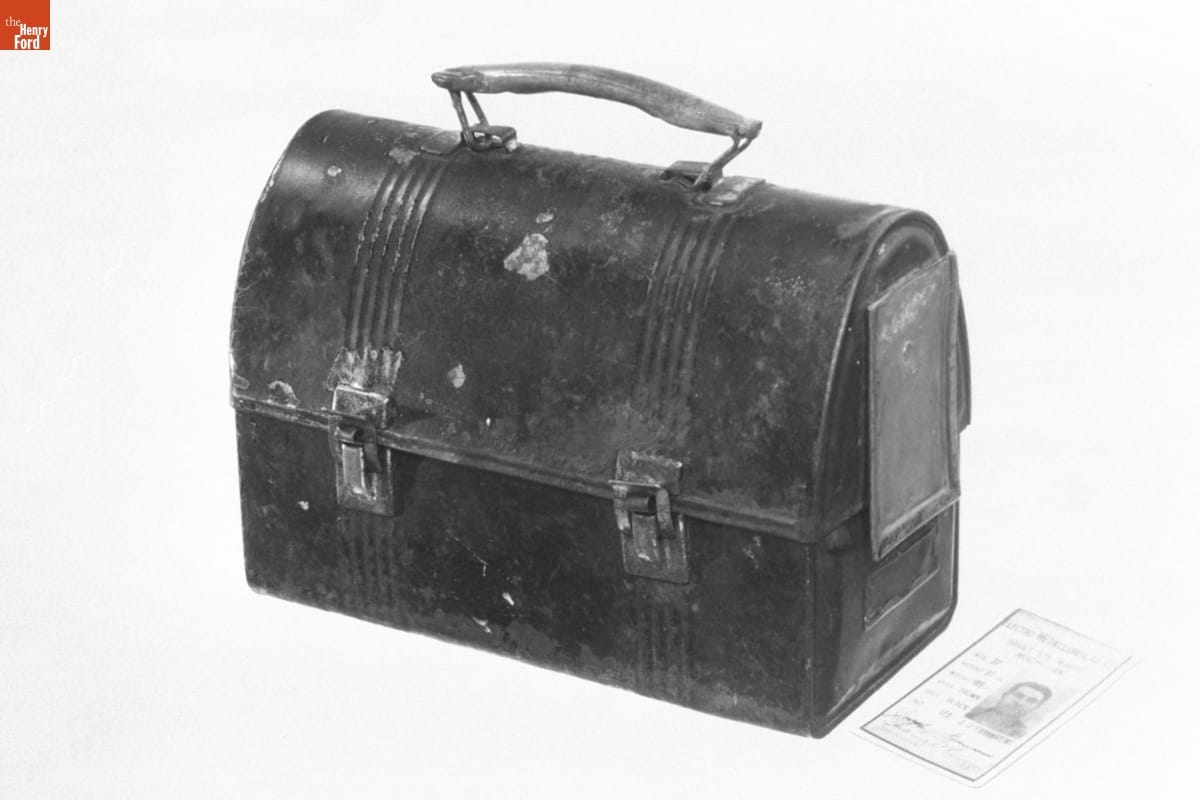
- circa 1950
- Collections - Artifact
Lunchbox, Used by J.J. Fornnarino, circa 1950
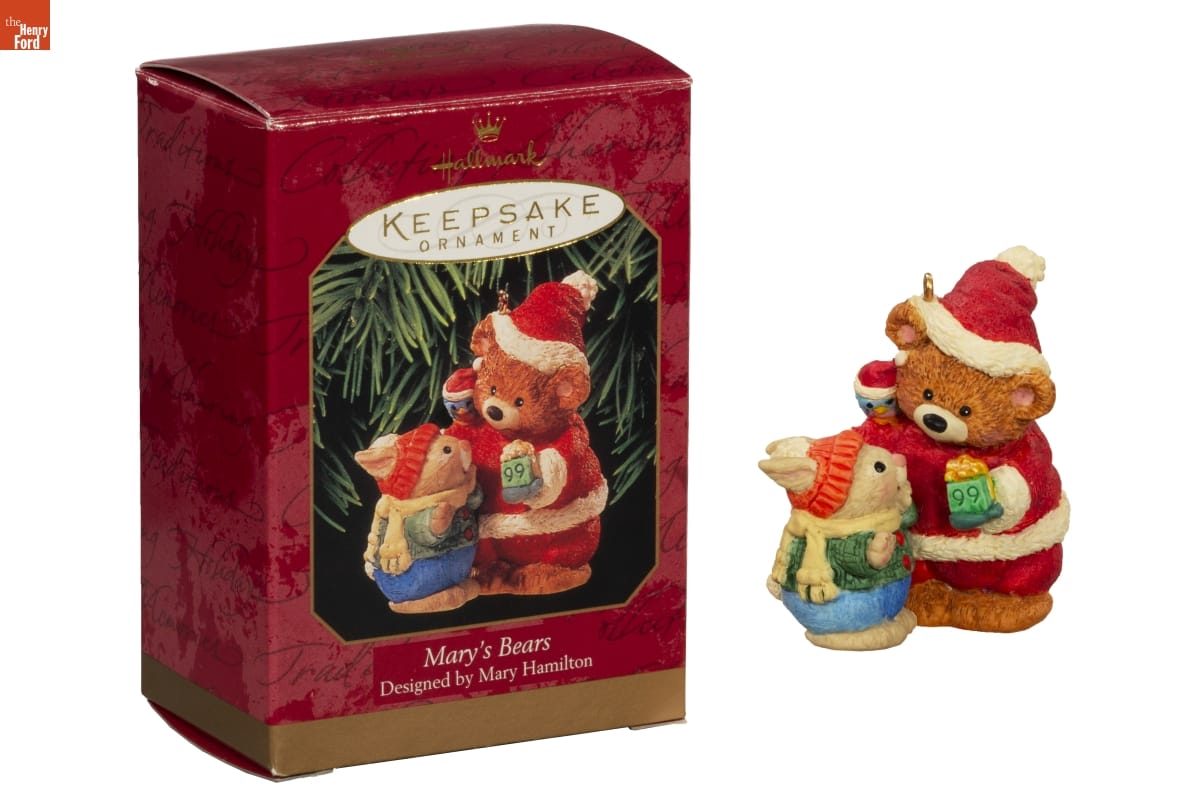
- Hallmark "Mary's Bears" Christmas Ornament, 1999 - Already known for greeting cards, Hallmark introduced a line of Christmas ornaments in 1973. The company's annual release of an increasing array of ornaments revolutionized Christmas decorating, appealing to customers' interest in marking memories and milestones as well as expressing one's personality and unique tastes.
- 1999
- Collections - Artifact
Hallmark "Mary's Bears" Christmas Ornament, 1999
Already known for greeting cards, Hallmark introduced a line of Christmas ornaments in 1973. The company's annual release of an increasing array of ornaments revolutionized Christmas decorating, appealing to customers' interest in marking memories and milestones as well as expressing one's personality and unique tastes.
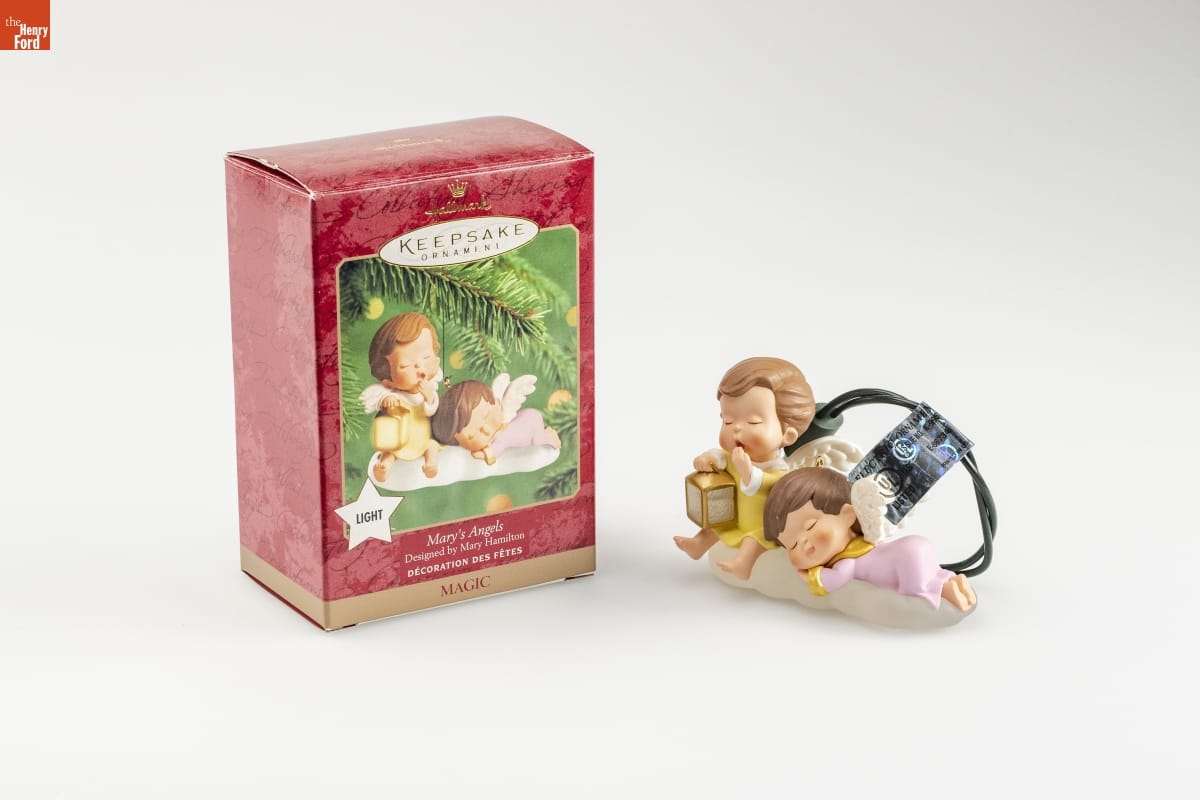
- Hallmark "Mary's Angels" Christmas Ornament, 2000 - Already known for greeting cards, Hallmark introduced a line of Christmas ornaments in 1973. The company's annual release of an increasing array of ornaments revolutionized Christmas decorating, appealing to customers' interest in marking memories and milestones as well as expressing one's personality and unique tastes.
- 2000
- Collections - Artifact
Hallmark "Mary's Angels" Christmas Ornament, 2000
Already known for greeting cards, Hallmark introduced a line of Christmas ornaments in 1973. The company's annual release of an increasing array of ornaments revolutionized Christmas decorating, appealing to customers' interest in marking memories and milestones as well as expressing one's personality and unique tastes.