
Search
- Tripp Sawmill - Small sawmills played a fundamental role in rural communities in nineteenth century America, processing locally-logged wood to provide sawn lumber for construction in the immediate area. While many such mills were water powered, this was steam-powered from the outset. It was simple but refined -- a modest, self-sufficient industrial operation (water and fuel was available onsite), comfortably wedded to its rural location.
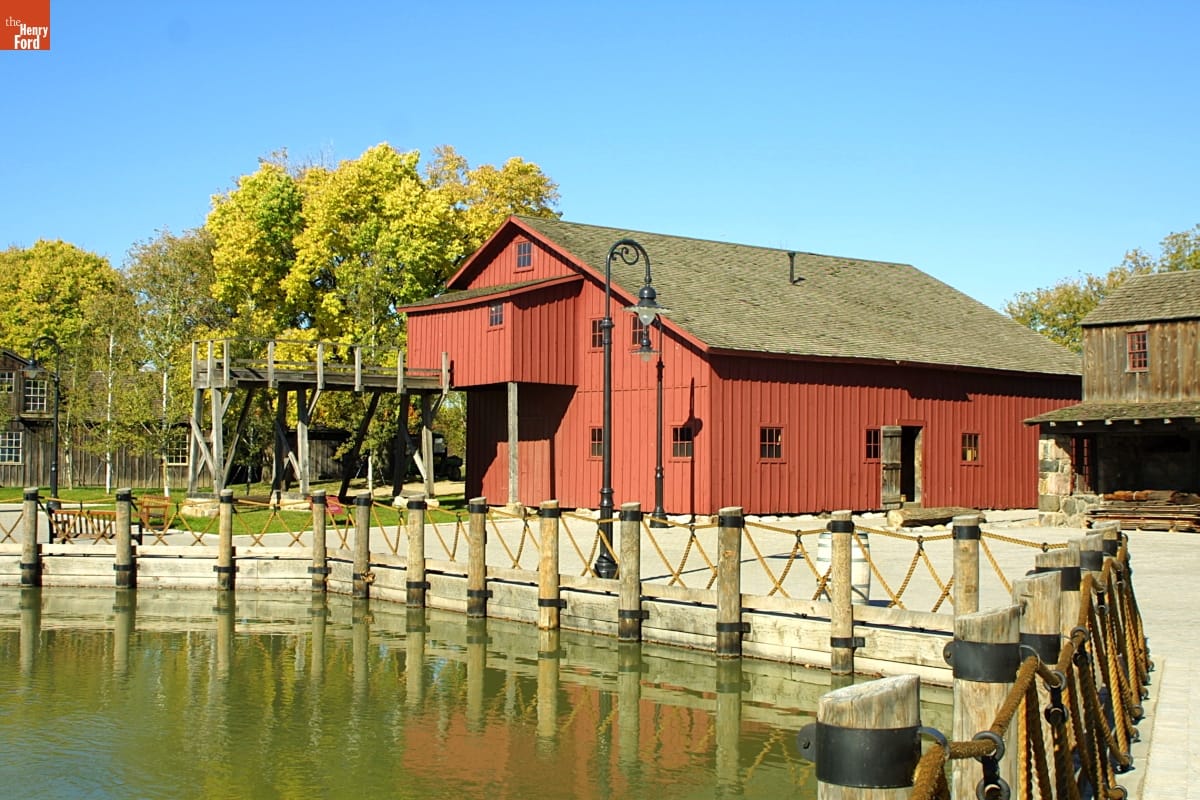
- circa 1855
- Collections - Artifact
Tripp Sawmill
Small sawmills played a fundamental role in rural communities in nineteenth century America, processing locally-logged wood to provide sawn lumber for construction in the immediate area. While many such mills were water powered, this was steam-powered from the outset. It was simple but refined -- a modest, self-sufficient industrial operation (water and fuel was available onsite), comfortably wedded to its rural location.
- Spofford Sawmill - Sawmills were among the first mills in new settlements, supplying lumber for people's homes and barns. Henry Ford had this mill built in Greenfield Village to house early up-and-down sawmill machinery. One of the large beams holding up the building came from a water-powered sawmill that George Spofford operated in Georgetown, Massachusetts, back in the 1600s.
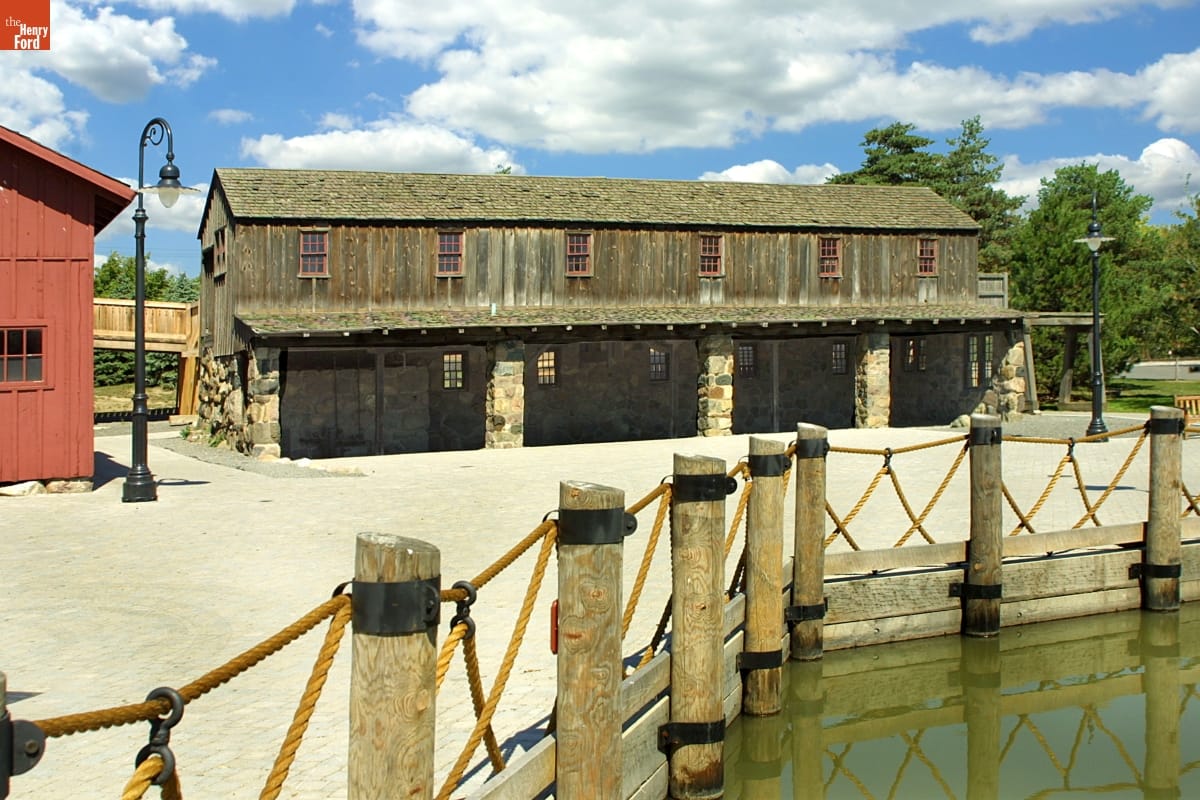
- 1680-1855
- Collections - Artifact
Spofford Sawmill
Sawmills were among the first mills in new settlements, supplying lumber for people's homes and barns. Henry Ford had this mill built in Greenfield Village to house early up-and-down sawmill machinery. One of the large beams holding up the building came from a water-powered sawmill that George Spofford operated in Georgetown, Massachusetts, back in the 1600s.
- Stoney Creek Sawmill - The Stoney Creek sawmill was built in Greenfield Village in 1938. Henry Ford outfitted the mill with a circular saw and other equipment to provide lumber for many Greenfield Village projects.
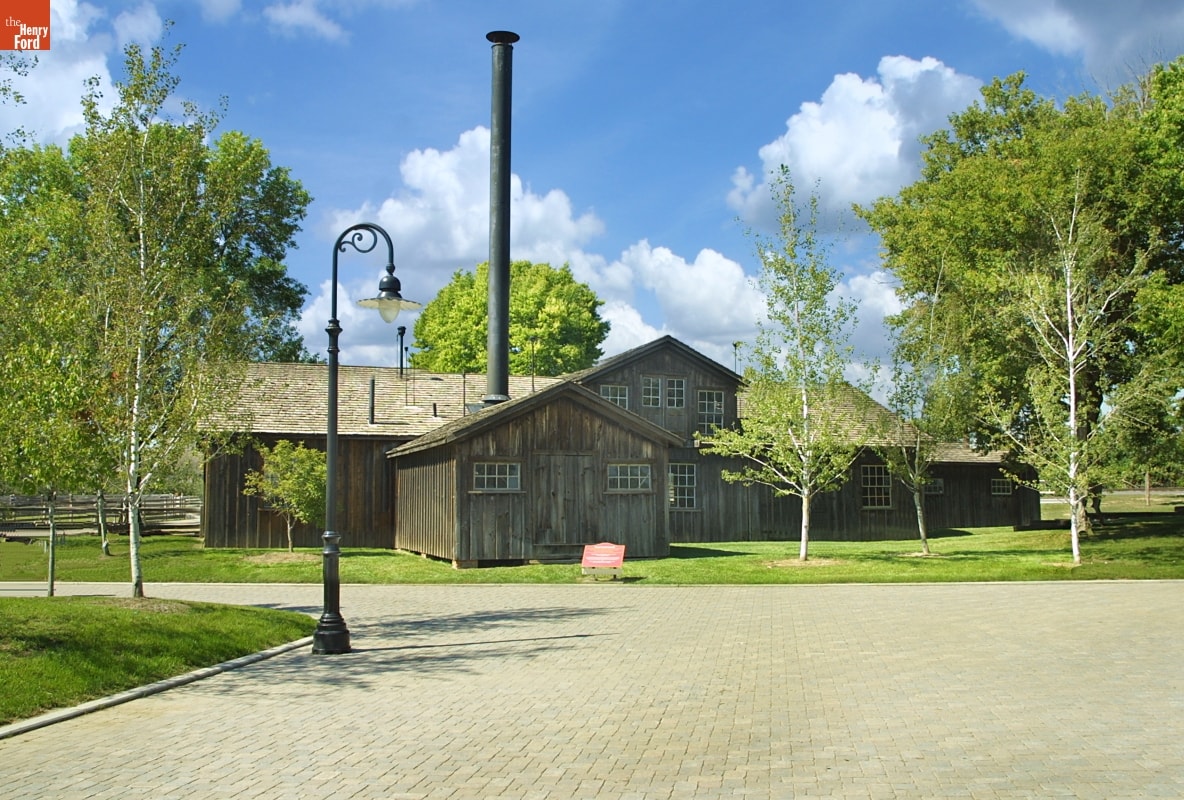
- 1938
- Collections - Artifact
Stoney Creek Sawmill
The Stoney Creek sawmill was built in Greenfield Village in 1938. Henry Ford outfitted the mill with a circular saw and other equipment to provide lumber for many Greenfield Village projects.
- Fordlandia Sawmill, Brazil, 1931 - Henry Ford established Fordlandia and Belterra in the Brazilian rainforest to supply rubber for automobile production. He began shipping machinery and supplies to the Amazon in 1928. Ford paid the indigenous workers good wages and supplied various amenities -- he also imposed foreign work traditions and behavioral restrictions which the workers resented. The plantations failed and Ford Motor Company disposed of the project in 1945.
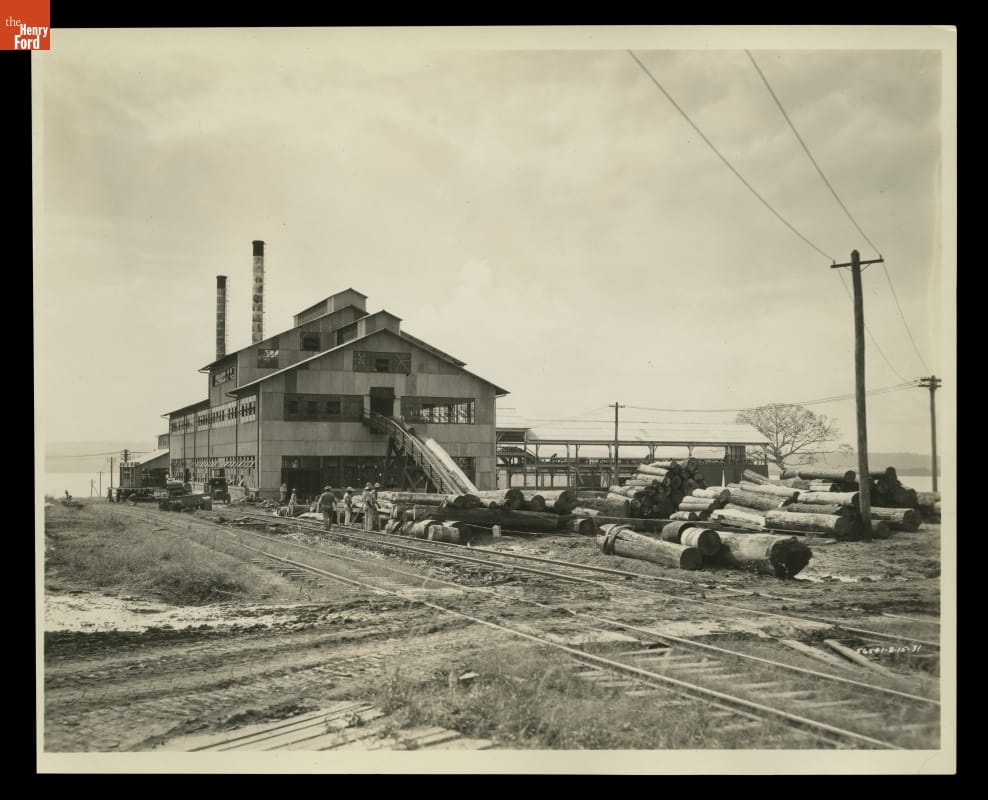
- August 15, 1931
- Collections - Artifact
Fordlandia Sawmill, Brazil, 1931
Henry Ford established Fordlandia and Belterra in the Brazilian rainforest to supply rubber for automobile production. He began shipping machinery and supplies to the Amazon in 1928. Ford paid the indigenous workers good wages and supplied various amenities -- he also imposed foreign work traditions and behavioral restrictions which the workers resented. The plantations failed and Ford Motor Company disposed of the project in 1945.
- Logs Ready for Sawmill, 1940 -
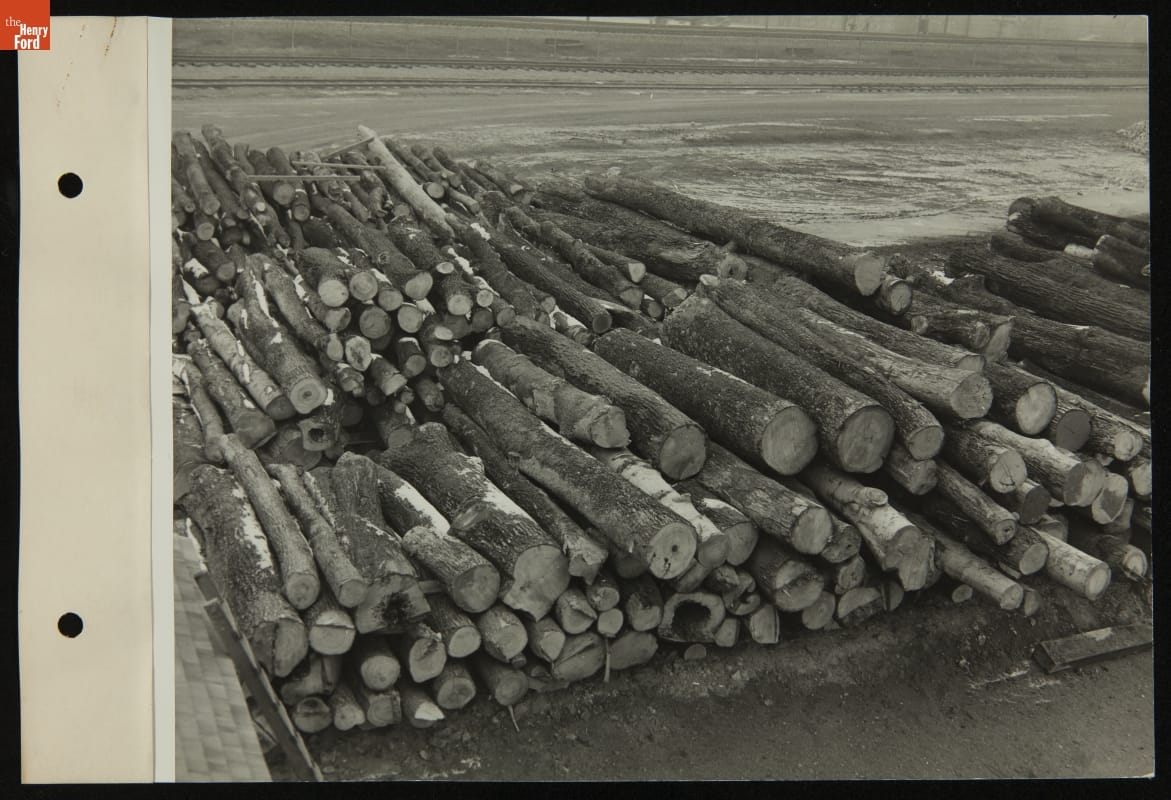
- March 18, 1940
- Collections - Artifact
Logs Ready for Sawmill, 1940
- Sawmill, Fordlandia, Brazil, January 1930 - Henry Ford established Fordlandia and Belterra in the Brazilian rainforest to supply rubber for automobile production. He began shipping machinery and supplies to the Amazon in 1928. Ford paid the indigenous workers good wages and supplied various amenities -- he also imposed foreign work traditions and behavioral restrictions which the workers resented. The plantations failed and Ford Motor Company disposed of the project in 1945.
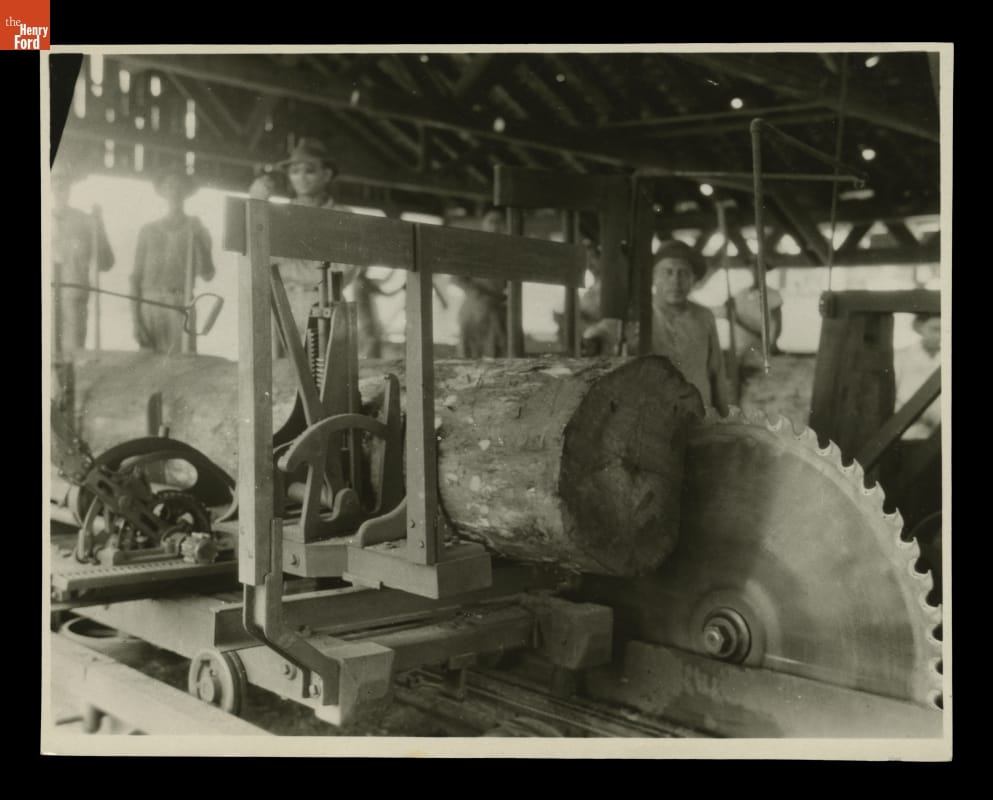
- January 11, 1930
- Collections - Artifact
Sawmill, Fordlandia, Brazil, January 1930
Henry Ford established Fordlandia and Belterra in the Brazilian rainforest to supply rubber for automobile production. He began shipping machinery and supplies to the Amazon in 1928. Ford paid the indigenous workers good wages and supplied various amenities -- he also imposed foreign work traditions and behavioral restrictions which the workers resented. The plantations failed and Ford Motor Company disposed of the project in 1945.
- Sawmill at Belterra, Brazil, 1935 - Henry Ford established Fordlandia and Belterra in the Brazilian rainforest to supply rubber for automobile production. He began shipping machinery and supplies to the Amazon in 1928. Ford paid the indigenous workers good wages and supplied various amenities -- he also imposed foreign work traditions and behavioral restrictions which the workers resented. The plantations failed and Ford Motor Company disposed of the project in 1945.
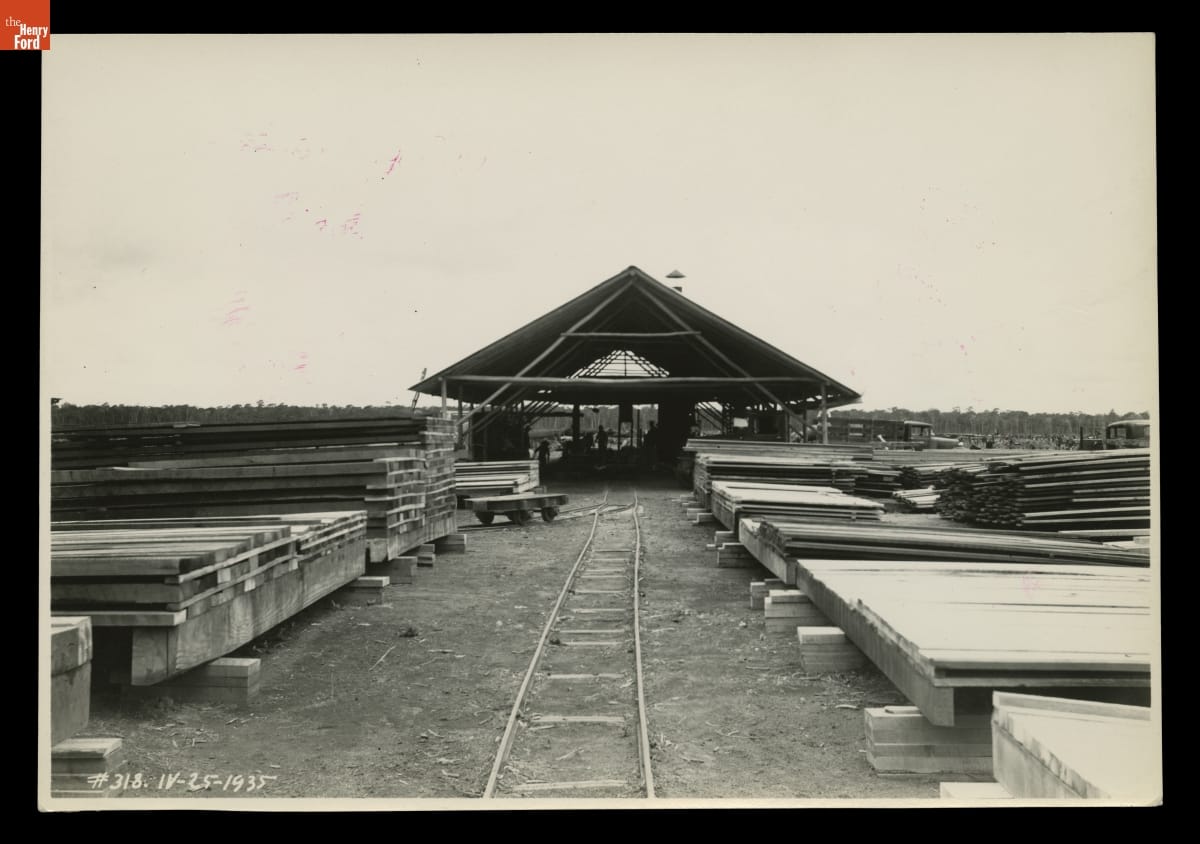
- June 26, 1935
- Collections - Artifact
Sawmill at Belterra, Brazil, 1935
Henry Ford established Fordlandia and Belterra in the Brazilian rainforest to supply rubber for automobile production. He began shipping machinery and supplies to the Amazon in 1928. Ford paid the indigenous workers good wages and supplied various amenities -- he also imposed foreign work traditions and behavioral restrictions which the workers resented. The plantations failed and Ford Motor Company disposed of the project in 1945.
- Sawmill in Alberta, Michigan, 1937 - Ford Motor Company had several facilities in Michigan's Upper Peninsula. Ford built a sawmill and established a company town in Alberta, Michigan, in 1935. More a public-relations effort than a vital industry, Ford operated the Alberta mill until 1954. The company then donated the facility and 1,700 acres of surrounding forest land to Michigan Technological University.
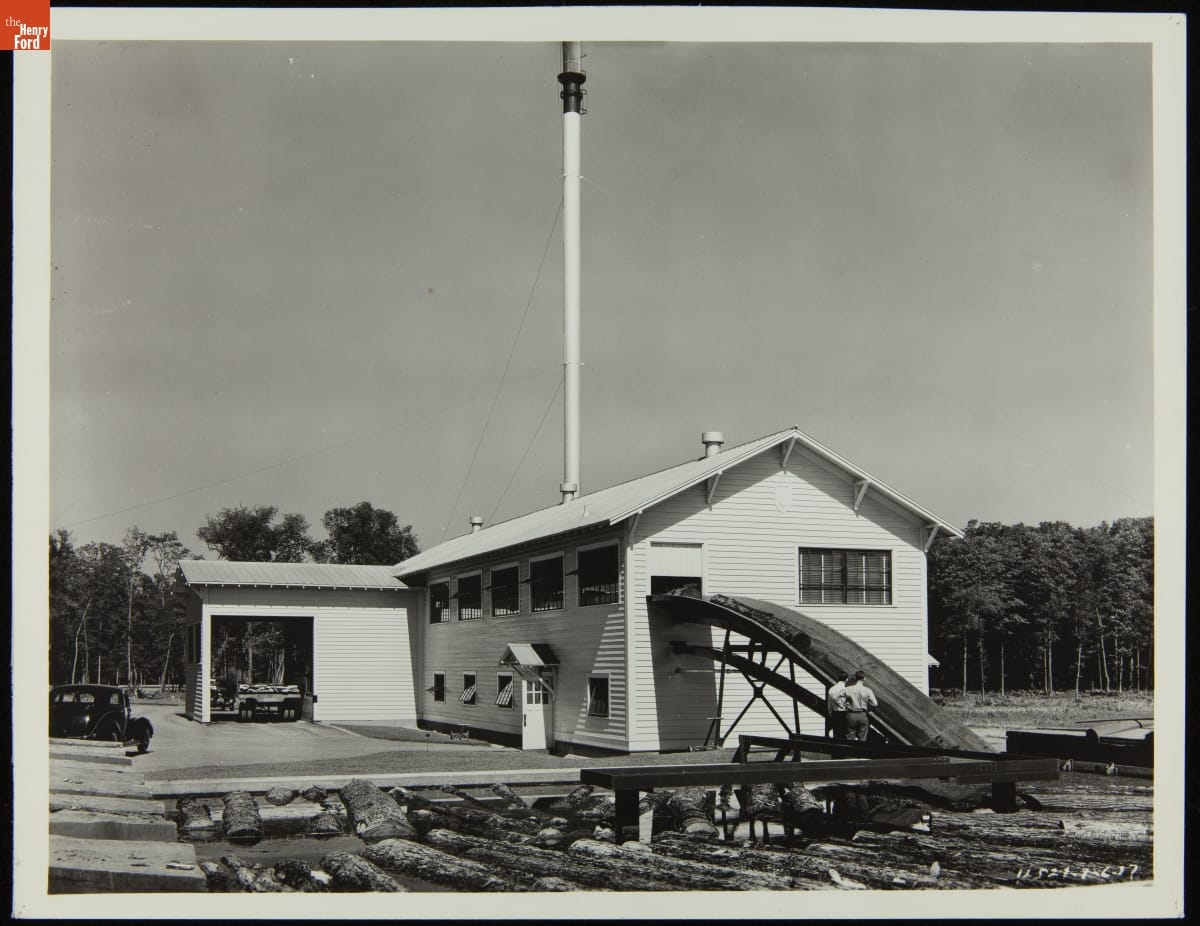
- July 06, 1937
- Collections - Artifact
Sawmill in Alberta, Michigan, 1937
Ford Motor Company had several facilities in Michigan's Upper Peninsula. Ford built a sawmill and established a company town in Alberta, Michigan, in 1935. More a public-relations effort than a vital industry, Ford operated the Alberta mill until 1954. The company then donated the facility and 1,700 acres of surrounding forest land to Michigan Technological University.
- Tripp Sawmill in Greenfield Village, 1934 -
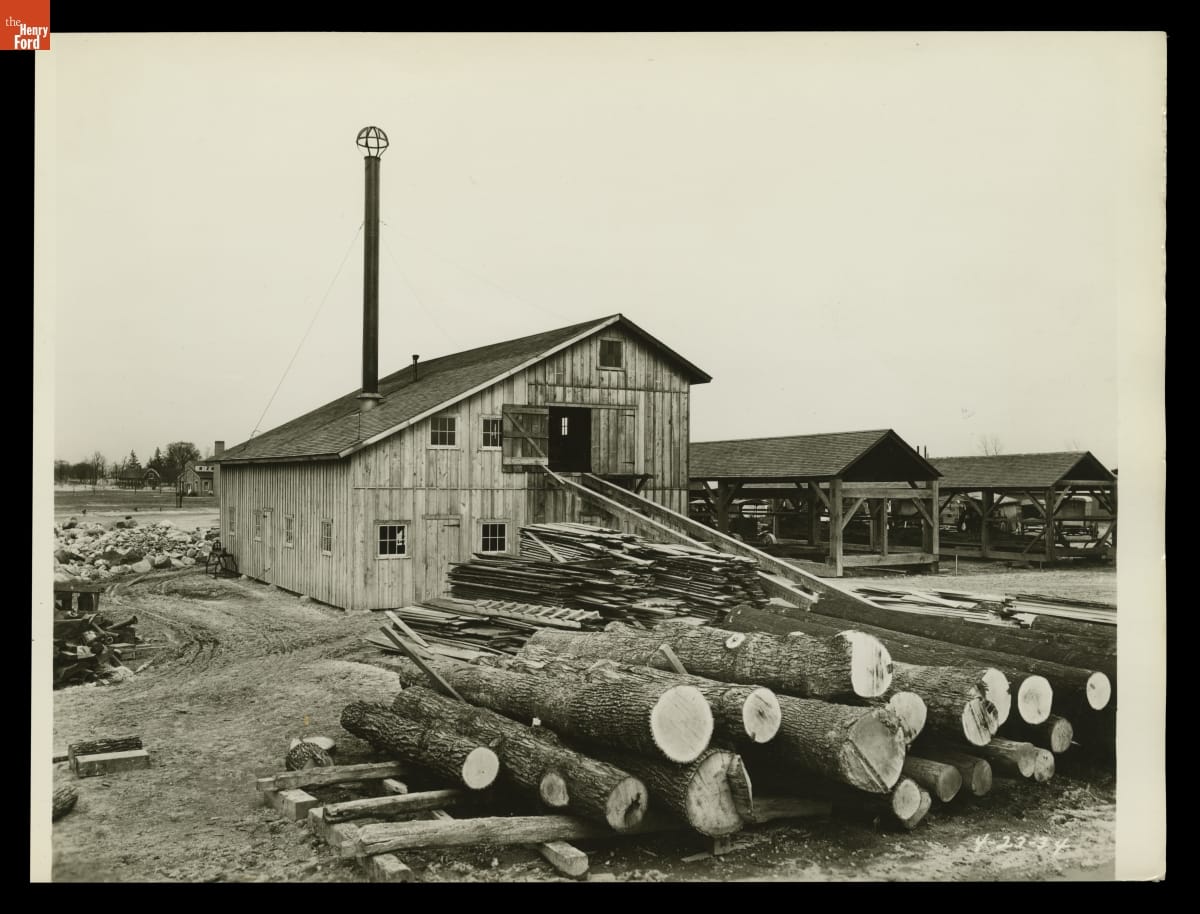
- April 23, 1934
- Collections - Artifact
Tripp Sawmill in Greenfield Village, 1934
- Circular Sawmill Demonstration, Greenfield Village, 1982 -
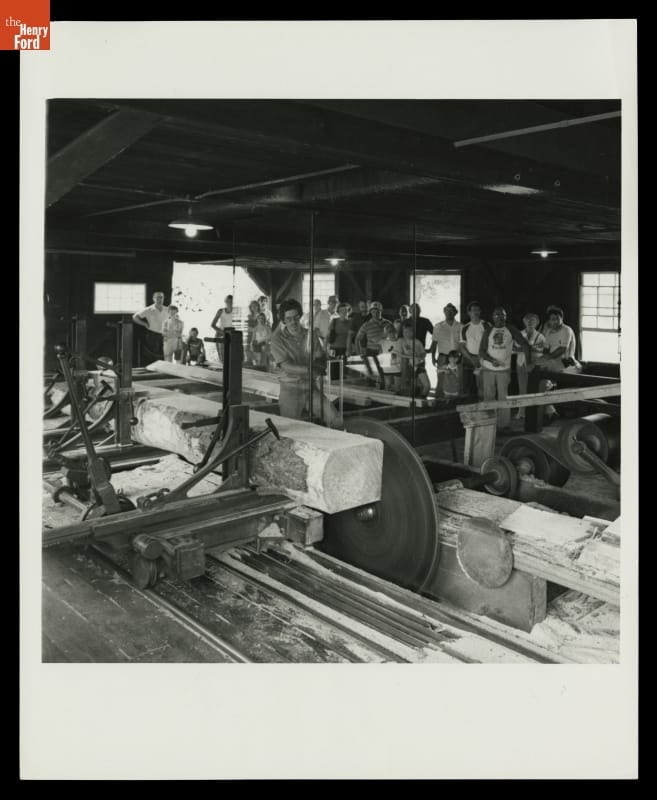
- 1982
- Collections - Artifact
Circular Sawmill Demonstration, Greenfield Village, 1982