
Search
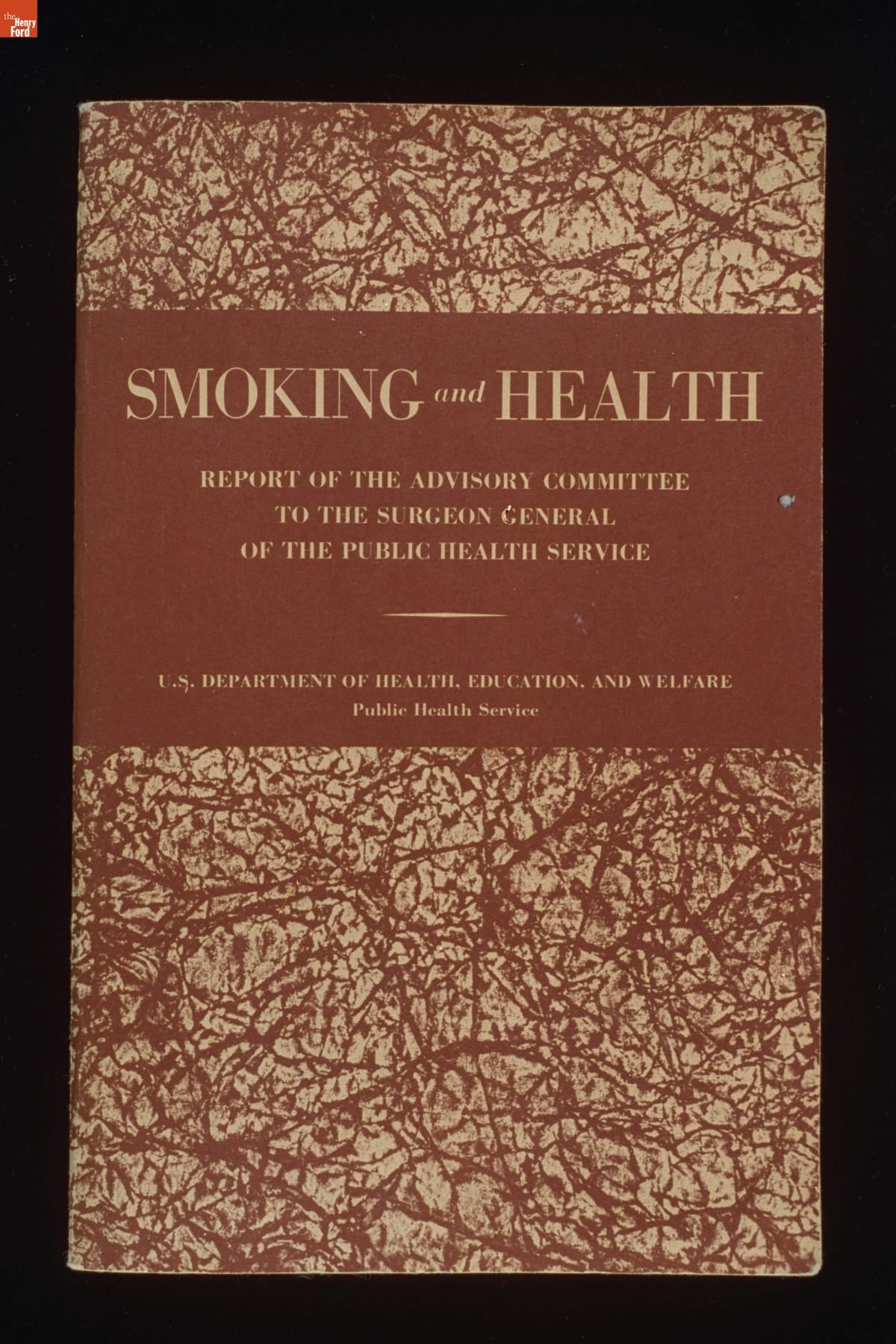
- Smoking and Health, 1964 - This 1964 report from the U.S. Surgeon General's office was the first to link tobacco smoking with serious health problems, including lung cancer, chronic bronchitis, and heart disease. The report's findings were widely covered in the media and contributed to the passage of the 1965 Federal Cigarette Labeling and Advertising Act, which required health warnings on cigarette ads and packaging.
- 1964
- Collections - Artifact
Smoking and Health, 1964
This 1964 report from the U.S. Surgeon General's office was the first to link tobacco smoking with serious health problems, including lung cancer, chronic bronchitis, and heart disease. The report's findings were widely covered in the media and contributed to the passage of the 1965 Federal Cigarette Labeling and Advertising Act, which required health warnings on cigarette ads and packaging.
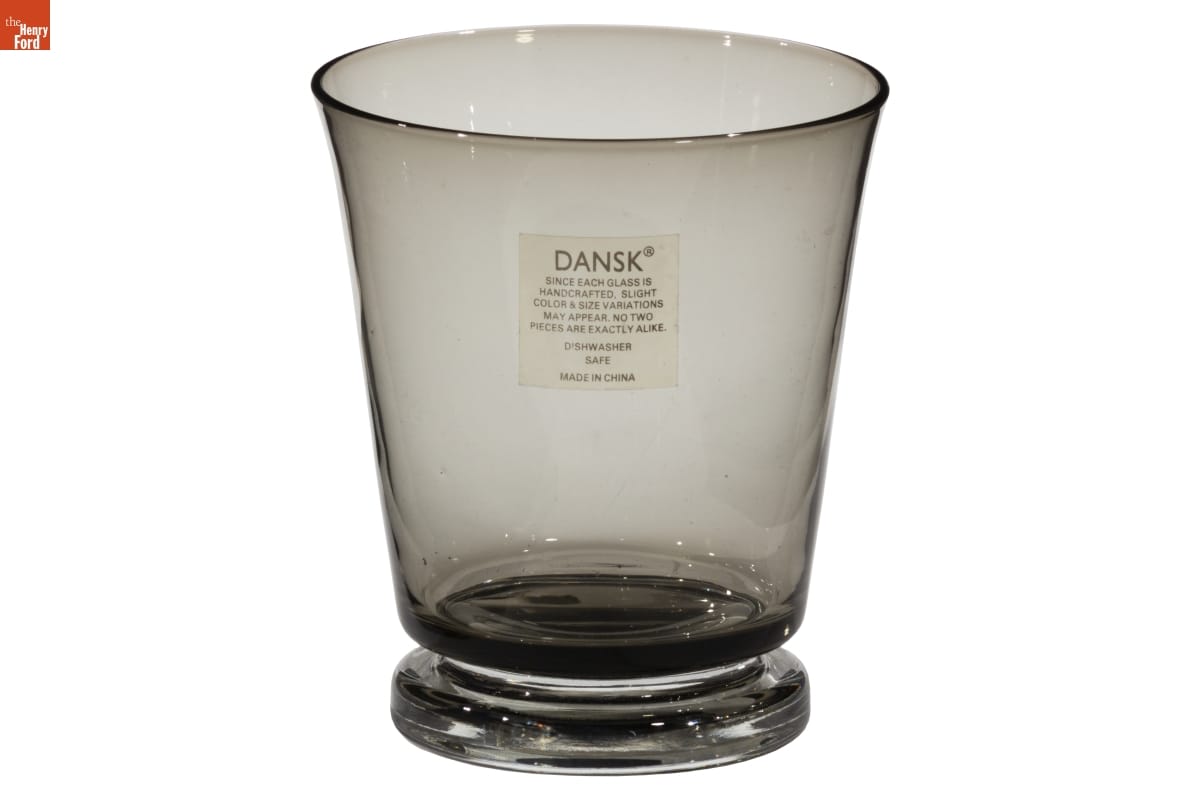
- "Vess L" Smoke Tumbler, 2005 - Starting in the early 1980s--and already established as an internationally recognized architect--Michael Graves began to pursue a parallel career as a product designer. Over the following three and a half decades he and his collaborators designed everything from humble household goods to limited edition luxury items for clients as diverse as Steuben, Alessi, Target, J. C. Penney, and Disney.
- 2005
- Collections - Artifact
"Vess L" Smoke Tumbler, 2005
Starting in the early 1980s--and already established as an internationally recognized architect--Michael Graves began to pursue a parallel career as a product designer. Over the following three and a half decades he and his collaborators designed everything from humble household goods to limited edition luxury items for clients as diverse as Steuben, Alessi, Target, J. C. Penney, and Disney.
- "Stop Smoking Stay Skinny," 1998 -

- 1998
- Collections - Artifact
"Stop Smoking Stay Skinny," 1998
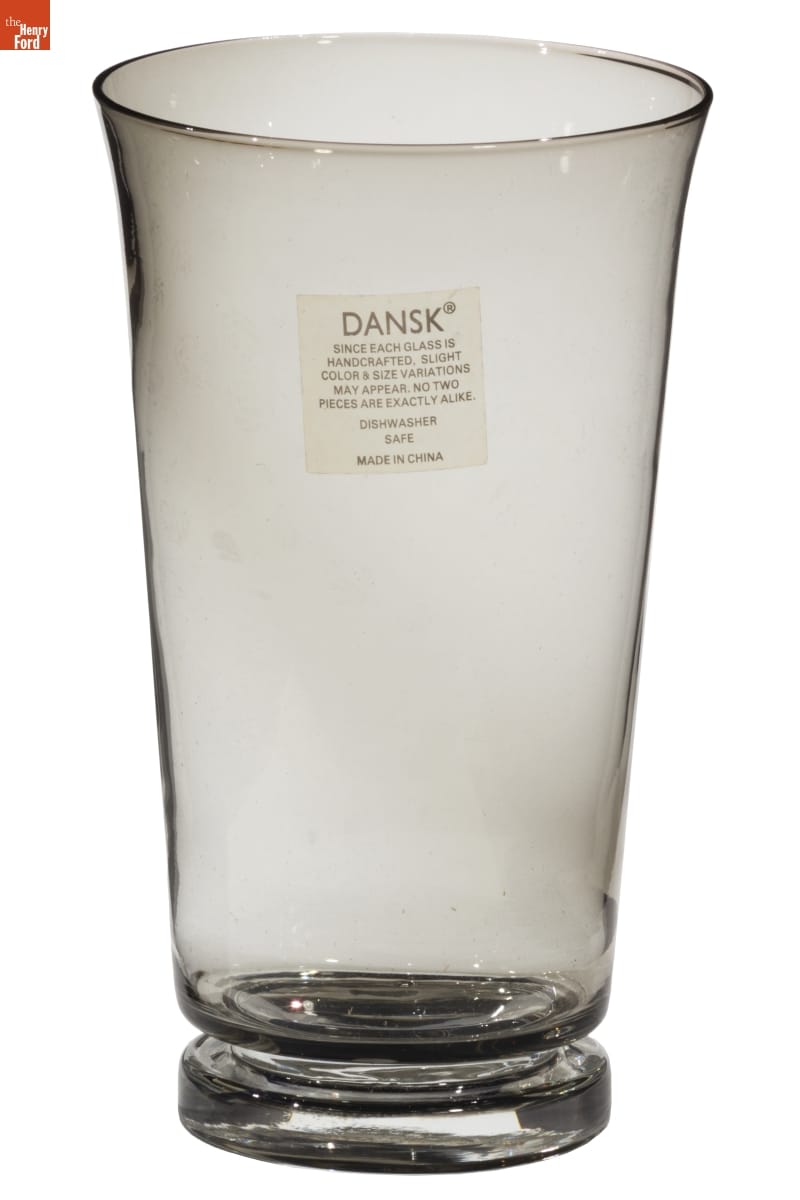
- "Vess L" Smoke Tumbler, 2005 - Starting in the early 1980s--and already established as an internationally recognized architect--Michael Graves began to pursue a parallel career as a product designer. Over the following three and a half decades he and his collaborators designed everything from humble household goods to limited edition luxury items for clients as diverse as Steuben, Alessi, Target, J. C. Penney, and Disney.
- 2005
- Collections - Artifact
"Vess L" Smoke Tumbler, 2005
Starting in the early 1980s--and already established as an internationally recognized architect--Michael Graves began to pursue a parallel career as a product designer. Over the following three and a half decades he and his collaborators designed everything from humble household goods to limited edition luxury items for clients as diverse as Steuben, Alessi, Target, J. C. Penney, and Disney.
- "Stop Smoking Lose Weight," 1981 -
- 1981
- Collections - Artifact
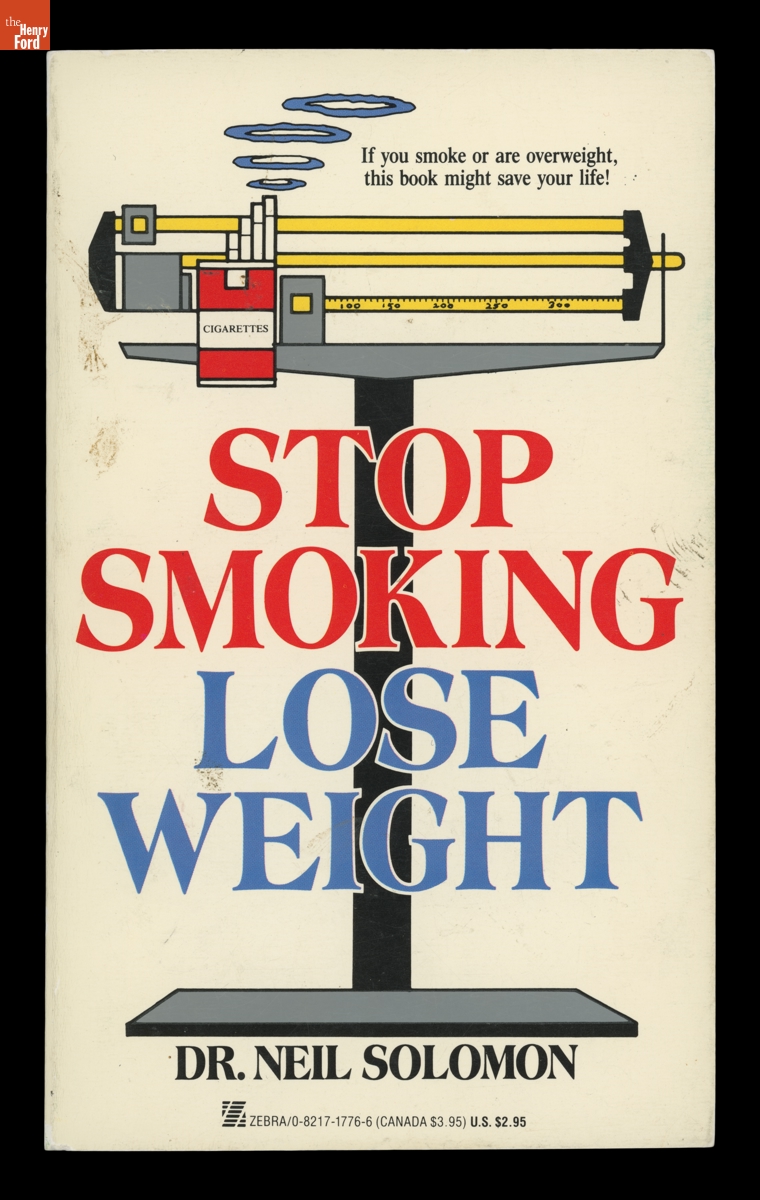
"Stop Smoking Lose Weight," 1981
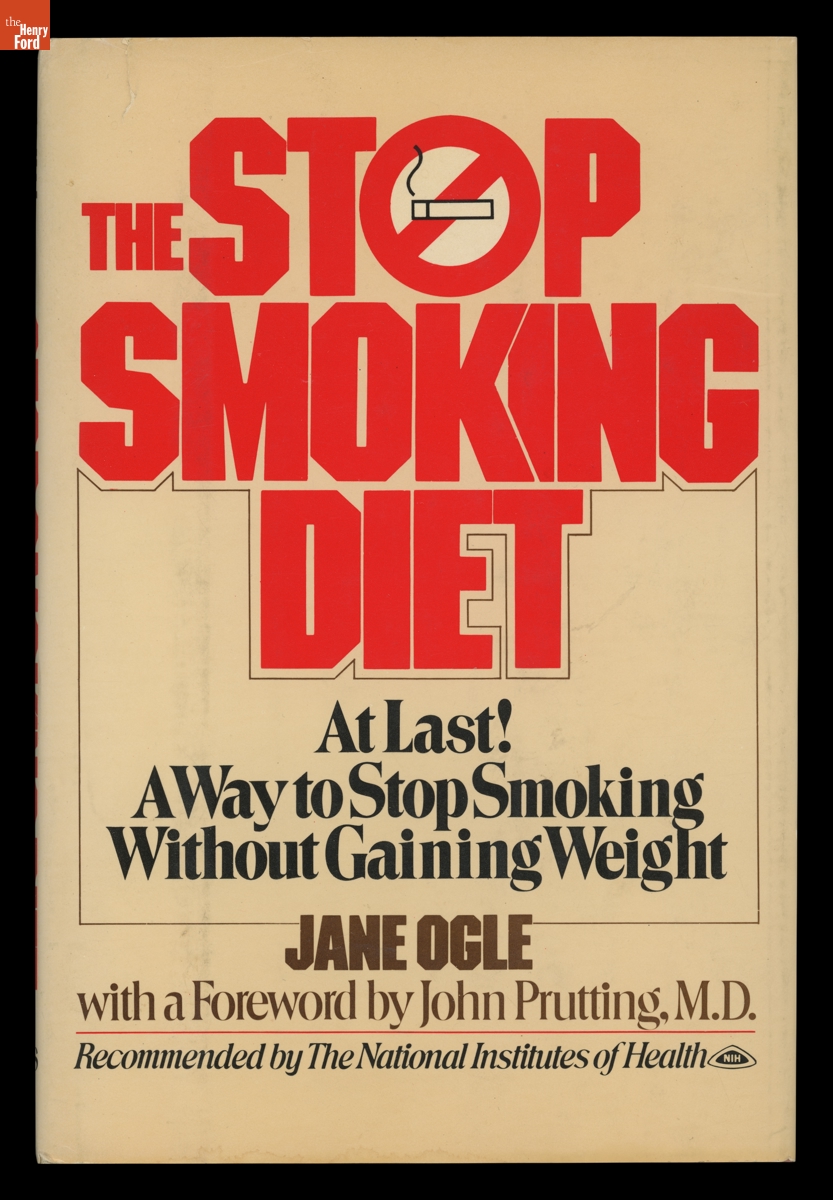
- "The Stop Smoking Diet: At Last! A Way to Stop Smoking without Gaining Weight," 1981 -
- 1981
- Collections - Artifact
"The Stop Smoking Diet: At Last! A Way to Stop Smoking without Gaining Weight," 1981
- "The I-Quit-Smoking Diet," 1988 -

- 1988
- Collections - Artifact
"The I-Quit-Smoking Diet," 1988
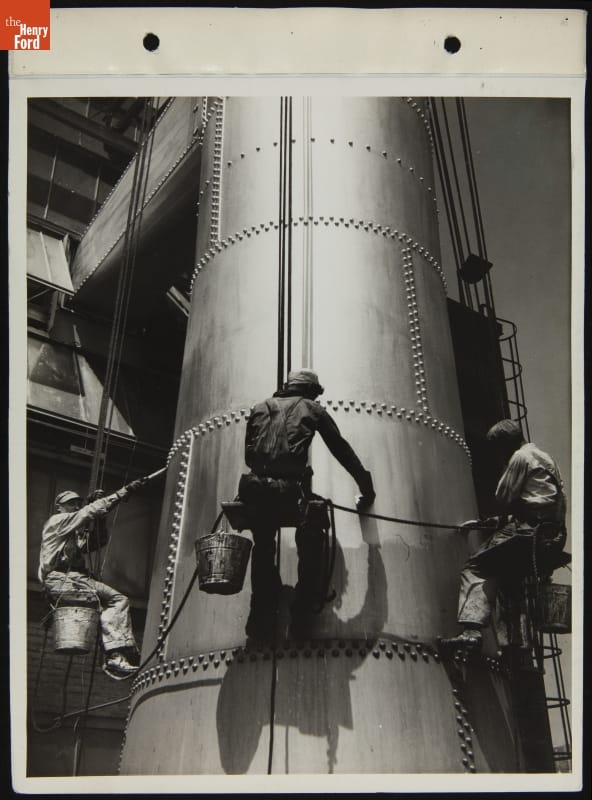
- Men Painting Smoke Stack, Rouge Glass Plant, July 1935 - Unsatisfied with glass from outside suppliers, Ford Motor Company established its own glass plant at the Rouge in 1923. Furnaces produced molten glass, while overhead grinders and polishers worked the material to a perfectly smooth and clear finish. Two other Ford glass plants, in Pennsylvania and Minnesota, combined with the Rouge to manufacture 20 million feet of glass each year.
- July 26, 1935
- Collections - Artifact
Men Painting Smoke Stack, Rouge Glass Plant, July 1935
Unsatisfied with glass from outside suppliers, Ford Motor Company established its own glass plant at the Rouge in 1923. Furnaces produced molten glass, while overhead grinders and polishers worked the material to a perfectly smooth and clear finish. Two other Ford glass plants, in Pennsylvania and Minnesota, combined with the Rouge to manufacture 20 million feet of glass each year.
- "The Stop Smoking Diet for Women," 1995 -

- 1995
- Collections - Artifact
"The Stop Smoking Diet for Women," 1995
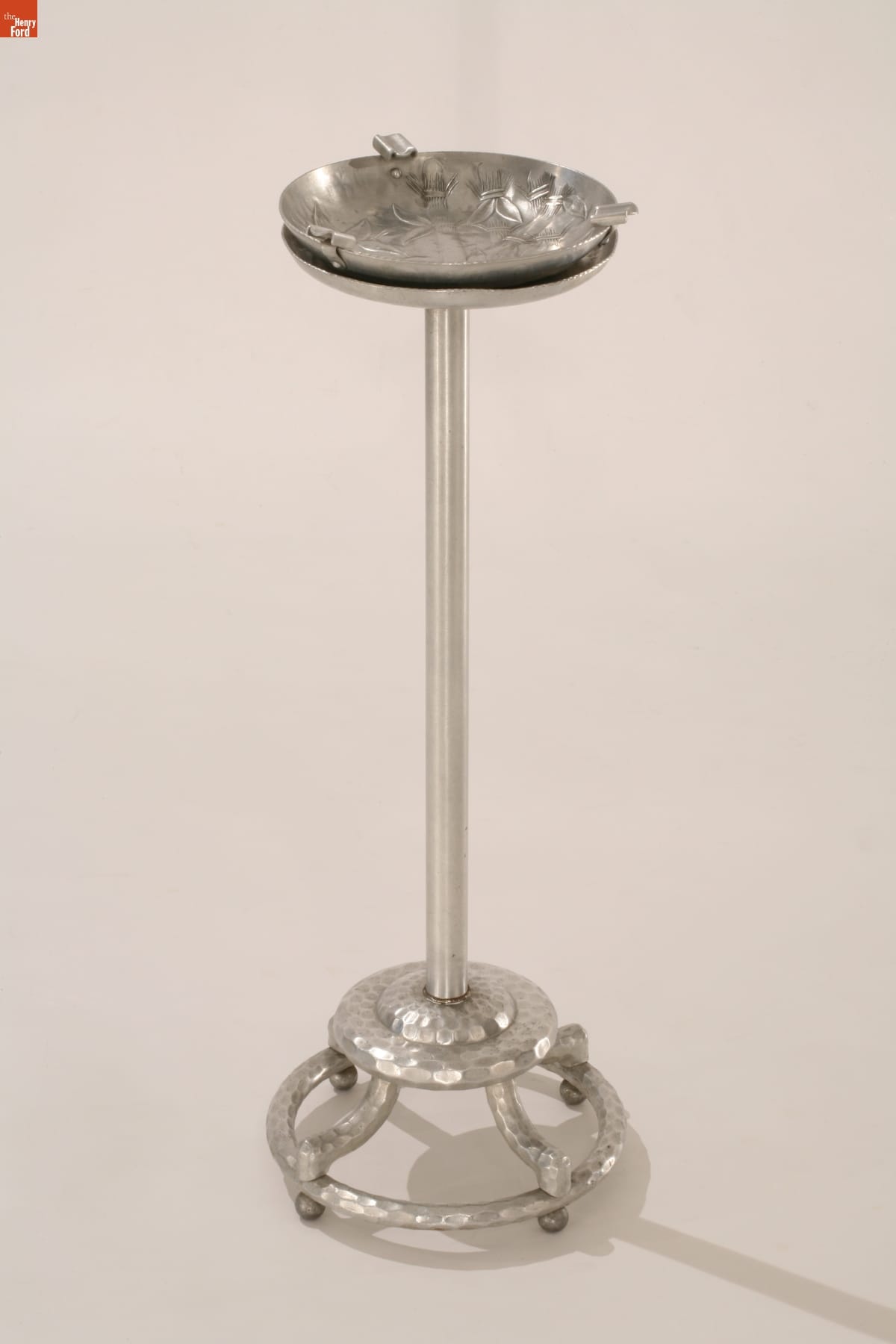
- Everlast "Bali Bamboo" Smoking Stand, 1948-1959 - In 1932, Louis Schnitzer and Nathan Gelfman formed Everlast Metal Products Corporation, producing high-quality, hand-forged aluminum giftware. In an era of growing uniformity via factory production, the "made by hand" aspect of these products held an aesthetic appeal for consumers. Everlast's most successful line, "Bali Bamboo," was a direct result of America's fascination with the South Pacific following World War II.
- 1948-1959
- Collections - Artifact
Everlast "Bali Bamboo" Smoking Stand, 1948-1959
In 1932, Louis Schnitzer and Nathan Gelfman formed Everlast Metal Products Corporation, producing high-quality, hand-forged aluminum giftware. In an era of growing uniformity via factory production, the "made by hand" aspect of these products held an aesthetic appeal for consumers. Everlast's most successful line, "Bali Bamboo," was a direct result of America's fascination with the South Pacific following World War II.