
Search
- Violin, 1880-1900 -
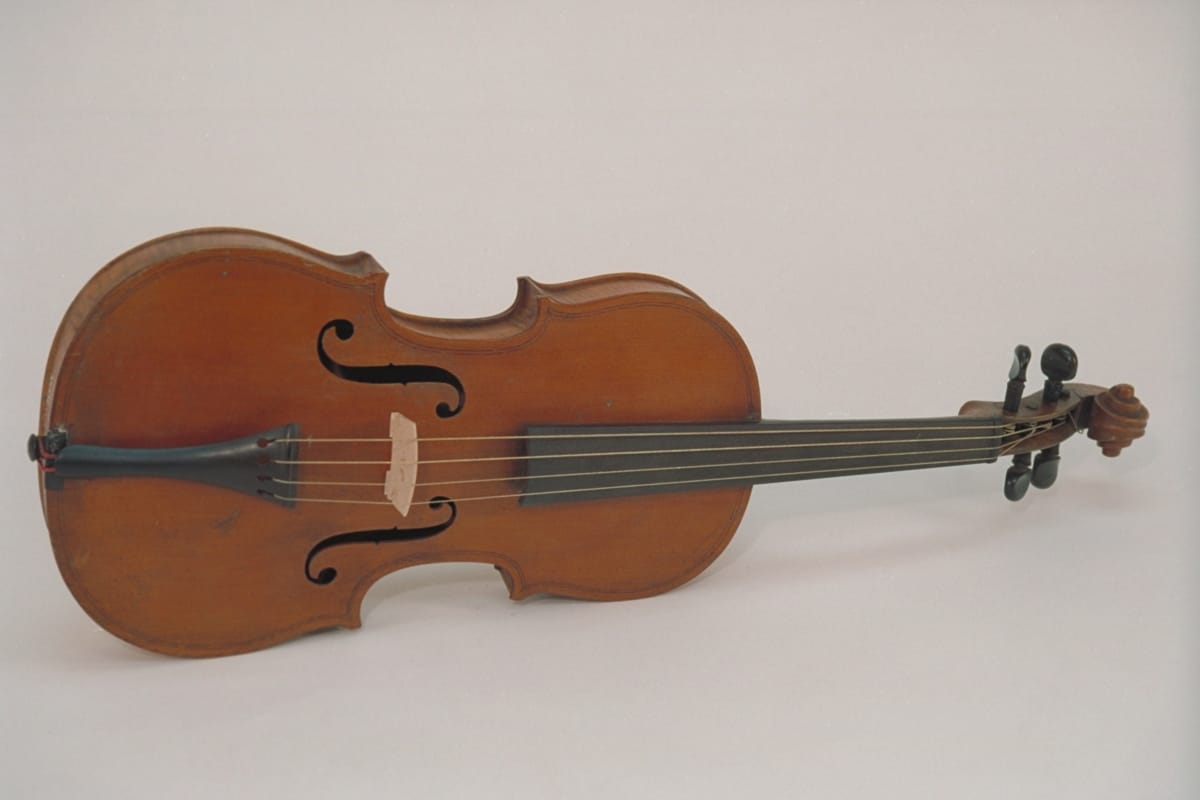
- 1880-1900
- Collections - Artifact
Violin, 1880-1900
- Violin Bow, circa 1920 -
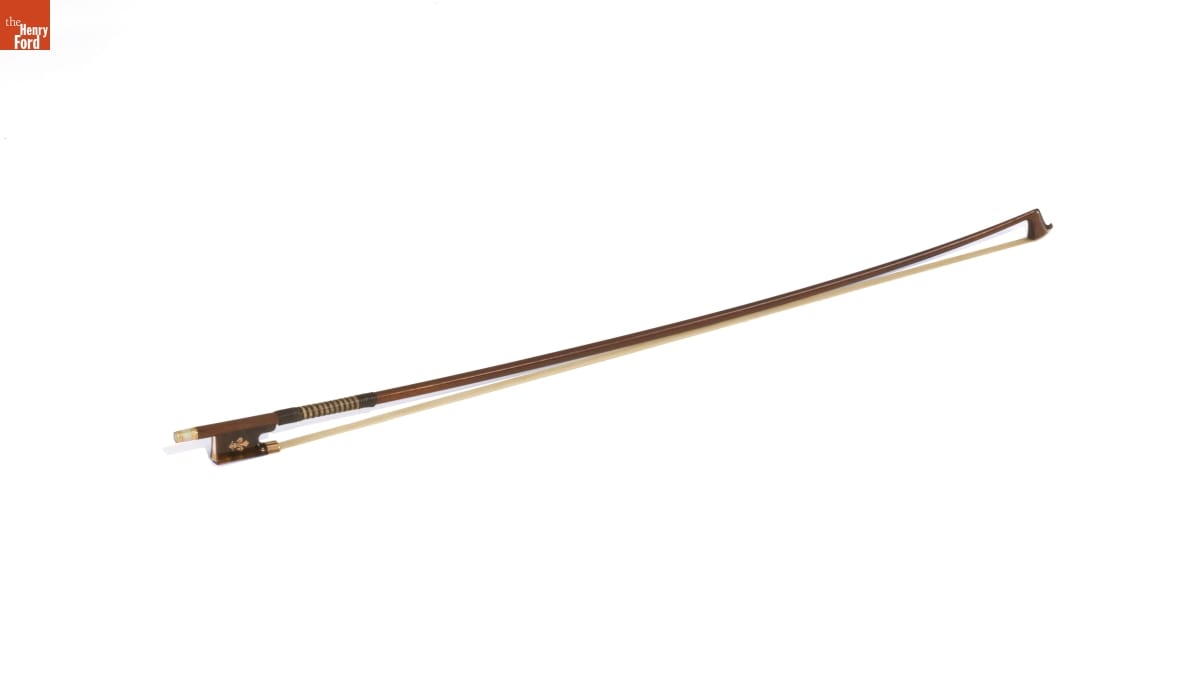
- circa 1920
- Collections - Artifact
Violin Bow, circa 1920
- Violin Bow, 1820-1825 -
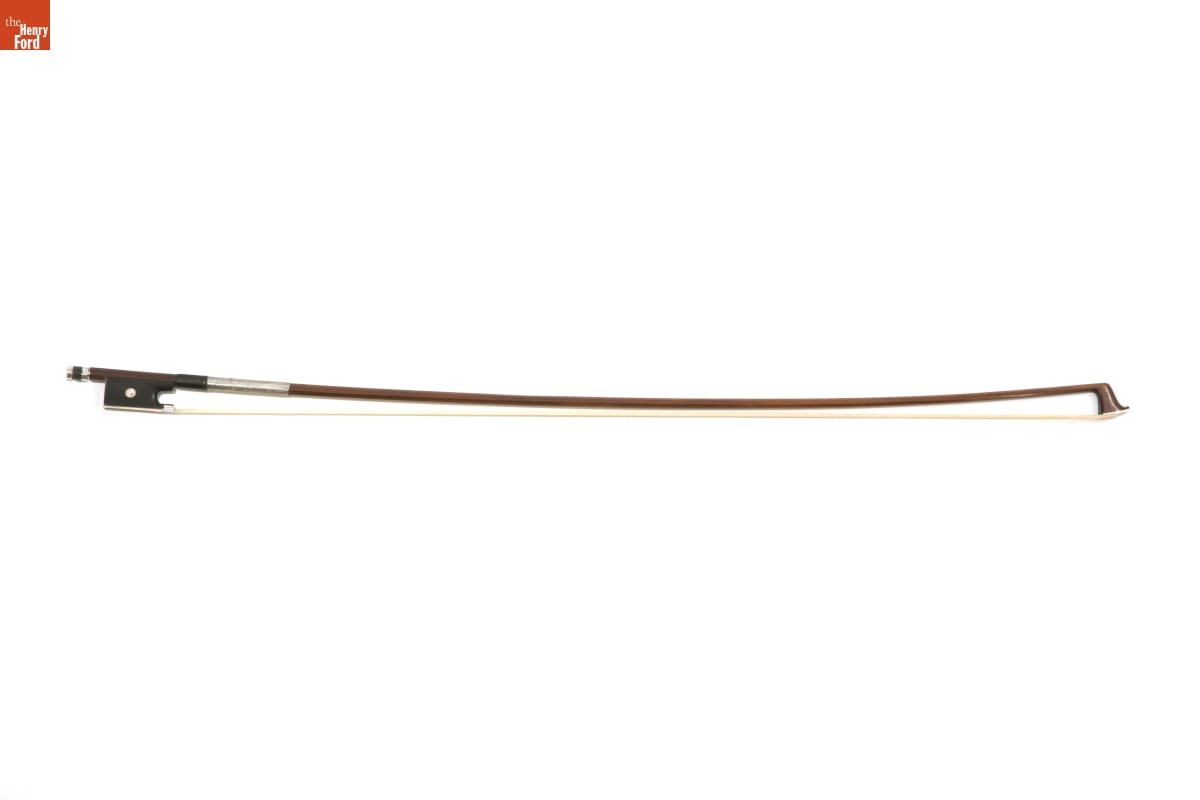
- 1820-1825
- Collections - Artifact
Violin Bow, 1820-1825
- Violin Bow, circa 1920 -
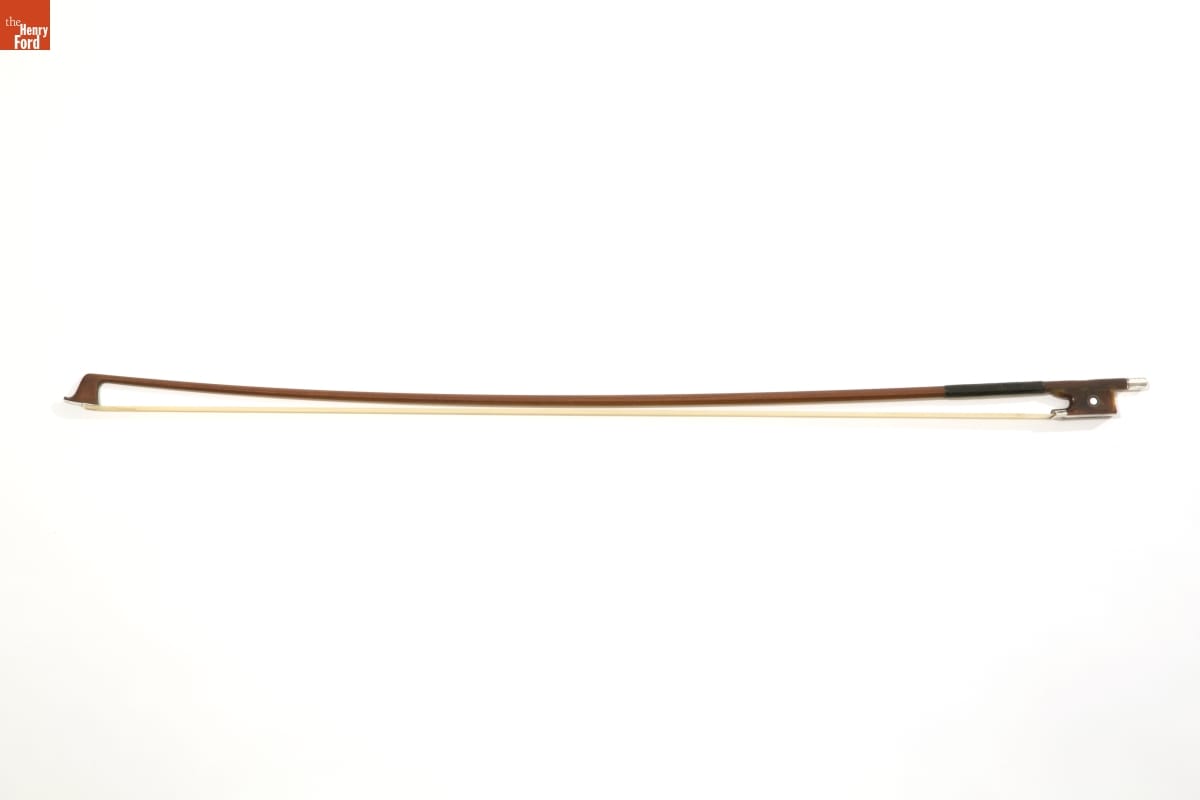
- circa 1920
- Collections - Artifact
Violin Bow, circa 1920
- Violin Bow, circa 1770 -
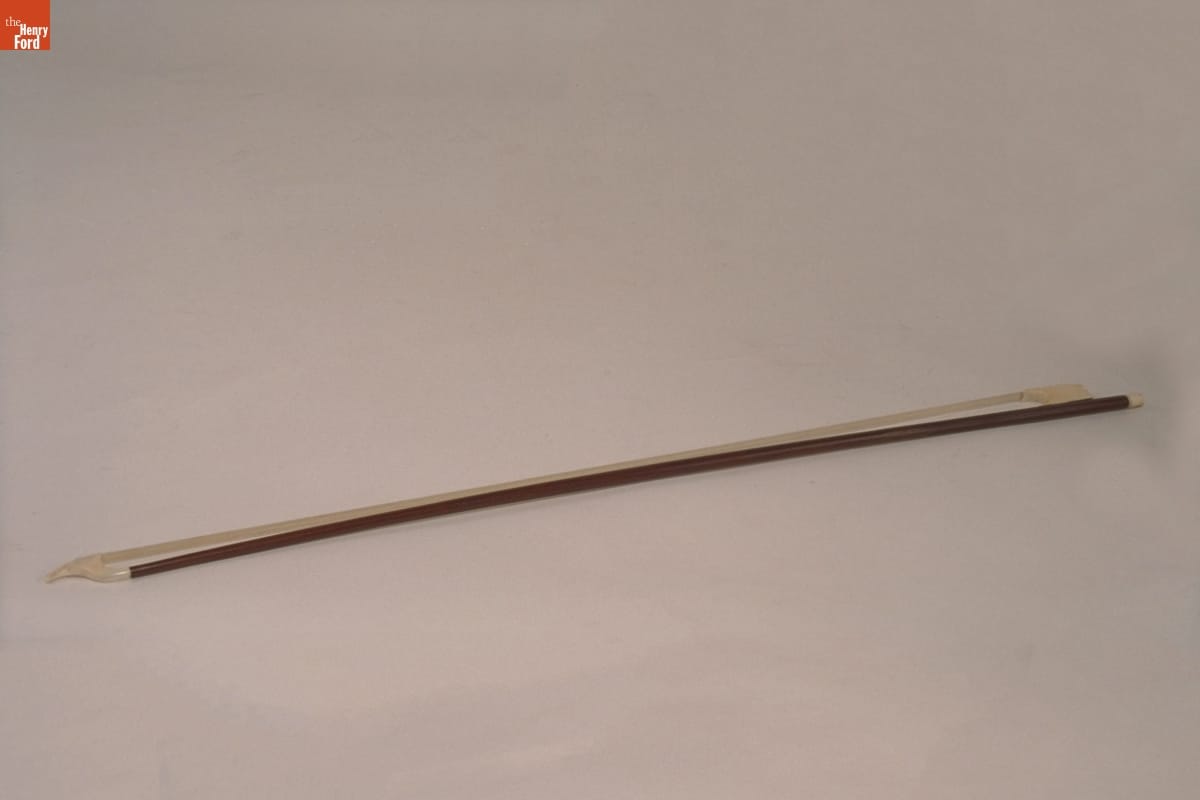
- circa 1770
- Collections - Artifact
Violin Bow, circa 1770
- Violin Bow, 1790-1795 - Henry Ford collected fine classical violin bows, as well as fine violins. This bow was made in the Tourte Workshop--a well-known family of French bow makers. By the early 1800s, Francois Xavier Tourte developed--through modifications which took years to perfect--the modern violin bow. Violinists could now play their instruments using techniques that couldn't be accomplished before this time.
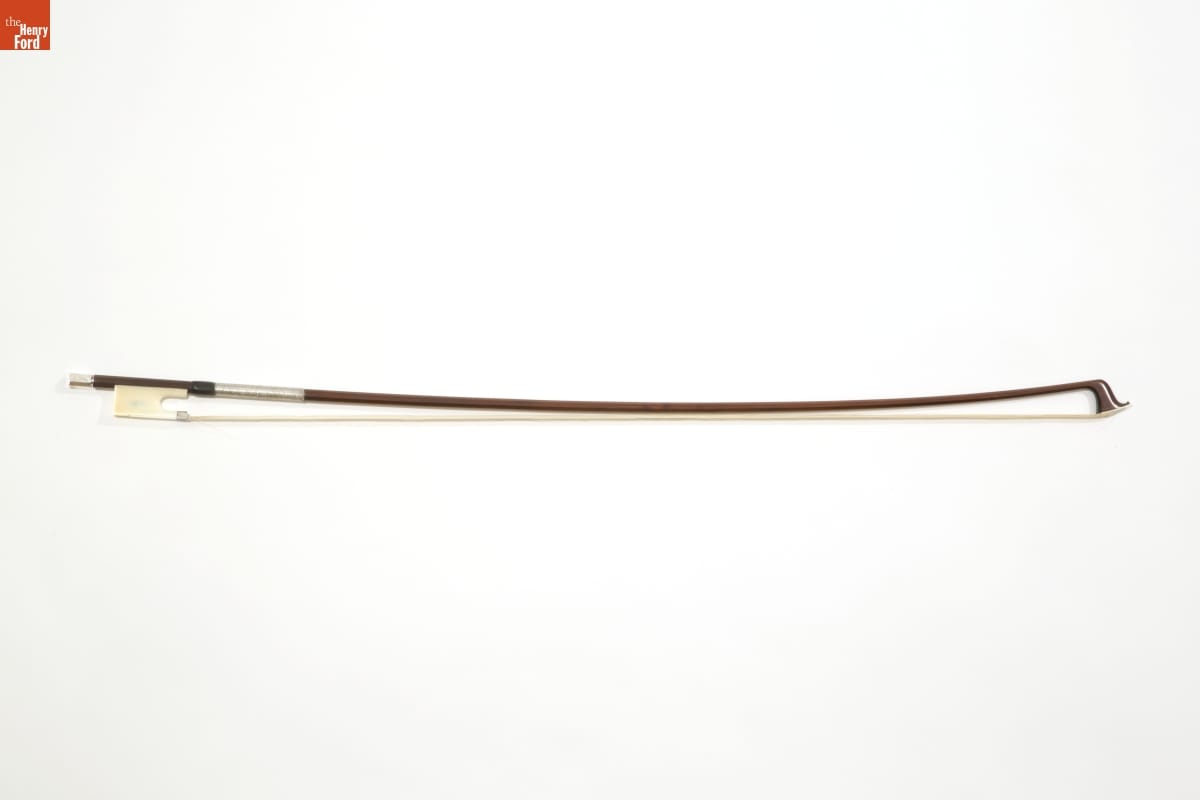
- 1790-1795
- Collections - Artifact
Violin Bow, 1790-1795
Henry Ford collected fine classical violin bows, as well as fine violins. This bow was made in the Tourte Workshop--a well-known family of French bow makers. By the early 1800s, Francois Xavier Tourte developed--through modifications which took years to perfect--the modern violin bow. Violinists could now play their instruments using techniques that couldn't be accomplished before this time.
- Violin Bow, 1890-1895 -
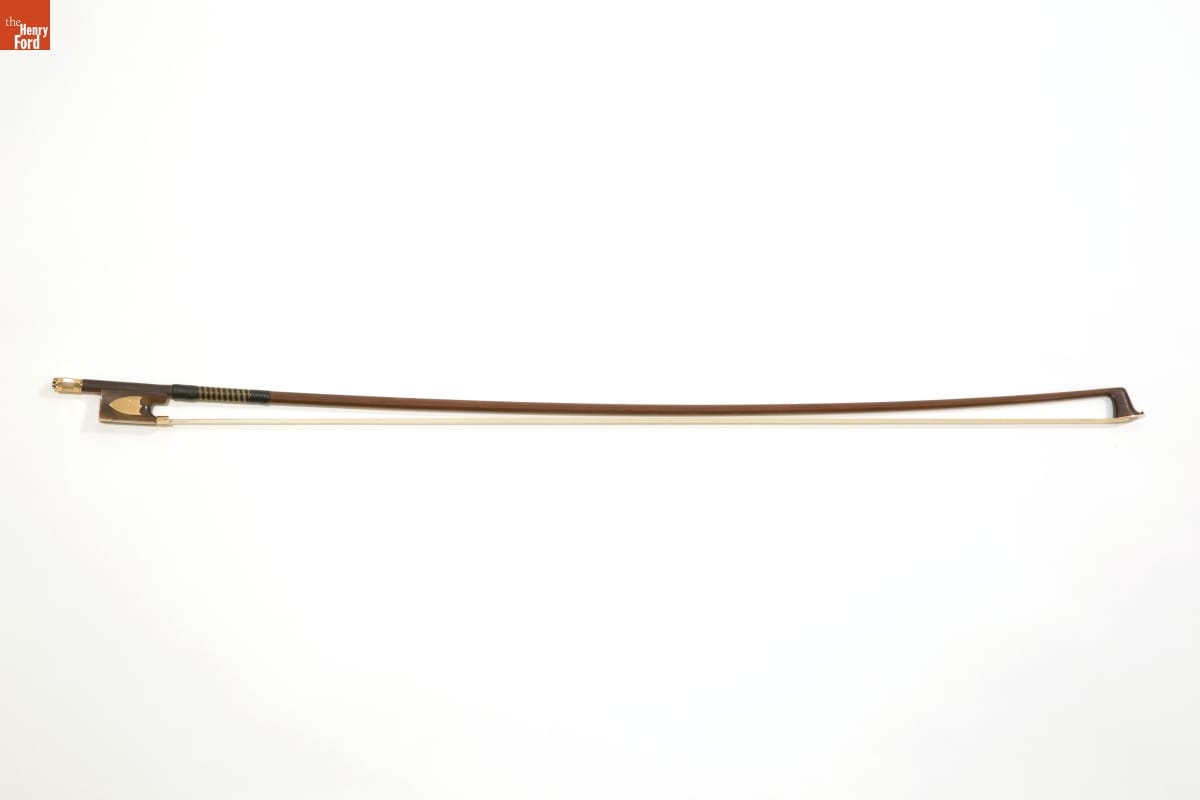
- 1890-1895
- Collections - Artifact
Violin Bow, 1890-1895
- Violin Bow, circa 1720 - Henry Ford also collected 18th and 19th century violin bows, as well as fine violins. Rudolph Wurlitzer selected this early 18th century English bow from his personal collection and presented it to Ford in 1937. Wurlitzer, a violin dealer and musical instrument manufacturer, had helped Ford acquire his Italian-made classical violins during the 1920s and kept them in good repair for the industrialist.
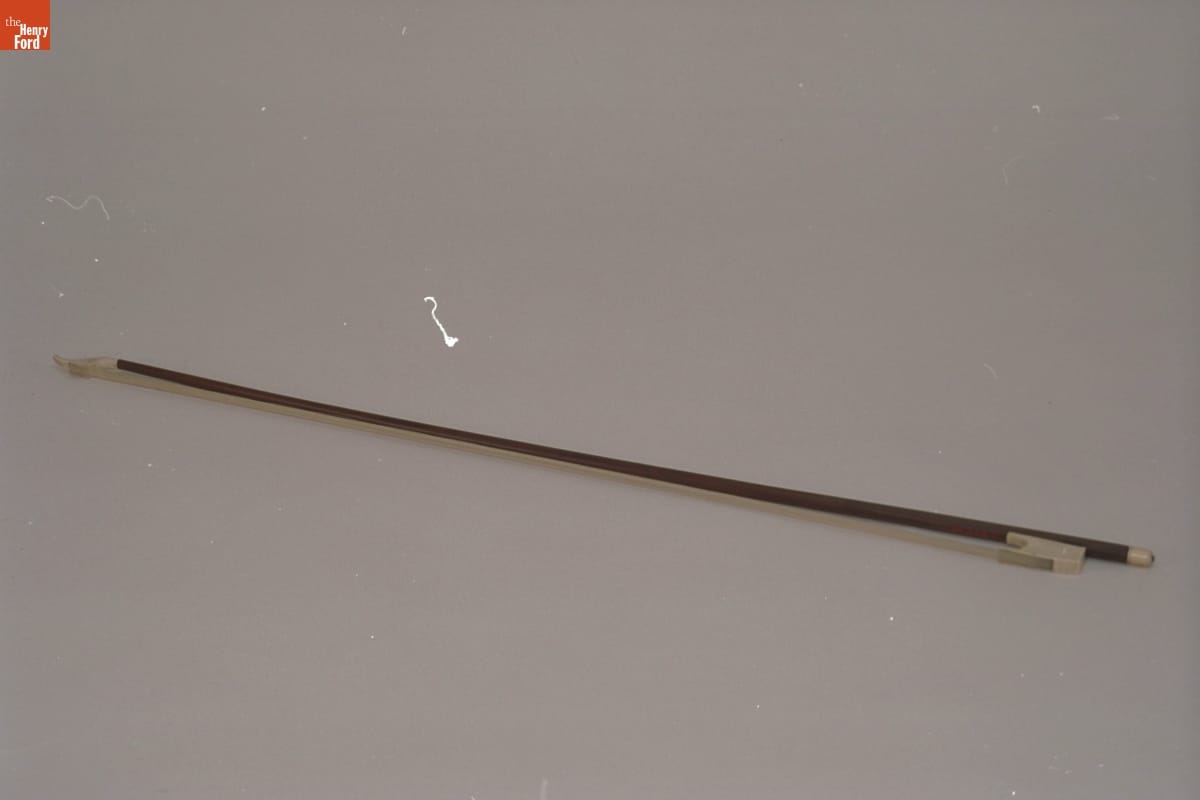
- circa 1720
- Collections - Artifact
Violin Bow, circa 1720
Henry Ford also collected 18th and 19th century violin bows, as well as fine violins. Rudolph Wurlitzer selected this early 18th century English bow from his personal collection and presented it to Ford in 1937. Wurlitzer, a violin dealer and musical instrument manufacturer, had helped Ford acquire his Italian-made classical violins during the 1920s and kept them in good repair for the industrialist.
- Violin Bow, circa 1900 -
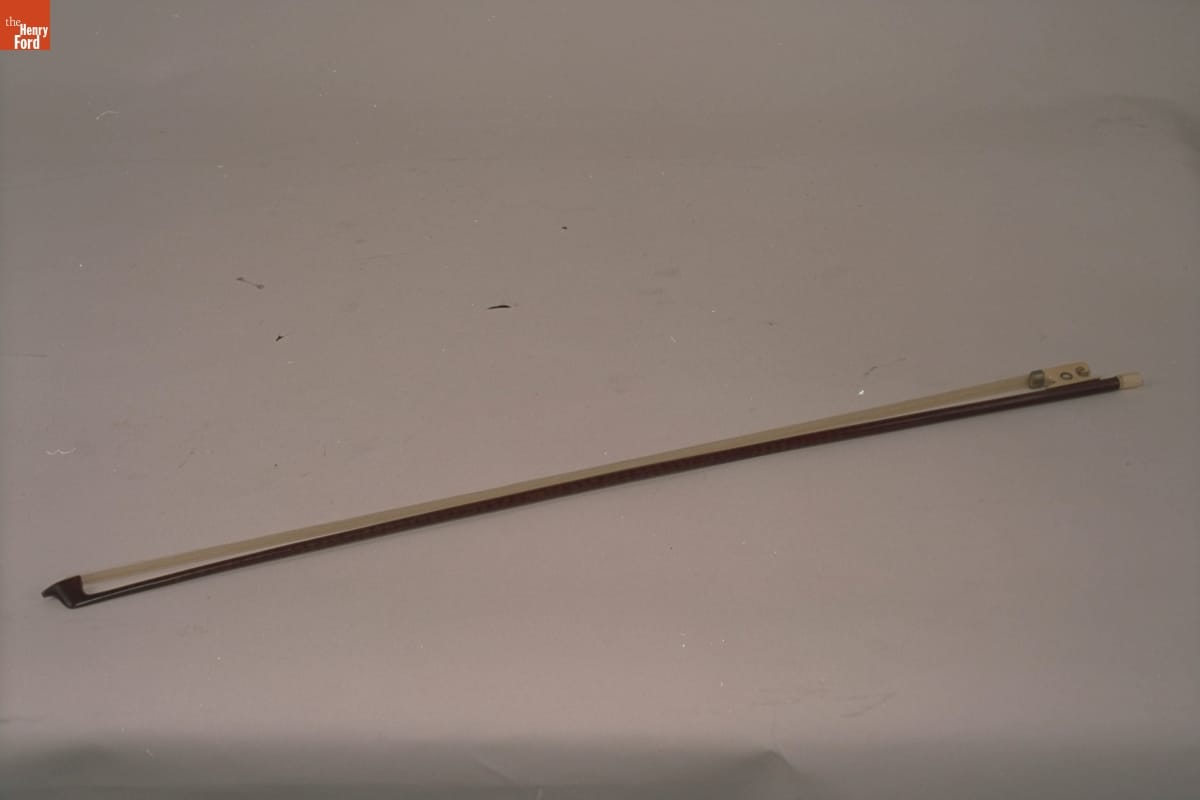
- circa 1900
- Collections - Artifact
Violin Bow, circa 1900
- Violin by Nicolo Amati, 1647 - In the 1920s, Henry Ford purchased several exquisite Italian violins, including this one by Nicolo Amati. Amati's grandfather Andrea founded the Cremona school of violinmaking in the 16th century. During Nicolo Amati's working life, the Amati workshop produced some of the finest violins in Europe and trained many apprentices, possibly including the young Antonio Stradivari.
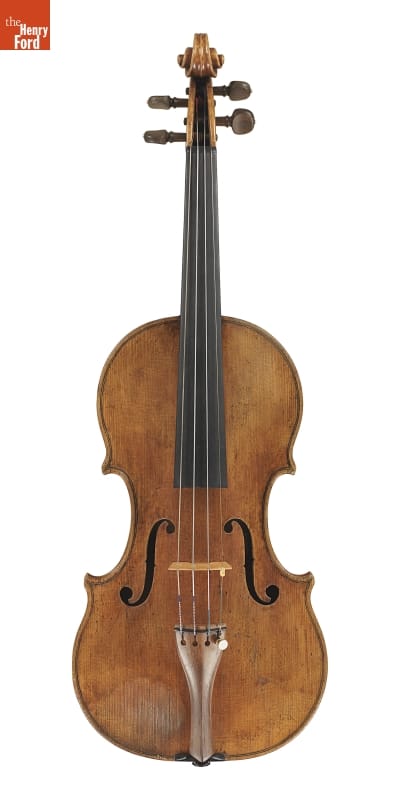
- 1647
- Collections - Artifact
Violin by Nicolo Amati, 1647
In the 1920s, Henry Ford purchased several exquisite Italian violins, including this one by Nicolo Amati. Amati's grandfather Andrea founded the Cremona school of violinmaking in the 16th century. During Nicolo Amati's working life, the Amati workshop produced some of the finest violins in Europe and trained many apprentices, possibly including the young Antonio Stradivari.